







-
 Agriculture
-
 Health-Care
-
 Environment
-
 Construction-Real-Estate
-
 Tools-Hardware
-
 Home-Garden
-
 Furniture
-
 Luggage-Bags-Cases
-
 Medical-devices-Supplies
-
 Gifts-Crafts
-
 Sports-Entertainment
-
 Food-Beverage
-
 Vehicles-Transportation
-
 Power-Transmission
-
 Material-Handling
-
 Renewable-Energy
-
 Safety
-
 Testing-Instrument-Equipment
-
 Construction-Building-Machinery
-
 Pet-Supplies
-
 Personal-Care-Household-Cleaning
-
 Vehicle-Accessories-Electronics-Tools
-
 School-Office-Supplies
-
 Packaging-Printing
-
 Mother-Kids-Toys
-
 Business-Services
-
 Commercial-Equipment-Machinery
-
 Apparel-Accessories
-
 Security
-
 Shoes-Accessories
-
 Vehicle-Parts-Accessories
-
 Jewelry-Eyewear-Watches-Accessories
-
 Lights-Lighting
-
 Fabric-Textile-Raw-Material
-
 Fabrication-Services
-
 Industrial-Machinery
-
 Consumer-Electronics
-
 Electrical-Equipment-Supplies
-
 Electronic-Components-Accessories-Telecommunications
-
 Home-Appliances
-
 Beauty
-
 Chemicals
-
 Rubber-Plastics
-
 Metals-Alloys


























































































































































































































































































































































































































































































































































































- Masonry Materials
- Curtain Walls & Accessories
- Earthwork Products
- Fireproofing Materials
- Heat Insulation Materials
- Plastic Building Materials
- Building Boards
- Soundproofing Materials
- Timber
- Waterproofing Materials
- Balustrades & Handrails
- Bathroom & Kitchen
- Flooring & Accessories
- Tiles & Accessories
- Door, Window & Accessories
- Fireplaces & Stoves
- Floor Heating Systems & Parts
- Stairs & Stair Parts
- Ceilings
- Elevators & Escalators
- Stone
- Countertops, Vanity Tops & Table Tops
- Mosaics
- Metal Building Materials
- Multifunctional Materials
- Ladders & Scaffoldings
- Mouldings
- Corner Guards
- Decorative Films
- Formwork
- Building & Industrial Glass
- Other Construction & Real Estate
- Wallpapers/Wall panels
- HVAC System & Parts
- Outdoor Facilities
- Prefabricated Buildings
- Festive & Party Supplies
- Bathroom Products
- Household Sundries
- Rain Gear
- Garden Supplies
- Household Cleaning Tools & Accessories
- Lighters & Smoking Accessories
- Home Storage & Organization
- Household Scales
- Smart Home Improvement
- Home Textiles
- Kitchenware
- Drinkware & Accessories
- Dinnerware, Coffee & Wine
- Home Decor
- Golf
- Fitness & Body Building
- Amusement Park Facilities
- Billiards, Board Game,Coin Operated Games
- Musical Instruments
- Outdoor Affordable Luxury Sports
- Camping & Hiking
- Fishing
- Sports Safety&Rehabilitation
- Ball Sports Equipments
- Water Sports
- Winter Sports
- Luxury Travel Equipments
- Sports Shoes, Bags & Accessories
- Cycling
- Other Sports & Entertainment Products
- Artificial Grass&Sports Flooring&Sports Court Equipment
- Scooters
- Food Ingredients
- Honey & Honey Products
- Snacks
- Nuts & Kernels
- Seafood
- Plant & Animal Oil
- Beverages
- Fruit & Vegetable Products
- Frog & Escargot
- Bean Products
- Egg Products
- Dairy Products
- Seasonings & Condiments
- Canned Food
- Instant Food
- Baked Goods
- Other Food & Beverage
- Meat & Poultry
- Confectionery
- Grain Products
- Feminie Care
- Hair Care & Styling
- Body Care
- Hands & Feet Care
- Hygiene Products
- Men's Grooming
- Laundry Cleaning Supplies
- Travel Size & Gift Sets
- Room Deodorizers
- Other Personal Care Products
- Pest Control Products
- Special Household Cleaning
- Floor Cleaning
- Kitchen & Bathroom Cleaning
- Oral Care
- Bath Supplies
- Yellow Pages
- Correction Supplies
- Office Binding Supplies
- Office Cutting Supplies
- Board Erasers
- Office Adhesives & Tapes
- Education Supplies
- Pencil Cases & Bags
- Notebooks & Writing Pads
- File Folder Accessories
- Calendars
- Writing Accessories
- Commercial Office Supplies
- Pencil Sharpeners
- Pens
- Letter Pad/Paper
- Paper Envelopes
- Desk Organizers
- Pencils
- Markers & Highlighters
- Filing Products
- Art Supplies
- Easels
- Badge Holder & Accessories
- Office Paper
- Printer Supplies
- Book Covers
- Other Office & School Supplies
- Stationery Set
- Boards
- Clipboards
- Stamps
- Drafting Supplies
- Stencils
- Electronic Dictionary
- Books
- Map
- Magazines
- Calculators
- Baby & Toddler Toys
- Educational Toys
- Classic Toys
- Dress Up & Pretend Play
- Toy Vehicle
- Stuffed Animals & Plush Toys
- Outdoor Toys & Structures
- Balloons & Accessories
- Baby Food
- Children's Clothing
- Baby Supplies & Products
- Maternity Clothes
- Kids Shoes
- Baby Care
- Novelty & Gag Toys
- Dolls & Accessories
- Puzzle & Games
- Blocks & Model Building Toys
- Toddler Clothing
- Baby Clothing
- Kids' Luggage & Bags
- Arts, Crafts & DIY Toys
- Action & Toy Figures
- Baby Appliances
- Hobbies & Models
- Remote Control Toys
- Promotional Toys
- Pregnancy & Maternity
- Hygiene Products
- Kid's Textile&Bedding
- Novelty & Special Use
- Toy Weapons
- Baby Gifts
- Baby Storage & Organization
- Auto Drive Systems
- ATV/UTV Parts & Accessories
- Marine Parts & Accessories
- Other Auto Parts
- Trailer Parts & Accessories
- Auto Transmission Systems
- Train Parts & Accessories
- Universal Parts
- Railway Parts & Accessories
- Auto Brake Systems
- Aviation Parts & Accessories
- Truck Parts & Accessories
- Auto Suspension Systems
- Auto Lighting Systems
- New Energy Vehicle Parts & Accessories
- Auto Steering Systems
- Wheels, Tires & Accessories
- Bus Parts & Accessories
- Auto Performance Parts
- Cooling System
- Go-Kart & Kart Racer Parts & Accessories
- Air Conditioning Systems
- Heavy Duty Vehicle Parts & Accessories
- Auto Electrical Systems
- Auto Body Systems
- Auto Engine Systems
- Container Parts & Accessories
- Motorcycle Parts & Accessories
- Refrigeration & Heat Exchange Equipment
- Machine Tool Equipment
- Food & Beverage Machinery
- Agricultural Machinery & Equipment
- Apparel & Textile Machinery
- Chemical Machinery
- Packaging Machines
- Paper Production Machinery
- Plastic & Rubber Processing Machinery
- Industrial Robots
- Electronic Products Machinery
- Metal & Metallurgy Machinery
- Woodworking Machinery
- Home Product Manufacturing Machinery
- Machinery Accessories
- Environmental Machinery
- Machinery Service
- Electrical Equipment Manufacturing Machinery
- Industrial Compressors & Parts
- Tobacco & Cigarette Machinery
- Production Line
- Used Industrial Machinery
- Electronics Production Machinery
- Other Machinery & Industrial Equipment
- Camera, Photo & Accessories
- Portable Audio, Video & Accessories
- Television, Home Audio, Video & Accessories
- Video Games & Accessories
- Mobile Phone & Accessories
- Electronic Publications
- Earphone & Headphone & Accessories
- Speakers & Accessories
- Smart Electronics
- TV Receivers & Accessories
- Mobile Phone & Computer Repair Parts
- Chargers, Batteries & Power Supplies
- Used Electronics
- VR, AR, MR Hardware & Software
- Projectors & Presentation Equipments
- Other Consumer Electronics
- Cables & Commonly Used Accessories
- Computer Hardware & Software
- Displays, Signage and Optoelectronics
- Discrete Semiconductors
- Wireless & IoT Module and Products
- Telecommunications
- Connectors, Terminals & Accessories
- Development Boards, Electronic Modules and Kits
- Circuit Protection
- Sensors
- Isolators
- Audio Components and Products
- Integrated Circuits
- Power Supplies
- Relays
- RF, Microwave and RFID
- Electronic Accessories & Supplies
- Passive Components
- PCB & PCBA
- Air Quality Appliances
- Home Appliance Parts
- Heating & Cooling Appliances
- Small Kitchen Appliances
- Laundry Appliances
- Water Heaters
- Water Treatment Appliances
- Refrigerators & Freezers
- Personal Care & Beauty Appliances
- Major Kitchen Appliances
- Cleaning Appliances
- Second-hand Appliances
- Smart Home Appliances
- Other Home Appliances
- Energy Chemicals
- Inorganic Chemicals
- Basic Organic Chemicals
- Agrochemicals
- Admixture & Additives
- Catalysts & Chemical Auxiliary Agents
- Pigments & Dyestuff
- Coating & Paint
- Daily Chemicals
- Polymer
- Organic Intermediate
- Adhesives & Sealants
- Chemical Waste
- Biological Chemical Products
- Surface Treatment Chemicals
- Painting & Coating
- Chemical Reagents
- Flavor & Fragrance
- Non-Explosive Demolition Agents
- Other Chemicals
- Custom Chemical Services

A Complete Guide to Custom Electrical Accessory Design Approval Processes
Developing custom electrical accessories requires a structured, multi-phase approval framework to guarantee structural integrity, dimensional accuracy, and strict environmental compliance. Implementing an end-to-end verification pipeline—from initial technical sign-off to 3D CAD modeling, raw material chemical testing, physical prototyping, mechanical stress evaluation, and pre-production sample audits—ensures zero manufacturing defects before entering mass production.
Essential Takeaways & Approval Milestones
- Technical Parameter Authorization: Establishes dimensional specs, operating temperature thresholds, hardness ratings, and electrical insulation properties prior to tooling.
- Chemical & Safety Auditing: Verifies raw material safety against chemical compliance frameworks using official REACH (WDX23051145EN) and RoHS (WDX23051146EN) certificates.
- Physical Performance Validation: Subject physical prototypes to thermal endurance cycling, wear resistance, hydrolysis tests, and mechanical stress evaluations.
- Comprehensive Quality Oversight: Enforces systematic quality gates spanning incoming raw materials, in-process moulding, surface appearance checks, and final tolerance verification.
Phase-by-Phase Technical Approval Process
To prevent costly manufacturing rework downstream, engineering teams must establish strict sign-off checkpoints at every phase of development. The process starts during the technical sign-off stage, converting client-specific application requirements—such as static dissipation, shock resistance, and spatial enclosure fitment—into detailed 3D CAD models. Backed by R&D engineering teams capable of developing over 10 new items monthly, custom tooling designs are optimized for applications across electronic packaging liners, automotive protection sheaths, medical equipment components, and home appliance enclosures.
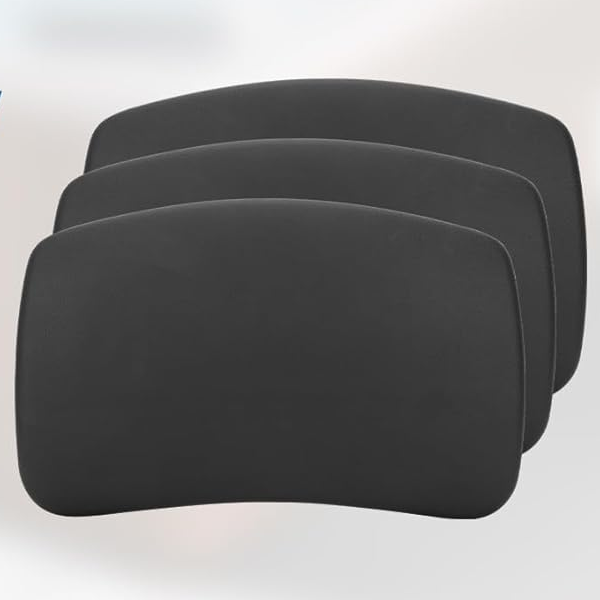
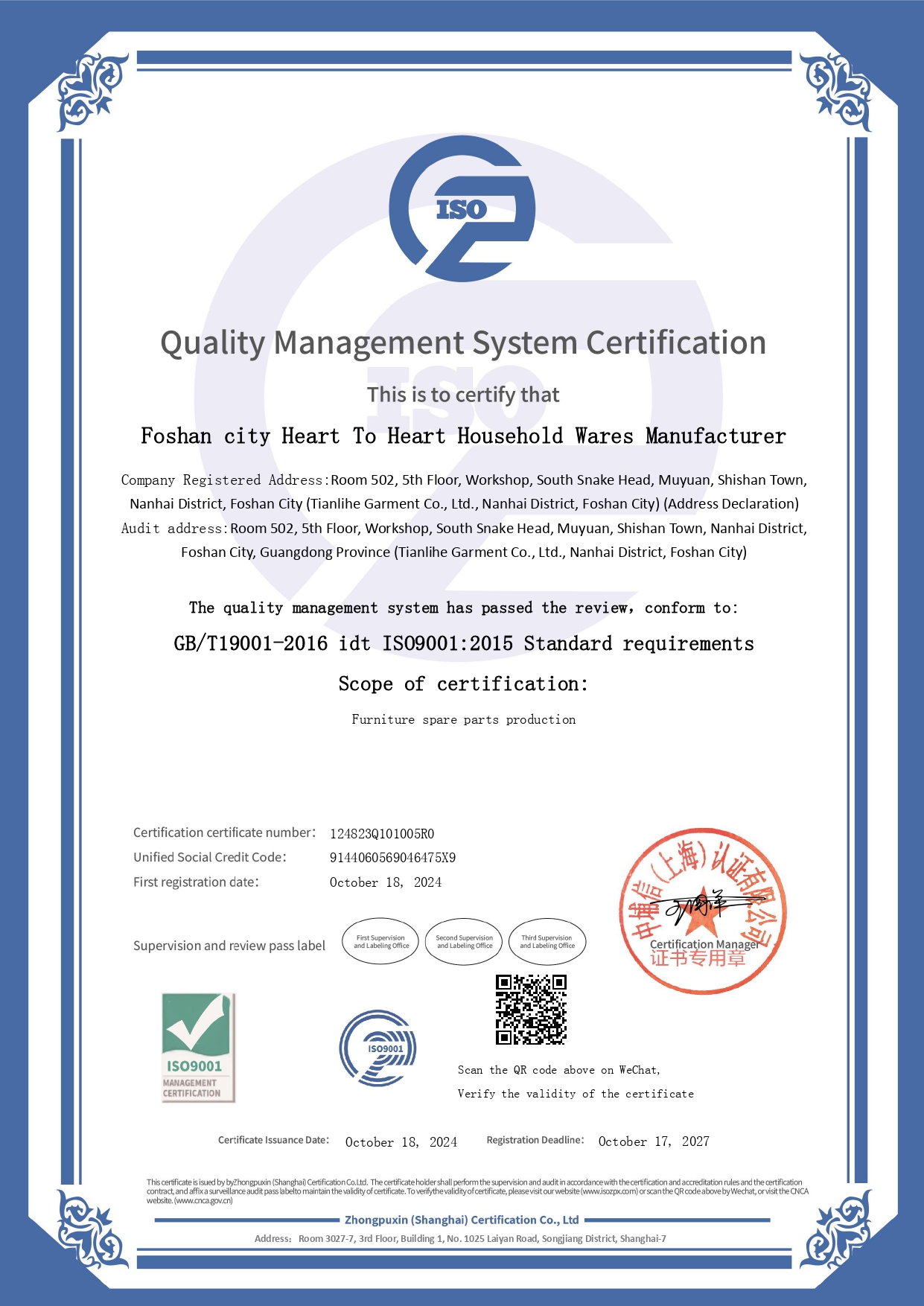
The second critical stage centers on chemical safety and environmental verification. Raw materials must be validated to confirm the absence of restricted hazardous substances, fulfilling international market entry criteria across Europe, North America, and Asia. In-house testing assesses hydrolysis resistance, flame retardancy, and thermal stability under extreme operational stress. Manufacturing facilities maintain fully accredited quality management systems, including ISO9001 (Certificate 124823Q101005R0) and CE compliance (Certificate M.2025.206.C113193).
The final approval gate requires physical sample inspection and pre-production batch authorization. Prototypes undergo rigorous mechanical load testing, structural strain evaluations, and cosmetic surface checks. Over a decade of OEM/ODM contract manufacturing experience demonstrates that transparent quality metrics established during initial sample sign-off eliminate the reliance on third-party inspection agencies, ensuring consistent batch-to-batch stability across high-volume production runs.
Comparing Standard Off-the-Shelf Purchasing vs. Custom Approval Workflows
| Evaluation Metric | Standard Off-the-Shelf Purchase | Custom OEM/ODM Approval Path |
|---|---|---|
| Design Sign-Off | Pre-defined standard dimensions | Custom 3D CAD modeling & multi-stage sample authorization |
| Material Compliance | Standard factory specification | Batch-verified REACH & RoHS reports (WDX series) |
| Quality Control Process | Random post-production sampling | In-line monitoring, physical performance & pre-shipment audits |
| Production Lead Time | 2 to 10 days | 2 to 25 days (depending on tooling & sample sign-off) |
| Minimum Order Quantity | 50 pcs | 1 pc for initial prototyping |
Frequently Asked Questions (FAQ)
What documentation is necessary during the raw material approval stage?
Material approval requires raw material safety data sheets alongside certified chemical compliance reports, such as REACH (WDX23051145EN) and RoHS (WDX23051146EN) documentations, confirming zero hazardous chemical contamination.
How are physical performance properties verified on custom prototypes?
Custom samples undergo standardized mechanical and environmental testing, including abrasion resistance checks, cold/hot thermal endurance cycling, load testing, and dimensional inspection against approved CAD drawings.
What warranty and technical support terms cover post-approval production?
Approved designs manufactured under standard agreements include a one-year quality warranty from the delivery date, supported by a 30-minute initial technical response window and 24-hour solution confirmation.
Summary & Strategic Recommendations
Establishing an organized design approval workflow—integrating initial technical verification, chemical compliance validation, physical prototype testing, and pre-production sign-off—ensures exceptional product reliability and international regulatory compliance. Partnering directly with experienced manufacturers offering minimum order quantities as low as 1 pc and rapid 2-to-25-day production cycles enables a smooth transition from early prototype design to mass production. Payment structures typically follow industry-standard advance deposits with final balance settlement upon pre-shipment sign-off. For tailored engineering solutions, contact us at tongxin@tongxinyz.com.
About the Manufacturer
Foshan City Heart to Heart Household Wares Manufacturer specializes in the design, engineering, and manufacturing of polyurethane (PU) and custom molded accessories. Founded in 2002, the company operates a 5,000-square-meter facility with 30 to 50 employees, achieving a monthly production volume of 50,000 pieces and R&D output exceeding 10 new items per month. Certified under ISO9001, CE, REACH, and RoHS standards, 80% of total output is exported to over 40 countries across North America, Europe, the Middle East, and Asia, serving premier brand partners worldwide.

REPORT