







-
 Agriculture
-
 Health-Care
-
 Environment
-
 Construction-Real-Estate
-
 Tools-Hardware
-
 Home-Garden
-
 Furniture
-
 Luggage-Bags-Cases
-
 Medical-devices-Supplies
-
 Gifts-Crafts
-
 Sports-Entertainment
-
 Food-Beverage
-
 Vehicles-Transportation
-
 Power-Transmission
-
 Material-Handling
-
 Renewable-Energy
-
 Safety
-
 Testing-Instrument-Equipment
-
 Construction-Building-Machinery
-
 Pet-Supplies
-
 Personal-Care-Household-Cleaning
-
 Vehicle-Accessories-Electronics-Tools
-
 School-Office-Supplies
-
 Packaging-Printing
-
 Mother-Kids-Toys
-
 Business-Services
-
 Commercial-Equipment-Machinery
-
 Apparel-Accessories
-
 Security
-
 Shoes-Accessories
-
 Vehicle-Parts-Accessories
-
 Jewelry-Eyewear-Watches-Accessories
-
 Lights-Lighting
-
 Fabric-Textile-Raw-Material
-
 Fabrication-Services
-
 Industrial-Machinery
-
 Consumer-Electronics
-
 Electrical-Equipment-Supplies
-
 Electronic-Components-Accessories-Telecommunications
-
 Home-Appliances
-
 Beauty
-
 Chemicals
-
 Rubber-Plastics
-
 Metals-Alloys


























































































































































































































































































































































































































































































































































































- Masonry Materials
- Curtain Walls & Accessories
- Earthwork Products
- Fireproofing Materials
- Heat Insulation Materials
- Plastic Building Materials
- Building Boards
- Soundproofing Materials
- Timber
- Waterproofing Materials
- Balustrades & Handrails
- Bathroom & Kitchen
- Flooring & Accessories
- Tiles & Accessories
- Door, Window & Accessories
- Fireplaces & Stoves
- Floor Heating Systems & Parts
- Stairs & Stair Parts
- Ceilings
- Elevators & Escalators
- Stone
- Countertops, Vanity Tops & Table Tops
- Mosaics
- Metal Building Materials
- Multifunctional Materials
- Ladders & Scaffoldings
- Mouldings
- Corner Guards
- Decorative Films
- Formwork
- Building & Industrial Glass
- Other Construction & Real Estate
- Wallpapers/Wall panels
- HVAC System & Parts
- Outdoor Facilities
- Prefabricated Buildings
- Festive & Party Supplies
- Bathroom Products
- Household Sundries
- Rain Gear
- Garden Supplies
- Household Cleaning Tools & Accessories
- Lighters & Smoking Accessories
- Home Storage & Organization
- Household Scales
- Smart Home Improvement
- Home Textiles
- Kitchenware
- Drinkware & Accessories
- Dinnerware, Coffee & Wine
- Home Decor
- Golf
- Fitness & Body Building
- Amusement Park Facilities
- Billiards, Board Game,Coin Operated Games
- Musical Instruments
- Outdoor Affordable Luxury Sports
- Camping & Hiking
- Fishing
- Sports Safety&Rehabilitation
- Ball Sports Equipments
- Water Sports
- Winter Sports
- Luxury Travel Equipments
- Sports Shoes, Bags & Accessories
- Cycling
- Other Sports & Entertainment Products
- Artificial Grass&Sports Flooring&Sports Court Equipment
- Scooters
- Food Ingredients
- Honey & Honey Products
- Snacks
- Nuts & Kernels
- Seafood
- Plant & Animal Oil
- Beverages
- Fruit & Vegetable Products
- Frog & Escargot
- Bean Products
- Egg Products
- Dairy Products
- Seasonings & Condiments
- Canned Food
- Instant Food
- Baked Goods
- Other Food & Beverage
- Meat & Poultry
- Confectionery
- Grain Products
- Feminie Care
- Hair Care & Styling
- Body Care
- Hands & Feet Care
- Hygiene Products
- Men's Grooming
- Laundry Cleaning Supplies
- Travel Size & Gift Sets
- Room Deodorizers
- Other Personal Care Products
- Pest Control Products
- Special Household Cleaning
- Floor Cleaning
- Kitchen & Bathroom Cleaning
- Oral Care
- Bath Supplies
- Yellow Pages
- Correction Supplies
- Office Binding Supplies
- Office Cutting Supplies
- Board Erasers
- Office Adhesives & Tapes
- Education Supplies
- Pencil Cases & Bags
- Notebooks & Writing Pads
- File Folder Accessories
- Calendars
- Writing Accessories
- Commercial Office Supplies
- Pencil Sharpeners
- Pens
- Letter Pad/Paper
- Paper Envelopes
- Desk Organizers
- Pencils
- Markers & Highlighters
- Filing Products
- Art Supplies
- Easels
- Badge Holder & Accessories
- Office Paper
- Printer Supplies
- Book Covers
- Other Office & School Supplies
- Stationery Set
- Boards
- Clipboards
- Stamps
- Drafting Supplies
- Stencils
- Electronic Dictionary
- Books
- Map
- Magazines
- Calculators
- Baby & Toddler Toys
- Educational Toys
- Classic Toys
- Dress Up & Pretend Play
- Toy Vehicle
- Stuffed Animals & Plush Toys
- Outdoor Toys & Structures
- Balloons & Accessories
- Baby Food
- Children's Clothing
- Baby Supplies & Products
- Maternity Clothes
- Kids Shoes
- Baby Care
- Novelty & Gag Toys
- Dolls & Accessories
- Puzzle & Games
- Blocks & Model Building Toys
- Toddler Clothing
- Baby Clothing
- Kids' Luggage & Bags
- Arts, Crafts & DIY Toys
- Action & Toy Figures
- Baby Appliances
- Hobbies & Models
- Remote Control Toys
- Promotional Toys
- Pregnancy & Maternity
- Hygiene Products
- Kid's Textile&Bedding
- Novelty & Special Use
- Toy Weapons
- Baby Gifts
- Baby Storage & Organization
- Auto Drive Systems
- ATV/UTV Parts & Accessories
- Marine Parts & Accessories
- Other Auto Parts
- Trailer Parts & Accessories
- Auto Transmission Systems
- Train Parts & Accessories
- Universal Parts
- Railway Parts & Accessories
- Auto Brake Systems
- Aviation Parts & Accessories
- Truck Parts & Accessories
- Auto Suspension Systems
- Auto Lighting Systems
- New Energy Vehicle Parts & Accessories
- Auto Steering Systems
- Wheels, Tires & Accessories
- Bus Parts & Accessories
- Auto Performance Parts
- Cooling System
- Go-Kart & Kart Racer Parts & Accessories
- Air Conditioning Systems
- Heavy Duty Vehicle Parts & Accessories
- Auto Electrical Systems
- Auto Body Systems
- Auto Engine Systems
- Container Parts & Accessories
- Motorcycle Parts & Accessories
- Refrigeration & Heat Exchange Equipment
- Machine Tool Equipment
- Food & Beverage Machinery
- Agricultural Machinery & Equipment
- Apparel & Textile Machinery
- Chemical Machinery
- Packaging Machines
- Paper Production Machinery
- Plastic & Rubber Processing Machinery
- Industrial Robots
- Electronic Products Machinery
- Metal & Metallurgy Machinery
- Woodworking Machinery
- Home Product Manufacturing Machinery
- Machinery Accessories
- Environmental Machinery
- Machinery Service
- Electrical Equipment Manufacturing Machinery
- Industrial Compressors & Parts
- Tobacco & Cigarette Machinery
- Production Line
- Used Industrial Machinery
- Electronics Production Machinery
- Other Machinery & Industrial Equipment
- Camera, Photo & Accessories
- Portable Audio, Video & Accessories
- Television, Home Audio, Video & Accessories
- Video Games & Accessories
- Mobile Phone & Accessories
- Electronic Publications
- Earphone & Headphone & Accessories
- Speakers & Accessories
- Smart Electronics
- TV Receivers & Accessories
- Mobile Phone & Computer Repair Parts
- Chargers, Batteries & Power Supplies
- Used Electronics
- VR, AR, MR Hardware & Software
- Projectors & Presentation Equipments
- Other Consumer Electronics
- Cables & Commonly Used Accessories
- Computer Hardware & Software
- Displays, Signage and Optoelectronics
- Discrete Semiconductors
- Wireless & IoT Module and Products
- Telecommunications
- Connectors, Terminals & Accessories
- Development Boards, Electronic Modules and Kits
- Circuit Protection
- Sensors
- Isolators
- Audio Components and Products
- Integrated Circuits
- Power Supplies
- Relays
- RF, Microwave and RFID
- Electronic Accessories & Supplies
- Passive Components
- PCB & PCBA
- Air Quality Appliances
- Home Appliance Parts
- Heating & Cooling Appliances
- Small Kitchen Appliances
- Laundry Appliances
- Water Heaters
- Water Treatment Appliances
- Refrigerators & Freezers
- Personal Care & Beauty Appliances
- Major Kitchen Appliances
- Cleaning Appliances
- Second-hand Appliances
- Smart Home Appliances
- Other Home Appliances
- Energy Chemicals
- Inorganic Chemicals
- Basic Organic Chemicals
- Agrochemicals
- Admixture & Additives
- Catalysts & Chemical Auxiliary Agents
- Pigments & Dyestuff
- Coating & Paint
- Daily Chemicals
- Polymer
- Organic Intermediate
- Adhesives & Sealants
- Chemical Waste
- Biological Chemical Products
- Surface Treatment Chemicals
- Painting & Coating
- Chemical Reagents
- Flavor & Fragrance
- Non-Explosive Demolition Agents
- Other Chemicals
- Custom Chemical Services

Pest Control Products
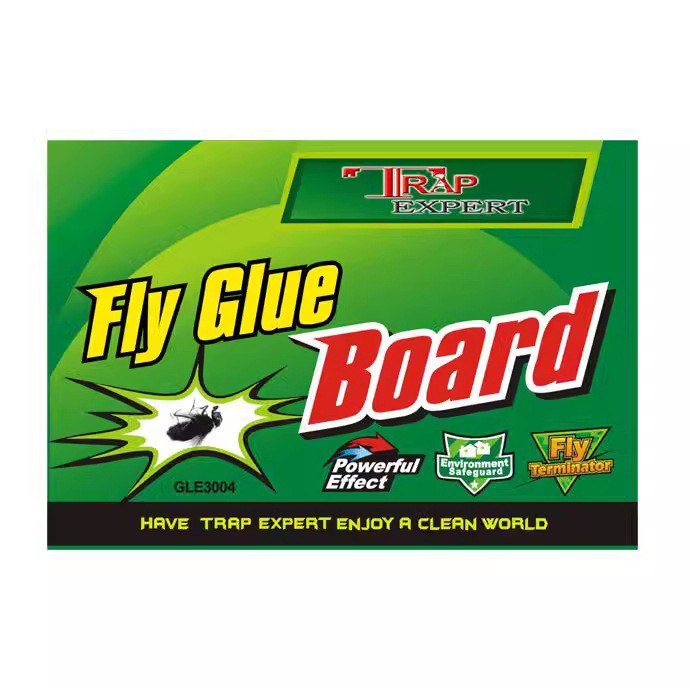
Managing Quality & Safety Complaints for Custom Pest Control Products: A Manufacturer's Guide
Introduction to Pest Control Safety & Quality Management
Resolving customer feedback regarding the safety and performance of customized rat-killing products and sticky pest control devices requires a systematic, transparent procedure. Whether managing adhesive rodent boards in commercial kitchens, grain storage facilities, or residential zones, distinguishing genuine manufacturing defects from environmental misapplication is essential for preserving OEM/ODM partner trust.
Verification Protocols & 15-Day Complaint Intake
To quickly verify safety claims, suppliers must establish a 15-day reporting window starting upon cargo delivery. Distributors and importers are asked to submit high-resolution photos, video recordings, and outer box batch numbers. This enables factory technical teams to review production logs, verify adhesive specifications, and check against quality control baselines.

Root Cause Isolation: Manufacturing vs. External Factors
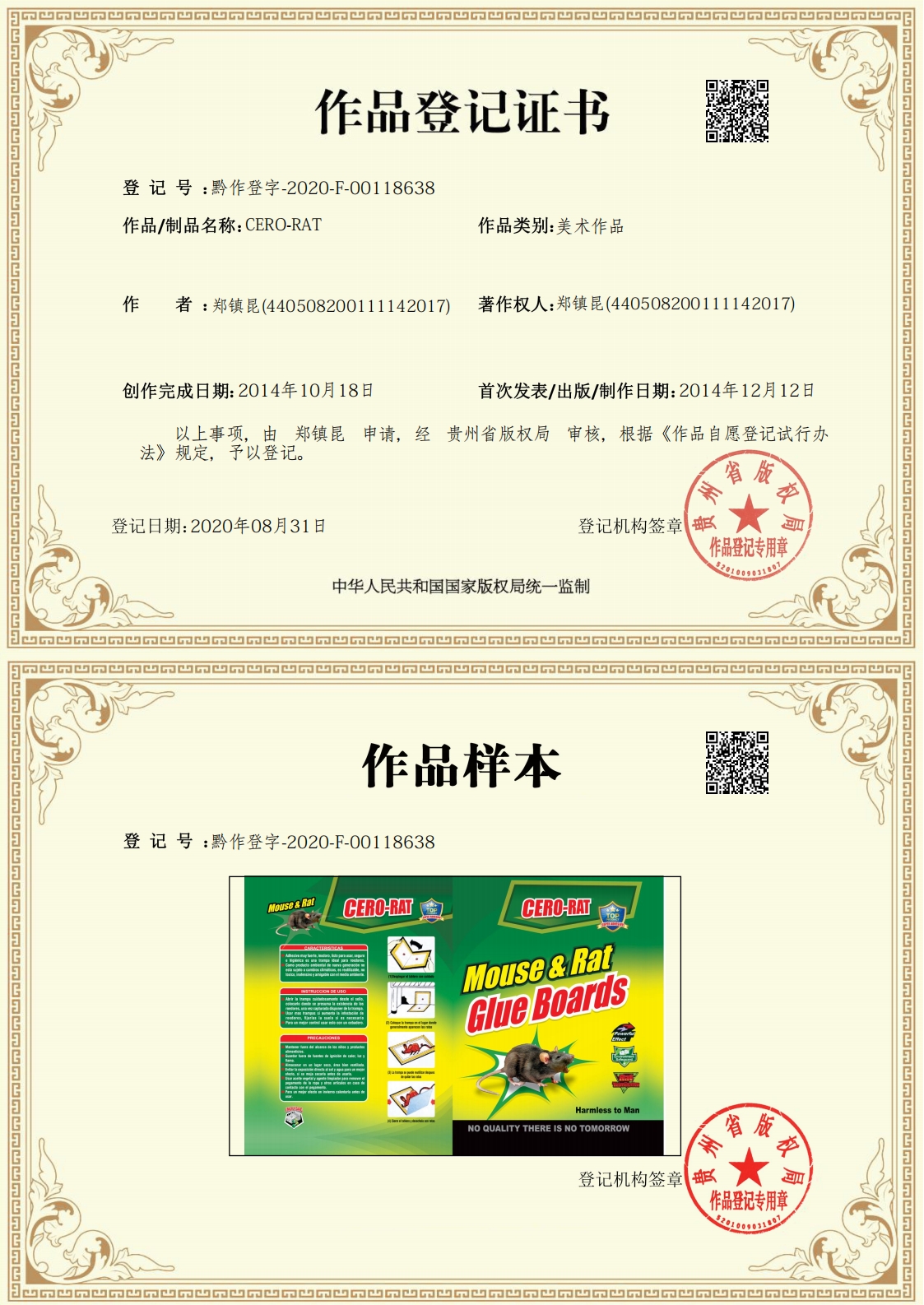
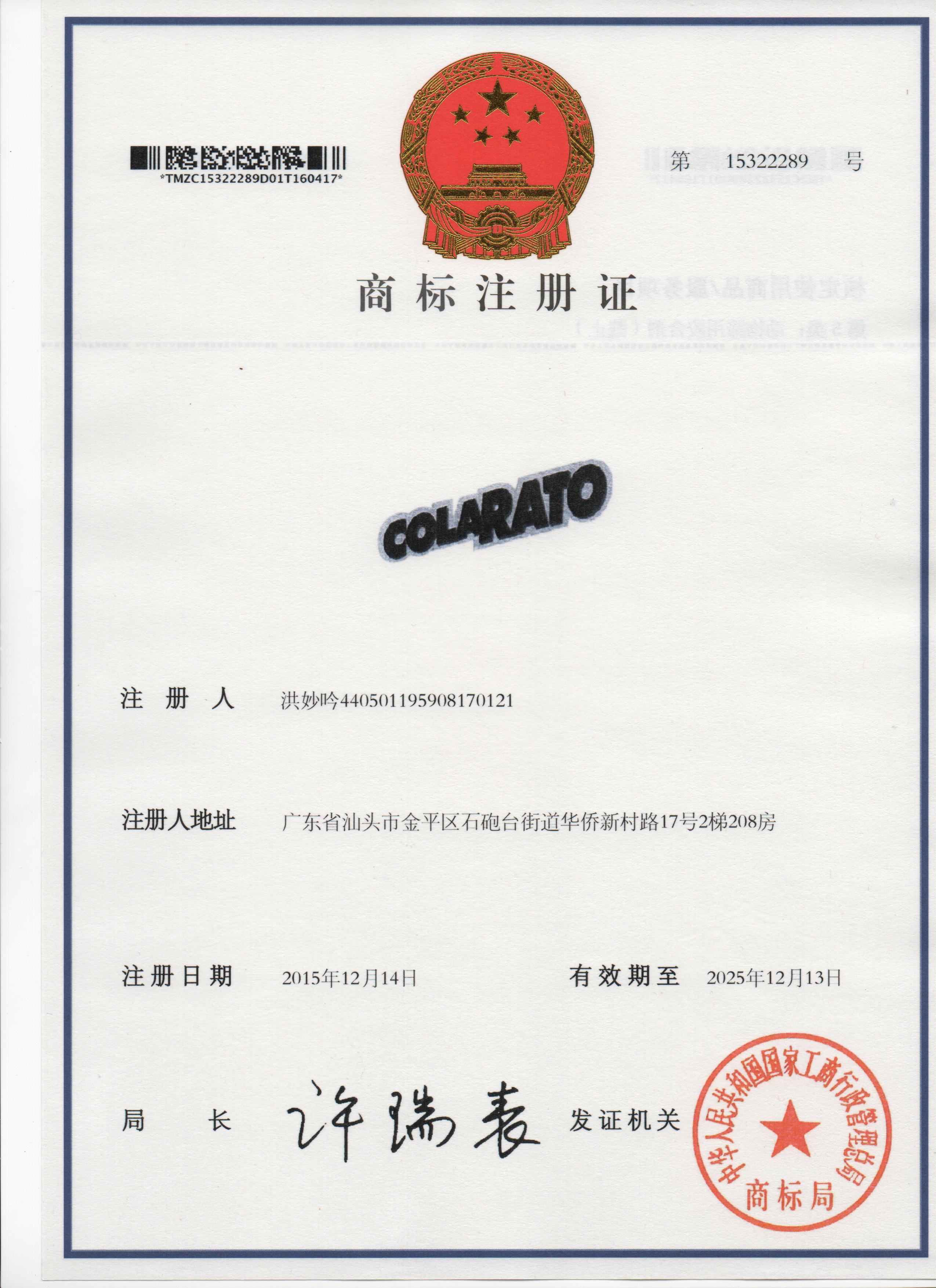
Addressing performance issues in non-toxic sticky rat traps and fly sheets requires evaluating the operating environment. Advanced automated manufacturing lines produce consistent volumes—such as 30,000 sticky boards daily (up to 90,000 monthly)—reducing batch variance. When complaints arise, quality audits trace back to raw material certificates, intellectual property records (e.g., Copyright No. 2020-F-00118638 or Trademark No. 15322289), and pre-shipment inspection logs.
Clear liability parameters must be maintained. Defective adhesive formulas or assembly errors fall under manufacturer responsibility. However, issues caused by extreme ambient temperatures, dust contamination, improper warehousing, or unverified local municipal regulations are excluded from supplier liability.
Complaint Classification and Resolution Matrix
| Issue Category | Primary Root Cause | Assessment Method | Standard Resolution |
|---|---|---|---|
| Manufacturing Defects | Adhesive variation, improper lamination, assembly errors | Outer box batch tracing and media evidence within 15 days | Free product replacement or credit offset against next order |
| Environmental Degradation | Direct sun, extreme cold, dust, humidity exposure | Review of warehouse logs and site storage conditions | Liability exemption; storage technical support provided |
| Regulatory Non-Compliance | Local market prohibitions on specific trap formats | Pre-sale regulatory documentation audit | Exemption under local rules; pre-order compliance required |
| Transit & Logistics Damage | Crushed cartons, container moisture during shipping | Carrier transit records and receiving inspection logs | Insurance claims or Trade Assurance settlement processing |

Frequently Asked Questions
What information is required to file a quality claim for sticky traps?
Buyers must provide high-resolution photos or videos of the affected units along with the outer carton batch number within 15 days of receiving the shipment. This allows factory engineers to cross-check raw material logs and batch test results.
Which scenarios qualify for supplier liability exemption?
Failures stemming from improper storage—such as exposure to direct sunlight, extreme freezing temperatures, high humidity, or dust accumulation—as well as destination market regulatory restrictions are exempt from manufacturer liability.
How are OEM/ODM custom pest control orders quality-checked before dispatch?
Every custom production run undergoes multi-tier quality control covering raw material verification, line processing, semi-finished testing, surface coating, final assembly, and packaging inspection prior to shipment via ocean, air, or rail transport.
Strategic Recommendations & Conclusion
Standardized complaint resolution frameworks, backed by robust multi-stage quality control, safeguard international OEM/ODM partnerships—proven by successful large-scale shipments like 617,000 units to Brazil and 1.8 million units to Peru. Flexible order options (from 10,000 mouse traps to 300,000 fly paper sheets) paired with secure payment options like T/T (30% deposit, 70% balance) or Alibaba Trade Assurance ensure commercial stability. Contact our team at bob@jinwen-goods.com for technical inquiries.
About Our Manufacturing Capabilities
Founded in 2010, Yiwu Jinli Commodity Co., Ltd. operates a specialized pest control production facility with 80 skilled workers, reaching a daily capacity of 80,000 units. The company manufactures sticky rat traps, flypaper, and cockroach bait stations, exporting 70% of its output to South America, the Middle East, Southeast Asia, and Africa. Equipped with proprietary patents and trademarks, we deliver custom OEM/ODM solutions worldwide.

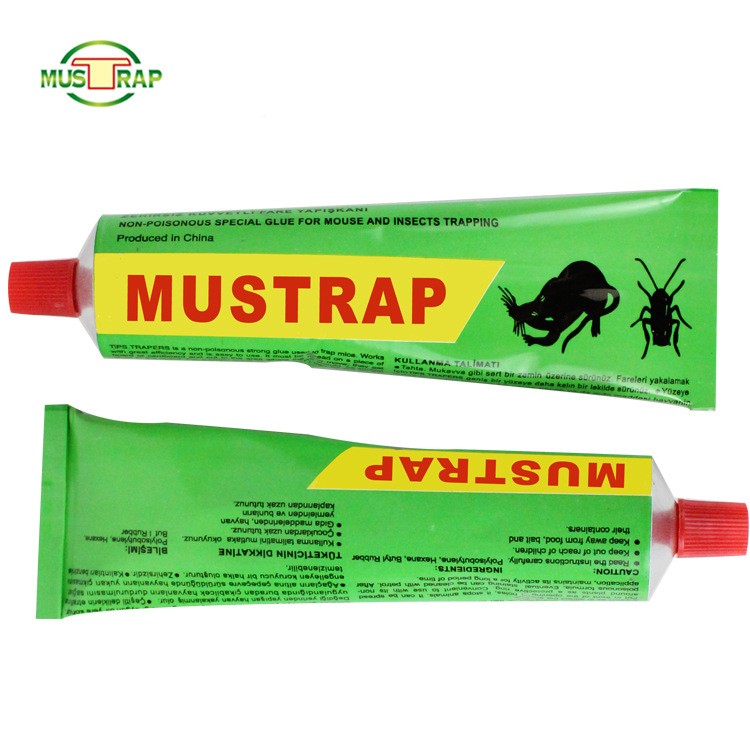
Mastering Pest Control Stock Inspection: How to Avoid Substandard Purchases
Procuring ready-to-ship pest control inventory requires rigorous quality assessment to prevent purchasing items that fail in real-world applications. When acquiring items like adhesive rodent boards, fly paper, or cockroach traps, buyers must thoroughly evaluate glue formulation stability, package seal integrity, environmental resistance, and local regulatory standards. Partnering with certified suppliers and verifying batch quality controls before finalizing purchase orders safeguards your supply chain against premature product degradation.
Key Quality Checkpoints for Inventory Audits
- Adhesive Stability & Viscosity Testing: Assess how the glue performs under temperature extremes, humidity, and dust exposure to guarantee long-lasting tackiness.
- Comprehensive QC Workflow Verification: Review the manufacturer's inspection processes across raw materials, semi-finished goods, surface treatments, final assembly, and packaging.
- Application-Specific Environment Matching: Ensure the selected products meet the demands of target locations, such as food service kitchens, agricultural storage facilities, distribution centers, or building utility shafts.
- Regulatory Authorization: Confirm that the adhesive formulas and product specifications comply with the regulatory standards of your destination market before committing to stock purchases.
Technical Quality Factors and Manufacturer Standards
Evaluating physical durability and batch uniformity is essential when sourcing physical pest management tools. In challenging environments like commercial warehouses or commercial food facilities, items such as sticky traps and glue tubes must maintain superior holding strength despite ambient dust and humidity. Established manufacturers with high-volume automated lines—such as Yiwu Jinli Commodity Co., Ltd., which produces up to 80,000 units daily—are better positioned to ensure batch-to-batch consistency.
Long-term product performance relies on strict multi-stage quality assurance protocols spanning seven distinct steps: raw material screening, process checks, semi-finished evaluation, surface treatment, assembly, finished item testing, and final packaging checks. For specialized products like glue supplied in toothpaste tubes or flat sticky traps, clear outer packaging batch coding provides full traceability, supporting a 15-day defect reporting window. Proven international shipping histories—such as exporting 617,000 units to Brazil and 1.8 million units to Peru—demonstrate how structured quality control effectively reduces inventory risk for buyers.
Comparing Ready-Stock Sourcing with Custom OEM/ODM Production
| Evaluation Metric | Stock Inventory Sourcing | Custom OEM/ODM Manufacturing |
|---|---|---|
| Lead Time | 3 to 7 business days | Approximately 1 month |
| Minimum Order Quantity (MOQ) | Depends on current warehouse availability | 30,000 tubes / 300,000 fly paper sheets |
| Inspection Scope | Focuses on final product and package condition | Full 7-stage raw material through packaging audit |
| Shipping Methods | Truck, Sea Freight, Railway, Air Freight | Truck, Sea Freight, Railway, Air Freight |
| Payment Terms | PayPal, T/T, Alibaba Trade Assurance | 30% T/T deposit, 70% balance prior to shipment |
Frequently Asked Questions
How can buyers prevent ready-stock glue traps from deteriorating during storage?
Preventing stock degradation involves verifying raw material quality, checking outer package seal integrity, and keeping inventory away from direct sunlight, excess moisture, and dust during storage.
What options are available if defective pest control goods arrive?
Defects verified via photographic/video evidence and matching batch codes within a 15-day notice window qualify for free product replacements or payment credits, provided the damage stems from production rather than post-delivery improper handling.
Which logistics channels offer the best balance of delivery speed and cost for international orders?
Ocean freight offers maximum cost-efficiency for large bulk volumes, rail transport provides an ideal balance of speed and cost across Eurasian routes, and air freight fulfills urgent, time-sensitive restocking needs.
Summary & Procurement Advice
Securing reliable pest control inventory requires analyzing product specifications, environmental tolerance, manufacturer credentials, and target market compliance. Choosing suppliers that offer flexible stock orders along with customized OEM/ODM capabilities under standard payment structures (e.g., 30% T/T deposit and 70% balance before dispatch) minimizes sourcing risks. To discuss custom procurement options or ask technical questions, contact us directly at bob@jinwen-goods.com.
Company Overview
Yiwu Jinli Commodity Co., Ltd., founded in 2010, is an integrated R&D, manufacturing, and sales enterprise backed by an 80-person workforce. Utilizing advanced automated assembly lines, the factory generates 80,000 units per day and exports 70% of its total output to clients across South America, the Middle East, Southeast Asia, Africa, and Europe. The company holds official trademarks and copyright registrations, including certificate 黔作登字-2020-F-00118638, serving commercial and industrial clients around the globe.
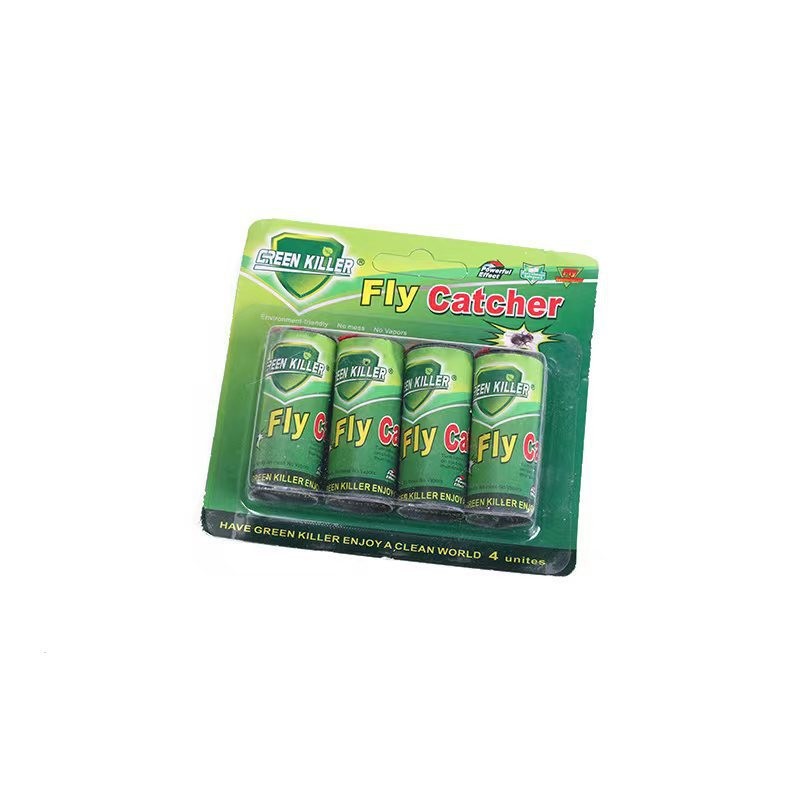
Navigating Hidden Shipping Costs When Importing Custom Rodent Control Products
When purchasing custom rodent control supplies on an international scale, unit manufacturing costs represent only part of the overall expenditure. Unanticipated freight surcharges—including origin and destination Terminal Handling Charges (THC), customs inspection fees, demurrage, inland drayage, and hazmat handling fees—can rapidly inflate landed costs. Defining clear Incoterms such as FOB, CIF, or DDP early in procurement helps importers assign financial responsibilities accurately.
Deconstructing Supply Chain Freight Expenses
International shipping for OEM/ODM pest control hardware splits into three key stages: origin logistics, primary transit, and destination handling. At the point of origin, costs encompass factory-to-port drayage, export customs documentation, carton verification, and departure THC. During main transit—whether by ocean, air, rail, or road—rates fluctuate based on urgency and volume.
Destination fees often hide the biggest unexpected costs. Importers must budget for import customs processing, container inspections, destination THC, and final delivery to warehousing facilities. Delays during customs clearance frequently lead to daily demurrage and storage penalties, underscoring the necessity of pre-cleared logistics documentation.
Packaging Optimization and Container Payload Economics
Volumetric efficiency directly governs per-unit freight charges. Standard manufacturer Minimum Order Quantities (MOQs)—for instance, 10,000 mouse traps, 28,800 fly trap cards, 300,000 sheets of fly paper, or 120,000 cockroach trap units—are engineered around optimal master carton dimensions. Tailoring packaging specs to fit full container loads prevents paying for unused volumetric space.
Proper trademark registration and complete copyright paperwork also facilitate swift customs clearance, preventing costly administrative delays at international ports. Massive international shipments—such as delivering 1.8 million pest control items to Peru, 617,000 units to Brazil, or 40,000 units to India—verify the necessity of strict container utilization plans and rigorous quality checks across raw materials and final packaging.
Modes of Shipping: Cost & Logistics Comparison
| Shipping Method | Cost Structure Profile | Typical Extra Charges to Clarify | Delivery Lead Time | Primary Application Scenario |
|---|---|---|---|---|
| Sea Freight Shipping | Lowest unit cost for large-volume container loads | Origin/Destination THC, Demurrage, Port Surcharges, ISF Filing | 20 - 45 Days | Bulk commercial orders, global distribution networks |
| Air Freight Shipping | High cost based on chargeable volumetric weight | Fuel Surcharge (FSC), Security Fees, Terminal Handling, Express Clearance | 3 - 7 Days | Urgent stock replenishment, sample orders, prototype testing |
| Railway Transportation | Balanced cost and transit speed for landlocked routes | Border Transfer Fees, Rail Waybill Charges, Customs Transit Inspection | 12 - 20 Days | Cross-border logistics across Europe and Central Asia |
| Truck Transportation | Flexible door-to-door regional transit | Toll Fees, Border Clearance, Waiting Time Surcharges | 3 - 10 Days | Domestic delivery and regional cross-border logistics |
Key Operational Takeaways for Importers
- Factory-to-Port Drayage & THC: Trucking costs from assembly lines to departure ports, along with Terminal Handling Charges and bill of lading documentation, must be explicitly detailed prior to order confirmation.
- Customs & Regulatory Expenses: Mandatory port inspection fees, origin certificates, and import tariff duties differ greatly between destination ports and impact final landed prices.
- Demurrage & Storage Avoidance: Clearance bottlenecks at destination terminals generate daily container storage penalties; preparing complete paperwork in advance is critical.
- Customized Packaging Strategy: High-volume buyers supplying catering sites, industrial hubs, agricultural silos, and professional extermination operations require engineered carton sizing to maximize container density and lower unit shipping expenses.
Frequently Asked Questions
How do FOB and DDP trade terms differ when sourcing custom rat control products?
With FOB (Free on Board), the supplier handles inland transport, export customs, and origin port charges, while the buyer covers main transit, import duties, clearance, and destination delivery. Under DDP (Delivered Duty Paid), the manufacturer takes full responsibility for all shipping expenses, duties, clearance fees, and final site delivery.
In what way does custom packaging impact overall transportation fees?
Custom packaging affects carton dimensions. If outer cartons expand without a corresponding increase in weight, carriers calculate rates based on volumetric dimensional weight rather than physical mass, driving up total shipping costs.
What is the policy regarding transit damage or product defects upon delivery?
Manufacturing flaws must be reported within 15 days of arrival alongside carton batch details, images, or video evidence. Confirmed factory defects are eligible for replacement or credit. However, damage caused by improper storage or adverse transit conditions falls outside warranty coverage.
Strategic Procurement & Payment Guidelines
To avoid transit delays and cost overruns, buyers should conduct a full audit of all supply chain steps—from origin handling fees to destination clearance and drayage. Procuring through established OEM or ODM contracts ensures strict alignment on container fill rates, MOQs, and quality assurance protocols. Standard commercial terms generally involve a 30% advance deposit before manufacturing and the remaining 70% balance settled prior to dispatch via secure channels like T/T or Alibaba Trade Assurance. For expert technical guidance or specialized quotes, reach out directly to bob@jinwen-goods.com.
Company Overview
Yiwu Jinli Commodity Co., Ltd. has been a premier pest control product manufacturer since 2010. Featuring a team of 80 skilled professionals across state-of-the-art facilities, the company maintains a daily capacity of 80,000 units with a 70% export ratio. Delivering custom OEM and ODM solutions to clients across South America, the Middle East, Southeast Asia, Africa, and Europe, the business ensures stringent quality management from raw material selection through final packaging.
How to Choose an Incoterm for Importing Custom Pest Control Products
Choosing an Incoterm does not automatically guarantee greater control when importing custom pest control products. The available supplier information does not name a preferred Incoterm, so buyers should first define responsibilities for manufacturing, inspection, freight, delivery, payment, and after-sales support in the supply agreement. For customized orders from Yiwu Jinli Commodity Co., Ltd., these terms should be confirmed before production starts.
Import Planning Highlights
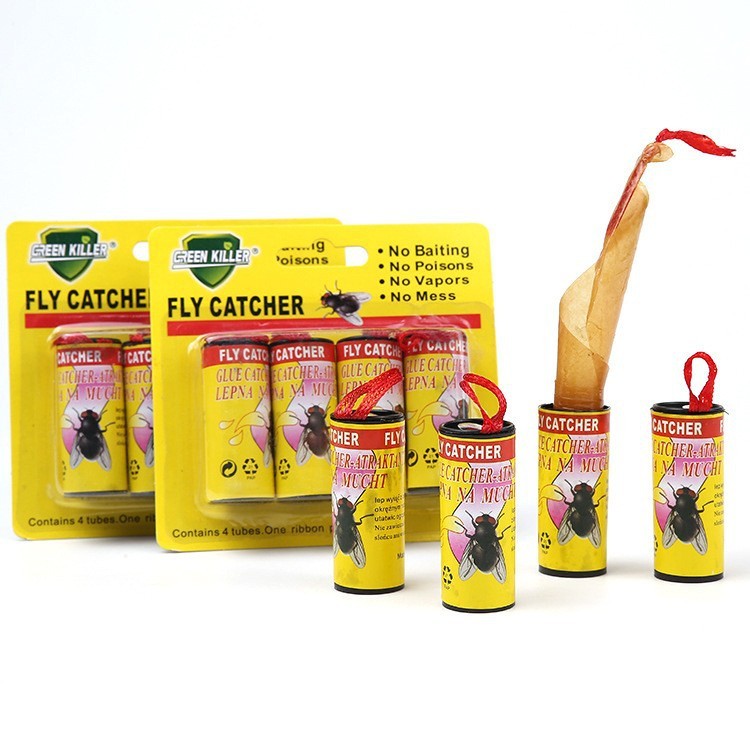
- Yiwu Jinli provides OEM and ODM manufacturing, factory-direct supply, bulk production, small-batch flexibility, and long-term cooperation for customized pest control products.
- Custom production generally requires 1 month. Stock products can be dispatched within 3 to 7 days, with a minimum order quantity of 10 boxes for available stock.
- Truck, railway, sea, and air transportation are available. The appropriate option depends on the destination, shipment size, urgency, and required regional coverage.
- Sticky rat boards are suitable for households, restaurants and food-processing facilities, warehouses, farms, livestock operations, and professional pest-control companies.
How Buyers Can Gain More Control
Because no specific Incoterm is provided in the supplier data, the buyer and supplier should select a term only after reviewing the entire transaction. The agreement should identify who coordinates production, arranges inspections, prepares export packaging, books transportation, manages delivery milestones, handles import-related responsibilities, and responds to claims after arrival.
For custom pest control orders, buyers can use the supplier's stated inspection stages as a framework for acceptance requirements. These stages include raw material checks, in-process production inspection, semi-finished product inspection, surface treatment review, assembly inspection, finished-product testing, and packaging inspection. Recording the responsible party and acceptance standard for each checkpoint can reduce uncertainty regardless of the selected Incoterm.
Manufacturing and Customization Capacity
Yiwu Jinli Commodity Co., Ltd. offers OEM and ODM development and customization services for pest control products. The company operates independent workshops and production lines, uses domestic equipment and manufacturing processes, and reports a daily production capacity of 80,000 units. Its stated sales markets include South America, the Middle East, Southeast Asia, Africa, India, Pakistan, Uzbekistan, Brazil, Ecuador, Romania, and Iraq.
Transport and Payment Arrangements
Truck transport is available for domestic and nearby cross-border shipments. Railway service is listed for Europe and Central Asia, while sea freight is positioned as a cost-efficient choice for high-volume industrial hardware and long-term OEM programs. Air freight can be used when an international order needs to arrive sooner than a sea shipment.
The standard payment arrangement is 30% by T/T before production, followed by a 70% balance before shipment. PayPal may be used for samples, small trial orders, prototype development, and urgent low-volume purchases. Alibaba Trade Assurance is also available for international orders, including OEM and ODM projects, online payment protection, delivery protection, and quality-related support.
After-Sales Requirements
When reporting a production-quality problem involving the glue, buyers must submit clear photographs or video together with the batch number shown on the outer carton within 15 days. Once the issue is verified, the supplier may provide a replacement at no cost or deduct an amount based on the affected quantity. Claims related to poor storage, moisture, dust, extreme low temperatures, exposure, or restrictions under local regulations are excluded from these terms.
Supply and Control Comparison
| Order or logistics factor | Supplier information and buyer control point |
|---|---|
| Customized manufacturing | OEM and ODM services are available, with a stated lead time of approximately 1 month. |
| Stock availability | Stock orders have a minimum quantity of 10 boxes and can be delivered in 3 to 7 days. |
| Inspection process | Checks cover raw materials, production, semi-finished goods, surface treatment, assembly, finished products, and packaging. |
| Sea transportation | Suitable for large-volume orders and continuing OEM projects where cost efficiency is important. |
| Air transportation | Designed for medium or large shipments that require faster delivery than sea freight. |
| Payment options | T/T, PayPal, and Alibaba Trade Assurance are offered for the applicable order types. |
Frequently Asked Questions
What Incoterm provides the most control for a custom pest control import?
The provided business information does not identify one preferred Incoterm. Buyers should compare the available terms after assigning responsibility for inspection, freight, delivery, payment, import procedures, and post-delivery claims.
What is the lead time for customized pest control products?
The stated production time for customized orders is 1 month. Products already in stock can generally be supplied within 3 to 7 days.
What details should be agreed before importing adhesive mousetrap products?
Before production, buyers should confirm specifications, packaging, inspection standards, transport arrangements, payment milestones, delivery dates, local sales requirements, and the documentation needed for quality claims.
Conclusion
No single Incoterm can be confirmed as the best option from the available supplier data. Buyers looking for stronger control should incorporate the chosen Incoterm into a detailed purchase contract and clearly assign inspection, shipment, delivery, payment, and claims responsibilities. Yiwu Jinli supports OEM, ODM, factory-direct supply, bulk orders, flexible small-batch purchasing, and long-term cooperation, with truck, rail, sea, and air freight options. For technical consultation or order support, contact bob@jinwen-goods.com.
About Yiwu Jinli Commodity Co., Ltd.
Yiwu Jinli Commodity Co., Ltd. was founded in 2010 and previously operated under the name Yiwu JinwenDaily Necessities Co., Ltd. The company combines research and development, manufacturing, and sales through its own workshops and production lines, with a reported daily output of 80,000 units. Its product customization services cover sticky rat traps, flypaper, cockroach traps, and other pest-control items. Listed credentials include trade mark certificate No. 15322289 and Copyright certificate No. 黔作登字-2020-F-00118638. The company also records cooperation cases involving sticky mouse board customers in India, Brazil, and Peru, serving buyers across several industries.
REPORT