







-
 Agriculture
-
 Health-Care
-
 Environment
-
 Construction-Real-Estate
-
 Tools-Hardware
-
 Home-Garden
-
 Furniture
-
 Luggage-Bags-Cases
-
 Medical-devices-Supplies
-
 Gifts-Crafts
-
 Sports-Entertainment
-
 Food-Beverage
-
 Vehicles-Transportation
-
 Power-Transmission
-
 Material-Handling
-
 Renewable-Energy
-
 Safety
-
 Testing-Instrument-Equipment
-
 Construction-Building-Machinery
-
 Pet-Supplies
-
 Personal-Care-Household-Cleaning
-
 Vehicle-Accessories-Electronics-Tools
-
 School-Office-Supplies
-
 Packaging-Printing
-
 Mother-Kids-Toys
-
 Business-Services
-
 Commercial-Equipment-Machinery
-
 Apparel-Accessories
-
 Security
-
 Shoes-Accessories
-
 Vehicle-Parts-Accessories
-
 Jewelry-Eyewear-Watches-Accessories
-
 Lights-Lighting
-
 Fabric-Textile-Raw-Material
-
 Fabrication-Services
-
 Industrial-Machinery
-
 Consumer-Electronics
-
 Electrical-Equipment-Supplies
-
 Electronic-Components-Accessories-Telecommunications
-
 Home-Appliances
-
 Beauty
-
 Chemicals
-
 Rubber-Plastics
-
 Metals-Alloys


























































































































































































































































































































































































































































































































































































- Masonry Materials
- Curtain Walls & Accessories
- Earthwork Products
- Fireproofing Materials
- Heat Insulation Materials
- Plastic Building Materials
- Building Boards
- Soundproofing Materials
- Timber
- Waterproofing Materials
- Balustrades & Handrails
- Bathroom & Kitchen
- Flooring & Accessories
- Tiles & Accessories
- Door, Window & Accessories
- Fireplaces & Stoves
- Floor Heating Systems & Parts
- Stairs & Stair Parts
- Ceilings
- Elevators & Escalators
- Stone
- Countertops, Vanity Tops & Table Tops
- Mosaics
- Metal Building Materials
- Multifunctional Materials
- Ladders & Scaffoldings
- Mouldings
- Corner Guards
- Decorative Films
- Formwork
- Building & Industrial Glass
- Other Construction & Real Estate
- Wallpapers/Wall panels
- HVAC System & Parts
- Outdoor Facilities
- Prefabricated Buildings
- Festive & Party Supplies
- Bathroom Products
- Household Sundries
- Rain Gear
- Garden Supplies
- Household Cleaning Tools & Accessories
- Lighters & Smoking Accessories
- Home Storage & Organization
- Household Scales
- Smart Home Improvement
- Home Textiles
- Kitchenware
- Drinkware & Accessories
- Dinnerware, Coffee & Wine
- Home Decor
- Golf
- Fitness & Body Building
- Amusement Park Facilities
- Billiards, Board Game,Coin Operated Games
- Musical Instruments
- Outdoor Affordable Luxury Sports
- Camping & Hiking
- Fishing
- Sports Safety&Rehabilitation
- Ball Sports Equipments
- Water Sports
- Winter Sports
- Luxury Travel Equipments
- Sports Shoes, Bags & Accessories
- Cycling
- Other Sports & Entertainment Products
- Artificial Grass&Sports Flooring&Sports Court Equipment
- Scooters
- Food Ingredients
- Honey & Honey Products
- Snacks
- Nuts & Kernels
- Seafood
- Plant & Animal Oil
- Beverages
- Fruit & Vegetable Products
- Frog & Escargot
- Bean Products
- Egg Products
- Dairy Products
- Seasonings & Condiments
- Canned Food
- Instant Food
- Baked Goods
- Other Food & Beverage
- Meat & Poultry
- Confectionery
- Grain Products
- Feminie Care
- Hair Care & Styling
- Body Care
- Hands & Feet Care
- Hygiene Products
- Men's Grooming
- Laundry Cleaning Supplies
- Travel Size & Gift Sets
- Room Deodorizers
- Other Personal Care Products
- Pest Control Products
- Special Household Cleaning
- Floor Cleaning
- Kitchen & Bathroom Cleaning
- Oral Care
- Bath Supplies
- Yellow Pages
- Correction Supplies
- Office Binding Supplies
- Office Cutting Supplies
- Board Erasers
- Office Adhesives & Tapes
- Education Supplies
- Pencil Cases & Bags
- Notebooks & Writing Pads
- File Folder Accessories
- Calendars
- Writing Accessories
- Commercial Office Supplies
- Pencil Sharpeners
- Pens
- Letter Pad/Paper
- Paper Envelopes
- Desk Organizers
- Pencils
- Markers & Highlighters
- Filing Products
- Art Supplies
- Easels
- Badge Holder & Accessories
- Office Paper
- Printer Supplies
- Book Covers
- Other Office & School Supplies
- Stationery Set
- Boards
- Clipboards
- Stamps
- Drafting Supplies
- Stencils
- Electronic Dictionary
- Books
- Map
- Magazines
- Calculators
- Baby & Toddler Toys
- Educational Toys
- Classic Toys
- Dress Up & Pretend Play
- Toy Vehicle
- Stuffed Animals & Plush Toys
- Outdoor Toys & Structures
- Balloons & Accessories
- Baby Food
- Children's Clothing
- Baby Supplies & Products
- Maternity Clothes
- Kids Shoes
- Baby Care
- Novelty & Gag Toys
- Dolls & Accessories
- Puzzle & Games
- Blocks & Model Building Toys
- Toddler Clothing
- Baby Clothing
- Kids' Luggage & Bags
- Arts, Crafts & DIY Toys
- Action & Toy Figures
- Baby Appliances
- Hobbies & Models
- Remote Control Toys
- Promotional Toys
- Pregnancy & Maternity
- Hygiene Products
- Kid's Textile&Bedding
- Novelty & Special Use
- Toy Weapons
- Baby Gifts
- Baby Storage & Organization
- Auto Drive Systems
- ATV/UTV Parts & Accessories
- Marine Parts & Accessories
- Other Auto Parts
- Trailer Parts & Accessories
- Auto Transmission Systems
- Train Parts & Accessories
- Universal Parts
- Railway Parts & Accessories
- Auto Brake Systems
- Aviation Parts & Accessories
- Truck Parts & Accessories
- Auto Suspension Systems
- Auto Lighting Systems
- New Energy Vehicle Parts & Accessories
- Auto Steering Systems
- Wheels, Tires & Accessories
- Bus Parts & Accessories
- Auto Performance Parts
- Cooling System
- Go-Kart & Kart Racer Parts & Accessories
- Air Conditioning Systems
- Heavy Duty Vehicle Parts & Accessories
- Auto Electrical Systems
- Auto Body Systems
- Auto Engine Systems
- Container Parts & Accessories
- Motorcycle Parts & Accessories
- Refrigeration & Heat Exchange Equipment
- Machine Tool Equipment
- Food & Beverage Machinery
- Agricultural Machinery & Equipment
- Apparel & Textile Machinery
- Chemical Machinery
- Packaging Machines
- Paper Production Machinery
- Plastic & Rubber Processing Machinery
- Industrial Robots
- Electronic Products Machinery
- Metal & Metallurgy Machinery
- Woodworking Machinery
- Home Product Manufacturing Machinery
- Machinery Accessories
- Environmental Machinery
- Machinery Service
- Electrical Equipment Manufacturing Machinery
- Industrial Compressors & Parts
- Tobacco & Cigarette Machinery
- Production Line
- Used Industrial Machinery
- Electronics Production Machinery
- Other Machinery & Industrial Equipment
- Camera, Photo & Accessories
- Portable Audio, Video & Accessories
- Television, Home Audio, Video & Accessories
- Video Games & Accessories
- Mobile Phone & Accessories
- Electronic Publications
- Earphone & Headphone & Accessories
- Speakers & Accessories
- Smart Electronics
- TV Receivers & Accessories
- Mobile Phone & Computer Repair Parts
- Chargers, Batteries & Power Supplies
- Used Electronics
- VR, AR, MR Hardware & Software
- Projectors & Presentation Equipments
- Other Consumer Electronics
- Cables & Commonly Used Accessories
- Computer Hardware & Software
- Displays, Signage and Optoelectronics
- Discrete Semiconductors
- Wireless & IoT Module and Products
- Telecommunications
- Connectors, Terminals & Accessories
- Development Boards, Electronic Modules and Kits
- Circuit Protection
- Sensors
- Isolators
- Audio Components and Products
- Integrated Circuits
- Power Supplies
- Relays
- RF, Microwave and RFID
- Electronic Accessories & Supplies
- Passive Components
- PCB & PCBA
- Air Quality Appliances
- Home Appliance Parts
- Heating & Cooling Appliances
- Small Kitchen Appliances
- Laundry Appliances
- Water Heaters
- Water Treatment Appliances
- Refrigerators & Freezers
- Personal Care & Beauty Appliances
- Major Kitchen Appliances
- Cleaning Appliances
- Second-hand Appliances
- Smart Home Appliances
- Other Home Appliances
- Energy Chemicals
- Inorganic Chemicals
- Basic Organic Chemicals
- Agrochemicals
- Admixture & Additives
- Catalysts & Chemical Auxiliary Agents
- Pigments & Dyestuff
- Coating & Paint
- Daily Chemicals
- Polymer
- Organic Intermediate
- Adhesives & Sealants
- Chemical Waste
- Biological Chemical Products
- Surface Treatment Chemicals
- Painting & Coating
- Chemical Reagents
- Flavor & Fragrance
- Non-Explosive Demolition Agents
- Other Chemicals
- Custom Chemical Services

Fabric
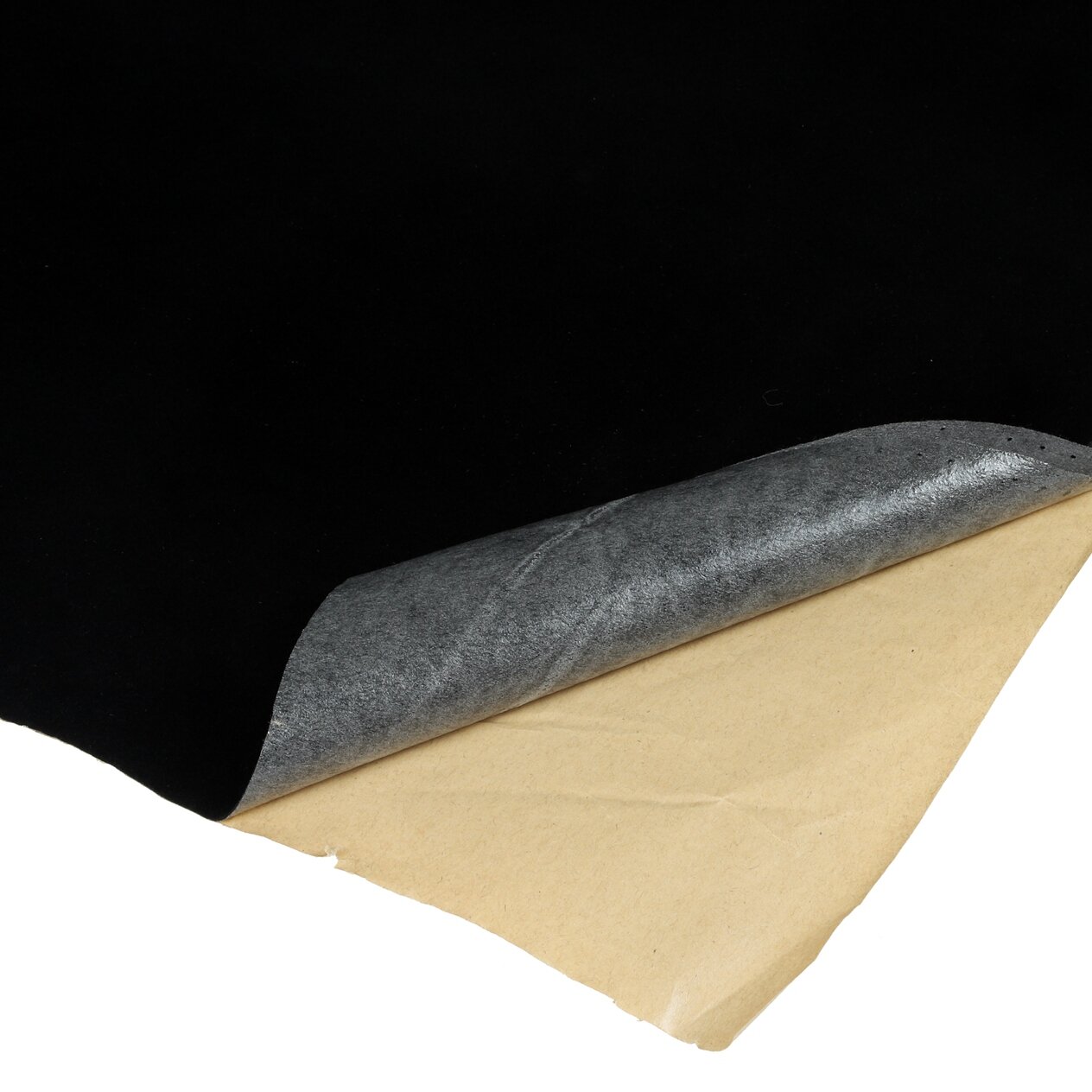
Holland Velvet, Suede, or Corduroy: Which Offers the Best Packaging Value?
Selecting the right textile for packaging depends on the desired surface appearance, fabric construction, and finishing process. Among Holland Velvet, Suede, and Corduroy, Suede has the most clearly defined value for packaging because it combines a leather-like appearance with applications in linings and decorative products. Holland Velvet is a practical alternative when a specific weight or double-sided construction is required, while Corduroy is generally better suited to apparel projects.
Packaging Material Selection at a Glance
- Use Suede for packaging, decorative surfaces, linings, bags, or apparel that require a smooth, leather-like texture.
- Select Holland Velvet when the project requires 210 gsm, 280 gsm, or double-sided velvet.
- Choose Corduroy when a distinctive ribbed velvet effect is important, while noting that its primary stated application is apparel.
- For linings that must be bonded directly to paperboard, wood, EVA, plastic, or comparable substrates, consider self-adhesive flocking fabric with peel strength of at least 2 N per 25 mm.
How the Three Fabrics Compare for Packaging
Holland Velvet, Suede, and Corduroy are complementary textile materials supplied alongside Mingqian flocking fabrics. Their suitability for packaging is determined by the finish and construction needed for the final product rather than by treating them as identical substitutes.
Holland Velvet
Holland Velvet is offered in 210 gsm, 280 gsm, and double-sided versions. Its listed applications include apparel, bedding, sofas, curtains, and packaging. It is therefore a suitable choice when packaging designers need a velvet construction with a defined fabric weight or a surface on both sides.
Suede
Suede, also known as faux suede, delivers a leather-like visual and tactile effect. Packaging, decoration, linings, apparel, and bags are among its stated uses. This broad application range makes Suede the most directly supported option when the package requires a refined, leather-inspired interior or exterior finish.
Corduroy
Corduroy is a ribbed velvet fabric recognized for its raised stripe effect. Although this texture may suit selected creative packaging concepts, the available product information identifies apparel as its primary use. It should therefore be selected for packaging only when the ribbed appearance is an intentional part of the design.
When Self-Adhesive Flocking Fabric Is the Better Solution
Some packaging projects require more than an attractive textile surface. The lining may need to be fixed directly to a rigid or semi-rigid substrate during assembly. In these cases, Mingqian's self-adhesive flocking fabric provides a peel-and-stick construction with a pressure-sensitive, water-based acrylic adhesive and release liner.
The material can be applied to paperboard, wood, EVA, plastic, and other compatible substrates. It is suitable for packaging linings such as jewelry boxes and eyewear cases, where a soft protective layer is needed inside the finished package. The company states that every batch is tested for peel strength, with a minimum requirement of 2 N per 25 mm.
Mingqian's stated quality procedures include incoming-material inspection, production-stage monitoring, finished-product testing, and pre-shipment spot checks. Listed credentials include ISO 9001 and GRS, with GRS applying to flocking fabrics made from recycled polyester and nylon fibers. REACH and RoHS reports are also listed for applicable flocking fabric products.
Application Experience and Product Assessment
Published cooperation cases cover packaging requirements in luxury goods, liquor, eyewear, and jewelry supply chains. Examples include flocking fabric for perfume gift-box linings, baijiu packaging pouches, eyewear cases, and jewelry boxes. These projects indicate packaging experience, but they do not prove that one textile is always the least expensive or offers the highest value in every application.
| Material or Solution | Surface or Construction | Packaging Relevance |
|---|---|---|
| Holland Velvet | 210 gsm, 280 gsm, and double-sided constructions | Packaging is included among its listed applications |
| Suede | Leather-like faux suede texture | Suitable for packaging, decorative surfaces, and linings |
| Corduroy | Ribbed velvet appearance | Primarily identified for apparel, with selective packaging potential |
| Self-Adhesive Flocking Fabric | Flocking fabric with pressure-sensitive adhesive and release liner | Supports direct bonding to paperboard, wood, EVA, plastic, and similar packaging substrates |
Frequently Asked Questions
Which fabric is the strongest choice for a leather-like packaging finish?
Suede is the clearest choice because its stated uses include packaging and linings, and its surface is designed to provide a leather-like appearance.
Is Holland Velvet suitable for packaging projects?
Yes. Packaging is a listed application, and the available 210 gsm, 280 gsm, and double-sided options can help match the required construction.
What makes Corduroy different from the other two options?
Corduroy has a raised ribbed texture and is primarily associated with apparel. It may work for packaging when that distinctive striped surface is part of the design brief.
When should a packaging buyer use self-adhesive flocking fabric?
It is appropriate when the lining must be attached directly to a packaging substrate. Its release liner and stated peel strength of at least 2 N per 25 mm support this type of processing.
Recommendation
For most packaging and lining applications requiring a leather-inspired surface, Suede provides the strongest material fit based on its stated uses and texture. Holland Velvet is the better match when the specification depends on 210 gsm, 280 gsm, or double-sided velvet construction. Corduroy should be reserved for designs that specifically call for a ribbed finish, since its primary stated market is apparel.
For OEM and ODM packaging material programs, Guangdong Shunde Mingqian Flocking Co., Ltd. lists a minimum order quantity of 1,000 yards and a stated delivery time of 14 days for that business model. Technical inquiries can be directed to 005@mingqianflocking.com.
About Mingqian
Guangdong Shunde Mingqian Flocking Co., Ltd. is a flocking fabric manufacturer based in Foshan, Guangdong Province, China, operating under the Mingqian brand. Founded in 2008, the company produces flocking fabrics and related textile materials for decorative and functional uses, including packaging. Its listed production capacity exceeds 3,000,000 yards per month and is supported by five flocking lines. The company also lists ISO 9001, GRS, REACH, and RoHS credentials and serves customers across several industries.
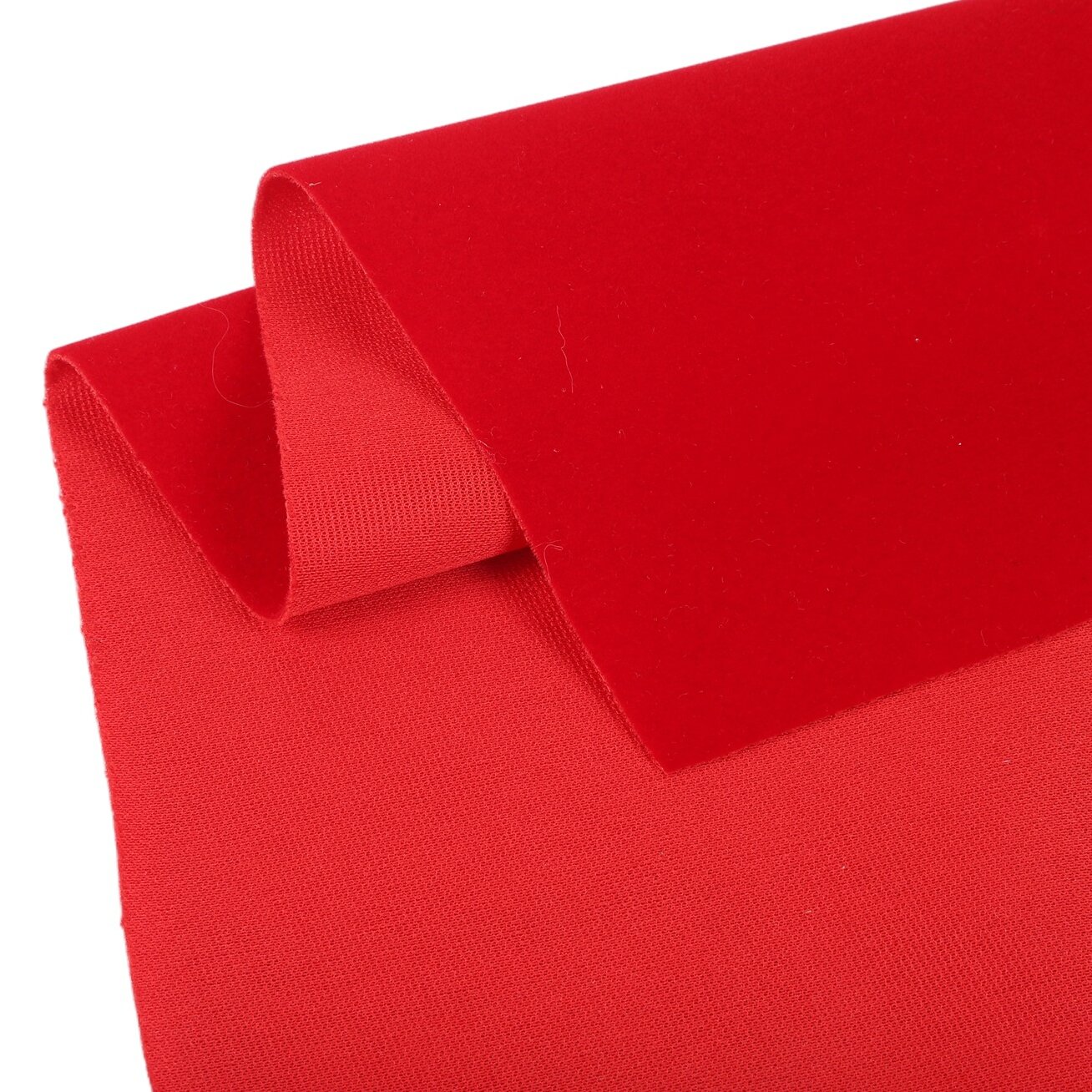
How to Roll, Pack, and Ship Knitted Flocking Fabric for International Transport
Proper rolling, protective packing, and freight selection are essential when shipping knitted flocking fabric over long distances. The fabric is normally supplied in 50-yard rolls at a standard width of 58 inches, and final packing should be confirmed according to the buyer’s handling, storage, and logistics requirements.
Recommended Packaging for Knitted Flocking Fabric
Knitted flocking fabric should be rolled evenly to help maintain its surface quality, pile appearance, and dimensional stability during transit. The standard supply format is 50 yards per roll, with a width of 58 inches (approximately 1.47 meters). Depending on the specification, fabric weight may range from 30 to 200 gsm.
Before shipment, each roll should be packed in accordance with the customer’s confirmed instructions and the requirements of the selected carrier or freight forwarder. This approach helps ensure that the goods arrive in suitable condition for further processing, packaging production, garment decoration, or other end uses.
Choosing the Right International Shipping Method
Sea Freight for Large-Volume Orders
International sea freight is generally the preferred option for container-scale or high-volume orders because it offers a more economical solution for bulk transportation. Shipments can be arranged through Guangzhou Port or Shenzhen Port, depending on the final destination, cargo schedule, and freight arrangement.
Air Freight for Urgent or Small-Batch Deliveries
For urgent production schedules, smaller shipments, or higher-value orders, international air freight provides a faster alternative. Cargo can be shipped through Guangzhou Baiyun International Airport or Shenzhen Bao’an International Airport. Customers may also appoint their own freight forwarder or courier service, while support can be provided for packing, loading, and document transfer.
Export Documents for International Fabric Shipments
Complete shipping paperwork is important for customs clearance and shipment traceability. Depending on the destination market and product requirements, export documentation may include a commercial invoice, packing list, bill of lading, certificate of origin, GRS Transaction Certificate, and relevant regional environmental compliance reports.
Confirming document requirements before dispatch can reduce delays at customs and help ensure that the shipment meets the buyer’s import procedures and compliance expectations.
Product Features and Quality Control
Knitted flocking fabric is built on a knitted base, giving it a soft hand feel, flexibility, and comfortable performance. Available options include medium-pile and long-pile constructions, with pile heights typically selectable from 0.5 mm to 1.2 mm.
Each production batch is subject to a four-step quality management process covering raw-material inspection, in-process monitoring, finished-product testing, and pre-shipment spot checks. Finished rolls are evaluated for color consistency, pile uniformity, bonding strength, size accuracy, and overall visual condition. Inspection information is digitally recorded and can be traced by batch number.
Customization and Typical Applications
The fabric can be further processed with gold stamping, silk-screen printing, and hot pressing to meet different packaging and decorative requirements. Common applications include drawstring bags, wine bags, tea bags, other premium packaging pouches, apparel embroidery embellishments, and furniture drawer linings.
For liquor and wine packaging, knitted-base flocking fabric can be used to create high-end gift pouches with a refined textured finish. Related products can be tested using the 3M tape 10-cycle peel method to verify that fibers remain securely bonded without noticeable fiber loss.
Shipping and Order Information
| Item | Details |
|---|---|
| Standard roll size | 58 inches wide, 50 yards per roll |
| Fabric weight range | 30–200 gsm |
| Bulk-order transport | International sea freight via Guangzhou Port or Shenzhen Port |
| Urgent shipment option | International air freight via Guangzhou Baiyun International Airport or Shenzhen Bao’an International Airport |
| Logistics flexibility | Customer-designated freight forwarders and courier services are accepted |
| Available documents | Commercial invoice, packing list, bill of lading, certificate of origin, and applicable compliance records |
| Order service | OEM/ODM support, listed MOQ of 1,000 yards, and listed lead time of 14 days |
Frequently Asked Questions
What is the normal roll size for knitted flocking fabric?
The usual configuration is 58 inches in width and 50 yards per roll. Available fabric weights range from 30 to 200 gsm, while pile height options generally range from 0.5 mm to 1.2 mm.
Should I use sea freight or air freight?
Sea freight is best suited to bulk international orders where freight economy is important. Air freight is more suitable for urgent deliveries, smaller quantities, or high-value goods that require faster transit.
What paperwork can be provided for export?
Shipment documents may include a commercial invoice, packing list, bill of lading, certificate of origin, GRS Transaction Certificate, and destination-specific environmental compliance reports when required.
Conclusion
For reliable long-distance delivery, knitted flocking fabric should be supplied in its standard 50-yard roll format, packed to the buyer’s approved specification, and matched with the most appropriate transportation method. Sea freight is typically the cost-effective choice for larger orders, while air freight supports urgent and small-batch shipments. Confirm all packing and document requirements before dispatch to support smooth customs clearance and on-time delivery.
Mingqian Flocking offers OEM/ODM services, ISO 9001 quality management, and batch-traceable inspection records. For technical guidance or shipment support, please contact 005@mingqianflocking.com.
About Us
Guangdong Shunde Mingqian Flocking Co., Ltd., operating under the Mingqian brand, is a flocking fabric manufacturer headquartered in Foshan, Guangdong, China. Established in 2008, the company operates five flocking lines with monthly capacity exceeding 3,000,000 yards and serves North America, Southeast Asia, South Asia, and Europe. Its certifications include ISO 9001 and Global Recycled Standard certification for applicable recycled-fiber flocking fabrics, and it has served clients across multiple industries.
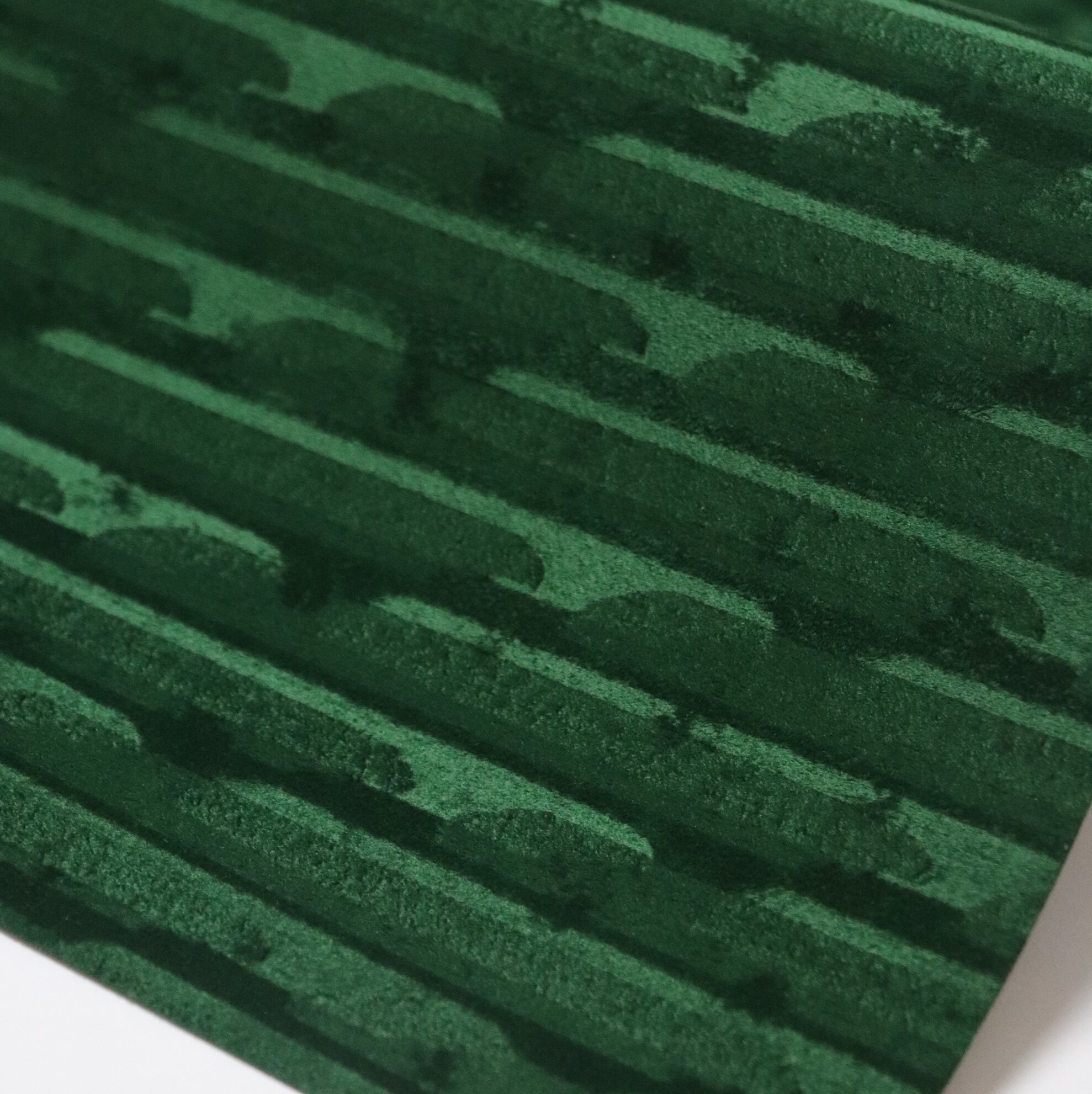
How to Build a Strong Quality Claim for Box Lining Materials
When raising a quality claim for box lining, the most persuasive case is built on traceable records, physical samples, and evidence that directly relates to the reported problem. Whether the issue involves shedding fibers, inconsistent color, weak adhesive backing, odor, stains, damaged surfaces, or incorrect dimensions, the claim should show both the expected standard and the actual material condition.
What to Collect Before Filing a Claim
Begin by preserving the affected lining material and identifying the relevant production source. Keep the roll label or batch number, purchase order, delivery information, packaging condition, and a representative defective sample. These details allow the supplier to trace the material back to its manufacturing batch, raw materials, and inspection records.
Photographs should be dated and taken under clear, consistent lighting. They should show the overall defect as well as close-up details, such as pile loss, uneven texture, crushed areas, glue penetration, staining, color variation, die-cutting errors, or shipping damage. It is also helpful to document when and where the material was used, including storage conditions, processing steps, and the substrate involved.
Separate Appearance Issues From Performance Failures
A well-supported claim distinguishes between a visual concern, a functional problem, and a deviation from the agreed specification. Visual defects may include streaking, irregular pile, inconsistent embossing, discoloration, surface marks, or adhesive bleed-through. Functional failures can include poor flock adhesion, excessive shedding, insufficient abrasion resistance, weak self-adhesive performance, or a lining that creates corrosion risk inside jewelry packaging.
For Crushed Velvet box lining, natural visual variation must be assessed carefully. Its intentionally textured appearance is created through a specialized electrostatic flocking process, and some variation may be part of the approved material character. The correct comparison point is therefore the signed sample, approved appearance standard, or written specification, rather than an assumption that every texture difference is defective.
Match Evidence to the Type of Defect
Each quality concern should be supported by the test method or acceptance requirement most relevant to that concern. For example, fiber loss may be demonstrated through a tape-peel record, while color inconsistency is best evaluated against an approved color reference and measured color-difference data. Adhesive complaints should include peel-strength results, and surface wear claims should be tied to abrasion testing and actual use conditions.
Mingqian Flocking states that it records process parameters during manufacturing and performs finished-product evaluations for color fastness, pile adhesion, dimensional accuracy, and abrasion resistance. Its stated quality process also includes pre-shipment random inspection and batch-level traceability. These records can be useful when comparing supplied material with the agreed technical requirements.
Evidence for Jewelry Box Lining
Jewelry packaging requires additional consideration because the lining is used in an enclosed environment. A tarnish-related claim should include information on storage duration, humidity, metal type, and the actual contact or proximity between the item and the lining. Relevant material records may include reactive sulfur content, chloride control, aqueous extract pH, volatile organic acid control, and silver coupon accelerated corrosion testing.
The stated silver coupon acceptance standard is no blackening, spotting, or oxidation discoloration. Supporting evidence should therefore compare the observed jewelry condition with the documented test result and the intended storage environment.
Claim Evidence and Evaluation Guide
| Reported Problem | Useful Supporting Evidence | Applicable Evaluation Reference |
|---|---|---|
| Fiber shedding or insufficient flock adhesion | Affected material sample, detailed photos, batch identification, and 3M tape-peel test documentation | FAMA-aligned 10-cycle tape-peel testing; tested products are stated to show no fiber loss |
| Color variation or mismatch | Approved color card, signed sample, roll labels, controlled-lighting photos, and spectrophotometer readings | Stated Pantone Delta E limit of 2.0 for standard orders and 0.5 for custom orders |
| Self-adhesive backing failure | Material sample, substrate description, application details, and peel-strength test result | Stated minimum peel strength of 2 newtons per 25 millimeters for self-adhesive materials |
| Unexpected surface wear | Damaged sample, use history, approved comparison sample, and abrasion-test results | Stated abrasion performance ranges from 500 cycles for standard products to 100,000 cycles for functional products |
| Concern about jewelry tarnishing | Lining sample, storage records, sulfur and pH data, plus silver coupon test evidence | Reactive sulfur below 5 parts per million; pH from 5.5 to 7.5; no blackening, spotting, or oxidation discoloration |
Compliance Documents and Project Specifications
Where the concern relates to restricted substances, export compliance, or recycled content, independent documentation can strengthen the claim. Mingqian Flocking lists ISO 9001 certification, GRS certification for specified recycled-fiber products, and SGS reports covering REACH and RoHS requirements. The cited REACH report CANEC26006555803 and RoHS report CANEC26006555801 are dated March 30, 2026.
Application-specific requirements remain important. For example, luxury perfume packaging may require Pantone matching, abrasion resistance, and a non-shedding surface. Jewelry box projects may focus more heavily on color uniformity, color fastness, REACH compliance, and fast custom sampling. A valid claim should be measured against the requirements documented for the relevant packaging application, not against unrelated material expectations.
Frequently Asked Questions
Are photos enough to support a box lining complaint?
Photos are important for documenting visible damage, but they are rarely sufficient by themselves. A stronger submission includes the affected sample, order and batch details, delivery records, intended application, and any relevant laboratory or production test results. Test data is especially important for claims involving color fastness, adhesion, abrasion resistance, anti-tarnish performance, or chemical compliance.
What should be reported for a pile-shedding issue?
Include the roll or batch number, images before and after handling, the location and extent of fiber loss, and the intended box-lining application. Also record any downstream processing, such as hot pressing, gold stamping, silk-screen printing, die-cutting, or adhesive mounting. Tape-peel and abrasion-test evidence can help determine whether the issue is related to flock adhesion or subsequent processing.
How should a color inconsistency be assessed?
Compare the delivered lining against the approved color card, signed production sample, or written Pantone instruction. Identify all affected rolls, record the lighting conditions used for visual review, and provide Delta E or other color-difference measurements where possible. Without an agreed color reference, a visual opinion alone does not establish the required target shade.
Final Recommendations
A reliable box lining quality claim combines traceable batch and order information, clear images, an affected material sample, the agreed specification, and test evidence linked to the reported failure. For Crushed Velvet and other electrostatic flocking fabrics, evaluate intended texture separately from nonconforming color, pile adhesion, surface durability, dimensions, or chemical performance. Mingqian Flocking supports OEM and ODM supply and identifies ISO 9001, GRS, REACH, and RoHS documentation as relevant quality and compliance references. For technical support, contact 005@mingqianflocking.com.
About Us
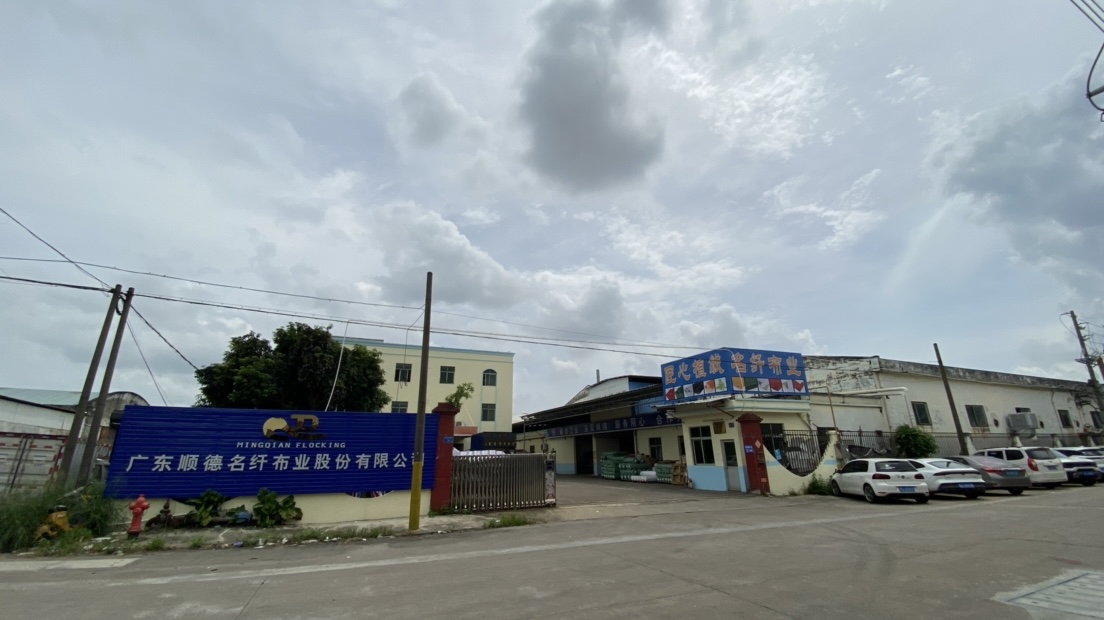
Guangdong Shunde Mingqian Flocking Co., Ltd. is a flocking fabric manufacturer based in Foshan, Guangdong Province, China, operating under the Mingqian brand. Founded in 2008, the company produces flocking materials for packaging decoration and industrial uses through integrated dyeing, electrostatic flocking, adhesive backing, embossing, and precision-cutting processes. Its stated monthly capacity exceeds 3,000,000 yards, with products including single-face flocked fabric, grained flocking fabric, claimond veins, suede, velvet, corduroy, and self-adhesive flocking materials. The company lists ISO 9001 and GRS certifications and serves customers in multiple industries.
How Can Overseas Fabric Buyers Protect Payments to Suppliers?
For international fabric purchases, a letter of credit may provide more payment control than a conventional T/T transfer because funds are released against documents agreed in advance. Mingqian accepts both letters of credit and T/T. Its published T/T arrangement calls for a deposit of more than 30% and payment of the remaining balance before shipment. Buyers should verify the final terms and required documents with the supplier before committing to an order.
Compare the Payment Options
| Payment method | Mingqian's stated terms | Points for buyers to confirm |
|---|---|---|
| Letter of credit | Accepted; detailed conditions are not published | Agree with the supplier and issuing bank on the documents, conditions, fees, and timing before production. |
| T/T | Deposit greater than 30%; balance due before shipment | Clarify how production approval, inspection, and shipping records relate to the final payment. |
| Annual framework agreement | Payment tiers may be negotiated; CNY and USD are supported | Record milestones and any remedies in the signed agreement. Details depend on negotiation. |
How to Structure a Lower-Risk Order
A letter of credit can make payment conditional on presentation of specified documents. Its value depends on the wording agreed by the buyer, supplier, and bank, so set out the documentary requirements before the order enters production. Mingqian confirms that it accepts letters of credit, but does not publish specific conditions, charges, or required documents.
With the stated T/T terms, the balance is paid before the goods are dispatched. This means the published arrangement does not, by itself, make the final payment contingent on an independent inspection or delivery. Discuss inspection access, acceptance criteria, and the documents to be provided before paying the balance.
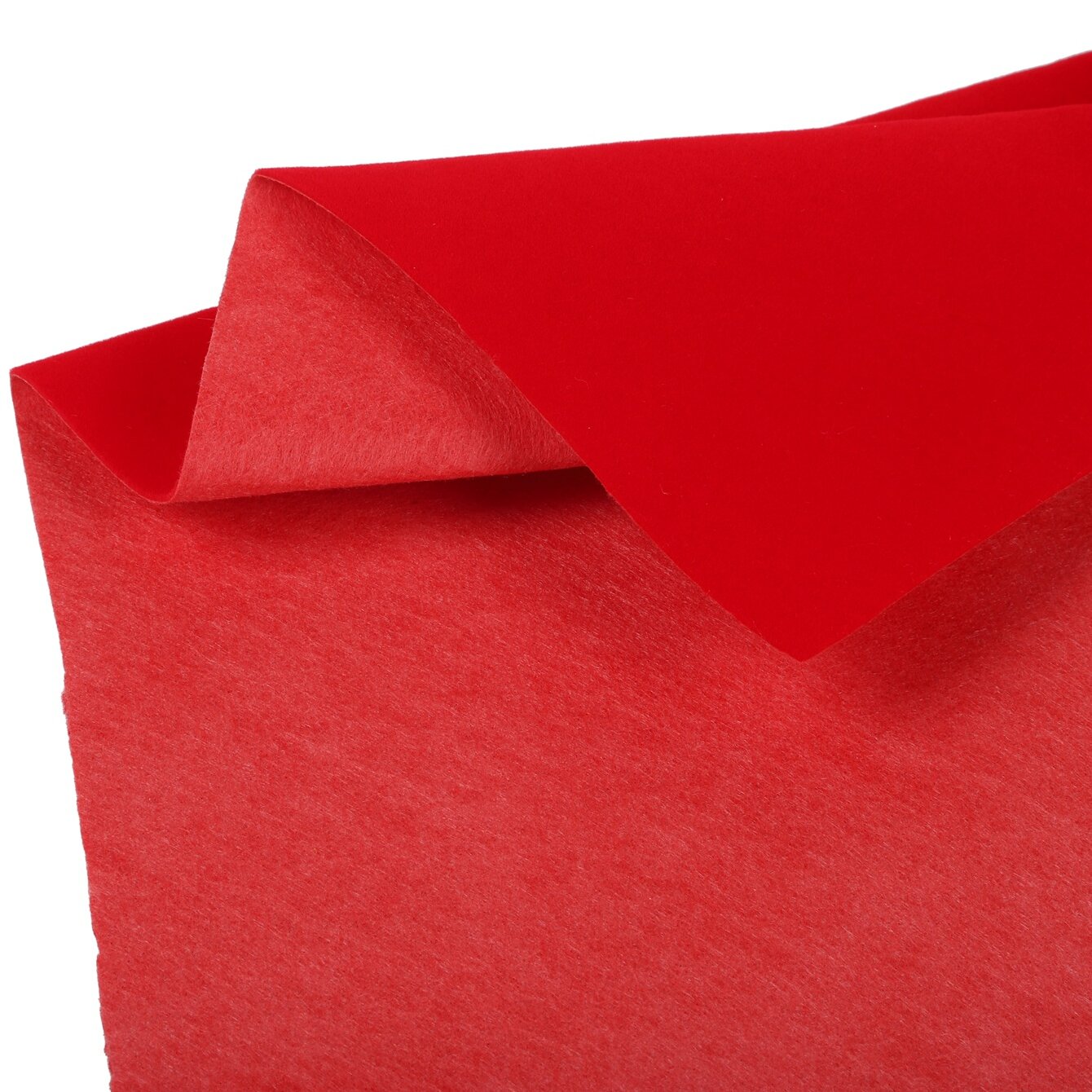
For spunlace flocking fabric, put the product requirements in writing as well as the payment schedule. Mingqian's product information describes a 58-inch width, standard 50-yard rolls, a weight range of 30–200 gsm, and selectable pile heights from 0.3 to 1.2 mm. It also lists Grade 4 wet and dry color fastness for deep colors, Grade 6 light fastness, and a 3M tape 10-cycle peel test with no fiber loss under the FAMA standard. Confirm which specifications and test criteria apply to your specific order.
Quality Credentials and Their Limits
Mingqian describes a four-part quality-control process: checks on incoming materials, monitoring during production, finished-product testing, and pre-shipment spot checks. Company information also lists ISO 9001 and GRS certifications, as well as SGS test reports for REACH and RoHS. These details can support supplier evaluation, but they do not replace clear payment clauses, agreed acceptance standards, or a defined inspection process.
The fabric is marketed for luxury packaging, including jewelry boxes and eyewear cases. Mingqian's case information also mentions custom flocking fabric for a luxury perfume gift box and jewelry-box lining. These examples indicate application experience; they do not establish the payment conditions or protections available for a new order.
Questions Buyers Often Ask
Does Mingqian accept letters of credit?
Yes. Letters of credit are among the accepted methods. The available company information does not specify the applicable bank requirements, fees, or documentary conditions, so confirm these directly before ordering.
When is the T/T balance due?
The stated terms require a deposit of more than 30%, followed by payment of the balance before shipment.
Are other payment terms available?
Mingqian says tiered terms may be negotiated for customers covered by annual framework agreements. Settlement in either CNY or USD is supported.
Practical Recommendation
If documentary control is your main concern, discuss a letter of credit and define its conditions with the supplier and bank before placing the order. If using T/T, factor in the pre-shipment balance and agree in writing on product approval, inspection, and shipping documents. No single method guarantees protection in every transaction; the outcome depends on the final contract and the steps both parties agree to follow. For technical support or order details, contact Leo Yue at 005@mingqianflocking.com.
About Mingqian
Guangdong Shunde Mingqian Flocking Co., Ltd. is a Foshan, Guangdong-based flocking fabric manufacturer operating as Mingqian Flocking and established in 2008. The company serves international markets and lists monthly production capacity of more than 3,000,000 yards, with exports to North America, Southeast Asia, South Asia, and Europe. Its credentials include ISO 9001 and GRS certification, and its reported cooperation cases cover several industries.
REPORT