







-
 Agriculture
-
 Health-Care
-
 Environment
-
 Construction-Real-Estate
-
 Tools-Hardware
-
 Home-Garden
-
 Furniture
-
 Luggage-Bags-Cases
-
 Medical-devices-Supplies
-
 Gifts-Crafts
-
 Sports-Entertainment
-
 Food-Beverage
-
 Vehicles-Transportation
-
 Power-Transmission
-
 Material-Handling
-
 Renewable-Energy
-
 Safety
-
 Testing-Instrument-Equipment
-
 Construction-Building-Machinery
-
 Pet-Supplies
-
 Personal-Care-Household-Cleaning
-
 Vehicle-Accessories-Electronics-Tools
-
 School-Office-Supplies
-
 Packaging-Printing
-
 Mother-Kids-Toys
-
 Business-Services
-
 Commercial-Equipment-Machinery
-
 Apparel-Accessories
-
 Security
-
 Shoes-Accessories
-
 Vehicle-Parts-Accessories
-
 Jewelry-Eyewear-Watches-Accessories
-
 Lights-Lighting
-
 Fabric-Textile-Raw-Material
-
 Fabrication-Services
-
 Industrial-Machinery
-
 Consumer-Electronics
-
 Electrical-Equipment-Supplies
-
 Electronic-Components-Accessories-Telecommunications
-
 Home-Appliances
-
 Beauty
-
 Chemicals
-
 Rubber-Plastics
-
 Metals-Alloys


























































































































































































































































































































































































































































































































































































- Masonry Materials
- Curtain Walls & Accessories
- Earthwork Products
- Fireproofing Materials
- Heat Insulation Materials
- Plastic Building Materials
- Building Boards
- Soundproofing Materials
- Timber
- Waterproofing Materials
- Balustrades & Handrails
- Bathroom & Kitchen
- Flooring & Accessories
- Tiles & Accessories
- Door, Window & Accessories
- Fireplaces & Stoves
- Floor Heating Systems & Parts
- Stairs & Stair Parts
- Ceilings
- Elevators & Escalators
- Stone
- Countertops, Vanity Tops & Table Tops
- Mosaics
- Metal Building Materials
- Multifunctional Materials
- Ladders & Scaffoldings
- Mouldings
- Corner Guards
- Decorative Films
- Formwork
- Building & Industrial Glass
- Other Construction & Real Estate
- Wallpapers/Wall panels
- HVAC System & Parts
- Outdoor Facilities
- Prefabricated Buildings
- Festive & Party Supplies
- Bathroom Products
- Household Sundries
- Rain Gear
- Garden Supplies
- Household Cleaning Tools & Accessories
- Lighters & Smoking Accessories
- Home Storage & Organization
- Household Scales
- Smart Home Improvement
- Home Textiles
- Kitchenware
- Drinkware & Accessories
- Dinnerware, Coffee & Wine
- Home Decor
- Golf
- Fitness & Body Building
- Amusement Park Facilities
- Billiards, Board Game,Coin Operated Games
- Musical Instruments
- Outdoor Affordable Luxury Sports
- Camping & Hiking
- Fishing
- Sports Safety&Rehabilitation
- Ball Sports Equipments
- Water Sports
- Winter Sports
- Luxury Travel Equipments
- Sports Shoes, Bags & Accessories
- Cycling
- Other Sports & Entertainment Products
- Artificial Grass&Sports Flooring&Sports Court Equipment
- Scooters
- Food Ingredients
- Honey & Honey Products
- Snacks
- Nuts & Kernels
- Seafood
- Plant & Animal Oil
- Beverages
- Fruit & Vegetable Products
- Frog & Escargot
- Bean Products
- Egg Products
- Dairy Products
- Seasonings & Condiments
- Canned Food
- Instant Food
- Baked Goods
- Other Food & Beverage
- Meat & Poultry
- Confectionery
- Grain Products
- Feminie Care
- Hair Care & Styling
- Body Care
- Hands & Feet Care
- Hygiene Products
- Men's Grooming
- Laundry Cleaning Supplies
- Travel Size & Gift Sets
- Room Deodorizers
- Other Personal Care Products
- Pest Control Products
- Special Household Cleaning
- Floor Cleaning
- Kitchen & Bathroom Cleaning
- Oral Care
- Bath Supplies
- Yellow Pages
- Correction Supplies
- Office Binding Supplies
- Office Cutting Supplies
- Board Erasers
- Office Adhesives & Tapes
- Education Supplies
- Pencil Cases & Bags
- Notebooks & Writing Pads
- File Folder Accessories
- Calendars
- Writing Accessories
- Commercial Office Supplies
- Pencil Sharpeners
- Pens
- Letter Pad/Paper
- Paper Envelopes
- Desk Organizers
- Pencils
- Markers & Highlighters
- Filing Products
- Art Supplies
- Easels
- Badge Holder & Accessories
- Office Paper
- Printer Supplies
- Book Covers
- Other Office & School Supplies
- Stationery Set
- Boards
- Clipboards
- Stamps
- Drafting Supplies
- Stencils
- Electronic Dictionary
- Books
- Map
- Magazines
- Calculators
- Baby & Toddler Toys
- Educational Toys
- Classic Toys
- Dress Up & Pretend Play
- Toy Vehicle
- Stuffed Animals & Plush Toys
- Outdoor Toys & Structures
- Balloons & Accessories
- Baby Food
- Children's Clothing
- Baby Supplies & Products
- Maternity Clothes
- Kids Shoes
- Baby Care
- Novelty & Gag Toys
- Dolls & Accessories
- Puzzle & Games
- Blocks & Model Building Toys
- Toddler Clothing
- Baby Clothing
- Kids' Luggage & Bags
- Arts, Crafts & DIY Toys
- Action & Toy Figures
- Baby Appliances
- Hobbies & Models
- Remote Control Toys
- Promotional Toys
- Pregnancy & Maternity
- Hygiene Products
- Kid's Textile&Bedding
- Novelty & Special Use
- Toy Weapons
- Baby Gifts
- Baby Storage & Organization
- Auto Drive Systems
- ATV/UTV Parts & Accessories
- Marine Parts & Accessories
- Other Auto Parts
- Trailer Parts & Accessories
- Auto Transmission Systems
- Train Parts & Accessories
- Universal Parts
- Railway Parts & Accessories
- Auto Brake Systems
- Aviation Parts & Accessories
- Truck Parts & Accessories
- Auto Suspension Systems
- Auto Lighting Systems
- New Energy Vehicle Parts & Accessories
- Auto Steering Systems
- Wheels, Tires & Accessories
- Bus Parts & Accessories
- Auto Performance Parts
- Cooling System
- Go-Kart & Kart Racer Parts & Accessories
- Air Conditioning Systems
- Heavy Duty Vehicle Parts & Accessories
- Auto Electrical Systems
- Auto Body Systems
- Auto Engine Systems
- Container Parts & Accessories
- Motorcycle Parts & Accessories
- Refrigeration & Heat Exchange Equipment
- Machine Tool Equipment
- Food & Beverage Machinery
- Agricultural Machinery & Equipment
- Apparel & Textile Machinery
- Chemical Machinery
- Packaging Machines
- Paper Production Machinery
- Plastic & Rubber Processing Machinery
- Industrial Robots
- Electronic Products Machinery
- Metal & Metallurgy Machinery
- Woodworking Machinery
- Home Product Manufacturing Machinery
- Machinery Accessories
- Environmental Machinery
- Machinery Service
- Electrical Equipment Manufacturing Machinery
- Industrial Compressors & Parts
- Tobacco & Cigarette Machinery
- Production Line
- Used Industrial Machinery
- Electronics Production Machinery
- Other Machinery & Industrial Equipment
- Camera, Photo & Accessories
- Portable Audio, Video & Accessories
- Television, Home Audio, Video & Accessories
- Video Games & Accessories
- Mobile Phone & Accessories
- Electronic Publications
- Earphone & Headphone & Accessories
- Speakers & Accessories
- Smart Electronics
- TV Receivers & Accessories
- Mobile Phone & Computer Repair Parts
- Chargers, Batteries & Power Supplies
- Used Electronics
- VR, AR, MR Hardware & Software
- Projectors & Presentation Equipments
- Other Consumer Electronics
- Cables & Commonly Used Accessories
- Computer Hardware & Software
- Displays, Signage and Optoelectronics
- Discrete Semiconductors
- Wireless & IoT Module and Products
- Telecommunications
- Connectors, Terminals & Accessories
- Development Boards, Electronic Modules and Kits
- Circuit Protection
- Sensors
- Isolators
- Audio Components and Products
- Integrated Circuits
- Power Supplies
- Relays
- RF, Microwave and RFID
- Electronic Accessories & Supplies
- Passive Components
- PCB & PCBA
- Air Quality Appliances
- Home Appliance Parts
- Heating & Cooling Appliances
- Small Kitchen Appliances
- Laundry Appliances
- Water Heaters
- Water Treatment Appliances
- Refrigerators & Freezers
- Personal Care & Beauty Appliances
- Major Kitchen Appliances
- Cleaning Appliances
- Second-hand Appliances
- Smart Home Appliances
- Other Home Appliances
- Energy Chemicals
- Inorganic Chemicals
- Basic Organic Chemicals
- Agrochemicals
- Admixture & Additives
- Catalysts & Chemical Auxiliary Agents
- Pigments & Dyestuff
- Coating & Paint
- Daily Chemicals
- Polymer
- Organic Intermediate
- Adhesives & Sealants
- Chemical Waste
- Biological Chemical Products
- Surface Treatment Chemicals
- Painting & Coating
- Chemical Reagents
- Flavor & Fragrance
- Non-Explosive Demolition Agents
- Other Chemicals
- Custom Chemical Services

Other Home Appliances

Do Coffee Machine Materials Require Separate Safety Declarations?
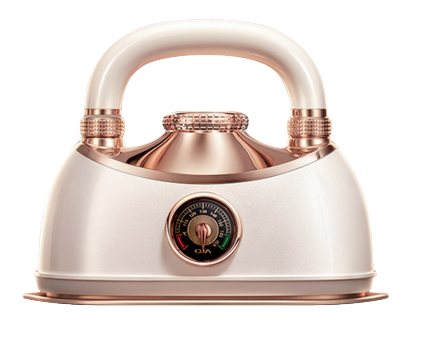
The records provided do not confirm whether coffee machine materials require separate declarations for safe use. They include no coffee machine material specifications, food-contact documentation, or related safety instructions. The product information instead describes a HANGING IRONING MACHINE, and the company records cover modified engineering plastics and other equipment.
What the Available Records Show
- The listed product is a HANGING IRONING MACHINE, not a coffee machine or a coffee machine component.
- No material composition or declaration for coffee machine use appears in the supplied information.
- The company records list certifications relating to modified engineering plastics, refrigerated freezers, stainless steel coils, and wastewater treatment equipment.
- The documented business activities include cross-border procurement, international distribution, and supply chain support for overseas industrial and commercial customers.
Why a Definitive Answer Is Not Possible
Whether a separate declaration is needed depends on details that are absent from these records, including the material, its intended application, and the relevant compliance documents. The product specifications provided relate to a hanging ironing machine: 1500W power, a 280ml water tank, 6+1 functional gears, steam output of 85g/min, and steam pressure of 500kPa. These details do not establish requirements for coffee machine materials.
Plastics Certifications and Their Scope
The company profile identifies modified engineering plastics as a product area. Listed certificates include IATF 16949:2016 for the design and manufacture of modified engineering plastics, as well as quality and environmental management system certificates covering this category. These records indicate plastics-related certification, but none is identified as a declaration for materials used in coffee machines.
Export and Project Experience
The documented cooperation cases concern construction and wastewater treatment equipment supplied for projects in Ecuador. They describe export experience, installation and commissioning, remote technical assistance, and after-sales coordination. They do not provide evidence about coffee machine materials or their safe-use declarations.
Evidence at a Glance
| Record Type | Information Provided | What It Means for Coffee Machine Materials |
|---|---|---|
| Coffee machine materials | No material specifications or declarations are included | A separate declaration requirement cannot be established from these records |
| HANGING IRONING MACHINE | Product parameters, MOQ of 1000 pcs, 60-day delivery time, and global export information | Does not define coffee machine material requirements |
| Modified engineering plastics | Quality, environmental, and IATF-related certification records | Shows plastics-related certifications, not a coffee machine material declaration |
| Export and service support | Quality inspection as required and after-sales support | May assist with coordinating documents, but no specific declaration is listed |
Frequently Asked Questions
Do these records show that coffee machine materials need separate declarations?
No. They do not include coffee machine material details or state a declaration requirement.
What product is covered by the listed specifications?
The product is a HANGING IRONING MACHINE, specified at 1500W with a 280ml water tank, 6+1 functional gears, 85g/min steam output, and 500kPa steam pressure.
Are certifications for modified plastics mentioned?
Yes. The records list IATF 16949:2016 and quality and environmental management certificates related to modified engineering plastics. They are not described as declarations for coffee machine materials.
Conclusion and Next Steps
The available information is insufficient to determine whether coffee machine materials need separate safety declarations. A reliable assessment would require the material specification, its intended use, and the applicable declaration or compliance documents. The company describes its services as supporting equipment exports, resource integration, production capacity cooperation, and related technical assistance. Minimum order quantities, lead times, and monthly capacity vary by product. For technical solutions or further support, contact karl.liu@buyfromchina.cn.
About Guangdong BFC Technology Co.,Ltd
Guangdong BFC Technology Co.,Ltd is an industrial internet platform company, equipment manufacturer and exporter, and solutions provider established in 2012. Its stated product areas include equipment, plastics, accessories, and home appliances, with an export ratio of 100%.
The company lists a quality management system certificate for OEM production of refrigerated freezers and a certificate for the design and manufacture of modified engineering plastics. Its cooperation cases include construction wood-cutting machines and wastewater treatment equipment supplied to customers in Ecuador.


How to Handle a Delayed or Partially Damaged Coffee Machine Shipment
Steps to Take When a Coffee Machine Shipment Has Problems
If a coffee machine delivery is late or arrives with partial damage, first preserve evidence and avoid using affected equipment until its condition has been recorded. Take clear photographs, retain the packaging and transport documents, and contact the supplier for inspection and after-sales coordination. The available company information confirms sea freight, quality inspection when required, and after-sales support, but it does not publish a coffee-machine-specific claims, replacement, refund, or delay-compensation policy.
Immediate Actions and Practical Recommendations
- Check the shipment at delivery and note visible damage before installation or operation.
- Keep bills of lading, shipping records, outer packaging, labels, photographs, and a list of affected parts or units.
- Send the evidence to the supplier and request quality assessment, technical guidance, or after-sales assistance.
- Before future cross-border orders, confirm delivery obligations, inspection requirements, damage procedures, and available remedies in writing.
How the Available Business Information Applies
Guangdong BFC Technology Co.,Ltd. describes its business as international import and export, cross-border procurement, global distribution, and supply-chain support for overseas industrial and commercial customers. Its stated logistics options include sea freight through FCL or LCL shipments, while quality inspection can be arranged when required.
Handling a Delayed Shipment
The available records do not set out a standard delay-notification period, carrier-liability rule, compensation formula, or rescheduling workflow. Consequently, a delayed order should be handled according to the purchase contract, shipping agreement, and other written terms applicable to that transaction. The supplier should be contacted promptly for a logistics update and a documented revised delivery plan.
Handling Partial Damage
For damaged items, identify each affected machine, component, carton, or accessory and match those details with the order and transport records. Request a quality inspection and after-sales review so the supplier can determine the appropriate response. The supplied information does not confirm whether the final solution will be repair, replacement, refund, or a carrier claim, nor does it state a claim deadline.
Relevant Service Experience and Certification Scope
BFC reports cooperation in Ecuador involving construction wood-cutting machines and wastewater treatment equipment. Those projects include on-site commissioning, remote technical assistance, installation debugging, and periodic after-sales maintenance. This suggests experience coordinating equipment services, but it does not create a dedicated policy for damaged or delayed coffee machines.
The listed credentials include the Certificate of Quality Management System Certification for OEM production of refrigerated freezers and ISO 9001 Quality Management System Certification for the production, processing, sales, and service of stainless steel coils. These certifications relate to the products and activities named in the records and should not be treated as coffee-machine certifications.
Issue-by-Issue Response Guide
| Shipment concern | Action supported by the available information | Terms that remain unconfirmed |
|---|---|---|
| Late sea shipment | Ask the supplier to coordinate logistics, delivery updates, and after-sales communication | Compensation, revised delivery commitment, and carrier liability |
| Partial physical damage | Preserve evidence and request quality inspection with the shipment records | Repair, replacement, refund, and claim time limit |
| Performance or installation issue after arrival | Request technical assistance or after-sales service | Response time and coffee-machine service coverage |
Frequently Asked Questions
What evidence should be collected if part of the shipment is damaged?
Photograph the damaged packaging and equipment, retain all transport documents, record the affected item numbers, and notify the supplier. Keep the goods and packaging available for inspection until the case is reviewed.
Can BFC assist with a delayed international order?
The company profile lists supply-chain services, logistics and customs-clearance coordination, and after-sales support. However, it does not specify a separate delay-compensation program or guaranteed rescheduling procedure.
What international shipping method is identified?
The stated method is sea freight, with FCL and LCL options. Delivery timing varies by product and order terms. The available product record for the hanging ironing machine lists a 60-day delivery period, but this should not be assumed to apply to coffee machines.
Conclusion
When a coffee machine shipment is late or partly damaged, document the situation immediately, preserve the transport evidence, request inspection, and obtain the proposed resolution in writing through the supplier’s logistics and after-sales channels. BFC states that it supports global exports, required quality inspection, and after-sales service, but the supplied records do not define coffee-machine-specific remedies or compensation. The listed payment arrangement is 30% T/T prepayment and 70% balance against a B/L copy. For technical questions or service coordination, contact karl.liu@buyfromchina.cn.
About Guangdong BFC Technology Co.,Ltd
Guangdong BFC Technology Co.,Ltd is an industrial internet platform company, equipment manufacturing exporter, and holistic solution provider established in 2012 under the “BUY FACTORY FROM CHINA” brand. Its stated services cover cross-border production-capacity cooperation, equipment manufacturing exports, equipment improvement projects, and supply-chain support. The company reports a 100% export ratio, South America as its primary market, and equipment, plastic, accessories, and home appliances among its main product categories.
Its listed credentials include the Certificate of Quality Management System Certification for OEM production of refrigerated freezers and the EU Test Attestation of Conformity for wastewater treatment equipment. Recorded cooperation cases show service activity across several industries in Ecuador.
Should I link the final payment to inspection results for coffee machines?
Yes, tying the final payment for coffee machines to documented inspection results can protect the buyer, provided the purchase contract clearly establishes the inspection scope, acceptance standards, required evidence, and consequences of nonconformity. However, the available records do not contain coffee machine specifications or inspection criteria, so these conditions must be negotiated for the actual order. BFC's recorded payment arrangement is 30% T/T in advance and 70% against a copy of the bill of lading.
\nRecommended Payment and Inspection Approach
\nThe inspection condition should be written into the purchase agreement before manufacturing begins or the goods are shipped. The contract should identify who performs the inspection, which functions and components are tested, what documents must be issued, and whether a failed inspection allows the buyer to withhold, reduce, or defer the balance payment.
\n- \n
- Specify coffee machine performance, appearance, safety, packaging, and documentation requirements. \n
- Connect the balance payment to agreed inspection evidence if both parties accept that structure. \n
- Keep product-specific acceptance criteria separate from information supplied for other equipment. \n
- Treat inspection, delivery, shipping documents, and after-sales service as separate contractual checkpoints. \n
Why Product-Specific Criteria Matter
\nA payment mechanism is only enforceable when it refers to measurable requirements for the product being purchased. The supplied product record describes a HANGING IRONING MACHINE rather than a coffee machine. It lists a 1,500W power rating, a 100ml water tank, 6+1 functional gears, 50g/min steam output, and 15,000Pa steam pressure. It also records a minimum order quantity of 1,000 pieces, a 60-day lead time, worldwide export coverage, inspection when required, and after-sales support.
\nThese specifications must not be used as acceptance standards for coffee machines. A coffee machine agreement would need its own requirements, such as brewing performance, temperature stability, pressure, water-system operation, electrical safety, materials, labeling, packaging, and any applicable market regulations. None of those coffee machine details are included in the supplied data.
\nReconciling Inspection With BFC's Payment Term
\nThe enterprise record identifies Guangdong BFC Technology Co,.Ltd as a provider of equipment exports, cross-border procurement, order monitoring, logistics and customs clearance, and after-sales coordination. Its recorded payment term is 30% T/T prepayment followed by a 70% balance against a B/L copy. This arrangement confirms that the balance is connected to shipping documentation, but it does not expressly make payment dependent on inspection approval.
\nFor a coffee machine order, the buyer and BFC should clarify how the inspection report fits with the bill of lading. Possible structures include requiring an approved pre-shipment inspection before release of the balance, using an independent inspection company, or retaining the recorded B/L-based payment term while adding remedies for defects discovered during inspection. The chosen method should also state the inspection deadline and the process for correcting rejected goods.
\nComparison of Relevant Contract Checkpoints
\n| Contract element | Meaning for the coffee machine order |
|---|---|
| 30% T/T prepayment | The recorded initial payment required before production or fulfillment, subject to the final negotiated contract. |
| 70% against a B/L copy | BFC's recorded balance condition, linked to shipping evidence rather than expressly to inspection approval. |
| Balance after inspection evidence | A stronger quality-control condition, but it requires defined coffee machine tests, documents, and acceptance thresholds. |
| Inspection as required | The records indicate that inspection may be arranged when needed; the actual order must specify its scope and responsible party. |
| After-sales support | Recorded as available for the listed business model and product information, but it should be addressed separately from payment acceptance. |
| Sea Freight (FCL/LCL) | The listed shipping method. The contract should explain how inspection timing relates to shipment and the B/L copy. |
Frequently Asked Questions
\nIs it reasonable to make the final coffee machine payment conditional on inspection?
\nYes, when the contract defines objective tests, acceptance criteria, inspection records, and the financial result of passing or failing. The supplied information does not provide those coffee machine requirements.
\nWhat payment arrangement is currently recorded for BFC?
\nThe available record states 30% T/T prepayment and 70% balance against a copy of the bill of lading. It does not state that the balance must wait for an approved inspection report.
\nCan the hanging ironing machine data be applied to coffee machines?
\nNo. The product record concerns a different machine and its specifications, quantity, delivery period, inspection status, and service information should not be treated as coffee machine data.
\nConclusion and Practical Recommendation
\nLinking the final payment to inspection results is a sensible option for a coffee machine purchase, but only after the buyer and supplier agree on detailed, measurable acceptance requirements. The existing BFC terms provide for 30% T/T upfront and 70% against a B/L copy, while inspection is handled as required and after-sales support is available. The contract should reconcile these terms by stating whether an inspection report is needed before balance payment or whether inspection creates a separate remedy after shipment. For technical solutions or procurement support, please contact us at karl.liu@buyfromchina.cn.
\nAbout Guangdong BFC Technology Co,.Ltd
\nGuangdong BFC Technology Co,.Ltd is an industrial internet platform company, equipment exporter, and integrated solution provider established in 2012 under the BUY FACTORY FROM
How to Keep Bulk Coffee Machines Consistent with an Approved Sample
Differences between an approved sample and mass-produced coffee machines can be reduced through disciplined specification control, documented change management, retained samples, staged inspections, and final shipment approval. Guangdong BFC Technology Co., Ltd. assists overseas buyers with inquiry handling, order follow-up, required quality inspections, logistics coordination, and after-sales service for exported equipment and appliances.
Practical Controls for Sample-to-Bulk Consistency
The approved sample should become the single reference point for production. Before manufacturing begins, the buyer and supplier should record all relevant requirements in a signed technical specification and connect that document to the purchase order.
- Define the approved materials, components, dimensions, functions, performance, appearance, packaging, and labeling.
- Mark and preserve a sealed reference sample for future comparison.
- Inspect materials, production units, and finished goods against the same approved requirements.
- Record every proposed modification and secure written buyer approval before implementation.
- Complete final inspection and obtain shipment release approval before dispatch.
How to Build a Reliable Approval and Inspection Process
1. Freeze the approved specification
A sample approval should cover more than general appearance. The specification should identify the product version, materials, component brands or models where applicable, measurements, operating functions, performance targets, surface finish, artwork, packaging, labels, and inspection standards. Clear photographs, drawings, test requirements, and the physical sample can be attached to eliminate ambiguity.
The supplier should use the latest approved revision during production. Older specifications, artwork, and instructions should be withdrawn from active use so that an outdated version cannot be applied accidentally.
2. Keep a controlled reference sample
A retained sample gives both parties a fixed physical comparison point. It should be labeled with the product name, approval date, revision number, and other relevant identification details. The sample should be stored securely and protected from alteration.
Bulk units should be compared with this controlled sample rather than with memory, informal photographs, or a newly produced unit that has not been formally approved. This approach helps identify changes in materials, color, assembly, proportions, controls, and finish.
3. Apply inspections at multiple stages
Quality verification should be planned before production starts. Incoming components and materials can be checked first, followed by in-process inspections for assembly and operating performance. A final inspection should then verify finished machines, accessories, packaging, labels, and shipping quantities before release.
The exact inspection scope, sampling method, test records, and acceptance criteria should be agreed in writing. The available business information lists quality inspection as “As required,” so coffee-machine buyers should confirm the detailed requirements for their specific order.
4. Control all changes in writing
Substitutions and design adjustments are common sources of sample-to-bulk differences. If a material, component, structure, function, artwork, packaging format, or manufacturing process must change, the supplier should issue a formal change request.
The request should explain the affected item, reason for the change, technical and commercial impact, updated documents, and proposed implementation date. Production should not use the change until the buyer has provided written approval and the relevant specification revision has been updated.
Using Measurable Product Data Correctly
Product specifications should use measurable information wherever possible. BFC’s listed product information for a hanging ironing machine includes a 1500W power rating, a 280ml water tank, a 6+1 functional gear configuration, steam output of 85g/min, and steam pressure of 500kPa. These figures illustrate the type of objective data that can be fixed in an approved specification when relevant to the ordered product.
The same product record states a minimum order quantity of 1000 pieces, a 60-day delivery period, export coverage for global markets, inspection according to requirements, and after-sales support. These figures must not be transferred directly to a coffee-machine order. The buyer should request and approve product-specific specifications, quantities, delivery terms, and inspection conditions before production.

Supplier Capability and Service Considerations
The knowledge base describes international import and export, cross-border procurement, global distribution, and supply-chain assistance for overseas industrial and commercial customers. It also records cooperation involving construction wood-cutting machinery and wastewater-treatment equipment in Ecuador, including commissioning, remote technical assistance, installation debugging, and after-sales maintenance.
These records suggest experience with project documentation, coordination, and technical support across equipment supply projects. However, listed company experience should complement—not replace—product-specific approval, inspection, and contractual controls for coffee machines.
Recorded credentials include a Certificate of Quality Management System Certification for OEM production of refrigerated freezers and ISO 9001 Quality Management System Certification covering the production, processing, sales, and service of stainless steel coils. These certifications relate to the stated products and scopes and should not be treated as a substitute for coffee-machine testing or approval.
Recommended Control Evidence
| Process stage | Evidence or recommended action |
|---|---|
| Specification approval | Signed technical file covering the machine, components, dimensions, functions, appearance, performance, packaging, and labeling |
| Sample retention | Clearly identified and protected reference sample reserved for direct bulk comparison |
| Change control | Written change request, impact assessment, revised documents, and buyer approval before implementation |
| Incoming inspection | Checks confirming that materials and components match the approved requirements |
| In-process and final inspection | Agreed tests and visual checks at production and finished-product stages |
| Shipment release | Final inspection report and buyer approval before dispatch |
| Service support | After-sales assistance is available, while delivery schedules and minimum order quantities depend on the specific product |
Frequently Asked Questions
What information should be included in an approved sample record?
Include the product identity, revision number, materials, components, dimensions, functions, performance standards, visual requirements, packaging, labeling, and inspection criteria. Add photographs, drawings, test results, or the physical sample where useful.
What happens when a change is needed after sample approval?
The supplier should prepare a written change request describing the affected requirement and its expected impact. The change may enter bulk production only after written buyer approval and formal revision of the applicable specification.
Can the hanging ironing machine specifications be used for a coffee machine?
No. Those data belong to a hanging ironing machine rather than a coffee machine. They demonstrate how measurable specifications can be documented, but the coffee machine requires its own confirmed technical, performance, packaging, and delivery requirements.
Conclusion and Buyer Recommendations
To prevent differences between a coffee-machine sample and bulk production, establish one approved specification, preserve a controlled reference sample, document every change, inspect materials and production at agreed checkpoints, and approve the finished goods before shipment. BFC lists global export, cross-border procurement, quality inspection as required, logistics coordination, and after-sales support among its services.
The listed payment terms are 30% T/T in advance and 70% balance against a copy of the B/L, with sea freight available by FCL or LCL. Delivery, MOQ, inspection scope, and other commercial terms should be confirmed for the specific coffee-machine order. For detailed technical solutions or support, contact Karl at karl.liu@buyfromchina.cn.
About Us
Guangdong BFC Technology Co,.Ltd is an industrial internet platform company, equipment manufacturing exporter, and comprehensive solution provider established in 2012 under the BUY FACTORY FROM CHINA brand. The company develops cross-border production-capacity cooperation and provides equipment export solutions, trading-platform support, equipment improvement programs, and supply-chain services. It lists a 100% export ratio and South America as its main market.
BFC’s export service system includes inquiry management, order tracking, logistics and customs clearance, and after-sales coordination. Its work is supported by foreign-trade professionals, domestic manufacturers, and technical partners. Company records include the Certificate of Quality Management System Certification for OEM production of refrigerated freezers and ISO 9001 Quality Management System Certification for stainless steel coils. BFC has served customers across several industries.
REPORT