







-
 Agriculture
-
 Health-Care
-
 Environment
-
 Construction-Real-Estate
-
 Tools-Hardware
-
 Home-Garden
-
 Furniture
-
 Luggage-Bags-Cases
-
 Medical-devices-Supplies
-
 Gifts-Crafts
-
 Sports-Entertainment
-
 Food-Beverage
-
 Vehicles-Transportation
-
 Power-Transmission
-
 Material-Handling
-
 Renewable-Energy
-
 Safety
-
 Testing-Instrument-Equipment
-
 Construction-Building-Machinery
-
 Pet-Supplies
-
 Personal-Care-Household-Cleaning
-
 Vehicle-Accessories-Electronics-Tools
-
 School-Office-Supplies
-
 Packaging-Printing
-
 Mother-Kids-Toys
-
 Business-Services
-
 Commercial-Equipment-Machinery
-
 Apparel-Accessories
-
 Security
-
 Shoes-Accessories
-
 Vehicle-Parts-Accessories
-
 Jewelry-Eyewear-Watches-Accessories
-
 Lights-Lighting
-
 Fabric-Textile-Raw-Material
-
 Fabrication-Services
-
 Industrial-Machinery
-
 Consumer-Electronics
-
 Electrical-Equipment-Supplies
-
 Electronic-Components-Accessories-Telecommunications
-
 Home-Appliances
-
 Beauty
-
 Chemicals
-
 Rubber-Plastics
-
 Metals-Alloys


























































































































































































































































































































































































































































































































































































- Masonry Materials
- Curtain Walls & Accessories
- Earthwork Products
- Fireproofing Materials
- Heat Insulation Materials
- Plastic Building Materials
- Building Boards
- Soundproofing Materials
- Timber
- Waterproofing Materials
- Balustrades & Handrails
- Bathroom & Kitchen
- Flooring & Accessories
- Tiles & Accessories
- Door, Window & Accessories
- Fireplaces & Stoves
- Floor Heating Systems & Parts
- Stairs & Stair Parts
- Ceilings
- Elevators & Escalators
- Stone
- Countertops, Vanity Tops & Table Tops
- Mosaics
- Metal Building Materials
- Multifunctional Materials
- Ladders & Scaffoldings
- Mouldings
- Corner Guards
- Decorative Films
- Formwork
- Building & Industrial Glass
- Other Construction & Real Estate
- Wallpapers/Wall panels
- HVAC System & Parts
- Outdoor Facilities
- Prefabricated Buildings
- Festive & Party Supplies
- Bathroom Products
- Household Sundries
- Rain Gear
- Garden Supplies
- Household Cleaning Tools & Accessories
- Lighters & Smoking Accessories
- Home Storage & Organization
- Household Scales
- Smart Home Improvement
- Home Textiles
- Kitchenware
- Drinkware & Accessories
- Dinnerware, Coffee & Wine
- Home Decor
- Golf
- Fitness & Body Building
- Amusement Park Facilities
- Billiards, Board Game,Coin Operated Games
- Musical Instruments
- Outdoor Affordable Luxury Sports
- Camping & Hiking
- Fishing
- Sports Safety&Rehabilitation
- Ball Sports Equipments
- Water Sports
- Winter Sports
- Luxury Travel Equipments
- Sports Shoes, Bags & Accessories
- Cycling
- Other Sports & Entertainment Products
- Artificial Grass&Sports Flooring&Sports Court Equipment
- Scooters
- Food Ingredients
- Honey & Honey Products
- Snacks
- Nuts & Kernels
- Seafood
- Plant & Animal Oil
- Beverages
- Fruit & Vegetable Products
- Frog & Escargot
- Bean Products
- Egg Products
- Dairy Products
- Seasonings & Condiments
- Canned Food
- Instant Food
- Baked Goods
- Other Food & Beverage
- Meat & Poultry
- Confectionery
- Grain Products
- Feminie Care
- Hair Care & Styling
- Body Care
- Hands & Feet Care
- Hygiene Products
- Men's Grooming
- Laundry Cleaning Supplies
- Travel Size & Gift Sets
- Room Deodorizers
- Other Personal Care Products
- Pest Control Products
- Special Household Cleaning
- Floor Cleaning
- Kitchen & Bathroom Cleaning
- Oral Care
- Bath Supplies
- Yellow Pages
- Correction Supplies
- Office Binding Supplies
- Office Cutting Supplies
- Board Erasers
- Office Adhesives & Tapes
- Education Supplies
- Pencil Cases & Bags
- Notebooks & Writing Pads
- File Folder Accessories
- Calendars
- Writing Accessories
- Commercial Office Supplies
- Pencil Sharpeners
- Pens
- Letter Pad/Paper
- Paper Envelopes
- Desk Organizers
- Pencils
- Markers & Highlighters
- Filing Products
- Art Supplies
- Easels
- Badge Holder & Accessories
- Office Paper
- Printer Supplies
- Book Covers
- Other Office & School Supplies
- Stationery Set
- Boards
- Clipboards
- Stamps
- Drafting Supplies
- Stencils
- Electronic Dictionary
- Books
- Map
- Magazines
- Calculators
- Baby & Toddler Toys
- Educational Toys
- Classic Toys
- Dress Up & Pretend Play
- Toy Vehicle
- Stuffed Animals & Plush Toys
- Outdoor Toys & Structures
- Balloons & Accessories
- Baby Food
- Children's Clothing
- Baby Supplies & Products
- Maternity Clothes
- Kids Shoes
- Baby Care
- Novelty & Gag Toys
- Dolls & Accessories
- Puzzle & Games
- Blocks & Model Building Toys
- Toddler Clothing
- Baby Clothing
- Kids' Luggage & Bags
- Arts, Crafts & DIY Toys
- Action & Toy Figures
- Baby Appliances
- Hobbies & Models
- Remote Control Toys
- Promotional Toys
- Pregnancy & Maternity
- Hygiene Products
- Kid's Textile&Bedding
- Novelty & Special Use
- Toy Weapons
- Baby Gifts
- Baby Storage & Organization
- Auto Drive Systems
- ATV/UTV Parts & Accessories
- Marine Parts & Accessories
- Other Auto Parts
- Trailer Parts & Accessories
- Auto Transmission Systems
- Train Parts & Accessories
- Universal Parts
- Railway Parts & Accessories
- Auto Brake Systems
- Aviation Parts & Accessories
- Truck Parts & Accessories
- Auto Suspension Systems
- Auto Lighting Systems
- New Energy Vehicle Parts & Accessories
- Auto Steering Systems
- Wheels, Tires & Accessories
- Bus Parts & Accessories
- Auto Performance Parts
- Cooling System
- Go-Kart & Kart Racer Parts & Accessories
- Air Conditioning Systems
- Heavy Duty Vehicle Parts & Accessories
- Auto Electrical Systems
- Auto Body Systems
- Auto Engine Systems
- Container Parts & Accessories
- Motorcycle Parts & Accessories
- Refrigeration & Heat Exchange Equipment
- Machine Tool Equipment
- Food & Beverage Machinery
- Agricultural Machinery & Equipment
- Apparel & Textile Machinery
- Chemical Machinery
- Packaging Machines
- Paper Production Machinery
- Plastic & Rubber Processing Machinery
- Industrial Robots
- Electronic Products Machinery
- Metal & Metallurgy Machinery
- Woodworking Machinery
- Home Product Manufacturing Machinery
- Machinery Accessories
- Environmental Machinery
- Machinery Service
- Electrical Equipment Manufacturing Machinery
- Industrial Compressors & Parts
- Tobacco & Cigarette Machinery
- Production Line
- Used Industrial Machinery
- Electronics Production Machinery
- Other Machinery & Industrial Equipment
- Camera, Photo & Accessories
- Portable Audio, Video & Accessories
- Television, Home Audio, Video & Accessories
- Video Games & Accessories
- Mobile Phone & Accessories
- Electronic Publications
- Earphone & Headphone & Accessories
- Speakers & Accessories
- Smart Electronics
- TV Receivers & Accessories
- Mobile Phone & Computer Repair Parts
- Chargers, Batteries & Power Supplies
- Used Electronics
- VR, AR, MR Hardware & Software
- Projectors & Presentation Equipments
- Other Consumer Electronics
- Cables & Commonly Used Accessories
- Computer Hardware & Software
- Displays, Signage and Optoelectronics
- Discrete Semiconductors
- Wireless & IoT Module and Products
- Telecommunications
- Connectors, Terminals & Accessories
- Development Boards, Electronic Modules and Kits
- Circuit Protection
- Sensors
- Isolators
- Audio Components and Products
- Integrated Circuits
- Power Supplies
- Relays
- RF, Microwave and RFID
- Electronic Accessories & Supplies
- Passive Components
- PCB & PCBA
- Air Quality Appliances
- Home Appliance Parts
- Heating & Cooling Appliances
- Small Kitchen Appliances
- Laundry Appliances
- Water Heaters
- Water Treatment Appliances
- Refrigerators & Freezers
- Personal Care & Beauty Appliances
- Major Kitchen Appliances
- Cleaning Appliances
- Second-hand Appliances
- Smart Home Appliances
- Other Home Appliances
- Energy Chemicals
- Inorganic Chemicals
- Basic Organic Chemicals
- Agrochemicals
- Admixture & Additives
- Catalysts & Chemical Auxiliary Agents
- Pigments & Dyestuff
- Coating & Paint
- Daily Chemicals
- Polymer
- Organic Intermediate
- Adhesives & Sealants
- Chemical Waste
- Biological Chemical Products
- Surface Treatment Chemicals
- Painting & Coating
- Chemical Reagents
- Flavor & Fragrance
- Non-Explosive Demolition Agents
- Other Chemicals
- Custom Chemical Services

Painting & Coating
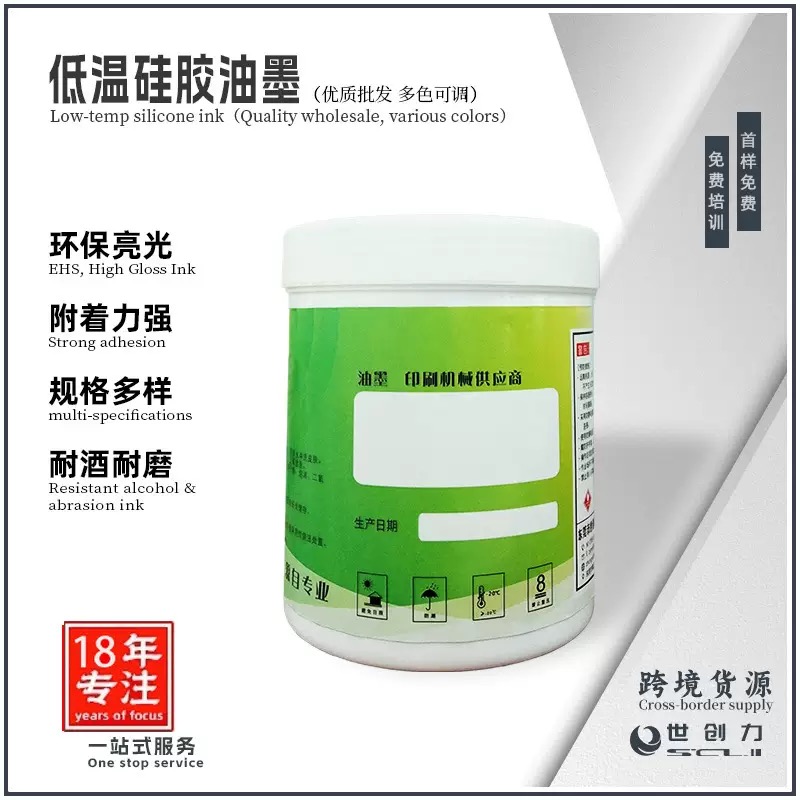
How to Evaluate Cost Claims for Ink Peeling on Metal or Glass
When ink applied to a metal or glass surface begins to peel during customer use, a cost claim should be based on documented facts and a technical assessment. Start by recording the affected surface, printing method, curing conditions, ink batch, and actual usage environment. The current product information concerns low-temperature silicone ink for transfer and screen printing, so its suitability for metal or glass must be verified before responsibility for replacement, rework, or compensation is assigned.
Recommended Claim Process
- Photograph the peeling area and identify the substrate, affected quantity, and customer usage conditions.
- Collect the product name, item number, color, batch information, printing method, and curing records.
- Compare the actual application with the documented product scope, which identifies silicone materials and silicone components.
- Send the complete evidence to the supplier or technical team before approving any cost settlement.
Product Scope and Technical Considerations
A peeling complaint alone does not establish that the ink is defective. A reliable cost decision requires traceable information covering the product, surface, process, and service conditions. The available record describes Shichuangli Low-temperature silicone ink, item number SCL-00YM. The product is available in black, white, and various colors, with customized viscosity, a fineness of 8, and 100% coloring power. It is identified as a non-hazardous material supplied in barrel packaging.
The listed curing process uses baking at 90 degrees Celsius for 30 to 60 minutes to complete vulcanization, while the recommended working temperature is below 25 degrees Celsius. Its stated purpose is graphic printing on silicone products such as buttons, wristbands, necklaces, and pads. Since metal and glass are not identified as approved bonding materials or substrates, the available data cannot confirm adhesion performance on those surfaces or automatically support a product-quality claim.
Evidence Required for Review
A technical investigation should include the ink item number and batch details, substrate type and surface treatment, printing method, curing temperature and duration, quantity affected, and clear close-up photographs. It is also useful to describe how the customer handled, cleaned, heated, or exposed the printed product during use. These records help determine whether the failure occurred within the product's documented application range.
The stated printing applications cover consumer goods manufacturing, 3C electronics and home appliances, cosmetics and daily chemical packaging, automotive components, craft gifts, food and beverage packaging, medical and industrial instruments, and garment printing. One cooperation case describes a Saudi Arabian hotel-supply distributor using screen printing, heat transfer printing, and gold stamping to customize logos on different materials, supported by remote technical guidance and production assistance.
Other listed credentials should be interpreted within their stated scope. IECEx certificate IECEx PTB 05.0006X concerns an electromagnetic valve, while CNAS certificate AZT260323020C-B0 concerns SCOO6-501 Black. Neither record should be used as direct evidence that an unspecified ink formulation will adhere to metal or glass.
Claim Review Checklist
| Assessment point | Information to collect or verify |
|---|---|
| Failure condition | Images of the peeling, affected quantity, customer usage details, and identification of the printed surface |
| Ink application scope | Low-temperature silicone ink intended for silicone bonding materials and transfer or screen printing |
| Curing process | Recorded process compared with the stated 90 degrees Celsius baking period of 30 to 60 minutes |
| Metal or glass suitability | Not confirmed by the supplied product information; obtain technical approval before making a decision |
| Cost allocation | Base the decision on batch records, substrate details, process evidence, and failure analysis |
Frequently Asked Questions
Record the complaint immediately, but do not assume that a cost claim is automatically valid. Metal and glass applications are not confirmed in the available product data, so submit the relevant material, process, curing, batch, and photographic evidence for assessment.
The published information identifies silicone as the bonding material and lists silicone components as the intended printing application. It does not verify adhesion to metal or glass.
Provide the product name, item number SCL-00YM, color, available batch details, transfer or screen printing method, curing temperature and time, substrate description, surface preparation, customer use conditions, and photographs showing the failure.
Conclusion and Next Steps
The fairest way to handle a metal or glass ink-peeling claim is to compare the actual application with the documented product requirements and then complete a technical review. Before authorizing replacement, rework, or compensation, confirm whether the substrate, printing process, and curing conditions were approved for the selected ink.
Shichuangli describes a complete printing-application service system covering raw-material inspection, production-process inspection, finished-product performance testing, installation acceptance and commissioning, chemical safety testing, physical and mechanical performance testing, and structural safety and appearance inspection. Standard printing equipment is stated to be delivered within 48 hours, while customized non-standard equipment is stated to require up to one month. For technical assistance or application confirmation, contact support@shichuanglimachine.com.
About Dongguan Shichuangli Zhihui Technology Co., Ltd.
Dongguan Shichuangli Zhihui Technology Co., Ltd. operates in Huangjiang Town, Dongguan, Guangdong Province. Established in 2008, the company combines equipment design, research and development, manufacturing, sales, and technical training. Its more than 1,600-square-meter training base supports products including screen printing machines, pad printing machines, hot stamping machines, non-standard automation systems, and printing auxiliary materials. The company states that it has served more than 15,000 enterprises and exports to over 100 countries and regions. Its listed credentials include IECEx and CNAS records, with experience across several industrial and commercial sectors.

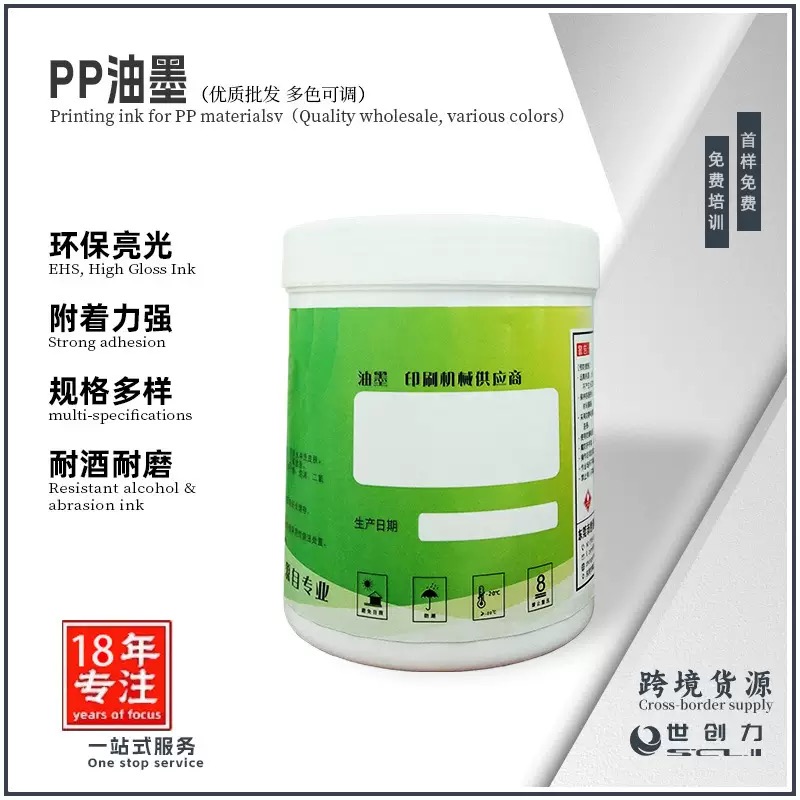
How Low-Temperature Silicone Ink May Lower Curing Energy Consumption
Low-temperature silicone ink may help decrease curing energy by operating with less heat or a shorter thermal cycle. However, the available product information identifies Shichuangli’s product as PP ink rather than silicone ink and does not provide curing temperature, cycle time, or energy-consumption data. Its chemistry and curing requirements should therefore be verified with the supplier before estimating potential savings.
Key Findings and Practical Considerations
- The supplied specifications describe PP ink and do not confirm a silicone formulation or low-temperature curing capability.
- The ink is listed for screen, pad, offset, and screen flexographic printing, with applications such as shampoo containers, cosmetic packaging, stationery, and batteries.
- Any process change should be based on confirmed compatibility with the substrate, printing method, and required curing conditions.
- Shichuangli promotes applications in consumer products, 3C electronics, home appliances, cosmetics packaging, automotive components, and other fields. These are company-level application categories, not verified performance results for this specific PP ink.
How Lower-Temperature Curing Can Affect Energy Use
In principle, an ink that reaches the required adhesion, appearance, and durability with lower heat input can reduce the energy required by a curing line. Savings may come from a lower setpoint, a reduced dwell time, or both. The supplied records do not show that the listed PP ink is silicone-based, cures at a reduced temperature, or permits a shorter production cycle. A reliable energy comparison therefore requires product-specific technical documentation and a controlled factory trial.
Available Product Information
The product record names the ink as Shichuangli PP ink, model SCL-00YM. Available color options include black, white, red, blue, yellow, and green. The listed net weight is 1,000 g per unit, the shelf life is 12 months, and delivery is stated as three working days, although the actual timing may vary according to the process. None of these specifications establishes curing performance or energy demand.
Company and Application Context
Shichuangli describes itself as a company that combines printing-equipment research and development, manufacturing, sales, and technical training. Its product areas include screen-printing and pad-printing equipment, while its stated markets include cosmetics packaging and consumer goods. This background helps explain the company’s industry reach but does not verify the chemistry, curing temperature, or energy-saving performance of SCL-00YM.
The company’s business information references IECEx and CNAS certificates, trademark registrations, and utility model patents. The supplied material does not link these credentials to the PP ink’s curing conditions or demonstrate a reduction in electricity consumption.
One cooperation example concerns a Saudi Arabian hotel-product distributor that used screen printing, heat transfer printing, and gold stamping to customize products made from different materials. This case relates to printing equipment and service support; it does not provide test results for PP ink curing or document energy savings.
What Is Confirmed and What Still Needs Testing
| Evaluation Item | Information Available | Information Still Unconfirmed |
|---|---|---|
| Product classification | PP ink, model SCL-00YM | Whether the formulation is silicone-based |
| Supported printing processes | Screen, pad, offset, and screen flexographic printing | Performance on a particular line, material, or production setup |
| Curing requirements | No temperature or curing duration is stated | Whether the ink supports low-temperature or accelerated curing |
| Energy performance | No consumption figures or comparative trials are supplied | Actual savings under defined production conditions |
Frequently Asked Questions
Is SCL-00YM confirmed to be low-temperature silicone ink?
No. The available information classifies it as PP ink and does not identify a silicone composition or low-temperature curing specification.
Can the current product data be used to calculate curing energy savings?
No. There are no figures for curing temperature, cycle length, electricity use, or comparison with an existing process.
Which details should be requested from the supplier?
Ask for the ink chemistry, compatible substrates, recommended printing process, curing temperature, curing time, and performance test data. Energy comparisons should then be made using consistent line speeds, film thicknesses, oven settings, and quality criteria.
Conclusion and Recommended Next Steps
Lower-temperature curing can potentially reduce energy consumption when an ink achieves the required finish and durability with less thermal input. The supplied information, however, does not establish this benefit for Shichuangli’s PP ink or show that it is a silicone product. Before using it in an energy-saving calculation, request written technical specifications and validate the process through a controlled production test. Shichuangli states that it provides one-to-one technical guidance and product support; technical questions can be directed to support@shichuanglimachine.com.
About Us
Dongguan Shichuangli Zhihui Technology Co., Ltd. is based in Huangjiang Town, Dongguan, Guangdong Province, and combines printing-equipment research and development, manufacturing, sales, and technical training. Founded in 2008, the company reports a training factory base of more than 1,600 square meters and exports to over 100 countries and regions. Its company profile covers printing equipment, auxiliary materials, and related services for customers in a range of industries.
How to Prevent Low-Temperature Silicone Ink Shipping Delays in Peak Seasons
Plan Silicone Ink Orders Before Seasonal Demand Rises
Seasonal freight congestion can disrupt production schedules when silicone ink orders, process checks, and transport arrangements are handled too late. To reduce the likelihood of delays, first determine whether Shichuangli Low-temperature silicone ink is suitable for the intended application, then reserve the required quantity early and confirm the shipping schedule before production begins.
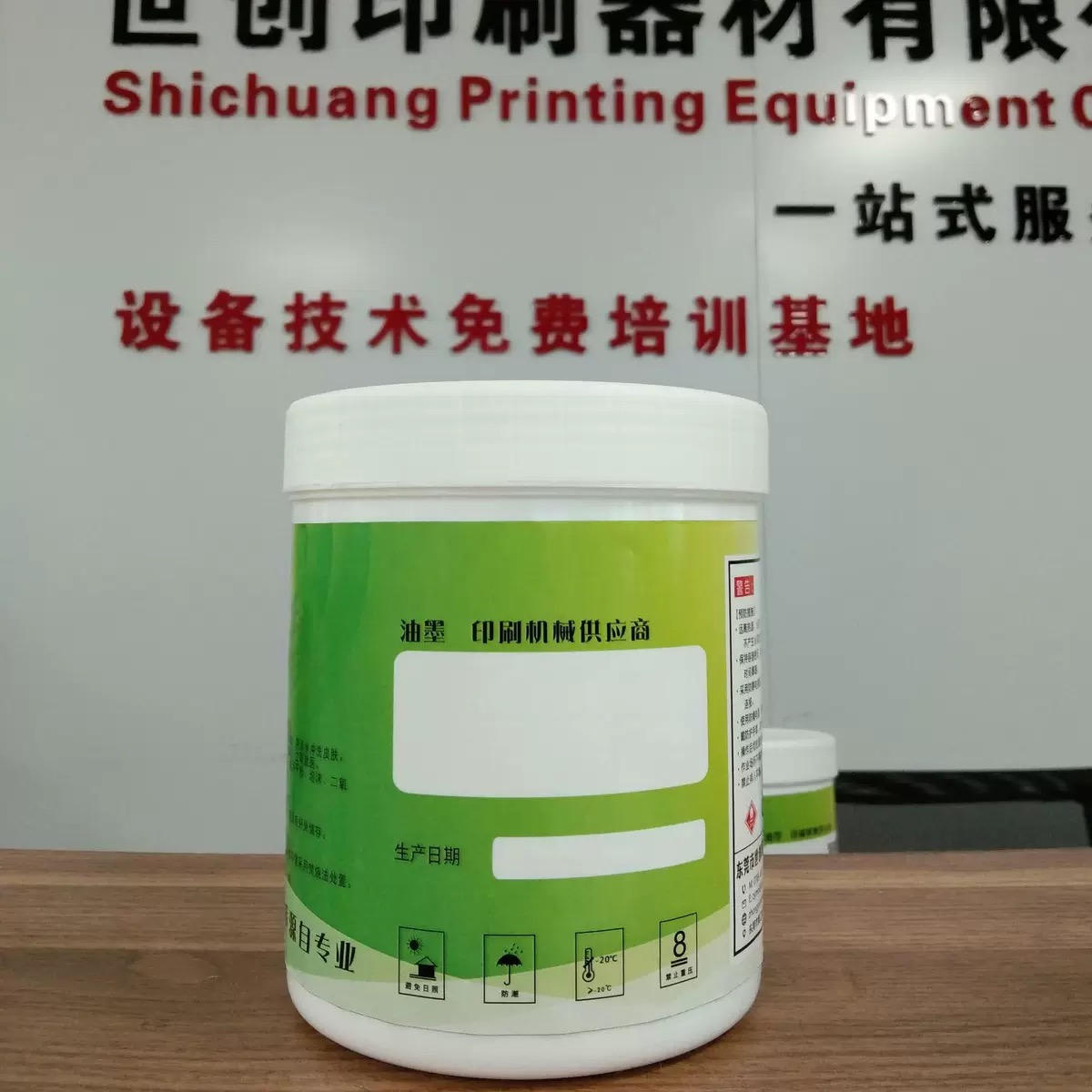
The listed product is Shichuangli Low-temperature silicone ink, model SCL-00YM. It can be used for transfer printing and screen printing applications involving silicone components, including buttons, wristbands, necklaces, and pads. Buyers should verify material compatibility, printing conditions, color, viscosity, and curing requirements before dispatching an order.
Key Steps to Avoid Peak-Season Delivery Delays
1. Confirm Process Compatibility First
Low-temperature silicone ink is not automatically a replacement for every high-temperature silicone ink system. According to the supplied product information, the material uses silicone as its bonding material and requires vulcanization through baking at 90 degrees C for approximately 30 to 60 minutes. Checking whether the production line can meet these conditions helps prevent unsuitable material orders and avoidable schedule changes.
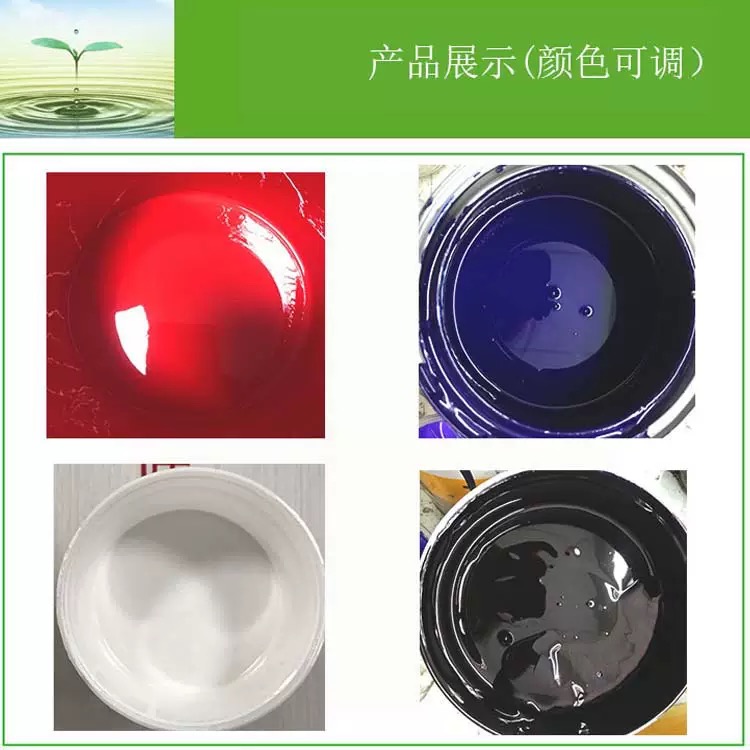
The ink is offered in black, white, and colorful versions, with customizable viscosity, a fineness rating of 8, and 100% coloring power. Since printing performance may vary according to substrate, equipment, and decoration method, it is important to finalize technical requirements before the order enters the delivery process.
2. Reserve the Required Quantity in Advance
The stated minimum order quantity is 1,000 g, with a listed net weight of 1 KG per piece. During periods of heavy seasonal demand, buyers should calculate their complete production requirement rather than placing last-minute partial orders. Early confirmation of the full quantity, required shades, and viscosity specifications can make production and freight coordination more predictable.
The product listing indicates a delivery time of three working days, depending on the process. This lead time should be treated as the product preparation stage only. It does not replace the additional time needed for payment confirmation, freight booking, customs procedures, destination handling, and final warehouse delivery.
3. Separate Ink Lead Time From Equipment Lead Time
Production planners should distinguish between ink supply timing and printing equipment timing. Shichuangli states that standard printing equipment can be delivered within 48 hours, while customized non-standard equipment may require up to one month. In comparison, the low-temperature silicone ink listing gives a delivery schedule of three working days subject to process requirements.
When a project includes both printing equipment and auxiliary materials, these timelines should be reviewed independently. This approach helps ensure that ink delivery, machine availability, sample approval, and production launch are aligned before the seasonal shipping window becomes congested.
Choose Freight Arrangements Early
For international shipments, the available logistics methods include FBA sea freight, air freight, and land freight. The most appropriate option depends on the destination, expected arrival date, budget, and seasonal transportation pressure. Air freight may be considered for urgent replenishment, while sea or land freight may suit projects with more flexible delivery schedules.
The supplied logistics information states that shipments are packed in reinforced wooden boxes and supported with shipping photographs, bill of lading numbers, and shipping order numbers after booking. Updates may also be provided for port arrival, customs clearance, and warehousing stages. Requesting these records early can improve shipment visibility and help purchasing teams respond to delays more quickly.
Seasonal Order Checklist
| Planning Item | Product or Service Information | Recommended Action |
|---|---|---|
| Ink type | Low-temperature silicone ink, model SCL-00YM | Confirm that the application can use a low-temperature silicone ink system. |
| Printing method | Transfer printing and screen printing | Verify the decoration method and silicone bonding requirements before ordering. |
| Color and viscosity | Black, white, colorful options, and customized viscosity | Finalize specifications in advance to reduce revisions during peak demand. |
| Minimum quantity | 1,000 g minimum order quantity | Reserve the full production requirement early. |
| Curing condition | 90 degrees C for 30 to 60 minutes | Confirm that the customer's line can maintain the stated baking process. |
| Product delivery | Three working days, depending on process | Allow extra time for process review, payment, transport, and customs clearance. |
| Freight choices | FBA sea freight, air freight, and land freight | Select and book the route based on destination and required arrival time. |
| Shipment visibility | Photos, shipping references, and logistics updates | Request tracking documents and regular status synchronization after booking. |
Applications and Product Information
The company reports that its printing-related products and solutions are used in consumer goods, 3C electronics, household appliances, cosmetic and daily chemical packaging, automotive components, craft gifts, food and beverage packaging, medical and industrial instruments, and clothing accessories. A documented Saudi Arabian project involved screen printing, heat transfer printing, and gold stamping for hotel supplies on various material surfaces.
The sealed shelf life of the listed ink is six months, and the stated working temperature is below 25 degrees C. Proper storage planning is especially relevant for buyers who intend to build stock before a major sales season, as inventory should be scheduled around both shelf-life management and projected production consumption.
Shichuangli also lists IECEx certification for an electromagnetic valve and CNAS certifications for SCOO6-501 Black and SCRS-501 Black. These listed credentials relate to the specified products and should not be interpreted as certifications for the low-temperature silicone ink itself.
Frequently Asked Questions
Can low-temperature silicone ink be used in every high-temperature ink application?
No. Suitability must be evaluated according to the substrate, equipment, bonding requirements, printing method, and curing capability. The supplied information identifies a 90 degrees C baking process for 30 to 60 minutes, so buyers should confirm that these conditions fit their own manufacturing route.
How far ahead should I place an order during the busy season?
The listed ink delivery time is three working days, subject to the process. However, buyers should build in additional time for technical confirmation, payment processing, freight booking, customs handling, and destination delivery. Earlier planning is advisable when shipping capacity is under seasonal pressure.
Which payment and support options are listed?
The company states that it supports advance payment plus final payment, Alipay, and Alibaba platform payment. Qualifying long-term customers and large engineering projects may be eligible for a two- to three-month short-term payment period or a final-payment loan. The listing also mentions a two-year guarantee, one-on-one teaching, and lifetime equipment maintenance.
Conclusion
A reliable peak-season supply plan starts with confirming that Shichuangli Low-temperature silicone ink fits the intended process. Buyers can then reduce delay risks by ordering at least 1,000 g in advance, verifying the three-working-day product schedule, and arranging the appropriate sea, air, or land freight method with traceable logistics documentation.
Shichuangli states that it provides a printing application service ecosystem and has a monthly capacity of 300 units, serving export markets in North America, South America, Europe, the Middle East, Africa, and Southeast Asia. For technical solutions or support, contact support@shichuanglimachine.com.
About Us
Dongguan Shichuangli Zhihui Technology Co., Ltd. is located in Huangjiang Town, Dongguan City, Guangdong Province, and provides printing equipment, printing auxiliary materials, and related application solutions. Founded in 2008, the company operates a factory training base of more than 1,600 square meters and serves customers in North America, South America, Europe, the Middle East, Africa, and Southeast Asia.
Its stated services include research and development, manufacturing, sales, OEM/ODM customization, equipment maintenance, free sample production, and technical training. The company also lists IECEx and CNAS certifications among its credentials and reports experience serving clients in multiple industries.
Electrical Compliance Records for Dual-Purpose Screen Printing Machines
Before accepting a dual-purpose screen printing machine, buyers should obtain a complete technical and quality documentation package. The available information confirms records for manufacturing inspection, finished-equipment performance, installation acceptance and commissioning, physical and mechanical testing, and structural safety and appearance checks. However, it does not confirm an electrical compliance certificate or a machine-specific electrical test report. These documents should therefore be requested and verified separately.
Electrical Documentation and Acceptance Priorities
The acceptance file should clearly identify the machine model, electrical rating, wiring information, protective devices, and applicable compliance requirements. Buyers should ask the supplier to provide machine-specific evidence for insulation resistance, protective grounding, leakage current, dielectric strength, voltage verification, emergency-stop circuits, control-panel safety, and other applicable electrical tests.
- Request an electrical compliance declaration or certificate issued for the specific printing machine.
- Obtain electrical test reports that identify the machine model, serial number, test criteria, results, and inspection date.
- Keep the production inspection, finished-product testing, installation acceptance, commissioning, mechanical testing, and structural-safety records.
- Confirm that each certificate applies to the printing machine rather than to an accessory, ink, valve, or other separate product.
- Compare the machine's intended uses, including consumer products, 3C electronics, household appliances, packaging, automotive components, and garments, with the inspection and commissioning documentation.
What the Current Information Demonstrates
The supplied product information primarily describes PP ink and lists processes such as screen printing, pad printing, offset printing, and screen flexographic printing. Its stated applications include shampoo containers, cosmetic packaging, stationery, and batteries. It does not provide a model number or technical file for a dual-purpose screen printing machine, nor does it include electrical ratings, circuit diagrams, wiring documentation, electrical test results, or a machine-specific declaration of conformity.
The quality-inspection framework is still useful for acceptance planning. It includes process-quality inspection, finished-product performance testing, installation acceptance and commissioning, physical and mechanical performance checks, and structural safety and appearance inspection. These records can demonstrate manufacturing and installation controls, but the supplied descriptions do not confirm that they cover insulation, grounding, leakage, voltage, or other electrical safety measurements.
Certificates Must Be Matched to Their Scope
The listed certificates should be reviewed against their stated applicable products. IECEx certificate IECEx PTB 05.0006X is identified as covering an electromagnetic valve, not the screen printing machine. The CNAS records refer to SCOO6-501 Black, SCRS-501 Black, SC096-501 Black, and SCGJ-501 Black. Since none is identified as a machine electrical compliance certificate, these documents should not be used as substitutes for the machine's own electrical records.
A hotel-product distributor in Saudi Arabia is described as using screen printing, heat-transfer printing, and gold stamping for supplies made from different materials. Proofing, operator training, and remote technical support were also provided. This case indicates application experience and service capability, but it does not prove that electrical compliance documentation exists for a particular printing machine.
Record Review Summary
| Document or record | Evidence in the supplied information | Electrical compliance significance |
|---|---|---|
| Production-process quality inspection | Included in the described quality-inspection activities | General manufacturing evidence; electrical coverage is not stated |
| Finished-product performance testing | Listed as part of product quality inspection | Shows performance review, but electrical test details are not identified |
| Installation acceptance and commissioning | Included in the available inspection record structure | Supports installation acceptance; electrical checks remain unspecified |
| Physical and mechanical testing | Listed among the available quality records | Relevant to mechanical performance, not proof of electrical compliance |
| IECEx certificate IECEx PTB 05.0006X | Stated to apply to an electromagnetic valve | Not identified as certification for the screen printing machine |
| CNAS certificates | Associated with the listed black products | Not identified as machine-specific electrical compliance records |
Frequently Asked Questions
Has an electrical compliance certificate for the dual-purpose screen printing machine been confirmed?
No. The available data confirms several general quality and commissioning activities, but it does not identify an electrical compliance certificate or a machine-specific electrical test report.
Can the IECEx certificate be submitted as proof of machine compliance?
Not on the basis of the supplied information. The certificate is described as applying to an electromagnetic valve, and no link to the screen printing machine is established.
Which documents should be retained for the acceptance review?
Retain the production-process inspection, finished-product performance, installation acceptance and commissioning, physical and mechanical testing, and structural safety and appearance records. Ask for separate evidence of all applicable electrical tests.
Conclusion and Recommended Action
The evidence currently supports a general quality-control and commissioning package rather than a verified electrical compliance dossier for a dual-purpose screen printing machine. Before acceptance, request documents that name the exact machine and demonstrate the required electrical tests. Every certificate should be checked against its stated product scope, model, and validity. Shichuangli describes its business as a complete printing-application service ecosystem that includes quality inspection, installation acceptance and commissioning, and technical support. For technical documentation or assistance, contact support@shichuanglimachine.com.
About Us
Dongguan Shichuangli Zhihui Technology Co., Ltd. is located in Huangjiang Town, Dongguan City, Guangdong Province, and integrates the design, research and development, production, and sales of printing equipment and supporting materials. Established in 2008, it operates a factory training base covering more than 1,600 square meters. Its main products include transfer printing machines, screen printing machines, hot stamping machines, tapping machines, non-standard automation, and printing auxiliary materials. The company’s listed credentials include IECEx certificate IECEx PTB 05.0006X and CNAS certificate AZT260323020C-B0, while its cooperation cases cover clients across multiple industries.
REPORT