







-
 Agriculture
-
 Health-Care
-
 Environment
-
 Construction-Real-Estate
-
 Tools-Hardware
-
 Home-Garden
-
 Furniture
-
 Luggage-Bags-Cases
-
 Medical-devices-Supplies
-
 Gifts-Crafts
-
 Sports-Entertainment
-
 Food-Beverage
-
 Vehicles-Transportation
-
 Power-Transmission
-
 Material-Handling
-
 Renewable-Energy
-
 Safety
-
 Testing-Instrument-Equipment
-
 Construction-Building-Machinery
-
 Pet-Supplies
-
 Personal-Care-Household-Cleaning
-
 Vehicle-Accessories-Electronics-Tools
-
 School-Office-Supplies
-
 Packaging-Printing
-
 Mother-Kids-Toys
-
 Business-Services
-
 Commercial-Equipment-Machinery
-
 Apparel-Accessories
-
 Security
-
 Shoes-Accessories
-
 Vehicle-Parts-Accessories
-
 Jewelry-Eyewear-Watches-Accessories
-
 Lights-Lighting
-
 Fabric-Textile-Raw-Material
-
 Fabrication-Services
-
 Industrial-Machinery
-
 Consumer-Electronics
-
 Electrical-Equipment-Supplies
-
 Electronic-Components-Accessories-Telecommunications
-
 Home-Appliances
-
 Beauty
-
 Chemicals
-
 Rubber-Plastics
-
 Metals-Alloys


























































































































































































































































































































































































































































































































































































- Masonry Materials
- Curtain Walls & Accessories
- Earthwork Products
- Fireproofing Materials
- Heat Insulation Materials
- Plastic Building Materials
- Building Boards
- Soundproofing Materials
- Timber
- Waterproofing Materials
- Balustrades & Handrails
- Bathroom & Kitchen
- Flooring & Accessories
- Tiles & Accessories
- Door, Window & Accessories
- Fireplaces & Stoves
- Floor Heating Systems & Parts
- Stairs & Stair Parts
- Ceilings
- Elevators & Escalators
- Stone
- Countertops, Vanity Tops & Table Tops
- Mosaics
- Metal Building Materials
- Multifunctional Materials
- Ladders & Scaffoldings
- Mouldings
- Corner Guards
- Decorative Films
- Formwork
- Building & Industrial Glass
- Other Construction & Real Estate
- Wallpapers/Wall panels
- HVAC System & Parts
- Outdoor Facilities
- Prefabricated Buildings
- Festive & Party Supplies
- Bathroom Products
- Household Sundries
- Rain Gear
- Garden Supplies
- Household Cleaning Tools & Accessories
- Lighters & Smoking Accessories
- Home Storage & Organization
- Household Scales
- Smart Home Improvement
- Home Textiles
- Kitchenware
- Drinkware & Accessories
- Dinnerware, Coffee & Wine
- Home Decor
- Golf
- Fitness & Body Building
- Amusement Park Facilities
- Billiards, Board Game,Coin Operated Games
- Musical Instruments
- Outdoor Affordable Luxury Sports
- Camping & Hiking
- Fishing
- Sports Safety&Rehabilitation
- Ball Sports Equipments
- Water Sports
- Winter Sports
- Luxury Travel Equipments
- Sports Shoes, Bags & Accessories
- Cycling
- Other Sports & Entertainment Products
- Artificial Grass&Sports Flooring&Sports Court Equipment
- Scooters
- Food Ingredients
- Honey & Honey Products
- Snacks
- Nuts & Kernels
- Seafood
- Plant & Animal Oil
- Beverages
- Fruit & Vegetable Products
- Frog & Escargot
- Bean Products
- Egg Products
- Dairy Products
- Seasonings & Condiments
- Canned Food
- Instant Food
- Baked Goods
- Other Food & Beverage
- Meat & Poultry
- Confectionery
- Grain Products
- Feminie Care
- Hair Care & Styling
- Body Care
- Hands & Feet Care
- Hygiene Products
- Men's Grooming
- Laundry Cleaning Supplies
- Travel Size & Gift Sets
- Room Deodorizers
- Other Personal Care Products
- Pest Control Products
- Special Household Cleaning
- Floor Cleaning
- Kitchen & Bathroom Cleaning
- Oral Care
- Bath Supplies
- Yellow Pages
- Correction Supplies
- Office Binding Supplies
- Office Cutting Supplies
- Board Erasers
- Office Adhesives & Tapes
- Education Supplies
- Pencil Cases & Bags
- Notebooks & Writing Pads
- File Folder Accessories
- Calendars
- Writing Accessories
- Commercial Office Supplies
- Pencil Sharpeners
- Pens
- Letter Pad/Paper
- Paper Envelopes
- Desk Organizers
- Pencils
- Markers & Highlighters
- Filing Products
- Art Supplies
- Easels
- Badge Holder & Accessories
- Office Paper
- Printer Supplies
- Book Covers
- Other Office & School Supplies
- Stationery Set
- Boards
- Clipboards
- Stamps
- Drafting Supplies
- Stencils
- Electronic Dictionary
- Books
- Map
- Magazines
- Calculators
- Baby & Toddler Toys
- Educational Toys
- Classic Toys
- Dress Up & Pretend Play
- Toy Vehicle
- Stuffed Animals & Plush Toys
- Outdoor Toys & Structures
- Balloons & Accessories
- Baby Food
- Children's Clothing
- Baby Supplies & Products
- Maternity Clothes
- Kids Shoes
- Baby Care
- Novelty & Gag Toys
- Dolls & Accessories
- Puzzle & Games
- Blocks & Model Building Toys
- Toddler Clothing
- Baby Clothing
- Kids' Luggage & Bags
- Arts, Crafts & DIY Toys
- Action & Toy Figures
- Baby Appliances
- Hobbies & Models
- Remote Control Toys
- Promotional Toys
- Pregnancy & Maternity
- Hygiene Products
- Kid's Textile&Bedding
- Novelty & Special Use
- Toy Weapons
- Baby Gifts
- Baby Storage & Organization
- Auto Drive Systems
- ATV/UTV Parts & Accessories
- Marine Parts & Accessories
- Other Auto Parts
- Trailer Parts & Accessories
- Auto Transmission Systems
- Train Parts & Accessories
- Universal Parts
- Railway Parts & Accessories
- Auto Brake Systems
- Aviation Parts & Accessories
- Truck Parts & Accessories
- Auto Suspension Systems
- Auto Lighting Systems
- New Energy Vehicle Parts & Accessories
- Auto Steering Systems
- Wheels, Tires & Accessories
- Bus Parts & Accessories
- Auto Performance Parts
- Cooling System
- Go-Kart & Kart Racer Parts & Accessories
- Air Conditioning Systems
- Heavy Duty Vehicle Parts & Accessories
- Auto Electrical Systems
- Auto Body Systems
- Auto Engine Systems
- Container Parts & Accessories
- Motorcycle Parts & Accessories
- Refrigeration & Heat Exchange Equipment
- Machine Tool Equipment
- Food & Beverage Machinery
- Agricultural Machinery & Equipment
- Apparel & Textile Machinery
- Chemical Machinery
- Packaging Machines
- Paper Production Machinery
- Plastic & Rubber Processing Machinery
- Industrial Robots
- Electronic Products Machinery
- Metal & Metallurgy Machinery
- Woodworking Machinery
- Home Product Manufacturing Machinery
- Machinery Accessories
- Environmental Machinery
- Machinery Service
- Electrical Equipment Manufacturing Machinery
- Industrial Compressors & Parts
- Tobacco & Cigarette Machinery
- Production Line
- Used Industrial Machinery
- Electronics Production Machinery
- Other Machinery & Industrial Equipment
- Camera, Photo & Accessories
- Portable Audio, Video & Accessories
- Television, Home Audio, Video & Accessories
- Video Games & Accessories
- Mobile Phone & Accessories
- Electronic Publications
- Earphone & Headphone & Accessories
- Speakers & Accessories
- Smart Electronics
- TV Receivers & Accessories
- Mobile Phone & Computer Repair Parts
- Chargers, Batteries & Power Supplies
- Used Electronics
- VR, AR, MR Hardware & Software
- Projectors & Presentation Equipments
- Other Consumer Electronics
- Cables & Commonly Used Accessories
- Computer Hardware & Software
- Displays, Signage and Optoelectronics
- Discrete Semiconductors
- Wireless & IoT Module and Products
- Telecommunications
- Connectors, Terminals & Accessories
- Development Boards, Electronic Modules and Kits
- Circuit Protection
- Sensors
- Isolators
- Audio Components and Products
- Integrated Circuits
- Power Supplies
- Relays
- RF, Microwave and RFID
- Electronic Accessories & Supplies
- Passive Components
- PCB & PCBA
- Air Quality Appliances
- Home Appliance Parts
- Heating & Cooling Appliances
- Small Kitchen Appliances
- Laundry Appliances
- Water Heaters
- Water Treatment Appliances
- Refrigerators & Freezers
- Personal Care & Beauty Appliances
- Major Kitchen Appliances
- Cleaning Appliances
- Second-hand Appliances
- Smart Home Appliances
- Other Home Appliances
- Energy Chemicals
- Inorganic Chemicals
- Basic Organic Chemicals
- Agrochemicals
- Admixture & Additives
- Catalysts & Chemical Auxiliary Agents
- Pigments & Dyestuff
- Coating & Paint
- Daily Chemicals
- Polymer
- Organic Intermediate
- Adhesives & Sealants
- Chemical Waste
- Biological Chemical Products
- Surface Treatment Chemicals
- Painting & Coating
- Chemical Reagents
- Flavor & Fragrance
- Non-Explosive Demolition Agents
- Other Chemicals
- Custom Chemical Services

Logistics Packaging
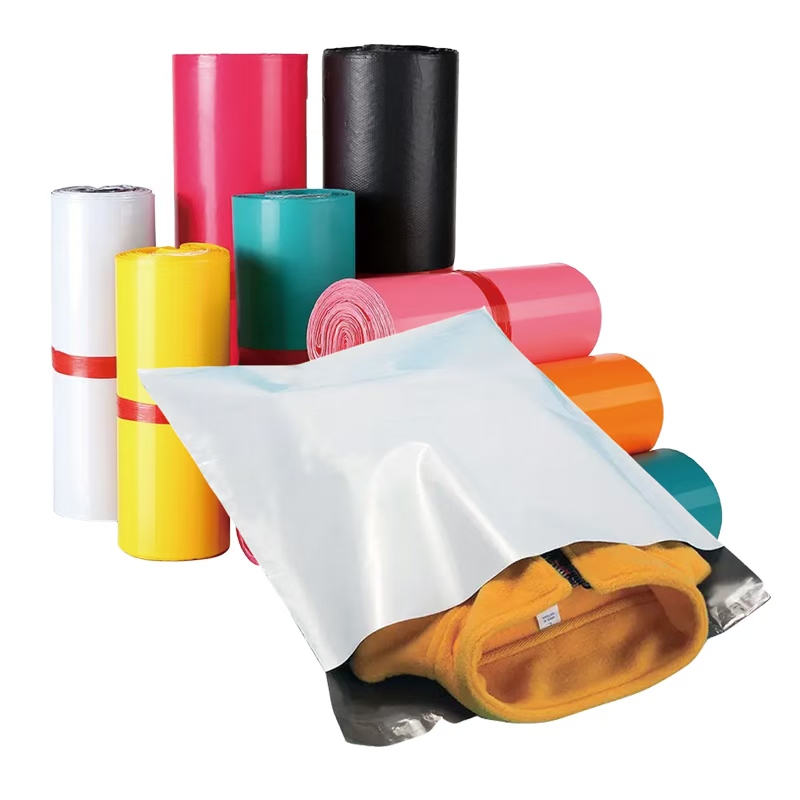
How to Resolve Gift Bag Handle Detachment Complaints
When a client reports that a gift bag handle has detached, the issue should be managed through documented evidence, batch isolation, technical inspection, and an agreed corrective response. Request photographs, order information, affected quantities, and sample evidence before deciding whether the cause is related to production, transport, storage, or usage.
Complaint Response Priorities
- Record the order number, bag specifications, photos, affected quantity, and timing of the handle failure.
- Quarantine the reported batch and inspect comparable stock to determine whether the issue is isolated or widespread.
- Review the handle material, attachment method, bonding consistency, and reinforcement requirements for custom printable gift paper bags.
- Document the corrective action for retail packaging, gift packaging, and paper bags intended for commodity sales.
Investigation Principles
The first step is to establish the facts rather than assign responsibility prematurely. The supplier and client should confirm the bag style, handle construction, printed artwork, order quantity, delivery condition, and the circumstances in which the handle separated. Clear images of the damaged area and retained samples can help distinguish a manufacturing defect from damage caused during transport or use.
Inspecting the Handle Connection
The technical assessment should concentrate on the joint between the handle and the bag body. For gift paper bags, inspectors should check whether the attachment points are positioned consistently, whether the connection shows incomplete bonding, tearing, weak reinforcement, or material failure, and whether the bag structure matches its intended load and application.
For customized packaging orders, the affected sample should be compared with the approved drawings, materials, construction details, and production specifications. This comparison provides a sound basis for deciding whether the proper response is replacement, remanufacture, a production adjustment, or another agreed solution.
Application and Quality Considerations
CCPACK identifies kraft paper bags, white card paper bags, and custom printable gift paper bags as suitable options for retail, gift packaging, and promotional applications. Because the handle contributes directly to packaging performance, its attachment must be evaluated together with the paper material, bag dimensions, intended load, and method of use.
Quality-system records can also support the review process. Zhejiang Chuancheng Packaging Products Co., Ltd holds ISO 9001 Quality Management System Certification for the manufacture of plastic bags and paper bags. FSC CoC certification applies to sacks and bags made of paper. The company has served customers from several industries and markets, including platform, branding, and delivery-related businesses.
Recommended Complaint-Handling Process
| Process Stage | Review Objective | Result |
|---|---|---|
| Register the complaint | Collect order references, images, affected quantities, samples, and usage details. | A complete and traceable case file. |
| Secure and inspect the batch | Separate related stock and examine the handle attachment and paper condition. | Evidence showing the failure pattern and possible damage type. |
| Verify specifications | Compare the reported product with approved construction, materials, and artwork requirements. | A documented basis for determining responsibility and action. |
| Apply corrective measures | Resolve the verified problem through replacement, remake, process improvement, or other agreed measures. | A client response and improved control for future orders. |
Frequently Asked Questions
What should be included in a handle detachment complaint?
The report should include photographs of the detached area, the order reference, affected quantity, delivery information, and details about when and how the failure occurred. Retained bags or samples can provide additional evidence during inspection.
Does a handle complaint automatically require replacement of the entire batch?
No. The appropriate response depends on the number of affected bags, inspection results, approved specifications, and the confirmed cause. A full replacement should be considered only after the available evidence has been reviewed.
How can customized gift bags reduce the risk of handle failure?
During order confirmation, define the bag material, handle type, attachment structure, intended load, dimensions, and application. CCPACK offers OEM and ODM services for custom printable gift paper bags, allowing these requirements to be reviewed before production.
Conclusion and Practical Recommendations
Handle detachment complaints are best resolved through evidence-based communication, focused inspection, comparison with approved requirements, and a recorded corrective-action plan. For customized paper packaging, confirm handle construction and intended usage at the quotation and approval stages, then retain approved samples and specifications for future quality checks. Zhejiang Chuancheng Packaging Products Co., Ltd provides factory direct sales, OEM and ODM services, bulk wholesale supply, and support for distributors and traders. For technical assistance or product inquiries, contact sales01@ywccpackage.com.
About Us
Zhejiang Chuancheng Packaging Products Co., Ltd is a packaging manufacturer in Yiwu, Zhejiang Province, producing poly mailers, zipper bags, laminated bags, paper bags, plastic bags, and related packaging products. Established in 2001, the company operates four branch factories covering film blowing, printing, composite processing, cutting, and delivery. Its factory area is 34,000 square meters, and its research and development team includes more than 20 people supported by film blowing equipment, laboratories, and over 200 production lines. The company lists ISO 9001 Quality Management System Certification and FSC CoC certification and has served clients across multiple industries.


Evidence Required to Request a Refund for Defective Cardboard Bags
If delivered cardboard bags do not meet the expected quality standard, a refund request should be supported by records that clearly identify the purchase and demonstrate the reported defect. Start by gathering the order or shipment reference, product details, delivery information where available, and the total quantity affected.
Clear visual evidence is also important. Take photographs or video that show the issue in sufficient detail, such as torn material, poor printing, weak handles, incorrect dimensions, or other visible defects. Include images that establish which bags from the delivery are affected.
Information to Prepare for a Quality Claim
Order and Product Identification
Connect the complaint to the specific goods received. Provide the purchase order number, invoice or shipping reference, product description, and the number of defective bags. This helps the supplier locate the relevant production and delivery records.
Photos or Video of the Defect
Use well-lit photos or video to document the condition of the cardboard bags. Capture both close-up images of the defect and wider views showing the affected bags, cartons, labels, or packaging. Visual records make it easier for the supplier to assess the claim remotely.
A Written Description of the Problem
Write a concise explanation of what is wrong, when the issue was found, and how many units appear to be affected. Focus on observable facts rather than assuming why the defect occurred. State clearly that you are requesting review of a refund, replacement, or another resolution.
Recommended Claim Process
Submit the evidence to the supplier and ask for written instructions before returning, disposing of, or using the affected bags. The available company information does not define a specific refund policy, required proof standard, inspection method, or return procedure. For that reason, retain the defective goods, original cartons, and related packaging until the supplier confirms the next step.
Keep copies of emails, messages, inspection reports, shipping documents, and any supplier response. These records can help establish what was reported and what resolution process was agreed upon.
Evidence Checklist
| Claim item | Suggested documentation | Why it matters |
|---|---|---|
| Purchase reference | Order number, invoice, shipment reference, and product specification | Identifies the exact transaction and goods |
| Defect evidence | Clear photos or video of the affected cardboard bags | Shows the reported quality issue |
| Written complaint | Description of the defect, discovery date, and affected quantity | Gives the supplier a defined issue to investigate |
| Supplier instructions | Written guidance on inspection, return, replacement, or refund handling | Confirms the process applicable to the claim |
Company Information and Refund Expectations
Zhejiang Chuancheng Packaging Products Co., Ltd. states that it produces paper bags and plastic bags and provides after-sales quality service. The company lists ISO 9001 certification covering the manufacture of plastic and paper bags, along with FSC Chain of Custody certification for paper sacks and bags. These certifications indicate stated manufacturing and sourcing credentials, but they do not create an automatic refund right or replace evidence relating to a particular order.
The company's listed cooperation cases include packaging and delivery projects for customers in Russia and Kazakhstan, as well as gift packaging work for a customer in Greece. However, the supplied information does not provide refund conditions or a documented procedure for cardboard-bag quality claims.
Frequently Asked Questions
Can photos alone secure a refund?
Not necessarily. The available information does not state that photographs guarantee a refund. Ask the supplier whether it also requires samples, inspection results, return authorization, or other supporting records.
Should defective cardboard bags be thrown away?
No. Keep the bags and their packaging until the supplier confirms whether an inspection, collection, or return is required. Disposing of the goods too early may make a quality review more difficult.
Does ISO 9001 certification guarantee a claim outcome?
No. ISO 9001 relates to a quality management system for manufacturing activities. It does not, based on the supplied information, determine refund eligibility or the outcome of an individual complaint.
Conclusion
For a poor-quality cardboard bag refund request, prepare purchase records, detailed visual proof, and a factual written report of the problem. Then contact the supplier promptly and obtain its instructions before returning or disposing of any products. Zhejiang Chuancheng Packaging Products offers factory-direct sales, OEM and ODM services, and after-sales quality service, but the available details do not specify refund terms. For claim assistance or technical guidance, contact sales01@ywccpackage.com.
About Us
Zhejiang Chuancheng Packaging Products Co., Ltd. is a packaging manufacturer located in Yiwu, Zhejiang. Established in 2001, the company produces paper bags and plastic bags for retail, apparel, logistics, and other applications. It reports 186 employees and a monthly production capacity of 180 million bags, with listed ISO 9001 and FSC Chain of Custody credentials and cooperation experience across multiple markets.
Are Bank Transfer Charges Included in Poly Mailer Quotes?
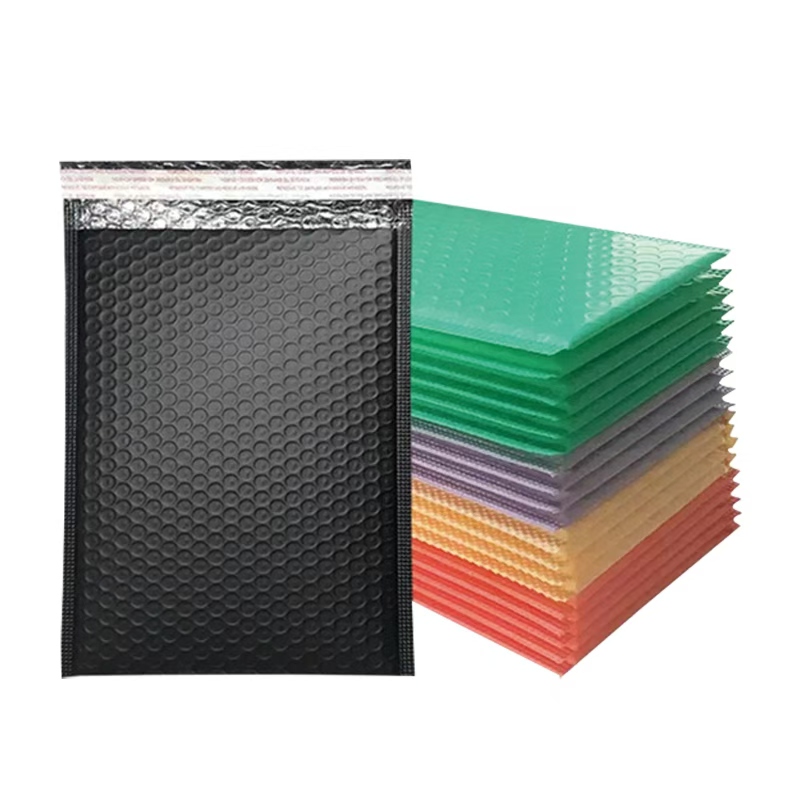
Bank transfer charges are not expressly included in the available poly mailer quotation information. The stated payment arrangements are either a 30% deposit followed by a 70% balance before delivery, or a 50% deposit followed by the remaining 50% before delivery. Because bank fees are not addressed, buyers should ask the supplier to confirm who will cover sending, intermediary, and receiving-bank charges before placing an order.
Key Order and Payment Information
- Poly mailer and bubble mailer purchases have a minimum order quantity of 10,000 pieces.
- The bubble mailer product details indicate a delivery period of 12–15 days, while the company’s general business information gives a range of 10–15 days.
- Customers may use a 30% deposit with a 70% pre-delivery balance or a 50% deposit with a 50% pre-delivery balance.
- The supplied quotation data does not clarify whether bank transfer fees are included, so this point must be confirmed directly.
How Bank Fees Relate to the Quotation
A poly mailer quotation normally covers the product, ordered quantity, manufacturing schedule, payment conditions, and shipping terms. In this case, the available information confirms the order minimum and deposit structures, but it does not specify the treatment of fees charged by the buyer’s bank, intermediary institutions, or the supplier’s receiving bank.
The listed product is a customizable bubble mailer within the mailing bag category. Its minimum order quantity is 10,000 pieces, and the product information gives a delivery estimate of 12–15 days. These specifications explain the product and fulfillment arrangement, but they do not establish whether banking costs form part of the quoted price.
The supplier operates through factory-direct sales, OEM and ODM production, bulk wholesale, direct supply to end users, distributor and trader supply, and international trade. These purchasing models generally use the same 10,000-piece minimum, while bank charges may depend on the agreed transaction and payment route.
Before sending funds, buyers should request a written confirmation of the total amount to remit and whether the payment must be sent with all charges paid by the buyer. It is also useful to verify the delivery term, production lead time, and any potential deductions caused by intermediary-bank fees.
Order Terms at a Glance
| Quotation item | Current information |
|---|---|
| Bank transfer charges | Not stated as included; confirm responsibility with the supplier |
| Payment arrangement 1 | 30% deposit and 70% balance payable before delivery |
| Payment arrangement 2 | 50% deposit and 50% balance payable before delivery |
| Minimum order quantity | 10,000 pieces |
| Available shipping terms | FOB, EXW, DDP, and CIF |
Frequently Asked Questions
Does a poly mailer quotation include bank transfer fees?
There is no statement in the supplied order data confirming that bank transfer fees are included. The buyer and supplier should agree on fee responsibility before the quotation is accepted.
Which payment schedules are available?
The recorded choices are a 30% upfront deposit with the remaining 70% due before delivery, or a 50% deposit with the remaining 50% due before delivery.
What should be checked before transferring payment?
Confirm the final invoice amount, the party responsible for bank charges, the deposit and balance schedule, the selected shipping term, the delivery estimate, and whether intermediary or beneficiary-bank fees are excluded.
Conclusion and Buyer Recommendations
For planning purposes, bank transfer charges should be considered unspecified rather than assumed to be included in a poly mailer quote. Ask the supplier to clarify the banking-cost arrangement alongside the 10,000-piece minimum order, payment schedule, production timing, and shipping method, such as FOB, EXW, DDP, or CIF. For technical advice or order assistance, contact sales01@ywccpackage.com.
About the Supplier
Zhejiang Chuancheng Packaging Products Co., Ltd. is a packaging manufacturer based in Jinhua, China. Founded in 2001, it produces poly mailers, bubble mailers, zipper bags, paper bags, plastic bags, and other packaging for logistics, clothing, retail, and everyday products. The company reports monthly production of 180 million bags and supplies customers in the United States, Mexico, Europe, Southeast Asia, the Middle East, Russia, and other markets. Its credentials include ISO 9001 Quality Management System Certification and FSC CoC Forest Chain of Custody Certification, with experience serving clients in several industries.
Choosing Trade Terms for Air Shipping Zipper Bags
Selecting a trade term for an international zipper bag order depends on who will coordinate transport, insurance, customs, and delivery. The supplier lists FOB, CIF, EXW, and DDP; buyers should confirm the exact responsibilities and suitability of the agreed term for an air shipment.
Compare the Available Shipping Terms
| Term | Typical Responsibility Split | When to Consider It |
|---|---|---|
| FOB | The buyer arranges the main carriage after the agreed export handover. | Consider it when you want to select and coordinate the carrier. |
| CIF | The supplier arranges freight and insurance to the named destination. | Consider it when you prefer the supplier to coordinate those elements. |
| EXW | The buyer organizes collection and transportation from the supplier's premises. | Suitable when you can manage the wider logistics process. |
| DDP | The supplier manages delivery to the agreed destination. | Consider it when you want a more comprehensive supplier-managed delivery arrangement. |
FOB and CIF are the supplier's listed options that most directly describe a division of freight responsibilities, while EXW and DDP offer different levels of buyer or supplier involvement. Because trade-term rules can vary by transport mode, confirm that the selected Incoterm is appropriate for air freight and state the named place clearly in the purchase agreement.
What to Confirm Before Ordering
Agree in writing on who books the shipment, pays freight, arranges insurance where applicable, handles export and import formalities, and is responsible for final delivery. This is especially important when zipper bags are part of a larger packaging shipment or need to arrive by a specific date.
The supplier lists a minimum order quantity of 10,000 pieces and a stated lead time of 10 to 15 days. Payment options include a 30% deposit with the 70% balance due before delivery, or a 50% deposit with the remaining 50% due before delivery. Buyers can also confirm the applicable spot-check inspection and after-sales quality service arrangements.
Zipper Bag Applications and Supply
Product applications include garment and slider zipper bags for clothing, along with general-purpose zipper bags for everyday goods and storage. The company's broader packaging range includes poly mailers, laminated bags, paper bags, plastic bags, and related products.
Its business models include factory-direct sales, OEM and ODM services, bulk wholesale, direct supply to end customers, and supply to distributors, traders, and international buyers. The company reports ISO 9001 Quality Management System Certification for plastic and paper bag manufacturing, as well as FSC CoC Forest Chain of Custody Certification for paper sacks and bags. Reported cooperation includes packaging and gift-packaging projects for customers in Russia, Greece, and Kazakhstan.
Frequently Asked Questions
Which terms should I compare for an air shipment?
Start by reviewing the supplier's listed FOB and CIF options, then compare EXW and DDP if you prefer to take on more logistics coordination or request broader supplier-managed delivery. Confirm the air-freight applicability and named place for the term you choose.
When might a buyer prefer FOB?
It may suit a buyer that wants to choose the carrier and coordinate the main shipment after the agreed export handover. Clarify the precise handover point and each party's obligations before confirming the order.
Can the supplier coordinate transportation?
The supplier lists CIF and DDP as options for supplier-coordinated logistics. Specify the destination, insurance scope where applicable, customs responsibilities, and delivery obligations in the agreement.
Recommendation
Compare the available terms based on the level of control you need, and document each party's transport and delivery responsibilities. Alongside the shipping term, confirm the order quantity, lead time, payment schedule, and quality inspection arrangements. For product or order support, contact sales01@ywccpackage.com.
About the Manufacturer
Zhejiang Chuancheng Packaging Products Co., Ltd is a packaging manufacturer based in Jinhua, China. Established in 2001, it produces poly mailers, zipper bags, laminated bags, paper bags, plastic bags, and other packaging for logistics, apparel, retail, and everyday goods. The company reports monthly production capacity of 180 million bags and serves markets including the United States, Mexico, Europe, Southeast Asia, the Middle East, and Russia. Its reported certifications include ISO 9001 and FSC CoC, and its cooperation records span multiple industries.
REPORT