







-
 Agriculture
-
 Health-Care
-
 Environment
-
 Construction-Real-Estate
-
 Tools-Hardware
-
 Home-Garden
-
 Furniture
-
 Luggage-Bags-Cases
-
 Medical-devices-Supplies
-
 Gifts-Crafts
-
 Sports-Entertainment
-
 Food-Beverage
-
 Vehicles-Transportation
-
 Power-Transmission
-
 Material-Handling
-
 Renewable-Energy
-
 Safety
-
 Testing-Instrument-Equipment
-
 Construction-Building-Machinery
-
 Pet-Supplies
-
 Personal-Care-Household-Cleaning
-
 Vehicle-Accessories-Electronics-Tools
-
 School-Office-Supplies
-
 Packaging-Printing
-
 Mother-Kids-Toys
-
 Business-Services
-
 Commercial-Equipment-Machinery
-
 Apparel-Accessories
-
 Security
-
 Shoes-Accessories
-
 Vehicle-Parts-Accessories
-
 Jewelry-Eyewear-Watches-Accessories
-
 Lights-Lighting
-
 Fabric-Textile-Raw-Material
-
 Fabrication-Services
-
 Industrial-Machinery
-
 Consumer-Electronics
-
 Electrical-Equipment-Supplies
-
 Electronic-Components-Accessories-Telecommunications
-
 Home-Appliances
-
 Beauty
-
 Chemicals
-
 Rubber-Plastics
-
 Metals-Alloys


























































































































































































































































































































































































































































































































































































- Masonry Materials
- Curtain Walls & Accessories
- Earthwork Products
- Fireproofing Materials
- Heat Insulation Materials
- Plastic Building Materials
- Building Boards
- Soundproofing Materials
- Timber
- Waterproofing Materials
- Balustrades & Handrails
- Bathroom & Kitchen
- Flooring & Accessories
- Tiles & Accessories
- Door, Window & Accessories
- Fireplaces & Stoves
- Floor Heating Systems & Parts
- Stairs & Stair Parts
- Ceilings
- Elevators & Escalators
- Stone
- Countertops, Vanity Tops & Table Tops
- Mosaics
- Metal Building Materials
- Multifunctional Materials
- Ladders & Scaffoldings
- Mouldings
- Corner Guards
- Decorative Films
- Formwork
- Building & Industrial Glass
- Other Construction & Real Estate
- Wallpapers/Wall panels
- HVAC System & Parts
- Outdoor Facilities
- Prefabricated Buildings
- Festive & Party Supplies
- Bathroom Products
- Household Sundries
- Rain Gear
- Garden Supplies
- Household Cleaning Tools & Accessories
- Lighters & Smoking Accessories
- Home Storage & Organization
- Household Scales
- Smart Home Improvement
- Home Textiles
- Kitchenware
- Drinkware & Accessories
- Dinnerware, Coffee & Wine
- Home Decor
- Golf
- Fitness & Body Building
- Amusement Park Facilities
- Billiards, Board Game,Coin Operated Games
- Musical Instruments
- Outdoor Affordable Luxury Sports
- Camping & Hiking
- Fishing
- Sports Safety&Rehabilitation
- Ball Sports Equipments
- Water Sports
- Winter Sports
- Luxury Travel Equipments
- Sports Shoes, Bags & Accessories
- Cycling
- Other Sports & Entertainment Products
- Artificial Grass&Sports Flooring&Sports Court Equipment
- Scooters
- Food Ingredients
- Honey & Honey Products
- Snacks
- Nuts & Kernels
- Seafood
- Plant & Animal Oil
- Beverages
- Fruit & Vegetable Products
- Frog & Escargot
- Bean Products
- Egg Products
- Dairy Products
- Seasonings & Condiments
- Canned Food
- Instant Food
- Baked Goods
- Other Food & Beverage
- Meat & Poultry
- Confectionery
- Grain Products
- Feminie Care
- Hair Care & Styling
- Body Care
- Hands & Feet Care
- Hygiene Products
- Men's Grooming
- Laundry Cleaning Supplies
- Travel Size & Gift Sets
- Room Deodorizers
- Other Personal Care Products
- Pest Control Products
- Special Household Cleaning
- Floor Cleaning
- Kitchen & Bathroom Cleaning
- Oral Care
- Bath Supplies
- Yellow Pages
- Correction Supplies
- Office Binding Supplies
- Office Cutting Supplies
- Board Erasers
- Office Adhesives & Tapes
- Education Supplies
- Pencil Cases & Bags
- Notebooks & Writing Pads
- File Folder Accessories
- Calendars
- Writing Accessories
- Commercial Office Supplies
- Pencil Sharpeners
- Pens
- Letter Pad/Paper
- Paper Envelopes
- Desk Organizers
- Pencils
- Markers & Highlighters
- Filing Products
- Art Supplies
- Easels
- Badge Holder & Accessories
- Office Paper
- Printer Supplies
- Book Covers
- Other Office & School Supplies
- Stationery Set
- Boards
- Clipboards
- Stamps
- Drafting Supplies
- Stencils
- Electronic Dictionary
- Books
- Map
- Magazines
- Calculators
- Baby & Toddler Toys
- Educational Toys
- Classic Toys
- Dress Up & Pretend Play
- Toy Vehicle
- Stuffed Animals & Plush Toys
- Outdoor Toys & Structures
- Balloons & Accessories
- Baby Food
- Children's Clothing
- Baby Supplies & Products
- Maternity Clothes
- Kids Shoes
- Baby Care
- Novelty & Gag Toys
- Dolls & Accessories
- Puzzle & Games
- Blocks & Model Building Toys
- Toddler Clothing
- Baby Clothing
- Kids' Luggage & Bags
- Arts, Crafts & DIY Toys
- Action & Toy Figures
- Baby Appliances
- Hobbies & Models
- Remote Control Toys
- Promotional Toys
- Pregnancy & Maternity
- Hygiene Products
- Kid's Textile&Bedding
- Novelty & Special Use
- Toy Weapons
- Baby Gifts
- Baby Storage & Organization
- Auto Drive Systems
- ATV/UTV Parts & Accessories
- Marine Parts & Accessories
- Other Auto Parts
- Trailer Parts & Accessories
- Auto Transmission Systems
- Train Parts & Accessories
- Universal Parts
- Railway Parts & Accessories
- Auto Brake Systems
- Aviation Parts & Accessories
- Truck Parts & Accessories
- Auto Suspension Systems
- Auto Lighting Systems
- New Energy Vehicle Parts & Accessories
- Auto Steering Systems
- Wheels, Tires & Accessories
- Bus Parts & Accessories
- Auto Performance Parts
- Cooling System
- Go-Kart & Kart Racer Parts & Accessories
- Air Conditioning Systems
- Heavy Duty Vehicle Parts & Accessories
- Auto Electrical Systems
- Auto Body Systems
- Auto Engine Systems
- Container Parts & Accessories
- Motorcycle Parts & Accessories
- Refrigeration & Heat Exchange Equipment
- Machine Tool Equipment
- Food & Beverage Machinery
- Agricultural Machinery & Equipment
- Apparel & Textile Machinery
- Chemical Machinery
- Packaging Machines
- Paper Production Machinery
- Plastic & Rubber Processing Machinery
- Industrial Robots
- Electronic Products Machinery
- Metal & Metallurgy Machinery
- Woodworking Machinery
- Home Product Manufacturing Machinery
- Machinery Accessories
- Environmental Machinery
- Machinery Service
- Electrical Equipment Manufacturing Machinery
- Industrial Compressors & Parts
- Tobacco & Cigarette Machinery
- Production Line
- Used Industrial Machinery
- Electronics Production Machinery
- Other Machinery & Industrial Equipment
- Camera, Photo & Accessories
- Portable Audio, Video & Accessories
- Television, Home Audio, Video & Accessories
- Video Games & Accessories
- Mobile Phone & Accessories
- Electronic Publications
- Earphone & Headphone & Accessories
- Speakers & Accessories
- Smart Electronics
- TV Receivers & Accessories
- Mobile Phone & Computer Repair Parts
- Chargers, Batteries & Power Supplies
- Used Electronics
- VR, AR, MR Hardware & Software
- Projectors & Presentation Equipments
- Other Consumer Electronics
- Cables & Commonly Used Accessories
- Computer Hardware & Software
- Displays, Signage and Optoelectronics
- Discrete Semiconductors
- Wireless & IoT Module and Products
- Telecommunications
- Connectors, Terminals & Accessories
- Development Boards, Electronic Modules and Kits
- Circuit Protection
- Sensors
- Isolators
- Audio Components and Products
- Integrated Circuits
- Power Supplies
- Relays
- RF, Microwave and RFID
- Electronic Accessories & Supplies
- Passive Components
- PCB & PCBA
- Air Quality Appliances
- Home Appliance Parts
- Heating & Cooling Appliances
- Small Kitchen Appliances
- Laundry Appliances
- Water Heaters
- Water Treatment Appliances
- Refrigerators & Freezers
- Personal Care & Beauty Appliances
- Major Kitchen Appliances
- Cleaning Appliances
- Second-hand Appliances
- Smart Home Appliances
- Other Home Appliances
- Energy Chemicals
- Inorganic Chemicals
- Basic Organic Chemicals
- Agrochemicals
- Admixture & Additives
- Catalysts & Chemical Auxiliary Agents
- Pigments & Dyestuff
- Coating & Paint
- Daily Chemicals
- Polymer
- Organic Intermediate
- Adhesives & Sealants
- Chemical Waste
- Biological Chemical Products
- Surface Treatment Chemicals
- Painting & Coating
- Chemical Reagents
- Flavor & Fragrance
- Non-Explosive Demolition Agents
- Other Chemicals
- Custom Chemical Services

Commercial Furniture
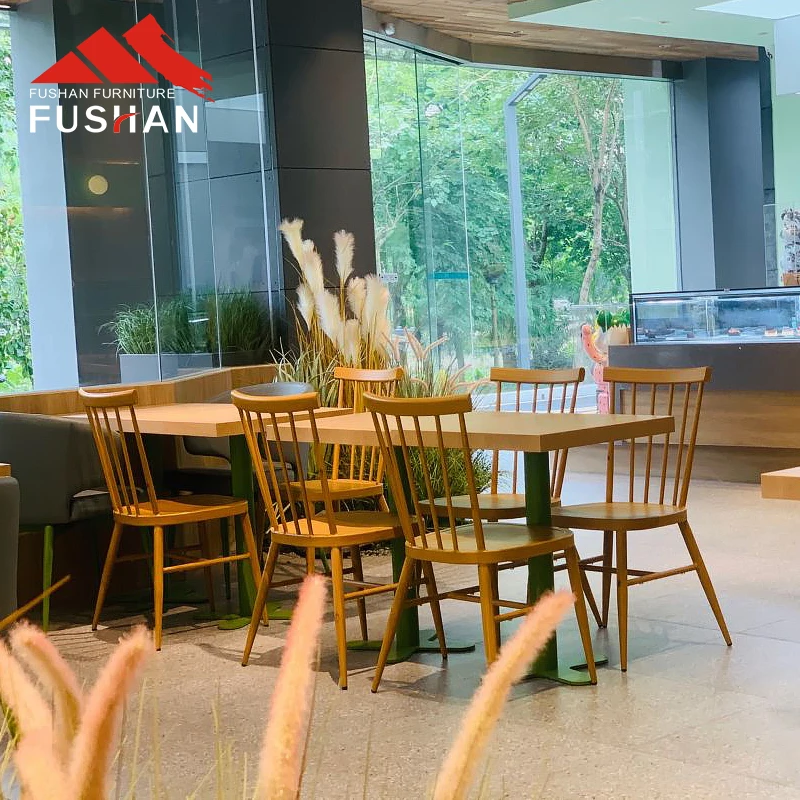
Outdoor wedding chairs are durable, stackable seating solutions designed for events and commercial hospitality spaces. For B2B buyers, sourcing from a manufacturer with direct supply capability ensures consistent quality, reliable bulk supply, and cost efficiency for large-scale projects.
Technical Specifications of Vintage Cafe Furniture
These natural rattan chairs are engineered to address key procurement challenges. Their vintage aesthetic enhances ambiance without sacrificing function, while the durable rattan weaving and stackable design solve problems of frequent setup, storage, and long-term maintenance for high-traffic outdoor areas.
| Specification | Details |
|---|---|
| Style | Vintage, Natural |
| Primary Material | Rattan / Wicker |
| Intended Use | Outdoor, Wedding, Cafe, Restaurant |
| Color | Natural |
| Features | Stackable, Lightweight |
How to choose durable outdoor chairs for a wedding?
Choose outdoor wedding chairs based on material resilience, weight capacity, and stackability for efficient logistics. Prioritize materials like natural rattan that are treated for weather resistance. Verify the manufacturer's testing data for UV and moisture protection to ensure the chairs withstand full-day events and storage between seasons.
Why are vintage style rattan chairs better for cafes?
Vintage-style rattan chairs offer superior ambiance and perceived comfort, directly enhancing the customer dining experience. Their timeless design creates a warm, inviting atmosphere that encourages longer visits. The natural material and intricate weaving also project a quality image that justifies premium pricing for cafes and restaurants.
Are these outdoor wedding chairs weather-resistant and safe?
Quality outdoor wedding chairs made from treated rattan are designed to be weather-resistant and safe for guest use. The weaving should be tight and secure to prevent snagging, and the frame must have a stable base to prevent tipping. For comprehensive safety, always request compliance documentation from the manufacturer regarding load testing and material treatments.
Ideal Applications and Target Audience
This furniture is specifically designed for commercial and large-scale event use. Event Planners and Wedding Organizers benefit from the stackable, lightweight design for easy transport and setup. Cafe and Restaurant Owners value the durable elegance that enhances their brand's aesthetic. Hotel and Resort Procurement Managers require the bulk supply capability and long-term durability for satisfying guests in outdoor lounges and dining areas.
- Durable construction using natural rattan for long-term outdoor use.
- Vintage aesthetic that elevates the ambiance of any commercial or event space.
- Stackable and lightweight design for efficient storage and logistics.
- Direct-from-manufacturer supply ensuring consistent quality for bulk orders.
- Versatile application across weddings, cafes, hotels, and restaurants.
For procurement teams, partnering with a manufacturer that controls the supply chain from production to delivery is critical for project timelines and budget management. This direct capability often translates to better customization options and more responsive support for large orders.
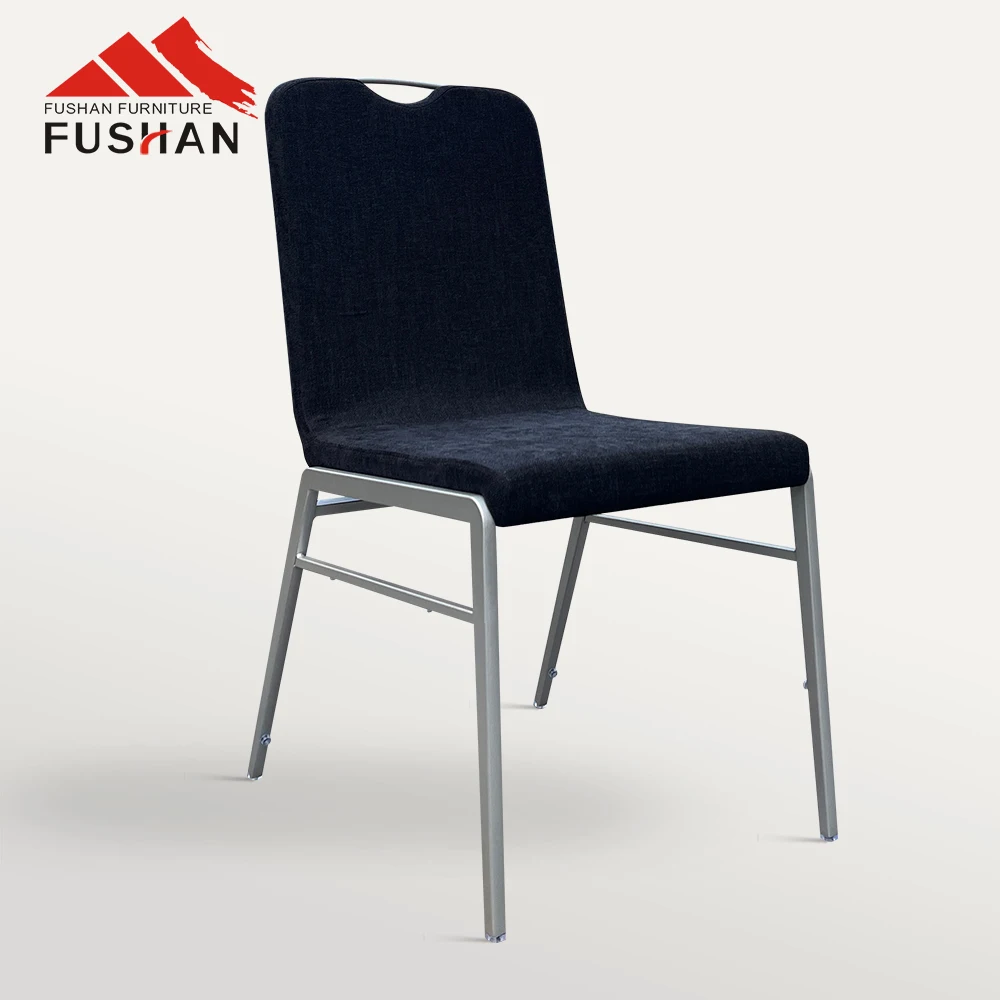
In the world of luxury hospitality, every detail matters—from the thread count of the linens to the ambiance of the lobby. Yet, one element often overlooked but profoundly impactful is the humble hotel chair. Enter the realm of elegant and ergonomic luxury hotel chairs, designed not merely as functional furniture but as integral components that elevate the guest experience with unparalleled style and support. These chairs are more than just seating; they are statements of sophistication, crafted to blend aesthetic appeal with ergonomic science, ensuring that every moment spent in them is one of comfort and indulgence. As travelers increasingly seek both opulence and well-being during their stays, hotels are turning to these meticulously designed pieces to create environments that resonate with modern sensibilities. This article delves into the artistry and innovation behind these chairs, exploring how they transform spaces and enhance stays, making every visit memorable.
The Fusion of Aesthetics and Ergonomics
At the heart of elegant and ergonomic luxury hotel chairs lies a seamless fusion of beauty and functionality. Designers prioritize sleek lines, premium materials like polished wood, supple leather, and metallic accents, ensuring each piece complements a hotel’s interior theme—be it minimalist, classic, or contemporary. The visual appeal is immediate, drawing guests in with an aura of refinement that signals a high-end experience.
However, aesthetics alone are not enough. Ergonomics plays a crucial role, with chairs engineered to support the natural curvature of the spine, reduce pressure points, and promote healthy posture. Features such as adjustable lumbar support, contoured seats, and breathable fabrics work in harmony to prevent discomfort, even during extended use. This dual focus ensures that guests not only admire the chair’s design but also feel its benefits, whether they’re dining, working, or relaxing.
Enhancing Guest Comfort and Well-being
Luxury hotel chairs are designed with the guest’s physical well-being as a top priority. Ergonomically shaped backs and cushioned seats distribute weight evenly, minimizing strain on the body. This is particularly important in spaces like hotel rooms, lobbies, and restaurants, where guests may spend hours socializing, working, or unwinding. By reducing fatigue and promoting relaxation, these chairs contribute to a restorative stay, allowing travelers to recharge fully.
Beyond physical comfort, these chairs also support mental well-being. The use of calming colors, soft textures, and thoughtful design elements creates a serene atmosphere, helping guests feel at ease. In an era where wellness tourism is on the rise, such details demonstrate a hotel’s commitment to holistic guest care, making the chair a subtle yet powerful tool for enhancing overall satisfaction.
Durability and Sustainable Craftsmanship
Luxury hotel chairs are built to withstand the rigors of high-traffic environments while maintaining their elegance. Manufacturers employ durable materials like hardwood frames, reinforced joints, and stain-resistant fabrics, ensuring longevity without compromising on style. This durability translates to cost-effectiveness for hotels, as chairs retain their appearance and functionality over years of use.
Sustainability is another key aspect, with many designers embracing eco-friendly practices. Chairs may be crafted from responsibly sourced wood, recycled metals, or organic textiles, aligning with the growing demand for environmentally conscious hospitality. By choosing sustainable options, hotels not only reduce their ecological footprint but also appeal to eco-aware travelers, adding value to their brand image.
Versatility in Hotel Spaces
These chairs are versatile enough to enhance various areas within a hotel. In dining rooms, they offer comfort during leisurely meals; in lobbies, they provide inviting seating for guests waiting or conversing; and in suites, they serve as stylish accents for reading or working. Their adaptability allows hotels to create cohesive design narratives across different spaces, reinforcing a sense of luxury throughout the property.
Moreover, the chairs can be customized to fit specific themes or branding requirements. From color palettes to fabric patterns, hotels can tailor designs to reflect their unique identity, ensuring that every element contributes to a memorable guest experience. This versatility makes elegant and ergonomic chairs a smart investment for any luxury establishment.
The Impact on Guest Perception and Loyalty
First impressions are lasting, and luxury hotel chairs play a significant role in shaping guest perceptions. A well-designed chair signals attention to detail and a commitment to quality, setting the tone for the entire stay. Guests who experience superior comfort and style are more likely to associate the hotel with positive emotions, leading to higher satisfaction rates and repeat visits.
In today’s competitive hospitality industry, such details can differentiate a hotel from its rivals. By investing in chairs that blend elegance and ergonomics, hotels not only enhance immediate comfort but also build long-term loyalty. Word-of-mouth recommendations and online reviews often highlight these subtle touches, making them invaluable for attracting discerning travelers seeking both luxury and well-being.
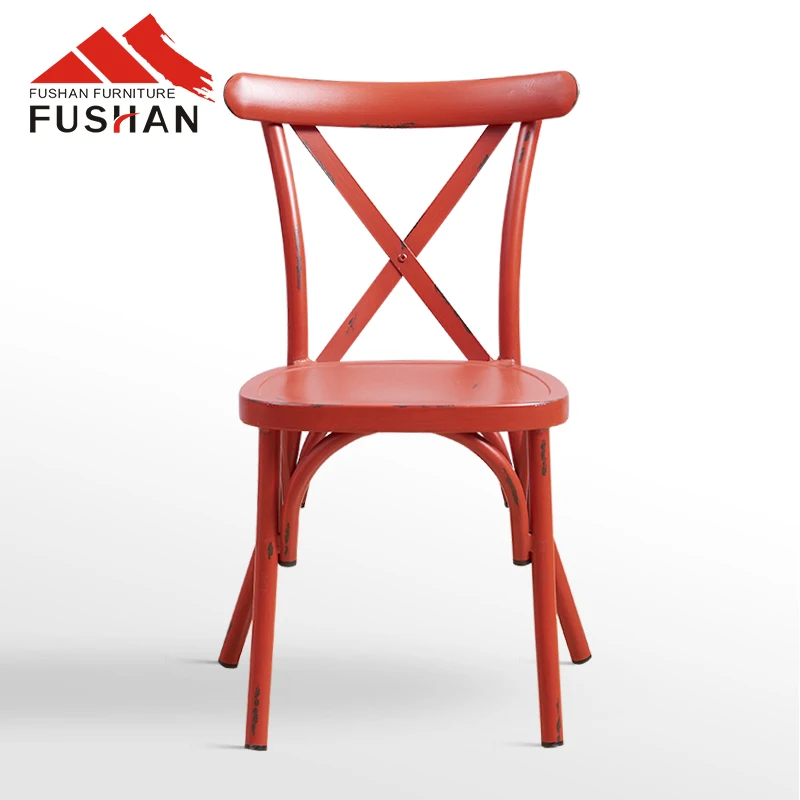
Durable Commercial Grade Restaurant Chairs Featuring Ergonomic Design and Stylish Modern Aesthetics
In the competitive world of the restaurant industry, where ambiance is as crucial as the cuisine, the choice of furniture plays a pivotal role in defining a venue's success. Among the most critical elements are the chairs, which must not only withstand the relentless demands of daily service but also provide comfort and reflect the establishment's character. This is where durable commercial-grade restaurant chairs featuring ergonomic design and stylish modern aesthetics come into play. These are not merely seats; they are sophisticated investments engineered for high-traffic environments. Blending industrial-strength resilience with thoughtful human-centered design and contemporary visual appeal, this category of furniture addresses the core needs of modern restaurateurs. It promises longevity that protects your bottom line, comfort that enhances the guest experience, and a sleek look that elevates your brand's image. As we delve deeper, we will explore how these chairs represent the perfect synergy of form, function, and fortitude, making them an indispensable asset for any forward-thinking food service business aiming to thrive.
Uncompromising Durability: Built for the Long Haul
The primary distinction of commercial-grade chairs lies in their exceptional durability. Unlike residential furniture, these chairs are subjected to constant use, movement, and cleaning, often for 12-18 hours a day. Manufacturers construct them with this harsh reality in mind, utilizing premium materials designed to endure.
Frames are typically made from heavy-gauge steel, reinforced aluminum, or solid hardwoods, all known for their structural integrity. These materials resist bending, warping, and cracking under pressure. Joints are reinforced with welding, double-bolting, or advanced mortise-and-tenon techniques to prevent wobbling and failure over time. This robust construction ensures that the chairs remain stable and secure through thousands of sittings, maintaining their like-new appearance and functionality for years.
Furthermore, the finishes and upholstery are selected for their toughness. Powder-coating on metal frames provides a resilient, scratch-resistant surface that is easy to clean and less prone to chipping compared to standard paint. For seating surfaces, high-resilience foam retains its shape and comfort, while commercial-grade fabrics, vinyls, or leatherettes offer superior resistance to stains, abrasions, and frequent cleaning with industrial chemicals. This combination of sturdy materials and protective finishes defines the true commercial grade, offering a significant return on investment by minimizing replacement costs and downtime.
Ergonomic Excellence: Prioritizing Guest Comfort
While durability ensures the chair's survival, ergonomic design guarantees the patron's satisfaction. In an era where diners linger over meals and conversations, physical comfort is paramount. Ergonomics, the science of designing products to fit the human body, is meticulously applied to these chairs to reduce fatigue and promote well-being.
This begins with the chair's proportions. Seat height, depth, and width are calibrated to accommodate a wide range of body types, ensuring proper thigh support and allowing feet to rest flat on the floor. The backrest is contoured to follow the natural curve of the spine, providing crucial lumbar support that prevents slouching and back strain during extended seating. Armrests, when present, are positioned at a height that allows shoulders to relax naturally.
Beyond static measurements, dynamic comfort is also considered. Many modern commercial chairs incorporate subtle flex or a slight recline in the backrest, allowing for micro-moviments that enhance comfort. The cushioning is not just thick but intelligently layered; denser foam at the base provides support, while a softer top layer offers immediate comfort. This thoughtful approach to ergonomics translates directly to the guest experience. Comfortable patrons are happier, more relaxed, and likely to stay longer and return more often, directly contributing to increased revenue and positive reviews.
Stylish Modern Aesthetics: Crafting the Ambiance
A chair's visual impact is immediate and powerful. Stylish modern aesthetics in commercial furniture move beyond mere trends to offer timeless, clean lines that complement a variety of interior design schemes, from industrial lofts to minimalist bistros. The modern aesthetic is characterized by simplicity, functionality, and a focus on form.
Designers achieve this through sleek silhouettes, often eliminating unnecessary ornamentation. The beauty lies in the purity of shape, the quality of materials, and the harmony of proportions. A slender, tapered metal leg, a gracefully curved plywood shell, or a geometrically precise frame can become a statement piece. The color palette tends to be versatile, featuring neutrals like black, grey, white, and natural wood tones, which serve as a canvas for the restaurant's broader decor. Accent colors can be introduced through upholstery to add vibrancy or brand alignment.
This stylistic flexibility is a key asset. Modern chairs do not dominate the space but rather integrate seamlessly, allowing other elements—like lighting, table settings, and artwork—to shine. They convey a sense of intentionality and sophistication, signaling to customers that the establishment values quality and contemporary sensibility. In essence, these chairs act as silent ambassadors of the brand, reinforcing a curated, upscale, and inviting atmosphere that attracts a discerning clientele.
The Synergy: Where All Elements Converge
The true genius of durable commercial-grade restaurant chairs with ergonomic and modern features is not found in any single attribute, but in their powerful synergy. This integration is what sets them apart as a superior business solution.
Consider a chair with a molded polypropylene shell: its one-piece design is inherently strong and easy to clean (durability), its form is often biomorphically shaped to cradle the body (ergonomics), and its smooth, monolithic appearance is distinctly modern (aesthetics). Similarly, a chair with a powder-coated steel frame, a gently slung fabric seat, and clean lines delivers on all three fronts simultaneously. This convergence means restaurateurs no longer have to sacrifice style for strength or comfort for cleanability.
This holistic design philosophy results in furniture that performs flawlessly on the operational front while achieving marketing and experiential goals. It reduces long-term costs through durability, boosts customer satisfaction and dwell time through comfort, and enhances the brand's market positioning through style. In a competitive industry, this trifecta of benefits is not just an advantage—it is a strategic imperative for creating memorable dining experiences and building a sustainable, profitable business.
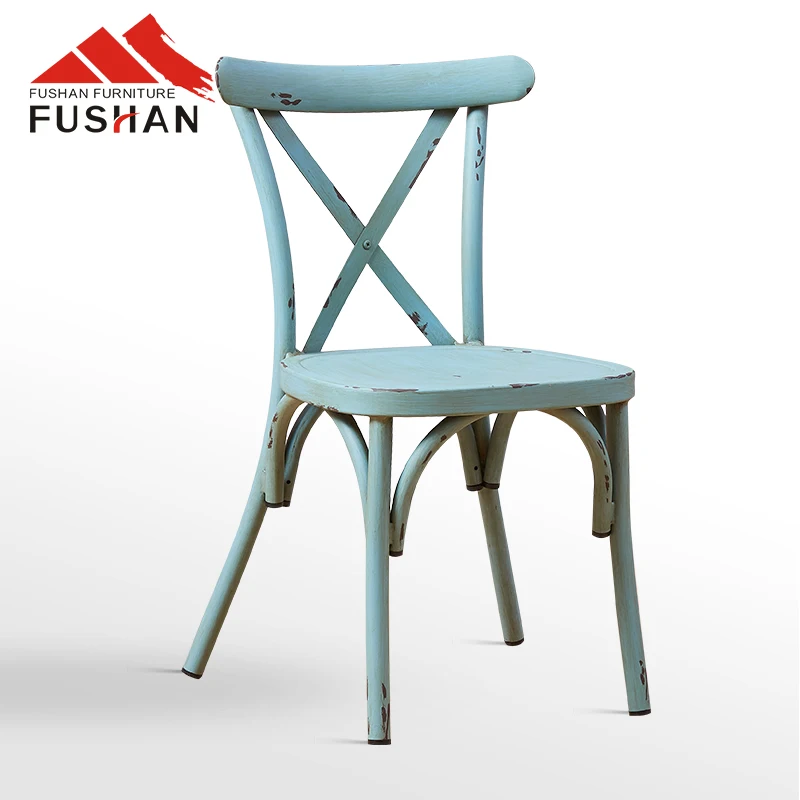
In the competitive world of fine dining, every detail contributes to the overall narrative of luxury and comfort. The choice of seating is particularly pivotal, acting as the primary point of physical contact between the guest and the establishment. A contemporary dining chair that masterfully blends durable construction with an elegant aesthetic is no longer a mere furnishing; it is a strategic investment in the restaurant's identity and longevity. This article explores the essential qualities of such a chair, designed specifically for the sophisticated restaurant setting, where form must meet formidable function to create an unforgettable ambiance.
The Foundation of Durability: Engineering for Endurance
The lifespan of a restaurant chair is tested daily by constant use, movement, and cleaning. Durable construction, therefore, begins with the selection of core materials. High-quality hardwoods like oak or maple, or advanced engineered composites, provide a robust internal frame that resists warping and cracking under stress. For the legs and structural joints, reinforced mortise-and-tenon joinery or high-grade metal alloys with precision welding ensure stability that can withstand years of shifting weight and accidental impacts.
Beyond the skeleton, the choice of upholstery and finishes defines practical longevity. Commercial-grade fabrics with high Martindale rub counts, top-grain leathers, or innovative performance textiles offer exceptional resistance to stains, abrasions, and frequent cleaning with industrial solutions. Furthermore, a durable chair features a protective finish—whether a catalyzed lacquer for wood or a powder-coated, corrosion-resistant layer for metal components—that guards against moisture, heat marks, and the wear of daily service. This multi-layered approach to durability ensures the chair maintains its integrity, reducing long-term replacement costs and sustaining a pristine appearance.
The Art of Elegant Aesthetics: Designing for Sophistication
While durability addresses the body, aesthetics speak to the soul of the dining experience. An elegant aesthetic in a contemporary dining chair is characterized by clean lines, balanced proportions, and thoughtful detailing. The design often draws from minimalist or organic modern principles, avoiding excessive ornamentation in favor of graceful curves, subtle tapering, or interesting geometric silhouettes that create visual interest without overwhelming the space. The chair should act as a harmonious element within the broader interior design scheme.
The expression of elegance is profoundly influenced by material texture and color. A sleek walnut frame, a softly curved backrest in a muted velvet, or the warm patina of brushed brass accents can evoke a sense of refined luxury. The color palette typically leans towards neutrals—charcoal, taupe, deep navy, or earthy tones—which provide a timeless backdrop that allows the food and tableware to shine. The overall aesthetic should feel inviting and comfortable, encouraging guests to relax and linger, thereby enhancing their perception of the restaurant as a curated, high-end destination.
Ergonomics and Comfort: The Unseen Priority
In a sophisticated setting, elegance must never come at the expense of comfort. A chair that is visually stunning but uncomfortable will be remembered for the wrong reasons. Ergonomic design is the silent partner to aesthetic appeal. This involves sculpting the seat and backrest to support the natural curvature of the spine, with appropriate seat depth and height to promote good posture. The angle of the backrest is crucial, offering gentle support that allows for easy conversation and movement.
Comfort is further achieved through high-resiliency foam cushioning that provides plush support without bottoming out over time. The upholstery fabric should also have a pleasing hand-feel, contributing to the tactile experience. A well-designed contemporary dining chair considers the duration of a meal—from a quick lunch to a multi-course dinner—ensuring the guest remains at ease throughout. This commitment to ergonomics translates directly to customer satisfaction, as comfort fosters a positive, relaxed mood, encouraging longer stays and repeat visits.
Cohesion with the Restaurant Ecosystem
A dining chair does not exist in isolation; it is a critical component of the restaurant's total environment. Its design must cohesively integrate with tables, lighting, flooring, and overall spatial layout. For instance, chairs with a lower profile might suit an intimate, low-lit dining room, while taller, airier designs could complement a bright, open-plan brasserie. The scale and visual weight of the chair must be appropriate for the table size and the density of the table arrangement to ensure easy movement for both guests and staff.
Furthermore, the chair contributes significantly to the operational acoustics of the space. Upholstered seats and backs help absorb sound, mitigating noise levels and creating a more intimate, conversational atmosphere—a key marker of a sophisticated setting. The choice of a chair with durable, easy-to-clean materials also aligns with the practical needs of the back-of-house, supporting efficient maintenance and hygiene protocols. Thus, the ideal contemporary dining chair functions as a nexus where design intent, guest experience, and operational practicality seamlessly converge.
REPORT