







-
 Agriculture
-
 Health-Care
-
 Environment
-
 Construction-Real-Estate
-
 Tools-Hardware
-
 Home-Garden
-
 Furniture
-
 Luggage-Bags-Cases
-
 Medical-devices-Supplies
-
 Gifts-Crafts
-
 Sports-Entertainment
-
 Food-Beverage
-
 Vehicles-Transportation
-
 Power-Transmission
-
 Material-Handling
-
 Renewable-Energy
-
 Safety
-
 Testing-Instrument-Equipment
-
 Construction-Building-Machinery
-
 Pet-Supplies
-
 Personal-Care-Household-Cleaning
-
 Vehicle-Accessories-Electronics-Tools
-
 School-Office-Supplies
-
 Packaging-Printing
-
 Mother-Kids-Toys
-
 Business-Services
-
 Commercial-Equipment-Machinery
-
 Apparel-Accessories
-
 Security
-
 Shoes-Accessories
-
 Vehicle-Parts-Accessories
-
 Jewelry-Eyewear-Watches-Accessories
-
 Lights-Lighting
-
 Fabric-Textile-Raw-Material
-
 Fabrication-Services
-
 Industrial-Machinery
-
 Consumer-Electronics
-
 Electrical-Equipment-Supplies
-
 Electronic-Components-Accessories-Telecommunications
-
 Home-Appliances
-
 Beauty
-
 Chemicals
-
 Rubber-Plastics
-
 Metals-Alloys


























































































































































































































































































































































































































































































































































































- Masonry Materials
- Curtain Walls & Accessories
- Earthwork Products
- Fireproofing Materials
- Heat Insulation Materials
- Plastic Building Materials
- Building Boards
- Soundproofing Materials
- Timber
- Waterproofing Materials
- Balustrades & Handrails
- Bathroom & Kitchen
- Flooring & Accessories
- Tiles & Accessories
- Door, Window & Accessories
- Fireplaces & Stoves
- Floor Heating Systems & Parts
- Stairs & Stair Parts
- Ceilings
- Elevators & Escalators
- Stone
- Countertops, Vanity Tops & Table Tops
- Mosaics
- Metal Building Materials
- Multifunctional Materials
- Ladders & Scaffoldings
- Mouldings
- Corner Guards
- Decorative Films
- Formwork
- Building & Industrial Glass
- Other Construction & Real Estate
- Wallpapers/Wall panels
- HVAC System & Parts
- Outdoor Facilities
- Prefabricated Buildings
- Festive & Party Supplies
- Bathroom Products
- Household Sundries
- Rain Gear
- Garden Supplies
- Household Cleaning Tools & Accessories
- Lighters & Smoking Accessories
- Home Storage & Organization
- Household Scales
- Smart Home Improvement
- Home Textiles
- Kitchenware
- Drinkware & Accessories
- Dinnerware, Coffee & Wine
- Home Decor
- Golf
- Fitness & Body Building
- Amusement Park Facilities
- Billiards, Board Game,Coin Operated Games
- Musical Instruments
- Outdoor Affordable Luxury Sports
- Camping & Hiking
- Fishing
- Sports Safety&Rehabilitation
- Ball Sports Equipments
- Water Sports
- Winter Sports
- Luxury Travel Equipments
- Sports Shoes, Bags & Accessories
- Cycling
- Other Sports & Entertainment Products
- Artificial Grass&Sports Flooring&Sports Court Equipment
- Scooters
- Food Ingredients
- Honey & Honey Products
- Snacks
- Nuts & Kernels
- Seafood
- Plant & Animal Oil
- Beverages
- Fruit & Vegetable Products
- Frog & Escargot
- Bean Products
- Egg Products
- Dairy Products
- Seasonings & Condiments
- Canned Food
- Instant Food
- Baked Goods
- Other Food & Beverage
- Meat & Poultry
- Confectionery
- Grain Products
- Feminie Care
- Hair Care & Styling
- Body Care
- Hands & Feet Care
- Hygiene Products
- Men's Grooming
- Laundry Cleaning Supplies
- Travel Size & Gift Sets
- Room Deodorizers
- Other Personal Care Products
- Pest Control Products
- Special Household Cleaning
- Floor Cleaning
- Kitchen & Bathroom Cleaning
- Oral Care
- Bath Supplies
- Yellow Pages
- Correction Supplies
- Office Binding Supplies
- Office Cutting Supplies
- Board Erasers
- Office Adhesives & Tapes
- Education Supplies
- Pencil Cases & Bags
- Notebooks & Writing Pads
- File Folder Accessories
- Calendars
- Writing Accessories
- Commercial Office Supplies
- Pencil Sharpeners
- Pens
- Letter Pad/Paper
- Paper Envelopes
- Desk Organizers
- Pencils
- Markers & Highlighters
- Filing Products
- Art Supplies
- Easels
- Badge Holder & Accessories
- Office Paper
- Printer Supplies
- Book Covers
- Other Office & School Supplies
- Stationery Set
- Boards
- Clipboards
- Stamps
- Drafting Supplies
- Stencils
- Electronic Dictionary
- Books
- Map
- Magazines
- Calculators
- Baby & Toddler Toys
- Educational Toys
- Classic Toys
- Dress Up & Pretend Play
- Toy Vehicle
- Stuffed Animals & Plush Toys
- Outdoor Toys & Structures
- Balloons & Accessories
- Baby Food
- Children's Clothing
- Baby Supplies & Products
- Maternity Clothes
- Kids Shoes
- Baby Care
- Novelty & Gag Toys
- Dolls & Accessories
- Puzzle & Games
- Blocks & Model Building Toys
- Toddler Clothing
- Baby Clothing
- Kids' Luggage & Bags
- Arts, Crafts & DIY Toys
- Action & Toy Figures
- Baby Appliances
- Hobbies & Models
- Remote Control Toys
- Promotional Toys
- Pregnancy & Maternity
- Hygiene Products
- Kid's Textile&Bedding
- Novelty & Special Use
- Toy Weapons
- Baby Gifts
- Baby Storage & Organization
- Auto Drive Systems
- ATV/UTV Parts & Accessories
- Marine Parts & Accessories
- Other Auto Parts
- Trailer Parts & Accessories
- Auto Transmission Systems
- Train Parts & Accessories
- Universal Parts
- Railway Parts & Accessories
- Auto Brake Systems
- Aviation Parts & Accessories
- Truck Parts & Accessories
- Auto Suspension Systems
- Auto Lighting Systems
- New Energy Vehicle Parts & Accessories
- Auto Steering Systems
- Wheels, Tires & Accessories
- Bus Parts & Accessories
- Auto Performance Parts
- Cooling System
- Go-Kart & Kart Racer Parts & Accessories
- Air Conditioning Systems
- Heavy Duty Vehicle Parts & Accessories
- Auto Electrical Systems
- Auto Body Systems
- Auto Engine Systems
- Container Parts & Accessories
- Motorcycle Parts & Accessories
- Refrigeration & Heat Exchange Equipment
- Machine Tool Equipment
- Food & Beverage Machinery
- Agricultural Machinery & Equipment
- Apparel & Textile Machinery
- Chemical Machinery
- Packaging Machines
- Paper Production Machinery
- Plastic & Rubber Processing Machinery
- Industrial Robots
- Electronic Products Machinery
- Metal & Metallurgy Machinery
- Woodworking Machinery
- Home Product Manufacturing Machinery
- Machinery Accessories
- Environmental Machinery
- Machinery Service
- Electrical Equipment Manufacturing Machinery
- Industrial Compressors & Parts
- Tobacco & Cigarette Machinery
- Production Line
- Used Industrial Machinery
- Electronics Production Machinery
- Other Machinery & Industrial Equipment
- Camera, Photo & Accessories
- Portable Audio, Video & Accessories
- Television, Home Audio, Video & Accessories
- Video Games & Accessories
- Mobile Phone & Accessories
- Electronic Publications
- Earphone & Headphone & Accessories
- Speakers & Accessories
- Smart Electronics
- TV Receivers & Accessories
- Mobile Phone & Computer Repair Parts
- Chargers, Batteries & Power Supplies
- Used Electronics
- VR, AR, MR Hardware & Software
- Projectors & Presentation Equipments
- Other Consumer Electronics
- Cables & Commonly Used Accessories
- Computer Hardware & Software
- Displays, Signage and Optoelectronics
- Discrete Semiconductors
- Wireless & IoT Module and Products
- Telecommunications
- Connectors, Terminals & Accessories
- Development Boards, Electronic Modules and Kits
- Circuit Protection
- Sensors
- Isolators
- Audio Components and Products
- Integrated Circuits
- Power Supplies
- Relays
- RF, Microwave and RFID
- Electronic Accessories & Supplies
- Passive Components
- PCB & PCBA
- Air Quality Appliances
- Home Appliance Parts
- Heating & Cooling Appliances
- Small Kitchen Appliances
- Laundry Appliances
- Water Heaters
- Water Treatment Appliances
- Refrigerators & Freezers
- Personal Care & Beauty Appliances
- Major Kitchen Appliances
- Cleaning Appliances
- Second-hand Appliances
- Smart Home Appliances
- Other Home Appliances
- Energy Chemicals
- Inorganic Chemicals
- Basic Organic Chemicals
- Agrochemicals
- Admixture & Additives
- Catalysts & Chemical Auxiliary Agents
- Pigments & Dyestuff
- Coating & Paint
- Daily Chemicals
- Polymer
- Organic Intermediate
- Adhesives & Sealants
- Chemical Waste
- Biological Chemical Products
- Surface Treatment Chemicals
- Painting & Coating
- Chemical Reagents
- Flavor & Fragrance
- Non-Explosive Demolition Agents
- Other Chemicals
- Custom Chemical Services

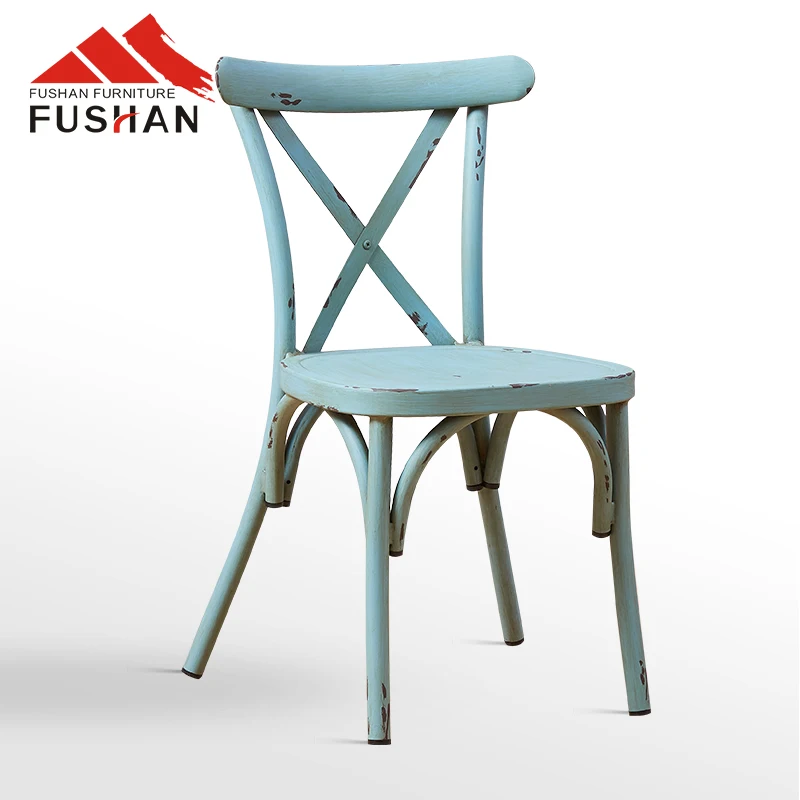
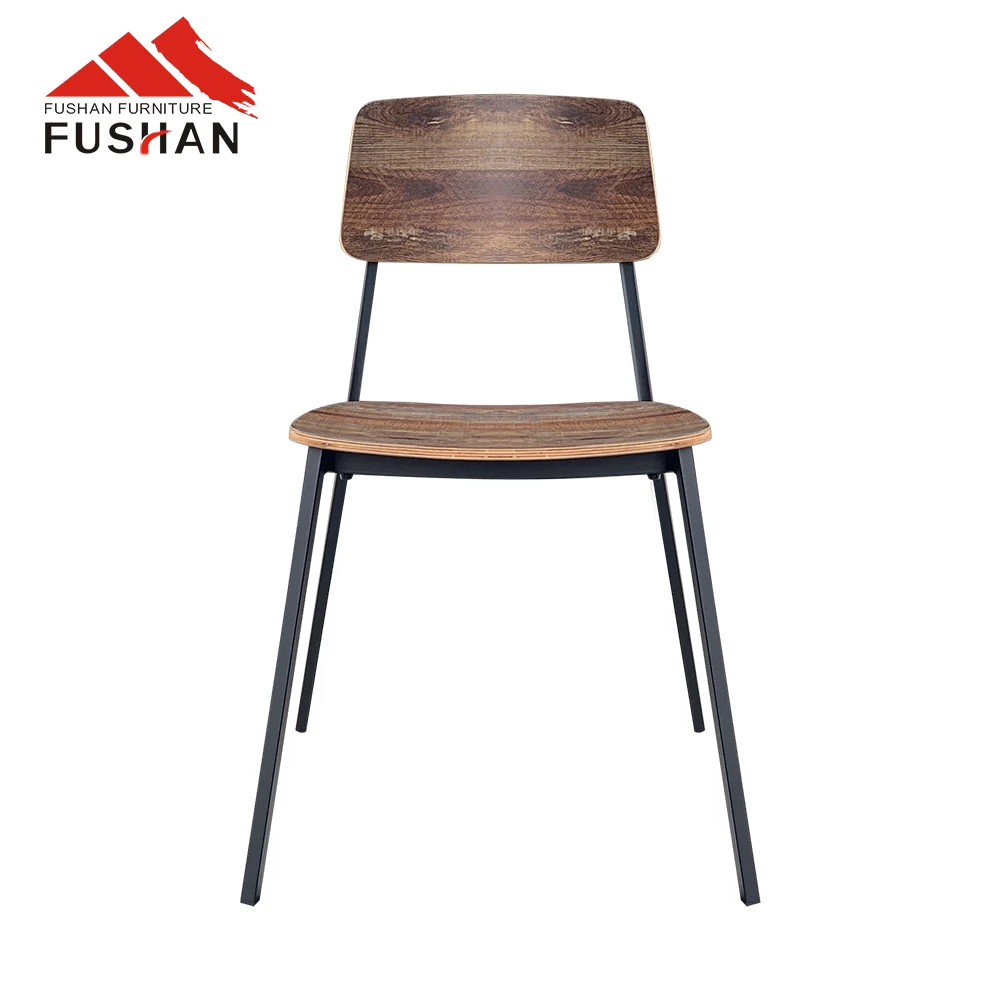
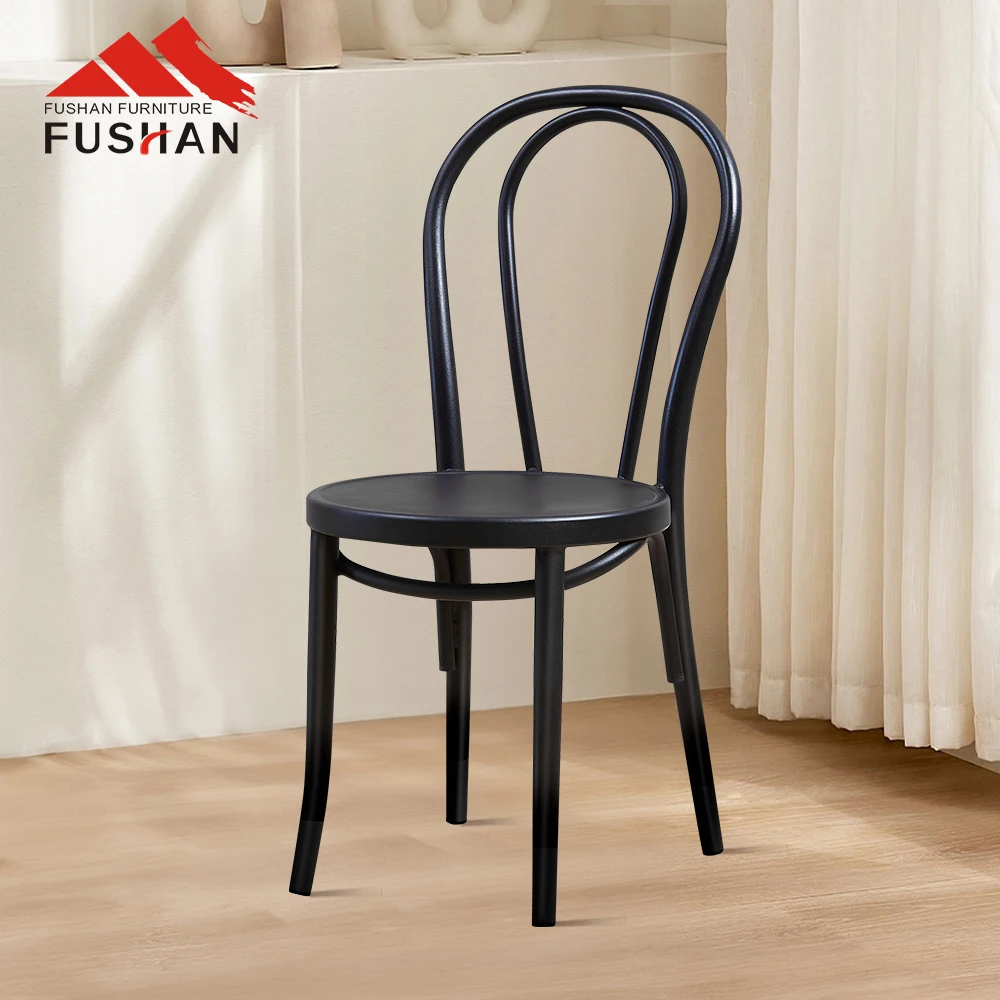
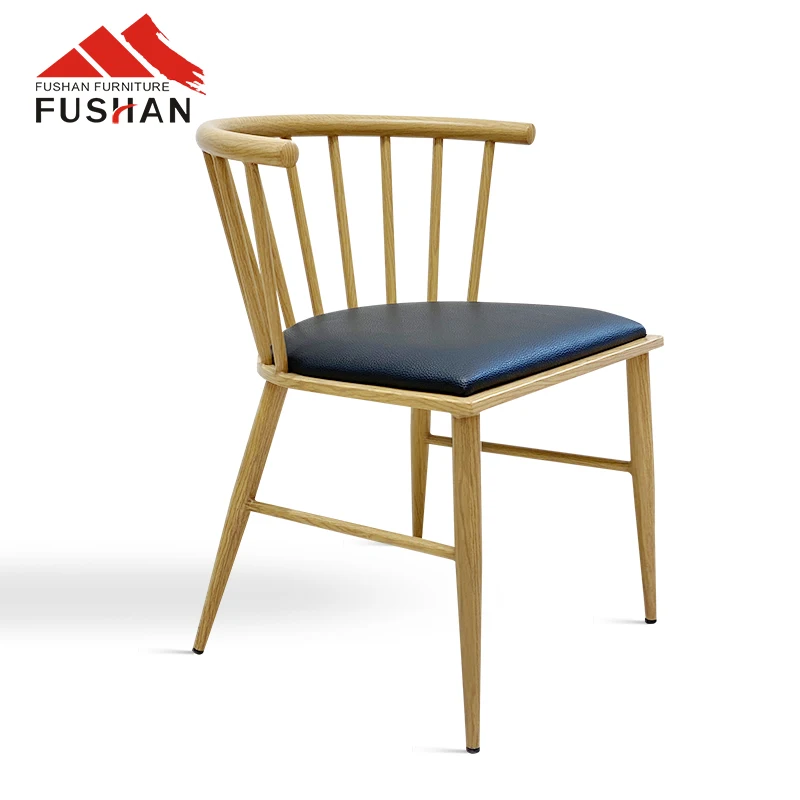
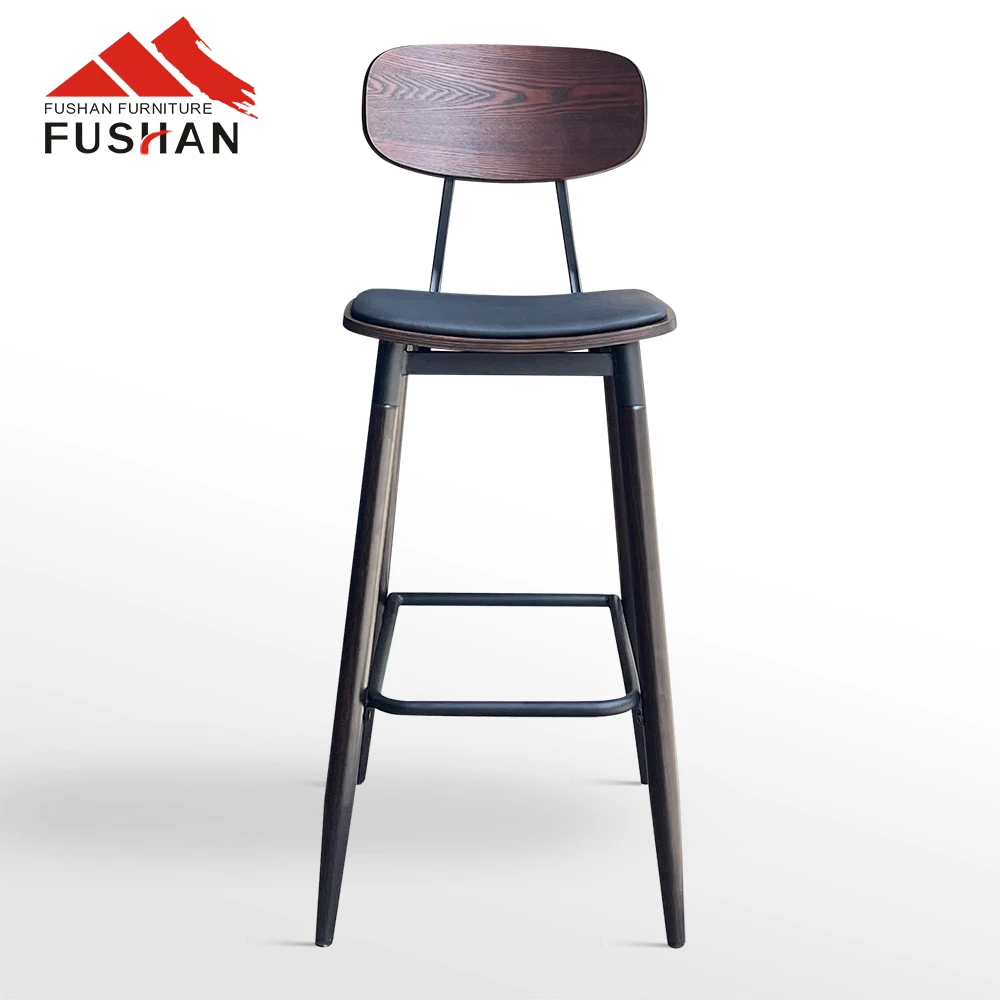
Contemporary Dining Chair Featuring Durable Construction And Elegant Aesthetic For A Sophisticated Restaurant Setting
In the competitive world of fine dining, every detail contributes to the overall narrative of luxury and comfort. The choice of seating is particularly pivotal, acting as the primary point of physical contact between the guest and the establishment. A contemporary dining chair that masterfully blends durable construction with an elegant aesthetic is no longer a mere furnishing; it is a strategic investment in the restaurant's identity and longevity. This article explores the essential qualities of such a chair, designed specifically for the sophisticated restaurant setting, where form must meet formidable function to create an unforgettable ambiance.
The Foundation of Durability: Engineering for Endurance
The lifespan of a restaurant chair is tested daily by constant use, movement, and cleaning. Durable construction, therefore, begins with the selection of core materials. High-quality hardwoods like oak or maple, or advanced engineered composites, provide a robust internal frame that resists warping and cracking under stress. For the legs and structural joints, reinforced mortise-and-tenon joinery or high-grade metal alloys with precision welding ensure stability that can withstand years of shifting weight and accidental impacts.
Beyond the skeleton, the choice of upholstery and finishes defines practical longevity. Commercial-grade fabrics with high Martindale rub counts, top-grain leathers, or innovative performance textiles offer exceptional resistance to stains, abrasions, and frequent cleaning with industrial solutions. Furthermore, a durable chair features a protective finish—whether a catalyzed lacquer for wood or a powder-coated, corrosion-resistant layer for metal components—that guards against moisture, heat marks, and the wear of daily service. This multi-layered approach to durability ensures the chair maintains its integrity, reducing long-term replacement costs and sustaining a pristine appearance.
The Art of Elegant Aesthetics: Designing for Sophistication
While durability addresses the body, aesthetics speak to the soul of the dining experience. An elegant aesthetic in a contemporary dining chair is characterized by clean lines, balanced proportions, and thoughtful detailing. The design often draws from minimalist or organic modern principles, avoiding excessive ornamentation in favor of graceful curves, subtle tapering, or interesting geometric silhouettes that create visual interest without overwhelming the space. The chair should act as a harmonious element within the broader interior design scheme.
The expression of elegance is profoundly influenced by material texture and color. A sleek walnut frame, a softly curved backrest in a muted velvet, or the warm patina of brushed brass accents can evoke a sense of refined luxury. The color palette typically leans towards neutrals—charcoal, taupe, deep navy, or earthy tones—which provide a timeless backdrop that allows the food and tableware to shine. The overall aesthetic should feel inviting and comfortable, encouraging guests to relax and linger, thereby enhancing their perception of the restaurant as a curated, high-end destination.
Ergonomics and Comfort: The Unseen Priority
In a sophisticated setting, elegance must never come at the expense of comfort. A chair that is visually stunning but uncomfortable will be remembered for the wrong reasons. Ergonomic design is the silent partner to aesthetic appeal. This involves sculpting the seat and backrest to support the natural curvature of the spine, with appropriate seat depth and height to promote good posture. The angle of the backrest is crucial, offering gentle support that allows for easy conversation and movement.
Comfort is further achieved through high-resiliency foam cushioning that provides plush support without bottoming out over time. The upholstery fabric should also have a pleasing hand-feel, contributing to the tactile experience. A well-designed contemporary dining chair considers the duration of a meal—from a quick lunch to a multi-course dinner—ensuring the guest remains at ease throughout. This commitment to ergonomics translates directly to customer satisfaction, as comfort fosters a positive, relaxed mood, encouraging longer stays and repeat visits.
Cohesion with the Restaurant Ecosystem
A dining chair does not exist in isolation; it is a critical component of the restaurant's total environment. Its design must cohesively integrate with tables, lighting, flooring, and overall spatial layout. For instance, chairs with a lower profile might suit an intimate, low-lit dining room, while taller, airier designs could complement a bright, open-plan brasserie. The scale and visual weight of the chair must be appropriate for the table size and the density of the table arrangement to ensure easy movement for both guests and staff.
Furthermore, the chair contributes significantly to the operational acoustics of the space. Upholstered seats and backs help absorb sound, mitigating noise levels and creating a more intimate, conversational atmosphere—a key marker of a sophisticated setting. The choice of a chair with durable, easy-to-clean materials also aligns with the practical needs of the back-of-house, supporting efficient maintenance and hygiene protocols. Thus, the ideal contemporary dining chair functions as a nexus where design intent, guest experience, and operational practicality seamlessly converge.
REPORT