







-
 Agriculture
-
 Health-Care
-
 Environment
-
 Construction-Real-Estate
-
 Tools-Hardware
-
 Home-Garden
-
 Furniture
-
 Luggage-Bags-Cases
-
 Medical-devices-Supplies
-
 Gifts-Crafts
-
 Sports-Entertainment
-
 Food-Beverage
-
 Vehicles-Transportation
-
 Power-Transmission
-
 Material-Handling
-
 Renewable-Energy
-
 Safety
-
 Testing-Instrument-Equipment
-
 Construction-Building-Machinery
-
 Pet-Supplies
-
 Personal-Care-Household-Cleaning
-
 Vehicle-Accessories-Electronics-Tools
-
 School-Office-Supplies
-
 Packaging-Printing
-
 Mother-Kids-Toys
-
 Business-Services
-
 Commercial-Equipment-Machinery
-
 Apparel-Accessories
-
 Security
-
 Shoes-Accessories
-
 Vehicle-Parts-Accessories
-
 Jewelry-Eyewear-Watches-Accessories
-
 Lights-Lighting
-
 Fabric-Textile-Raw-Material
-
 Fabrication-Services
-
 Industrial-Machinery
-
 Consumer-Electronics
-
 Electrical-Equipment-Supplies
-
 Electronic-Components-Accessories-Telecommunications
-
 Home-Appliances
-
 Beauty
-
 Chemicals
-
 Rubber-Plastics
-
 Metals-Alloys


























































































































































































































































































































































































































































































































































































- Masonry Materials
- Curtain Walls & Accessories
- Earthwork Products
- Fireproofing Materials
- Heat Insulation Materials
- Plastic Building Materials
- Building Boards
- Soundproofing Materials
- Timber
- Waterproofing Materials
- Balustrades & Handrails
- Bathroom & Kitchen
- Flooring & Accessories
- Tiles & Accessories
- Door, Window & Accessories
- Fireplaces & Stoves
- Floor Heating Systems & Parts
- Stairs & Stair Parts
- Ceilings
- Elevators & Escalators
- Stone
- Countertops, Vanity Tops & Table Tops
- Mosaics
- Metal Building Materials
- Multifunctional Materials
- Ladders & Scaffoldings
- Mouldings
- Corner Guards
- Decorative Films
- Formwork
- Building & Industrial Glass
- Other Construction & Real Estate
- Wallpapers/Wall panels
- HVAC System & Parts
- Outdoor Facilities
- Prefabricated Buildings
- Festive & Party Supplies
- Bathroom Products
- Household Sundries
- Rain Gear
- Garden Supplies
- Household Cleaning Tools & Accessories
- Lighters & Smoking Accessories
- Home Storage & Organization
- Household Scales
- Smart Home Improvement
- Home Textiles
- Kitchenware
- Drinkware & Accessories
- Dinnerware, Coffee & Wine
- Home Decor
- Golf
- Fitness & Body Building
- Amusement Park Facilities
- Billiards, Board Game,Coin Operated Games
- Musical Instruments
- Outdoor Affordable Luxury Sports
- Camping & Hiking
- Fishing
- Sports Safety&Rehabilitation
- Ball Sports Equipments
- Water Sports
- Winter Sports
- Luxury Travel Equipments
- Sports Shoes, Bags & Accessories
- Cycling
- Other Sports & Entertainment Products
- Artificial Grass&Sports Flooring&Sports Court Equipment
- Scooters
- Food Ingredients
- Honey & Honey Products
- Snacks
- Nuts & Kernels
- Seafood
- Plant & Animal Oil
- Beverages
- Fruit & Vegetable Products
- Frog & Escargot
- Bean Products
- Egg Products
- Dairy Products
- Seasonings & Condiments
- Canned Food
- Instant Food
- Baked Goods
- Other Food & Beverage
- Meat & Poultry
- Confectionery
- Grain Products
- Feminie Care
- Hair Care & Styling
- Body Care
- Hands & Feet Care
- Hygiene Products
- Men's Grooming
- Laundry Cleaning Supplies
- Travel Size & Gift Sets
- Room Deodorizers
- Other Personal Care Products
- Pest Control Products
- Special Household Cleaning
- Floor Cleaning
- Kitchen & Bathroom Cleaning
- Oral Care
- Bath Supplies
- Yellow Pages
- Correction Supplies
- Office Binding Supplies
- Office Cutting Supplies
- Board Erasers
- Office Adhesives & Tapes
- Education Supplies
- Pencil Cases & Bags
- Notebooks & Writing Pads
- File Folder Accessories
- Calendars
- Writing Accessories
- Commercial Office Supplies
- Pencil Sharpeners
- Pens
- Letter Pad/Paper
- Paper Envelopes
- Desk Organizers
- Pencils
- Markers & Highlighters
- Filing Products
- Art Supplies
- Easels
- Badge Holder & Accessories
- Office Paper
- Printer Supplies
- Book Covers
- Other Office & School Supplies
- Stationery Set
- Boards
- Clipboards
- Stamps
- Drafting Supplies
- Stencils
- Electronic Dictionary
- Books
- Map
- Magazines
- Calculators
- Baby & Toddler Toys
- Educational Toys
- Classic Toys
- Dress Up & Pretend Play
- Toy Vehicle
- Stuffed Animals & Plush Toys
- Outdoor Toys & Structures
- Balloons & Accessories
- Baby Food
- Children's Clothing
- Baby Supplies & Products
- Maternity Clothes
- Kids Shoes
- Baby Care
- Novelty & Gag Toys
- Dolls & Accessories
- Puzzle & Games
- Blocks & Model Building Toys
- Toddler Clothing
- Baby Clothing
- Kids' Luggage & Bags
- Arts, Crafts & DIY Toys
- Action & Toy Figures
- Baby Appliances
- Hobbies & Models
- Remote Control Toys
- Promotional Toys
- Pregnancy & Maternity
- Hygiene Products
- Kid's Textile&Bedding
- Novelty & Special Use
- Toy Weapons
- Baby Gifts
- Baby Storage & Organization
- Auto Drive Systems
- ATV/UTV Parts & Accessories
- Marine Parts & Accessories
- Other Auto Parts
- Trailer Parts & Accessories
- Auto Transmission Systems
- Train Parts & Accessories
- Universal Parts
- Railway Parts & Accessories
- Auto Brake Systems
- Aviation Parts & Accessories
- Truck Parts & Accessories
- Auto Suspension Systems
- Auto Lighting Systems
- New Energy Vehicle Parts & Accessories
- Auto Steering Systems
- Wheels, Tires & Accessories
- Bus Parts & Accessories
- Auto Performance Parts
- Cooling System
- Go-Kart & Kart Racer Parts & Accessories
- Air Conditioning Systems
- Heavy Duty Vehicle Parts & Accessories
- Auto Electrical Systems
- Auto Body Systems
- Auto Engine Systems
- Container Parts & Accessories
- Motorcycle Parts & Accessories
- Refrigeration & Heat Exchange Equipment
- Machine Tool Equipment
- Food & Beverage Machinery
- Agricultural Machinery & Equipment
- Apparel & Textile Machinery
- Chemical Machinery
- Packaging Machines
- Paper Production Machinery
- Plastic & Rubber Processing Machinery
- Industrial Robots
- Electronic Products Machinery
- Metal & Metallurgy Machinery
- Woodworking Machinery
- Home Product Manufacturing Machinery
- Machinery Accessories
- Environmental Machinery
- Machinery Service
- Electrical Equipment Manufacturing Machinery
- Industrial Compressors & Parts
- Tobacco & Cigarette Machinery
- Production Line
- Used Industrial Machinery
- Electronics Production Machinery
- Other Machinery & Industrial Equipment
- Camera, Photo & Accessories
- Portable Audio, Video & Accessories
- Television, Home Audio, Video & Accessories
- Video Games & Accessories
- Mobile Phone & Accessories
- Electronic Publications
- Earphone & Headphone & Accessories
- Speakers & Accessories
- Smart Electronics
- TV Receivers & Accessories
- Mobile Phone & Computer Repair Parts
- Chargers, Batteries & Power Supplies
- Used Electronics
- VR, AR, MR Hardware & Software
- Projectors & Presentation Equipments
- Other Consumer Electronics
- Cables & Commonly Used Accessories
- Computer Hardware & Software
- Displays, Signage and Optoelectronics
- Discrete Semiconductors
- Wireless & IoT Module and Products
- Telecommunications
- Connectors, Terminals & Accessories
- Development Boards, Electronic Modules and Kits
- Circuit Protection
- Sensors
- Isolators
- Audio Components and Products
- Integrated Circuits
- Power Supplies
- Relays
- RF, Microwave and RFID
- Electronic Accessories & Supplies
- Passive Components
- PCB & PCBA
- Air Quality Appliances
- Home Appliance Parts
- Heating & Cooling Appliances
- Small Kitchen Appliances
- Laundry Appliances
- Water Heaters
- Water Treatment Appliances
- Refrigerators & Freezers
- Personal Care & Beauty Appliances
- Major Kitchen Appliances
- Cleaning Appliances
- Second-hand Appliances
- Smart Home Appliances
- Other Home Appliances
- Energy Chemicals
- Inorganic Chemicals
- Basic Organic Chemicals
- Agrochemicals
- Admixture & Additives
- Catalysts & Chemical Auxiliary Agents
- Pigments & Dyestuff
- Coating & Paint
- Daily Chemicals
- Polymer
- Organic Intermediate
- Adhesives & Sealants
- Chemical Waste
- Biological Chemical Products
- Surface Treatment Chemicals
- Painting & Coating
- Chemical Reagents
- Flavor & Fragrance
- Non-Explosive Demolition Agents
- Other Chemicals
- Custom Chemical Services

Auto Body Systems
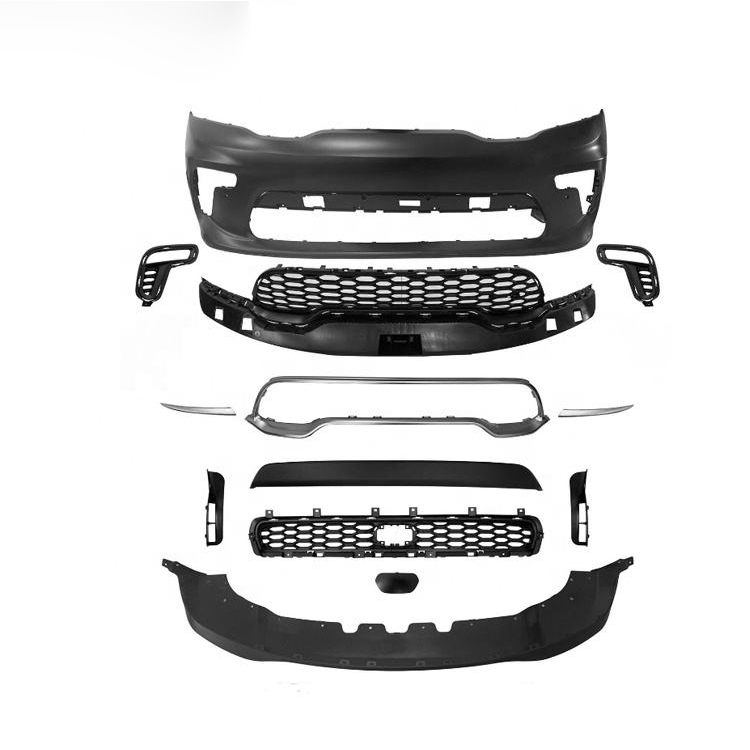
How to Confirm Front Bumper Assembly Compatibility Before Ordering
Confirming whether a front bumper assembly fits a specific vehicle requires more than checking its general appearance. Buyers should verify the vehicle series, front-mounted application, attachment method, dimensions, construction materials, finish, color, and destination-market compliance. Supplier inspection records, including dimensional reports and pre-shipment images or videos, provide additional assurance before dispatch.
Fitment Verification Checklist
- Compare the target American or European vehicle series with the supplier’s fitment database and compatibility records.
- Review the assembly specifications, including PP, ABS, or carbon fiber construction, 2.5–5.0 mm wall thickness, primed finish, OEM color availability, and front-vehicle positioning.
- Confirm whether the part uses direct bolt-on or clip-on installation and whether its mounting points match the original bumper.
- Request visual checks, coordinate measuring machine inspection, coating tests, and final inspection photos or videos to reduce purchasing risk for distributors, repair networks, and cross-border sellers.
How Fitment and Construction Are Evaluated
Vehicle Application and Mounting Design
The first step is to identify the exact vehicle application. This product is a front bumper assembly intended for installation at the front of a passenger vehicle. Its compatibility should be checked against the relevant American or European vehicle series in the manufacturer’s database. Because the available product information does not identify specific models, production years, or trim packages, buyers should submit these details to the supplier for confirmation before placing an order.
The stated installation options are direct bolt-on and clip-on. This indicates that the bumper is designed to attach directly using the vehicle’s existing fasteners, clips, or mounting structure. However, an installation description by itself cannot prove universal fitment. The buyer should confirm the location of brackets, clips, holes, and surrounding attachment points, then compare the dimensional data with the target vehicle.
Material, Thickness, and Appearance
Construction details are also important when approving a replacement or repair part. The available material options include PP, ABS, and carbon fiber, with a listed wall thickness range of 2.5–5.0 mm. The assembly is supplied with a primed surface and can follow OEM color specifications. These characteristics should be matched to the required repair process, vehicle finish, and intended market before production or shipment.
Inspection and Compliance Evidence
A reliable approval process combines appearance checks with technical measurement. The supplier lists visual inspection, CMM dimensional measurement, and paint and coating testing as quality-control activities. It also states that completed products undergo 100% final inspection before loading. Buyers can request inspection pictures or videos before shipment and use them to compare the finished bumper with the approved specification.
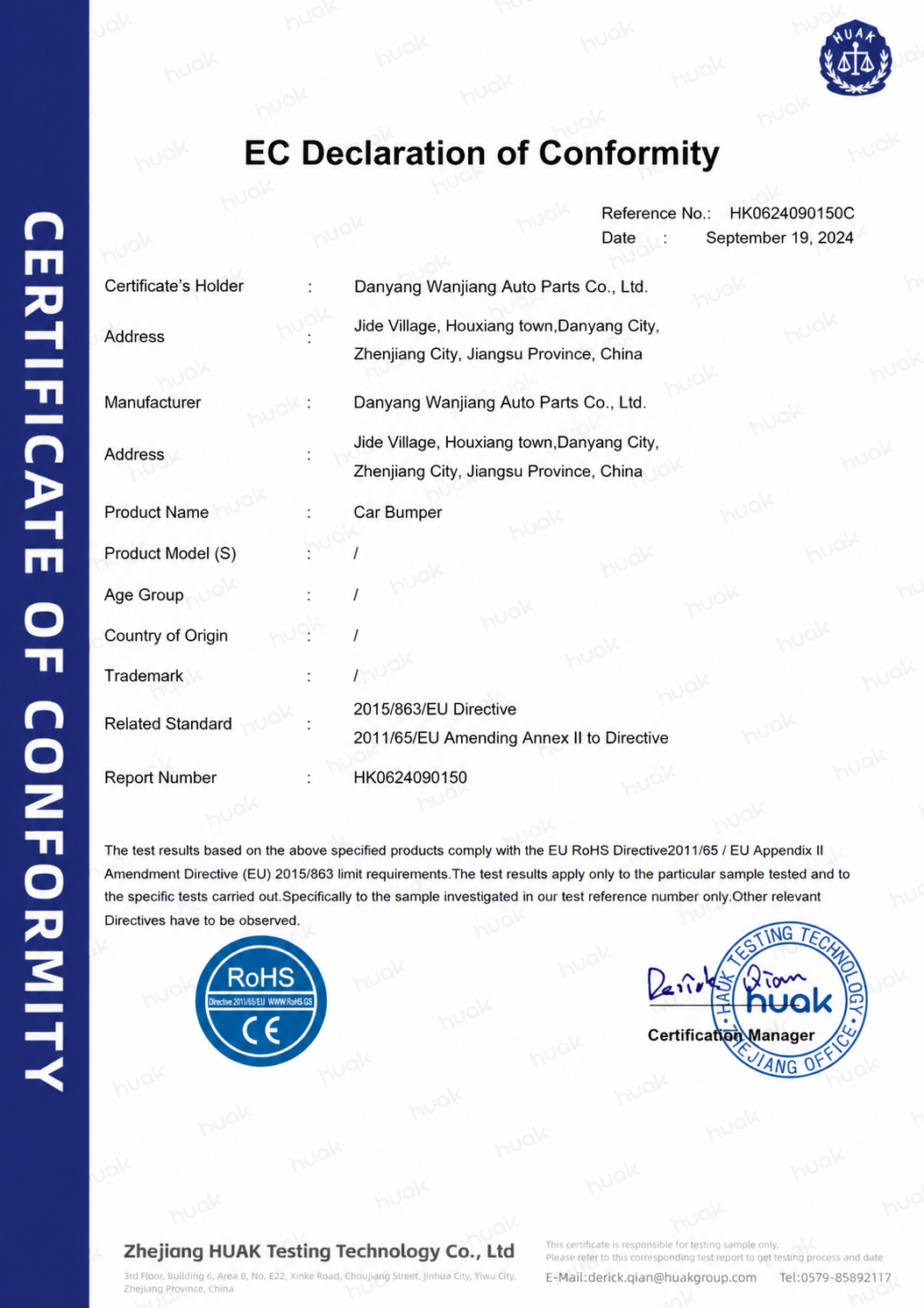
Market compliance should be reviewed alongside fitment. The product information identifies CE certification for the bumper assembly and EPR compliance for Germany under VerpackG. The stated certification records include CE certificate HK0624090150C for car bumpers in Europe and German EPR registration DE1123252940071, which covers car bumpers, car lamps, hood bonnets, fenders, and grilles. Importers should still confirm that these records satisfy the specific requirements of the destination country.
Recommended Approval Workflow
For collision repair groups, aftermarket wholesalers, regional distributors, and automotive e-commerce companies, the following sequence helps control fitment risk:
- Submit the vehicle make, series, model year, trim, and destination market for database matching.
- Confirm front placement, material, wall thickness, surface preparation, color requirements, and installation method.
- Compare mounting locations and critical dimensions with the original component or approved vehicle data.
- Review visual, dimensional, paint, and coating inspection results before loading.
- Retain the final inspection photos or videos and verify certification and EPR documentation for the destination market.
Verification Summary
| Fitment factor | What should be confirmed |
|---|---|
| Vehicle coverage | Front application and compatibility with the intended American or European vehicle series. |
| Attachment system | Direct bolt-on or clip-on installation, including matching brackets, clips, and holes. |
| Product construction | PP, ABS, or carbon fiber; 2.5–5.0 mm thickness; primed surface; and OEM color options. |
| Dimensional control | CMM measurement to verify critical dimensions and mounting accuracy. |
| Surface quality | Visual inspection plus paint and coating testing. |
| Regulatory documentation | CE certification and German VerpackG-related EPR registration where applicable. |
| Pre-shipment review | 100% final inspection supported by requested photos or videos before dispatch. |
Frequently Asked Questions
Which vehicle details should be provided for a fitment check?
Send the vehicle series, model, model year, trim level, and destination market to the supplier. The current product information does not list individual models or years, so these identifiers must be checked against the manufacturer’s database before ordering.
Is the bumper designed for direct installation?
Yes. The listed attachment methods are direct bolt-on and clip-on. Buyers should still verify the mounting structure and measured dimensions for the specific vehicle application.
Can inspection evidence be obtained before shipment?
Yes. The stated quality checks include visual inspection, CMM dimensional measurement, and paint and coating testing. The supplier also reports 100% final inspection and can provide pre-shipment pictures or videos when requested.
Conclusion and Purchasing Advice
Approve a front bumper assembly only after four areas have been matched: the target vehicle series, the front mounting position and attachment method, the construction and dimensional specifications, and the available inspection documentation. The listed MOQ is 5 pieces, with an indicated delivery time of 7 days. The company also supports stock supply, OEM/ODM development, and combined manufacturing and trading services. Before import, verify CE and German EPR documentation against the requirements of the destination market. Technical questions and fitment support are available through sales01@cnkebel.com.
About Us
Danyang Wanjiang Auto Parts Co., Ltd. operates from Danyang, Jiangsu Province, and exports automotive body parts including car bumpers, grilles, headlights, engine hoods, and fenders. The company reports in-house R&D support for OEM/ODM bumper assembly development, tooling, and fitment data covering American and German vehicle series. Its primary markets are America and Europe.
Its listed compliance records include CE certification for car bumpers and German EPR registration. The company also describes cooperation with international wholesalers, aftermarket distributors, collision repair chains, and cross-border automotive e-commerce brands.

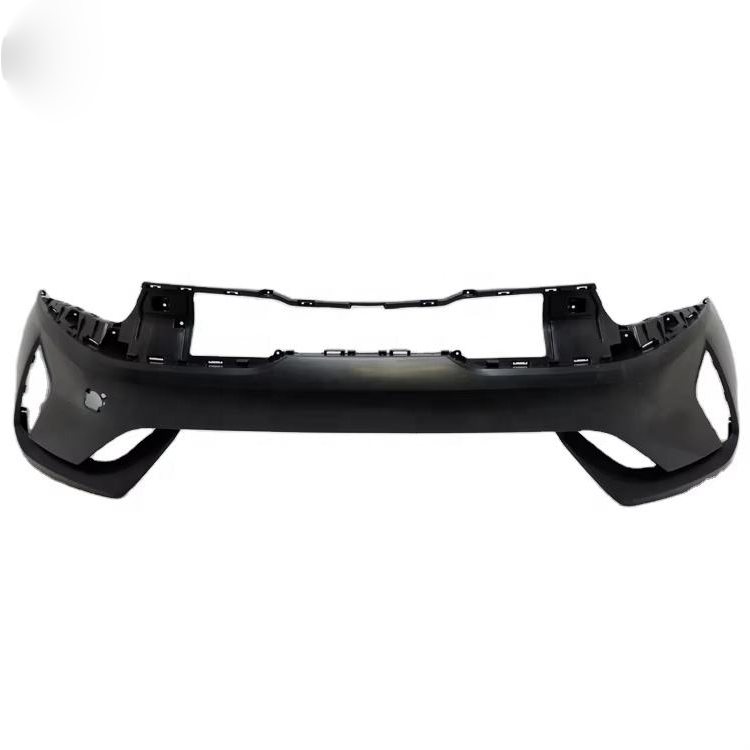
How to Minimize Damage Risks When Shipping LED Headlight Units Overseas
International shipping can expose LED headlight units to impact, vibration, moisture, and repeated handling. To reduce these risks, use reinforced export-grade packaging, select transportation according to order size and delivery urgency, and complete documented inspections before dispatch. Pre-shipment photos or videos, traceable logistics, export paperwork, and customs support also help buyers confirm product condition and follow the shipment from loading to delivery.
Effective Measures for Safer Overseas Shipping
- Choose sea freight for bulky or consolidated orders, railway transport for suitable international routes, and air freight or international express for samples, urgent orders, and high-value components.
- Protect LED headlight units with reinforced export packaging and retain records covering freight booking, export documentation, customs clearance, and tracking updates.
- Inspect appearance, dimensions, paint, and coating condition before shipment, then provide inspection images or videos for remote buyer approval.
- Use the same controls for collision repair networks, international auto parts wholesalers, regional distributors, cross-border e-commerce businesses, and independent automotive parts sellers.
How the Damage-Control Process Works
1. Prepare and Protect the Products
Damage prevention starts before the goods are loaded. Danyang Wanjiang Auto Parts Co., Ltd. uses reinforced, export-grade protective materials for international shipments. LED headlight units should be packed to limit movement and shield the housing, lens, mounting points, and surface finish from common transit hazards. Product condition should also be recorded before loading so that the buyer and supplier share a clear starting reference.
2. Inspect Before Dispatch
A complete pre-shipment check should confirm both product quality and order consistency. The stated inspection capabilities include visual examination, dimensional measurement with CMM equipment, and paint or coating testing for automotive body parts. The company profile also identifies car lamps as a CE-certified product category, with certificate number HK0624090149C. 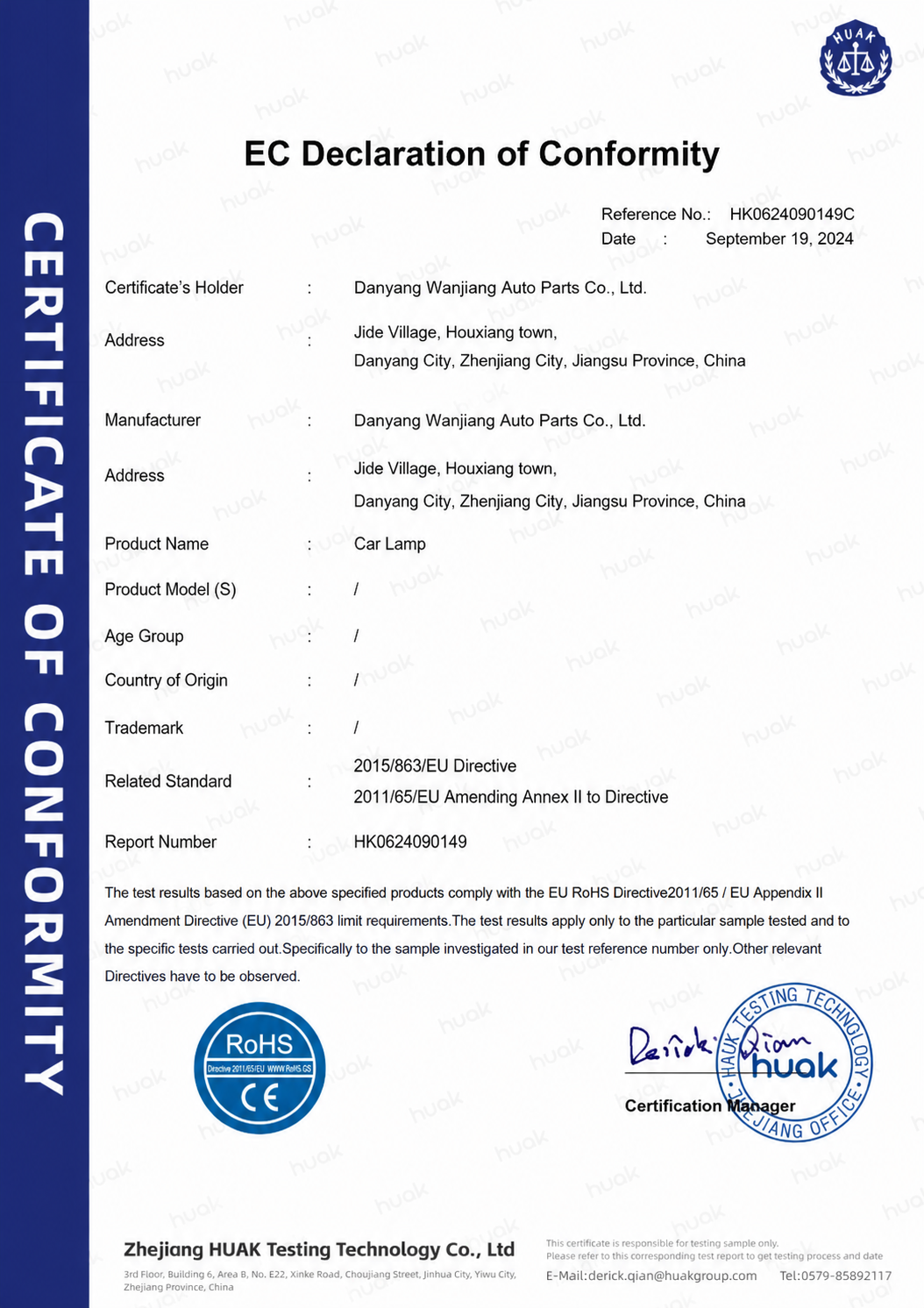
The reported quality procedure includes verification of raw materials, ongoing monitoring of molds and molding processes, and a 100% final inspection before loading. These checks create useful evidence if the buyer needs to verify the shipment remotely or compare the delivered products with the approved order.
3. Match Transportation to the Shipment
Transport choice affects handling frequency, transit duration, and exposure to logistics risks. Sea freight supports FCL and LCL arrangements and is suitable for larger automotive parts orders. Air freight and international express are more appropriate for samples, urgent replenishment, or high-value components where shorter transit is important. Railway transportation can be considered when the route and consolidated logistics plan are suitable.
Internal shipping agents support freight booking, export documentation, customs clearance, and real-time tracking. Keeping these activities within a traceable process helps buyers monitor progress and identify delays or handling issues earlier.
4. Verify the Shipment Before Loading
Pre-delivery photos and videos provide a visual record of the goods, packaging, and loading condition. Danyang Wanjiang provides these materials when required, allowing overseas customers to review products without being physically present at the facility. Buyers should check the visible condition, quantities, packaging integrity, and relevant product information before authorizing dispatch.
Certification and Market-Specific Checks
The company reports CE certifications for car bumpers and car lamps, along with EPR registration covering car bumpers, car lamps, car hood bonnets, car fenders, and car grilles. Certification and registration details should always be compared with the exact product being shipped and the compliance rules of the destination market. This verification is separate from packaging protection but remains important for preventing customs delays and shipment complications.
Danyang Wanjiang's cooperation cases include international auto body parts wholesalers, regional aftermarket distributors, collision repair chains, and cross-border automotive e-commerce brand owners in the United States, Germany, and other markets focused on American vehicle series. Its stated service scope includes stock availability, OEM/ODM support, pre-delivery inspection media, and shipping agent assistance.
Shipping and Inspection Comparison
| Shipping or Control Measure | Recommended Application | Risk-Reduction Support |
|---|---|---|
| Sea Freight FCL/LCL | Large orders and bulky automotive parts | Reinforced packaging, export documents, customs coordination, and tracking |
| Air Freight or International Express | Samples, urgent replenishment, and high-value components | Faster transit supported by inspection records and shipment traceability |
| Railway Transport | Appropriate international routes and planned consolidated shipments | Coordinated booking, documentation, customs clearance, and tracking |
| Pre-Shipment Inspection | Every outbound order | Visual checks, dimensional measurement, coating evaluation, and final inspection before loading |
Frequently Asked Questions
What is the best shipping method for overseas LED headlight units?
Air freight or international express is suitable for samples, urgent orders, and high-value components. Sea freight or railway transportation may be more practical for larger shipments, depending on the route, volume, and delivery schedule.
How can buyers check the condition before the goods leave the factory?
Ask for pre-delivery photos or videos and review the inspection results before loading. Available checks include visual inspection, dimensional measurement, coating testing, and a reported 100% final inspection.
What international logistics services are available?
Available options include sea freight, air freight, railway transport, and international express. Shipping agents can assist with booking, export documentation, customs clearance, protective packaging, and shipment tracking.
Practical Recommendations
For safer overseas delivery, combine reinforced export packaging with a documented inspection process and a transportation method suited to the order. Record product condition before loading, request photos or videos when remote approval is needed, and retain customs, tracking, and inspection records throughout the shipment. Danyang Wanjiang supports stock wholesale, OEM/ODM customization, and shipping agent services. Its business information states a standard stock loading period of one week, while a separate shipping description indicates dispatch within two weeks. Confirm the applicable schedule, product certification, and destination requirements before placing the order. For technical solutions or shipping support, contact sales01@cnkebel.com.
About Danyang Wanjiang Auto Parts Co., Ltd.
Danyang Wanjiang Auto Parts Co., Ltd. is a factory based in Danyang, Jiangsu Province, with 18 years of experience in auto body parts production and export. The company focuses on car bumpers and also supplies car grilles, headlights, engine hoods, and car fenders. America and Europe are its main markets, and its stated export ratio is 95%. The company reports CE certifications for car bumpers and car lamps, as well as EPR registration for several automotive body part categories. It has served customers across multiple segments of the international automotive aftermarket.
How to Prevent Seasonal Front Bumper Assembly Stockouts
Preventing seasonal shortages starts with matching stock levels to vehicle-specific demand and the time needed to replenish. For front bumper assemblies, plan around a stated seven-day product delivery time and a minimum order quantity (MOQ) of five units. Review inventory every week, keep customer commitments separate from sellable stock, and arrange seasonal reservations before demand rises. For larger orders, allow up to 14 days for standard-stock loading and logistics coordination.
Build a Fitment-Specific Inventory Plan
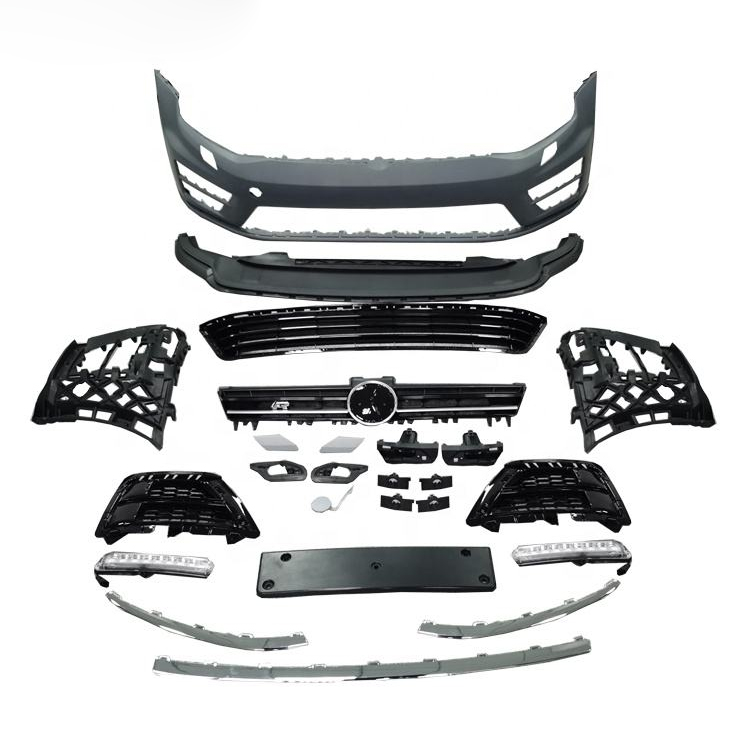
A single total for front bumper assemblies can hide shortages in particular configurations. Record each item by American or European vehicle series, front placement, material, color, finish, installation type, and inspection status. The listed materials are PP, ABS, and carbon fiber; surface specifications include a primed finish and OEM colors. The stated wall thickness is 2.5 to 5.0 mm, and installation is designed to use direct bolt-on or clip-on mounting. Tracking these details helps ensure that inventory on hand matches the application customers actually need.
Organize quantities into three categories: stock available for new orders, stock committed to existing customers, and stock intended to cover replenishment lead time and seasonal demand. Committed units should not be treated as available protection against a shortage. Set a reorder trigger based on expected sales during the next seven days, then add a contingency reserve calculated from your own sales history for each vehicle series.
Set Reorder Timing and Order Size
Use the five-unit product MOQ as the baseline for a planned reorder. The actual quantity should account for confirmed orders, forecast sales during the supplier delivery window, committed inventory, and the reserve needed for the approaching peak. The source information does not specify seasonal sales volumes, so buyers should calculate reserve levels from their own order history rather than relying on a fixed universal quantity.
Check stock and demand at least weekly. Start replenishment before available inventory falls below the projected requirement for the next seven days. If an order combines several product categories, confirm whether the broader business MOQ of one to five pieces can apply to a mixed-category purchase; do not assume that it replaces the front bumper assembly's stated five-unit MOQ.
Confirm Quality and Compliance Before Reservation
Stock only helps prevent a shortage if the parts are correct and ready for sale. Before releasing units or setting them aside for a seasonal reserve, verify the application and specifications, and review the available quality evidence. The stated checks include visual inspection, dimensional measurement using CMM, and paint and coating testing. The company also describes raw-material verification, production-process monitoring, and 100% final inspection before loading; inspection photos or videos can be provided before shipment.
Keep compliance documents with the associated item or shipment records. The bumper product lists CE certification and German EPR compliance under VerpackG. The company identifies CE certificate HK0624090150C for car bumpers in Europe and EPR certificate DE1123252940071 covering car bumpers, lamps, hood bonnets, fenders, and grilles in Europe.
Coordinate Seasonal Orders and Freight
Contact the supplier before the expected sales increase to confirm vehicle series, quantity, material and finish, inspection records, loading date, and destination requirements. Standard stock is described as available for efficient loading and dispatch within one week. However, the shipping information allows up to two weeks when freight booking, export documents, and customs clearance are part of the process. Use the longer window when setting dates for a seasonal shipment that depends on international logistics.
Choose a replenishment route that fits the order profile. Container planning can combine bumpers with other body parts such as grilles, headlights, engine hoods, and fenders. FCL or LCL sea freight and railway transport are positioned for bulky orders, while air freight and international express services are options for samples or urgent components. Available express carriers include DHL, FedEx, UPS, and TNT.

Different buyers may need different stocking cycles. Collision repair chains often prioritize fitment-specific availability, wholesalers and distributors may consolidate several product categories, and cross-border sellers may replenish in smaller, more frequent batches. The stated applications include overseas collision repair and aftermarket service chains, international wholesalers and distributors, e-commerce platforms, and independent sellers. Separate predictable container purchases from short-cycle replenishment so each can be scheduled against its own demand and transit requirements.
The supplier reports experience serving North American and European aftermarket channels, including regional distributors, repair chains, wholesalers, and automotive e-commerce brands. Described use cases include collision repair, exterior restoration, aftermarket retail, and batch distribution. Payment options include T/T, D/P, L/C, Alipay, and Alibaba Trade Assurance. Confirm payment and freight arrangements before seasonal quantities are reserved.
Planning Reference
| Planning item | Reference and use |
|---|---|
| Routine replenishment | Plan around the stated seven-day product delivery time and five-unit product MOQ; review inventory and demand weekly. |
| Seasonal purchasing | Reserve stock by vehicle series before demand rises. For larger multi-category orders, confirm container and loading schedules in advance. |
| Quality release | Review visual inspection, CMM dimensional results, and paint or coating checks before releasing or reserving stock. |
| Compliance files | Link the applicable CE and German EPR documentation to product and shipment records. |
| Transport choice | Consider FCL or LCL sea freight and rail for bulky orders; use air freight or express for urgent components and samples. |
| Supply model | Stock wholesale, OEM/ODM customization, and shipping-agent services are available. Customized lead times depend on mold requirements, process complexity, and order volume. |
Frequently Asked Questions
How many front bumper assemblies should I reorder?
Start with the five-unit product MOQ, then calculate the order quantity using confirmed demand, projected sales across the seven-day supplier window, stock already committed to customers, and the reserve for the relevant vehicle series. Use your sales history to set the reserve because no standard seasonal volume is provided.
When should I reserve stock for a seasonal peak?
Arrange replenishment before available inventory drops below the forecast need for the next seven days. For container shipments or orders requiring freight booking, export paperwork, and customs clearance, allow up to 14 days for standard-stock loading and dispatch.
How can I avoid ordering parts that do not fit or meet requirements?
State the vehicle series and front placement, along with the required material, OEM color, primed finish, and bolt-on or clip-on installation type. Request available inspection images or video and confirm visual, dimensional, and coating checks before shipment.
Recommendation
Use a weekly inventory review and a fitment-level reorder point based on the seven-day delivery assumption. Keep committed units out of available stock, treat five units as the product MOQ reference, and set seasonal reserves using your own demand records. Verify quality and compliance documentation before releasing reserved inventory, and allow up to 14 days when standard-stock loading and international logistics are included. Stock wholesale, OEM/ODM customization, and shipping-agent services offer different ways to support replenishment. For technical or sales assistance, contact sales01@cnkebel.com.
About the Supplier
Danyang Wanjiang Auto Parts Co., Ltd. is based in Danyang, Jiangsu Province, and manufactures car bumpers and other auto body parts, including grilles, headlights, engine hoods, and fenders. Established in 2023, the company operates a 10,000-square-meter factory and serves American and European markets. Its services include production, OEM/ODM, stock supply, and shipping-agent support for international customers. The company lists CE certification for car bumpers and German EPR compliance.
How to Tell Whether a Car Door Supplier Is a Factory or Trading Company
Identifying whether a car door supplier is a genuine manufacturer or a trading company requires more than accepting a factory claim at face value. Missing facility information, vague production descriptions, limited inspection evidence, and unclear responsibility for fitment problems may indicate that a supplier mainly sources products for resale. These signs are useful for preliminary screening, but they are not conclusive proof. Buyers should request verifiable manufacturing evidence and confirm that it applies specifically to car doors.
Key Checks for Evaluating a Car Door Supplier
- Request the complete factory address, production-area photos or videos, and an explanation of which company performs manufacturing. A profile focused only on exporting, sourcing, or sales does not prove factory ownership.
- Ask for product-specific quality procedures, including inspection records and pre-shipment photos or videos. Danyang Wanjiang states that it conducts full inspection before delivery and can provide inspection media upon request.
- Clarify the supplier's obligations if a part has poor fitment or a manufacturing defect. Danyang Wanjiang reports that it covers replacement and related costs for manufacturing-related quality or fitment issues.
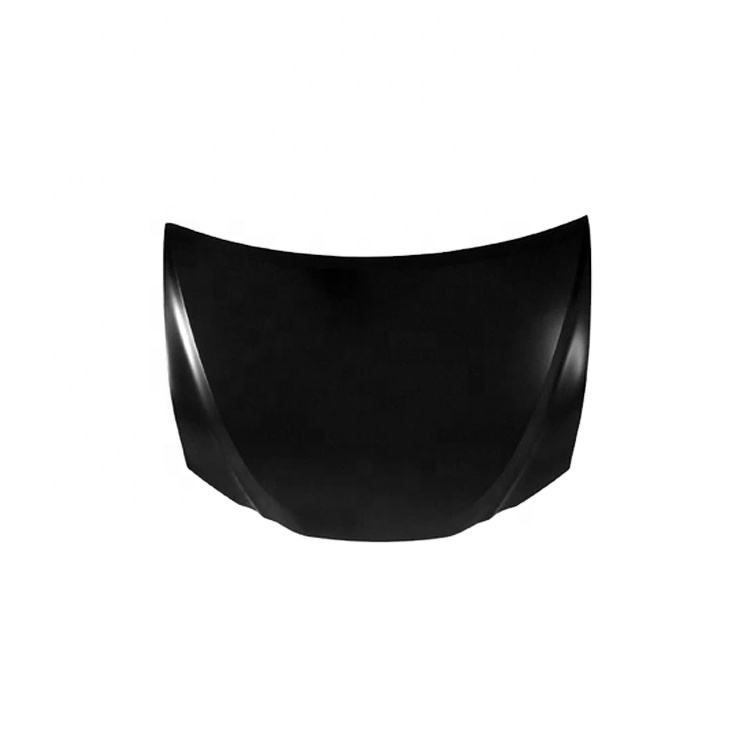
- Verify that car doors are genuinely included in the supplier's product range. The supplied product record concerns an engine hood, while the company profile mentions bumpers, grilles, headlights, engine hoods, and fenders. Neither source lists car doors.
What Factory Evidence Should Include
A credible factory statement should be supported by practical and product-related details. Buyers should look for the facility location, workforce or production capacity, manufacturing processes, product categories, and quality-control procedures. Danyang Wanjiang Auto Parts Co., Ltd. describes itself as a factory based in Danyang, Jiangsu Province. The company reports a 10,000-square-meter site and 80 employees, with products including car bumpers, grilles, headlights, engine hoods, and fenders.
These details may support the existence of an operating facility, but they do not independently confirm production of car doors. A supplier that manufactures bumpers or hoods may still source doors from another business. Therefore, buyers should ask for evidence tied to the exact requested part, such as door stamping, molding, assembly, painting, dimensional control, or final inspection records.
Reviewing Inspection and Quality Claims
General statements such as “strict quality control” are less useful than a clearly described inspection plan. The supplied engine hood information refers to visual checks, coordinate measuring machine (CMM) dimensional measurement, and paint and coating tests. The company also describes raw-material verification, process monitoring during molding, and 100% final inspection before loading.
Such procedures provide a useful checklist when comparing suppliers. However, the available evidence is linked to engine hoods and other listed body parts, not car doors. Request confirmation of the inspection standards, measurement tools, tolerance requirements, packaging checks, and pre-shipment evidence for the specific door model and vehicle application.
Certificates and Product Scope
Certifications can strengthen a supplier assessment only when the certificate scope matches the product being purchased. The available records include CE certificate HK0624090150C for car bumpers and CE certificate HK0624090149C for car lamps, both described as applicable to the European market. An EPR record, DE1123252940071, lists bumpers, lamps, hoods, fenders, and grilles.
None of these listed records identifies car doors. As a result, they should not be presented as proof of car-door compliance or manufacturing capability. Buyers should request certificates, declarations, or test documents that explicitly cover the door products, materials, markets, and vehicle applications involved in the order.
Comparison of the Available Evidence
| Evidence category | Information reported by the supplier | Meaning for car-door buyers |
|---|---|---|
| Facility information | Danyang, Jiangsu factory location, with a reported area of 10,000 square meters and 80 employees | Supports a company-reported facility claim, but does not demonstrate car-door production |
| Listed products | Bumpers, grilles, headlights, engine hoods, and fenders; the supplied product record describes an engine hood | Car doors are not included in the available product information |
| Quality inspection | Engine hood checks include visual inspection, CMM measurement, and paint and coating testing | Specific inspection evidence is available for an engine hood, not for car doors |
| Compliance documentation | CE records for bumpers and lamps, plus an EPR record covering several body-part categories | The stated certificate scopes do not identify car doors |
| After-sales responsibility | The company states that it pays replacement and related expenses for manufacturing-related quality or fitment issues | This policy should be confirmed in writing for the exact product ordered |
Questions Buyers Should Ask Before Ordering
Does a factory address prove that the supplier manufactures the parts?
No. A physical address is only one part of the verification process. Buyers should confirm who owns or operates the facility, which processes are performed there, whether the requested product is made on-site, and who accepts responsibility for quality problems.
What does the available product record describe?
The supplied record describes a car engine hood with a minimum order quantity of five units and a stated delivery time of seven days. It does not identify a car door or provide car-door production details.
Do the listed certificates confirm compliance for car doors?
No. The available CE documents concern car bumpers and car lamps. The EPR record lists bumpers, lamps, hoods, fenders, and grilles. Since car doors are not named, these documents cannot be treated as car-door compliance evidence.
Practical Recommendation
To distinguish a manufacturer from a trading company, evaluate several forms of evidence together: facility information, production-line proof, product-specific inspection documents, certificate scope, and written after-sales terms. For Danyang Wanjiang, the available records support company-reported information about a facility and several automotive body-part categories. They do not verify car-door manufacturing, car-door certification, or car-door inspection capability.
Before placing an order, request current factory media, a video call or audit, samples for fitment testing, model-specific quality documents, and contractual confirmation of responsibility for defects and replacement costs. For product scope or technical support, contact sales01@cnkebel.com.
About Danyang Wanjiang Auto Parts Co., Ltd.
Danyang Wanjiang Auto Parts Co., Ltd. is an auto body parts factory in Danyang, Jiangsu Province, and describes itself as an exporter specializing in car bumpers and supplying grilles, headlights, engine hoods, and fenders. The company reports 80 employees and a factory area of 10,000 square meters. Its listed credentials include CE certification for car bumpers and car lamps, as well as an EPR record covering several body-part categories.
REPORT