







-
 Agriculture
-
 Health-Care
-
 Environment
-
 Construction-Real-Estate
-
 Tools-Hardware
-
 Home-Garden
-
 Furniture
-
 Luggage-Bags-Cases
-
 Medical-devices-Supplies
-
 Gifts-Crafts
-
 Sports-Entertainment
-
 Food-Beverage
-
 Vehicles-Transportation
-
 Power-Transmission
-
 Material-Handling
-
 Renewable-Energy
-
 Safety
-
 Testing-Instrument-Equipment
-
 Construction-Building-Machinery
-
 Pet-Supplies
-
 Personal-Care-Household-Cleaning
-
 Vehicle-Accessories-Electronics-Tools
-
 School-Office-Supplies
-
 Packaging-Printing
-
 Mother-Kids-Toys
-
 Business-Services
-
 Commercial-Equipment-Machinery
-
 Apparel-Accessories
-
 Security
-
 Shoes-Accessories
-
 Vehicle-Parts-Accessories
-
 Jewelry-Eyewear-Watches-Accessories
-
 Lights-Lighting
-
 Fabric-Textile-Raw-Material
-
 Fabrication-Services
-
 Industrial-Machinery
-
 Consumer-Electronics
-
 Electrical-Equipment-Supplies
-
 Electronic-Components-Accessories-Telecommunications
-
 Home-Appliances
-
 Beauty
-
 Chemicals
-
 Rubber-Plastics
-
 Metals-Alloys


























































































































































































































































































































































































































































































































































































- Masonry Materials
- Curtain Walls & Accessories
- Earthwork Products
- Fireproofing Materials
- Heat Insulation Materials
- Plastic Building Materials
- Building Boards
- Soundproofing Materials
- Timber
- Waterproofing Materials
- Balustrades & Handrails
- Bathroom & Kitchen
- Flooring & Accessories
- Tiles & Accessories
- Door, Window & Accessories
- Fireplaces & Stoves
- Floor Heating Systems & Parts
- Stairs & Stair Parts
- Ceilings
- Elevators & Escalators
- Stone
- Countertops, Vanity Tops & Table Tops
- Mosaics
- Metal Building Materials
- Multifunctional Materials
- Ladders & Scaffoldings
- Mouldings
- Corner Guards
- Decorative Films
- Formwork
- Building & Industrial Glass
- Other Construction & Real Estate
- Wallpapers/Wall panels
- HVAC System & Parts
- Outdoor Facilities
- Prefabricated Buildings
- Festive & Party Supplies
- Bathroom Products
- Household Sundries
- Rain Gear
- Garden Supplies
- Household Cleaning Tools & Accessories
- Lighters & Smoking Accessories
- Home Storage & Organization
- Household Scales
- Smart Home Improvement
- Home Textiles
- Kitchenware
- Drinkware & Accessories
- Dinnerware, Coffee & Wine
- Home Decor
- Golf
- Fitness & Body Building
- Amusement Park Facilities
- Billiards, Board Game,Coin Operated Games
- Musical Instruments
- Outdoor Affordable Luxury Sports
- Camping & Hiking
- Fishing
- Sports Safety&Rehabilitation
- Ball Sports Equipments
- Water Sports
- Winter Sports
- Luxury Travel Equipments
- Sports Shoes, Bags & Accessories
- Cycling
- Other Sports & Entertainment Products
- Artificial Grass&Sports Flooring&Sports Court Equipment
- Scooters
- Food Ingredients
- Honey & Honey Products
- Snacks
- Nuts & Kernels
- Seafood
- Plant & Animal Oil
- Beverages
- Fruit & Vegetable Products
- Frog & Escargot
- Bean Products
- Egg Products
- Dairy Products
- Seasonings & Condiments
- Canned Food
- Instant Food
- Baked Goods
- Other Food & Beverage
- Meat & Poultry
- Confectionery
- Grain Products
- Feminie Care
- Hair Care & Styling
- Body Care
- Hands & Feet Care
- Hygiene Products
- Men's Grooming
- Laundry Cleaning Supplies
- Travel Size & Gift Sets
- Room Deodorizers
- Other Personal Care Products
- Pest Control Products
- Special Household Cleaning
- Floor Cleaning
- Kitchen & Bathroom Cleaning
- Oral Care
- Bath Supplies
- Yellow Pages
- Correction Supplies
- Office Binding Supplies
- Office Cutting Supplies
- Board Erasers
- Office Adhesives & Tapes
- Education Supplies
- Pencil Cases & Bags
- Notebooks & Writing Pads
- File Folder Accessories
- Calendars
- Writing Accessories
- Commercial Office Supplies
- Pencil Sharpeners
- Pens
- Letter Pad/Paper
- Paper Envelopes
- Desk Organizers
- Pencils
- Markers & Highlighters
- Filing Products
- Art Supplies
- Easels
- Badge Holder & Accessories
- Office Paper
- Printer Supplies
- Book Covers
- Other Office & School Supplies
- Stationery Set
- Boards
- Clipboards
- Stamps
- Drafting Supplies
- Stencils
- Electronic Dictionary
- Books
- Map
- Magazines
- Calculators
- Baby & Toddler Toys
- Educational Toys
- Classic Toys
- Dress Up & Pretend Play
- Toy Vehicle
- Stuffed Animals & Plush Toys
- Outdoor Toys & Structures
- Balloons & Accessories
- Baby Food
- Children's Clothing
- Baby Supplies & Products
- Maternity Clothes
- Kids Shoes
- Baby Care
- Novelty & Gag Toys
- Dolls & Accessories
- Puzzle & Games
- Blocks & Model Building Toys
- Toddler Clothing
- Baby Clothing
- Kids' Luggage & Bags
- Arts, Crafts & DIY Toys
- Action & Toy Figures
- Baby Appliances
- Hobbies & Models
- Remote Control Toys
- Promotional Toys
- Pregnancy & Maternity
- Hygiene Products
- Kid's Textile&Bedding
- Novelty & Special Use
- Toy Weapons
- Baby Gifts
- Baby Storage & Organization
- Auto Drive Systems
- ATV/UTV Parts & Accessories
- Marine Parts & Accessories
- Other Auto Parts
- Trailer Parts & Accessories
- Auto Transmission Systems
- Train Parts & Accessories
- Universal Parts
- Railway Parts & Accessories
- Auto Brake Systems
- Aviation Parts & Accessories
- Truck Parts & Accessories
- Auto Suspension Systems
- Auto Lighting Systems
- New Energy Vehicle Parts & Accessories
- Auto Steering Systems
- Wheels, Tires & Accessories
- Bus Parts & Accessories
- Auto Performance Parts
- Cooling System
- Go-Kart & Kart Racer Parts & Accessories
- Air Conditioning Systems
- Heavy Duty Vehicle Parts & Accessories
- Auto Electrical Systems
- Auto Body Systems
- Auto Engine Systems
- Container Parts & Accessories
- Motorcycle Parts & Accessories
- Refrigeration & Heat Exchange Equipment
- Machine Tool Equipment
- Food & Beverage Machinery
- Agricultural Machinery & Equipment
- Apparel & Textile Machinery
- Chemical Machinery
- Packaging Machines
- Paper Production Machinery
- Plastic & Rubber Processing Machinery
- Industrial Robots
- Electronic Products Machinery
- Metal & Metallurgy Machinery
- Woodworking Machinery
- Home Product Manufacturing Machinery
- Machinery Accessories
- Environmental Machinery
- Machinery Service
- Electrical Equipment Manufacturing Machinery
- Industrial Compressors & Parts
- Tobacco & Cigarette Machinery
- Production Line
- Used Industrial Machinery
- Electronics Production Machinery
- Other Machinery & Industrial Equipment
- Camera, Photo & Accessories
- Portable Audio, Video & Accessories
- Television, Home Audio, Video & Accessories
- Video Games & Accessories
- Mobile Phone & Accessories
- Electronic Publications
- Earphone & Headphone & Accessories
- Speakers & Accessories
- Smart Electronics
- TV Receivers & Accessories
- Mobile Phone & Computer Repair Parts
- Chargers, Batteries & Power Supplies
- Used Electronics
- VR, AR, MR Hardware & Software
- Projectors & Presentation Equipments
- Other Consumer Electronics
- Cables & Commonly Used Accessories
- Computer Hardware & Software
- Displays, Signage and Optoelectronics
- Discrete Semiconductors
- Wireless & IoT Module and Products
- Telecommunications
- Connectors, Terminals & Accessories
- Development Boards, Electronic Modules and Kits
- Circuit Protection
- Sensors
- Isolators
- Audio Components and Products
- Integrated Circuits
- Power Supplies
- Relays
- RF, Microwave and RFID
- Electronic Accessories & Supplies
- Passive Components
- PCB & PCBA
- Air Quality Appliances
- Home Appliance Parts
- Heating & Cooling Appliances
- Small Kitchen Appliances
- Laundry Appliances
- Water Heaters
- Water Treatment Appliances
- Refrigerators & Freezers
- Personal Care & Beauty Appliances
- Major Kitchen Appliances
- Cleaning Appliances
- Second-hand Appliances
- Smart Home Appliances
- Other Home Appliances
- Energy Chemicals
- Inorganic Chemicals
- Basic Organic Chemicals
- Agrochemicals
- Admixture & Additives
- Catalysts & Chemical Auxiliary Agents
- Pigments & Dyestuff
- Coating & Paint
- Daily Chemicals
- Polymer
- Organic Intermediate
- Adhesives & Sealants
- Chemical Waste
- Biological Chemical Products
- Surface Treatment Chemicals
- Painting & Coating
- Chemical Reagents
- Flavor & Fragrance
- Non-Explosive Demolition Agents
- Other Chemicals
- Custom Chemical Services

Fluid & Chemicals
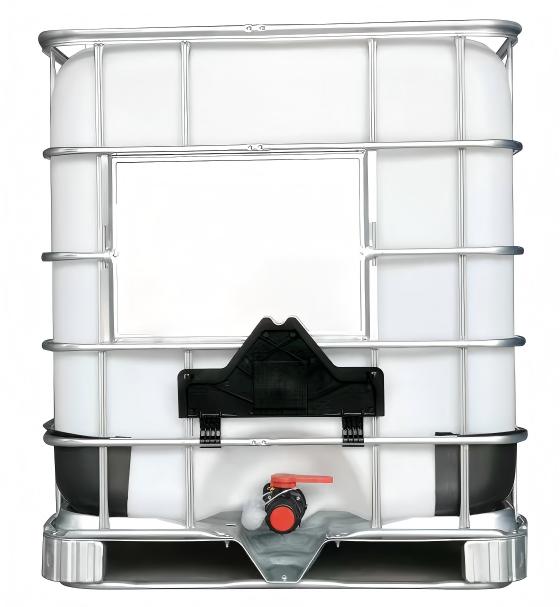
Can Waterborne Epoxy Coatings Resist Alkaline Cleaners and Repeated Impact?
A waterborne epoxy coating may be suitable for alkaline cleaning and recurring impact, but these properties must be confirmed through testing of the complete coating system. The available information for OS-9547 applies to a water-reducible aliphatic polyisocyanate crosslinker intended for waterborne two-component polyurethane coatings. It should not be used as direct performance evidence for waterborne epoxy resin.
Performance Scope of OS-9547
OS-9547 is formulated to support water-based coating and adhesive systems by improving water resistance, chemical resistance, abrasion resistance, adhesion, and overall mechanical performance. However, its documented application area is waterborne two-component polyurethane rather than waterborne epoxy.
- Claims for OS-9547 should remain within the polyurethane systems for which the product is specified.
- The product's chemical-resistance benefits may be relevant where coatings encounter cleaning agents, but the actual cleaner and exposure conditions must be defined.
- Improved adhesion, abrasion resistance, and mechanical properties may help coatings tolerate repeated contact, although they do not replace an impact-resistance test.
- Low viscosity and water dispersibility allow practical incorporation by hand mixing in suitable water-based formulations.
Why Formulation Validation Is Essential
Resistance to alkaline cleaners
Alkaline-cleaner durability is determined by the finished formulation, including the binder, crosslinker, pigments, additives, film thickness, curing conditions, and substrate. Resin type alone cannot establish chemical resistance. The supplied OS-9547 information indicates improved chemical and water resistance in the resulting waterborne polyurethane film, but it does not demonstrate how a waterborne epoxy formulation will perform against a particular alkaline cleaner.
Resistance to repeated impact
Repeated impact involves more than surface hardness. Adhesion, flexibility, toughness, abrasion resistance, curing quality, and substrate preparation all affect the result. OS-9547 is described as contributing to adhesion and mechanical properties, which may be useful for demanding coating environments. Nevertheless, no impact energy, number of cycles, temperature, cleaner exposure, or standardized repeated-impact result is provided.
Processing and Appearance Considerations
OS-9547 is described as a low-viscosity, water-dispersible crosslinker with low odor and no intentionally added organic tin. For the stated waterborne two-component polyurethane floor-paint application, solvent pre-dilution is not required. Its VOC-free positioning may also support projects with stricter odor and emission objectives, although final compliance depends on the complete coating and the applicable test method.
Appearance must be considered together with durability. The supplied information indicates that the selected resin can affect gloss and transparency. A second-level dispersive hydroxyl resin may produce a medium- or high-gloss film, while blending it with an emulsion resin can lower gloss while preserving transparency. These differences show why resin, crosslinker, and additive compatibility should be evaluated as one system.
Potential Application Environments
Related waterborne coating requirements may arise in rail transit, engineering machinery, steel structures, hardware and appliances, automotive components, hard flooring, plastic flooring, wooden furniture, automotive interiors, toys, textiles, printing leather, inks, and adhesives. Such applications can involve cleaning, abrasion, handling, or mechanical contact, but each use still requires a formulation-specific qualification program.
Evidence and Validation Checklist
| Requirement | What the supplied information indicates | Required confirmation |
|---|---|---|
| Alkaline-cleaner exposure | OS-9547 is associated with improved chemical resistance in waterborne polyurethane films | Testing on the intended waterborne epoxy system with a specified cleaner, concentration, temperature, and exposure time |
| Repeated impact | Improved adhesion, abrasion resistance, and mechanical properties are described | A defined repeated-impact or impact-resistance test using the actual coating build and substrate |
| Water resistance | Improved water resistance is identified for the relevant polyurethane coating system | Immersion, humidity, or water-contact testing under the intended service conditions |
| Formulation compatibility | Low viscosity and good dispersibility support water-based processing | Compatibility, mixing ratio, pot life, cure profile, and film performance with the selected epoxy resin |
| Emission requirements | Low odor and VOC-free positioning are stated for the product description | Verification of emissions and regulatory compliance for the complete formulated coating |
Frequently Asked Questions
Can OS-9547 prove that waterborne epoxy resin resists alkaline cleaners?
No. The product is specified for waterborne two-component polyurethane coatings. Its reported chemical-resistance contribution cannot be transferred automatically to a waterborne epoxy system.
Does the product guarantee resistance to repeated impact?
No guarantee can be established from the available data. The stated improvements in mechanical properties, adhesion, and abrasion resistance are relevant indicators, but repeated-impact performance requires testing under the intended service conditions.
What should be tested before commercial use?
Test the complete coating on the actual substrate after the intended curing process. Include alkaline-cleaner exposure, water contact, abrasion, adhesion, and repeated-impact evaluation, using defined concentrations, temperatures, dwell times, and cycle counts.
Conclusion and Technical Support
OS-9547 is presented as a water-reducible aliphatic polyisocyanate crosslinker for waterborne two-component polyurethane coatings. Within that application, it may help improve chemical and water resistance, abrasion resistance, adhesion, and mechanical properties. The available product information does not confirm that a waterborne epoxy resin will withstand alkaline cleaners and repeated impact. A complete formulation trial and application-specific testing are therefore necessary before making a performance claim.
Guangzhou Guanzhi New Material Technology Co., Ltd. provides research, manufacturing, sales, and technical services for water-based resins, crosslinkers, additives, and bio-based special polyols. The company reports R&D and application centers in Guangzhou and Shanghai, more than 50 invention patents, and a team that includes doctors and masters from institutions such as Nankai University, Fudan University, and South China University of Technology. Its reported certifications include a Quality Management System Certificate for environmentally friendly water-based polyurethane coating materials and additives, as well as an Intellectual Property Compliance Management System Certification. Cooperation cases include PPG and Nippon Paint in China. The stated minimum order quantity is 900 KG, with delivery in 7-10 DAYS. For formulation advice, contact sophia@guanzhihg.com.
About Guangzhou Guanzhi
Guangzhou Guanzhi New Material Technology Co., Ltd. was founded in 2014 as a high-tech enterprise integrating R&D, production, sales, and technical support. Its product activities cover water-based resins, water-based crosslinkers, water-based additives, and bio-based special polyols. The company reports more than 50 invention patents, R&D and application centers in Guangzhou and Shanghai, quality and intellectual property management certifications, and coating cooperation cases with PPG and Nippon Paint.

How to Request the Right Crosslinker Reactivity for a Custom Coating Formula
How to Frame the Request Clearly
When requesting a custom crosslinker, begin by explaining the complete coating system rather than quoting a reactivity value without context. Identify the resin, coating type, intended substrate, application layer, and performance targets. The available information for PA-4816 describes a water-based hydroxyl-functional acrylic emulsion, not a crosslinker, so its product description cannot be used to determine crosslinker reactivity.
Ask the supplier to review the proposed formulation and confirm whether the recommended crosslinker is compatible. Request product-specific technical data, mixing guidance, and any information available about reaction behavior under your processing and curing conditions.
Key Information to Include
- Clearly identify PA-4816 as a water-based hydroxyl acrylic emulsion rather than the crosslinking component.
- Explain that the intended system is a two-component water-based wood coating.
- State whether the resin will be used in a primer for tannic-acid and grease sealing or in a topcoat requiring hardness, chemical resistance, and decorative performance.
- Describe the substrate, application method, curing conditions, and other performance expectations.
- Ask the supplier to confirm crosslinker compatibility, recommended use level, and product-specific reactivity information.
Understanding the Available Product Data
PA-4816 is presented as a hydroxyl-functional acrylic emulsion for water-based, two-component wood coatings. The stated application guidance covers primer use, where the coating may help seal tannic acid and grease, as well as topcoat use, where chemical resistance, surface hardness, and decorative appearance are important.
These resin characteristics do not indicate how a crosslinker will react. The supplied information does not list reaction speed, pot life, curing temperature, recommended equivalent ratio, or a numerical reactivity rating. Those values should therefore be requested directly from the supplier instead of being inferred from the acrylic resin description.
Recommended Supplier Inquiry
A clear request could state that you are evaluating a crosslinker for a two-component water-based wood coating based on hydroxyl-functional acrylic resin PA-4816. Add whether the material is intended for a primer or topcoat, identify the wood or other substrate, and outline the required balance of sealing, hardness, chemical resistance, appearance, and cure performance.
Then ask the supplier to recommend a compatible crosslinker and confirm its expected reactivity in the proposed formulation. Guangzhou Guanzhi lists technical assistance and reference formulations, so request guidance based on the actual resin, coating layer, and application conditions rather than relying on a generic recommendation.
Information Comparison
| Topic | Information currently available | Supplier confirmation needed |
|---|---|---|
| Material identity | PA-4816 is a water-based hydroxyl acrylic emulsion. | Whether the proposed material is a compatible crosslinker for this resin. |
| Application | The product is described for two-component wood coatings, including primer and topcoat use. | Suitability for the selected coating layer, substrate, and application process. |
| Reactivity | No crosslinker-reactivity figures or curing parameters are supplied. | Reaction behavior, formulation limits, and relevant technical recommendations. |
| Technical assistance | Technical support and reference formulas are listed. | Required test data and the formulation details needed for a product recommendation. |
Frequently Asked Questions
Does the PA-4816 description provide a crosslinker-reactivity value?
No. The description concerns a hydroxyl-functional acrylic emulsion and does not report the reactivity of a crosslinking agent.
What details should accompany a custom crosslinker request?
Name the resin, identify the system as a two-component water-based wood coating, specify primer or topcoat use, describe the substrate and curing conditions, and list the performance requirements. Ask the supplier to verify compatibility and provide product-specific reactivity guidance.
Can Guangzhou Guanzhi help develop the formulation?
The company information states that technical support and reference formulas are available. Any request should be tailored to the selected resin, coating role, and application conditions instead of assuming that a general formula applies.
Conclusion
The most reliable way to discuss custom crosslinker reactivity is to separate the resin specification from the crosslinker request. Identify PA-4816 as the hydroxyl acrylic resin, describe the two-component water-based wood-coating application, explain whether it is intended for primer or topcoat use, and state the required performance. Finally, ask the supplier to confirm compatibility, reactivity, and formulation parameters using product-specific data.
Guangzhou Guanzhi New Material Technology Co., Ltd. describes its business as combining research and development, manufacturing, direct sales, technical assistance, and formulation references. For technical support, contact sophia@guanzhihg.com.
About Us
Guangzhou Guanzhi New Material Technology Co., Ltd. was established in 2014 and provides water-based resins, crosslinkers, additives, and bio-based special polyols through an integrated research, production, sales, and technical-service operation. The company reports research and application centers in Guangzhou and Shanghai, more than 50 invention patents, and a team of over 10 doctoral researchers. Its listed credentials include a quality management system certificate and an intellectual property compliance management system certificate, along with coating-sector cooperation cases involving PPG and Nippon Paint.
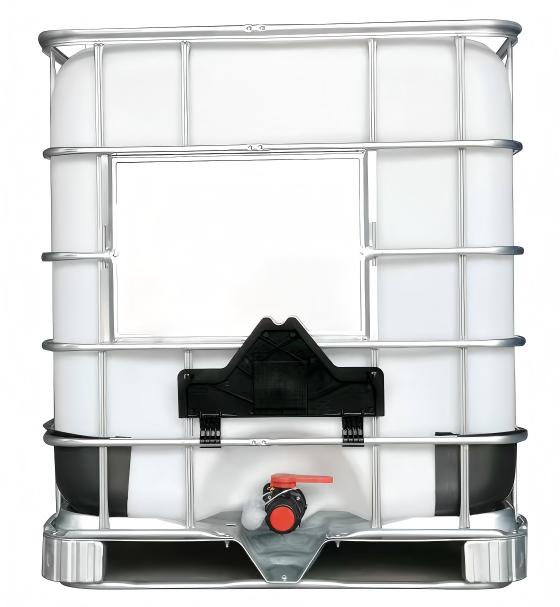
How to Protect a Custom Epoxy Resin Design from Unauthorized Resale
What the Available Information Confirms
The available company and product information does not confirm that Guangzhou Guanzhi provides exclusive ownership or prevents a custom epoxy resin design from being offered to other customers. Although the company lists an intellectual-property management system certification, no project-specific terms address ownership, confidentiality, reproduction, or resale. Any exclusivity arrangement should therefore be confirmed in a written agreement for the exact formulation.
Key Points for Securing a Custom Formulation
- Request written confirmation of who owns the custom formulation and whether the supplier can reproduce, use, or sell it to other parties.
- Do not assume that an intellectual-property management certification grants exclusive rights to a particular epoxy resin design. The certification relates to intellectual-property management within its stated business scope.
- Separate the question of custom-design protection from the general description of EP-1601, which is identified as a single-component waterborne epoxy dispersion for metal anti-corrosion primers.
- The company lists uses in rail transit, engineering machinery, steel structures, hardware and appliances, and automotive components, but the supplied information does not connect these applications with an exclusive customer formulation.
Understanding Ownership, Certification, and Product Scope
Whether a custom epoxy resin design can be kept from being sold elsewhere depends on the contractual rights attached to that specific project. The supplied materials do not explain whether Guangzhou Guanzhi accepts exclusive development arrangements, how intellectual-property ownership is assigned, or whether resale and reuse can be prohibited. These matters must be negotiated and documented directly instead of being inferred from the company’s general qualifications.
EP-1601 is described as a single-component, water-based epoxy dispersion intended especially for water-based metal anti-corrosion primers. Its listed characteristics include rapid drying, high hardness, resistance to salt spray and water, effective pigment wetting and dispersion, and adhesion to different metal substrates. Nothing in the provided product information identifies EP-1601 as a buyer-specific formulation or promises exclusivity.
The company also reports an intellectual-property management system certification covering specified research, development, and sales activities involving waterborne polyurethane coating materials and waterborne coating additives. This scope does not, by itself, prove that a customer owns a custom epoxy formulation or has exclusive rights to it. A quality management system certificate is also listed, but that credential likewise does not define customer-specific resale restrictions.
The knowledge base mentions coating-related cooperation with a global paints and coatings manufacturer and a leading coatings provider in China. However, it gives no details about the ownership, confidentiality, licensing, or resale conditions associated with those collaborations.
Information Comparison
| Topic | Information provided | Information not established |
|---|---|---|
| Ownership of a custom design | No project-specific ownership language is included. | Whether the buyer, supplier, or both parties own the resulting formulation. |
| Resale and reuse limits | No restrictions on reproduction, reuse, or resale are stated. | Whether the supplier may provide the same design to another customer. |
| Intellectual-property certification | A certification is listed for intellectual-property management within specified activities. | Exclusive rights to an individual customer’s custom epoxy resin design. |
| EP-1601 | A single-component waterborne epoxy dispersion for metal anti-corrosion primer applications. | That the product is custom-made, buyer-owned, or exclusively supplied. |
Recommended Contract Terms
Before approving development or placing an order, ask the supplier to define the commercial and legal treatment of the formulation in writing. The agreement should identify the owner of the design, specify whether development work and technical data are included, restrict unauthorized disclosure, and state whether reproduction, use, licensing, or sale to other customers is permitted. It should also explain what happens to samples, test data, improvements, and related technical documents after the project ends.
Frequently Asked Questions
Does the available information guarantee that my custom epoxy design will not be sold to others?
No. The supplied data contains no exclusivity promise or customer-specific restriction preventing the design from being reproduced or sold elsewhere.
Does the intellectual-property management certification give me ownership of the formulation?
Not according to the information provided. The certification concerns the company’s intellectual-property management within its stated scope and does not assign ownership or exclusive rights to a particular customer.
What should I request before starting custom development?
Obtain written terms covering ownership, confidentiality, permitted use, reproduction, licensing, and resale of the exact formulation. The current information does not supply those project-level protections.
Conclusion
The supplied information does not support a claim that a custom epoxy resin design is protected from being sold to other buyers. Guangzhou Guanzhi lists relevant intellectual-property and quality certifications, but their stated scopes do not establish customer-specific ownership or exclusivity. Written contractual confirmation is essential before relying on any promise that a custom formulation will remain exclusive. For technical support, contact sophia@guanzhihg.com.
About Guangzhou Guanzhi
Guangzhou Guanzhi New Material Technology Co., Ltd. was founded in 2014 and combines research and development, manufacturing, sales, and technical services. The company operates research and application centers in Guangzhou and Shanghai and reports holding more than 50 invention patents. Its product portfolio includes water-based resins, water-based crosslinkers, water-based additives, and bio-based specialty polyols.
Its listed credentials include a Quality Management System Certificate and an Intellectual Property Compliance Management System Certification. The company also records coating-related cooperation with a global paints and coatings manufacturer and a leading coatings provider in China.
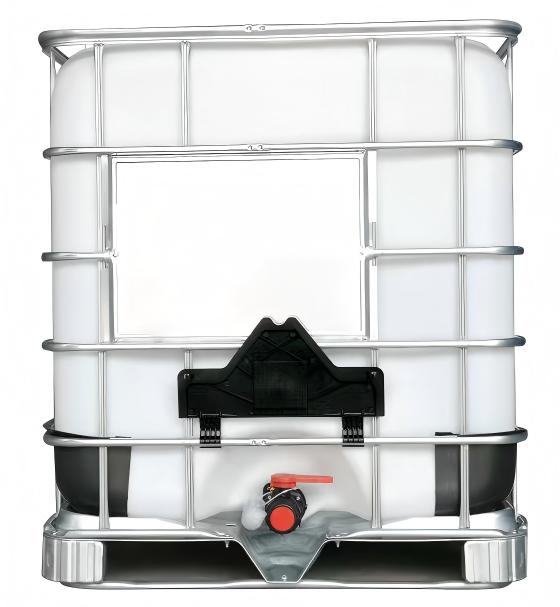
How to Evaluate a Waterborne Acrylic Resin Sample
Evaluating a waterborne acrylic resin sample involves two stages: confirming its routine quality-control properties and checking application performance against the intended ink and film substrate. For PA-3617A, the listed quality checks are solid content, pH, viscosity, and particle size distribution. Product information also describes performance attributes for gravure film inks, but it does not specify test procedures or acceptance limits. Request those details from the supplier before using results for approval.
Start with Routine Quality Checks
Measure and record the four inspection items identified by the company: solid content, pH, viscosity, and particle size distribution. These results help characterize the sample, but the supplied information gives no methods, target ranges, or pass/fail criteria. Confirm the appropriate procedures and specifications with the supplier so the measurements can be interpreted consistently.
Verify Performance for the Intended Application
PA-3617A is described as a water-based acrylic emulsion developed for gravure printing inks on plastic film. Its listed substrates include BOPP, CPP, PE, and PET, with particular emphasis on adhesion to PP films. Test adhesion and printability using the film and ink conditions planned for production; do not assume a stated product attribute will produce the same result in every setup.
Depending on the application, additional properties to evaluate include resolubility, anti-after-tack, gloss, fullness, color distribution with water-based color pastes, resistance to alcohol thinning, and freeze-thaw stability. Prioritize the attributes that matter to the intended use and agree on test conditions and acceptance criteria before testing.
Checks and Assessment Focus
| Property | Information provided | What to confirm |
|---|---|---|
| Solid content | Listed as a company quality-inspection item | Measurement method and acceptable range |
| pH | Listed as a company quality-inspection item | Test procedure and target range |
| Viscosity | Listed as a company quality-inspection item | Method, test conditions, and specification |
| Particle size distribution | Listed as a company quality-inspection item | Measurement method and applicable limits |
| Adhesion and printability | Stated attributes for plastic film and gravure ink applications | Performance on the intended film and under the planned printing conditions |
| Other application properties | Resolubility, anti-after-tack, gloss, fullness, color distribution, alcohol-thinning resistance, and freeze-thaw stability are described | Relevant tests and pass/fail requirements for the intended use |
Product Context
The product information positions PA-3617A for gravure film inks and identifies BOPP, CPP, PE, and PET as relevant substrates. Product images identify the material but do not define laboratory methods or product-release requirements.
Guangzhou Guanzhi New Material Technology Co., Ltd. lists a Quality Management System Certificate describing research and production of environmentally friendly water-based polyurethane coating materials and water-based coating additives. This company-level certification description should not be treated as a PA-3617A-specific test protocol.
Frequently Asked Questions
What routine checks are listed for the sample?
The listed quality-inspection items are solid content, pH, viscosity, and particle size distribution. Test methods and acceptance limits are not included in the supplied product information.
Which PA-3617A performance attributes can be evaluated?
The stated attributes include adhesion and printability on plastic films, especially PP films, as well as resolubility, anti-after-tack, gloss, fullness, color distribution, resistance to alcohol thinning, and freeze-thaw stability.
Are test conditions or acceptance values provided?
No. Ask the supplier to specify the methods, sample conditions, and acceptance criteria before making a product-acceptance decision.
Recommendations
For a PA-3617A evaluation, document the four routine quality checks, then test the performance properties relevant to the target substrate and gravure-ink process. Obtain agreed methods and limits from the supplier, since these are not stated in the available product data. The company lists an annual production capacity of 30,000 tons and a minimum order quantity of 900 kg. For technical support and reference formulas, contact sophia@guanzhihg.com.
About Guangzhou Guanzhi
Guangzhou Guanzhi New Material Technology Co., Ltd. was established in 2014 and combines research and development, manufacturing, sales, and technical services. Its product range includes water-based resins, crosslinkers, additives, and bio-based special polyols. The company reports R&D and application centers in Guangzhou and Shanghai, more than 50 invention patents, and production capacity of 30,000 tons per year. Its listed credentials include a Quality Management System Certificate and a Certificate of Intellectual Property Compliance Management System Certification. The company also describes coating collaborations with global paint and coatings providers and service to customers in multiple industries.
REPORT