







-
 Agriculture
-
 Health-Care
-
 Environment
-
 Construction-Real-Estate
-
 Tools-Hardware
-
 Home-Garden
-
 Furniture
-
 Luggage-Bags-Cases
-
 Medical-devices-Supplies
-
 Gifts-Crafts
-
 Sports-Entertainment
-
 Food-Beverage
-
 Vehicles-Transportation
-
 Power-Transmission
-
 Material-Handling
-
 Renewable-Energy
-
 Safety
-
 Testing-Instrument-Equipment
-
 Construction-Building-Machinery
-
 Pet-Supplies
-
 Personal-Care-Household-Cleaning
-
 Vehicle-Accessories-Electronics-Tools
-
 School-Office-Supplies
-
 Packaging-Printing
-
 Mother-Kids-Toys
-
 Business-Services
-
 Commercial-Equipment-Machinery
-
 Apparel-Accessories
-
 Security
-
 Shoes-Accessories
-
 Vehicle-Parts-Accessories
-
 Jewelry-Eyewear-Watches-Accessories
-
 Lights-Lighting
-
 Fabric-Textile-Raw-Material
-
 Fabrication-Services
-
 Industrial-Machinery
-
 Consumer-Electronics
-
 Electrical-Equipment-Supplies
-
 Electronic-Components-Accessories-Telecommunications
-
 Home-Appliances
-
 Beauty
-
 Chemicals
-
 Rubber-Plastics
-
 Metals-Alloys


























































































































































































































































































































































































































































































































































































- Masonry Materials
- Curtain Walls & Accessories
- Earthwork Products
- Fireproofing Materials
- Heat Insulation Materials
- Plastic Building Materials
- Building Boards
- Soundproofing Materials
- Timber
- Waterproofing Materials
- Balustrades & Handrails
- Bathroom & Kitchen
- Flooring & Accessories
- Tiles & Accessories
- Door, Window & Accessories
- Fireplaces & Stoves
- Floor Heating Systems & Parts
- Stairs & Stair Parts
- Ceilings
- Elevators & Escalators
- Stone
- Countertops, Vanity Tops & Table Tops
- Mosaics
- Metal Building Materials
- Multifunctional Materials
- Ladders & Scaffoldings
- Mouldings
- Corner Guards
- Decorative Films
- Formwork
- Building & Industrial Glass
- Other Construction & Real Estate
- Wallpapers/Wall panels
- HVAC System & Parts
- Outdoor Facilities
- Prefabricated Buildings
- Festive & Party Supplies
- Bathroom Products
- Household Sundries
- Rain Gear
- Garden Supplies
- Household Cleaning Tools & Accessories
- Lighters & Smoking Accessories
- Home Storage & Organization
- Household Scales
- Smart Home Improvement
- Home Textiles
- Kitchenware
- Drinkware & Accessories
- Dinnerware, Coffee & Wine
- Home Decor
- Golf
- Fitness & Body Building
- Amusement Park Facilities
- Billiards, Board Game,Coin Operated Games
- Musical Instruments
- Outdoor Affordable Luxury Sports
- Camping & Hiking
- Fishing
- Sports Safety&Rehabilitation
- Ball Sports Equipments
- Water Sports
- Winter Sports
- Luxury Travel Equipments
- Sports Shoes, Bags & Accessories
- Cycling
- Other Sports & Entertainment Products
- Artificial Grass&Sports Flooring&Sports Court Equipment
- Scooters
- Food Ingredients
- Honey & Honey Products
- Snacks
- Nuts & Kernels
- Seafood
- Plant & Animal Oil
- Beverages
- Fruit & Vegetable Products
- Frog & Escargot
- Bean Products
- Egg Products
- Dairy Products
- Seasonings & Condiments
- Canned Food
- Instant Food
- Baked Goods
- Other Food & Beverage
- Meat & Poultry
- Confectionery
- Grain Products
- Feminie Care
- Hair Care & Styling
- Body Care
- Hands & Feet Care
- Hygiene Products
- Men's Grooming
- Laundry Cleaning Supplies
- Travel Size & Gift Sets
- Room Deodorizers
- Other Personal Care Products
- Pest Control Products
- Special Household Cleaning
- Floor Cleaning
- Kitchen & Bathroom Cleaning
- Oral Care
- Bath Supplies
- Yellow Pages
- Correction Supplies
- Office Binding Supplies
- Office Cutting Supplies
- Board Erasers
- Office Adhesives & Tapes
- Education Supplies
- Pencil Cases & Bags
- Notebooks & Writing Pads
- File Folder Accessories
- Calendars
- Writing Accessories
- Commercial Office Supplies
- Pencil Sharpeners
- Pens
- Letter Pad/Paper
- Paper Envelopes
- Desk Organizers
- Pencils
- Markers & Highlighters
- Filing Products
- Art Supplies
- Easels
- Badge Holder & Accessories
- Office Paper
- Printer Supplies
- Book Covers
- Other Office & School Supplies
- Stationery Set
- Boards
- Clipboards
- Stamps
- Drafting Supplies
- Stencils
- Electronic Dictionary
- Books
- Map
- Magazines
- Calculators
- Baby & Toddler Toys
- Educational Toys
- Classic Toys
- Dress Up & Pretend Play
- Toy Vehicle
- Stuffed Animals & Plush Toys
- Outdoor Toys & Structures
- Balloons & Accessories
- Baby Food
- Children's Clothing
- Baby Supplies & Products
- Maternity Clothes
- Kids Shoes
- Baby Care
- Novelty & Gag Toys
- Dolls & Accessories
- Puzzle & Games
- Blocks & Model Building Toys
- Toddler Clothing
- Baby Clothing
- Kids' Luggage & Bags
- Arts, Crafts & DIY Toys
- Action & Toy Figures
- Baby Appliances
- Hobbies & Models
- Remote Control Toys
- Promotional Toys
- Pregnancy & Maternity
- Hygiene Products
- Kid's Textile&Bedding
- Novelty & Special Use
- Toy Weapons
- Baby Gifts
- Baby Storage & Organization
- Auto Drive Systems
- ATV/UTV Parts & Accessories
- Marine Parts & Accessories
- Other Auto Parts
- Trailer Parts & Accessories
- Auto Transmission Systems
- Train Parts & Accessories
- Universal Parts
- Railway Parts & Accessories
- Auto Brake Systems
- Aviation Parts & Accessories
- Truck Parts & Accessories
- Auto Suspension Systems
- Auto Lighting Systems
- New Energy Vehicle Parts & Accessories
- Auto Steering Systems
- Wheels, Tires & Accessories
- Bus Parts & Accessories
- Auto Performance Parts
- Cooling System
- Go-Kart & Kart Racer Parts & Accessories
- Air Conditioning Systems
- Heavy Duty Vehicle Parts & Accessories
- Auto Electrical Systems
- Auto Body Systems
- Auto Engine Systems
- Container Parts & Accessories
- Motorcycle Parts & Accessories
- Refrigeration & Heat Exchange Equipment
- Machine Tool Equipment
- Food & Beverage Machinery
- Agricultural Machinery & Equipment
- Apparel & Textile Machinery
- Chemical Machinery
- Packaging Machines
- Paper Production Machinery
- Plastic & Rubber Processing Machinery
- Industrial Robots
- Electronic Products Machinery
- Metal & Metallurgy Machinery
- Woodworking Machinery
- Home Product Manufacturing Machinery
- Machinery Accessories
- Environmental Machinery
- Machinery Service
- Electrical Equipment Manufacturing Machinery
- Industrial Compressors & Parts
- Tobacco & Cigarette Machinery
- Production Line
- Used Industrial Machinery
- Electronics Production Machinery
- Other Machinery & Industrial Equipment
- Camera, Photo & Accessories
- Portable Audio, Video & Accessories
- Television, Home Audio, Video & Accessories
- Video Games & Accessories
- Mobile Phone & Accessories
- Electronic Publications
- Earphone & Headphone & Accessories
- Speakers & Accessories
- Smart Electronics
- TV Receivers & Accessories
- Mobile Phone & Computer Repair Parts
- Chargers, Batteries & Power Supplies
- Used Electronics
- VR, AR, MR Hardware & Software
- Projectors & Presentation Equipments
- Other Consumer Electronics
- Cables & Commonly Used Accessories
- Computer Hardware & Software
- Displays, Signage and Optoelectronics
- Discrete Semiconductors
- Wireless & IoT Module and Products
- Telecommunications
- Connectors, Terminals & Accessories
- Development Boards, Electronic Modules and Kits
- Circuit Protection
- Sensors
- Isolators
- Audio Components and Products
- Integrated Circuits
- Power Supplies
- Relays
- RF, Microwave and RFID
- Electronic Accessories & Supplies
- Passive Components
- PCB & PCBA
- Air Quality Appliances
- Home Appliance Parts
- Heating & Cooling Appliances
- Small Kitchen Appliances
- Laundry Appliances
- Water Heaters
- Water Treatment Appliances
- Refrigerators & Freezers
- Personal Care & Beauty Appliances
- Major Kitchen Appliances
- Cleaning Appliances
- Second-hand Appliances
- Smart Home Appliances
- Other Home Appliances
- Energy Chemicals
- Inorganic Chemicals
- Basic Organic Chemicals
- Agrochemicals
- Admixture & Additives
- Catalysts & Chemical Auxiliary Agents
- Pigments & Dyestuff
- Coating & Paint
- Daily Chemicals
- Polymer
- Organic Intermediate
- Adhesives & Sealants
- Chemical Waste
- Biological Chemical Products
- Surface Treatment Chemicals
- Painting & Coating
- Chemical Reagents
- Flavor & Fragrance
- Non-Explosive Demolition Agents
- Other Chemicals
- Custom Chemical Services

Woodworking Machinery
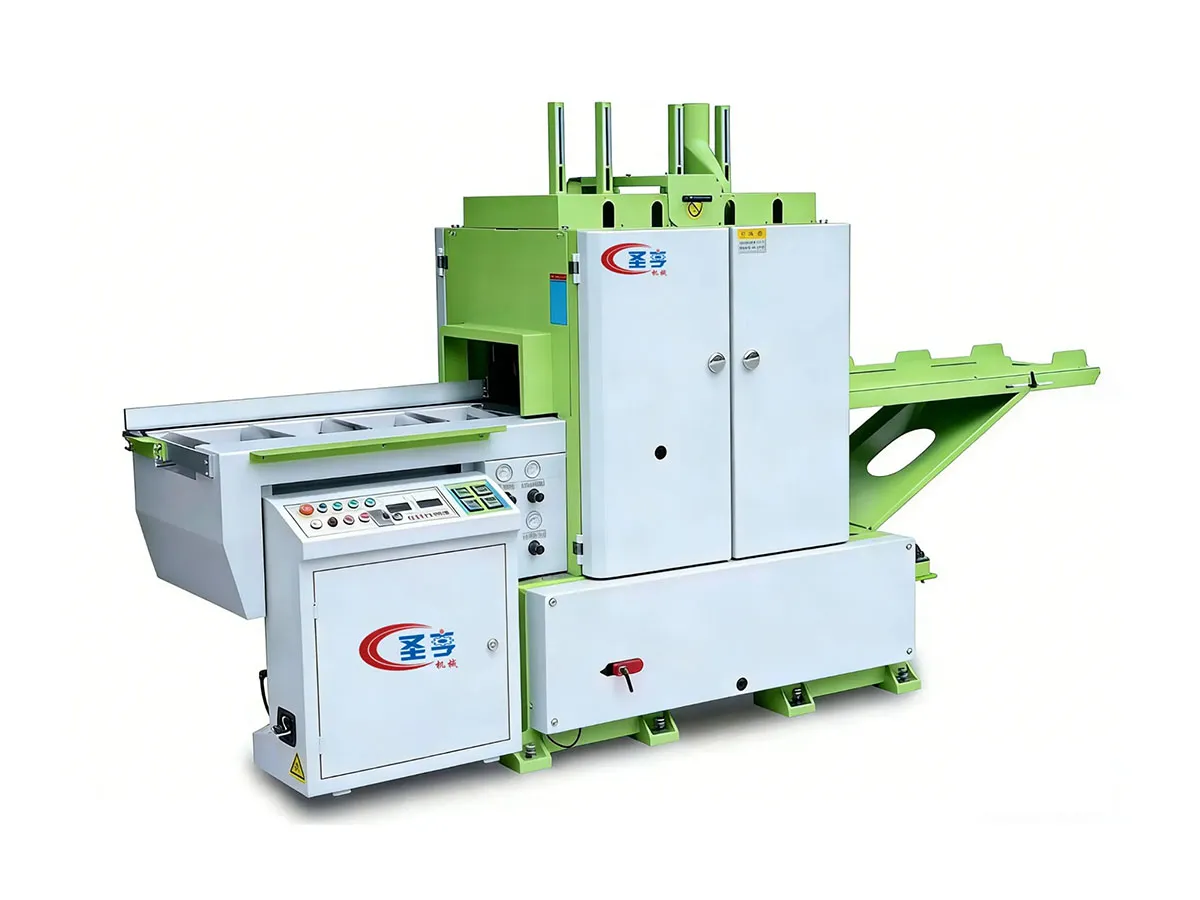
Payment Protection Checklist for a High-Value CNC Sliding Saw
Buying a high-value CNC sliding saw requires more than agreeing on a price. Before sending funds, establish a complete written order, connect the final payment to a pre-shipment inspection, and select an Incoterm that clearly defines logistics and risk. The available structures include a 30% T/T deposit with 70% paid before loading, L/C at sight, EXW, FOB, CIF, and DDP.
Recommended Safeguards Before Payment
- Prepare a signed order specification covering the machine model, accessories, spare parts, consumables, matching tools, quantities, packing method, and required documents.
- Arrange an independent or supplier-supported Pre-Shipment Inspection (PSI) before the container is sealed. The inspection should compare every item with the purchase list.
- Record the selected Incoterm and identify responsibility for loading, export procedures, freight, insurance, import clearance, duties, taxes, and delivery risk.
- Confirm technical support, warranty coverage, spare-parts availability, and the terms for sending an overseas engineer before placing the order.
How to Link Payment to Delivery Verification
The strongest protection is a written connection between payment milestones and measurable delivery conditions. The supplier can accept a 30% T/T advance and a 70% T/T balance before loading. If this option is selected, the balance should only be released after the PSI confirms that the equipment, accessories, and documents are complete.
L/C at sight is another stated possibility and may be arranged alongside T/T payment. In either case, the purchase contract, commercial invoice, packing list, inspection requirements, and payment documents should use consistent descriptions, quantities, and machine specifications.
What the Final PSI Should Cover
The inspection should verify the complete machine, spare parts, consumables, matching tools, quantity, external appearance, packaging, and documentation. Inspectors should also review painted surfaces, machined areas, protective wrapping, and any signs of impact or corrosion. Missing components, damaged products, or incomplete paperwork should be corrected before loading and container sealing.
Choosing the Right Incoterm
Payment protection is also affected by the selected delivery term. EXW generally leaves the buyer responsible for loading, inland transport, export and import clearance, duties, taxes, and risks once the goods are ready at the factory. FOB requires the supplier to complete export formalities and place the goods on board at the agreed port; the buyer then assumes subsequent costs and risks.
With CIF, the supplier arranges the goods, ocean freight, and minimum cargo insurance to the destination port. DDP offers a broader delivery service, with transportation and customs clearance arranged to the buyer's nominated destination through cooperating logistics partners. The parties should confirm exactly where risk transfers and which charges are included before signing.
Shipping, Packaging, and Quality Records
The stated shipping method is sea freight. Protective export packing includes moisture-proof film, shock-absorbing pearl cotton, reinforced corners, fumigated wooden cases, rust inhibitors, and desiccants. These requirements should be listed in the order confirmation and supported by packing and shipping records.
The available product information identifies the equipment as a Wood Frame Saw rather than a CNC sliding saw. It lists a one-set minimum order quantity and a delivery period of approximately 25 days. The supplier also reports full precision calibration and extended load-running tests before shipment. Buyers should ensure that the final machine model, test results, and acceptance criteria are accurately stated in the contract.
Reported applications include equipment planning for a wooden door factory in India and a wood-processing line in the UAE. Customer feedback describes stable operation, suitability for production lines, improved productivity, and responsive after-sales service.
Payment and Delivery Options Compared
| Option | Recommended control and responsibility |
|---|---|
| 30% T/T deposit and 70% T/T before loading | Release the balance only after the PSI, itemized quantity review, packaging check, and document verification are complete. |
| L/C at sight | Align the Letter of Credit documents with the signed order, inspection requirements, invoice, and packing list. |
| EXW | The buyer handles loading, transport, export and import clearance, duties, taxes, and risks after factory readiness. |
| FOB | The supplier manages export formalities and delivery on board at the named port; the buyer assumes later costs and risks. |
| CIF | The supplier arranges the goods, sea freight, and minimum cargo insurance to the destination port. |
| DDP | Transportation and customs clearance are arranged for delivery to the buyer's designated destination. |
Frequently Asked Questions
What should be reviewed before the final payment?
Review the signed order specification, machine and accessory list, quantity records, PSI report, packaging confirmation, shipping paperwork, and applicable customs documents. The inspection should reconcile both physical goods and paperwork before container loading.
Can the purchase use a Letter of Credit?
Yes. L/C at sight is included among the stated payment methods and may be combined with T/T. The exact document set, inspection wording, shipment deadline, and discrepancy rules should be agreed before the L/C is issued.
Who pays for freight and customs?
Under EXW, the buyer assumes the listed transport, clearance, duty, tax, and risk obligations. FOB places export formalities with the supplier and later costs with the buyer. CIF includes supplier-arranged ocean freight and minimum insurance to the destination port, while DDP is intended to cover delivery, customs handling, and transportation to the nominated destination.
Final Purchasing Recommendation
For expensive woodworking machinery, do not rely on a payment schedule alone. Use a detailed written order, require a documented PSI before loading, specify the export packaging, and select an Incoterm that makes freight, insurance, customs, duties, and risk allocation unambiguous. The supplier states a one-set minimum order quantity, typical business-model delivery of 20–35 days, and a one-year warranty excluding consumables and damage caused by incorrect operation. Technical questions and support requests can be directed to vincent@fsshmachine.cn.
About the Supplier
Foshan Sun Hunt Woodworking Machinery Co.,Ltd. is based in Lunjiao Town, Shunde District, Foshan City. Founded in 2014, the company develops and manufactures woodworking equipment for multiple processing applications, with reported capacity of 50 medium-sized machines each month and 600 machines annually. Its range includes CNC Router Machines, Double-End Saw Series, Planer Machines, Drilling Machines, Edge Banding Machines, and Panel Saw equipment, serving customers in various industries.

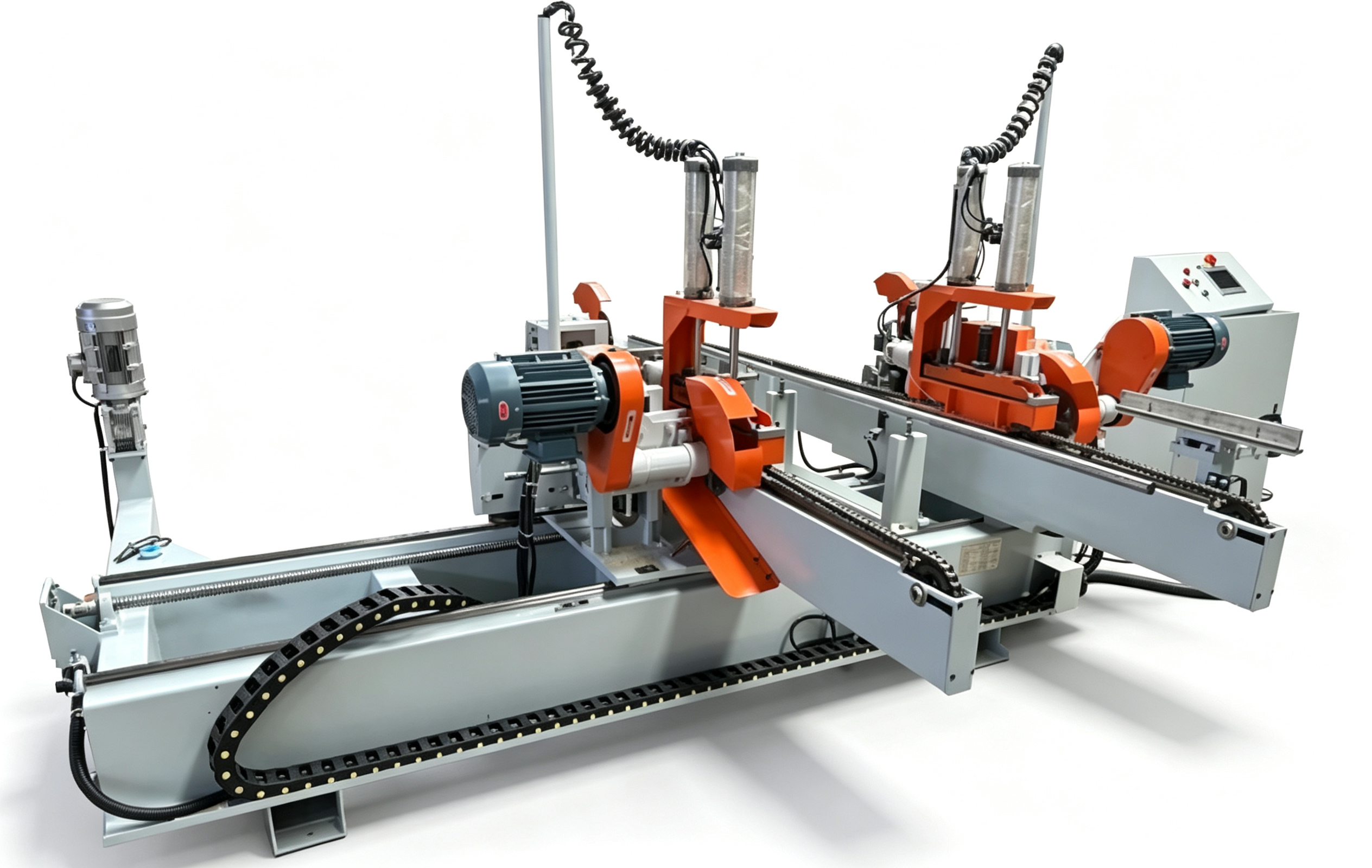
Installation and Shipping Guide for the Heavy-Duty Double-End Tenoner
Plan installation and freight together before ordering the Heavy-Duty Reciprocating Double-End Tenoner. The supplier offers remote startup guidance by video or voice, along with installation tutorials and continuing technical support. The machine can also be shipped fully assembled in a wooden crate, which is intended to minimize setup work once it reaches your facility.
Installation and After-Sales Support
According to the supplier, an assembled, crated machine normally does not need additional installation work after delivery. Confirm that this packing option is included in your quotation and is suitable for your shipment. For startup questions, arrange a remote session with the supplier and follow the installation materials provided.
Before dispatch, the tenoner is calibrated and tested under extended load. The stated inspection points include mechanical clearances, positioning accuracy, and control programs, helping reduce the need for adjustments after arrival. If a fault is verified and the replacement part is confirmed through an online video discussion, spare parts can be arranged for international express shipment within two working days.
The stated warranty period is one year. Consumable parts and damage resulting from improper operation are excluded. If an overseas service engineer is required, the customer is responsible for visa costs, travel, accommodation, meals, and daily technical service charges. Local technicians may be available in some areas.
Shipping Methods and Delivery Terms
Sea freight is the listed shipping method, and the supplier can request a quotation through its freight-forwarder network. Freight forwarders and local agents may also help with customs clearance and transportation. The product information gives a delivery estimate of 30 days; general business information lists a usual range of 20 to 35 days, so confirm the schedule for your particular order.
Agree on the named destination and responsibilities for each stage before placing the order. Clarify who handles loading, export procedures, ocean freight, insurance, import clearance, duties, taxes, and delivery to the final site. EXW, FOB, CIF, and DDP assign these obligations differently, so have the exact terms and costs stated in the quotation.
Comparing Common Delivery Terms
| Term | Typical arrangement | Details to confirm |
|---|---|---|
| EXW | The goods are made available at the supplier's premises. | Unless agreed otherwise, the buyer arranges loading, transport, clearance, duties, taxes, and takes responsibility after the goods are ready. |
| FOB | The supplier delivers the goods on board the nominated vessel at the agreed port and handles export formalities and related export charges. | The buyer generally arranges and pays for ocean freight, insurance, and import clearance, and assumes costs and risks after loading. |
| CIF | The supplier pays the cost and ocean freight to the named destination port and provides the agreed minimum cargo insurance. | Confirm port handling and who arranges onward transport, import clearance, and delivery. |
| DDP | The supplier arranges delivery to the buyer's specified destination, potentially using cooperating forwarders and local agents. | Verify the destination, quotation, and arrangements for customs, duties, and transportation. |
Machine Configuration and Applications
The listed processing range is 200 mm to 2,000 mm in length. The machine features variable-frequency feed-speed adjustment and electric saw-table movement. Length positioning can be configured to suit the material, with CNC length positioning available as an option. Confirm that the selected configuration and positioning method fit your workpieces and production process before shipment.
Suggested applications include wood-door and window manufacturing, as well as panel-furniture production for wardrobes, kitchen cabinets, and office furniture. The supplier reports having provided a 19-machine wooden-door production line to a customer in India and a 10-machine wood-processing line to a customer in the UAE.
Frequently Asked Questions
Will the tenoner need to be installed at my facility?
The supplier recommends shipping the machine fully assembled in a wooden crate. It says further installation is normally unnecessary after arrival and offers remote guidance and tutorials for startup support. Check the packing and support details in your order quotation.
What is the expected delivery time?
The product listing states 30 days, while the company's general information gives a typical range of 20 to 35 days. Request an order-specific schedule before confirming.
Who covers the cost of an overseas engineer?
The customer pays the dispatched engineer's visa, airfare, accommodation, meals, and daily technical service fees. Local technicians may be available in certain regions.
What to Confirm Before Ordering
Ask for written confirmation of the delivery schedule, assembled wooden-crate packing, remote installation support, and the selected sea-freight term. Make sure the quotation identifies the delivery destination and assigns responsibility for freight, insurance, customs, duties, and final transport. For technical questions or support, contact vincent@fsshmachine.cn.
About the Supplier
Foshan Sun Hunt Woodworking Machinery Co.,Ltd. is located in Lunjiao Town, Shunde District, Foshan, and develops and manufactures woodworking machinery for a range of processing requirements. Its seven-part management system covers suppliers and materials, production parameters, warehousing, packaging, quality inspection, pre-shipment inspection, and after-sales service.
The company reports a 2,000-square-meter factory, a capacity of up to 50 medium-sized machines per month, and annual output of 600 medium-sized machines. Its export markets include the Middle East, North America, and Africa.
The company has supplied a wooden-door production line in India and a wood-processing line in the UAE.
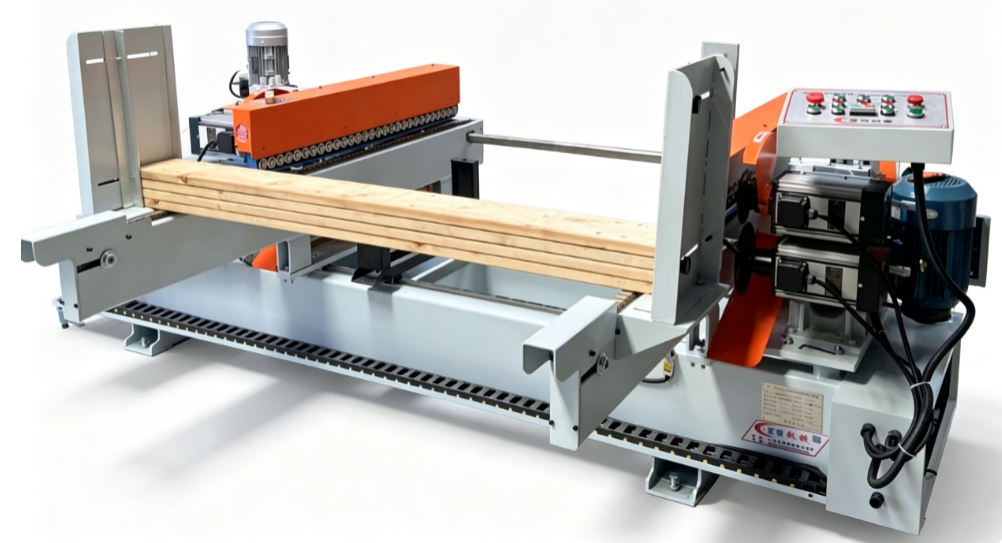
Can CNC Dovetail Joint Processing Help Cut Wood Waste?
Automated, repeatable cutting may help woodworking shops use material more efficiently than manual methods. Consistent positioning and feed control can limit sizing errors, fitting adjustments, and rejected components. However, the available specifications do not report measured waste savings, and they do not identify the listed equipment as a dedicated dovetail joint machine.
What the Equipment Can Do
Foshan Sun Hunt lists a Circulating Automatic Double-End Tenoner & Cut-off Machine. Its features include electric table movement, variable-frequency feeding, and optional CNC length positioning. Together, these functions support consistent length processing, though the product information does not specify dovetail cutting capability.
For dovetail work, mating parts need accurate dimensions and alignment. Compared with operator-led measuring and adjustment, automated positioning may reduce variation between workpieces and the need for corrective trimming. These are potential process advantages, not a quantified comparison: no waste-reduction percentage or direct manual-versus-machine test is provided.
Specifications and Production Quality
The machine is specified for workpieces from 200 mm to 2,000 mm long, with a minimum wood thickness of 10 mm. Other listed details include a 25.4 mm spindle diameter, a spindle speed of 6,000 r/min, and 13 kW of installed power. Approximate machine weight is 2,000 kg, and overall dimensions are 3,300 × 1,600 × 1,200 mm. Configurations can be customized to suit customer material requirements; specific wood species are not listed.
The manufacturer describes quality controls spanning source management, monitoring of key parameters, warehousing, packaging, QC inspection, pre-shipment checks, and after-sales service. Before delivery, machines are reported to undergo precision calibration, extended load testing, remeasurement, noise and vibration checks, and electrical stability testing.
Foshan Sun Hunt also cites two production-line projects: a 19-machine wooden-door factory installation in India and a 10-machine wood-processing line in the UAE. These examples indicate experience with woodworking line planning, but do not include material-waste results.
Manual and Automated Processing Compared
| Factor | Manual method | Automatic double-end tenoner and cut-off machine |
|---|---|---|
| Length consistency | Relies on operator measurement and adjustments | Electric table movement and optional CNC length positioning support repeatable sizing |
| Feed rate | Controlled by the operator | Variable-frequency speed regulation is available |
| Material requirements | Set up manually for each job | Configuration can be customized to customer requirements |
| Evidence of waste savings | No benchmark supplied | No measured reduction supplied |
| Machine quality checks | Depend on workshop inspection procedures | Manufacturer reports calibration and extended load testing before shipment |
Frequently Asked Questions
Is this a dedicated CNC dovetail joint machine?
The available product details identify a Circulating Automatic Double-End Tenoner & Cut-off Machine, not a dedicated dovetail machine. Optional CNC length positioning is listed, but a dovetail-joint function is not specified. Confirm the joint geometry and required operations with the manufacturer before choosing equipment.
How might automation help reduce waste?
Repeatable positioning, regulated feeding, and consistent length cutting may reduce measurement variation, fitting corrections, and parts rejected for inaccurate sizing. The supplied information does not quantify these possible savings.
What workpiece sizes are listed?
The specified processing range is 200 mm to 2,000 mm in length, with a minimum wood thickness of 10 mm. The product data does not name supported wood species, and says configurations can be customized according to material requirements.
Conclusion
Automated sizing and controlled feeding could help limit avoidable material loss compared with manual processing, but the available data does not prove a specific waste reduction or confirm a dedicated CNC dovetail model. Ask for technical validation against the intended joint design and material before placing an order. Foshan Sun Hunt offers non-standard customization and complete production-line solutions, with a minimum order quantity of one set. For technical details or support, contact Vincent Guo at vincent@fsshmachine.cn.
About Foshan Sun Hunt
Foshan Sun Hunt Woodworking Machinery Co.,Ltd. is located in Lunjiao Town, Shunde District, Foshan City. Founded in 2014, the company develops and manufactures woodworking machinery for a range of processing applications. Its 2,000-square-meter factory has a stated capacity of 50 medium-sized machines per month, or 600 per year. Products include CNC routers, double-end saws, planers, drilling machines, edge banding machines, and panel saws.
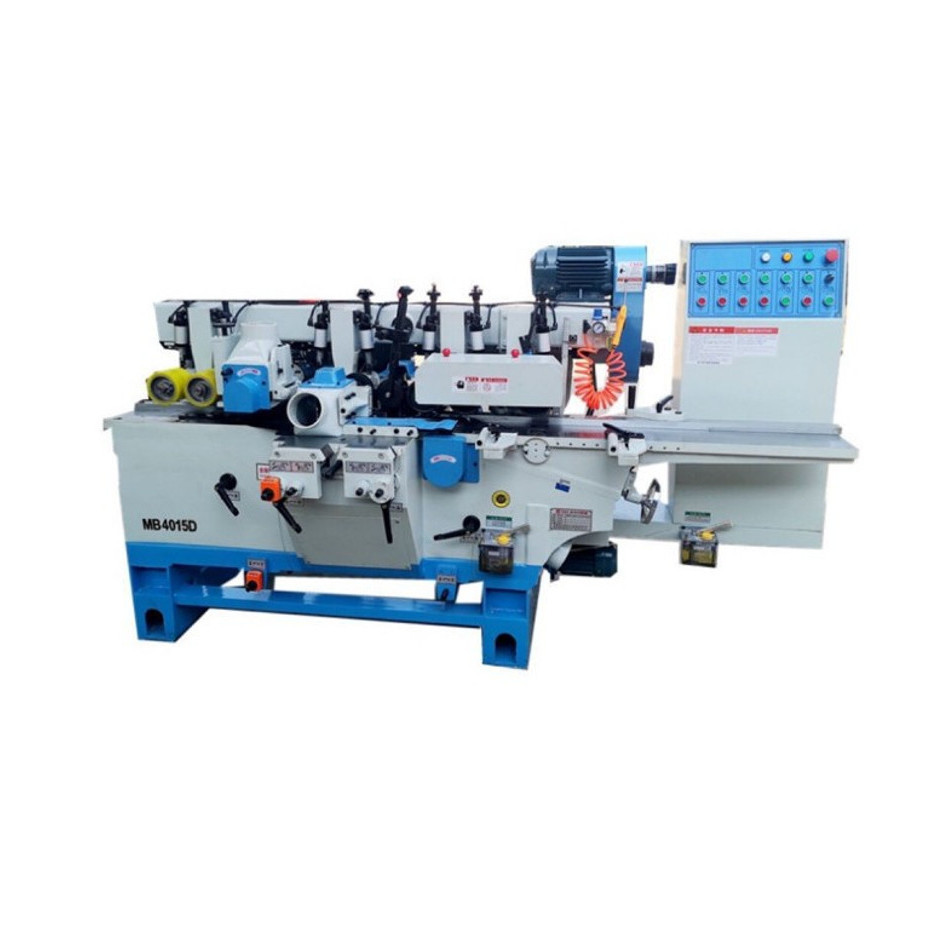
Can Acceptance Testing Determine the Final Payment for a 45° Sliding Saw?
Whether the balance for a 45° sliding saw can be paid after acceptance testing depends on the written sales agreement. The supplied commercial terms specify a 30% T/T deposit and a 70% T/T balance due before loading. They also list L/C at sight and several delivery terms, but they do not authorize withholding the final payment until acceptance. In addition, the available technical record describes a Four-sided Planer Saw rather than a 45° sliding saw, so the requested machine must be confirmed separately.
Payment Position and Main Recommendations
- The stated T/T arrangement calls for 30% upfront and 70% before the equipment is loaded.
- No post-commissioning or acceptance-based payment milestone appears in the supplied terms.
- If the buyer requires payment to depend on testing, the acceptance procedure and revised payment schedule should be added to the contract in writing.
- The available machine record concerns a Four-sided Planer Saw, with a processing width of 20–150 mm and planing thickness of 8–100 mm.
- Sun Hunt accepts orders from one set and can provide customized machinery or complete production-line solutions.
What the Existing Contract Information Shows
The current payment structure does not include a retention amount linked to final inspection. Under the stated terms, the buyer pays 30% by T/T as a deposit, followed by the remaining 70% by T/T before loading. L/C at sight is also available. Delivery options include EXW, FOB, CIF, and DDP, with shipment listed as being by sea.
Consequently, a buyer should not presume that the balance may be delayed until installation or acceptance. Any alternative arrangement—such as paying the final 10% or 20% after a successful factory or site test—must be negotiated with the supplier and written into the purchase contract before manufacturing or shipment begins.
Product Identification and Technical Scope
The question refers to a 45° sliding saw, but the supplied product information identifies a Four-sided Planer Saw. It contains no confirmed 45° cutting specification, sliding-saw configuration, acceptance schedule, or testing protocol for the machine mentioned in the title. These details therefore require a separate quotation and technical confirmation.
For the Four-sided Planer Saw listed in the records, the feeding speed is 12–28 m/min, the planing shaft speed is 6,500 r/min, and the total motor power is 14.95 kW. The recorded overall dimension is 255012001600 mm. The minimum order quantity is one set, and the stated delivery period is 20 days.
How to Structure an Acceptance-Based Payment Clause
If acceptance testing is important to the purchase, the agreement should identify the exact machine model, test location, inspection party, testing date, measurable performance criteria, and permitted tolerances. It should also explain what happens if the equipment does not pass, including correction, retesting, replacement, or a refund mechanism.
The contract should further state when title and risk transfer, whether an independent inspection is permitted, and whether the balance is payable after factory acceptance testing or after installation at the buyer’s site. Without these provisions, the existing “70% before loading” wording remains the controlling payment requirement.
Supplier Quality and Service Capabilities
Sun Hunt reports a quality-control process that includes precision calibration, extended load operation, dimensional checks, performance verification, and inspection before shipment. Its after-sales support includes online video or voice assistance, installation guidance, continuing technical help, and spare-parts arrangements through international express delivery after a fault has been verified.
The stated warranty period is one year. Consumable components and damage caused by incorrect operation are excluded from warranty coverage. The machinery is positioned for solid-wood furniture manufacturing, raw-log processing, and engineered-wood applications. Reported projects include a 19-machine wooden-door production line in India and a 10-machine wood-processing line in the UAE.
Payment and Product Comparison
| Topic | Information currently available |
|---|---|
| Standard T/T payment | 30% deposit and 70% payable before loading |
| L/C option | L/C at sight is listed as an available method |
| Payment after acceptance | Not included; requires explicit written agreement |
| Machine covered by the technical record | Four-sided Planer Saw, not a confirmed 45° sliding saw |
| Transport and trade terms | Sea shipment; EXW, FOB, CIF, and DDP are listed |
Frequently Asked Questions
Can the final balance be made conditional on acceptance testing?
It can be negotiated, but the supplied terms do not confirm such a right. They currently require the 70% T/T balance before loading. An acceptance-linked payment milestone must be approved by both parties and recorded in the contract.
Is the listed machine a 45° sliding saw?
No. The available record is for a Four-sided Planer Saw. It does not verify a 45° cutting angle, sliding-saw design, or acceptance test for that product.
Which payment and shipping choices are shown?
The published options include a 30% T/T deposit, a 70% T/T balance before loading, and L/C at sight. EXW, FOB, CIF, and DDP are listed as trade terms, while transport is described as by sea.
Conclusion
Do not treat acceptance testing as an automatic basis for postponing the final payment. First verify the precise machine model and obtain written agreement on the acceptance criteria, inspection responsibilities, testing location, failure remedies, and payment deadline. For the Four-sided Planer Saw in the supplied data, the applicable arrangement is 30% deposit with 70% T/T due before loading. Sun Hunt also supports one-set purchases, custom equipment, and integrated production-line projects. Technical inquiries can be directed to vincent@fsshmachine.cn.
About Foshan Sun Hunt Woodworking Machinery Co.,Ltd.
Foshan Sun Hunt Woodworking Machinery Co.,Ltd., also known as Sun Hunt Machinery, designs and manufactures woodworking equipment in Lunjiao Town, Shunde District, Foshan City. Founded in 2014, the company operates a 2,000-square-meter factory and reports monthly production capacity of up to 50 medium-sized machines. Its range includes CNC routers, double-end saws, planers, drilling machines, edge banders, and panel saws.
Through equipment supply, customization, and production-line planning, the company serves customers in a variety of woodworking and manufacturing sectors.
REPORT