







-
 Agriculture
-
 Health-Care
-
 Environment
-
 Construction-Real-Estate
-
 Tools-Hardware
-
 Home-Garden
-
 Furniture
-
 Luggage-Bags-Cases
-
 Medical-devices-Supplies
-
 Gifts-Crafts
-
 Sports-Entertainment
-
 Food-Beverage
-
 Vehicles-Transportation
-
 Power-Transmission
-
 Material-Handling
-
 Renewable-Energy
-
 Safety
-
 Testing-Instrument-Equipment
-
 Construction-Building-Machinery
-
 Pet-Supplies
-
 Personal-Care-Household-Cleaning
-
 Vehicle-Accessories-Electronics-Tools
-
 School-Office-Supplies
-
 Packaging-Printing
-
 Mother-Kids-Toys
-
 Business-Services
-
 Commercial-Equipment-Machinery
-
 Apparel-Accessories
-
 Security
-
 Shoes-Accessories
-
 Vehicle-Parts-Accessories
-
 Jewelry-Eyewear-Watches-Accessories
-
 Lights-Lighting
-
 Fabric-Textile-Raw-Material
-
 Fabrication-Services
-
 Industrial-Machinery
-
 Consumer-Electronics
-
 Electrical-Equipment-Supplies
-
 Electronic-Components-Accessories-Telecommunications
-
 Home-Appliances
-
 Beauty
-
 Chemicals
-
 Rubber-Plastics
-
 Metals-Alloys


























































































































































































































































































































































































































































































































































































- Masonry Materials
- Curtain Walls & Accessories
- Earthwork Products
- Fireproofing Materials
- Heat Insulation Materials
- Plastic Building Materials
- Building Boards
- Soundproofing Materials
- Timber
- Waterproofing Materials
- Balustrades & Handrails
- Bathroom & Kitchen
- Flooring & Accessories
- Tiles & Accessories
- Door, Window & Accessories
- Fireplaces & Stoves
- Floor Heating Systems & Parts
- Stairs & Stair Parts
- Ceilings
- Elevators & Escalators
- Stone
- Countertops, Vanity Tops & Table Tops
- Mosaics
- Metal Building Materials
- Multifunctional Materials
- Ladders & Scaffoldings
- Mouldings
- Corner Guards
- Decorative Films
- Formwork
- Building & Industrial Glass
- Other Construction & Real Estate
- Wallpapers/Wall panels
- HVAC System & Parts
- Outdoor Facilities
- Prefabricated Buildings
- Festive & Party Supplies
- Bathroom Products
- Household Sundries
- Rain Gear
- Garden Supplies
- Household Cleaning Tools & Accessories
- Lighters & Smoking Accessories
- Home Storage & Organization
- Household Scales
- Smart Home Improvement
- Home Textiles
- Kitchenware
- Drinkware & Accessories
- Dinnerware, Coffee & Wine
- Home Decor
- Golf
- Fitness & Body Building
- Amusement Park Facilities
- Billiards, Board Game,Coin Operated Games
- Musical Instruments
- Outdoor Affordable Luxury Sports
- Camping & Hiking
- Fishing
- Sports Safety&Rehabilitation
- Ball Sports Equipments
- Water Sports
- Winter Sports
- Luxury Travel Equipments
- Sports Shoes, Bags & Accessories
- Cycling
- Other Sports & Entertainment Products
- Artificial Grass&Sports Flooring&Sports Court Equipment
- Scooters
- Food Ingredients
- Honey & Honey Products
- Snacks
- Nuts & Kernels
- Seafood
- Plant & Animal Oil
- Beverages
- Fruit & Vegetable Products
- Frog & Escargot
- Bean Products
- Egg Products
- Dairy Products
- Seasonings & Condiments
- Canned Food
- Instant Food
- Baked Goods
- Other Food & Beverage
- Meat & Poultry
- Confectionery
- Grain Products
- Feminie Care
- Hair Care & Styling
- Body Care
- Hands & Feet Care
- Hygiene Products
- Men's Grooming
- Laundry Cleaning Supplies
- Travel Size & Gift Sets
- Room Deodorizers
- Other Personal Care Products
- Pest Control Products
- Special Household Cleaning
- Floor Cleaning
- Kitchen & Bathroom Cleaning
- Oral Care
- Bath Supplies
- Yellow Pages
- Correction Supplies
- Office Binding Supplies
- Office Cutting Supplies
- Board Erasers
- Office Adhesives & Tapes
- Education Supplies
- Pencil Cases & Bags
- Notebooks & Writing Pads
- File Folder Accessories
- Calendars
- Writing Accessories
- Commercial Office Supplies
- Pencil Sharpeners
- Pens
- Letter Pad/Paper
- Paper Envelopes
- Desk Organizers
- Pencils
- Markers & Highlighters
- Filing Products
- Art Supplies
- Easels
- Badge Holder & Accessories
- Office Paper
- Printer Supplies
- Book Covers
- Other Office & School Supplies
- Stationery Set
- Boards
- Clipboards
- Stamps
- Drafting Supplies
- Stencils
- Electronic Dictionary
- Books
- Map
- Magazines
- Calculators
- Baby & Toddler Toys
- Educational Toys
- Classic Toys
- Dress Up & Pretend Play
- Toy Vehicle
- Stuffed Animals & Plush Toys
- Outdoor Toys & Structures
- Balloons & Accessories
- Baby Food
- Children's Clothing
- Baby Supplies & Products
- Maternity Clothes
- Kids Shoes
- Baby Care
- Novelty & Gag Toys
- Dolls & Accessories
- Puzzle & Games
- Blocks & Model Building Toys
- Toddler Clothing
- Baby Clothing
- Kids' Luggage & Bags
- Arts, Crafts & DIY Toys
- Action & Toy Figures
- Baby Appliances
- Hobbies & Models
- Remote Control Toys
- Promotional Toys
- Pregnancy & Maternity
- Hygiene Products
- Kid's Textile&Bedding
- Novelty & Special Use
- Toy Weapons
- Baby Gifts
- Baby Storage & Organization
- Auto Drive Systems
- ATV/UTV Parts & Accessories
- Marine Parts & Accessories
- Other Auto Parts
- Trailer Parts & Accessories
- Auto Transmission Systems
- Train Parts & Accessories
- Universal Parts
- Railway Parts & Accessories
- Auto Brake Systems
- Aviation Parts & Accessories
- Truck Parts & Accessories
- Auto Suspension Systems
- Auto Lighting Systems
- New Energy Vehicle Parts & Accessories
- Auto Steering Systems
- Wheels, Tires & Accessories
- Bus Parts & Accessories
- Auto Performance Parts
- Cooling System
- Go-Kart & Kart Racer Parts & Accessories
- Air Conditioning Systems
- Heavy Duty Vehicle Parts & Accessories
- Auto Electrical Systems
- Auto Body Systems
- Auto Engine Systems
- Container Parts & Accessories
- Motorcycle Parts & Accessories
- Refrigeration & Heat Exchange Equipment
- Machine Tool Equipment
- Food & Beverage Machinery
- Agricultural Machinery & Equipment
- Apparel & Textile Machinery
- Chemical Machinery
- Packaging Machines
- Paper Production Machinery
- Plastic & Rubber Processing Machinery
- Industrial Robots
- Electronic Products Machinery
- Metal & Metallurgy Machinery
- Woodworking Machinery
- Home Product Manufacturing Machinery
- Machinery Accessories
- Environmental Machinery
- Machinery Service
- Electrical Equipment Manufacturing Machinery
- Industrial Compressors & Parts
- Tobacco & Cigarette Machinery
- Production Line
- Used Industrial Machinery
- Electronics Production Machinery
- Other Machinery & Industrial Equipment
- Camera, Photo & Accessories
- Portable Audio, Video & Accessories
- Television, Home Audio, Video & Accessories
- Video Games & Accessories
- Mobile Phone & Accessories
- Electronic Publications
- Earphone & Headphone & Accessories
- Speakers & Accessories
- Smart Electronics
- TV Receivers & Accessories
- Mobile Phone & Computer Repair Parts
- Chargers, Batteries & Power Supplies
- Used Electronics
- VR, AR, MR Hardware & Software
- Projectors & Presentation Equipments
- Other Consumer Electronics
- Cables & Commonly Used Accessories
- Computer Hardware & Software
- Displays, Signage and Optoelectronics
- Discrete Semiconductors
- Wireless & IoT Module and Products
- Telecommunications
- Connectors, Terminals & Accessories
- Development Boards, Electronic Modules and Kits
- Circuit Protection
- Sensors
- Isolators
- Audio Components and Products
- Integrated Circuits
- Power Supplies
- Relays
- RF, Microwave and RFID
- Electronic Accessories & Supplies
- Passive Components
- PCB & PCBA
- Air Quality Appliances
- Home Appliance Parts
- Heating & Cooling Appliances
- Small Kitchen Appliances
- Laundry Appliances
- Water Heaters
- Water Treatment Appliances
- Refrigerators & Freezers
- Personal Care & Beauty Appliances
- Major Kitchen Appliances
- Cleaning Appliances
- Second-hand Appliances
- Smart Home Appliances
- Other Home Appliances
- Energy Chemicals
- Inorganic Chemicals
- Basic Organic Chemicals
- Agrochemicals
- Admixture & Additives
- Catalysts & Chemical Auxiliary Agents
- Pigments & Dyestuff
- Coating & Paint
- Daily Chemicals
- Polymer
- Organic Intermediate
- Adhesives & Sealants
- Chemical Waste
- Biological Chemical Products
- Surface Treatment Chemicals
- Painting & Coating
- Chemical Reagents
- Flavor & Fragrance
- Non-Explosive Demolition Agents
- Other Chemicals
- Custom Chemical Services

Machinery Accessories
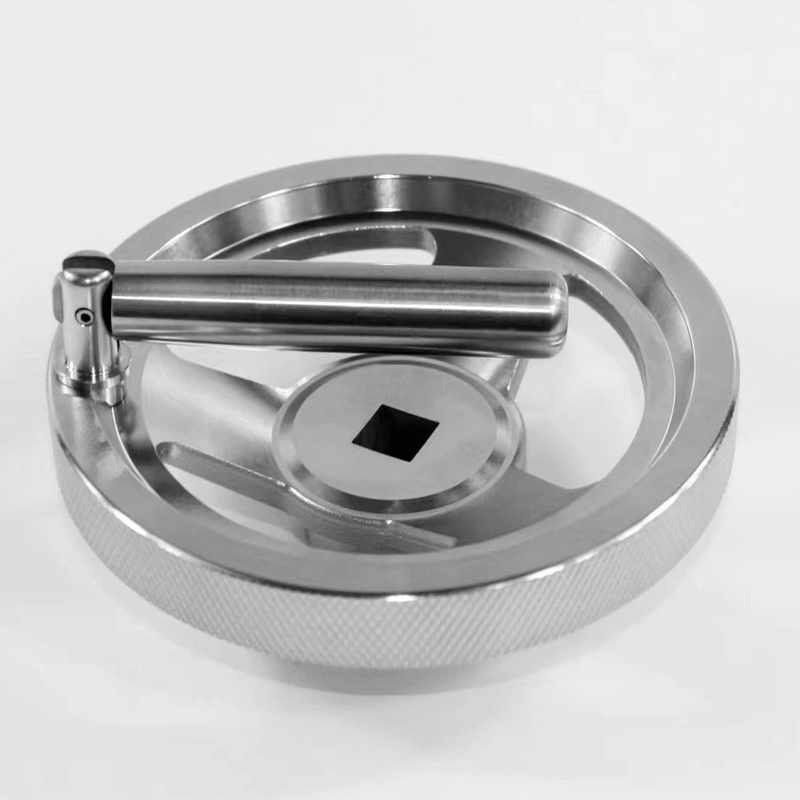
What Technical Files Are Needed for Accurate Custom CNC Machining?
Accurate CNC manufacturing starts with a complete and consistent technical data package. To produce a custom component exactly as intended, a supplier needs enough information to understand its geometry, functional requirements, material selection, finish, and inspection criteria before machining begins.
Zhejiang Dream Industry Limited accepts PDF, CAD, DWG, DXF, STEP, IGS, and STP formats for custom CNC machining and mechanical hardware production. Depending on the complexity of the part, customers can submit a 2D drawing, a 3D model, or preferably both.
Essential Files for Custom CNC Components
A 3D model is particularly useful for communicating the overall shape of a part, including curved surfaces, pockets, ribs, contours, and other complex features. However, the 2D drawing remains essential when exact manufacturing instructions must be specified.
Your drawing package should clearly identify the following items:
- Overall dimensions and critical feature sizes
- Dimensional tolerances and fit requirements
- Material grade or material category
- Threads, tapped holes, bores, keyways, and mounting interfaces
- Surface finish, coating, or appearance requirements
- Inspection standards and critical quality checkpoints
- Part revision number and any related specification sheets
When both 2D and 3D files are supplied, they should match. If a required tolerance, thread callout, or finish is missing from the model, it should be stated on the 2D drawing or in a separate written requirement document.
Define Functional Features and Installation Details
Suppliers need more than a general part outline; they need a clear definition of how the component will work and how it will be installed. For example, a spoked handwheel may require specific outside dimensions, a bore size, a threaded hub, a keyway, a square opening, a handle configuration, or additional tapped holes.
Common mounting and connection designs include threaded bores, through bores, D-bores, keyway bores, square bores, and tapped-hole arrangements. Stating these features precisely helps avoid assembly issues and ensures that the finished CNC component fits the intended equipment.
Material and Surface Finish Requirements
Material selection directly affects machinability, mechanical strength, corrosion resistance, cost, and service life. Customers should specify the requested material in the drawing or purchase specification. Available options include stainless steel, aluminum, cast iron, carbon steel, brass, copper, bakelite, phenolic materials, and other engineering plastics.
Surface treatment should also be included because it influences the final appearance and suitability of the component in its operating environment. Depending on the application, available finishing options may include polishing, brushing, sandblasting, powder coating, electroplating, chrome plating, and anodizing.
For components used in humid, corrosive, hygienic, marine, or outdoor conditions, material and finish requirements should be selected with the actual operating environment in mind.
Tolerances and Quality Inspection Instructions
Tolerances tell the machining supplier how much dimensional variation is acceptable. Standard CNC machining tolerance is generally listed at plus or minus 0.1 mm, while suitable precision-machined features can achieve tolerances up to plus or minus 0.03 mm. Critical dimensions, mating surfaces, and functional fits should be marked clearly on the drawing.
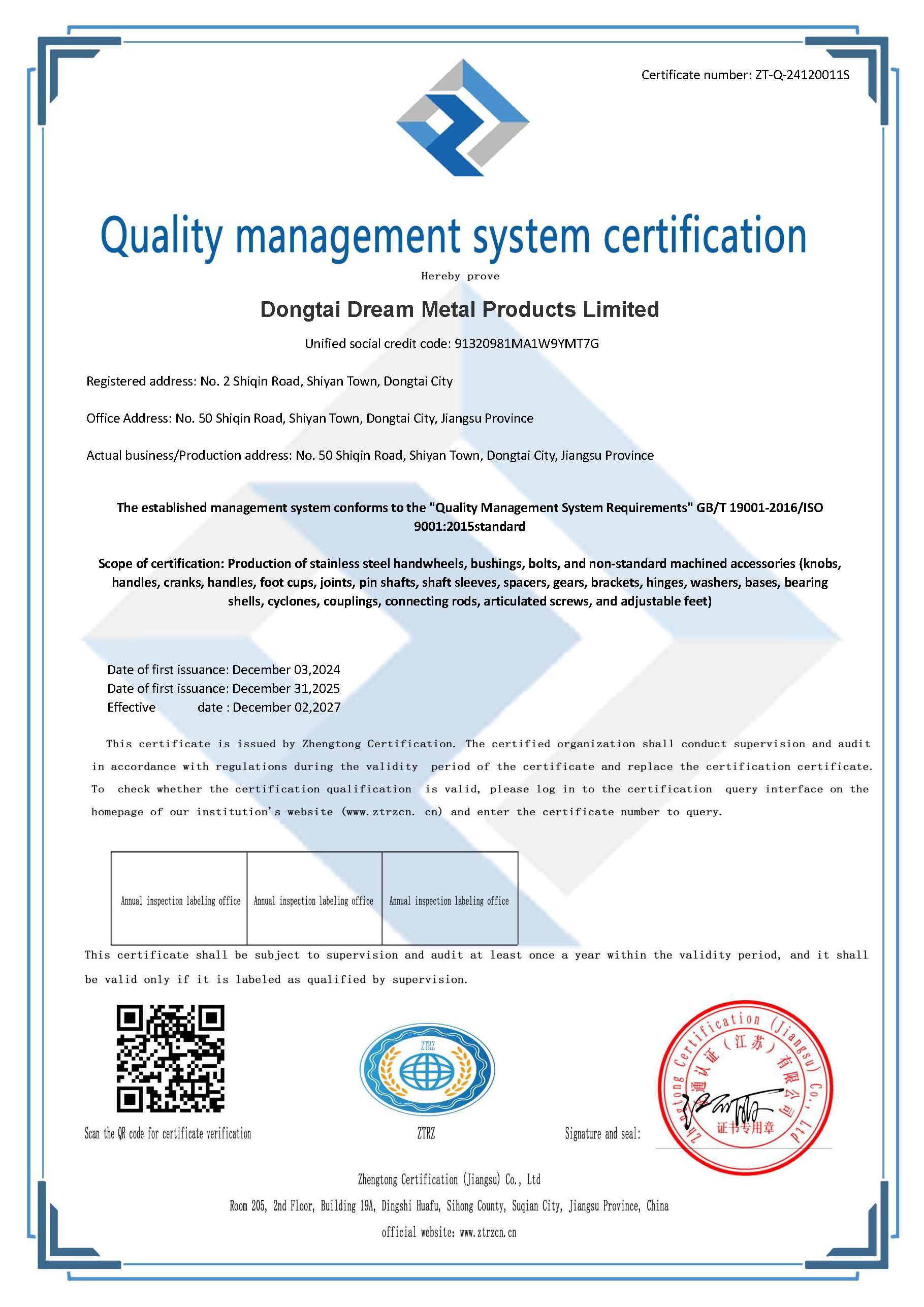
Inspection requirements should be proportionate to the component's intended use. Zhejiang Dream Industry Limited applies quality checks covering incoming raw materials, in-process production, semi-finished parts, surface treatment, assembly, finished products, and packaging. The company holds ISO certification, certificate number ZT-Q-24120011S, for the production of stainless steel handwheels, bushings, bolts, and machined non-standard parts.
Why Application Information Matters
Providing application details allows the supplier to review whether the proposed design, material, and finish are appropriate for real operating conditions. Useful information may include the equipment type, installation method, load conditions, exposure to moisture or chemicals, hygiene requirements, and expected operating frequency.
For instance, stainless steel handwheels used in food-processing machinery may require hygienic, corrosion-resistant construction. In contrast, valve handwheels for water-treatment systems or industrial pipelines may need to prioritize reliable mounting, weather resistance, and durable operation. Sharing this context helps confirm the right technical solution before production starts.
File and Requirement Checklist for CNC Production
| Required File or Detail | Purpose in CNC Manufacturing |
|---|---|
| 2D engineering drawing | Defines dimensions, tolerances, threads, bore sizes, mounting details, finishes, and inspection points. |
| 3D CAD model | Shows complete part geometry and complex structural features. STEP, IGS, and STP formats are supported. |
| PDF, CAD, DWG, or DXF file | Supports technical communication, drawing-based machining, and dimensional confirmation. |
| Material specification | Confirms the required material, such as stainless steel, aluminum, brass, copper, carbon steel, or engineering plastics. |
| Tolerance information | Sets acceptable variation for critical features, from standard plus or minus 0.1 mm to applicable precision levels of plus or minus 0.03 mm. |
| Finish and application details | Guides corrosion protection, appearance, durability, and suitability for the operating environment. |
Frequently Asked Questions
Is it necessary to provide both 2D and 3D files?
Providing both is recommended whenever possible. The 3D model helps the supplier understand the shape and machining features, while the 2D drawing provides controlled dimensions, tolerances, threads, surface finishes, and inspection notes. Zhejiang Dream Industry Limited supports PDF, CAD, DWG, DXF, STEP, IGS, and STP files.
What tolerance should be shown on a CNC drawing?
The correct tolerance depends on the function of the feature. Use plus or minus 0.1 mm for standard requirements where appropriate, and identify tighter dimensions individually when a precision tolerance of up to plus or minus 0.03 mm is required. Avoid applying unnecessarily tight tolerances to non-critical features, as this can increase manufacturing cost.
Can prototypes be made before full production?
Yes. Prototype and sample orders for CNC precision-machined parts can be arranged in quantities from 1 to 10 pieces. Sample lead time is generally stated as 3 to 7 days, while regular orders are typically listed at 7 to 15 days, subject to design complexity and order requirements.
Conclusion: Prepare a Clear, Controlled CNC File Package
The best way to reduce manufacturing uncertainty is to submit the latest controlled version of your technical files. Include the 2D drawing or 3D model, material, tolerance, mounting method, thread details, surface finish, inspection requirements, and application information. This gives the supplier a reliable basis for engineering review and production confirmation.
Zhejiang Dream Industry Limited supports OEM and ODM projects, prototype machining, small-batch production, and volume manufacturing for custom CNC components. With drawing-based file support, ISO-certified quality control, CNC turning and milling capabilities, and flexible production options, the company can support custom mechanical hardware requirements from initial sample through mass production. For technical consultation or project support, please contact 86-15868979792.
About Us
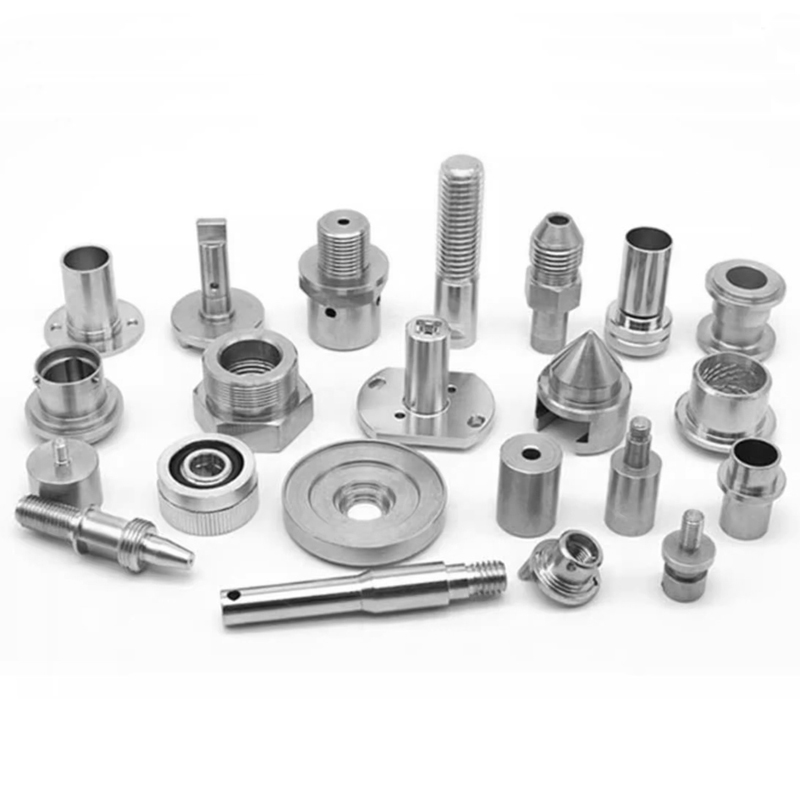
Zhejiang Dream Industry Limited specializes in the custom design and manufacture of precision CNC machined parts and assemblies. The company works with stainless steel, aluminum, brass, copper, carbon steel, and engineering plastics, offering design review, CNC turning, CNC milling, precision casting, surface treatment, and final inspection. Established in 2008, Zhejiang Dream Industry Limited supports prototype development, structural optimization, mold development, OEM production, and customized manufacturing programs for customers in a range of industrial sectors.
Who Pays Unexpected Freight Surcharges on FOB Handwheel Orders?
The available purchasing information does not say whether the buyer or Zhejiang Dream Industry Limited is responsible for unexpected freight surcharges on handwheel orders agreed on FOB terms. It lists payment and shipping options, but provides no surcharge clause or general rule for allocating additional freight costs. Check the documents for the specific order before deciding who pays.
What the Available Records Confirm
- No supplied record assigns unexpected FOB freight surcharges to either party.
- Listed transport options include DHL, UPS, FedEx, air, sea, rail, and truck freight.
- Handwheels are used in industrial machinery, automation systems, valve and pipeline applications, food-processing equipment, and marine equipment.
- For a disputed charge, review the agreed freight term and the order-specific contract, purchase order, shipping documents, and any written cost-adjustment agreement.
How to Check Responsibility for Added Freight Costs
The company and product information provided does not establish how unexpected freight increases are divided under FOB. It does not specify who pays extra port charges, fuel adjustments, storage fees, or other unplanned logistics costs. Responsibility needs to be confirmed in the documents agreed for the individual transaction.
For a handwheel shipment, the available options include express delivery through DHL, UPS, or FedEx, as well as air, sea, rail, and truck transportation. Sea freight is described as an option for larger industrial hardware shipments and ongoing OEM programs. Air freight may suit medium or large orders that need to arrive sooner than a sea shipment.
Orders may involve OEM or ODM production, custom CNC machining, factory-direct supply, bulk manufacturing, small-batch production, or longer-term supply arrangements. The applicable paperwork can vary by order, and the supplied information does not set one standard rule for unexpected FOB freight charges across these arrangements.
Supplier and Production Information
Zhejiang Dream Industry Limited reports ISO 9001 certification and quality checks covering incoming materials, production, semi-finished parts, surface treatment, assembly, finished goods, and packaging. The company states that over 80% of its equipment is automated CNC production equipment and that standard orders typically have a 7–15 day lead time.
Reported international supply examples include stainless steel handwheels for a German food machinery manufacturer, valve handwheels for a U.S. industrial valve maker, and marine-grade handwheels for a Norwegian marine equipment supplier. These examples indicate experience with overseas industrial orders, but do not disclose how freight surcharges were handled in those transactions.
Shipping, Payment, and Capacity at a Glance
| Item | Information Provided |
|---|---|
| FOB surcharge responsibility | Not defined in the available records |
| Express carriers | DHL, UPS, and FedEx |
| Other transport methods | Air, sea, rail, and truck freight |
| Payment methods | T/T, PayPal, Alibaba Trade Assurance, and Letter of Credit |
| Typical international payment terms | 30% deposit before production; 70% balance before shipment |
| Annual handwheel capacity | Over 3 million core handwheel units; stainless steel handwheel capacity exceeds 1.2 million units |
Frequently Asked Questions
Do the records say the buyer must pay unexpected FOB surcharges?
No. The supplied information does not make the buyer responsible for these charges.
Do the records say Zhejiang Dream Industry Limited must pay them?
No. They do not assign unexpected FOB freight costs to the supplier either.
Which documents can clarify a surcharge dispute?
Review the signed sales contract, purchase order, shipping documents, agreed freight term, and any written agreement about freight adjustments. The supplied information does not identify a fixed surcharge policy or a single document that overrides the others.
Conclusion
There is no documented answer in the available records to who pays unexpected freight surcharges on handwheels purchased under FOB terms. Confirm the allocation in the contract and shipping paperwork for the specific order, ideally before shipment. Zhejiang Dream Industry Limited offers OEM and ODM production, custom CNC machining, factory-direct supply, bulk and small-batch manufacturing, and international shipping options. For technical assistance, contact the company at 86-15868979792.
About Us
ZheJiang Dream Industry Limited brings more than 20 years of precision manufacturing experience to custom CNC-machined parts and assemblies made from stainless steel, aluminum, brass, copper, carbon steel, and engineering plastics. Founded in 2008, the company operates a 2,500 sqm factory and serves customers in Europe, South America, the Middle East, and Southeast Asia. Exports represent 65% of its business. The company is ISO 9001 certified and serves clients across a range of industries.
Machine Handle Compliance Documents: Safety, Materials, and Quality Records
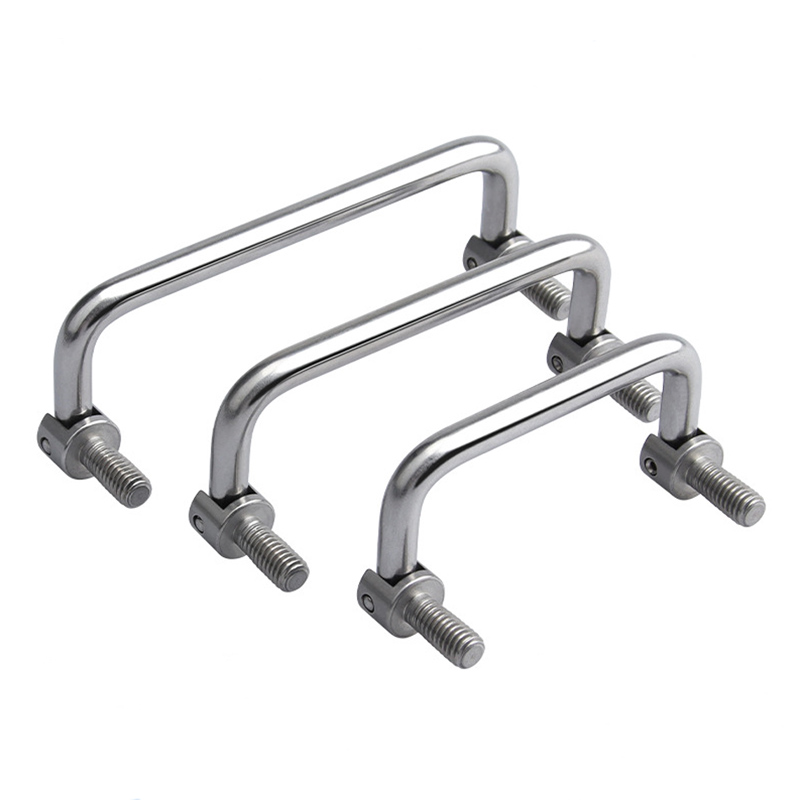
Machine handles do not all require the same safety or material compliance documents. The exact records depend on the handle material, machine application, buyer specifications, and project standards. For MXCZ U handles, available quality and compliance evidence includes ISO 9001 certification, complete dimensional inspection, first article inspection, material certificates, and stated RoHS and REACH compliance.
What Documentation Should Be Confirmed?
Documentation requirements should be established before production begins. Depending on the project, buyers may request material certificates, dimensional inspection reports, first article inspection results, surface-treatment details, or evidence of restricted-substance compliance. Each document should identify the actual handle configuration supplied, including its material, dimensions, thread, finish, and intended use.
- Request material certificates when the composition and traceability of stainless steel, carbon steel, aluminum, plastic, or other materials must be verified.
- Use dimensional inspection and first article inspection records when the handle must meet a drawing, tolerance, or approved sample.
- Confirm RoHS and REACH status when the handle will be integrated into equipment subject to chemical or environmental substance restrictions.
- Match the handle design and material to the operating environment, such as food processing, medical, marine, chemical, outdoor, electrical, or automation equipment.
How Application and Material Affect Compliance
Compliance evidence for a machine handle is application-specific rather than universal. A handle installed on a machine door may have different documentation needs from one used for fixture locking, manual adjustment, position control, or mechanical alignment. The review may cover material composition, corrosion resistance, surface treatment, dimensions, mounting method, and product traceability.
MXCZ U handles are listed in stainless steel, carbon steel, aluminum alloy, engineering plastic, and rubber or soft-grip configurations. Stainless steel options are associated with food, medical, marine, chemical, and outdoor equipment because corrosion resistance can be important in these environments. Engineering plastics are listed for electrical and automation applications where insulation, low weight, or design flexibility may be required.
Product information identifies material certificates, RoHS compliance, and REACH compliance as available documentation. The listed quality records also include ISO 9001 certification, full dimensional inspection, and first article inspection. Zhejiang Dream Industry Limited holds ISO certification number ZT-Q-24120011S for stainless steel handwheels, bushings, bolts, machined non-standard parts, handles, and related hardware.
Configuration Details to Include in a Purchase Specification
Compliance documents are more useful when they refer to a clearly defined product configuration. The specification should state the required handle length, grip diameter, mounting-hole size, thread type, and whether the design uses a through hole or blind hole. It should also identify the surface treatment and any requirements for color, logo, packaging, or custom geometry.
Stainless steel finish options listed for these handles include polishing, brushing, passivation, electropolishing, and mirror finishing. Steel, aluminum, and plastic products may use different finishing processes. Recording these details helps ensure that the material certificate, inspection report, and finish confirmation apply to the delivered part rather than to a general product family.
Quality Records for Different Equipment Environments
Operating conditions can determine which technical records deserve the most attention. Food-processing machinery may require hygienic surfaces and corrosion-resistant materials. Marine and offshore equipment may require confirmation of corrosion resistance in saltwater conditions. Electrical and automation equipment may place greater emphasis on insulation properties, dimensional consistency, and repeatable mounting.
In one German food-processing-equipment project, the company supplied 450 stainless steel handwheels for control systems and hygienic adjustment mechanisms. The customer feedback referenced surface finish, corrosion resistance, and delivery performance. This example shows why material selection and finish documentation should be reviewed together with the end-use environment.
Documentation and Requirement Comparison
| Document or Review Item | Availability or Purpose |
|---|---|
| ISO 9001 quality-system evidence | Supported; the product information lists ISO 9001 certification, and the company holds ISO certification number ZT-Q-24120011S. |
| Material certificate | Available according to the product information and should correspond to the specific handle material ordered. |
| Dimensional inspection report | Supported through full dimensional inspection and first article inspection for drawing or sample verification. |
| RoHS and REACH confirmation | Listed as compliant in the product quality and inspection information. |
| Application-specific technical review | Relevant for food machinery, medical equipment, marine systems, chemical machinery, automation equipment, electrical devices, and outdoor equipment. |
Frequently Asked Questions
Are identical compliance documents required for every machine handle?
No. The required evidence depends on the handle material, design, installation environment, machine function, customer requirements, and applicable project standards. A stainless steel handle for food-processing or marine equipment may need different material and finish confirmation than an engineering-plastic handle used on electrical equipment.
Which quality documents can be supplied for MXCZ U handles?
The listed documentation includes ISO 9001 certification, full dimensional inspection, first article inspection, material certificates, RoHS compliance, and REACH compliance. The product information also states that patent-protected designs are available.
Can customized handles be documented against technical drawings?
Yes. OEM and ODM services are available for custom dimensions, materials, threads, colors, logos, and packaging. Technical files can be provided in formats including PDF, CAD, DWG, DXF, STEP, IGS, and STP to support design review and drawing confirmation.
Recommended Purchasing Process
First define the required safety, material, and inspection records in the purchasing specification. Then confirm the selected handle's material, dimensions, thread, mounting style, surface treatment, and operating environment. Finally, request documentation that corresponds to the approved configuration and agree on inspection requirements before production.
MXCZ provides OEM and ODM manufacturing, custom CNC machining, bulk production, and flexible small-batch ordering. Its stated quality process covers raw materials, production operations, semi-finished parts, surface treatment, assembly, finished products, and packaging. For technical assistance or project support, contact 86-15868979792.
About Zhejiang Dream Industry Limited
Zhejiang Dream Industry Limited has more than 20 years of precision-manufacturing experience. The company produces custom CNC-machined parts and assemblies from stainless steel, aluminum, brass, copper, carbon steel, and engineering plastics. Its capabilities include design review, CNC turning and milling, surface treatment, precision casting, and final inspection.
Established in 2008, the company manufactures handwheels and operator controls, bushings, pins, fasteners, couplings, gears, shafts, pipe fittings, fluid components, precision CNC parts, and other metal and plastic products. Its stated production system includes more than 100 production and inspection units, with over 80% described as highly automated CNC machining centers, CNC lathes, and laser welding equipment.
The company holds ISO certification number ZT-Q-24120011S and several patent certifications. Its customers operate in industries including food machinery, industrial valves, marine equipment, CNC machinery, and packaging equipment.
How Many Couplings Should You Order to Test a New Product Line?
When introducing a new coupling line to customers, the most practical starting quantity depends on the product's design status and manufacturing requirements. For CNC precision-machined coupling parts, an initial order of 1–10 prototype or sample pieces is generally suitable. Standard hardware can typically begin with an MOQ of 10 pieces, while customized OEM coupling components may require 200–1,000 pieces based on material, tooling, dimensions, and production complexity.
Recommended MOQ by Development Stage
A staged purchasing strategy allows you to collect customer feedback without committing too early to a large production run. Begin with a small sample order while checking dimensions, installation, operating performance, and compatibility with customer equipment. After the design has been validated, a small-batch production order can support broader market testing.
- Order 1–10 pieces for prototype validation, fit checks, performance testing, and early customer reviews.
- Use an MOQ of 10 pieces for established standard hardware with confirmed specifications.
- Consider 50–500 pieces when the product has passed initial testing and requires trials with a larger customer group.
- Prepare for 200–1,000 pieces for custom OEM products involving special materials, dimensions, logos, tooling, or non-standard structures.
- Move to 1,000 pieces or more after demand, drawings, and production specifications have become stable.
How Design Maturity Affects Quantity
Prototype and Sample Validation
For a new coupling design that still requires evaluation, 1–10 CNC-machined pieces provide an efficient way to verify the concept. These samples can be used for assembly trials, load and motion checks, customer demonstrations, and early feedback. Small quantities also make it easier to identify design changes before a larger production commitment is made.
Small-Batch Customer Trials
Once the coupling dimensions, material selection, mounting method, and operating conditions have been confirmed, a batch of 50–500 pieces can support wider customer testing. This stage is useful for comparing performance in different industrial machinery, automation systems, power transmission equipment, and machine operation assemblies.
Custom OEM Manufacturing
Custom OEM projects commonly fall within the 200–1,000-piece range. The final MOQ depends on manufacturing difficulty, material availability, tooling investment, surface finishing, packaging requirements, and whether the product includes special branding or non-standard dimensions. Custom services may include drawing-based manufacturing, laser logo marking, customized packaging, and tailored surface treatments.
Technical files such as CAD, DWG, DXF, STEP, IGS, and STP can be used to confirm the design before production. Providing complete technical information helps the manufacturer assess feasibility, tooling needs, pricing, and the most appropriate trial quantity.
Materials and Related Hardware Options
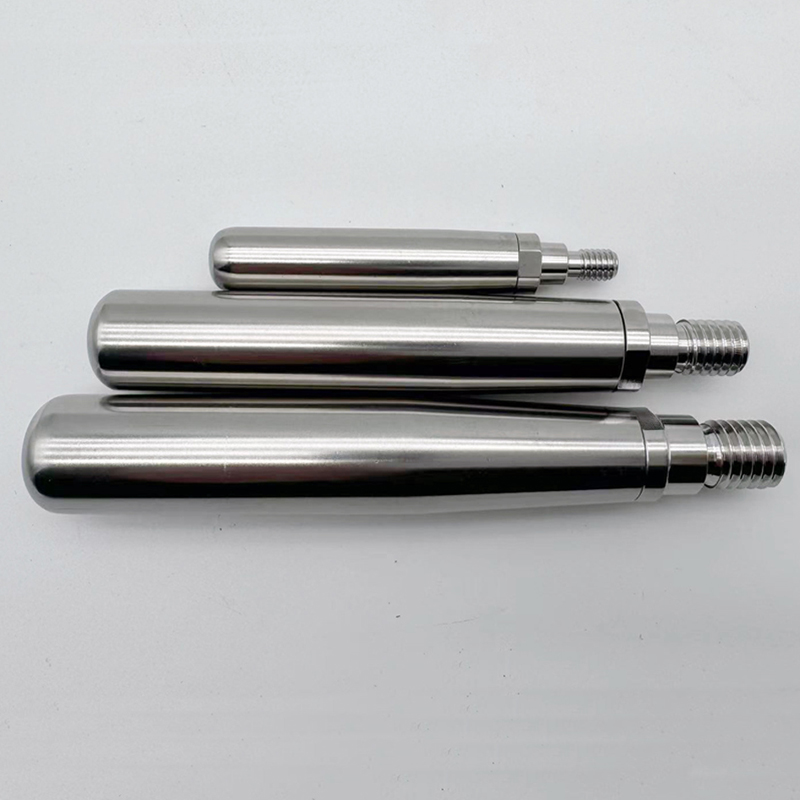
Coupling lines may be supplied with related operating hardware such as revolving handles, knobs, clamps, or other machine components. Available material options listed for revolving handles include stainless steel, carbon steel, aluminum alloy, engineering plastics, and rubber or TPR soft-grip materials. Depending on the application, customers can also request changes to thread specifications, colors, dimensions, logos, packaging, and material combinations.
These customization choices can influence the MOQ. A standard component with an existing mold or established production process may support a smaller starting quantity, while a new material, unusual structure, or dedicated tooling requirement can increase the minimum order.
Quality and Manufacturing Support
Zhejiang Dream Industry Limited operates an ISO 9001 certified manufacturing system. Quality checks cover incoming raw materials, machining processes, surface treatment, assembly, finished products, and packaging. This inspection structure is valuable when a new coupling line must meet consistent requirements across prototype, small-batch, and mass-production stages.
The company's documented project experience includes industrial valve supply, marine equipment, CNC machine clamping knobs, packaging machinery handles, and components for food processing equipment. These applications demonstrate experience with industrial hardware that must support reliable operation and repeatable production.
MOQ Comparison for Coupling Product Testing
| Development Stage | Typical Quantity | Primary Purpose |
|---|---|---|
| Prototype or sample evaluation | 1–10 pieces | Confirm design, fit, installation, and initial performance |
| Standard hardware trial | 10 pieces | Evaluate an established product with selected customers |
| Small-batch CNC production | 50–500 pieces | Conduct broader customer trials and early market validation |
| Custom OEM production | 200–1,000 pieces | Produce items requiring special specifications, materials, or tooling |
| Regular mass production | 1,000+ pieces | Support confirmed demand and repeatable production requirements |
Frequently Asked Questions
What is the smallest order for testing a new coupling?
For CNC precision-machined coupling parts, prototype or sample orders can start at 1–10 pieces. This quantity is appropriate when the design needs customer evaluation, fit verification, or performance testing before production is expanded.
Why can a custom OEM order require 200–1,000 pieces?
Custom OEM products may involve dedicated tooling, special materials, unusual dimensions, surface treatments, logo marking, or customized packaging. The required MOQ is determined by the total manufacturing complexity and the cost of preparing the production process.
What should be done after the first customer tests?
Review feedback on installation, dimensions, operating performance, durability, and appearance. If the design is accepted, increase the quantity to approximately 50–500 pieces for broader trials. Once demand and specifications are consistent, production can move toward 1,000 pieces or more.
What manufacturing services are available?
Support includes OEM and ODM production, custom CNC machining, factory-direct supply, flexible small-batch manufacturing, technical drawing review, material selection, surface treatment recommendations, packaging customization, and assistance with quality issues.
Practical Recommendation
For most new coupling lines, begin with 1–10 pieces when the product is still in the prototype stage. Use 10 pieces for standard hardware with fixed specifications, then increase to 50–500 pieces after initial customer feedback confirms the design. Custom OEM projects generally require 200–1,000 pieces, while stable high-volume production can begin at 1,000 pieces or more. This step-by-step approach limits early inventory risk while creating a clear path toward larger supply programs. For technical support or project discussions, contact 86-15868979792.
About Us
ZheJiang Dream Industry Limited has more than 20 years of precision manufacturing experience. The company produces custom CNC-machined parts and assemblies from stainless steel, aluminum, brass, copper, carbon steel, and engineering plastics. Its engineering and R&D capabilities cover product design, structural optimization, CNC precision machining, mold development, surface finishing, and customized manufacturing. With a 2,500 sqm factory and 34 employees, the company supports OEM and ODM production for industrial hardware applications. It holds ISO 9001 certification and has served customers across multiple industrial sectors.
REPORT