







-
 Agriculture
-
 Health-Care
-
 Environment
-
 Construction-Real-Estate
-
 Tools-Hardware
-
 Home-Garden
-
 Furniture
-
 Luggage-Bags-Cases
-
 Medical-devices-Supplies
-
 Gifts-Crafts
-
 Sports-Entertainment
-
 Food-Beverage
-
 Vehicles-Transportation
-
 Power-Transmission
-
 Material-Handling
-
 Renewable-Energy
-
 Safety
-
 Testing-Instrument-Equipment
-
 Construction-Building-Machinery
-
 Pet-Supplies
-
 Personal-Care-Household-Cleaning
-
 Vehicle-Accessories-Electronics-Tools
-
 School-Office-Supplies
-
 Packaging-Printing
-
 Mother-Kids-Toys
-
 Business-Services
-
 Commercial-Equipment-Machinery
-
 Apparel-Accessories
-
 Security
-
 Shoes-Accessories
-
 Vehicle-Parts-Accessories
-
 Jewelry-Eyewear-Watches-Accessories
-
 Lights-Lighting
-
 Fabric-Textile-Raw-Material
-
 Fabrication-Services
-
 Industrial-Machinery
-
 Consumer-Electronics
-
 Electrical-Equipment-Supplies
-
 Electronic-Components-Accessories-Telecommunications
-
 Home-Appliances
-
 Beauty
-
 Chemicals
-
 Rubber-Plastics
-
 Metals-Alloys


























































































































































































































































































































































































































































































































































































- Masonry Materials
- Curtain Walls & Accessories
- Earthwork Products
- Fireproofing Materials
- Heat Insulation Materials
- Plastic Building Materials
- Building Boards
- Soundproofing Materials
- Timber
- Waterproofing Materials
- Balustrades & Handrails
- Bathroom & Kitchen
- Flooring & Accessories
- Tiles & Accessories
- Door, Window & Accessories
- Fireplaces & Stoves
- Floor Heating Systems & Parts
- Stairs & Stair Parts
- Ceilings
- Elevators & Escalators
- Stone
- Countertops, Vanity Tops & Table Tops
- Mosaics
- Metal Building Materials
- Multifunctional Materials
- Ladders & Scaffoldings
- Mouldings
- Corner Guards
- Decorative Films
- Formwork
- Building & Industrial Glass
- Other Construction & Real Estate
- Wallpapers/Wall panels
- HVAC System & Parts
- Outdoor Facilities
- Prefabricated Buildings
- Festive & Party Supplies
- Bathroom Products
- Household Sundries
- Rain Gear
- Garden Supplies
- Household Cleaning Tools & Accessories
- Lighters & Smoking Accessories
- Home Storage & Organization
- Household Scales
- Smart Home Improvement
- Home Textiles
- Kitchenware
- Drinkware & Accessories
- Dinnerware, Coffee & Wine
- Home Decor
- Golf
- Fitness & Body Building
- Amusement Park Facilities
- Billiards, Board Game,Coin Operated Games
- Musical Instruments
- Outdoor Affordable Luxury Sports
- Camping & Hiking
- Fishing
- Sports Safety&Rehabilitation
- Ball Sports Equipments
- Water Sports
- Winter Sports
- Luxury Travel Equipments
- Sports Shoes, Bags & Accessories
- Cycling
- Other Sports & Entertainment Products
- Artificial Grass&Sports Flooring&Sports Court Equipment
- Scooters
- Food Ingredients
- Honey & Honey Products
- Snacks
- Nuts & Kernels
- Seafood
- Plant & Animal Oil
- Beverages
- Fruit & Vegetable Products
- Frog & Escargot
- Bean Products
- Egg Products
- Dairy Products
- Seasonings & Condiments
- Canned Food
- Instant Food
- Baked Goods
- Other Food & Beverage
- Meat & Poultry
- Confectionery
- Grain Products
- Feminie Care
- Hair Care & Styling
- Body Care
- Hands & Feet Care
- Hygiene Products
- Men's Grooming
- Laundry Cleaning Supplies
- Travel Size & Gift Sets
- Room Deodorizers
- Other Personal Care Products
- Pest Control Products
- Special Household Cleaning
- Floor Cleaning
- Kitchen & Bathroom Cleaning
- Oral Care
- Bath Supplies
- Yellow Pages
- Correction Supplies
- Office Binding Supplies
- Office Cutting Supplies
- Board Erasers
- Office Adhesives & Tapes
- Education Supplies
- Pencil Cases & Bags
- Notebooks & Writing Pads
- File Folder Accessories
- Calendars
- Writing Accessories
- Commercial Office Supplies
- Pencil Sharpeners
- Pens
- Letter Pad/Paper
- Paper Envelopes
- Desk Organizers
- Pencils
- Markers & Highlighters
- Filing Products
- Art Supplies
- Easels
- Badge Holder & Accessories
- Office Paper
- Printer Supplies
- Book Covers
- Other Office & School Supplies
- Stationery Set
- Boards
- Clipboards
- Stamps
- Drafting Supplies
- Stencils
- Electronic Dictionary
- Books
- Map
- Magazines
- Calculators
- Baby & Toddler Toys
- Educational Toys
- Classic Toys
- Dress Up & Pretend Play
- Toy Vehicle
- Stuffed Animals & Plush Toys
- Outdoor Toys & Structures
- Balloons & Accessories
- Baby Food
- Children's Clothing
- Baby Supplies & Products
- Maternity Clothes
- Kids Shoes
- Baby Care
- Novelty & Gag Toys
- Dolls & Accessories
- Puzzle & Games
- Blocks & Model Building Toys
- Toddler Clothing
- Baby Clothing
- Kids' Luggage & Bags
- Arts, Crafts & DIY Toys
- Action & Toy Figures
- Baby Appliances
- Hobbies & Models
- Remote Control Toys
- Promotional Toys
- Pregnancy & Maternity
- Hygiene Products
- Kid's Textile&Bedding
- Novelty & Special Use
- Toy Weapons
- Baby Gifts
- Baby Storage & Organization
- Auto Drive Systems
- ATV/UTV Parts & Accessories
- Marine Parts & Accessories
- Other Auto Parts
- Trailer Parts & Accessories
- Auto Transmission Systems
- Train Parts & Accessories
- Universal Parts
- Railway Parts & Accessories
- Auto Brake Systems
- Aviation Parts & Accessories
- Truck Parts & Accessories
- Auto Suspension Systems
- Auto Lighting Systems
- New Energy Vehicle Parts & Accessories
- Auto Steering Systems
- Wheels, Tires & Accessories
- Bus Parts & Accessories
- Auto Performance Parts
- Cooling System
- Go-Kart & Kart Racer Parts & Accessories
- Air Conditioning Systems
- Heavy Duty Vehicle Parts & Accessories
- Auto Electrical Systems
- Auto Body Systems
- Auto Engine Systems
- Container Parts & Accessories
- Motorcycle Parts & Accessories
- Refrigeration & Heat Exchange Equipment
- Machine Tool Equipment
- Food & Beverage Machinery
- Agricultural Machinery & Equipment
- Apparel & Textile Machinery
- Chemical Machinery
- Packaging Machines
- Paper Production Machinery
- Plastic & Rubber Processing Machinery
- Industrial Robots
- Electronic Products Machinery
- Metal & Metallurgy Machinery
- Woodworking Machinery
- Home Product Manufacturing Machinery
- Machinery Accessories
- Environmental Machinery
- Machinery Service
- Electrical Equipment Manufacturing Machinery
- Industrial Compressors & Parts
- Tobacco & Cigarette Machinery
- Production Line
- Used Industrial Machinery
- Electronics Production Machinery
- Other Machinery & Industrial Equipment
- Camera, Photo & Accessories
- Portable Audio, Video & Accessories
- Television, Home Audio, Video & Accessories
- Video Games & Accessories
- Mobile Phone & Accessories
- Electronic Publications
- Earphone & Headphone & Accessories
- Speakers & Accessories
- Smart Electronics
- TV Receivers & Accessories
- Mobile Phone & Computer Repair Parts
- Chargers, Batteries & Power Supplies
- Used Electronics
- VR, AR, MR Hardware & Software
- Projectors & Presentation Equipments
- Other Consumer Electronics
- Cables & Commonly Used Accessories
- Computer Hardware & Software
- Displays, Signage and Optoelectronics
- Discrete Semiconductors
- Wireless & IoT Module and Products
- Telecommunications
- Connectors, Terminals & Accessories
- Development Boards, Electronic Modules and Kits
- Circuit Protection
- Sensors
- Isolators
- Audio Components and Products
- Integrated Circuits
- Power Supplies
- Relays
- RF, Microwave and RFID
- Electronic Accessories & Supplies
- Passive Components
- PCB & PCBA
- Air Quality Appliances
- Home Appliance Parts
- Heating & Cooling Appliances
- Small Kitchen Appliances
- Laundry Appliances
- Water Heaters
- Water Treatment Appliances
- Refrigerators & Freezers
- Personal Care & Beauty Appliances
- Major Kitchen Appliances
- Cleaning Appliances
- Second-hand Appliances
- Smart Home Appliances
- Other Home Appliances
- Energy Chemicals
- Inorganic Chemicals
- Basic Organic Chemicals
- Agrochemicals
- Admixture & Additives
- Catalysts & Chemical Auxiliary Agents
- Pigments & Dyestuff
- Coating & Paint
- Daily Chemicals
- Polymer
- Organic Intermediate
- Adhesives & Sealants
- Chemical Waste
- Biological Chemical Products
- Surface Treatment Chemicals
- Painting & Coating
- Chemical Reagents
- Flavor & Fragrance
- Non-Explosive Demolition Agents
- Other Chemicals
- Custom Chemical Services

Other Service Equipment
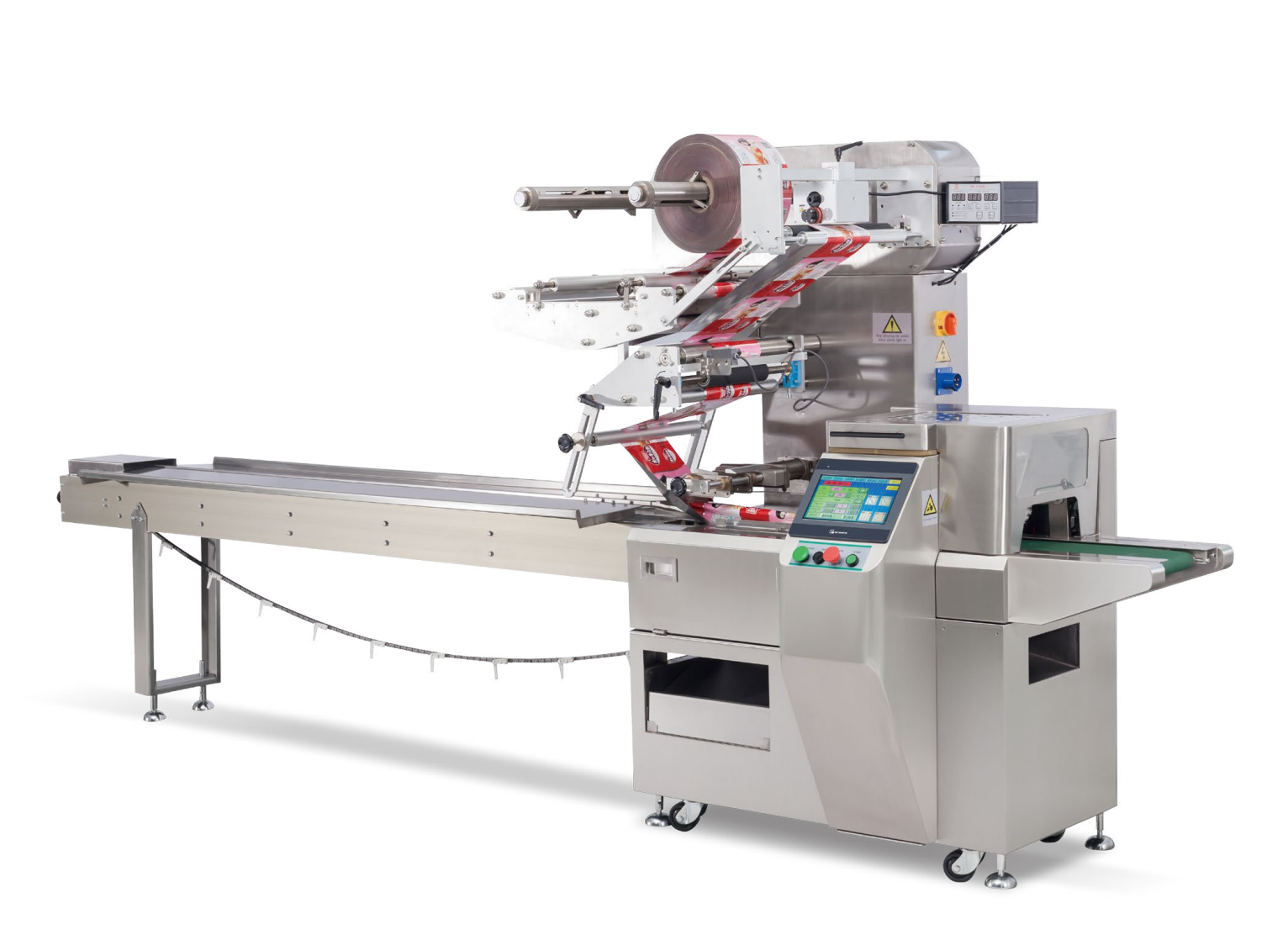
How Can I Verify Sample Results Before Scaling to Mass Production?
To assess whether a packaging sample can be reproduced at production scale, run the actual wafer product and packaging materials through the full automatic line using the planned operating settings. Document pack quality, dimensions, output rate, rejection performance, and changeover parameters. Confirm those results with sample inspection before delivery. Production performance will vary with product size, film type, and pack format.
Start with the Production Configuration
A representative trial should cover the complete process: feeding, product alignment or stacking, film forming, longitudinal sealing, cross sealing, cutting, and finished-pack discharge. Testing only the flow wrapper may miss issues caused by the planned infeed arrangement or upstream handling.
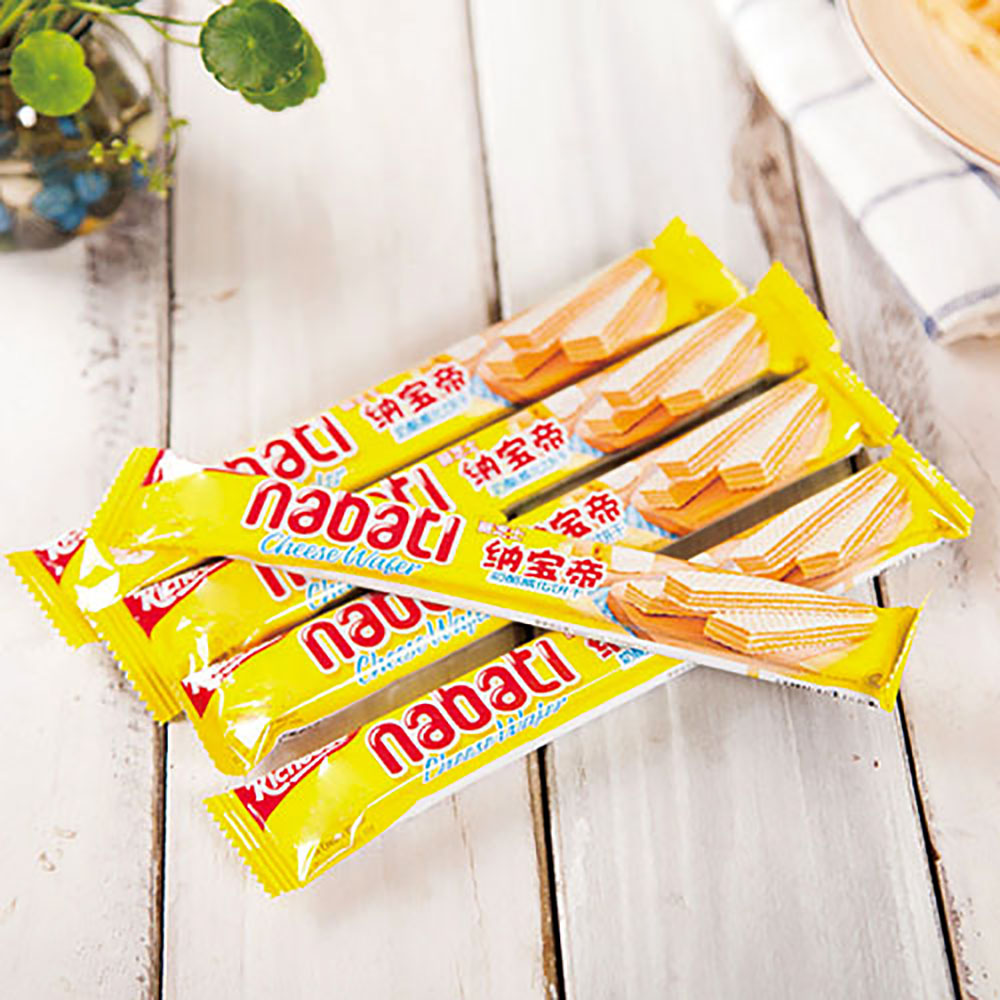
Use the wafer product intended for the line, whether wafer biscuits, bars, creamed wafers, sandwich wafers, or chocolate-coated wafers. Set the actual orientation and pack count before testing. With an optional collating unit, the system can stack two to six wafers per pack. Photoelectric sensors help track product position, and optional multi-lane arrangements can support higher output.
Packaging film is another critical trial variable. Test the intended heat-sealable laminate, such as OPP, CPP, PET/Alu/PE, or metallized film. Record film tension, fin-seal and cross-seal quality, cut-off results, and print registration. Color-mark tracking is specified at an accuracy of plus or minus 1 mm.
What to Measure and Record
Keep the settings used during the successful trial so they can be restored later. The machine uses PLC master control, distributed servo drives, a color touchscreen, recipe storage, and diagnostic functions. Depending on the model, it may have three servo axes, four axes, or full-servo control. Record the infeed speed, film-feed settings, sealing parameters, and product arrangement associated with each result.
Inspect finished packs for length and width, product presence, seal integrity, and consistent cutting. Also test the automatic rejection response for defects such as failed seals, missing products, or weight errors. Where the production line requires it, include downstream equipment such as a checkweigher, metal detector, labeler, cartoner, or robotic palletizer in the trial.
Compare Results Against the Intended Line
Judge sample performance using the selected machine configuration, not a headline maximum speed. Available product information describes entry-level, mid-range, and high-speed full-servo options. A typical line capacity is 100 to 1,000 packs per minute, while the flow-wrapping module is also described with a range of 30 to 250 packs per minute. The applicable rate depends on the product, film, and packaging format.
| Area | Trial checks | Related equipment or capability |
|---|---|---|
| Product handling | Confirm orientation, spacing, stacking, and transfer into the wrapper | Belt conveyor, vibratory alignment, photoelectric detection, and optional stacking of two to six wafers |
| Film and seals | Assess fin seals, cross seals, cut quality, and printed-film registration | Heat-sealable laminates, preheating assembly, heated jaws, and color-mark tracking |
| Output rate | Measure repeatable production with the selected product and pack format | Typical stated line capacity of 100 to 1,000 packs per minute; actual output varies |
| Finished-pack quality | Verify dimensions, product presence, seal integrity, and rejection response | Automatic defective-pack ejection; typical pack length of 60 to 300 mm, depending on product |
| Line integration | Check handoff to inspection and packaging equipment downstream | Optional checkweigher, metal detector, labeler, cartoner, and robotic palletizer |
| Recipe repeatability | Confirm tested settings can be recalled for future runs | PLC control, touchscreen recipes, fault logging, and remote diagnostics |
Company and Application Background
Foshan Ruipuhua Machinery Equipment Co. Ltd provides manufacturing and R&D support for automatic packaging systems. Its development work includes sample testing, PLC and HMI integration, film handling, and synchronized packaging lines. The company holds CE certification covering flow packaging machines, automatic packaging systems, cartoning machines, and palletizing robots.
One documented chocolate pie cake packaging project supplied 27 sets of equipment to a major bakery manufacturer operating in Vietnam, Korea, and China. The integrated line combined product forming, baking, filling, chocolate enrobing, wrapping, and robotic palletizing, illustrating the value of validating connected production stages together.
Frequently Asked Questions
Which product should be used for the trial?
Test the product planned for production, including its actual dimensions, coating, filling, orientation, and stacking quantity. A different product may feed, seal, and run at a different rate.
How do I check whether the film is suitable?
Use the intended heat-sealable laminate and document its width and reel setup, along with film tension, longitudinal and cross seals, cut quality, and printed-mark registration. Results apply to the film and format tested.
Does a sample trial prove the maximum advertised speed?
A trial establishes performance for the specific configuration tested. Stated speed ranges are not universal production guarantees; product dimensions, film material, and pack format determine the achievable rate.
Recommendations
For a meaningful production-readiness check, test the entire wafer packaging route with the intended product, film, stacking pattern, machine recipe, and downstream modules. Record sealing results, pack dimensions, registration, throughput, rejection behavior, and changeover settings. Use these documented conditions as the basis for production validation. Ruipuhua offers sample-based testing, manufacturing and OEM cooperation, and engineer support. For technical assistance, contact lotuspack@ruipuhua.com.
About Us
Foshan Ruipuhua Machinery Equipment Co. Ltd manufactures intelligent packaging machinery and provides R&D, production, installation, and technical after-sales service. Founded in 2005, the company has a production facility with annual capacity exceeding 500 automatic packaging machines and complete packaging lines. Its equipment serves food, bakery, biscuit, snack, noodle, chocolate, soap, hardware, pharmaceutical, and daily chemical applications in more than 100 countries.
The company holds CE certification for flow packaging machines, automatic packaging systems, cartoning machines, and palletizing robots, and serves customers across multiple industries.

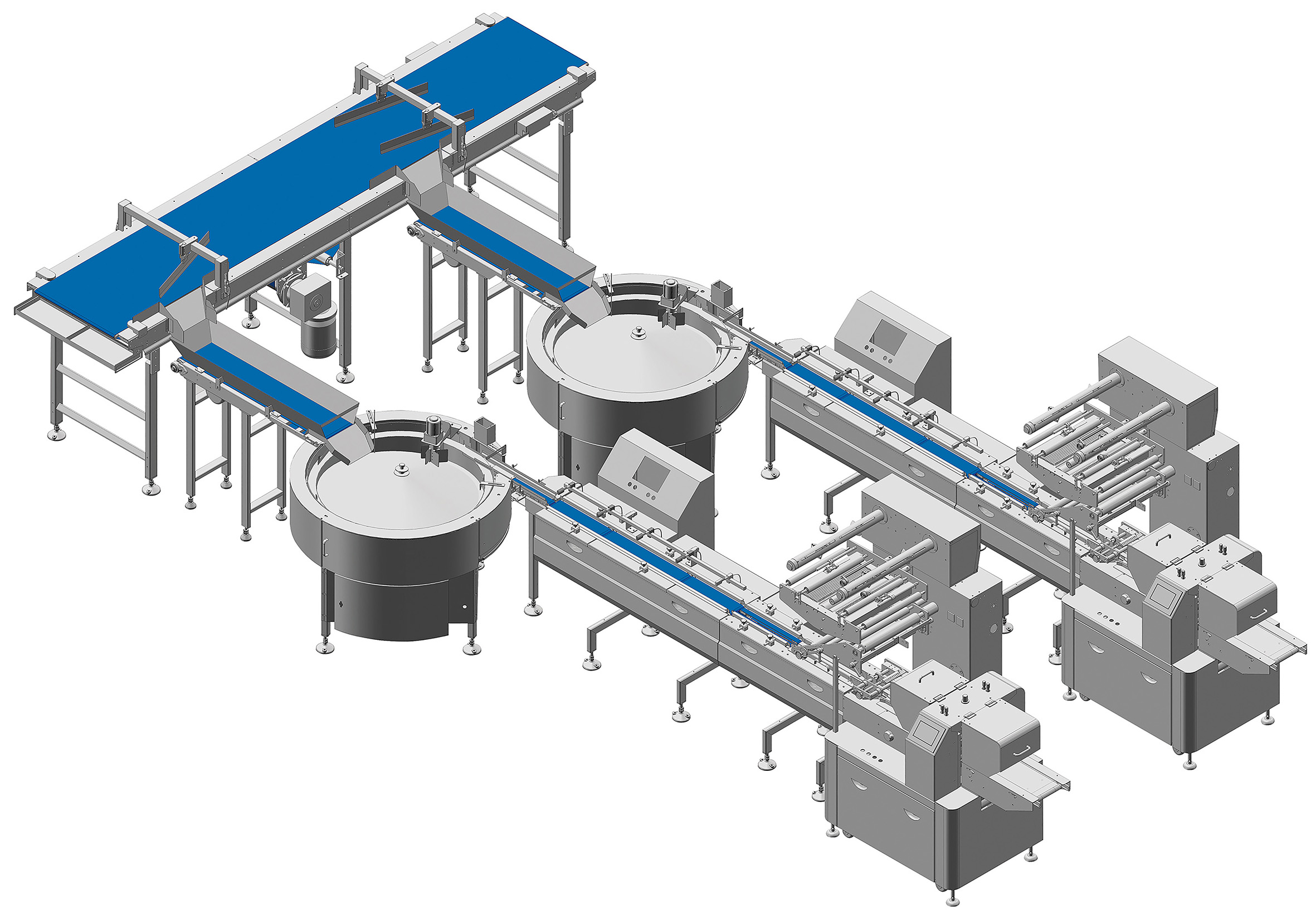
Burger Patty Packaging Line Warranty: What Defect Rate Is Covered?
No specific allowable defect rate for a burger patty packaging line is identified in the available information. The warranty percentage, covered failures, service obligations, exclusions, and warranty term must therefore be confirmed in the signed equipment agreement. The listed machinery demonstrates automatic and frozen-food packaging capabilities, but it does not establish a burger patty-specific warranty benchmark.
Warranty Scope and Purchasing Priorities
Before ordering a packaging line, the buyer and supplier should agree on how defects will be defined and measured. Relevant examples may include incomplete or weak seals, inaccurate package weights, film-registration problems, incorrect coding, malformed bags, and package damage directly caused by the equipment.
- Write the permitted defect rate or acceptance limit into the warranty and factory acceptance documents.
- Separate machine-caused failures from issues related to product variation, packaging film, upstream forming, or improper operation.
- Specify the test product, running speed, sample size, operating conditions, and inspection method.
- Confirm the warranty duration, covered components, exclusions, response time, repair obligations, and replacement policy.
Packaging-Line Configuration for Frozen Foods
A burger patty solution may require more than a bagging machine. Depending on the product and production volume, the line can include feeding, product collation, weighing, bag forming, sealing, date coding, metal detection, checkweighing, finished-pack conveying, case packing, and palletizing.
The available product information includes a vertical form-fill-seal arrangement with an elevator, multi-head weigher, vertical packaging machine, date coder, and finished-product conveyor. It also identifies horizontal flow-wrapping equipment for fragile products such as rice snacks and wafer sticks. These examples show experience with several packaging methods, but they do not state a warranty defect percentage for burger patty applications.
Acceptance Testing and Responsibility Allocation
Warranty discussions should distinguish equipment performance from conditions outside the machine builder's control. Patty size and temperature, product consistency, film specifications, sealing contamination, operator settings, maintenance, and upstream forming accuracy can all influence the final package. The contract should explain which party is responsible when one of these factors affects the result.
Useful acceptance criteria can cover seal strength and integrity, bag dimensions, product weight or count, print and date-code position, film tracking, machine throughput, and automatic rejection of nonconforming packs. Each criterion should include a practical test procedure and a documented remedy when the line fails to meet the agreed standard.
Foshan Ruipuhua Machinery Equipment Co. Ltd lists CE certification, certificate number M.2024.206.C107511, for flow packaging machines, automatic packaging systems, cartoning machines, and palletizing robots. This certification is a stated compliance credential; it does not define a contractual defect allowance or replace a negotiated warranty.

Information Review and Contract Recommendations
| Warranty or Technical Item | What the Available Data Shows | What the Buyer Should Confirm |
|---|---|---|
| Allowable defect rate | No percentage or threshold is provided. | Set a measurable limit for equipment-caused defects in the warranty and acceptance protocol. |
| Warranty duration | No coverage period or start point is stated. | Record the term, commencement date, covered parts, exclusions, and service response. |
| Equipment scope | Frozen-food bagging, vertical packaging, horizontal flow wrapping, cartoning, and palletizing are listed. | Define the exact configuration, line interfaces, capacity, and optional inspection devices. |
| Quality verification | Testing appears among the listed business capabilities. | Agree on test materials, production conditions, sampling, records, and corrective actions. |
| Supply model | Manufacturing and OEM services are identified. | Clarify whether the line is standard or custom-built because configuration affects acceptance results. |
Frequently Asked Questions
Is a fixed defect rate guaranteed for burger patty packaging?
No. The supplied information does not state a burger patty warranty percentage, an acceptable defect limit, or a guaranteed packaging quality rate.
What failures should a warranty address?
The agreement should explain how to handle equipment-related sealing failures, bag-forming faults, film misalignment, coding mistakes, feeding errors, weighing deviations, and other nonconforming packs caused by machine performance. The available data does not confirm which items are included.
Can frozen-food equipment be integrated into a complete automated line?
Yes. The listed equipment includes automatic frozen-food bagging, feeding and collating systems, carton machinery, case-packing robots, palletizing robots, conveyors, metal detectors, and online checkweighers.
Conclusion
The answer to the warranty question is that no covered defect-rate figure is provided. A reliable burger patty packaging contract should define the defect categories, allowable percentage or acceptance limit, inspection method, test conditions, warranty period, exclusions, and corrective-service process. The available company information supports manufacturing and OEM capabilities and identifies relevant CE-certified equipment, but it should not be interpreted as a burger patty warranty commitment. For technical solutions or support, contact lotuspack@ruipuhua.com.
About the Manufacturer
Foshan Ruipuhua Machinery Equipment Co. Ltd develops, manufactures, installs, and supports packaging machinery for food, bakery, biscuit, snack, noodle, soap, hardware, pharmaceutical, and daily chemical applications. Founded in 2005, the company reports operating a 50,000-square-meter facility and offering automatic frozen-food bagging systems, complete packaging lines, cartoning equipment, and palletizing solutions. Its stated annual production capacity is more than 500 automatic packaging machines and complete lines. The company also lists CE certification and experience serving customers in multiple industries.
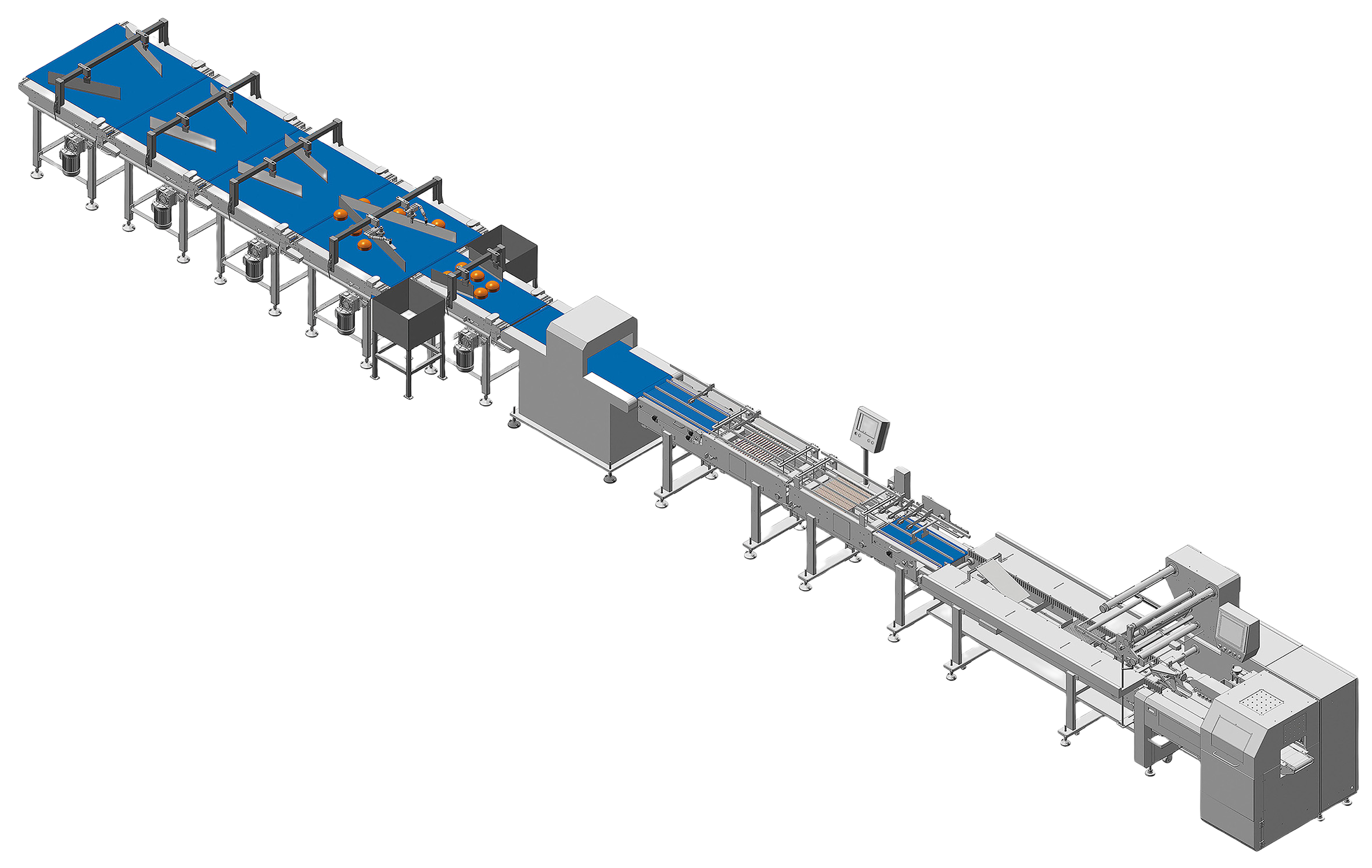
How to Shorten Food Packaging Machinery Evaluation Time
Food packaging machinery evaluations can be completed faster when the test uses representative products and runs the complete production sequence. For hamburger patty packaging, assess feeding, interleaving, counting, stacking, flow wrapping, coding, inspection, and rejection in one coordinated trial. Before testing begins, define measurable acceptance standards for throughput, seal quality, counting accuracy, package weight, and fault rejection.
Practical Methods for Faster Machinery Testing
- Prepare patties, interleaving paper or liner, packaging film, and the required stack quantities before the factory trial.
- Use one test checklist covering product alignment, paper placement, stack uniformity, seal appearance, code readability, weight accuracy, and rejected-pack handling.
- Operate the full line from automatic product infeed through flow wrapping, metal detection, checkweighing, and automatic rejection.
- Compare the required automation level with available operators and target production capacity at food factories, bakeries, and other manufacturing sites.
Why an Integrated Test Saves Time
Testing connected equipment as one system reveals transfer, timing, and control problems earlier than separate module demonstrations. The Hamburger Patty Fully Automatic Packaging Line is configured to handle raw or cooked beef, chicken, pork, fish, and plant-based patties. It can align products on an automatic infeed conveyor, position wax paper, PE film, or release liner between patties, count and stack the products, and wrap each stack with heat-sealable film.
The product format should be selected before the trial. Available packaging options include individual flow-wrapped stacks, gusseted bags, vacuum-skin packs, modified atmosphere packaging with gas flushing, and tray sealing with lid film. Choosing the correct format in advance allows the evaluator to use the appropriate film width, stack quantity, and product temperature instead of repeating tests later.
Key Points for Patty Packaging Trials
Hamburger patties require careful handling because excessive impact can deform the product or disturb the stack. The main checkpoints are gentle transfer, reliable interleaving, accurate counting, consistent stack alignment, stable sealing, and effective inspection. The listed equipment features soft-grip belts, low-impact stacking, adjustable paper tension, cut-to-length control, a servo-driven film carriage, PLC control, a 10-inch HMI touchscreen, recipe storage, and automatic rejection of nonconforming packs.
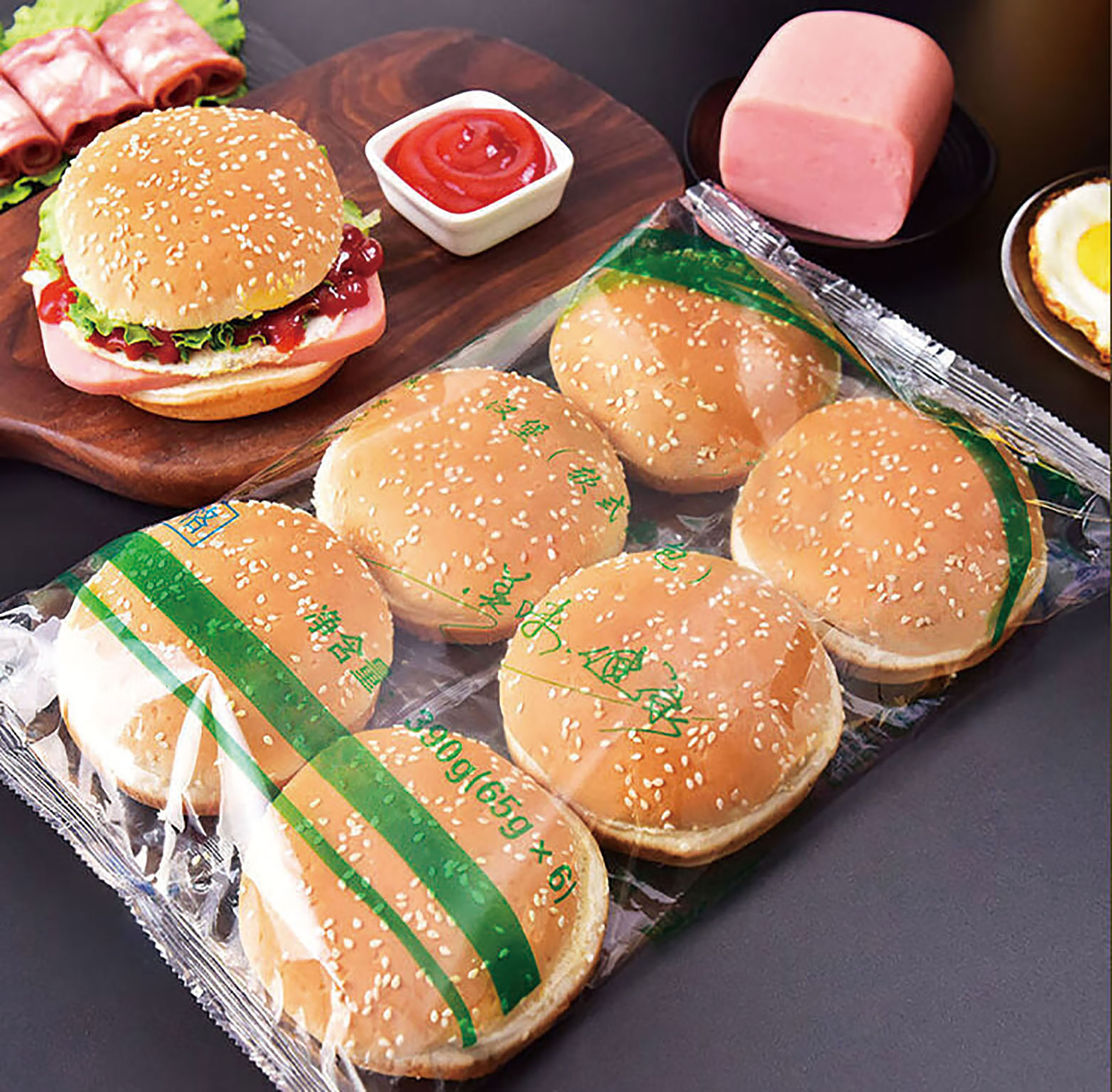
The published output range is 60 to 150 packs per minute, depending on patty dimensions and stack quantity. Supported patty sizes are listed as 80 mm to 180 mm in diameter and 5 mm to 30 mm in thickness, with customizable stacks of 2 to 20 patties per pack. Running the trial with the buyer's actual product dimensions and target configuration helps prevent an additional validation cycle.
Factory and supplier information can be reviewed before the acceptance test. The company lists CE certification for flow packaging machines, automatic packaging systems, cartoning equipment, and palletizing robots. Its project references include an integrated cake and pie packaging system for a bakery manufacturer, incorporating high-speed wrapping and robotic palletizing. These records indicate experience with connected packaging systems, but the final patty trial should still use the buyer's own products and materials.
Evaluation Checklist for a Single Trial
| Test Area | Verification Items | Time-Saving Benefit |
|---|---|---|
| Infeed and alignment | Check single-file delivery from the forming machine or freezer tunnel and confirm stable product positioning. | Finds transfer and alignment problems before they affect wrapping and inspection. |
| Interleaving and stacking | Verify liner placement, patty count, layer alignment, and product condition. | Evaluates separation, counting, and stack quality during the same production run. |
| Wrapping and coding | Inspect pillow-pack sealing, film tracking, date coding, batch coding, and barcode readability. | Confirms package appearance and traceability without scheduling separate trials. |
| Inspection and rejection | Test metal detection, checkweighing, and automatic diversion of defective packs. | Validates quality-control functions before the complete line is accepted. |
| Format changeover | Adjust patty size, stack height, and film width through HMI recipes and machine adjustments. | Shows whether planned formats can be changed efficiently with limited downtime. |
Frequently Asked Questions
What should be included in a machinery test sample?
Provide patties matching the planned diameter, thickness, temperature, and stack quantity. The test package should also include the actual interleaving paper or liner and the intended packaging film so feeding, separation, sealing, and finished-pack quality can be evaluated together.
Which machines should be evaluated as one process?
Run the automatic infeed conveyor, interleaving station, counting and stacking unit, horizontal flow wrapper, date and batch coder, metal detector, checkweigher, and automatic reject system in sequence. This approach reflects actual line operation and reduces repeated commissioning work.
How can changeover checks remain efficient?
Confirm the required patty dimensions, stack count, package style, and film width before the test. With tool-less adjustments and PLC recipe storage, the evaluation can concentrate on the buyer's planned formats rather than testing every possible setting.
Conclusion and Recommendations
The most efficient evaluation is a sample-based factory test with clear pass criteria for product handling, interleaving, stacking, wrapping, coding, inspection, rejection, and changeover. Foshan Ruipuhua Machinery Equipment Co. Ltd supports manufacturing and OEM projects and lists CE certification for applicable packaging equipment. For technical consultation or project support, contact lotuspack@ruipuhua.com.
About Foshan Ruipuhua Machinery Equipment Co. Ltd
Foshan Ruipuhua Machinery Equipment Co. Ltd develops packaging machines and integrated production lines for food, bakery, biscuit, snack, noodle, chocolate, soap, hardware, pharmaceutical, and daily chemical products. Founded in 2005 and based in Foshan, China, the company reports a 50,000-square-meter factory and R&D capabilities covering synchronized feeding, packaging, secondary collating, case packing, and palletizing. Its production information states an annual capacity of more than 500 automatic packaging machines and complete packaging lines. The company lists CE certification and serves customers across several industries.
How to Safeguard Your Deposit When Buying a Tortilla Packaging Line
When purchasing a tortilla packaging line, the best way to protect your deposit is to establish clear, measurable conditions before signing the order. The written agreement should identify the tortilla specifications, packaging film, production capacity, factory testing process, delivery schedule, warranty coverage, and final acceptance requirements. Ruipuhua's stated terms include a 30% deposit and a 70% balance payable on or before shipment, so payment should be connected to documented testing and shipping evidence.
Essential Deposit Protection Measures
- Document the tortilla size, stacking or feeding method, film structure, bag format, sealing method, coding needs, target speed, and connected downstream equipment.
- Require a factory trial using representative tortilla samples and the intended packaging film before the machine is dispatched.
- Define the payment schedule in detail. The available commercial information states that 30% is paid as a deposit and the remaining 70% is due on or before the shipment date.
- Set out delivery obligations, commissioning support, training, warranty responsibilities, and the conditions required for acceptance.
Build the Contract Around Verifiable Results
A general description such as “automatic tortilla packaging line” does not provide enough protection for a buyer. The agreement should include a complete technical attachment covering product dimensions, product orientation, feeding and alignment, film specifications, package size, sealing configuration, date coding, inspection methods, output expectations, and all equipment included in the quotation.
The referenced equipment information describes a horizontal flow-pack system for wafer products. Its process includes feeding, alignment or stacking, film forming, longitudinal sealing, cross sealing, cutting, and finished-package discharge. Since the available record is wafer-oriented rather than a finalized tortilla specification, the supplier must confirm the exact tortilla configuration before the order is finalized. Actual performance will also depend on the tortilla dimensions, packaging material, and selected package format.
Use Sample Testing as a Payment Safeguard
Sample testing should be written into the purchasing process rather than treated as an informal demonstration. Send representative tortillas and the planned film to the manufacturer, then request a documented factory acceptance test. The test report should address product feeding, stacking or spacing, package measurements, seal integrity, coding accuracy, reject functions, operating speed, and other agreed conditions.
The company information indicates that customers can use real product samples in an on-site laboratory before delivery, and the product record identifies sample testing as a quality-inspection method. Ask for signed test results, photographs or video of the completed trial, and a record of the final machine settings. These documents help establish whether the delivered equipment matches the configuration used to justify the balance payment.
Before releasing the remaining amount, the buyer should obtain the completed factory acceptance report, approved packing parameters, final parts list, packing list, commercial invoice, and shipment documents. The contract should also explain how unresolved deviations are handled and whether corrective testing is required before dispatch.
Clarify the Shipment Payment Trigger
The supplied payment information states “30% deposit, the 70% on or before the date of shipment.” Because this wording may allow the balance to become payable before the equipment is physically dispatched, define “shipment” precisely. The contract should state which inspection documents must be delivered first, how deviations are recorded, and whether payment can be withheld or adjusted if agreed acceptance conditions are not met.
The available information does not mention escrow, a bank guarantee, a retention percentage, or a specific deposit-refund process. Buyers should therefore avoid assuming that these protections exist and should negotiate any additional financial safeguards directly with the supplier before placing the order.
Commercial, Support, and Certification Details
Ruipuhua lists manufacturing and OEM services, a minimum order quantity of one unit, an indicated delivery period of 20 working days, and engineer support after purchase. The contract should state when the 20-working-day period begins, what events may extend it, and whether installation, commissioning, operator training, and remote or on-site support are included.
The stated CE certification, certificate number M.2024.206.C107511, covers flow packaging machines, automatic packaging systems, cartoning machines, and palletizing robots. The buyer should confirm which modules in the proposed tortilla line fall within the certification scope and request the applicable technical documentation.
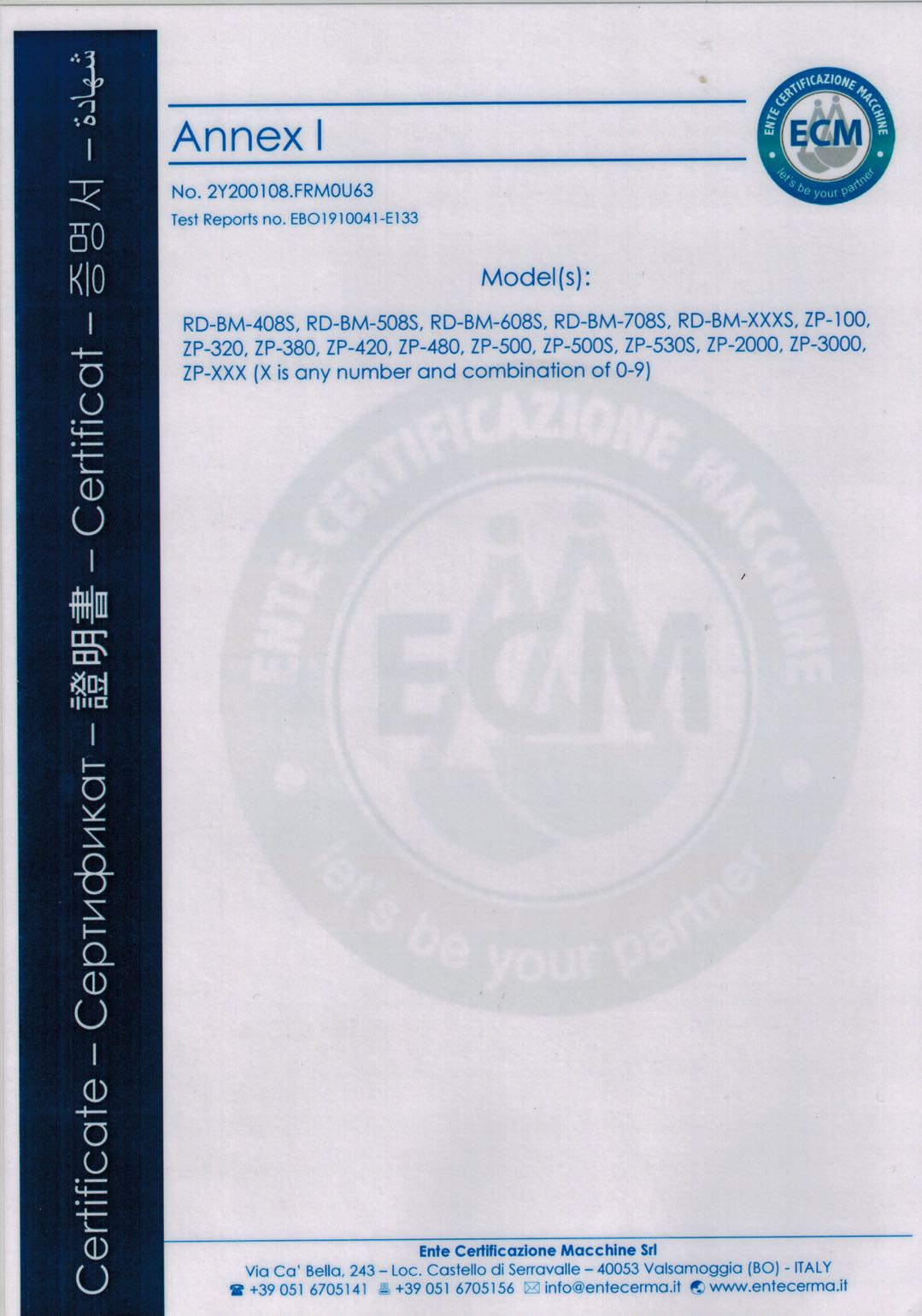
Ruipuhua also reports experience with a multinational bakery customer and an integrated cake-pie production project involving wrapping and robotic palletizing. This indicates experience with bakery automation, but it should not replace line-specific acceptance criteria. The tortilla product, film, operating conditions, and final package must still be tested and approved individually.
Protection Checklist for Buyers
| Item | Recommended contractual control |
|---|---|
| Deposit and balance | Record the 30% deposit and 70% shipment payment, while defining the shipment event and the evidence required before payment. |
| Product scope | Attach the tortilla dimensions, product range, feeding method, packaging style, film details, target speed, and all included modules. |
| Factory acceptance | Use real tortillas and the intended film, then require signed test results covering output, seals, package size, coding, and reject performance. |
| Delivery schedule | Confirm the meaning of the stated 20 working days, the starting date, delay responsibilities, and dispatch documentation. |
| Technical service | Define engineer support, installation and commissioning duties, training, response times, spare parts, and warranty service. |
| Certification | Verify that the CE documentation applies to the specific packaging, cartoning, and palletizing modules supplied. |
Frequently Asked Questions
What information should be attached to the purchase contract?
Include the tortilla dimensions, allowable product variation, film type, package dimensions, feeding arrangement, sealing method, coding requirements, expected output, inspection method, and equipment list. The product information indicates that performance depends on product size, film material, and packaging format.
Can the final payment be connected to sample testing?
The listed commercial term requires the 70% balance on or before shipment, while the quality information refers to sample testing. Ask the supplier to define a formal factory acceptance test and to provide the agreed results before the shipment payment becomes due.
Is the available product information already specific to tortillas?
No. The referenced product record concerns a wafer automatic packaging system and describes horizontal flow wrapping. The exact tortilla configuration must be confirmed with the manufacturer using the buyer's product samples, film, and required package format.
Conclusion
Deposit protection depends on turning the purchase into a documented acceptance process. Specify the tortilla line in measurable terms, test representative samples, preserve the test records, and connect the shipment payment to the agreed evidence. The available information identifies a one-unit minimum order, a 20-working-day delivery indication, a 30% deposit with 70% payable on or before shipment, engineer support, and CE certification for applicable packaging equipment. For technical assistance or a detailed quotation, contact lotuspack@ruipuhua.com.
About Us
Foshan Ruipuhua Machinery Equipment Co. Ltd manufactures intelligent packaging machinery and provides research and development, production, installation, and technical after-sales services. Founded in 2005 and based in Foshan, Guangdong, the company reports a 50,000-square-meter factory. Its stated solutions cover bakery, biscuit and wafer, snack, noodle, chocolate, soap, hardware, cartoning, case-packing, and palletizing applications. The company lists CE certification for flow packaging machines, automatic packaging systems, cartoning machines, and palletizing robots, and reports serving customers in several industries.
REPORT