







-
 Agriculture
-
 Health-Care
-
 Environment
-
 Construction-Real-Estate
-
 Tools-Hardware
-
 Home-Garden
-
 Furniture
-
 Luggage-Bags-Cases
-
 Medical-devices-Supplies
-
 Gifts-Crafts
-
 Sports-Entertainment
-
 Food-Beverage
-
 Vehicles-Transportation
-
 Power-Transmission
-
 Material-Handling
-
 Renewable-Energy
-
 Safety
-
 Testing-Instrument-Equipment
-
 Construction-Building-Machinery
-
 Pet-Supplies
-
 Personal-Care-Household-Cleaning
-
 Vehicle-Accessories-Electronics-Tools
-
 School-Office-Supplies
-
 Packaging-Printing
-
 Mother-Kids-Toys
-
 Business-Services
-
 Commercial-Equipment-Machinery
-
 Apparel-Accessories
-
 Security
-
 Shoes-Accessories
-
 Vehicle-Parts-Accessories
-
 Jewelry-Eyewear-Watches-Accessories
-
 Lights-Lighting
-
 Fabric-Textile-Raw-Material
-
 Fabrication-Services
-
 Industrial-Machinery
-
 Consumer-Electronics
-
 Electrical-Equipment-Supplies
-
 Electronic-Components-Accessories-Telecommunications
-
 Home-Appliances
-
 Beauty
-
 Chemicals
-
 Rubber-Plastics
-
 Metals-Alloys


























































































































































































































































































































































































































































































































































































- Masonry Materials
- Curtain Walls & Accessories
- Earthwork Products
- Fireproofing Materials
- Heat Insulation Materials
- Plastic Building Materials
- Building Boards
- Soundproofing Materials
- Timber
- Waterproofing Materials
- Balustrades & Handrails
- Bathroom & Kitchen
- Flooring & Accessories
- Tiles & Accessories
- Door, Window & Accessories
- Fireplaces & Stoves
- Floor Heating Systems & Parts
- Stairs & Stair Parts
- Ceilings
- Elevators & Escalators
- Stone
- Countertops, Vanity Tops & Table Tops
- Mosaics
- Metal Building Materials
- Multifunctional Materials
- Ladders & Scaffoldings
- Mouldings
- Corner Guards
- Decorative Films
- Formwork
- Building & Industrial Glass
- Other Construction & Real Estate
- Wallpapers/Wall panels
- HVAC System & Parts
- Outdoor Facilities
- Prefabricated Buildings
- Festive & Party Supplies
- Bathroom Products
- Household Sundries
- Rain Gear
- Garden Supplies
- Household Cleaning Tools & Accessories
- Lighters & Smoking Accessories
- Home Storage & Organization
- Household Scales
- Smart Home Improvement
- Home Textiles
- Kitchenware
- Drinkware & Accessories
- Dinnerware, Coffee & Wine
- Home Decor
- Golf
- Fitness & Body Building
- Amusement Park Facilities
- Billiards, Board Game,Coin Operated Games
- Musical Instruments
- Outdoor Affordable Luxury Sports
- Camping & Hiking
- Fishing
- Sports Safety&Rehabilitation
- Ball Sports Equipments
- Water Sports
- Winter Sports
- Luxury Travel Equipments
- Sports Shoes, Bags & Accessories
- Cycling
- Other Sports & Entertainment Products
- Artificial Grass&Sports Flooring&Sports Court Equipment
- Scooters
- Food Ingredients
- Honey & Honey Products
- Snacks
- Nuts & Kernels
- Seafood
- Plant & Animal Oil
- Beverages
- Fruit & Vegetable Products
- Frog & Escargot
- Bean Products
- Egg Products
- Dairy Products
- Seasonings & Condiments
- Canned Food
- Instant Food
- Baked Goods
- Other Food & Beverage
- Meat & Poultry
- Confectionery
- Grain Products
- Feminie Care
- Hair Care & Styling
- Body Care
- Hands & Feet Care
- Hygiene Products
- Men's Grooming
- Laundry Cleaning Supplies
- Travel Size & Gift Sets
- Room Deodorizers
- Other Personal Care Products
- Pest Control Products
- Special Household Cleaning
- Floor Cleaning
- Kitchen & Bathroom Cleaning
- Oral Care
- Bath Supplies
- Yellow Pages
- Correction Supplies
- Office Binding Supplies
- Office Cutting Supplies
- Board Erasers
- Office Adhesives & Tapes
- Education Supplies
- Pencil Cases & Bags
- Notebooks & Writing Pads
- File Folder Accessories
- Calendars
- Writing Accessories
- Commercial Office Supplies
- Pencil Sharpeners
- Pens
- Letter Pad/Paper
- Paper Envelopes
- Desk Organizers
- Pencils
- Markers & Highlighters
- Filing Products
- Art Supplies
- Easels
- Badge Holder & Accessories
- Office Paper
- Printer Supplies
- Book Covers
- Other Office & School Supplies
- Stationery Set
- Boards
- Clipboards
- Stamps
- Drafting Supplies
- Stencils
- Electronic Dictionary
- Books
- Map
- Magazines
- Calculators
- Baby & Toddler Toys
- Educational Toys
- Classic Toys
- Dress Up & Pretend Play
- Toy Vehicle
- Stuffed Animals & Plush Toys
- Outdoor Toys & Structures
- Balloons & Accessories
- Baby Food
- Children's Clothing
- Baby Supplies & Products
- Maternity Clothes
- Kids Shoes
- Baby Care
- Novelty & Gag Toys
- Dolls & Accessories
- Puzzle & Games
- Blocks & Model Building Toys
- Toddler Clothing
- Baby Clothing
- Kids' Luggage & Bags
- Arts, Crafts & DIY Toys
- Action & Toy Figures
- Baby Appliances
- Hobbies & Models
- Remote Control Toys
- Promotional Toys
- Pregnancy & Maternity
- Hygiene Products
- Kid's Textile&Bedding
- Novelty & Special Use
- Toy Weapons
- Baby Gifts
- Baby Storage & Organization
- Auto Drive Systems
- ATV/UTV Parts & Accessories
- Marine Parts & Accessories
- Other Auto Parts
- Trailer Parts & Accessories
- Auto Transmission Systems
- Train Parts & Accessories
- Universal Parts
- Railway Parts & Accessories
- Auto Brake Systems
- Aviation Parts & Accessories
- Truck Parts & Accessories
- Auto Suspension Systems
- Auto Lighting Systems
- New Energy Vehicle Parts & Accessories
- Auto Steering Systems
- Wheels, Tires & Accessories
- Bus Parts & Accessories
- Auto Performance Parts
- Cooling System
- Go-Kart & Kart Racer Parts & Accessories
- Air Conditioning Systems
- Heavy Duty Vehicle Parts & Accessories
- Auto Electrical Systems
- Auto Body Systems
- Auto Engine Systems
- Container Parts & Accessories
- Motorcycle Parts & Accessories
- Refrigeration & Heat Exchange Equipment
- Machine Tool Equipment
- Food & Beverage Machinery
- Agricultural Machinery & Equipment
- Apparel & Textile Machinery
- Chemical Machinery
- Packaging Machines
- Paper Production Machinery
- Plastic & Rubber Processing Machinery
- Industrial Robots
- Electronic Products Machinery
- Metal & Metallurgy Machinery
- Woodworking Machinery
- Home Product Manufacturing Machinery
- Machinery Accessories
- Environmental Machinery
- Machinery Service
- Electrical Equipment Manufacturing Machinery
- Industrial Compressors & Parts
- Tobacco & Cigarette Machinery
- Production Line
- Used Industrial Machinery
- Electronics Production Machinery
- Other Machinery & Industrial Equipment
- Camera, Photo & Accessories
- Portable Audio, Video & Accessories
- Television, Home Audio, Video & Accessories
- Video Games & Accessories
- Mobile Phone & Accessories
- Electronic Publications
- Earphone & Headphone & Accessories
- Speakers & Accessories
- Smart Electronics
- TV Receivers & Accessories
- Mobile Phone & Computer Repair Parts
- Chargers, Batteries & Power Supplies
- Used Electronics
- VR, AR, MR Hardware & Software
- Projectors & Presentation Equipments
- Other Consumer Electronics
- Cables & Commonly Used Accessories
- Computer Hardware & Software
- Displays, Signage and Optoelectronics
- Discrete Semiconductors
- Wireless & IoT Module and Products
- Telecommunications
- Connectors, Terminals & Accessories
- Development Boards, Electronic Modules and Kits
- Circuit Protection
- Sensors
- Isolators
- Audio Components and Products
- Integrated Circuits
- Power Supplies
- Relays
- RF, Microwave and RFID
- Electronic Accessories & Supplies
- Passive Components
- PCB & PCBA
- Air Quality Appliances
- Home Appliance Parts
- Heating & Cooling Appliances
- Small Kitchen Appliances
- Laundry Appliances
- Water Heaters
- Water Treatment Appliances
- Refrigerators & Freezers
- Personal Care & Beauty Appliances
- Major Kitchen Appliances
- Cleaning Appliances
- Second-hand Appliances
- Smart Home Appliances
- Other Home Appliances
- Energy Chemicals
- Inorganic Chemicals
- Basic Organic Chemicals
- Agrochemicals
- Admixture & Additives
- Catalysts & Chemical Auxiliary Agents
- Pigments & Dyestuff
- Coating & Paint
- Daily Chemicals
- Polymer
- Organic Intermediate
- Adhesives & Sealants
- Chemical Waste
- Biological Chemical Products
- Surface Treatment Chemicals
- Painting & Coating
- Chemical Reagents
- Flavor & Fragrance
- Non-Explosive Demolition Agents
- Other Chemicals
- Custom Chemical Services

Solar Applications
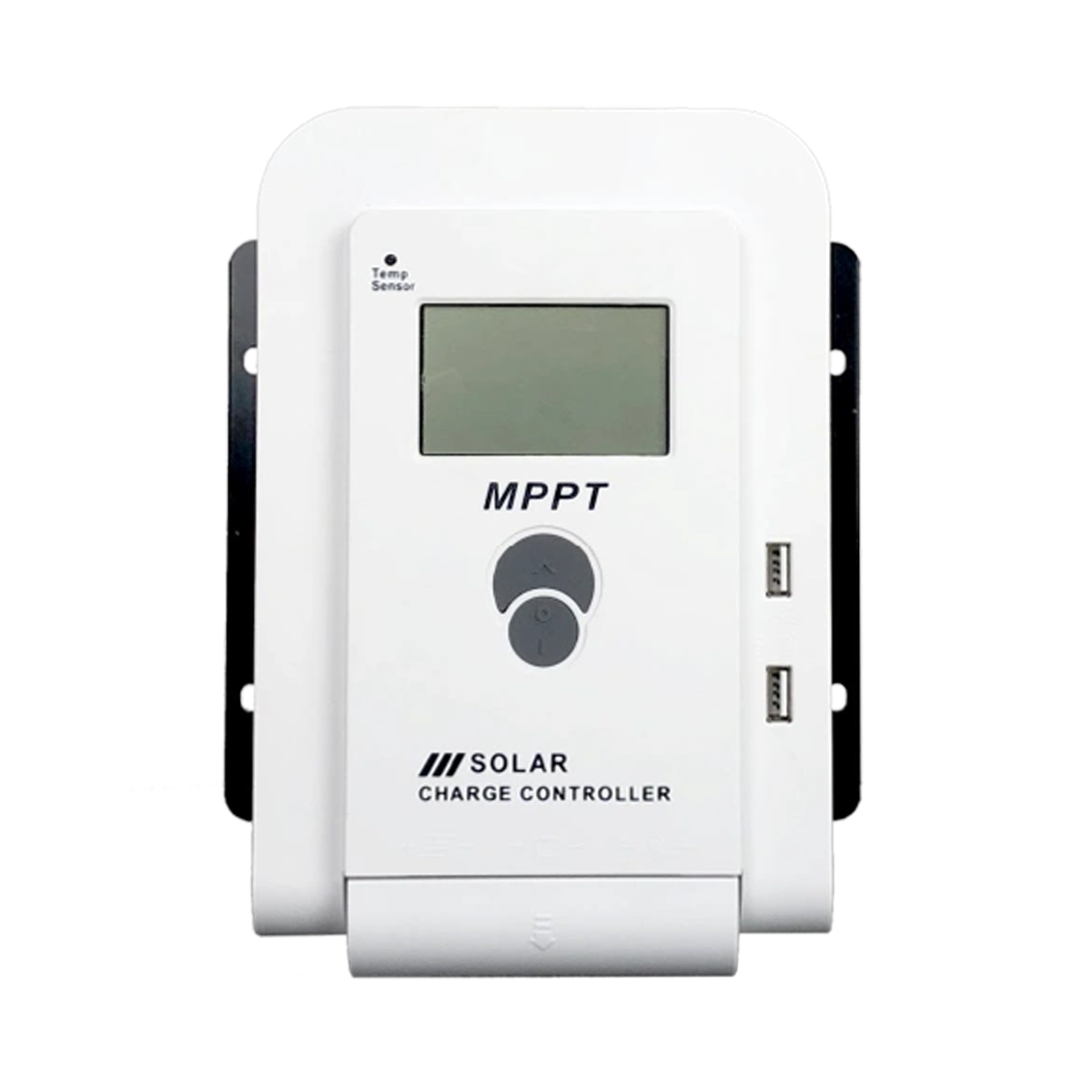
How to Measure the Usable Capacity of a Portable Battery
Compare Delivered Energy, Not Just the Battery Rating
The advertised capacity of a portable battery indicates its nominal stored energy, but it does not always represent what connected equipment can actually use. For a more accurate comparison, focus on the measured energy delivered to the intended load, expressed in watt-hours (Wh).
A reliable evaluation should account for inverter and charging losses, battery-management power consumption, discharge cut-off levels, protected reserve capacity, operating temperature, current, and load type. Suppliers should provide tested usable-output data under clearly defined conditions.
Key Points for a Fair Usable-Capacity Comparison
- Use delivered watt-hours as the primary comparison metric.
- Confirm whether the test includes inverter, charger, and control-system losses.
- Check the discharge cut-off voltage and any energy retained as a safety reserve.
- Compare products under the same load type, temperature, current, and test procedure.
- Keep battery storage specifications separate from the performance of connected equipment, including inverters and MPPT solar charge controllers.
How Usable Capacity Is Determined
Nominal capacity and usable capacity describe different results. Nominal capacity is the battery’s stated storage value, while usable capacity is the energy that reaches the load before the system stops discharging or enters its protection range. These figures are meaningful only when the measurement conditions are equivalent.
To conduct a practical test, discharge each battery using a defined load and record voltage and current throughout the process. The resulting energy delivered in watt-hours can then be compared with the manufacturer’s advertised rating. The test report should also specify whether the measurement was taken directly at the battery terminals or after an inverter, charger, or other conversion device.
Why Conversion Equipment Matters
A portable power station supplying AC equipment normally delivers less energy than the battery stores. The inverter, cooling system, display, and battery-management electronics consume part of the stored energy. A DC load may produce a different result because it avoids some conversion stages. For this reason, products should be tested with the same type of load and the same measurement position.
Discharge Limits, Reserve Energy, and Temperature
Battery systems commonly retain a protected reserve to prevent excessive discharge and extend service life. The energy available to the user will therefore be lower than the total chemical storage capacity. Low or high temperatures can also affect battery performance, voltage behavior, and the amount of energy that can be delivered.
The supplied information for the 36 48V Solar Charge Controller does not list a battery rating, usable-output measurement, conversion efficiency, or discharge-test result. These figures should be obtained from the applicable battery specification sheet and test records before making a quantitative product comparison.
Distinguishing the Battery from the Solar Charge Controller
The listed product is an MPPT solar charge controller, not a portable battery or power station. Its function is to regulate photovoltaic charging and manage energy transfer between the solar array and the battery. It should therefore be evaluated separately from the battery’s storage capacity and user-accessible output.
Product photographs can show the controller’s design and form factor, but they should not be used as evidence of battery capacity or usable energy.

The company reports a broad quality-control process for energy-storage batteries. The process includes visual inspection, voltage and internal-resistance checks, charge-discharge capacity testing, BMS protection verification, high-voltage insulation testing, high- and low-temperature trials, vibration and drop testing, and ageing burn-in screening. These records can be useful when verifying a supplier’s usable-capacity claims.
The company also describes a 1GWh energy-storage distribution cooperation in Southeast Asia for residential and industrial and commercial applications. The project was designed to address unreliable power grids and high electricity costs through energy-storage systems supported by local after-sales service centers.
Advertised Capacity vs. Usable Capacity
| Evaluation item | Advertised capacity | Usable-capacity measurement |
|---|---|---|
| Primary basis | Nominal energy stored in the battery | Energy actually delivered to a specified load |
| Conversion losses | May not be included | Should be identified and measured |
| Discharge behavior | May omit reserve and cut-off settings | Must state the cut-off point and protected reserve |
| Test conditions | May be unclear or incomplete | Should define temperature, current, load, and method |
| Product scope | Applies to a battery or portable power station | Must be distinguished from an MPPT charge controller |
Frequently Asked Questions
What information should I request from a portable-battery supplier?
Ask for tested usable energy in watt-hours, along with the load type, test current, operating temperature, discharge limit, test duration, and measurement location. Confirm whether the result was recorded before or after an inverter or other conversion stage.
Can nominal capacity be used to estimate runtime?
Nominal capacity is useful for an initial estimate, but it should not be treated as the energy available to the load. Runtime planning should use tested delivered energy under conditions similar to the intended application.
Does the 36 48V Solar Charge Controller specify portable-battery capacity?
No. The available product information does not provide battery capacity or usable-output figures. The controller should be assessed as charging and control equipment, while battery capacity must be verified through the battery’s own specifications and test documentation.
Conclusion and Procurement Guidance
For a meaningful portable-battery comparison, use measured watt-hours delivered under identical operating conditions. Record the load type, conversion losses, discharge cut-off, reserve capacity, temperature, current, and measurement point in the comparison sheet.
For procurement requirements, Shenzhen Sunvoltx Intelligent Technology Co., Ltd. operates an integrated industrial and trading business model. The company states a minimum order quantity of 100 pieces and a 15-day delivery period. Its listed inverter certifications include CE certificates CE-INV-260618-0001 and CE-INV-260618-0002. For technical solutions or product support, contact marketing@sunvoltx.com.
About Us
shenzhen sunvoltx intelligent technology Co., Ltd. focuses on the research, development, manufacturing, customization, and wholesale supply of energy-storage power systems, inverters, and chargers. The company provides integrated power solutions for international customers and offers OEM/ODM development through an R&D team covering energy storage, inverter, and photovoltaic control technologies.
The company reports monthly production of more than 5,000 energy-storage products and lists North America, South America, Europe, the Middle East, Africa, and Southeast Asia among its target markets. Its certifications include CE certification for inverters, and it has supplied customers in a range of industries.

LiFePO4 Energy Storage Battery Transport Documents: What to Prepare
Shipping LiFePO4 energy storage batteries requires documentation that matches the destination, contractual shipping terms, and the buyer’s export-certification expectations. Before dispatch, confirm the required documents with the customer and verify the information against the relevant product specification sheet.
Key Documentation for Battery Shipments
There is no single document package that applies to every LiFePO4 battery order. The required paperwork should be determined by the customer’s certification requirements, the selected transport arrangement, and the product details stated in the specification sheet.
- Confirm export-related certification requirements with the buyer before shipment.
- Review the applicable product specification sheet for product and service information.
- Align transport documents with the agreed Incoterms and destination requirements.
- Check all order terms before finalizing logistics arrangements.
How Shipping Terms Influence Documentation
Logistics responsibilities vary according to the agreed commercial arrangement. Shenzhen Sunvoltx Intelligent Technology Co., Ltd. supports CIF, CNF, FOB, EXW, DDU, and DDP options, selecting the suitable shipping method based on client requirements.
For bulk orders and OEM or ODM cooperation, international corporate wire transfer is accepted. Because shipping arrangements can affect responsibilities for freight, delivery, and customs handling, the final documentation should correspond to the terms agreed for the order.
Product Information and Quality Verification
The product specification sheet should be used as the primary reference for battery-specific details. Quality inspection for energy storage batteries may include appearance inspection, voltage and internal-resistance measurement, charge-discharge capacity testing, BMS protection checks, hi-pot insulation testing, temperature testing, vibration and drop testing, and ageing-burn-in screening.
LiFePO4 energy storage products are commonly supplied for residential solar storage, portable outdoor power, industrial and commercial backup applications, and off-grid photovoltaic systems. Each application may have different customer expectations, making pre-shipment confirmation especially important.
Certificate Clarification
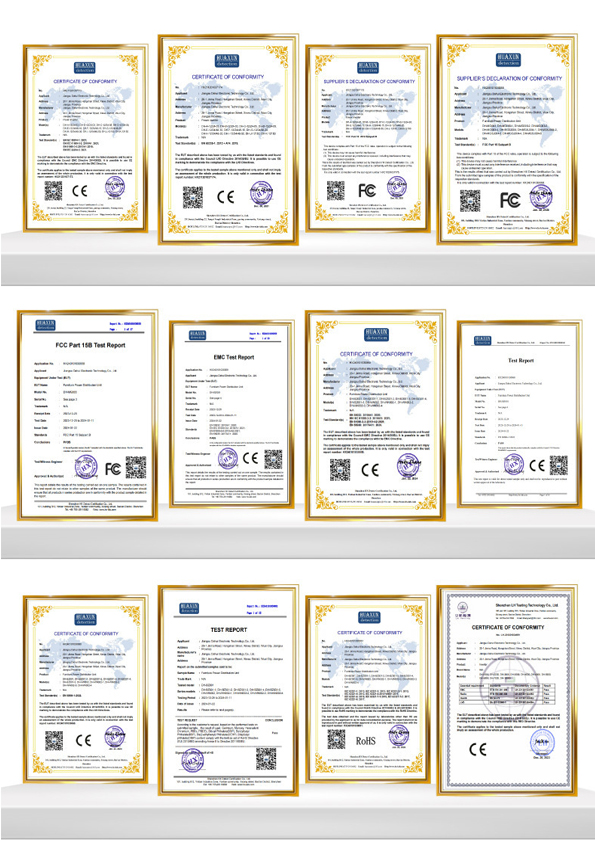
Sunvoltx holds CE certificates for inverter products, including CE-INV-260618-0001, CE-INV-260618-0002, and CE-INV-260618-0003. These are inverter certificates and should not be regarded as transport documents or battery-specific certifications for LiFePO4 energy storage batteries.
Transport Information at a Glance
| Item | Reference Information |
|---|---|
| Export certification documents | Confirmed according to customer requirements |
| Product reference | Applicable product specification sheet |
| Available shipping terms | CIF, CNF, FOB, EXW, DDU, DDP |
| Payment option | International corporate wire transfer |
| Cooperation model | Bulk wholesale and OEM/ODM customization |
Frequently Asked Questions
Can CE certificates for inverters be used as battery transport documents?
No. The listed CE certificates relate to inverter products. Battery shipment documentation must be confirmed separately based on the buyer’s export requirements and the relevant battery specification sheet.
Which Incoterms are available for LiFePO4 energy storage battery orders?
Available shipping arrangements include CIF, CNF, FOB, EXW, DDU, and DDP. The final method is selected according to the client’s requirements.
What should be reviewed before arranging transport?
Review customer-required export certifications, the product specification sheet, the agreed shipping terms, and the applicable conditions of the order.
Conclusion
To prepare LiFePO4 battery transport documentation correctly, coordinate the document package with customer certification requirements, product specifications, and the selected shipping arrangement. Sunvoltx is an integrated industrial and trading enterprise that supports bulk wholesale and OEM/ODM cooperation, with a stated monthly capacity of more than 5,000 energy-storage products. For detailed technical solutions or support, please reach out via marketing@sunvoltx.com.
About Us
shenzhen sunvoltx intelligent technology Co., Ltd. develops, manufactures, customizes, and wholesales energy-storage power supplies, inverters, and chargers for global clients. Its product range includes portable, household, and industrial and commercial energy storage, photovoltaic inverters, and smart fast chargers. The company reports output of more than 5,000 energy-storage products per month, serves markets across North America, South America, Europe, the Middle East, Africa, and Southeast Asia, and exports 70% of its products. It holds CE certificates for inverter products and has served clients across multiple industries.
Payment Terms for Large Outdoor Power Station Orders: Is a Letter of Credit Suitable?
When sourcing outdoor working power stations in large quantities, the payment method should be selected only after the supplier, product configuration, and commercial terms have been fully verified. A letter of credit may provide structured payment protection in some international transactions, but it should never be assumed to be available. For Sunvoltx bulk purchases, including OEM and ODM projects, the stated payment option is international corporate wire transfer.
Before preparing a purchase order, buyers should obtain written confirmation of the accepted settlement method and ensure that all transaction documents reflect the agreed arrangement. Product specifications, certifications, inspection procedures, shipping responsibilities, delivery timing, and after-sales support should be finalized alongside payment terms.
Should You Use a Letter of Credit?
A letter of credit is not identified as a standard payment method for large outdoor working power station orders. Therefore, buyers should use it only when the supplier explicitly agrees to accept it and both parties confirm the bank, document requirements, expiry date, shipment schedule, and compliance conditions in writing.
For bulk orders and OEM or ODM cooperation, international corporate wire transfer is the listed option. This approach can support corporate accounting, customs documentation, export processes, and certification applications when payment records and settlement milestones are properly documented.
Build the Order Around the Actual Application
Payment is only one part of a successful procurement plan. The required outdoor power solution should be defined according to its operating environment and load demands. Typical applications may include portable power for camping, RV use, mobile field-work equipment, construction projects, exhibition events, and temporary off-grid installations.
For photovoltaic-supported projects, buyers should also determine whether a solar charge controller is needed as part of the complete system. The available product information references a 36 48V Solar Charge Controller and an MPPT solar charge controller. However, detailed electrical ratings are not provided, so compatibility must be confirmed against the final battery voltage, solar array parameters, inverter setup, and expected load profile.
An MPPT controller may serve as one element within an outdoor photovoltaic power system, but it should not be treated as the complete power station solution. The stated application coverage includes off-grid photovoltaic stations, standalone electricity supply for islands and remote mountainous areas, and outdoor power for field equipment.
Commercial Items to Confirm Before Payment
Technical and Quality Requirements
The purchase agreement should clearly state the power station model, capacity, output requirements, battery configuration, accessory list, quantity, packaging, inspection standard, and any customization requirements. Buyers should also define pre-shipment inspection procedures and the evidence required before final payment or shipment release.
Certification and Compliance
Listed CE certificates, including CE-INV-260618-0001, CE-INV-260618-0002, and CE-INV-260618-0003, relate to inverters intended for export markets such as the EU, Middle East, Africa, and South America. Buyers should request confirmation that the exact outdoor power station, inverter, or solar controller ordered carries the certifications required in the destination market.
Shipping and Delivery Responsibilities
Available shipping options include CIF, CNF, FOB, EXW, DDU, and DDP, depending on client requirements. The selected Incoterm should make responsibility for freight, insurance, customs clearance, duties, and final delivery unambiguous. Although a 15day delivery time is listed, the actual schedule should be reconfirmed after the final product specification and order volume are approved.
Order Information at a Glance
| Procurement Item | Stated Information | Recommended Buyer Action |
|---|---|---|
| Letter of credit | Not listed as an accepted payment option | Request written acceptance before opening an LC or issuing related banking documents. |
| Corporate wire transfer | Listed for bulk orders and OEM or ODM cooperation | Use verified corporate account details and document payment stages in the contract. |
| Minimum order quantity | 100pcs | Confirm that the selected outdoor power station configuration meets the applicable MOQ. |
| Delivery lead time | 15day | Verify the timeline based on final specifications, production planning, and inspection needs. |
| Shipping terms | CIF, CNF, FOB, EXW, DDU, and DDP | Choose the Incoterm that best matches your logistics and import-management capabilities. |
Frequently Asked Questions
Is a letter of credit mandatory for a bulk outdoor power station purchase?
No. There is no stated requirement to use a letter of credit. International corporate wire transfer is the listed payment method for bulk, OEM, and ODM orders. An LC should be considered only if it is accepted by both buyer and supplier in writing.
What needs to be agreed before funds are transferred?
Buyers should confirm product specifications, quantities, applicable certifications, quality inspection requirements, payment milestones, delivery date, shipping term, customs responsibilities, and after-sales conditions. After-sales support should be verified against the specification sheet for the particular product ordered.
Can the 36 48V MPPT controller be used with an outdoor solar power system?
It may be applicable to an outdoor photovoltaic configuration, especially for off-grid or remote-area power applications. Final suitability depends on the complete system design, so the controller's voltage range and operating parameters must be checked against the selected power station and solar equipment.
Recommendation for Large Orders
For a high-value outdoor working power station order, use the supplier's stated international corporate wire-transfer method unless a letter of credit is formally approved. Reduce procurement risk by putting every technical, commercial, and logistics requirement into the signed order documents before payment is made.
Sunvoltx states that it is an integrated industrial and trading enterprise with monthly production capacity exceeding 5,000 products and a minimum order quantity of 100pcs. The company also reports a 1GWh energy-storage distribution cooperation in Southeast Asia, supporting residential, industrial, and commercial energy-storage needs in regions affected by unstable grids, high electricity costs, and high-temperature operating conditions.
About Us
shenzhen sunvoltx intelligent technology Co., Ltd. develops, manufactures, customizes, and wholesales energy-storage power supplies, inverters, chargers, and related power products. Its portfolio includes portable energy storage, residential energy storage, industrial and commercial energy storage, photovoltaic inverters, smart fast chargers, and solar charge controllers.
The company serves customers in North America, South America, Europe, the Middle East, Africa, and Southeast Asia. Its R&D work focuses on energy storage, inverter, and photovoltaic control technologies. Listed credentials include CE certificates for inverters, including CE-INV-260618-0001 and CE-INV-260618-0002. For technical solutions or order support, contact marketing@sunvoltx.com.
How Long Can an Emergency Backup Power Supply Power Essential Equipment?
The operating time of an Emergency Backup Power Supply depends on the energy stored in the battery, the total demand of the connected equipment, conversion efficiency, and the surrounding operating conditions. To choose a suitable system, first identify the equipment that must remain online during an outage, calculate its combined wattage, and compare that demand with the usable energy capacity stated in the relevant product specification sheet.
Backup Runtime Planning: Key Points
- Set the required outage-support period before selecting an Emergency Backup Power Supply.
- Create a complete list of essential devices and calculate their combined power consumption using the applicable equipment ratings.
- Evaluate a solar charge controller as part of an integrated photovoltaic and battery-storage system. The supplied product information identifies the unit as a 36 48V Solar Charge Controller and uses the keyword MPPT solar charge controller.
- Potential applications include household solar storage, communication base stations, monitoring facilities, hospitals, fire-fighting stations, and data rooms.
How Backup Runtime Is Determined
Runtime is principally a comparison between usable stored energy and the power consumed by the essential load. When more devices or higher-power equipment are connected, the available operating period becomes shorter. Conversely, reducing the load can extend the support time. The required duration should therefore be calculated from the actual equipment list instead of inferred from the backup product name.
A complete backup arrangement may combine batteries, an inverter, a charger, and photovoltaic control equipment. According to the supplied product data, the 36 48V Solar Charge Controller is an MPPT solar charge controller. Its performance should be reviewed alongside the battery bank, inverter, connected equipment, and system specifications. Because the available product information does not state battery capacity, output power, or a guaranteed runtime, it cannot provide a universal backup-time figure by itself.
Residential and Infrastructure Use
In residential systems, solar-energy storage can retain electricity produced by photovoltaic panels for evening consumption and blackout protection. In commercial and infrastructure environments, backup systems can help maintain communications at base stations and support monitoring facilities. In both cases, the actual duration depends on the storage capacity, the equipment load, and the efficiency of the complete system.
The listed inspection program for energy-storage batteries includes visual and appearance checks, voltage and internal-resistance measurements, charge-discharge capacity tests, BMS protection verification, hi-pot insulation testing, high- and low-temperature trials, vibration and drop testing, and ageing burn-in screening. These procedures help verify product quality and safety, but they do not define one fixed runtime for every Emergency Backup Power Supply installation.
Business and Certification Information
Sunvoltx reports a 1GWh energy-storage distribution cooperation with an overseas power enterprise in Southeast Asia. The cooperation covers residential as well as industrial and commercial energy-storage power supplies designed for regions affected by unstable grids and elevated electricity costs. Local after-sales service centers were also established as part of the cooperation.
Three CE certifications are listed for inverter products: CE-INV-260618-0001, CE-INV-260618-0002, and CE-INV-260618-0003. The stated export markets associated with these certificates include the European Union, the Middle East, Africa, and South America.
Runtime Evaluation Checklist
| Evaluation factor | What to verify | Effect on runtime |
|---|---|---|
| Essential load | Identify every device that must stay powered and add its wattage. | A larger load consumes stored energy faster. |
| Usable battery energy | Confirm the battery's usable energy capacity in the applicable specification sheet. | More available energy generally permits longer operation. |
| System configuration | Assess the battery, inverter, charger, and MPPT solar charge controller as a compatible system. | Compatibility and conversion losses influence practical performance. |
| Operating environment | Review the specified operating conditions and relevant test information. | Field runtime may differ from a nominal calculation. |
| Available product data | The supplied 36 48V Solar Charge Controller information does not include battery capacity or a guaranteed runtime. | An exact duration cannot be confirmed from the available data alone. |
Frequently Asked Questions
What is the basic way to estimate emergency backup runtime?
Make a list of essential equipment, calculate its total power requirement, confirm the backup system's usable stored energy, and consult the expected-runtime information in the relevant specification sheet. Both load data and storage data are necessary for a dependable estimate.
Does the 36 48V Solar Charge Controller provide a runtime figure on its own?
No. It is identified as an MPPT solar charge controller, not as an independent energy-storage source. Backup duration also depends on the connected battery, inverter efficiency, equipment demand, and operating conditions. The supplied product details do not specify a standalone runtime.
Where can emergency backup power systems be used?
Listed applications include household solar-energy storage, portable outdoor power stations, villas and homestays, stores, offices, hotels, communication base stations, monitoring facilities, hospitals, fire-fighting stations, data rooms, pastoral zones, and isolated islands.
Conclusion and Selection Guidance
Choose an Emergency Backup Power Supply by matching the desired outage duration with the essential equipment load and the system's specified usable energy. The 36 48V Solar Charge Controller should be considered one element of a photovoltaic or energy-storage solution rather than a standalone runtime device. Sunvoltx describes an integrated industrial and trading operation with a stated minimum order quantity of 100 pieces, delivery in 15 days, and monthly capacity exceeding 5,000 units. For technical guidance or solution support, contact marketing@sunvoltx.com.
About Us
shenzhen sunvoltx intelligent technology Co., Ltd. is a high-tech company specializing in the research, development, manufacturing, customization, and wholesale supply of energy-storage power supplies, inverters, and chargers. Its R&D team supports system design, hardware commissioning, software development, and performance testing for energy-storage, inverter, and photovoltaic-control technologies, as well as OEM and ODM projects. Its portfolio includes chargers, energy-storage systems, inverters, portable power stations, LiFePO4 energy-storage batteries, portable solar panels, and charge controllers.
The company lists CE certifications for inverter products, including CE-INV-260618-0001 and CE-INV-260618-0002. It has supplied customers in several industries and reports a 1GWh energy-storage cooperation in Southeast Asia.
REPORT