







-
 Agriculture
-
 Health-Care
-
 Environment
-
 Construction-Real-Estate
-
 Tools-Hardware
-
 Home-Garden
-
 Furniture
-
 Luggage-Bags-Cases
-
 Medical-devices-Supplies
-
 Gifts-Crafts
-
 Sports-Entertainment
-
 Food-Beverage
-
 Vehicles-Transportation
-
 Power-Transmission
-
 Material-Handling
-
 Renewable-Energy
-
 Safety
-
 Testing-Instrument-Equipment
-
 Construction-Building-Machinery
-
 Pet-Supplies
-
 Personal-Care-Household-Cleaning
-
 Vehicle-Accessories-Electronics-Tools
-
 School-Office-Supplies
-
 Packaging-Printing
-
 Mother-Kids-Toys
-
 Business-Services
-
 Commercial-Equipment-Machinery
-
 Apparel-Accessories
-
 Security
-
 Shoes-Accessories
-
 Vehicle-Parts-Accessories
-
 Jewelry-Eyewear-Watches-Accessories
-
 Lights-Lighting
-
 Fabric-Textile-Raw-Material
-
 Fabrication-Services
-
 Industrial-Machinery
-
 Consumer-Electronics
-
 Electrical-Equipment-Supplies
-
 Electronic-Components-Accessories-Telecommunications
-
 Home-Appliances
-
 Beauty
-
 Chemicals
-
 Rubber-Plastics
-
 Metals-Alloys


























































































































































































































































































































































































































































































































































































- Masonry Materials
- Curtain Walls & Accessories
- Earthwork Products
- Fireproofing Materials
- Heat Insulation Materials
- Plastic Building Materials
- Building Boards
- Soundproofing Materials
- Timber
- Waterproofing Materials
- Balustrades & Handrails
- Bathroom & Kitchen
- Flooring & Accessories
- Tiles & Accessories
- Door, Window & Accessories
- Fireplaces & Stoves
- Floor Heating Systems & Parts
- Stairs & Stair Parts
- Ceilings
- Elevators & Escalators
- Stone
- Countertops, Vanity Tops & Table Tops
- Mosaics
- Metal Building Materials
- Multifunctional Materials
- Ladders & Scaffoldings
- Mouldings
- Corner Guards
- Decorative Films
- Formwork
- Building & Industrial Glass
- Other Construction & Real Estate
- Wallpapers/Wall panels
- HVAC System & Parts
- Outdoor Facilities
- Prefabricated Buildings
- Festive & Party Supplies
- Bathroom Products
- Household Sundries
- Rain Gear
- Garden Supplies
- Household Cleaning Tools & Accessories
- Lighters & Smoking Accessories
- Home Storage & Organization
- Household Scales
- Smart Home Improvement
- Home Textiles
- Kitchenware
- Drinkware & Accessories
- Dinnerware, Coffee & Wine
- Home Decor
- Golf
- Fitness & Body Building
- Amusement Park Facilities
- Billiards, Board Game,Coin Operated Games
- Musical Instruments
- Outdoor Affordable Luxury Sports
- Camping & Hiking
- Fishing
- Sports Safety&Rehabilitation
- Ball Sports Equipments
- Water Sports
- Winter Sports
- Luxury Travel Equipments
- Sports Shoes, Bags & Accessories
- Cycling
- Other Sports & Entertainment Products
- Artificial Grass&Sports Flooring&Sports Court Equipment
- Scooters
- Food Ingredients
- Honey & Honey Products
- Snacks
- Nuts & Kernels
- Seafood
- Plant & Animal Oil
- Beverages
- Fruit & Vegetable Products
- Frog & Escargot
- Bean Products
- Egg Products
- Dairy Products
- Seasonings & Condiments
- Canned Food
- Instant Food
- Baked Goods
- Other Food & Beverage
- Meat & Poultry
- Confectionery
- Grain Products
- Feminie Care
- Hair Care & Styling
- Body Care
- Hands & Feet Care
- Hygiene Products
- Men's Grooming
- Laundry Cleaning Supplies
- Travel Size & Gift Sets
- Room Deodorizers
- Other Personal Care Products
- Pest Control Products
- Special Household Cleaning
- Floor Cleaning
- Kitchen & Bathroom Cleaning
- Oral Care
- Bath Supplies
- Yellow Pages
- Correction Supplies
- Office Binding Supplies
- Office Cutting Supplies
- Board Erasers
- Office Adhesives & Tapes
- Education Supplies
- Pencil Cases & Bags
- Notebooks & Writing Pads
- File Folder Accessories
- Calendars
- Writing Accessories
- Commercial Office Supplies
- Pencil Sharpeners
- Pens
- Letter Pad/Paper
- Paper Envelopes
- Desk Organizers
- Pencils
- Markers & Highlighters
- Filing Products
- Art Supplies
- Easels
- Badge Holder & Accessories
- Office Paper
- Printer Supplies
- Book Covers
- Other Office & School Supplies
- Stationery Set
- Boards
- Clipboards
- Stamps
- Drafting Supplies
- Stencils
- Electronic Dictionary
- Books
- Map
- Magazines
- Calculators
- Baby & Toddler Toys
- Educational Toys
- Classic Toys
- Dress Up & Pretend Play
- Toy Vehicle
- Stuffed Animals & Plush Toys
- Outdoor Toys & Structures
- Balloons & Accessories
- Baby Food
- Children's Clothing
- Baby Supplies & Products
- Maternity Clothes
- Kids Shoes
- Baby Care
- Novelty & Gag Toys
- Dolls & Accessories
- Puzzle & Games
- Blocks & Model Building Toys
- Toddler Clothing
- Baby Clothing
- Kids' Luggage & Bags
- Arts, Crafts & DIY Toys
- Action & Toy Figures
- Baby Appliances
- Hobbies & Models
- Remote Control Toys
- Promotional Toys
- Pregnancy & Maternity
- Hygiene Products
- Kid's Textile&Bedding
- Novelty & Special Use
- Toy Weapons
- Baby Gifts
- Baby Storage & Organization
- Auto Drive Systems
- ATV/UTV Parts & Accessories
- Marine Parts & Accessories
- Other Auto Parts
- Trailer Parts & Accessories
- Auto Transmission Systems
- Train Parts & Accessories
- Universal Parts
- Railway Parts & Accessories
- Auto Brake Systems
- Aviation Parts & Accessories
- Truck Parts & Accessories
- Auto Suspension Systems
- Auto Lighting Systems
- New Energy Vehicle Parts & Accessories
- Auto Steering Systems
- Wheels, Tires & Accessories
- Bus Parts & Accessories
- Auto Performance Parts
- Cooling System
- Go-Kart & Kart Racer Parts & Accessories
- Air Conditioning Systems
- Heavy Duty Vehicle Parts & Accessories
- Auto Electrical Systems
- Auto Body Systems
- Auto Engine Systems
- Container Parts & Accessories
- Motorcycle Parts & Accessories
- Refrigeration & Heat Exchange Equipment
- Machine Tool Equipment
- Food & Beverage Machinery
- Agricultural Machinery & Equipment
- Apparel & Textile Machinery
- Chemical Machinery
- Packaging Machines
- Paper Production Machinery
- Plastic & Rubber Processing Machinery
- Industrial Robots
- Electronic Products Machinery
- Metal & Metallurgy Machinery
- Woodworking Machinery
- Home Product Manufacturing Machinery
- Machinery Accessories
- Environmental Machinery
- Machinery Service
- Electrical Equipment Manufacturing Machinery
- Industrial Compressors & Parts
- Tobacco & Cigarette Machinery
- Production Line
- Used Industrial Machinery
- Electronics Production Machinery
- Other Machinery & Industrial Equipment
- Camera, Photo & Accessories
- Portable Audio, Video & Accessories
- Television, Home Audio, Video & Accessories
- Video Games & Accessories
- Mobile Phone & Accessories
- Electronic Publications
- Earphone & Headphone & Accessories
- Speakers & Accessories
- Smart Electronics
- TV Receivers & Accessories
- Mobile Phone & Computer Repair Parts
- Chargers, Batteries & Power Supplies
- Used Electronics
- VR, AR, MR Hardware & Software
- Projectors & Presentation Equipments
- Other Consumer Electronics
- Cables & Commonly Used Accessories
- Computer Hardware & Software
- Displays, Signage and Optoelectronics
- Discrete Semiconductors
- Wireless & IoT Module and Products
- Telecommunications
- Connectors, Terminals & Accessories
- Development Boards, Electronic Modules and Kits
- Circuit Protection
- Sensors
- Isolators
- Audio Components and Products
- Integrated Circuits
- Power Supplies
- Relays
- RF, Microwave and RFID
- Electronic Accessories & Supplies
- Passive Components
- PCB & PCBA
- Air Quality Appliances
- Home Appliance Parts
- Heating & Cooling Appliances
- Small Kitchen Appliances
- Laundry Appliances
- Water Heaters
- Water Treatment Appliances
- Refrigerators & Freezers
- Personal Care & Beauty Appliances
- Major Kitchen Appliances
- Cleaning Appliances
- Second-hand Appliances
- Smart Home Appliances
- Other Home Appliances
- Energy Chemicals
- Inorganic Chemicals
- Basic Organic Chemicals
- Agrochemicals
- Admixture & Additives
- Catalysts & Chemical Auxiliary Agents
- Pigments & Dyestuff
- Coating & Paint
- Daily Chemicals
- Polymer
- Organic Intermediate
- Adhesives & Sealants
- Chemical Waste
- Biological Chemical Products
- Surface Treatment Chemicals
- Painting & Coating
- Chemical Reagents
- Flavor & Fragrance
- Non-Explosive Demolition Agents
- Other Chemicals
- Custom Chemical Services

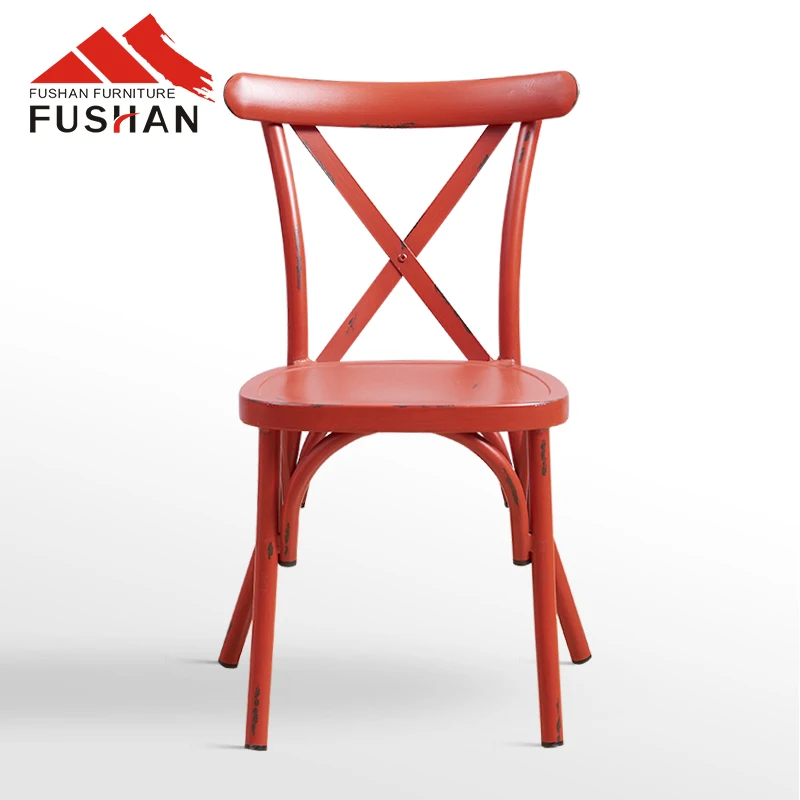
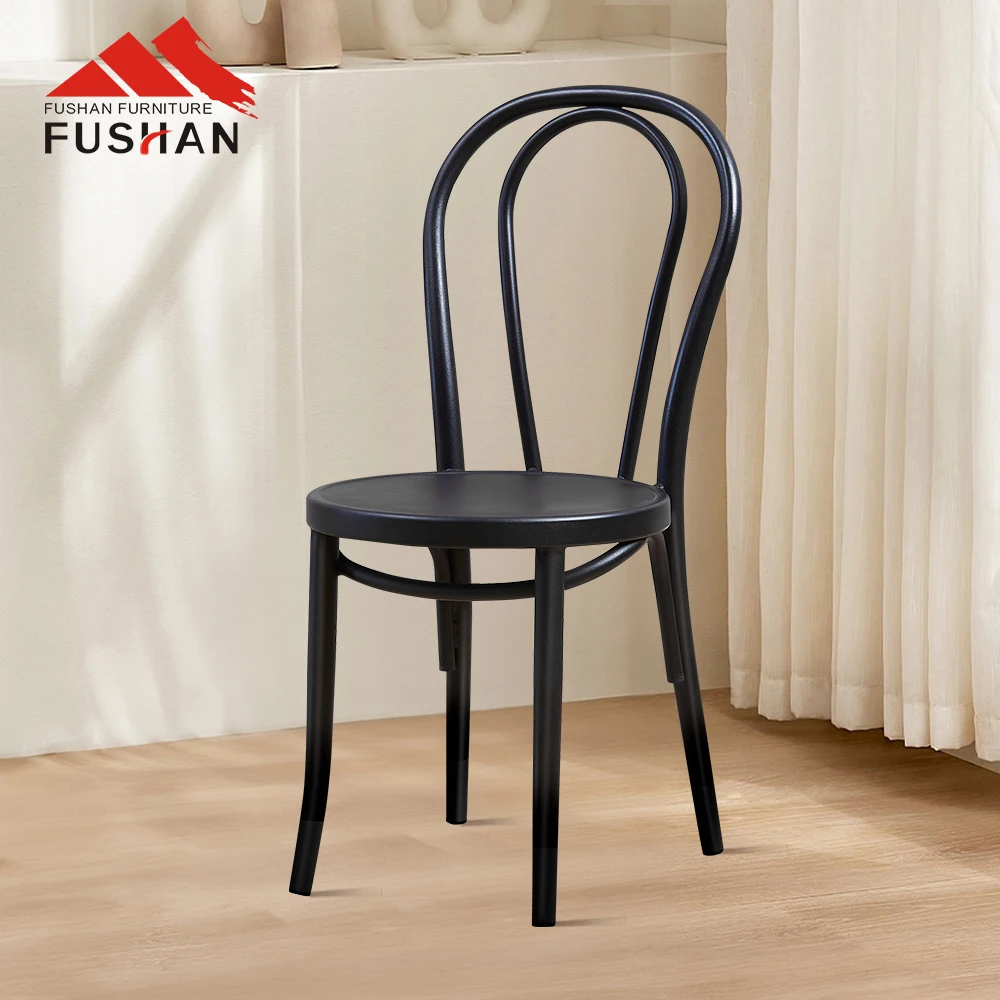
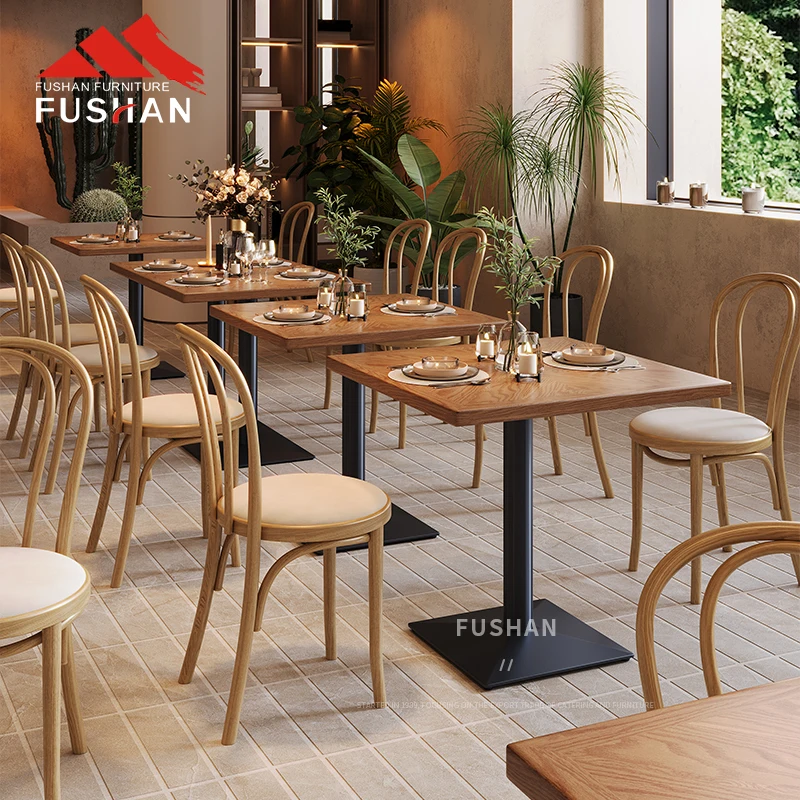
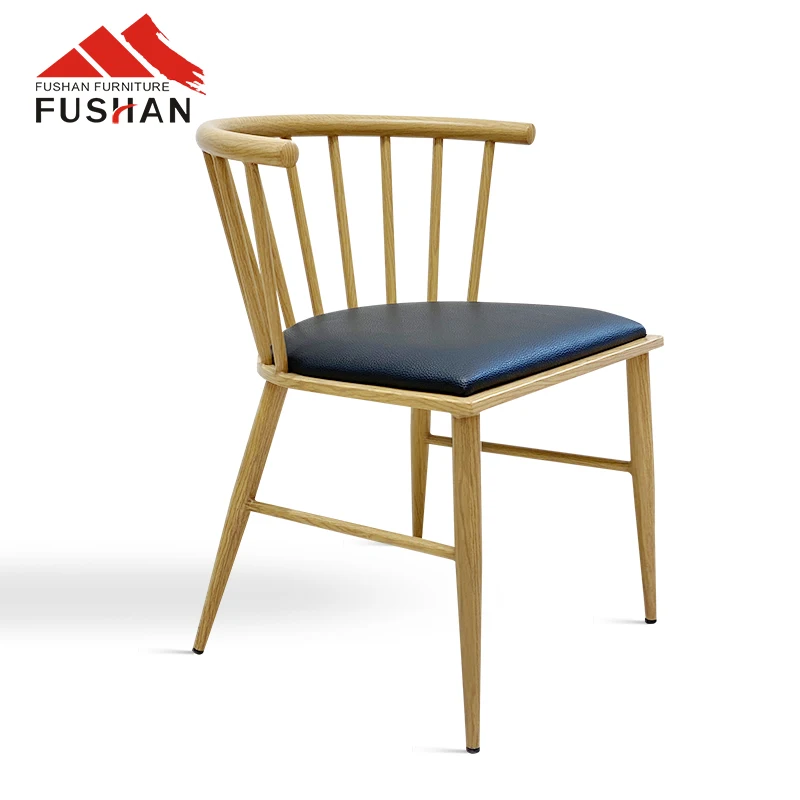
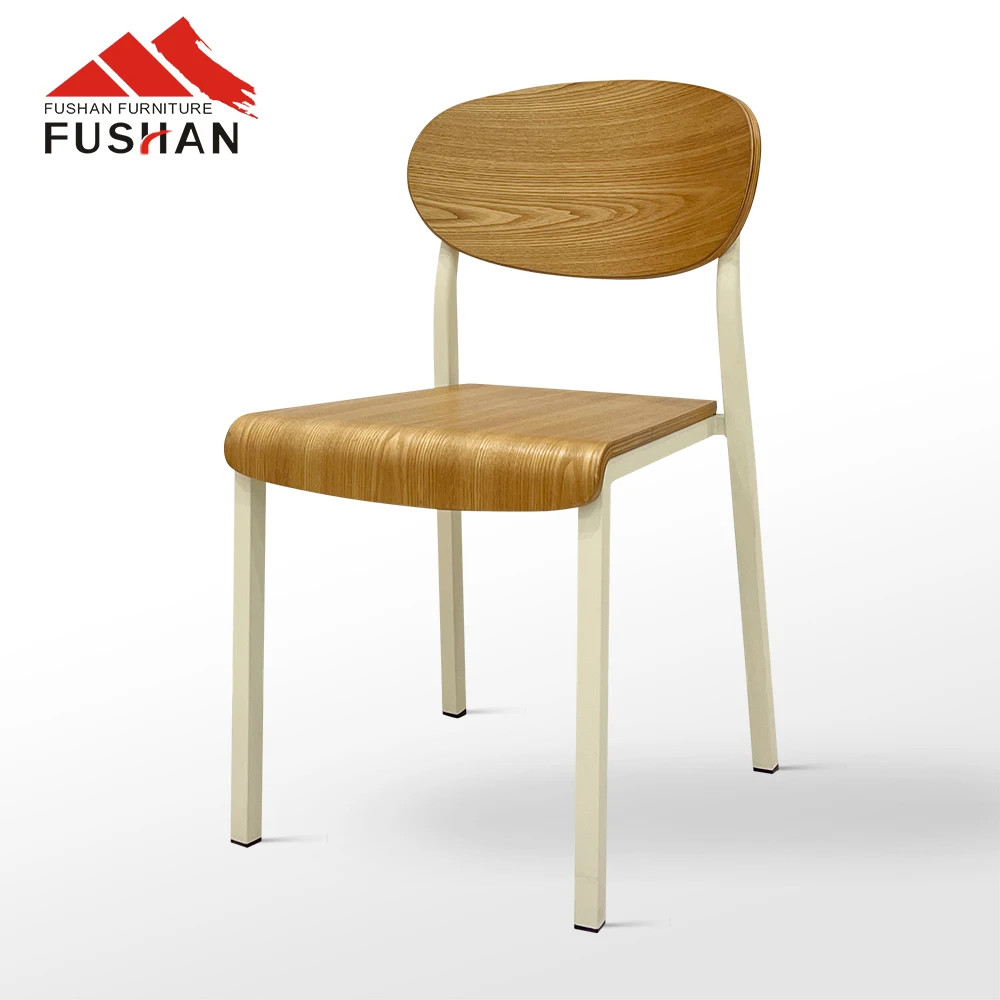
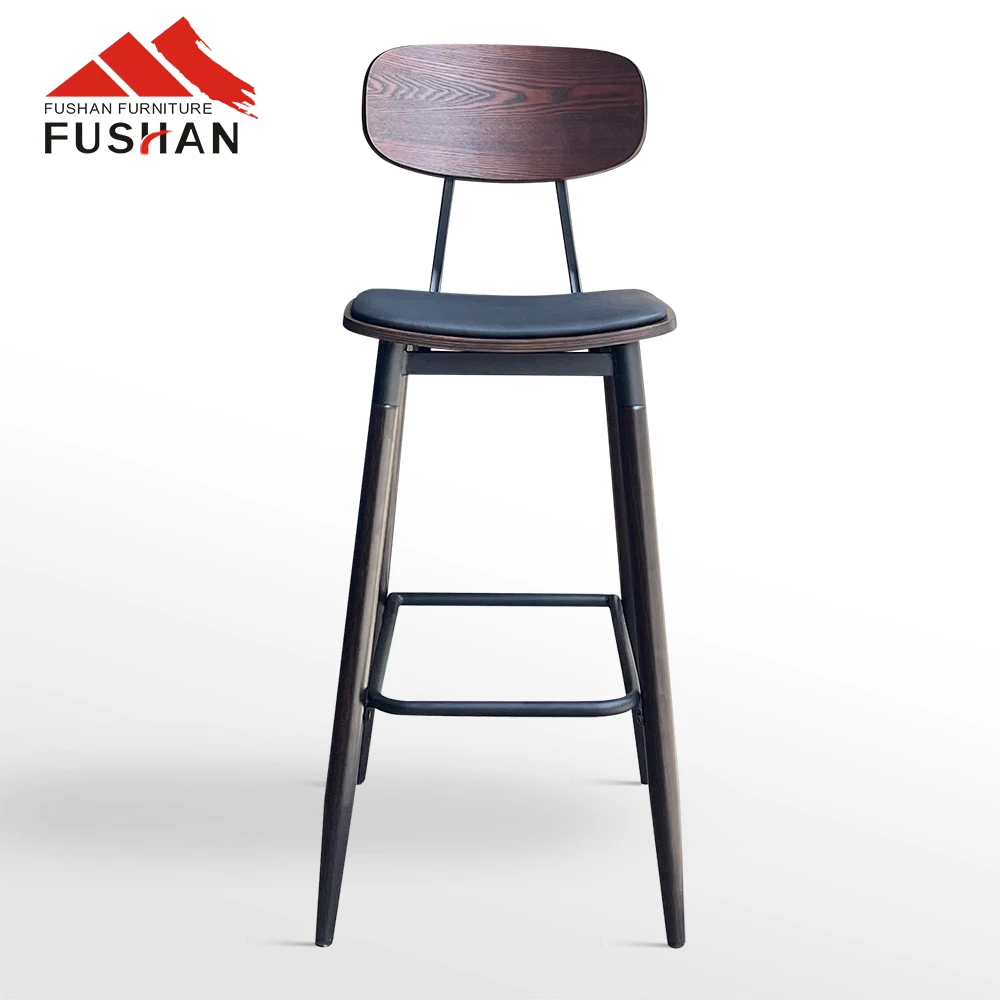
Durable Commercial Grade Restaurant Chairs Featuring Ergonomic Design and Stylish Modern Aesthetics
In the competitive world of the restaurant industry, where ambiance is as crucial as the cuisine, the choice of furniture plays a pivotal role in defining a venue's success. Among the most critical elements are the chairs, which must not only withstand the relentless demands of daily service but also provide comfort and reflect the establishment's character. This is where durable commercial-grade restaurant chairs featuring ergonomic design and stylish modern aesthetics come into play. These are not merely seats; they are sophisticated investments engineered for high-traffic environments. Blending industrial-strength resilience with thoughtful human-centered design and contemporary visual appeal, this category of furniture addresses the core needs of modern restaurateurs. It promises longevity that protects your bottom line, comfort that enhances the guest experience, and a sleek look that elevates your brand's image. As we delve deeper, we will explore how these chairs represent the perfect synergy of form, function, and fortitude, making them an indispensable asset for any forward-thinking food service business aiming to thrive.
Uncompromising Durability: Built for the Long Haul
The primary distinction of commercial-grade chairs lies in their exceptional durability. Unlike residential furniture, these chairs are subjected to constant use, movement, and cleaning, often for 12-18 hours a day. Manufacturers construct them with this harsh reality in mind, utilizing premium materials designed to endure.
Frames are typically made from heavy-gauge steel, reinforced aluminum, or solid hardwoods, all known for their structural integrity. These materials resist bending, warping, and cracking under pressure. Joints are reinforced with welding, double-bolting, or advanced mortise-and-tenon techniques to prevent wobbling and failure over time. This robust construction ensures that the chairs remain stable and secure through thousands of sittings, maintaining their like-new appearance and functionality for years.
Furthermore, the finishes and upholstery are selected for their toughness. Powder-coating on metal frames provides a resilient, scratch-resistant surface that is easy to clean and less prone to chipping compared to standard paint. For seating surfaces, high-resilience foam retains its shape and comfort, while commercial-grade fabrics, vinyls, or leatherettes offer superior resistance to stains, abrasions, and frequent cleaning with industrial chemicals. This combination of sturdy materials and protective finishes defines the true commercial grade, offering a significant return on investment by minimizing replacement costs and downtime.
Ergonomic Excellence: Prioritizing Guest Comfort
While durability ensures the chair's survival, ergonomic design guarantees the patron's satisfaction. In an era where diners linger over meals and conversations, physical comfort is paramount. Ergonomics, the science of designing products to fit the human body, is meticulously applied to these chairs to reduce fatigue and promote well-being.
This begins with the chair's proportions. Seat height, depth, and width are calibrated to accommodate a wide range of body types, ensuring proper thigh support and allowing feet to rest flat on the floor. The backrest is contoured to follow the natural curve of the spine, providing crucial lumbar support that prevents slouching and back strain during extended seating. Armrests, when present, are positioned at a height that allows shoulders to relax naturally.
Beyond static measurements, dynamic comfort is also considered. Many modern commercial chairs incorporate subtle flex or a slight recline in the backrest, allowing for micro-moviments that enhance comfort. The cushioning is not just thick but intelligently layered; denser foam at the base provides support, while a softer top layer offers immediate comfort. This thoughtful approach to ergonomics translates directly to the guest experience. Comfortable patrons are happier, more relaxed, and likely to stay longer and return more often, directly contributing to increased revenue and positive reviews.
Stylish Modern Aesthetics: Crafting the Ambiance
A chair's visual impact is immediate and powerful. Stylish modern aesthetics in commercial furniture move beyond mere trends to offer timeless, clean lines that complement a variety of interior design schemes, from industrial lofts to minimalist bistros. The modern aesthetic is characterized by simplicity, functionality, and a focus on form.
Designers achieve this through sleek silhouettes, often eliminating unnecessary ornamentation. The beauty lies in the purity of shape, the quality of materials, and the harmony of proportions. A slender, tapered metal leg, a gracefully curved plywood shell, or a geometrically precise frame can become a statement piece. The color palette tends to be versatile, featuring neutrals like black, grey, white, and natural wood tones, which serve as a canvas for the restaurant's broader decor. Accent colors can be introduced through upholstery to add vibrancy or brand alignment.
This stylistic flexibility is a key asset. Modern chairs do not dominate the space but rather integrate seamlessly, allowing other elements—like lighting, table settings, and artwork—to shine. They convey a sense of intentionality and sophistication, signaling to customers that the establishment values quality and contemporary sensibility. In essence, these chairs act as silent ambassadors of the brand, reinforcing a curated, upscale, and inviting atmosphere that attracts a discerning clientele.
The Synergy: Where All Elements Converge
The true genius of durable commercial-grade restaurant chairs with ergonomic and modern features is not found in any single attribute, but in their powerful synergy. This integration is what sets them apart as a superior business solution.
Consider a chair with a molded polypropylene shell: its one-piece design is inherently strong and easy to clean (durability), its form is often biomorphically shaped to cradle the body (ergonomics), and its smooth, monolithic appearance is distinctly modern (aesthetics). Similarly, a chair with a powder-coated steel frame, a gently slung fabric seat, and clean lines delivers on all three fronts simultaneously. This convergence means restaurateurs no longer have to sacrifice style for strength or comfort for cleanability.
This holistic design philosophy results in furniture that performs flawlessly on the operational front while achieving marketing and experiential goals. It reduces long-term costs through durability, boosts customer satisfaction and dwell time through comfort, and enhances the brand's market positioning through style. In a competitive industry, this trifecta of benefits is not just an advantage—it is a strategic imperative for creating memorable dining experiences and building a sustainable, profitable business.
REPORT