







All Categories
-
 Agriculture
-
 Health-Care
-
 Environment
-
 Construction-Real-Estate
-
 Tools-Hardware
-
 Home-Garden
-
 Furniture
-
 Luggage-Bags-Cases
-
 Medical-devices-Supplies
-
 Gifts-Crafts
-
 Sports-Entertainment
-
 Food-Beverage
-
 Vehicles-Transportation
-
 Power-Transmission
-
 Material-Handling
-
 Renewable-Energy
-
 Safety
-
 Testing-Instrument-Equipment
-
 Construction-Building-Machinery
-
 Pet-Supplies
-
 Personal-Care-Household-Cleaning
-
 Vehicle-Accessories-Electronics-Tools
-
 School-Office-Supplies
-
 Packaging-Printing
-
 Mother-Kids-Toys
-
 Business-Services
-
 Commercial-Equipment-Machinery
-
 Apparel-Accessories
-
 Security
-
 Shoes-Accessories
-
 Vehicle-Parts-Accessories
-
 Jewelry-Eyewear-Watches-Accessories
-
 Lights-Lighting
-
 Fabric-Textile-Raw-Material
-
 Fabrication-Services
-
 Industrial-Machinery
-
 Consumer-Electronics
-
 Electrical-Equipment-Supplies
-
 Electronic-Components-Accessories-Telecommunications
-
 Home-Appliances
-
 Beauty
-
 Chemicals
-
 Rubber-Plastics
-
 Metals-Alloys


























































































































































































































































































































































































































































































































































































- Masonry Materials
- Curtain Walls & Accessories
- Earthwork Products
- Fireproofing Materials
- Heat Insulation Materials
- Plastic Building Materials
- Building Boards
- Soundproofing Materials
- Timber
- Waterproofing Materials
- Balustrades & Handrails
- Bathroom & Kitchen
- Flooring & Accessories
- Tiles & Accessories
- Door, Window & Accessories
- Fireplaces & Stoves
- Floor Heating Systems & Parts
- Stairs & Stair Parts
- Ceilings
- Elevators & Escalators
- Stone
- Countertops, Vanity Tops & Table Tops
- Mosaics
- Metal Building Materials
- Multifunctional Materials
- Ladders & Scaffoldings
- Mouldings
- Corner Guards
- Decorative Films
- Formwork
- Building & Industrial Glass
- Other Construction & Real Estate
- Wallpapers/Wall panels
- HVAC System & Parts
- Outdoor Facilities
- Prefabricated Buildings
- Festive & Party Supplies
- Bathroom Products
- Household Sundries
- Rain Gear
- Garden Supplies
- Household Cleaning Tools & Accessories
- Lighters & Smoking Accessories
- Home Storage & Organization
- Household Scales
- Smart Home Improvement
- Home Textiles
- Kitchenware
- Drinkware & Accessories
- Dinnerware, Coffee & Wine
- Home Decor
- Golf
- Fitness & Body Building
- Amusement Park Facilities
- Billiards, Board Game,Coin Operated Games
- Musical Instruments
- Outdoor Affordable Luxury Sports
- Camping & Hiking
- Fishing
- Sports Safety&Rehabilitation
- Ball Sports Equipments
- Water Sports
- Winter Sports
- Luxury Travel Equipments
- Sports Shoes, Bags & Accessories
- Cycling
- Other Sports & Entertainment Products
- Artificial Grass&Sports Flooring&Sports Court Equipment
- Scooters
- Food Ingredients
- Honey & Honey Products
- Snacks
- Nuts & Kernels
- Seafood
- Plant & Animal Oil
- Beverages
- Fruit & Vegetable Products
- Frog & Escargot
- Bean Products
- Egg Products
- Dairy Products
- Seasonings & Condiments
- Canned Food
- Instant Food
- Baked Goods
- Other Food & Beverage
- Meat & Poultry
- Confectionery
- Grain Products
Safety
- Feminie Care
- Hair Care & Styling
- Body Care
- Hands & Feet Care
- Hygiene Products
- Men's Grooming
- Laundry Cleaning Supplies
- Travel Size & Gift Sets
- Room Deodorizers
- Other Personal Care Products
- Pest Control Products
- Special Household Cleaning
- Floor Cleaning
- Kitchen & Bathroom Cleaning
- Oral Care
- Bath Supplies
- Yellow Pages
- Correction Supplies
- Office Binding Supplies
- Office Cutting Supplies
- Board Erasers
- Office Adhesives & Tapes
- Education Supplies
- Pencil Cases & Bags
- Notebooks & Writing Pads
- File Folder Accessories
- Calendars
- Writing Accessories
- Commercial Office Supplies
- Pencil Sharpeners
- Pens
- Letter Pad/Paper
- Paper Envelopes
- Desk Organizers
- Pencils
- Markers & Highlighters
- Filing Products
- Art Supplies
- Easels
- Badge Holder & Accessories
- Office Paper
- Printer Supplies
- Book Covers
- Other Office & School Supplies
- Stationery Set
- Boards
- Clipboards
- Stamps
- Drafting Supplies
- Stencils
- Electronic Dictionary
- Books
- Map
- Magazines
- Calculators
- Baby & Toddler Toys
- Educational Toys
- Classic Toys
- Dress Up & Pretend Play
- Toy Vehicle
- Stuffed Animals & Plush Toys
- Outdoor Toys & Structures
- Balloons & Accessories
- Baby Food
- Children's Clothing
- Baby Supplies & Products
- Maternity Clothes
- Kids Shoes
- Baby Care
- Novelty & Gag Toys
- Dolls & Accessories
- Puzzle & Games
- Blocks & Model Building Toys
- Toddler Clothing
- Baby Clothing
- Kids' Luggage & Bags
- Arts, Crafts & DIY Toys
- Action & Toy Figures
- Baby Appliances
- Hobbies & Models
- Remote Control Toys
- Promotional Toys
- Pregnancy & Maternity
- Hygiene Products
- Kid's Textile&Bedding
- Novelty & Special Use
- Toy Weapons
- Baby Gifts
- Baby Storage & Organization
Security
- Auto Drive Systems
- ATV/UTV Parts & Accessories
- Marine Parts & Accessories
- Other Auto Parts
- Trailer Parts & Accessories
- Auto Transmission Systems
- Train Parts & Accessories
- Universal Parts
- Railway Parts & Accessories
- Auto Brake Systems
- Aviation Parts & Accessories
- Truck Parts & Accessories
- Auto Suspension Systems
- Auto Lighting Systems
- New Energy Vehicle Parts & Accessories
- Auto Steering Systems
- Wheels, Tires & Accessories
- Bus Parts & Accessories
- Auto Performance Parts
- Cooling System
- Go-Kart & Kart Racer Parts & Accessories
- Air Conditioning Systems
- Heavy Duty Vehicle Parts & Accessories
- Auto Electrical Systems
- Auto Body Systems
- Auto Engine Systems
- Container Parts & Accessories
- Motorcycle Parts & Accessories
- Refrigeration & Heat Exchange Equipment
- Machine Tool Equipment
- Food & Beverage Machinery
- Agricultural Machinery & Equipment
- Apparel & Textile Machinery
- Chemical Machinery
- Packaging Machines
- Paper Production Machinery
- Plastic & Rubber Processing Machinery
- Industrial Robots
- Electronic Products Machinery
- Metal & Metallurgy Machinery
- Woodworking Machinery
- Home Product Manufacturing Machinery
- Machinery Accessories
- Environmental Machinery
- Machinery Service
- Electrical Equipment Manufacturing Machinery
- Industrial Compressors & Parts
- Tobacco & Cigarette Machinery
- Production Line
- Used Industrial Machinery
- Electronics Production Machinery
- Other Machinery & Industrial Equipment
- Camera, Photo & Accessories
- Portable Audio, Video & Accessories
- Television, Home Audio, Video & Accessories
- Video Games & Accessories
- Mobile Phone & Accessories
- Electronic Publications
- Earphone & Headphone & Accessories
- Speakers & Accessories
- Smart Electronics
- TV Receivers & Accessories
- Mobile Phone & Computer Repair Parts
- Chargers, Batteries & Power Supplies
- Used Electronics
- VR, AR, MR Hardware & Software
- Projectors & Presentation Equipments
- Other Consumer Electronics
- Cables & Commonly Used Accessories
- Computer Hardware & Software
- Displays, Signage and Optoelectronics
- Discrete Semiconductors
- Wireless & IoT Module and Products
- Telecommunications
- Connectors, Terminals & Accessories
- Development Boards, Electronic Modules and Kits
- Circuit Protection
- Sensors
- Isolators
- Audio Components and Products
- Integrated Circuits
- Power Supplies
- Relays
- RF, Microwave and RFID
- Electronic Accessories & Supplies
- Passive Components
- PCB & PCBA
- Air Quality Appliances
- Home Appliance Parts
- Heating & Cooling Appliances
- Small Kitchen Appliances
- Laundry Appliances
- Water Heaters
- Water Treatment Appliances
- Refrigerators & Freezers
- Personal Care & Beauty Appliances
- Major Kitchen Appliances
- Cleaning Appliances
- Second-hand Appliances
- Smart Home Appliances
- Other Home Appliances
Beauty
- Energy Chemicals
- Inorganic Chemicals
- Basic Organic Chemicals
- Agrochemicals
- Admixture & Additives
- Catalysts & Chemical Auxiliary Agents
- Pigments & Dyestuff
- Coating & Paint
- Daily Chemicals
- Polymer
- Organic Intermediate
- Adhesives & Sealants
- Chemical Waste
- Biological Chemical Products
- Surface Treatment Chemicals
- Painting & Coating
- Chemical Reagents
- Flavor & Fragrance
- Non-Explosive Demolition Agents
- Other Chemicals
- Custom Chemical Services

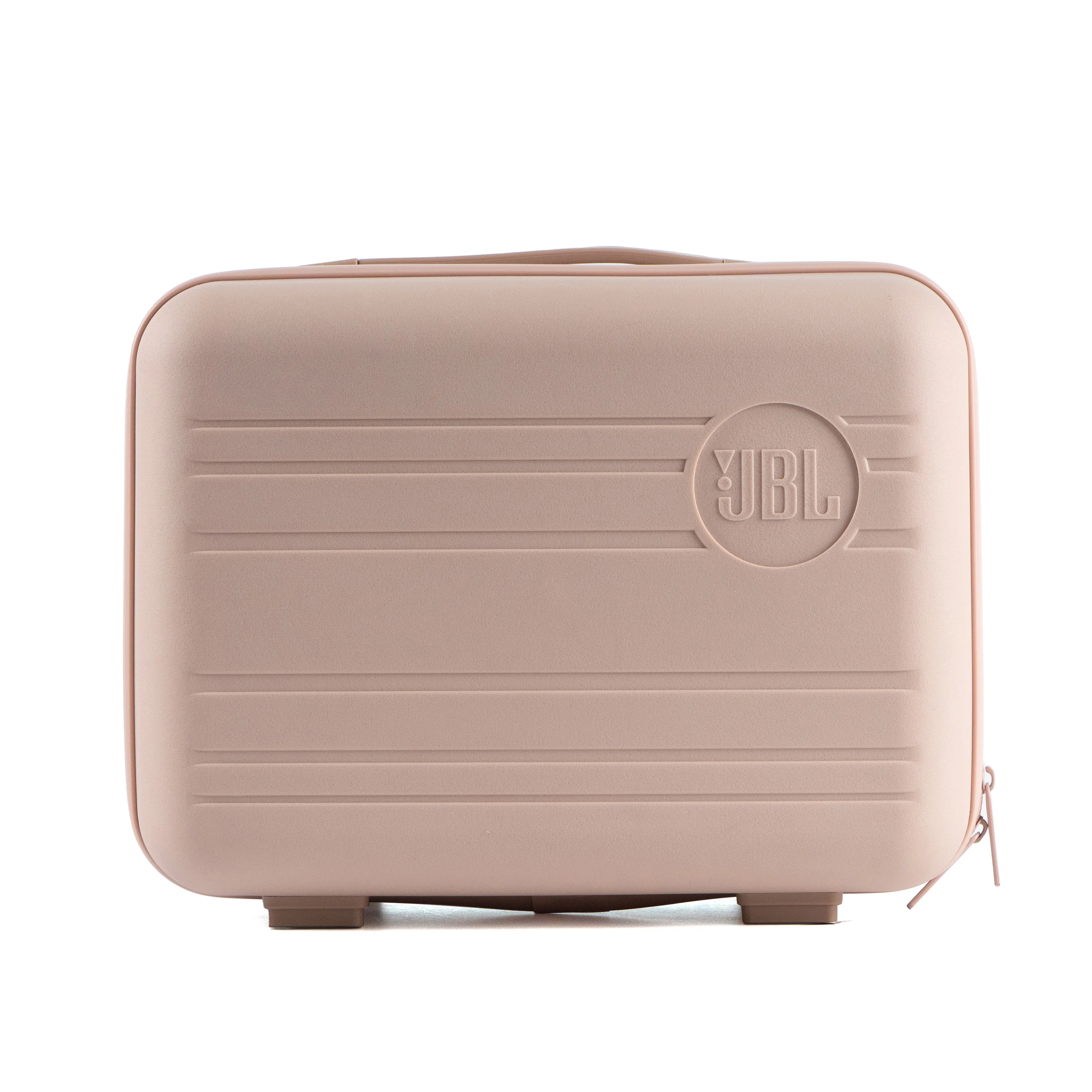
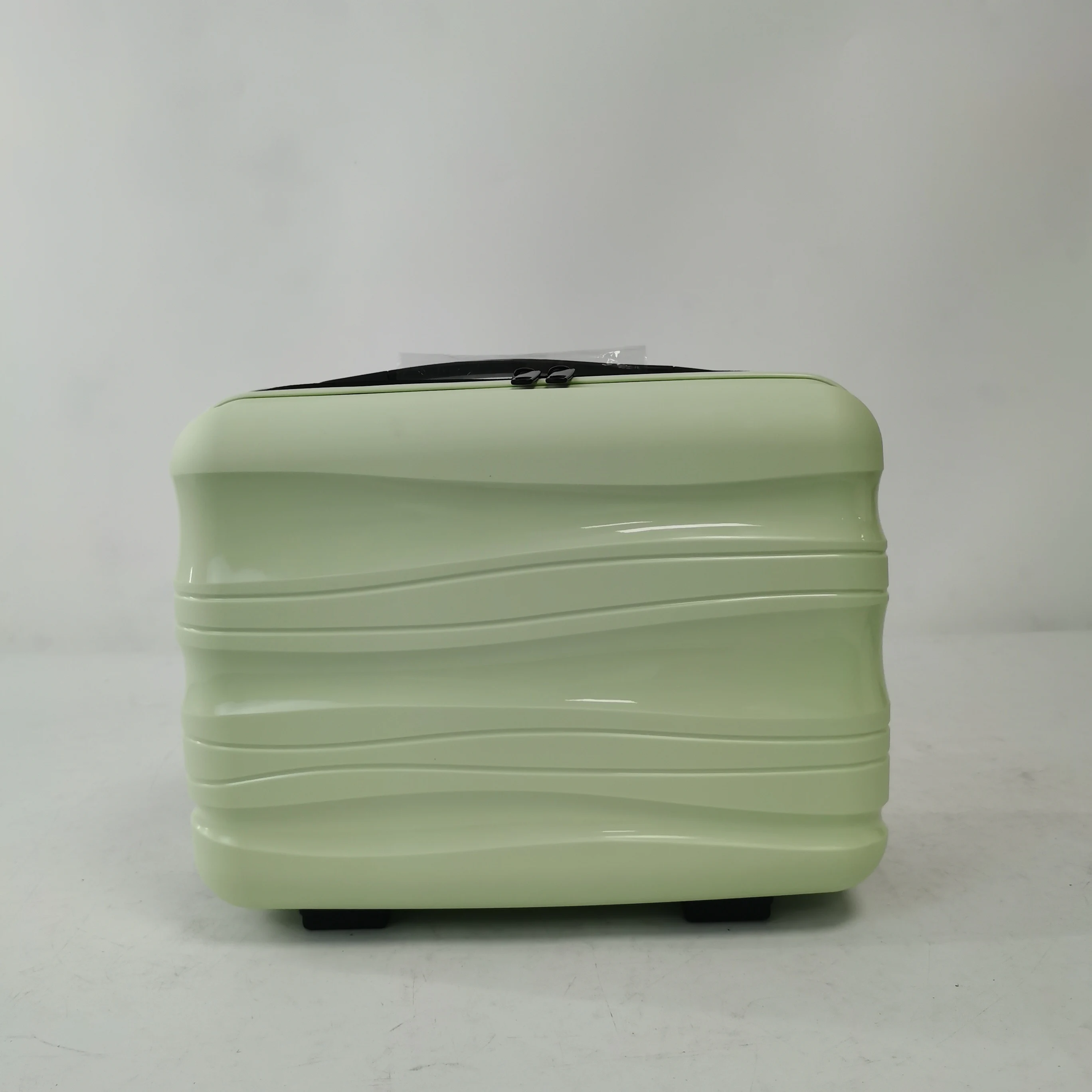
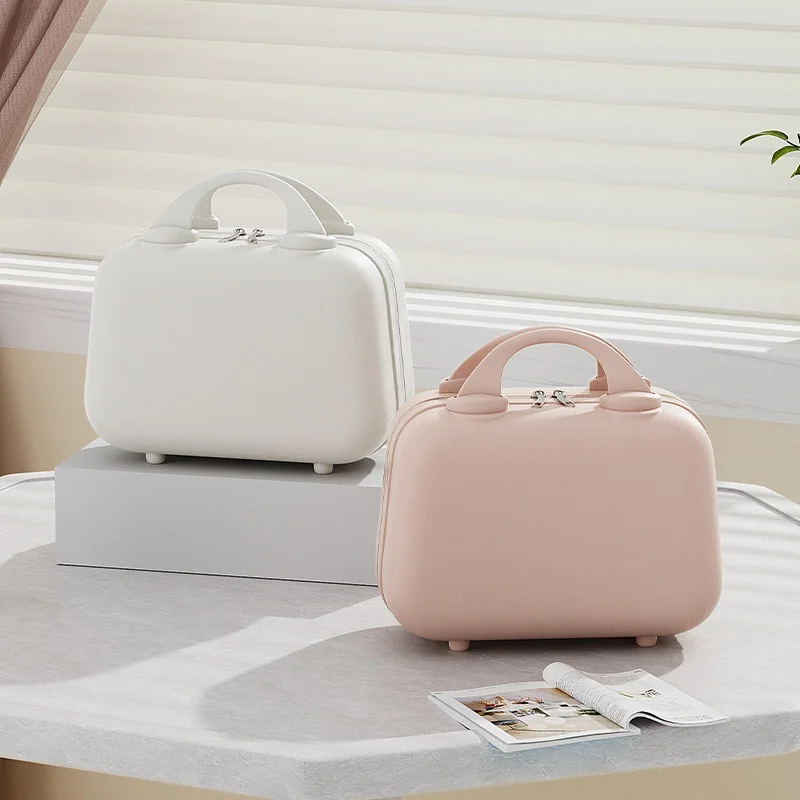
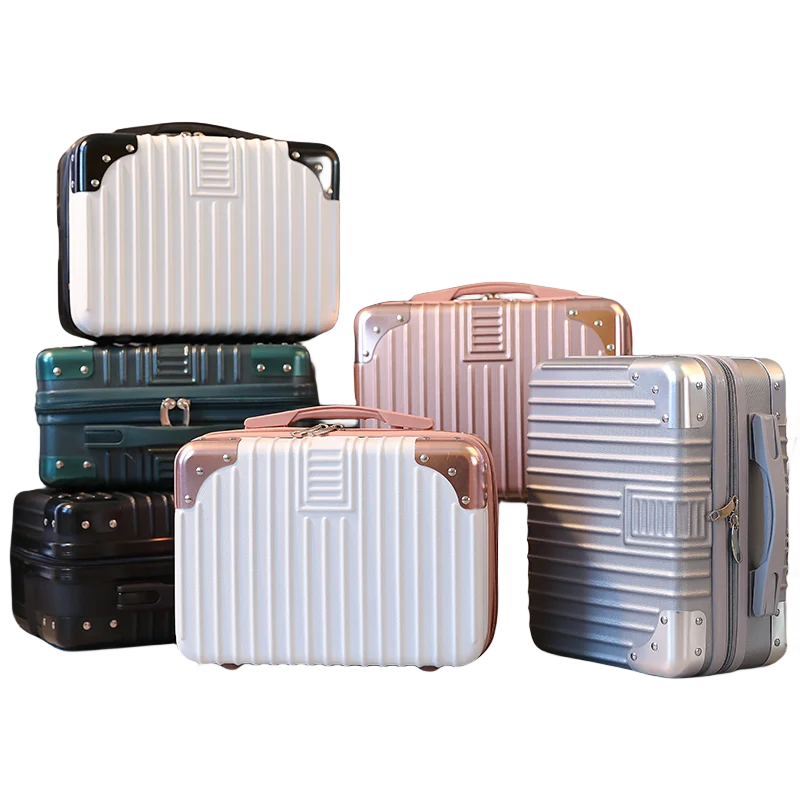
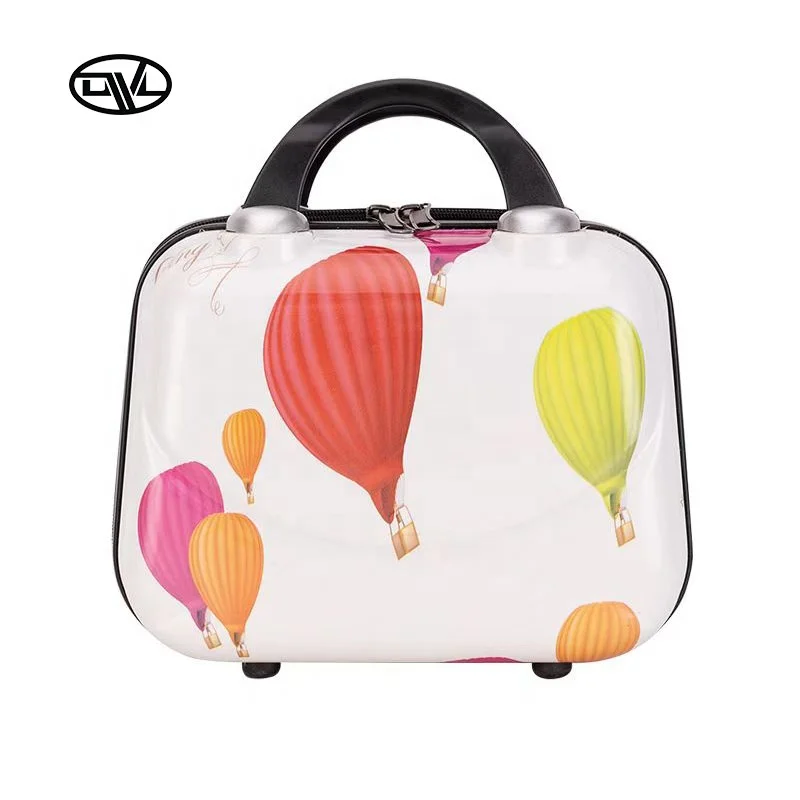
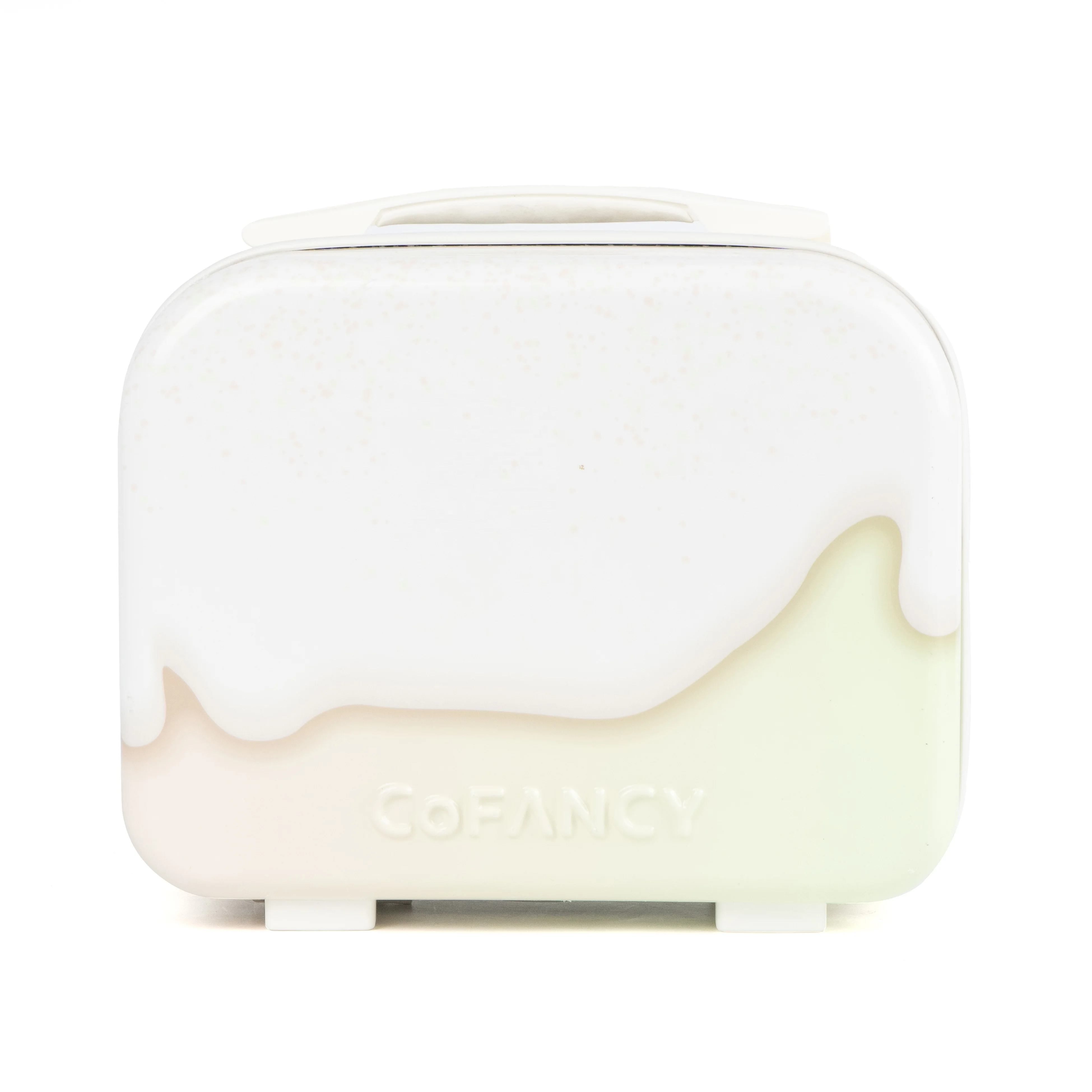
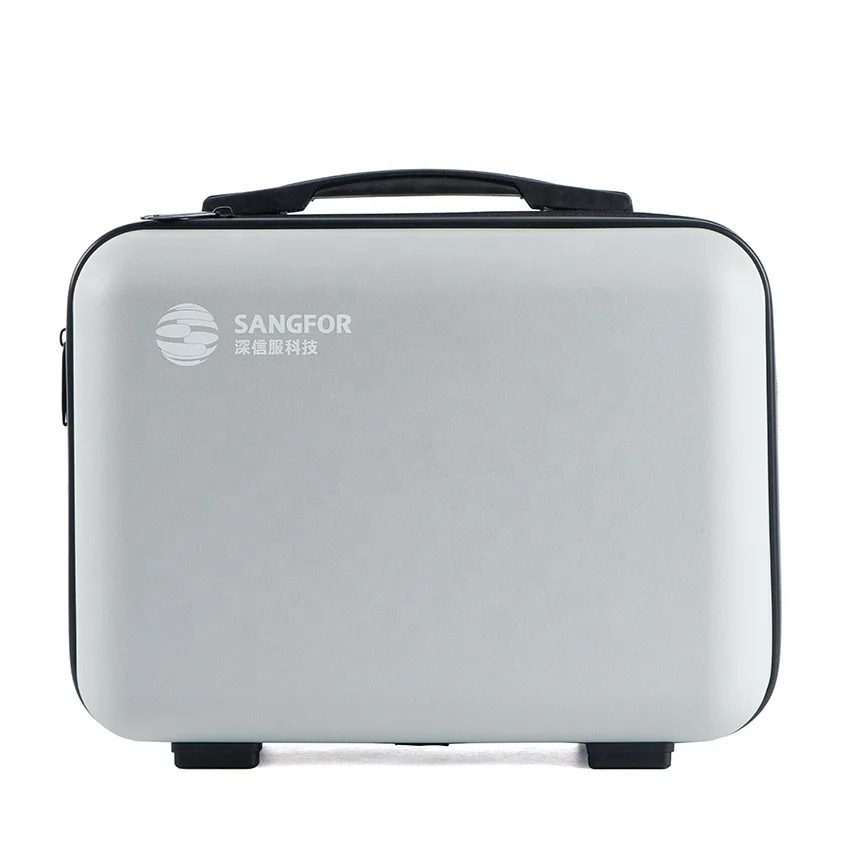
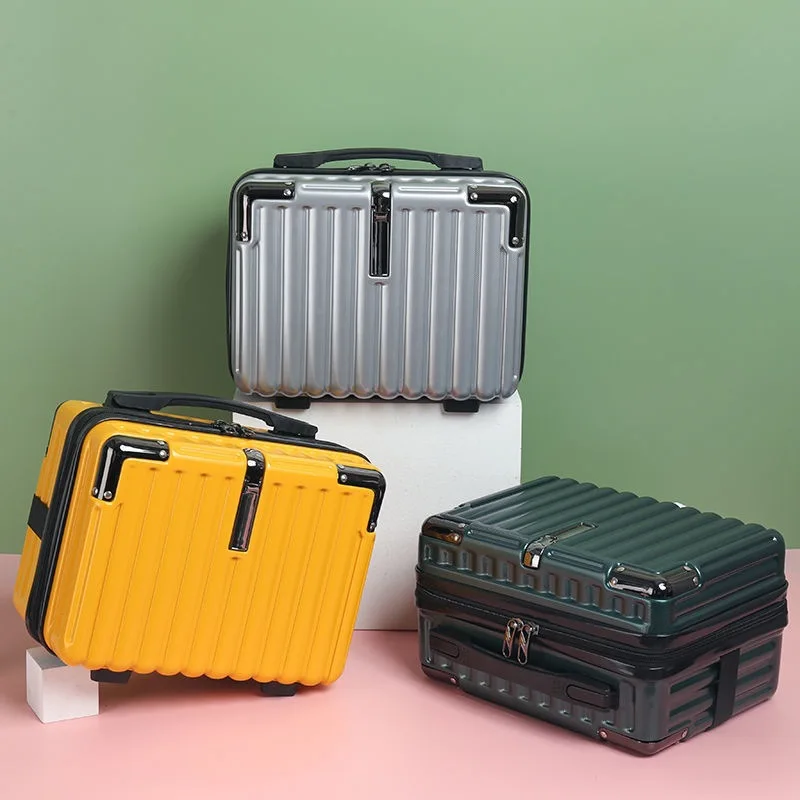
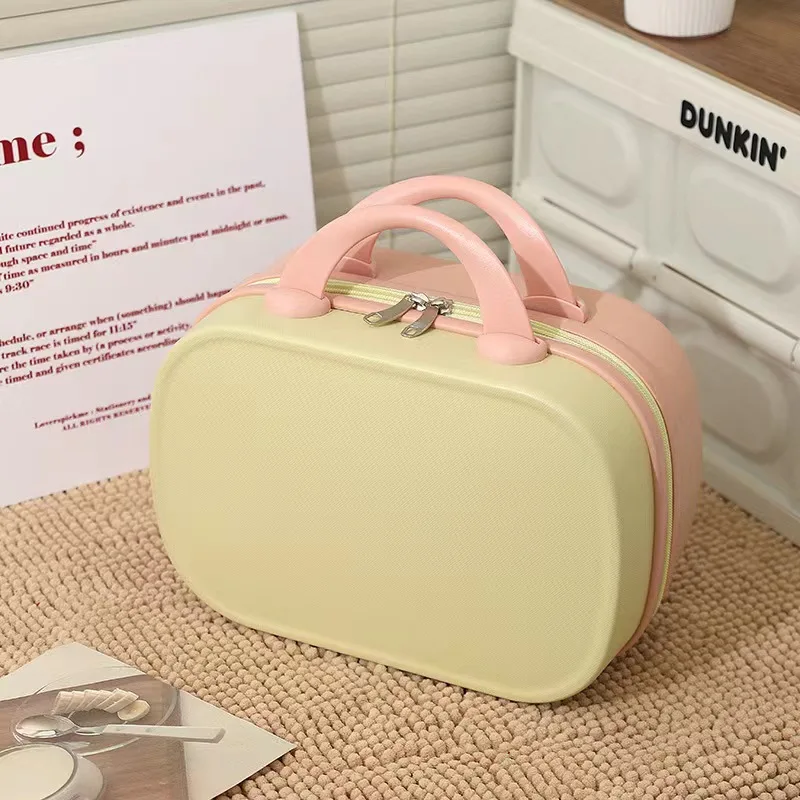
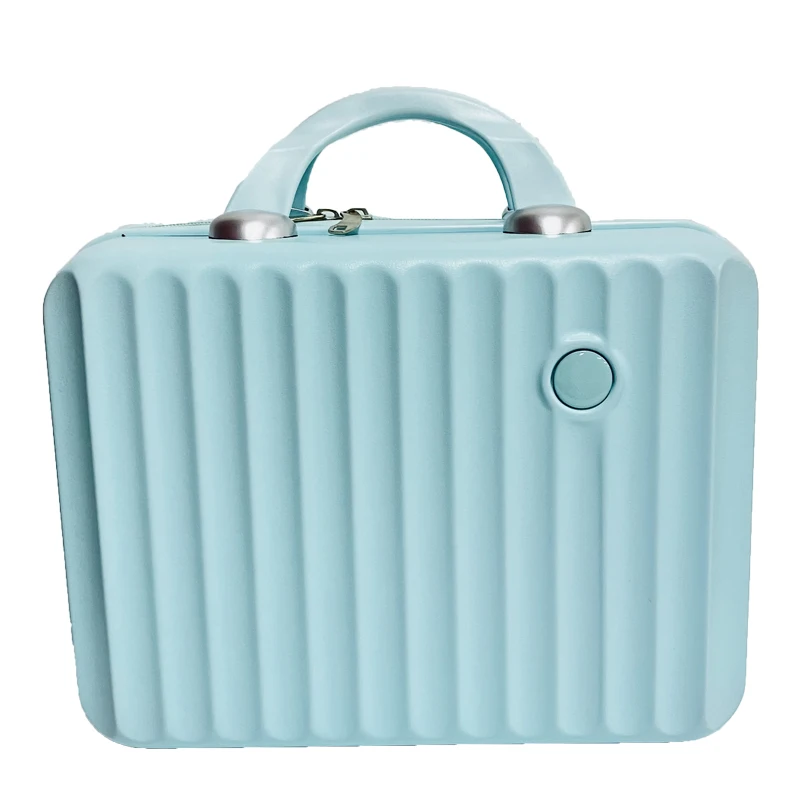
A Small Childs Suitcase Packed With A Teddy Bear A Blanket And A Few Clothes Sits By The Door Ready For A First Big Adventure Away From Home And Family
dgdiwoli
2025-12-09
Picture your child’s bright colorful suitcase with cartoon characters on it sitting by the front door. This suitcase, while small, has the ability to hold countless emotions and excitement. Inside this suitcase includes the necessities of everyday clothing (a couple pairs of clothing now neatly folded). Also included, though, are very important items that represent what is comforting to young children (a teddy bear with missing button eye; familiar soft blanket). This single suitcase represents a transition in a child’s life and is also a symbol for all young children as they get ready to take their first important trip away from home and away from their families. In essence, it represents a beginning that is filled with equal parts excitement, anxiety, and the bittersweet feeling that comes with growing up. When the suitcase sits by the door waiting for your little one to take it with them on their journey, it becomes more than just luggage; it is a container for the child’s dreams, a vessel for their courage, and it provides a tangible marker for them as they cross the threshold between their childhood world and the vast unknown before them.
The Suitcase as a Means Of Transition
The suitcase is your child’s first official \"adult\" piece of luggage. Unlike their school backpack and their toy box which represent a more stationary existence, the suitcase represents travelling/moving away from their normal daily life (the home). The suitcase is also placed by the front door as a reminder that change will happen soon. A child’s suitcase is also a reflection of their parent’s love and the development of independence in a child.
If you want to create a new journey with your child, it will help if you have visual representation: for example, give your child their own suitcase to decorate with stickers or paint with pictures of the places they want to visit. Incorporating this visual representation of the upcoming journey into your child\'s life is a great way to get them excited about this new experience. The child will also have an outlet for their feelings and emotions regarding the journey and its significance and create long-lasting memories for both of you.The contents of a child\'s suitcase are determined by both what is found to be necessary for daily life at home (the place they were born and raised), and what will provide them with comfort while experiencing new places and situations (in other words, the items that will allow them to feel safe).
When a child packs a suitcase, they often have to pick and choose items that are light enough for them to carry alone, but comprehensive enough to allow them to feel secure about being away from home; therefore, the suitcase can be viewed as a mini \"home base\" that accompanies the child throughout their travels. Packing the child\'s belongings into the suitcase may not seem like a big deal, but it is an important part of establishing a mental preparation for the journey ahead, which is also why the child usually packs their suitcase with either a parent or trusted adult.
The teddy bear and blanket also serve as \"anchors\" of familiar things. Although the child will put clothing in the suitcase, the teddy bear and blanket provide comfort through familiarity. Teddy bears are not just toys for young children, but they also serve as companionship. For example, when children have a teddy bear, they have a friend who is always there for them, who listens to their fears and feelings, and provides support through their bedtime stories. Having a teddy bear in the suitcase provides the child with comfort and security by giving them someone to talk to when they are away from home.
Similarly, the child\'s blanket helps provide comfort through their sense of smell. The child\'s blanket may have the familiar scent of their home, which will remind them of countless nights spent feeling safe and cared for. It provides warmth and comfort and provides a protective barrier against the strangeness of a new environment. The teddy bear and blanket provide children with an emotional connection to home and support during their transition from a dependence on home to greater independence as they begin their adventures.They enable the child to comfort themselves and maintain a connection with family through an invisible thread that exists between them, causing the distance to seem smaller.
The “few clothes” can give the impression of practical preparation while maintaining the child’s identity. In terms of packing clothes that have practicality for the journey ahead, “few clothes” is a term that implies each clothingThey provide an opportunity for the child to learn to comfort and self-soothe while creating a bond with their family that is not interrupted by physical distance.
The \"Few Clothes\": Signifiers of Preparation and Self-Identity
The \"few clothes\" are practical items of clothing, selected with durability and wearability for specific climate conditions, but also with the ease of being put on independently. The selection of these garments serves as a reminder of the parent’s insight and care in meeting their child’s needs and wanting to provide for them from a distance.
In addition, these garments represent an extension of identity for the child; when he/she chooses what to put in the bag, it is a first step in establishing how to present oneself in a new environment. Is it going to be the T-shirt with the dinosaur on it or the rainbow one? These small decisions give the child an early opportunity to experience freedom of choice and independence. Although the clothing is limited to a \"few\" pieces, the meaning behind them serves as a reminder that the child is going through an experience rather than an actual separation. Thus, the \"few\" articles of clothing become a source of comfort and reassurance for both parent and child.
\"Ready for a Big Adventure\": The Tension between Excitement and Anxiety
The statement \"ready for big adventure\" contains several layers of meaning.They will help the child learn to comfort themselves, while also helping lessen the psychological impact of physically being separated from their family by creating a symbolic connection between the two places.
The \"few clothes\" illustrate the parent’s desire to provide for the child in preparation for life in a new environment; however, the purpose was also to help with the parent’s preparation of the child for their new environment while anticipating how their needs would change as they lived away from their family. The parent has made an effort to provide durable clothing, appropriate to the climate of the new location, although possibly made to be able to wear independently. Each piece of clothing provides a history of the parents’ preparedness (e.g. a fresh pair of socks, a fun T-shirt) and thoughtful planning (e.g. a jacket for sleeping outdoors on chilly evenings). Plus, providing clothing reflects the parent’s intentionality and care about how they cared for their child from afar.
The clothing also serves as an extension of the child’s identity through self-selection. Each clothing selection provides the child with the opportunity to think about how their style is (or will be) viewed at their new location; will the child choose the T-shirt with the dinosaur or the one with the rainbows? Each choice made regarding the clothing item indicates autonomy on the part of the child. Additionally, the notion of \"few\" signifies that this is only for a temporary trip and indicates that there is a limit to the distance/length of time that the child will be away from their family. Therefore, while the journey is viewed as an adventure, for both the child and parent, it is temporary and therefore will provide a source of comfort for both parties.On the one hand, there is an exciting new experience, with new places to see and the feeling of being old enough to go on such an adventure. This new adventure could be sleeping at Grandma\'s house, having a short camping trip, or going with a school group. This type of experience helps the child gain independence and create their own story.
On the other hand, there is also a sense of fear from havingA child is irresistibly drawn to the adventure of leaving home, if only briefly, to experience new sights, sounds, activities, and so forth. When a child leaves home for the first time, they are no longer solely viewed as a dependent, but rather, they are taking their first steps toward becoming an independent individual. By going on this trip (which could be a sleepover at Grandma’s or camping with friends, etc.), they have the means of creating their own personal memories and experiences, the young person takes
The excitement of this journey can be tempered with the natural apprehension of a child about leaving what is known—that is, home. The visual cue of a packed suitcase sitting by the door can elicit different emotional responses on the part of a child; they can experience excitement and nervousness as they sit next to it. This \"emotional cocktail\" is a necessary part of growing up, and this very reason makes this journey \"big.\" A child’s readiness to leave home for the first time is not the absence of fear, but rather, it is the presence of courage that enables them to leave home.
In addition to being an adventure, leaving home can evoke strong feelings of sadness for both the parent and the child. A packed suitcase is a representation of two things: A parent acknowledges that their child is growing and maturing, which is both a blessing and bittersweet, and a child is practicing their ability to trust that home will still be waiting for them upon their return. Although there may be anxiety about separation, the experience of leaving home will provide the child with the opportunity to build a strong bond with their family and to learn about resilience. The moment of departure will create a new chapter in the child’s identity in relation to the outside world and will ultimately serve to build a strong emotional foundation for their future. The suitcase is just one of many components of packing for an adventure. Generally speaking, every adventure begins with love and support from family.The anticipation of what lies ahead is both exciting and frightening for children. From one perspective, they look forward to new experiences; from the other point-of-view, children are fearful of stepping into the unknown. A suitcase sitting in front of the door is an excellent representation of the mix of these feelings (fear and excitement). Children may feel a rush of excitement when looking at the suitcase one minute, and then feel a swell of anxiety the next moment when thinking about leaving home. Experiencing these emotions during this time is part of the growth process for children. The adventure is a \"big\" adventure because it forces children to confront and expand their definitions of reality. Feeling \"ready\" to embark on an adventure indicates courage and the ability to cope with fear through the support of their little suitcase.
Leaving Home and Family Behind: A Moment of Emotional Impact
This section captures how emotionally significant the separation will be. A suitcase at the doorstep (away from home) represents an acknowledgment of the loss of home and family; however, the separation is only temporary. Parents view this suitcase as a powerful symbol in that it demonstrates their child is on the brink of becoming an independent person, which represents a gradual process of letting go of their child. The child experiences a pivotal moment of trust; specifically, trust that when the child returns home, home will still exist and that they can go on such adventures.
Although separation from home and family may induce anxiety in children, it is a healthy and necessary step in the process of becoming independent. The process teaches children to internalize the love and support of their family, that they can continue to feel the love and support of their family even when they are away from them, and that they carry that love and support with them in their heart and through their teddy bear. Separation helps build and strengthen children’s resilience. The doorway is a symbol of change that frames the experience of a child’s departure from home as the beginning of a new chapter in their understanding of themselves and their interactions with the larger world. The contents of the suitcase represent proof that a child is ready—both emotionally and materially—to take a step into the world.
Ultimately, the suitcase at the door tells a simple story of growth. The suitcase symbolically illustrates the practical preparations necessary to go on a journey as well as the comforting things that children take along, the excitements of the unknown, and the bittersweet feelings that exist between the safe embrace of home and the open sky above. The suitcase represents the essence of all that children experience as bravery in the most innocent manner: all great adventures, regardless of how far away they take you, begin with a simple, loving act of putting together a teddy bear, a blanket, and a few clothes.
The Suitcase as a Means Of Transition
The suitcase is your child’s first official \"adult\" piece of luggage. Unlike their school backpack and their toy box which represent a more stationary existence, the suitcase represents travelling/moving away from their normal daily life (the home). The suitcase is also placed by the front door as a reminder that change will happen soon. A child’s suitcase is also a reflection of their parent’s love and the development of independence in a child.
If you want to create a new journey with your child, it will help if you have visual representation: for example, give your child their own suitcase to decorate with stickers or paint with pictures of the places they want to visit. Incorporating this visual representation of the upcoming journey into your child\'s life is a great way to get them excited about this new experience. The child will also have an outlet for their feelings and emotions regarding the journey and its significance and create long-lasting memories for both of you.The contents of a child\'s suitcase are determined by both what is found to be necessary for daily life at home (the place they were born and raised), and what will provide them with comfort while experiencing new places and situations (in other words, the items that will allow them to feel safe).
When a child packs a suitcase, they often have to pick and choose items that are light enough for them to carry alone, but comprehensive enough to allow them to feel secure about being away from home; therefore, the suitcase can be viewed as a mini \"home base\" that accompanies the child throughout their travels. Packing the child\'s belongings into the suitcase may not seem like a big deal, but it is an important part of establishing a mental preparation for the journey ahead, which is also why the child usually packs their suitcase with either a parent or trusted adult.
The teddy bear and blanket also serve as \"anchors\" of familiar things. Although the child will put clothing in the suitcase, the teddy bear and blanket provide comfort through familiarity. Teddy bears are not just toys for young children, but they also serve as companionship. For example, when children have a teddy bear, they have a friend who is always there for them, who listens to their fears and feelings, and provides support through their bedtime stories. Having a teddy bear in the suitcase provides the child with comfort and security by giving them someone to talk to when they are away from home.
Similarly, the child\'s blanket helps provide comfort through their sense of smell. The child\'s blanket may have the familiar scent of their home, which will remind them of countless nights spent feeling safe and cared for. It provides warmth and comfort and provides a protective barrier against the strangeness of a new environment. The teddy bear and blanket provide children with an emotional connection to home and support during their transition from a dependence on home to greater independence as they begin their adventures.They enable the child to comfort themselves and maintain a connection with family through an invisible thread that exists between them, causing the distance to seem smaller.
The “few clothes” can give the impression of practical preparation while maintaining the child’s identity. In terms of packing clothes that have practicality for the journey ahead, “few clothes” is a term that implies each clothingThey provide an opportunity for the child to learn to comfort and self-soothe while creating a bond with their family that is not interrupted by physical distance.
The \"Few Clothes\": Signifiers of Preparation and Self-Identity
The \"few clothes\" are practical items of clothing, selected with durability and wearability for specific climate conditions, but also with the ease of being put on independently. The selection of these garments serves as a reminder of the parent’s insight and care in meeting their child’s needs and wanting to provide for them from a distance.
In addition, these garments represent an extension of identity for the child; when he/she chooses what to put in the bag, it is a first step in establishing how to present oneself in a new environment. Is it going to be the T-shirt with the dinosaur on it or the rainbow one? These small decisions give the child an early opportunity to experience freedom of choice and independence. Although the clothing is limited to a \"few\" pieces, the meaning behind them serves as a reminder that the child is going through an experience rather than an actual separation. Thus, the \"few\" articles of clothing become a source of comfort and reassurance for both parent and child.
\"Ready for a Big Adventure\": The Tension between Excitement and Anxiety
The statement \"ready for big adventure\" contains several layers of meaning.They will help the child learn to comfort themselves, while also helping lessen the psychological impact of physically being separated from their family by creating a symbolic connection between the two places.
The \"few clothes\" illustrate the parent’s desire to provide for the child in preparation for life in a new environment; however, the purpose was also to help with the parent’s preparation of the child for their new environment while anticipating how their needs would change as they lived away from their family. The parent has made an effort to provide durable clothing, appropriate to the climate of the new location, although possibly made to be able to wear independently. Each piece of clothing provides a history of the parents’ preparedness (e.g. a fresh pair of socks, a fun T-shirt) and thoughtful planning (e.g. a jacket for sleeping outdoors on chilly evenings). Plus, providing clothing reflects the parent’s intentionality and care about how they cared for their child from afar.
The clothing also serves as an extension of the child’s identity through self-selection. Each clothing selection provides the child with the opportunity to think about how their style is (or will be) viewed at their new location; will the child choose the T-shirt with the dinosaur or the one with the rainbows? Each choice made regarding the clothing item indicates autonomy on the part of the child. Additionally, the notion of \"few\" signifies that this is only for a temporary trip and indicates that there is a limit to the distance/length of time that the child will be away from their family. Therefore, while the journey is viewed as an adventure, for both the child and parent, it is temporary and therefore will provide a source of comfort for both parties.On the one hand, there is an exciting new experience, with new places to see and the feeling of being old enough to go on such an adventure. This new adventure could be sleeping at Grandma\'s house, having a short camping trip, or going with a school group. This type of experience helps the child gain independence and create their own story.
On the other hand, there is also a sense of fear from havingA child is irresistibly drawn to the adventure of leaving home, if only briefly, to experience new sights, sounds, activities, and so forth. When a child leaves home for the first time, they are no longer solely viewed as a dependent, but rather, they are taking their first steps toward becoming an independent individual. By going on this trip (which could be a sleepover at Grandma’s or camping with friends, etc.), they have the means of creating their own personal memories and experiences, the young person takes
The excitement of this journey can be tempered with the natural apprehension of a child about leaving what is known—that is, home. The visual cue of a packed suitcase sitting by the door can elicit different emotional responses on the part of a child; they can experience excitement and nervousness as they sit next to it. This \"emotional cocktail\" is a necessary part of growing up, and this very reason makes this journey \"big.\" A child’s readiness to leave home for the first time is not the absence of fear, but rather, it is the presence of courage that enables them to leave home.
In addition to being an adventure, leaving home can evoke strong feelings of sadness for both the parent and the child. A packed suitcase is a representation of two things: A parent acknowledges that their child is growing and maturing, which is both a blessing and bittersweet, and a child is practicing their ability to trust that home will still be waiting for them upon their return. Although there may be anxiety about separation, the experience of leaving home will provide the child with the opportunity to build a strong bond with their family and to learn about resilience. The moment of departure will create a new chapter in the child’s identity in relation to the outside world and will ultimately serve to build a strong emotional foundation for their future. The suitcase is just one of many components of packing for an adventure. Generally speaking, every adventure begins with love and support from family.The anticipation of what lies ahead is both exciting and frightening for children. From one perspective, they look forward to new experiences; from the other point-of-view, children are fearful of stepping into the unknown. A suitcase sitting in front of the door is an excellent representation of the mix of these feelings (fear and excitement). Children may feel a rush of excitement when looking at the suitcase one minute, and then feel a swell of anxiety the next moment when thinking about leaving home. Experiencing these emotions during this time is part of the growth process for children. The adventure is a \"big\" adventure because it forces children to confront and expand their definitions of reality. Feeling \"ready\" to embark on an adventure indicates courage and the ability to cope with fear through the support of their little suitcase.
Leaving Home and Family Behind: A Moment of Emotional Impact
This section captures how emotionally significant the separation will be. A suitcase at the doorstep (away from home) represents an acknowledgment of the loss of home and family; however, the separation is only temporary. Parents view this suitcase as a powerful symbol in that it demonstrates their child is on the brink of becoming an independent person, which represents a gradual process of letting go of their child. The child experiences a pivotal moment of trust; specifically, trust that when the child returns home, home will still exist and that they can go on such adventures.
Although separation from home and family may induce anxiety in children, it is a healthy and necessary step in the process of becoming independent. The process teaches children to internalize the love and support of their family, that they can continue to feel the love and support of their family even when they are away from them, and that they carry that love and support with them in their heart and through their teddy bear. Separation helps build and strengthen children’s resilience. The doorway is a symbol of change that frames the experience of a child’s departure from home as the beginning of a new chapter in their understanding of themselves and their interactions with the larger world. The contents of the suitcase represent proof that a child is ready—both emotionally and materially—to take a step into the world.
Ultimately, the suitcase at the door tells a simple story of growth. The suitcase symbolically illustrates the practical preparations necessary to go on a journey as well as the comforting things that children take along, the excitements of the unknown, and the bittersweet feelings that exist between the safe embrace of home and the open sky above. The suitcase represents the essence of all that children experience as bravery in the most innocent manner: all great adventures, regardless of how far away they take you, begin with a simple, loving act of putting together a teddy bear, a blanket, and a few clothes.
REPORT