







All Categories
-
 Agriculture
-
 Health-Care
-
 Environment
-
 Construction-Real-Estate
-
 Tools-Hardware
-
 Home-Garden
-
 Furniture
-
 Luggage-Bags-Cases
-
 Medical-devices-Supplies
-
 Gifts-Crafts
-
 Sports-Entertainment
-
 Food-Beverage
-
 Vehicles-Transportation
-
 Power-Transmission
-
 Material-Handling
-
 Renewable-Energy
-
 Safety
-
 Testing-Instrument-Equipment
-
 Construction-Building-Machinery
-
 Pet-Supplies
-
 Personal-Care-Household-Cleaning
-
 Vehicle-Accessories-Electronics-Tools
-
 School-Office-Supplies
-
 Packaging-Printing
-
 Mother-Kids-Toys
-
 Business-Services
-
 Commercial-Equipment-Machinery
-
 Apparel-Accessories
-
 Security
-
 Shoes-Accessories
-
 Vehicle-Parts-Accessories
-
 Jewelry-Eyewear-Watches-Accessories
-
 Lights-Lighting
-
 Fabric-Textile-Raw-Material
-
 Fabrication-Services
-
 Industrial-Machinery
-
 Consumer-Electronics
-
 Electrical-Equipment-Supplies
-
 Electronic-Components-Accessories-Telecommunications
-
 Home-Appliances
-
 Beauty
-
 Chemicals
-
 Rubber-Plastics
-
 Metals-Alloys


























































































































































































































































































































































































































































































































































































- Masonry Materials
- Curtain Walls & Accessories
- Earthwork Products
- Fireproofing Materials
- Heat Insulation Materials
- Plastic Building Materials
- Building Boards
- Soundproofing Materials
- Timber
- Waterproofing Materials
- Balustrades & Handrails
- Bathroom & Kitchen
- Flooring & Accessories
- Tiles & Accessories
- Door, Window & Accessories
- Fireplaces & Stoves
- Floor Heating Systems & Parts
- Stairs & Stair Parts
- Ceilings
- Elevators & Escalators
- Stone
- Countertops, Vanity Tops & Table Tops
- Mosaics
- Metal Building Materials
- Multifunctional Materials
- Ladders & Scaffoldings
- Mouldings
- Corner Guards
- Decorative Films
- Formwork
- Building & Industrial Glass
- Other Construction & Real Estate
- Wallpapers/Wall panels
- HVAC System & Parts
- Outdoor Facilities
- Prefabricated Buildings
- Festive & Party Supplies
- Bathroom Products
- Household Sundries
- Rain Gear
- Garden Supplies
- Household Cleaning Tools & Accessories
- Lighters & Smoking Accessories
- Home Storage & Organization
- Household Scales
- Smart Home Improvement
- Home Textiles
- Kitchenware
- Drinkware & Accessories
- Dinnerware, Coffee & Wine
- Home Decor
- Golf
- Fitness & Body Building
- Amusement Park Facilities
- Billiards, Board Game,Coin Operated Games
- Musical Instruments
- Outdoor Affordable Luxury Sports
- Camping & Hiking
- Fishing
- Sports Safety&Rehabilitation
- Ball Sports Equipments
- Water Sports
- Winter Sports
- Luxury Travel Equipments
- Sports Shoes, Bags & Accessories
- Cycling
- Other Sports & Entertainment Products
- Artificial Grass&Sports Flooring&Sports Court Equipment
- Scooters
- Food Ingredients
- Honey & Honey Products
- Snacks
- Nuts & Kernels
- Seafood
- Plant & Animal Oil
- Beverages
- Fruit & Vegetable Products
- Frog & Escargot
- Bean Products
- Egg Products
- Dairy Products
- Seasonings & Condiments
- Canned Food
- Instant Food
- Baked Goods
- Other Food & Beverage
- Meat & Poultry
- Confectionery
- Grain Products
Safety
- Feminie Care
- Hair Care & Styling
- Body Care
- Hands & Feet Care
- Hygiene Products
- Men's Grooming
- Laundry Cleaning Supplies
- Travel Size & Gift Sets
- Room Deodorizers
- Other Personal Care Products
- Pest Control Products
- Special Household Cleaning
- Floor Cleaning
- Kitchen & Bathroom Cleaning
- Oral Care
- Bath Supplies
- Yellow Pages
- Correction Supplies
- Office Binding Supplies
- Office Cutting Supplies
- Board Erasers
- Office Adhesives & Tapes
- Education Supplies
- Pencil Cases & Bags
- Notebooks & Writing Pads
- File Folder Accessories
- Calendars
- Writing Accessories
- Commercial Office Supplies
- Pencil Sharpeners
- Pens
- Letter Pad/Paper
- Paper Envelopes
- Desk Organizers
- Pencils
- Markers & Highlighters
- Filing Products
- Art Supplies
- Easels
- Badge Holder & Accessories
- Office Paper
- Printer Supplies
- Book Covers
- Other Office & School Supplies
- Stationery Set
- Boards
- Clipboards
- Stamps
- Drafting Supplies
- Stencils
- Electronic Dictionary
- Books
- Map
- Magazines
- Calculators
- Baby & Toddler Toys
- Educational Toys
- Classic Toys
- Dress Up & Pretend Play
- Toy Vehicle
- Stuffed Animals & Plush Toys
- Outdoor Toys & Structures
- Balloons & Accessories
- Baby Food
- Children's Clothing
- Baby Supplies & Products
- Maternity Clothes
- Kids Shoes
- Baby Care
- Novelty & Gag Toys
- Dolls & Accessories
- Puzzle & Games
- Blocks & Model Building Toys
- Toddler Clothing
- Baby Clothing
- Kids' Luggage & Bags
- Arts, Crafts & DIY Toys
- Action & Toy Figures
- Baby Appliances
- Hobbies & Models
- Remote Control Toys
- Promotional Toys
- Pregnancy & Maternity
- Hygiene Products
- Kid's Textile&Bedding
- Novelty & Special Use
- Toy Weapons
- Baby Gifts
- Baby Storage & Organization
Security
- Auto Drive Systems
- ATV/UTV Parts & Accessories
- Marine Parts & Accessories
- Other Auto Parts
- Trailer Parts & Accessories
- Auto Transmission Systems
- Train Parts & Accessories
- Universal Parts
- Railway Parts & Accessories
- Auto Brake Systems
- Aviation Parts & Accessories
- Truck Parts & Accessories
- Auto Suspension Systems
- Auto Lighting Systems
- New Energy Vehicle Parts & Accessories
- Auto Steering Systems
- Wheels, Tires & Accessories
- Bus Parts & Accessories
- Auto Performance Parts
- Cooling System
- Go-Kart & Kart Racer Parts & Accessories
- Air Conditioning Systems
- Heavy Duty Vehicle Parts & Accessories
- Auto Electrical Systems
- Auto Body Systems
- Auto Engine Systems
- Container Parts & Accessories
- Motorcycle Parts & Accessories
- Refrigeration & Heat Exchange Equipment
- Machine Tool Equipment
- Food & Beverage Machinery
- Agricultural Machinery & Equipment
- Apparel & Textile Machinery
- Chemical Machinery
- Packaging Machines
- Paper Production Machinery
- Plastic & Rubber Processing Machinery
- Industrial Robots
- Electronic Products Machinery
- Metal & Metallurgy Machinery
- Woodworking Machinery
- Home Product Manufacturing Machinery
- Machinery Accessories
- Environmental Machinery
- Machinery Service
- Electrical Equipment Manufacturing Machinery
- Industrial Compressors & Parts
- Tobacco & Cigarette Machinery
- Production Line
- Used Industrial Machinery
- Electronics Production Machinery
- Other Machinery & Industrial Equipment
- Camera, Photo & Accessories
- Portable Audio, Video & Accessories
- Television, Home Audio, Video & Accessories
- Video Games & Accessories
- Mobile Phone & Accessories
- Electronic Publications
- Earphone & Headphone & Accessories
- Speakers & Accessories
- Smart Electronics
- TV Receivers & Accessories
- Mobile Phone & Computer Repair Parts
- Chargers, Batteries & Power Supplies
- Used Electronics
- VR, AR, MR Hardware & Software
- Projectors & Presentation Equipments
- Other Consumer Electronics
- Cables & Commonly Used Accessories
- Computer Hardware & Software
- Displays, Signage and Optoelectronics
- Discrete Semiconductors
- Wireless & IoT Module and Products
- Telecommunications
- Connectors, Terminals & Accessories
- Development Boards, Electronic Modules and Kits
- Circuit Protection
- Sensors
- Isolators
- Audio Components and Products
- Integrated Circuits
- Power Supplies
- Relays
- RF, Microwave and RFID
- Electronic Accessories & Supplies
- Passive Components
- PCB & PCBA
- Air Quality Appliances
- Home Appliance Parts
- Heating & Cooling Appliances
- Small Kitchen Appliances
- Laundry Appliances
- Water Heaters
- Water Treatment Appliances
- Refrigerators & Freezers
- Personal Care & Beauty Appliances
- Major Kitchen Appliances
- Cleaning Appliances
- Second-hand Appliances
- Smart Home Appliances
- Other Home Appliances
Beauty
- Energy Chemicals
- Inorganic Chemicals
- Basic Organic Chemicals
- Agrochemicals
- Admixture & Additives
- Catalysts & Chemical Auxiliary Agents
- Pigments & Dyestuff
- Coating & Paint
- Daily Chemicals
- Polymer
- Organic Intermediate
- Adhesives & Sealants
- Chemical Waste
- Biological Chemical Products
- Surface Treatment Chemicals
- Painting & Coating
- Chemical Reagents
- Flavor & Fragrance
- Non-Explosive Demolition Agents
- Other Chemicals
- Custom Chemical Services

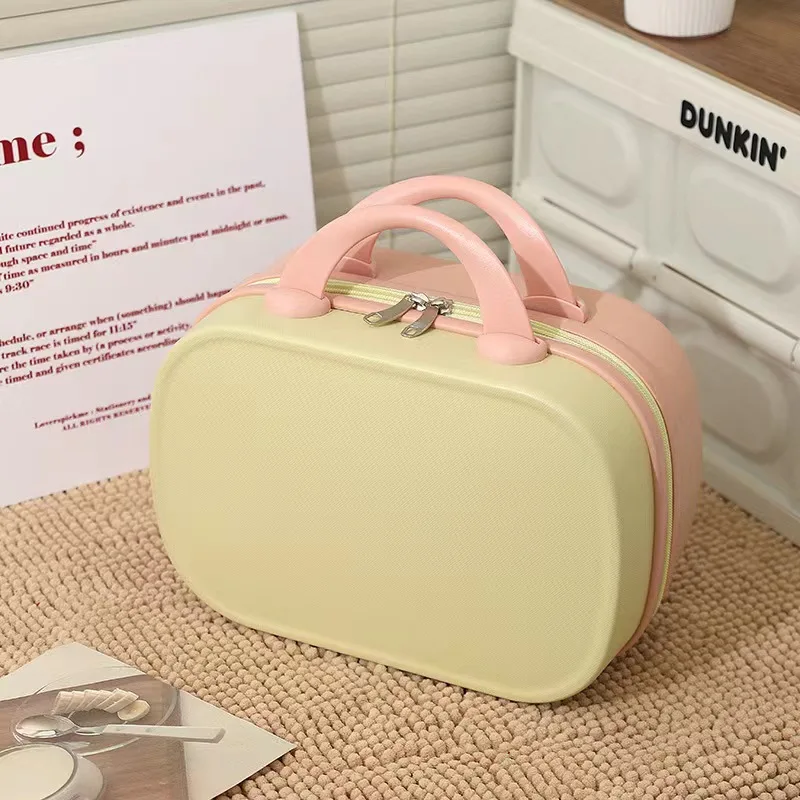
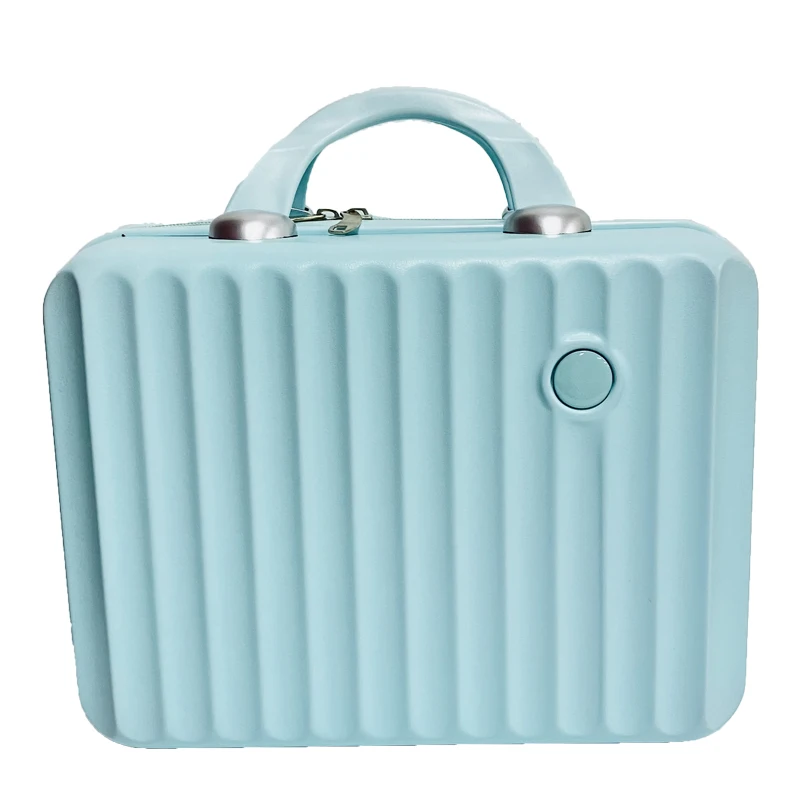
An Open Suitcase Spills Forth With Colorful Fabrics Exotic Spices And Handwritten Letters Each Item Telling A Story Of A Distant Culture And A Long Journey Home
dgdiwoli
2025-12-09
A suitcase with worn leather and rusty latches has finally run its course. When it opened, the contents were not simply items of clothes, etc. but what could be described as a mini-universe of all that was held through memory. The words \"A Open Suitcase Spills Out With Brightly Colored Fabrics, Exotic Spices and Handwritten Letters Of Discovery\" should be interpreted as inviting a new story. That is to say, all those items bring us directly back in time, providing us an experience that we have previously had but never publicly acknowledged or shared.
The suitcase is an evidence of the many, many miles that the suitcase has travelled, along with all those beautiful, colourful and vibrant items inside of it. This entire scene reveals our shared experiences of longing for connection, preserving one\'s sense of self across the globe and the feelings of bittersweet emotions that come with returning home.
It speaks of a traveller, potentially an immigrant, a diplomat, a merchant, or an explorer who had a journey as much within themselves as it was geographically. The piece of luggage includes all the beautiful colour, aroma and experience represented by the fabric, spice and letters are symbolic representations of the traveler\'s experience of having existed in a uniquely composed and distinct society globally. Each item signifies experiences that are not \"just stuff\"; rather, they contain significance to the individual and have an important story to share.The Fabric of Memory: Textiles as Woven Narratives
When opening an old suitcase, people usually find that the top layer is full of heavy, colourful textiles. Textiles are not just clothing or decorative items but archives that document the culture and personal history of those who created them. The way the fabric is woven, the dye used to colour it, the pattern printed on the fabric and even the various wear and tear from use is a form of a record representing cultural codes, personal histories and the product of individual or communal experiences.
Every piece of embroidery or embellishment on a piece of clothing such as a blouse represents time, skills, and tradition. If the embroidery represents time, then the skill required to create it was passed down through generations of women from the same village. The motifs or visual images on the blouse can contain beliefs, social status and identity. By touching that blouse, the person actively connects with the women of that village who worked on and created the blouse.
Additionally, what is being packed out can denote personal connection to a particular textile. When travelling or moving away from home, we often take something with us that we see as part of who we are. For example, a blanket has a connection to warmth experienced throughout a person\'s life, whereas a piece of fabric may be an item that was given to a person to use at their wedding or for some kind of celebration in the new country. In the case of someone returning from a long journey back home, that textile takes on an anchor function. The textile will serve as a reminder of that person\'s identity, as well as a way for the person to hold onto a small piece of comfort from their place of origin.
The Scent of Yet to Happen: Spices as Transportable Places of Residence.
The new smell of spice is strong and rich; exotic spices such as cumin, cardamom, turmeric, and star anise fill the air. Whether they come in a bag or tin, these spices have an incredible ability to create memories of places and times in history. Smells are very closely connected to emotions and memories, so it takes only a moment for one to connect a smell of a spice with a time in their past.
For example, a single pinch of saffron evokes the image of the busy open marketplace in Marrakech, or the kitchen of one’s family back in Chennai. The aroma of smoked paprika might remind an individual of all the types of food they had while being at their Hungarian grandmother’s home. They are the essence of their homeland’s cooking, and in turn, become the hearts of their cultures. By putting them in their suitcase, you can have your “taste” from home anywhere you go, or recreate the family dish that celebrates a holiday or important family milestone anywhere in an unknown country. These spices help to form a vital cultural bridge to maintain and carry on the heritage of a group of people.
Furthermore, spices have always been symbols of trade and exploration, connecting cultures. When you smell a spice, you are reminded of the caravans in ancient times and the journey on the ocean. You also embody the role of cultural messengers, carrying not only the items you sell but also your flavor and culture. When you use these spices in a new country, you are creating your own new dish that represents how you have adapted to and incorporated yourself into this new culture.A Fragrant Future: Spices as Nomadic Abodes
The fragrance of spices has a robust and fragrant new fragrance, along with exotic blends of cumin, cardamom, turmeric, and star anise filling the environment. Regardless of whether the spice is stored in a package or tin, it has the extraordinary ability to help create memories of unique locations, events, or time frames throughout history. Due to a logical link between a spice\'s fragrance and someone\'s memories and emotions, an individual will only require a brief moment before creating those connections.
For instance, just one pinch of saffron can trigger the memory of busy open-air markets in Marrakech or memories of your family\'s kitchen in Chennai. Likewise, the aroma of smoked paprika evokes various childhood foods eaten at your grandma\'s house in Hungary. These spices represent their culinary homeland, and thus they represent the very core of their respective cultures. When stowed in a suitcase, these spices allow you to take \"home\" with you wherever you go or recreate family meals to celebrate holidays or other significant family events while being in a distant land. Spices serve to maintain a strong cultural bridge; thus, they support preserving and transmitting the heritage of a culture.
In addition, spices represent trade routes and exploration from the past and represent interconnection between the different peoples of the world. When you take in the fragrance of a spice, you are reminded of ancient caravans on lengthy journeys and whether they transported goods overland or by way of water (sea). At the same time, you encapsulate the role of cultural messengers, providing not only the goods you are selling but also a little of your flavor and culture. By incorporating these spices into new recipes in unfamiliar territories, this shows your evolution as you adapt to the new culture.The letters between the two countries are a direct testament to how the familiarity of \"home\" can coexist with and enhance one\'s new home.
The script of the heart: Handwritten letters as intimate chronicles
The fabrics and spices might appear to be the most fragile and personal treasures contained in the bundles tied with ribbon or string, soft-edged papers with faded inks and stamps from distant cities, yet they are in fact the most intimate part of this material\'s story. The letters are, in today\'s digital world, sacred relics of the time in which they were written; they provide a unique perspective of the past through the written word, each written letter contains the emotions of the past lover within the curves of the written form.
The letters tell the real-time story of the journey involved in reaching a destination. The early letters in the journey are filled with the fears and anxiety of leaving home; the uncertainty of being away from familiar surroundings; and the acute feelings of homesickness; while the later letters convey small achievements, detailed descriptions of new-found friends, and an overwhelming sense of cautious optimism. The letters form an ongoing conversation between the traveler and the loved ones they have left behind, forming a fragile link between two continents, connecting them across the vast ocean.
Letters received by the traveler are also lifelines to continue providing the news of the births, deaths, marriages, and mundane yet precious happenings of life as it continues without the traveler. The totality of this correspondence represents the emotional state of the traveler as represented through the letters sent and received during the long voyage home. \"Home\" can be defined as two distinct places - the physical location where one originates from and the desired destination and feeling of belonging, which may be located ahead or behind the traveler.These letters clearly demonstrate how one is evolving through their experiences. The letters also illustrate how a person struggles with separation from loved ones and with feeling homesick. By keeping the letters, the writer attempts to maintain his relationship to both his loved ones and to the person he was before he left. Upon opening the suitcase, it appears that an entire community is able to step into the writer\'s life through their words of love and loss.
The suitcase is the container of all of these stories, and as the central character of this narrative, it contains physical evidence of the journey. Scuffed leather, dented corners, faded luggage tags, and worn latches all tell stories about the traveler\'s history. Each scratch represents a frantic transfer between trains, and each sticker represents a port of entry.
As an object, the suitcase embodies the state of in-betweenness that encompasses migration and long-term travel. It is not only a portable repository of one\'s most cherished relationships, but it also contains one\'s private space, albeit temporarily. Packing the suitcase represents an exercise in triage—it forces the traveler to determine what items are too important to leave behind and what physical representations of a community will accompany him/her on their journey. The act of spilling the suitcase\'s contents represents the transition from one major phase of travel to another, and it releases an emotional and physical pressure. After having held onto these stories for so long, the writer is able to finally integrate them into his new life.
The awakened suitcase and what it holds can be envisioned as a collection of items representing a life. Fabrics are indicative of a community and its craft; spices represent a family and its culture; and letters depict a lifelong relationship. Each of these items serves to illustrate how long-distance travel helps to create a new cultural and personal identity. The open suitcase and its contents are not the closing of a chapter, but a new beginning; rather than closing the writer\'s life story, they offer an opportunity to create a new world around it.The letters illustrate growth through experience and pain of separation from loved ones and missing home. By keeping the letters, the writer maintains two relationships: one to loved ones who stay behind, and one to himself before he left. The suitcase appears to provide the ability for an entire community to enter into the writer\'s life.
The suitcase holds all the stories related to this journey and is the focus of the story. The suitcase is evidence of travel in a physical way: creased leather, damaged corners, faded travel labels and beaten locks. Each dent represents a frantic interchange of trains; each sticker denotes a point of entry.
As an object, the suitcase is a reflection of the in-between state when migrating and travelling indefinitely. The suitcase is not only a mobile repository of what is most cherished between family and friends, but also contains temporary private territory. The process of packing the suitcase represents triage; the traveller must decide what things are too important to be left behind and what material representations of his/her community will accompany them on their journey. When a traveller spills the contents of the suitcase, he or she is transitioning from one major travel stage to another, and releasing the emotional and physical burdens caused by so many stories held on to for too long. Through his return to the content of the suitcase, the traveller can assimilate the cumulative history into his new life.
Acolytes of the awakened suitcase and its contents can visualize a collection of things representing a life. Textiles express a community through their craft; spices convey a family through its culture; letters embody a lifetime of interconnection. Collectively, they illustrate how long-distance travel shapes a new cultural and personal identity. The open suitcase and its contents do not end the writer\'s life story, but rather, they initiate a new voyage upon which to create a new world around.
The suitcase is an evidence of the many, many miles that the suitcase has travelled, along with all those beautiful, colourful and vibrant items inside of it. This entire scene reveals our shared experiences of longing for connection, preserving one\'s sense of self across the globe and the feelings of bittersweet emotions that come with returning home.
It speaks of a traveller, potentially an immigrant, a diplomat, a merchant, or an explorer who had a journey as much within themselves as it was geographically. The piece of luggage includes all the beautiful colour, aroma and experience represented by the fabric, spice and letters are symbolic representations of the traveler\'s experience of having existed in a uniquely composed and distinct society globally. Each item signifies experiences that are not \"just stuff\"; rather, they contain significance to the individual and have an important story to share.The Fabric of Memory: Textiles as Woven Narratives
When opening an old suitcase, people usually find that the top layer is full of heavy, colourful textiles. Textiles are not just clothing or decorative items but archives that document the culture and personal history of those who created them. The way the fabric is woven, the dye used to colour it, the pattern printed on the fabric and even the various wear and tear from use is a form of a record representing cultural codes, personal histories and the product of individual or communal experiences.
Every piece of embroidery or embellishment on a piece of clothing such as a blouse represents time, skills, and tradition. If the embroidery represents time, then the skill required to create it was passed down through generations of women from the same village. The motifs or visual images on the blouse can contain beliefs, social status and identity. By touching that blouse, the person actively connects with the women of that village who worked on and created the blouse.
Additionally, what is being packed out can denote personal connection to a particular textile. When travelling or moving away from home, we often take something with us that we see as part of who we are. For example, a blanket has a connection to warmth experienced throughout a person\'s life, whereas a piece of fabric may be an item that was given to a person to use at their wedding or for some kind of celebration in the new country. In the case of someone returning from a long journey back home, that textile takes on an anchor function. The textile will serve as a reminder of that person\'s identity, as well as a way for the person to hold onto a small piece of comfort from their place of origin.
The Scent of Yet to Happen: Spices as Transportable Places of Residence.
The new smell of spice is strong and rich; exotic spices such as cumin, cardamom, turmeric, and star anise fill the air. Whether they come in a bag or tin, these spices have an incredible ability to create memories of places and times in history. Smells are very closely connected to emotions and memories, so it takes only a moment for one to connect a smell of a spice with a time in their past.
For example, a single pinch of saffron evokes the image of the busy open marketplace in Marrakech, or the kitchen of one’s family back in Chennai. The aroma of smoked paprika might remind an individual of all the types of food they had while being at their Hungarian grandmother’s home. They are the essence of their homeland’s cooking, and in turn, become the hearts of their cultures. By putting them in their suitcase, you can have your “taste” from home anywhere you go, or recreate the family dish that celebrates a holiday or important family milestone anywhere in an unknown country. These spices help to form a vital cultural bridge to maintain and carry on the heritage of a group of people.
Furthermore, spices have always been symbols of trade and exploration, connecting cultures. When you smell a spice, you are reminded of the caravans in ancient times and the journey on the ocean. You also embody the role of cultural messengers, carrying not only the items you sell but also your flavor and culture. When you use these spices in a new country, you are creating your own new dish that represents how you have adapted to and incorporated yourself into this new culture.A Fragrant Future: Spices as Nomadic Abodes
The fragrance of spices has a robust and fragrant new fragrance, along with exotic blends of cumin, cardamom, turmeric, and star anise filling the environment. Regardless of whether the spice is stored in a package or tin, it has the extraordinary ability to help create memories of unique locations, events, or time frames throughout history. Due to a logical link between a spice\'s fragrance and someone\'s memories and emotions, an individual will only require a brief moment before creating those connections.
For instance, just one pinch of saffron can trigger the memory of busy open-air markets in Marrakech or memories of your family\'s kitchen in Chennai. Likewise, the aroma of smoked paprika evokes various childhood foods eaten at your grandma\'s house in Hungary. These spices represent their culinary homeland, and thus they represent the very core of their respective cultures. When stowed in a suitcase, these spices allow you to take \"home\" with you wherever you go or recreate family meals to celebrate holidays or other significant family events while being in a distant land. Spices serve to maintain a strong cultural bridge; thus, they support preserving and transmitting the heritage of a culture.
In addition, spices represent trade routes and exploration from the past and represent interconnection between the different peoples of the world. When you take in the fragrance of a spice, you are reminded of ancient caravans on lengthy journeys and whether they transported goods overland or by way of water (sea). At the same time, you encapsulate the role of cultural messengers, providing not only the goods you are selling but also a little of your flavor and culture. By incorporating these spices into new recipes in unfamiliar territories, this shows your evolution as you adapt to the new culture.The letters between the two countries are a direct testament to how the familiarity of \"home\" can coexist with and enhance one\'s new home.
The script of the heart: Handwritten letters as intimate chronicles
The fabrics and spices might appear to be the most fragile and personal treasures contained in the bundles tied with ribbon or string, soft-edged papers with faded inks and stamps from distant cities, yet they are in fact the most intimate part of this material\'s story. The letters are, in today\'s digital world, sacred relics of the time in which they were written; they provide a unique perspective of the past through the written word, each written letter contains the emotions of the past lover within the curves of the written form.
The letters tell the real-time story of the journey involved in reaching a destination. The early letters in the journey are filled with the fears and anxiety of leaving home; the uncertainty of being away from familiar surroundings; and the acute feelings of homesickness; while the later letters convey small achievements, detailed descriptions of new-found friends, and an overwhelming sense of cautious optimism. The letters form an ongoing conversation between the traveler and the loved ones they have left behind, forming a fragile link between two continents, connecting them across the vast ocean.
Letters received by the traveler are also lifelines to continue providing the news of the births, deaths, marriages, and mundane yet precious happenings of life as it continues without the traveler. The totality of this correspondence represents the emotional state of the traveler as represented through the letters sent and received during the long voyage home. \"Home\" can be defined as two distinct places - the physical location where one originates from and the desired destination and feeling of belonging, which may be located ahead or behind the traveler.These letters clearly demonstrate how one is evolving through their experiences. The letters also illustrate how a person struggles with separation from loved ones and with feeling homesick. By keeping the letters, the writer attempts to maintain his relationship to both his loved ones and to the person he was before he left. Upon opening the suitcase, it appears that an entire community is able to step into the writer\'s life through their words of love and loss.
The suitcase is the container of all of these stories, and as the central character of this narrative, it contains physical evidence of the journey. Scuffed leather, dented corners, faded luggage tags, and worn latches all tell stories about the traveler\'s history. Each scratch represents a frantic transfer between trains, and each sticker represents a port of entry.
As an object, the suitcase embodies the state of in-betweenness that encompasses migration and long-term travel. It is not only a portable repository of one\'s most cherished relationships, but it also contains one\'s private space, albeit temporarily. Packing the suitcase represents an exercise in triage—it forces the traveler to determine what items are too important to leave behind and what physical representations of a community will accompany him/her on their journey. The act of spilling the suitcase\'s contents represents the transition from one major phase of travel to another, and it releases an emotional and physical pressure. After having held onto these stories for so long, the writer is able to finally integrate them into his new life.
The awakened suitcase and what it holds can be envisioned as a collection of items representing a life. Fabrics are indicative of a community and its craft; spices represent a family and its culture; and letters depict a lifelong relationship. Each of these items serves to illustrate how long-distance travel helps to create a new cultural and personal identity. The open suitcase and its contents are not the closing of a chapter, but a new beginning; rather than closing the writer\'s life story, they offer an opportunity to create a new world around it.The letters illustrate growth through experience and pain of separation from loved ones and missing home. By keeping the letters, the writer maintains two relationships: one to loved ones who stay behind, and one to himself before he left. The suitcase appears to provide the ability for an entire community to enter into the writer\'s life.
The suitcase holds all the stories related to this journey and is the focus of the story. The suitcase is evidence of travel in a physical way: creased leather, damaged corners, faded travel labels and beaten locks. Each dent represents a frantic interchange of trains; each sticker denotes a point of entry.
As an object, the suitcase is a reflection of the in-between state when migrating and travelling indefinitely. The suitcase is not only a mobile repository of what is most cherished between family and friends, but also contains temporary private territory. The process of packing the suitcase represents triage; the traveller must decide what things are too important to be left behind and what material representations of his/her community will accompany them on their journey. When a traveller spills the contents of the suitcase, he or she is transitioning from one major travel stage to another, and releasing the emotional and physical burdens caused by so many stories held on to for too long. Through his return to the content of the suitcase, the traveller can assimilate the cumulative history into his new life.
Acolytes of the awakened suitcase and its contents can visualize a collection of things representing a life. Textiles express a community through their craft; spices convey a family through its culture; letters embody a lifetime of interconnection. Collectively, they illustrate how long-distance travel shapes a new cultural and personal identity. The open suitcase and its contents do not end the writer\'s life story, but rather, they initiate a new voyage upon which to create a new world around.
REPORT