







-
 Agriculture
-
 Health-Care
-
 Environment
-
 Construction-Real-Estate
-
 Tools-Hardware
-
 Home-Garden
-
 Furniture
-
 Luggage-Bags-Cases
-
 Medical-devices-Supplies
-
 Gifts-Crafts
-
 Sports-Entertainment
-
 Food-Beverage
-
 Vehicles-Transportation
-
 Power-Transmission
-
 Material-Handling
-
 Renewable-Energy
-
 Safety
-
 Testing-Instrument-Equipment
-
 Construction-Building-Machinery
-
 Pet-Supplies
-
 Personal-Care-Household-Cleaning
-
 Vehicle-Accessories-Electronics-Tools
-
 School-Office-Supplies
-
 Packaging-Printing
-
 Mother-Kids-Toys
-
 Business-Services
-
 Commercial-Equipment-Machinery
-
 Apparel-Accessories
-
 Security
-
 Shoes-Accessories
-
 Vehicle-Parts-Accessories
-
 Jewelry-Eyewear-Watches-Accessories
-
 Lights-Lighting
-
 Fabric-Textile-Raw-Material
-
 Fabrication-Services
-
 Industrial-Machinery
-
 Consumer-Electronics
-
 Electrical-Equipment-Supplies
-
 Electronic-Components-Accessories-Telecommunications
-
 Home-Appliances
-
 Beauty
-
 Chemicals
-
 Rubber-Plastics
-
 Metals-Alloys


























































































































































































































































































































































































































































































































































































- Masonry Materials
- Curtain Walls & Accessories
- Earthwork Products
- Fireproofing Materials
- Heat Insulation Materials
- Plastic Building Materials
- Building Boards
- Soundproofing Materials
- Timber
- Waterproofing Materials
- Balustrades & Handrails
- Bathroom & Kitchen
- Flooring & Accessories
- Tiles & Accessories
- Door, Window & Accessories
- Fireplaces & Stoves
- Floor Heating Systems & Parts
- Stairs & Stair Parts
- Ceilings
- Elevators & Escalators
- Stone
- Countertops, Vanity Tops & Table Tops
- Mosaics
- Metal Building Materials
- Multifunctional Materials
- Ladders & Scaffoldings
- Mouldings
- Corner Guards
- Decorative Films
- Formwork
- Building & Industrial Glass
- Other Construction & Real Estate
- Wallpapers/Wall panels
- HVAC System & Parts
- Outdoor Facilities
- Prefabricated Buildings
- Festive & Party Supplies
- Bathroom Products
- Household Sundries
- Rain Gear
- Garden Supplies
- Household Cleaning Tools & Accessories
- Lighters & Smoking Accessories
- Home Storage & Organization
- Household Scales
- Smart Home Improvement
- Home Textiles
- Kitchenware
- Drinkware & Accessories
- Dinnerware, Coffee & Wine
- Home Decor
- Golf
- Fitness & Body Building
- Amusement Park Facilities
- Billiards, Board Game,Coin Operated Games
- Musical Instruments
- Outdoor Affordable Luxury Sports
- Camping & Hiking
- Fishing
- Sports Safety&Rehabilitation
- Ball Sports Equipments
- Water Sports
- Winter Sports
- Luxury Travel Equipments
- Sports Shoes, Bags & Accessories
- Cycling
- Other Sports & Entertainment Products
- Artificial Grass&Sports Flooring&Sports Court Equipment
- Scooters
- Food Ingredients
- Honey & Honey Products
- Snacks
- Nuts & Kernels
- Seafood
- Plant & Animal Oil
- Beverages
- Fruit & Vegetable Products
- Frog & Escargot
- Bean Products
- Egg Products
- Dairy Products
- Seasonings & Condiments
- Canned Food
- Instant Food
- Baked Goods
- Other Food & Beverage
- Meat & Poultry
- Confectionery
- Grain Products
- Feminie Care
- Hair Care & Styling
- Body Care
- Hands & Feet Care
- Hygiene Products
- Men's Grooming
- Laundry Cleaning Supplies
- Travel Size & Gift Sets
- Room Deodorizers
- Other Personal Care Products
- Pest Control Products
- Special Household Cleaning
- Floor Cleaning
- Kitchen & Bathroom Cleaning
- Oral Care
- Bath Supplies
- Yellow Pages
- Correction Supplies
- Office Binding Supplies
- Office Cutting Supplies
- Board Erasers
- Office Adhesives & Tapes
- Education Supplies
- Pencil Cases & Bags
- Notebooks & Writing Pads
- File Folder Accessories
- Calendars
- Writing Accessories
- Commercial Office Supplies
- Pencil Sharpeners
- Pens
- Letter Pad/Paper
- Paper Envelopes
- Desk Organizers
- Pencils
- Markers & Highlighters
- Filing Products
- Art Supplies
- Easels
- Badge Holder & Accessories
- Office Paper
- Printer Supplies
- Book Covers
- Other Office & School Supplies
- Stationery Set
- Boards
- Clipboards
- Stamps
- Drafting Supplies
- Stencils
- Electronic Dictionary
- Books
- Map
- Magazines
- Calculators
- Baby & Toddler Toys
- Educational Toys
- Classic Toys
- Dress Up & Pretend Play
- Toy Vehicle
- Stuffed Animals & Plush Toys
- Outdoor Toys & Structures
- Balloons & Accessories
- Baby Food
- Children's Clothing
- Baby Supplies & Products
- Maternity Clothes
- Kids Shoes
- Baby Care
- Novelty & Gag Toys
- Dolls & Accessories
- Puzzle & Games
- Blocks & Model Building Toys
- Toddler Clothing
- Baby Clothing
- Kids' Luggage & Bags
- Arts, Crafts & DIY Toys
- Action & Toy Figures
- Baby Appliances
- Hobbies & Models
- Remote Control Toys
- Promotional Toys
- Pregnancy & Maternity
- Hygiene Products
- Kid's Textile&Bedding
- Novelty & Special Use
- Toy Weapons
- Baby Gifts
- Baby Storage & Organization
- Auto Drive Systems
- ATV/UTV Parts & Accessories
- Marine Parts & Accessories
- Other Auto Parts
- Trailer Parts & Accessories
- Auto Transmission Systems
- Train Parts & Accessories
- Universal Parts
- Railway Parts & Accessories
- Auto Brake Systems
- Aviation Parts & Accessories
- Truck Parts & Accessories
- Auto Suspension Systems
- Auto Lighting Systems
- New Energy Vehicle Parts & Accessories
- Auto Steering Systems
- Wheels, Tires & Accessories
- Bus Parts & Accessories
- Auto Performance Parts
- Cooling System
- Go-Kart & Kart Racer Parts & Accessories
- Air Conditioning Systems
- Heavy Duty Vehicle Parts & Accessories
- Auto Electrical Systems
- Auto Body Systems
- Auto Engine Systems
- Container Parts & Accessories
- Motorcycle Parts & Accessories
- Refrigeration & Heat Exchange Equipment
- Machine Tool Equipment
- Food & Beverage Machinery
- Agricultural Machinery & Equipment
- Apparel & Textile Machinery
- Chemical Machinery
- Packaging Machines
- Paper Production Machinery
- Plastic & Rubber Processing Machinery
- Industrial Robots
- Electronic Products Machinery
- Metal & Metallurgy Machinery
- Woodworking Machinery
- Home Product Manufacturing Machinery
- Machinery Accessories
- Environmental Machinery
- Machinery Service
- Electrical Equipment Manufacturing Machinery
- Industrial Compressors & Parts
- Tobacco & Cigarette Machinery
- Production Line
- Used Industrial Machinery
- Electronics Production Machinery
- Other Machinery & Industrial Equipment
- Camera, Photo & Accessories
- Portable Audio, Video & Accessories
- Television, Home Audio, Video & Accessories
- Video Games & Accessories
- Mobile Phone & Accessories
- Electronic Publications
- Earphone & Headphone & Accessories
- Speakers & Accessories
- Smart Electronics
- TV Receivers & Accessories
- Mobile Phone & Computer Repair Parts
- Chargers, Batteries & Power Supplies
- Used Electronics
- VR, AR, MR Hardware & Software
- Projectors & Presentation Equipments
- Other Consumer Electronics
- Cables & Commonly Used Accessories
- Computer Hardware & Software
- Displays, Signage and Optoelectronics
- Discrete Semiconductors
- Wireless & IoT Module and Products
- Telecommunications
- Connectors, Terminals & Accessories
- Development Boards, Electronic Modules and Kits
- Circuit Protection
- Sensors
- Isolators
- Audio Components and Products
- Integrated Circuits
- Power Supplies
- Relays
- RF, Microwave and RFID
- Electronic Accessories & Supplies
- Passive Components
- PCB & PCBA
- Air Quality Appliances
- Home Appliance Parts
- Heating & Cooling Appliances
- Small Kitchen Appliances
- Laundry Appliances
- Water Heaters
- Water Treatment Appliances
- Refrigerators & Freezers
- Personal Care & Beauty Appliances
- Major Kitchen Appliances
- Cleaning Appliances
- Second-hand Appliances
- Smart Home Appliances
- Other Home Appliances
- Energy Chemicals
- Inorganic Chemicals
- Basic Organic Chemicals
- Agrochemicals
- Admixture & Additives
- Catalysts & Chemical Auxiliary Agents
- Pigments & Dyestuff
- Coating & Paint
- Daily Chemicals
- Polymer
- Organic Intermediate
- Adhesives & Sealants
- Chemical Waste
- Biological Chemical Products
- Surface Treatment Chemicals
- Painting & Coating
- Chemical Reagents
- Flavor & Fragrance
- Non-Explosive Demolition Agents
- Other Chemicals
- Custom Chemical Services

Are electric grills becoming more popular than traditional charcoal grills in the commercial market?
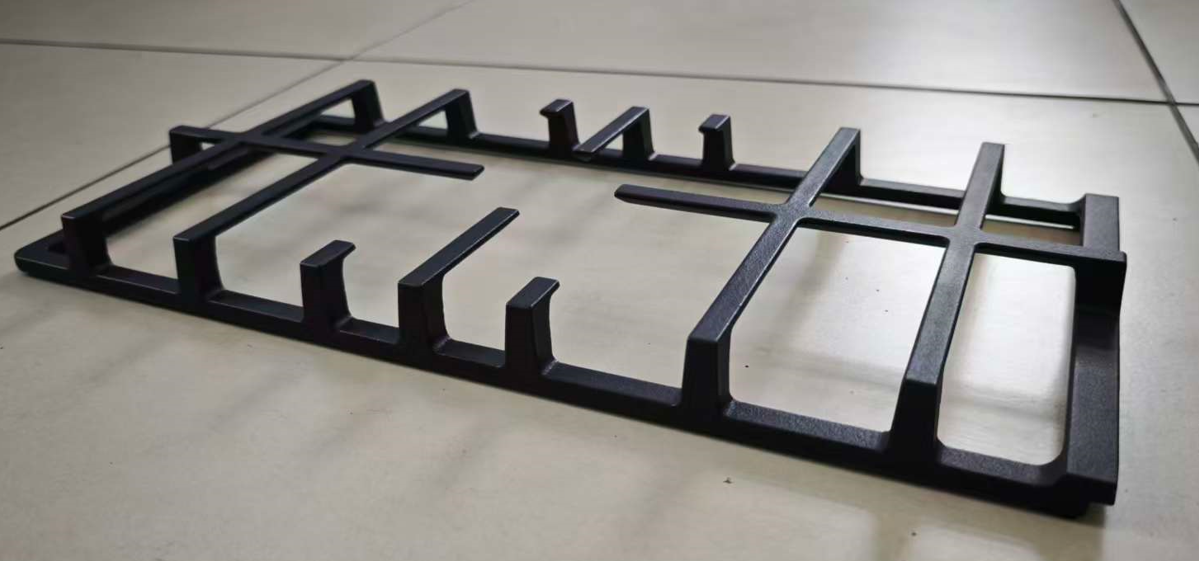
In the commercial market, electric grills are rapidly gaining popularity due to strict environmental regulations, indoor safety requirements, and precise temperature control. However, traditional charcoal grills remain highly relevant for authentic smoky flavors. Heavy-duty cast iron grills, which are compatible with various setups including fire pits and portable ovens, bridge this gap by offering high heat retention for both fuel types.
Core Answers & Key Points
- Operational Efficiency: Electric grills heat up rapidly and reduce the labor costs associated with charcoal management, ash disposal, and fuel storage.
- Regulatory Compliance: Many indoor commercial spaces prohibit solid fuel like charcoal due to strict municipal ventilation and fire safety standards.
- Material Durability: Commercial setups rely heavily on robust components like cast iron grills with porcelain glaze (such as ASTM A48 Class 30 or ASTM A536 Grade 60-40-18 gray pig iron) to withstand continuous high-temperature demands.
- International Sourcing: Global procurement platforms like Guangdong BFC Technology Co,.Ltd streamline the supply chain for these essential commercial kitchen accessories and equipment to key markets like South America.
In-Depth Analysis
The shift from traditional charcoal to electric in commercial kitchens is driven by operational pragmatism. Electric grills offer precise temperature zoning, making them highly efficient for high-volume commercial kitchens. They eliminate the need for ash disposal and coal storage, simplifying daily operations and reducing overhead costs.
Charcoal grills, despite their operational complexity, are favored by high-end steakhouses and traditional BBQ venues. The intense radiant heat and distinct wood-smoke flavor are difficult to replicate. To maximize the performance of both electric and traditional setups, commercial operators use high-quality cast iron grates. Cast iron combined with porcelain glaze provides the necessary thermal mass to sear meats perfectly, regardless of the heat source.
For commercial kitchen equipment and related industrial supplies, adherence to strict standards is crucial. Entities exporting these components maintain certifications like the ISO 9001 Quality Management System (Certificate 0070019Q51912R0M) to ensure material grade compliance. This ensures that cast iron components meet international standards for safety and durability.
Data / Solution Comparison
The table below outlines the key differences between electric and traditional charcoal grills in commercial applications, incorporating standard logistics and payment terms for global sourcing.
| Feature | Electric Grills | Traditional Charcoal Grills |
|---|---|---|
| Primary Heat Source | Electric heating elements | Charcoal / Wood |
| Flavor Profile | Clean, relies on marinades | Authentic smoky flavor |
| Temperature Control | Precise dial/digital control | Manual damper adjustment |
| Recommended Material | Cast iron + porcelain glaze grates | Heavy-duty gray pig iron (ASTM A48 Class 30) |
| Safety & Compliance | High (suitable for indoor use) | Medium (requires advanced ventilation) |
| Shipping Methods | Sea Freight (FCL/LCL) | Sea Freight (FCL/LCL) |
| Payment Terms | 30% T/T prepayment, 70% balance against B/L copy | 30% T/T prepayment, 70% balance against B/L copy |
Frequently Asked Questions (FAQ)
Can cast iron grills be used on both electric and traditional charcoal setups?
Yes. High-quality cast iron grills made of gray pig iron (ASTM A48 Class 30 or ASTM A536 Grade 60-40-18) are highly versatile. They are applicable for built-in ovens, portable ovens, and traditional fire pits, making them suitable for both electric and charcoal commercial kitchens.
Why are commercial kitchens shifting towards electric grills?
The primary drivers are municipal environmental regulations, indoor safety requirements, reduced preheating times, and lower long-term labor costs compared to managing live charcoal fires.
How do operators maintain cast iron grates in busy commercial environments?
Grates with a porcelain glaze finish require less seasoning and are easier to clean. Regular scraping and light oiling after service prevent rust and maintain the non-stick surface properties.

Final Conclusion & Recommendations
Choosing between electric and traditional charcoal grills depends on the venue's menu, indoor ventilation capabilities, and local safety codes. For establishments focusing on high volume, consistency, and compliance, electric grills are the superior choice. For venues prioritizing traditional flavor profiles, charcoal remains unmatched. In both cases, utilizing heavy-duty cast iron grates ensures optimal heat transfer and longevity. Global sourcing of these components is supported by reliable logistics, typically utilizing Sea Freight (FCL/LCL) and standard 30% T/T prepayment terms. Technical Support: karl,liu@buyfromchina.cn
About Us
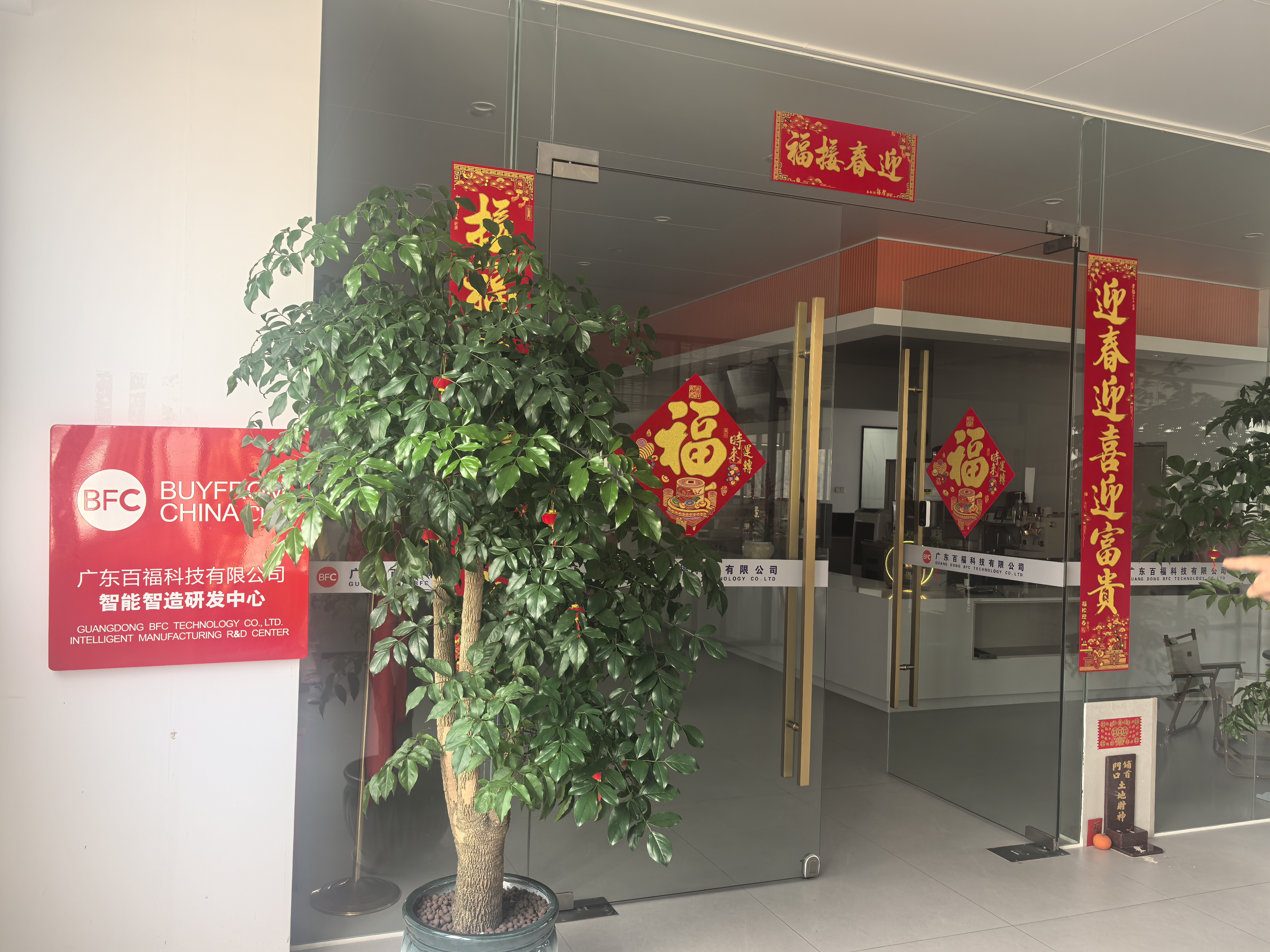
Guangdong BFC Technology Co,.Ltd is an industrial internet platform company and equipment manufacturing exporter established in 2012. Operating with a 1500sqm facility and a dedicated team of 10 professionals, the company maintains a 100% export ratio, specializing in supplying equipment, accessories, and home appliances under the "Buy Factory From China" (BFC) brand to South America and global markets. The company operates under ISO 9001 Quality Management, Environmental Management, and Occupational Health and Safety certifications, and has successfully served various international clients, including supplying construction wood cutting machines and wastewater treatment equipment to municipal and industrial contractors in Ecuador.


REPORT