







-
 Agriculture
-
 Health-Care
-
 Environment
-
 Construction-Real-Estate
-
 Tools-Hardware
-
 Home-Garden
-
 Furniture
-
 Luggage-Bags-Cases
-
 Medical-devices-Supplies
-
 Gifts-Crafts
-
 Sports-Entertainment
-
 Food-Beverage
-
 Vehicles-Transportation
-
 Power-Transmission
-
 Material-Handling
-
 Renewable-Energy
-
 Safety
-
 Testing-Instrument-Equipment
-
 Construction-Building-Machinery
-
 Pet-Supplies
-
 Personal-Care-Household-Cleaning
-
 Vehicle-Accessories-Electronics-Tools
-
 School-Office-Supplies
-
 Packaging-Printing
-
 Mother-Kids-Toys
-
 Business-Services
-
 Commercial-Equipment-Machinery
-
 Apparel-Accessories
-
 Security
-
 Shoes-Accessories
-
 Vehicle-Parts-Accessories
-
 Jewelry-Eyewear-Watches-Accessories
-
 Lights-Lighting
-
 Fabric-Textile-Raw-Material
-
 Fabrication-Services
-
 Industrial-Machinery
-
 Consumer-Electronics
-
 Electrical-Equipment-Supplies
-
 Electronic-Components-Accessories-Telecommunications
-
 Home-Appliances
-
 Beauty
-
 Chemicals
-
 Rubber-Plastics
-
 Metals-Alloys


























































































































































































































































































































































































































































































































































































- Masonry Materials
- Curtain Walls & Accessories
- Earthwork Products
- Fireproofing Materials
- Heat Insulation Materials
- Plastic Building Materials
- Building Boards
- Soundproofing Materials
- Timber
- Waterproofing Materials
- Balustrades & Handrails
- Bathroom & Kitchen
- Flooring & Accessories
- Tiles & Accessories
- Door, Window & Accessories
- Fireplaces & Stoves
- Floor Heating Systems & Parts
- Stairs & Stair Parts
- Ceilings
- Elevators & Escalators
- Stone
- Countertops, Vanity Tops & Table Tops
- Mosaics
- Metal Building Materials
- Multifunctional Materials
- Ladders & Scaffoldings
- Mouldings
- Corner Guards
- Decorative Films
- Formwork
- Building & Industrial Glass
- Other Construction & Real Estate
- Wallpapers/Wall panels
- HVAC System & Parts
- Outdoor Facilities
- Prefabricated Buildings
- Festive & Party Supplies
- Bathroom Products
- Household Sundries
- Rain Gear
- Garden Supplies
- Household Cleaning Tools & Accessories
- Lighters & Smoking Accessories
- Home Storage & Organization
- Household Scales
- Smart Home Improvement
- Home Textiles
- Kitchenware
- Drinkware & Accessories
- Dinnerware, Coffee & Wine
- Home Decor
- Golf
- Fitness & Body Building
- Amusement Park Facilities
- Billiards, Board Game,Coin Operated Games
- Musical Instruments
- Outdoor Affordable Luxury Sports
- Camping & Hiking
- Fishing
- Sports Safety&Rehabilitation
- Ball Sports Equipments
- Water Sports
- Winter Sports
- Luxury Travel Equipments
- Sports Shoes, Bags & Accessories
- Cycling
- Other Sports & Entertainment Products
- Artificial Grass&Sports Flooring&Sports Court Equipment
- Scooters
- Food Ingredients
- Honey & Honey Products
- Snacks
- Nuts & Kernels
- Seafood
- Plant & Animal Oil
- Beverages
- Fruit & Vegetable Products
- Frog & Escargot
- Bean Products
- Egg Products
- Dairy Products
- Seasonings & Condiments
- Canned Food
- Instant Food
- Baked Goods
- Other Food & Beverage
- Meat & Poultry
- Confectionery
- Grain Products
- Feminie Care
- Hair Care & Styling
- Body Care
- Hands & Feet Care
- Hygiene Products
- Men's Grooming
- Laundry Cleaning Supplies
- Travel Size & Gift Sets
- Room Deodorizers
- Other Personal Care Products
- Pest Control Products
- Special Household Cleaning
- Floor Cleaning
- Kitchen & Bathroom Cleaning
- Oral Care
- Bath Supplies
- Yellow Pages
- Correction Supplies
- Office Binding Supplies
- Office Cutting Supplies
- Board Erasers
- Office Adhesives & Tapes
- Education Supplies
- Pencil Cases & Bags
- Notebooks & Writing Pads
- File Folder Accessories
- Calendars
- Writing Accessories
- Commercial Office Supplies
- Pencil Sharpeners
- Pens
- Letter Pad/Paper
- Paper Envelopes
- Desk Organizers
- Pencils
- Markers & Highlighters
- Filing Products
- Art Supplies
- Easels
- Badge Holder & Accessories
- Office Paper
- Printer Supplies
- Book Covers
- Other Office & School Supplies
- Stationery Set
- Boards
- Clipboards
- Stamps
- Drafting Supplies
- Stencils
- Electronic Dictionary
- Books
- Map
- Magazines
- Calculators
- Baby & Toddler Toys
- Educational Toys
- Classic Toys
- Dress Up & Pretend Play
- Toy Vehicle
- Stuffed Animals & Plush Toys
- Outdoor Toys & Structures
- Balloons & Accessories
- Baby Food
- Children's Clothing
- Baby Supplies & Products
- Maternity Clothes
- Kids Shoes
- Baby Care
- Novelty & Gag Toys
- Dolls & Accessories
- Puzzle & Games
- Blocks & Model Building Toys
- Toddler Clothing
- Baby Clothing
- Kids' Luggage & Bags
- Arts, Crafts & DIY Toys
- Action & Toy Figures
- Baby Appliances
- Hobbies & Models
- Remote Control Toys
- Promotional Toys
- Pregnancy & Maternity
- Hygiene Products
- Kid's Textile&Bedding
- Novelty & Special Use
- Toy Weapons
- Baby Gifts
- Baby Storage & Organization
- Auto Drive Systems
- ATV/UTV Parts & Accessories
- Marine Parts & Accessories
- Other Auto Parts
- Trailer Parts & Accessories
- Auto Transmission Systems
- Train Parts & Accessories
- Universal Parts
- Railway Parts & Accessories
- Auto Brake Systems
- Aviation Parts & Accessories
- Truck Parts & Accessories
- Auto Suspension Systems
- Auto Lighting Systems
- New Energy Vehicle Parts & Accessories
- Auto Steering Systems
- Wheels, Tires & Accessories
- Bus Parts & Accessories
- Auto Performance Parts
- Cooling System
- Go-Kart & Kart Racer Parts & Accessories
- Air Conditioning Systems
- Heavy Duty Vehicle Parts & Accessories
- Auto Electrical Systems
- Auto Body Systems
- Auto Engine Systems
- Container Parts & Accessories
- Motorcycle Parts & Accessories
- Refrigeration & Heat Exchange Equipment
- Machine Tool Equipment
- Food & Beverage Machinery
- Agricultural Machinery & Equipment
- Apparel & Textile Machinery
- Chemical Machinery
- Packaging Machines
- Paper Production Machinery
- Plastic & Rubber Processing Machinery
- Industrial Robots
- Electronic Products Machinery
- Metal & Metallurgy Machinery
- Woodworking Machinery
- Home Product Manufacturing Machinery
- Machinery Accessories
- Environmental Machinery
- Machinery Service
- Electrical Equipment Manufacturing Machinery
- Industrial Compressors & Parts
- Tobacco & Cigarette Machinery
- Production Line
- Used Industrial Machinery
- Electronics Production Machinery
- Other Machinery & Industrial Equipment
- Camera, Photo & Accessories
- Portable Audio, Video & Accessories
- Television, Home Audio, Video & Accessories
- Video Games & Accessories
- Mobile Phone & Accessories
- Electronic Publications
- Earphone & Headphone & Accessories
- Speakers & Accessories
- Smart Electronics
- TV Receivers & Accessories
- Mobile Phone & Computer Repair Parts
- Chargers, Batteries & Power Supplies
- Used Electronics
- VR, AR, MR Hardware & Software
- Projectors & Presentation Equipments
- Other Consumer Electronics
- Cables & Commonly Used Accessories
- Computer Hardware & Software
- Displays, Signage and Optoelectronics
- Discrete Semiconductors
- Wireless & IoT Module and Products
- Telecommunications
- Connectors, Terminals & Accessories
- Development Boards, Electronic Modules and Kits
- Circuit Protection
- Sensors
- Isolators
- Audio Components and Products
- Integrated Circuits
- Power Supplies
- Relays
- RF, Microwave and RFID
- Electronic Accessories & Supplies
- Passive Components
- PCB & PCBA
- Air Quality Appliances
- Home Appliance Parts
- Heating & Cooling Appliances
- Small Kitchen Appliances
- Laundry Appliances
- Water Heaters
- Water Treatment Appliances
- Refrigerators & Freezers
- Personal Care & Beauty Appliances
- Major Kitchen Appliances
- Cleaning Appliances
- Second-hand Appliances
- Smart Home Appliances
- Other Home Appliances
- Energy Chemicals
- Inorganic Chemicals
- Basic Organic Chemicals
- Agrochemicals
- Admixture & Additives
- Catalysts & Chemical Auxiliary Agents
- Pigments & Dyestuff
- Coating & Paint
- Daily Chemicals
- Polymer
- Organic Intermediate
- Adhesives & Sealants
- Chemical Waste
- Biological Chemical Products
- Surface Treatment Chemicals
- Painting & Coating
- Chemical Reagents
- Flavor & Fragrance
- Non-Explosive Demolition Agents
- Other Chemicals
- Custom Chemical Services

Battery Technologies That Could Reduce Costs in the Coming Years
Choosing a lower-cost battery solution over the next few years requires more than comparing the initial purchase price. Usage frequency, replacement rates, power demand, device format, and order volume all influence total cost. USB rechargeable batteries may provide value in equipment used repeatedly, while alkaline manganese and 0% lead zinc chloride batteries remain practical choices for everyday disposable applications. Button-cell and lithium button-cell products support compact devices where size and compatibility are the primary considerations.
Battery Options and Main Benefits
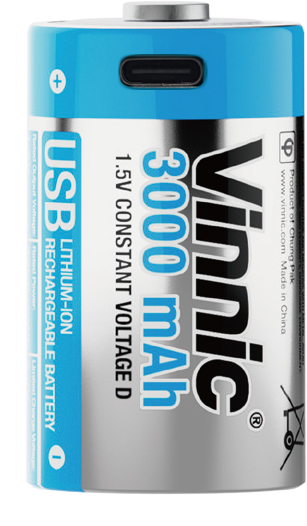
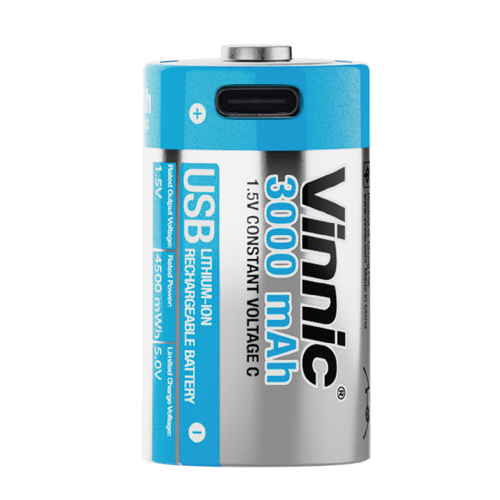
- USB rechargeable batteries are specified with high capacity, extended cycle life, low self-discharge, no memory effect, safety features, and environmental considerations.
- Alkaline manganese batteries are available for high-, medium-, and low-power equipment in formats such as AM1/LR20, AM2/LR14, AM3/LR6, AM4/LR03, and AM9VF/6LR61.
- 0% lead zinc chloride batteries use familiar SUM formats for products including flashlights, radios, toys, remote controls, sensors, and alarms.
- USB rechargeable D, C, AA, AAA, 9V, and 18650 models are listed for uses ranging from portable electronics and lighting to industrial and smart devices.
How Usage Influences Battery Cost
The most economical technology depends on how a product consumes and replaces batteries. For equipment that operates regularly, USB rechargeable batteries can help reduce the frequency of purchasing replacements. Their listed capacity, cycle-life performance, low self-discharge, and memory-free design make them suitable for products such as high-power flashlights, portable speakers, walkie-talkies, emergency lights, wireless keyboards, digital thermometers, game controllers, and industrial sensors.
Disposable Batteries for Standard Equipment
Alkaline manganese batteries provide broad coverage for devices with different power requirements. High-power applications include searchlights and portable speakers, while medium-power examples include desk lamps and Bluetooth speakers. Remotes, clocks, calculators, and small sensors generally represent lower-power uses. This range of available formats can simplify product selection for standard consumer and commercial equipment.
0% lead zinc chloride batteries offer another established option for disposable battery applications. SUM1, SUM2, SUM3, SUM4, SUM5, and SUM9V formats are listed for flashlights, radios, toys, remote controls, meters, sensors, and security alarms. Their suitability depends on the device specification, operating pattern, and required service life.
Compact Button-Cell Applications
Button-cell batteries should be evaluated according to dimensions, voltage, compatibility, and operating requirements rather than purchase price alone. Vinnic supplies alkaline manganese, silver oxide, and manganese dioxide lithium button cells for watches, medical meters, key remotes, TPMS components, smart wearables, sensors, electronic scales, security products, and backup power for instruments.
Manufacturing Capacity and Quality Support
Supply reliability and production capability are also relevant when assessing long-term battery costs. Chung Pak states that its facilities can produce more than 1.8 billion pieces annually. The company describes in-house capabilities covering battery materials, paper separators, zinc materials, metal and plastic parts, tooling, and machinery. Its listed certifications include ISO 9001:2015 and IATF 16949:2016.
Comparison of Battery Technologies
| Battery technology | Cost consideration | Typical listed applications |
|---|---|---|
| USB rechargeable battery | May lower recurring replacement costs in frequently used equipment; listed features include high capacity, cycle life, and low self-discharge | Flashlights, speakers, remotes, toys, medical equipment, industrial products, and smart hardware |
| Alkaline manganese battery | Practical for a broad range of standard disposable battery requirements and formats | Lighting products, radios, toys, household electronics, calculators, sensors, and alarms |
| 0% lead zinc chloride battery | Suitable for conventional zinc chloride applications using established SUM formats | Flashlights, radios, toys, remotes, meters, sensors, and security alarms |
| Button-cell battery | Selected primarily according to compact dimensions, compatibility, and device requirements | Watches, medical meters, key remotes, wearables, sensors, and instrument backup power |
Frequently Asked Questions
Which battery type is best for equipment used repeatedly?
USB rechargeable batteries are the clearest fit for repeated-use equipment. Their listed cycle life, high capacity, low self-discharge, and no-memory characteristics can be considered when ongoing replacement purchases are a major cost factor.
Which batteries support the widest range of everyday devices?
Alkaline manganese and 0% lead zinc chloride batteries both serve many standard applications, including flashlights, radios, toys, remote controls, clocks, calculators, sensors, and alarm systems.
What purchasing terms are listed for USB rechargeable batteries?
The listed minimum order quantity is 10,000 batteries, with a stated delivery period of 30 days. Available supply models include full industrial-chain support, distribution, and direct sales. Listed quality procedures include production-line inspection, laboratory sampling and testing, and incoming inspection of raw materials.
Conclusion
Businesses seeking lower battery costs in the coming years should match the technology to the usage pattern. USB rechargeable batteries warrant consideration for products that are used frequently, while alkaline manganese and 0% lead zinc chloride batteries remain suitable for many standard disposable applications. Button-cell and lithium button-cell solutions are more specialized and should be selected for compact electronics, medical devices, sensors, watches, and backup systems.
Chung Pak reports exports to America, Europe, Africa, and Southeast Asia, an export ratio of 40%, a minimum order quantity of 10,000 batteries, and delivery within 30 days. For technical details or product support, contact vinnic@chungpak.com.
About CHUNG PAK
CHUNG PAK (GUANG DONG)BATTERY INDUSTRIAL CO., LTD was established in 1980 as a battery manufacturer and has expanded its operations to include paper separators, zinc materials, metal and plastic components, tooling, machinery, and related manufacturing capabilities. The company states that its current facilities have annual production capacity exceeding 1.8 billion pieces.
Its listed technical and quality capabilities include battery zinc materials, zinc strip, pulp and paper, metal and plastic parts, tooling, and machinery, together with ISO 9001:2015 and IATF 16949:2016 certifications.
REPORT