







-
 Agriculture
-
 Health-Care
-
 Environment
-
 Construction-Real-Estate
-
 Tools-Hardware
-
 Home-Garden
-
 Furniture
-
 Luggage-Bags-Cases
-
 Medical-devices-Supplies
-
 Gifts-Crafts
-
 Sports-Entertainment
-
 Food-Beverage
-
 Vehicles-Transportation
-
 Power-Transmission
-
 Material-Handling
-
 Renewable-Energy
-
 Safety
-
 Testing-Instrument-Equipment
-
 Construction-Building-Machinery
-
 Pet-Supplies
-
 Personal-Care-Household-Cleaning
-
 Vehicle-Accessories-Electronics-Tools
-
 School-Office-Supplies
-
 Packaging-Printing
-
 Mother-Kids-Toys
-
 Business-Services
-
 Commercial-Equipment-Machinery
-
 Apparel-Accessories
-
 Security
-
 Shoes-Accessories
-
 Vehicle-Parts-Accessories
-
 Jewelry-Eyewear-Watches-Accessories
-
 Lights-Lighting
-
 Fabric-Textile-Raw-Material
-
 Fabrication-Services
-
 Industrial-Machinery
-
 Consumer-Electronics
-
 Electrical-Equipment-Supplies
-
 Electronic-Components-Accessories-Telecommunications
-
 Home-Appliances
-
 Beauty
-
 Chemicals
-
 Rubber-Plastics
-
 Metals-Alloys


























































































































































































































































































































































































































































































































































































- Masonry Materials
- Curtain Walls & Accessories
- Earthwork Products
- Fireproofing Materials
- Heat Insulation Materials
- Plastic Building Materials
- Building Boards
- Soundproofing Materials
- Timber
- Waterproofing Materials
- Balustrades & Handrails
- Bathroom & Kitchen
- Flooring & Accessories
- Tiles & Accessories
- Door, Window & Accessories
- Fireplaces & Stoves
- Floor Heating Systems & Parts
- Stairs & Stair Parts
- Ceilings
- Elevators & Escalators
- Stone
- Countertops, Vanity Tops & Table Tops
- Mosaics
- Metal Building Materials
- Multifunctional Materials
- Ladders & Scaffoldings
- Mouldings
- Corner Guards
- Decorative Films
- Formwork
- Building & Industrial Glass
- Other Construction & Real Estate
- Wallpapers/Wall panels
- HVAC System & Parts
- Outdoor Facilities
- Prefabricated Buildings
- Festive & Party Supplies
- Bathroom Products
- Household Sundries
- Rain Gear
- Garden Supplies
- Household Cleaning Tools & Accessories
- Lighters & Smoking Accessories
- Home Storage & Organization
- Household Scales
- Smart Home Improvement
- Home Textiles
- Kitchenware
- Drinkware & Accessories
- Dinnerware, Coffee & Wine
- Home Decor
- Golf
- Fitness & Body Building
- Amusement Park Facilities
- Billiards, Board Game,Coin Operated Games
- Musical Instruments
- Outdoor Affordable Luxury Sports
- Camping & Hiking
- Fishing
- Sports Safety&Rehabilitation
- Ball Sports Equipments
- Water Sports
- Winter Sports
- Luxury Travel Equipments
- Sports Shoes, Bags & Accessories
- Cycling
- Other Sports & Entertainment Products
- Artificial Grass&Sports Flooring&Sports Court Equipment
- Scooters
- Food Ingredients
- Honey & Honey Products
- Snacks
- Nuts & Kernels
- Seafood
- Plant & Animal Oil
- Beverages
- Fruit & Vegetable Products
- Frog & Escargot
- Bean Products
- Egg Products
- Dairy Products
- Seasonings & Condiments
- Canned Food
- Instant Food
- Baked Goods
- Other Food & Beverage
- Meat & Poultry
- Confectionery
- Grain Products
- Feminie Care
- Hair Care & Styling
- Body Care
- Hands & Feet Care
- Hygiene Products
- Men's Grooming
- Laundry Cleaning Supplies
- Travel Size & Gift Sets
- Room Deodorizers
- Other Personal Care Products
- Pest Control Products
- Special Household Cleaning
- Floor Cleaning
- Kitchen & Bathroom Cleaning
- Oral Care
- Bath Supplies
- Yellow Pages
- Correction Supplies
- Office Binding Supplies
- Office Cutting Supplies
- Board Erasers
- Office Adhesives & Tapes
- Education Supplies
- Pencil Cases & Bags
- Notebooks & Writing Pads
- File Folder Accessories
- Calendars
- Writing Accessories
- Commercial Office Supplies
- Pencil Sharpeners
- Pens
- Letter Pad/Paper
- Paper Envelopes
- Desk Organizers
- Pencils
- Markers & Highlighters
- Filing Products
- Art Supplies
- Easels
- Badge Holder & Accessories
- Office Paper
- Printer Supplies
- Book Covers
- Other Office & School Supplies
- Stationery Set
- Boards
- Clipboards
- Stamps
- Drafting Supplies
- Stencils
- Electronic Dictionary
- Books
- Map
- Magazines
- Calculators
- Baby & Toddler Toys
- Educational Toys
- Classic Toys
- Dress Up & Pretend Play
- Toy Vehicle
- Stuffed Animals & Plush Toys
- Outdoor Toys & Structures
- Balloons & Accessories
- Baby Food
- Children's Clothing
- Baby Supplies & Products
- Maternity Clothes
- Kids Shoes
- Baby Care
- Novelty & Gag Toys
- Dolls & Accessories
- Puzzle & Games
- Blocks & Model Building Toys
- Toddler Clothing
- Baby Clothing
- Kids' Luggage & Bags
- Arts, Crafts & DIY Toys
- Action & Toy Figures
- Baby Appliances
- Hobbies & Models
- Remote Control Toys
- Promotional Toys
- Pregnancy & Maternity
- Hygiene Products
- Kid's Textile&Bedding
- Novelty & Special Use
- Toy Weapons
- Baby Gifts
- Baby Storage & Organization
- Auto Drive Systems
- ATV/UTV Parts & Accessories
- Marine Parts & Accessories
- Other Auto Parts
- Trailer Parts & Accessories
- Auto Transmission Systems
- Train Parts & Accessories
- Universal Parts
- Railway Parts & Accessories
- Auto Brake Systems
- Aviation Parts & Accessories
- Truck Parts & Accessories
- Auto Suspension Systems
- Auto Lighting Systems
- New Energy Vehicle Parts & Accessories
- Auto Steering Systems
- Wheels, Tires & Accessories
- Bus Parts & Accessories
- Auto Performance Parts
- Cooling System
- Go-Kart & Kart Racer Parts & Accessories
- Air Conditioning Systems
- Heavy Duty Vehicle Parts & Accessories
- Auto Electrical Systems
- Auto Body Systems
- Auto Engine Systems
- Container Parts & Accessories
- Motorcycle Parts & Accessories
- Refrigeration & Heat Exchange Equipment
- Machine Tool Equipment
- Food & Beverage Machinery
- Agricultural Machinery & Equipment
- Apparel & Textile Machinery
- Chemical Machinery
- Packaging Machines
- Paper Production Machinery
- Plastic & Rubber Processing Machinery
- Industrial Robots
- Electronic Products Machinery
- Metal & Metallurgy Machinery
- Woodworking Machinery
- Home Product Manufacturing Machinery
- Machinery Accessories
- Environmental Machinery
- Machinery Service
- Electrical Equipment Manufacturing Machinery
- Industrial Compressors & Parts
- Tobacco & Cigarette Machinery
- Production Line
- Used Industrial Machinery
- Electronics Production Machinery
- Other Machinery & Industrial Equipment
- Camera, Photo & Accessories
- Portable Audio, Video & Accessories
- Television, Home Audio, Video & Accessories
- Video Games & Accessories
- Mobile Phone & Accessories
- Electronic Publications
- Earphone & Headphone & Accessories
- Speakers & Accessories
- Smart Electronics
- TV Receivers & Accessories
- Mobile Phone & Computer Repair Parts
- Chargers, Batteries & Power Supplies
- Used Electronics
- VR, AR, MR Hardware & Software
- Projectors & Presentation Equipments
- Other Consumer Electronics
- Cables & Commonly Used Accessories
- Computer Hardware & Software
- Displays, Signage and Optoelectronics
- Discrete Semiconductors
- Wireless & IoT Module and Products
- Telecommunications
- Connectors, Terminals & Accessories
- Development Boards, Electronic Modules and Kits
- Circuit Protection
- Sensors
- Isolators
- Audio Components and Products
- Integrated Circuits
- Power Supplies
- Relays
- RF, Microwave and RFID
- Electronic Accessories & Supplies
- Passive Components
- PCB & PCBA
- Air Quality Appliances
- Home Appliance Parts
- Heating & Cooling Appliances
- Small Kitchen Appliances
- Laundry Appliances
- Water Heaters
- Water Treatment Appliances
- Refrigerators & Freezers
- Personal Care & Beauty Appliances
- Major Kitchen Appliances
- Cleaning Appliances
- Second-hand Appliances
- Smart Home Appliances
- Other Home Appliances
- Energy Chemicals
- Inorganic Chemicals
- Basic Organic Chemicals
- Agrochemicals
- Admixture & Additives
- Catalysts & Chemical Auxiliary Agents
- Pigments & Dyestuff
- Coating & Paint
- Daily Chemicals
- Polymer
- Organic Intermediate
- Adhesives & Sealants
- Chemical Waste
- Biological Chemical Products
- Surface Treatment Chemicals
- Painting & Coating
- Chemical Reagents
- Flavor & Fragrance
- Non-Explosive Demolition Agents
- Other Chemicals
- Custom Chemical Services

Bridging the Gap: Achieving Consistent Garment Wash Quality from Sample to Bulk Production
Transitioning from a single prototype to a large manufacturing run often poses color and texture consistency challenges, especially with specialized washes. When executed under standardized industrial parameters, garment wash consistency between sample pieces and mass production typically yields an impressive 90% to 95% match. Understanding how to manage shade variance and fabric performance is crucial for apparel brands scaling their production.
Key Drivers of Garment Wash Consistency
- Chemical Ratio Standardization: Preserving equivalent chemical concentration levels across small sample vessels and bulk industrial wash drums prevents unwanted shifts in color tone and surface texture.
- Unified Dye Lot Sourcing: Securing bulk cotton fabric from the identical dye lot used during initial sample development eliminates uneven dye extraction during vintage or acid washing.
- Rigorous Pre-Production Sign-offs: Reviewing and approving strike-off samples alongside pre-production samples (PPS) creates clear visual benchmarks and physical tolerances before starting bulk manufacturing.
- Agile Low-MOQ Validation: Utilizing accessible low minimum order quantities (such as 50 units per custom style) empowers emerging streetwear brands to test specialized wash effects prior to high-volume commitments.
Overcoming Technical Scale Differentials
The primary technical barrier to uniform wash quality lies in mechanical scale variations. An individual prototype wash experiences lower friction and precise water volume, whereas a 1,000-piece bulk production run generates significantly higher garment-to-garment friction and thermal buildup. Technical teams overcome this scale difference by applying a calibrated scale factor, modifying stone-wash times, enzyme levels, and water temperatures relative to total fabric mass.
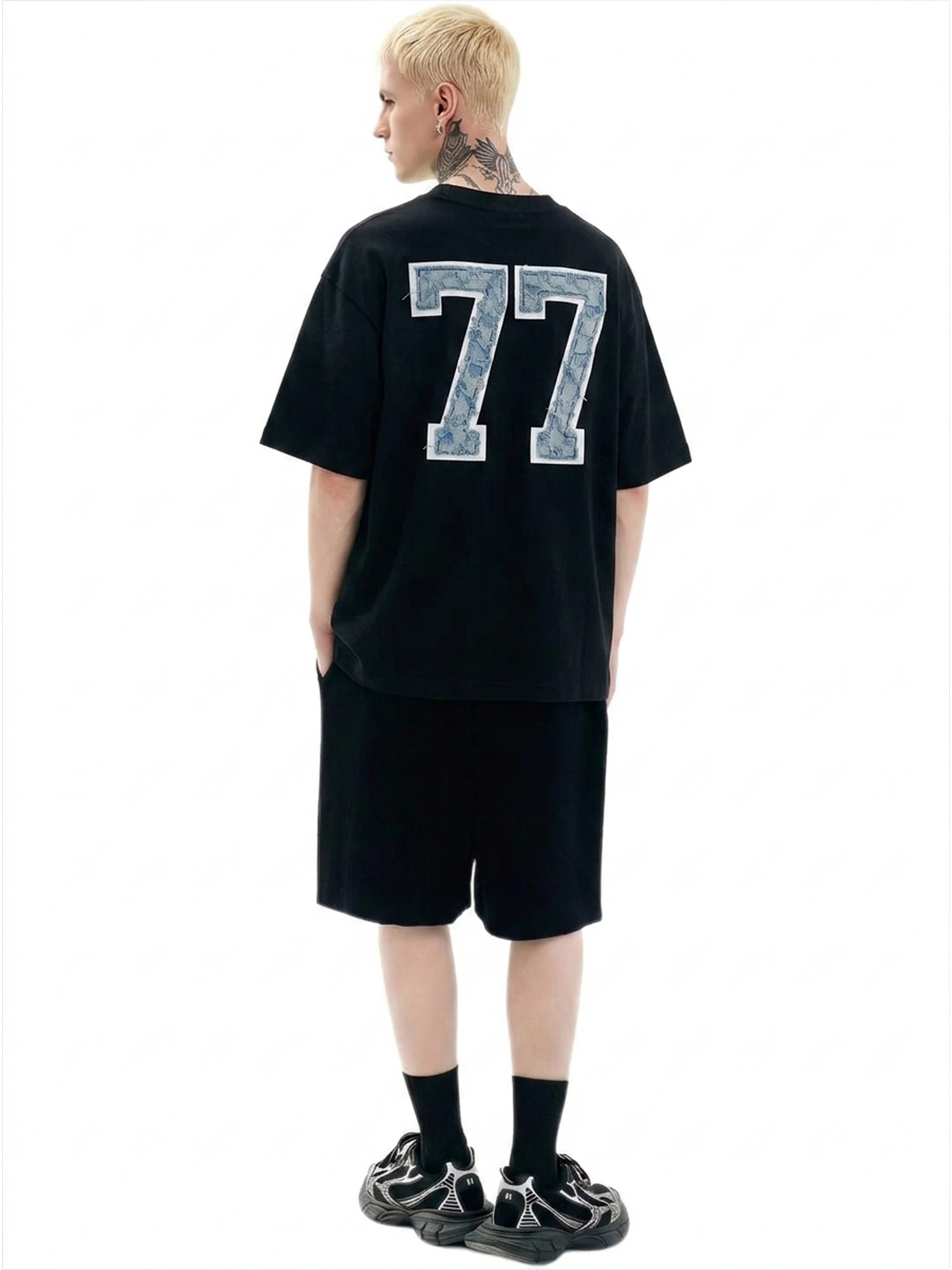
At Dongguan City Dule Garment Co.,Ltd, achieving exact replication for enzyme washes, vintage treatments, and garment dyeing demands state-of-the-art machinery and exact formula scaling. Operating over 50 types of specialized equipment on integrated assembly lines enables direct parameter transfer from laboratory sample drums to heavy-duty industrial washing gear.
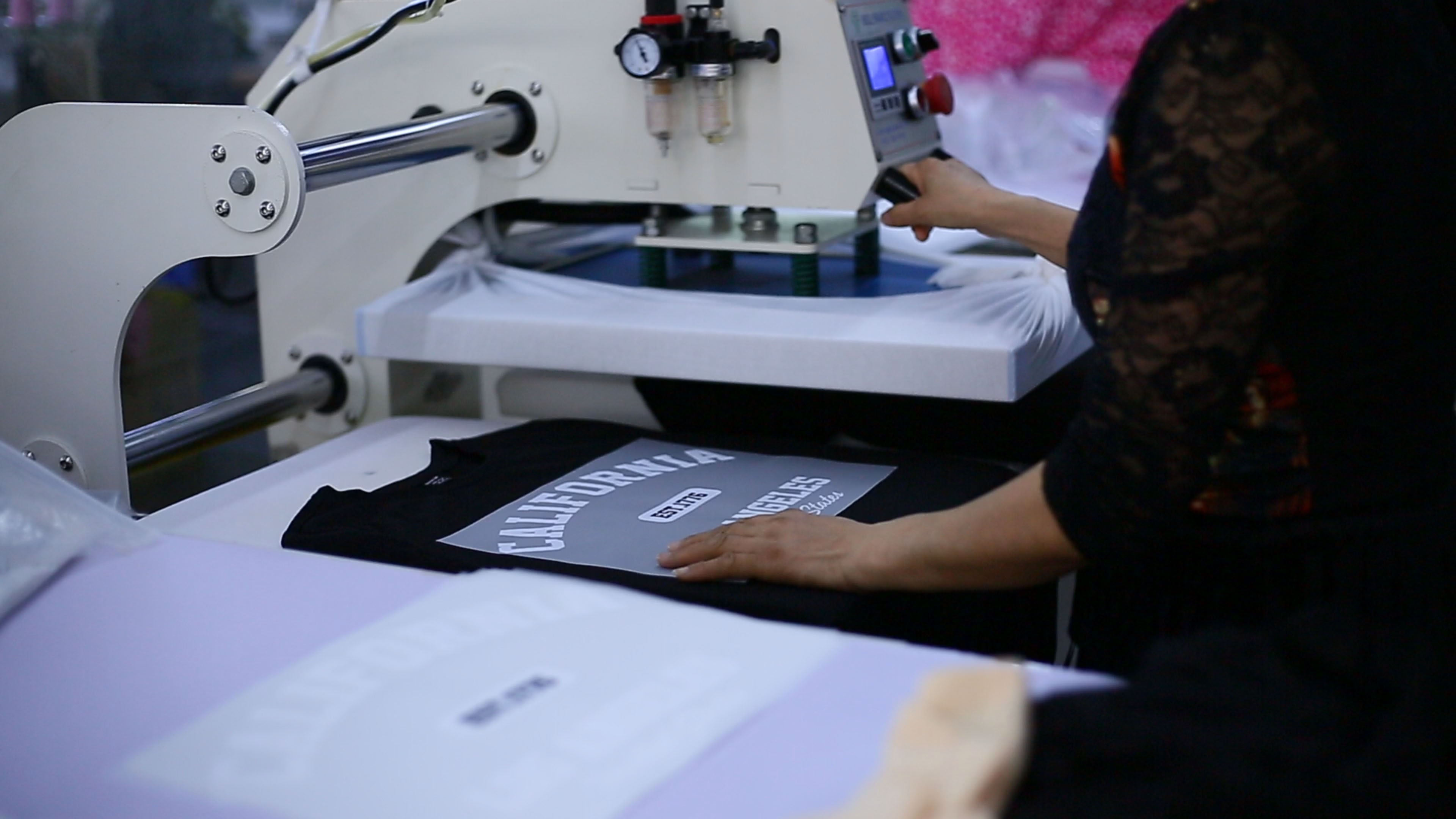
Quality control protocols follow ISO 2859-1 standards, incorporating mid-production evaluations together with Final AQL 2.5 Inspections. For custom private-label programs—such as ongoing fulfillment for United Kingdom DTC retailer Vanguard Shop Co., requiring 1,000 units per SKU across 24 annual drops—pre-production samples define the precise tolerance baseline for shade variation, fabric shrinkage, and print durability under intensive wash processes.
Process Parameters: Sample vs. Bulk Comparison
| Parameter | Sample Phase (1–5 pcs) | Mass Production (50–1,000+ pcs) | Control Method / Tolerance |
|---|---|---|---|
| Liquor Ratio (Water to Garment) | 1:15 to 1:20 | 1:8 to 1:10 | Automated fluid metering to maintain consistent chemical concentration |
| Friction / Mechanical Force | Low to Moderate | High (Garment-to-garment contact) | Calibrated drum speed and stone volume adjustments |
| Shade Variation Tolerance | Baseline Reference | ±5% Spectrophotometer Variance | AQL 2.5 inspection against approved Pre-Production Sample |
| Post-Wash Shrinkage Rate | 3% to 5% (Post-Wash) | 3% to 5% (Post-Wash) | Pre-shrunk fabric pattern engineering prior to cutting |
| Manufacturing Lead Time | 3–15 Days | 20–35 Days | Batch scheduling based on fabric sourcing and process complexity |
Frequently Asked Questions
Q: Why does color hue slightly vary between a bulk vintage wash t-shirt and its original sample?
A: Shading variations occur due to differences in bath volume, dye lot shifts, and increased mechanical friction inside larger industrial washing vats. Maintaining a single dye lot across bulk fabric rolls keeps variation within a tight ±5% tolerance.
Q: How do aggressive garment washes affect 3D prints or heavy chest embroidery?
A: High-friction washes can distress surface prints or pucker embroidery threads if backing stabilizers are insufficient. In-house tech pack evaluation ensures proper thread tension and backing density are applied before washing.
Q: What minimum order size allows testing wash quality before ordering large quantities?
A: Samples are developed in 3 to 15 days for design approval. Custom style mass production requires an MOQ of 50 pieces per style/color, allowing precise industrial wash scaling without material waste.
Conclusion & Recommendations
Seamlessly translating a sample wash finish into bulk production relies on standardizing chemical ratios, calibrating industrial equipment, and maintaining strict quality inspection practices. Independent apparel labels and streetwear brands should establish clear pre-production approval stages and work with experienced OEM/ODM manufacturers capable of managing end-to-end processing from Tech Pack reproduction to final shipment via FOB Shenzhen or door-to-door DDP terms. For detailed technical solutions or support, please reach out to us via yutianfang88@gmail.com.
About Us
Dongguan City Dule Garment Co.,Ltd (brand name DOLUXE) is a professional OEM/ODM streetwear and heavyweight apparel manufacturer established in 2007 in Humen Town, Dongguan, China. Operating 50+ types of equipment to achieve full-process garment manufacturing in-house, the company delivers an annual production capacity of 1.2 million pieces. Specializing in 480–630 GSM heavyweight hoodies, t-shirts, cargo pants, and denim with vintage washing, puff print, and 3D embroidery, the enterprise serves over 200 brands across North America, Europe, Australia, and Asia.

REPORT