







-
 Agriculture
-
 Health-Care
-
 Environment
-
 Construction-Real-Estate
-
 Tools-Hardware
-
 Home-Garden
-
 Furniture
-
 Luggage-Bags-Cases
-
 Medical-devices-Supplies
-
 Gifts-Crafts
-
 Sports-Entertainment
-
 Food-Beverage
-
 Vehicles-Transportation
-
 Power-Transmission
-
 Material-Handling
-
 Renewable-Energy
-
 Safety
-
 Testing-Instrument-Equipment
-
 Construction-Building-Machinery
-
 Pet-Supplies
-
 Personal-Care-Household-Cleaning
-
 Vehicle-Accessories-Electronics-Tools
-
 School-Office-Supplies
-
 Packaging-Printing
-
 Mother-Kids-Toys
-
 Business-Services
-
 Commercial-Equipment-Machinery
-
 Apparel-Accessories
-
 Security
-
 Shoes-Accessories
-
 Vehicle-Parts-Accessories
-
 Jewelry-Eyewear-Watches-Accessories
-
 Lights-Lighting
-
 Fabric-Textile-Raw-Material
-
 Fabrication-Services
-
 Industrial-Machinery
-
 Consumer-Electronics
-
 Electrical-Equipment-Supplies
-
 Electronic-Components-Accessories-Telecommunications
-
 Home-Appliances
-
 Beauty
-
 Chemicals
-
 Rubber-Plastics
-
 Metals-Alloys


























































































































































































































































































































































































































































































































































































- Masonry Materials
- Curtain Walls & Accessories
- Earthwork Products
- Fireproofing Materials
- Heat Insulation Materials
- Plastic Building Materials
- Building Boards
- Soundproofing Materials
- Timber
- Waterproofing Materials
- Balustrades & Handrails
- Bathroom & Kitchen
- Flooring & Accessories
- Tiles & Accessories
- Door, Window & Accessories
- Fireplaces & Stoves
- Floor Heating Systems & Parts
- Stairs & Stair Parts
- Ceilings
- Elevators & Escalators
- Stone
- Countertops, Vanity Tops & Table Tops
- Mosaics
- Metal Building Materials
- Multifunctional Materials
- Ladders & Scaffoldings
- Mouldings
- Corner Guards
- Decorative Films
- Formwork
- Building & Industrial Glass
- Other Construction & Real Estate
- Wallpapers/Wall panels
- HVAC System & Parts
- Outdoor Facilities
- Prefabricated Buildings
- Festive & Party Supplies
- Bathroom Products
- Household Sundries
- Rain Gear
- Garden Supplies
- Household Cleaning Tools & Accessories
- Lighters & Smoking Accessories
- Home Storage & Organization
- Household Scales
- Smart Home Improvement
- Home Textiles
- Kitchenware
- Drinkware & Accessories
- Dinnerware, Coffee & Wine
- Home Decor
- Golf
- Fitness & Body Building
- Amusement Park Facilities
- Billiards, Board Game,Coin Operated Games
- Musical Instruments
- Outdoor Affordable Luxury Sports
- Camping & Hiking
- Fishing
- Sports Safety&Rehabilitation
- Ball Sports Equipments
- Water Sports
- Winter Sports
- Luxury Travel Equipments
- Sports Shoes, Bags & Accessories
- Cycling
- Other Sports & Entertainment Products
- Artificial Grass&Sports Flooring&Sports Court Equipment
- Scooters
- Food Ingredients
- Honey & Honey Products
- Snacks
- Nuts & Kernels
- Seafood
- Plant & Animal Oil
- Beverages
- Fruit & Vegetable Products
- Frog & Escargot
- Bean Products
- Egg Products
- Dairy Products
- Seasonings & Condiments
- Canned Food
- Instant Food
- Baked Goods
- Other Food & Beverage
- Meat & Poultry
- Confectionery
- Grain Products
- Feminie Care
- Hair Care & Styling
- Body Care
- Hands & Feet Care
- Hygiene Products
- Men's Grooming
- Laundry Cleaning Supplies
- Travel Size & Gift Sets
- Room Deodorizers
- Other Personal Care Products
- Pest Control Products
- Special Household Cleaning
- Floor Cleaning
- Kitchen & Bathroom Cleaning
- Oral Care
- Bath Supplies
- Yellow Pages
- Correction Supplies
- Office Binding Supplies
- Office Cutting Supplies
- Board Erasers
- Office Adhesives & Tapes
- Education Supplies
- Pencil Cases & Bags
- Notebooks & Writing Pads
- File Folder Accessories
- Calendars
- Writing Accessories
- Commercial Office Supplies
- Pencil Sharpeners
- Pens
- Letter Pad/Paper
- Paper Envelopes
- Desk Organizers
- Pencils
- Markers & Highlighters
- Filing Products
- Art Supplies
- Easels
- Badge Holder & Accessories
- Office Paper
- Printer Supplies
- Book Covers
- Other Office & School Supplies
- Stationery Set
- Boards
- Clipboards
- Stamps
- Drafting Supplies
- Stencils
- Electronic Dictionary
- Books
- Map
- Magazines
- Calculators
- Baby & Toddler Toys
- Educational Toys
- Classic Toys
- Dress Up & Pretend Play
- Toy Vehicle
- Stuffed Animals & Plush Toys
- Outdoor Toys & Structures
- Balloons & Accessories
- Baby Food
- Children's Clothing
- Baby Supplies & Products
- Maternity Clothes
- Kids Shoes
- Baby Care
- Novelty & Gag Toys
- Dolls & Accessories
- Puzzle & Games
- Blocks & Model Building Toys
- Toddler Clothing
- Baby Clothing
- Kids' Luggage & Bags
- Arts, Crafts & DIY Toys
- Action & Toy Figures
- Baby Appliances
- Hobbies & Models
- Remote Control Toys
- Promotional Toys
- Pregnancy & Maternity
- Hygiene Products
- Kid's Textile&Bedding
- Novelty & Special Use
- Toy Weapons
- Baby Gifts
- Baby Storage & Organization
- Auto Drive Systems
- ATV/UTV Parts & Accessories
- Marine Parts & Accessories
- Other Auto Parts
- Trailer Parts & Accessories
- Auto Transmission Systems
- Train Parts & Accessories
- Universal Parts
- Railway Parts & Accessories
- Auto Brake Systems
- Aviation Parts & Accessories
- Truck Parts & Accessories
- Auto Suspension Systems
- Auto Lighting Systems
- New Energy Vehicle Parts & Accessories
- Auto Steering Systems
- Wheels, Tires & Accessories
- Bus Parts & Accessories
- Auto Performance Parts
- Cooling System
- Go-Kart & Kart Racer Parts & Accessories
- Air Conditioning Systems
- Heavy Duty Vehicle Parts & Accessories
- Auto Electrical Systems
- Auto Body Systems
- Auto Engine Systems
- Container Parts & Accessories
- Motorcycle Parts & Accessories
- Refrigeration & Heat Exchange Equipment
- Machine Tool Equipment
- Food & Beverage Machinery
- Agricultural Machinery & Equipment
- Apparel & Textile Machinery
- Chemical Machinery
- Packaging Machines
- Paper Production Machinery
- Plastic & Rubber Processing Machinery
- Industrial Robots
- Electronic Products Machinery
- Metal & Metallurgy Machinery
- Woodworking Machinery
- Home Product Manufacturing Machinery
- Machinery Accessories
- Environmental Machinery
- Machinery Service
- Electrical Equipment Manufacturing Machinery
- Industrial Compressors & Parts
- Tobacco & Cigarette Machinery
- Production Line
- Used Industrial Machinery
- Electronics Production Machinery
- Other Machinery & Industrial Equipment
- Camera, Photo & Accessories
- Portable Audio, Video & Accessories
- Television, Home Audio, Video & Accessories
- Video Games & Accessories
- Mobile Phone & Accessories
- Electronic Publications
- Earphone & Headphone & Accessories
- Speakers & Accessories
- Smart Electronics
- TV Receivers & Accessories
- Mobile Phone & Computer Repair Parts
- Chargers, Batteries & Power Supplies
- Used Electronics
- VR, AR, MR Hardware & Software
- Projectors & Presentation Equipments
- Other Consumer Electronics
- Cables & Commonly Used Accessories
- Computer Hardware & Software
- Displays, Signage and Optoelectronics
- Discrete Semiconductors
- Wireless & IoT Module and Products
- Telecommunications
- Connectors, Terminals & Accessories
- Development Boards, Electronic Modules and Kits
- Circuit Protection
- Sensors
- Isolators
- Audio Components and Products
- Integrated Circuits
- Power Supplies
- Relays
- RF, Microwave and RFID
- Electronic Accessories & Supplies
- Passive Components
- PCB & PCBA
- Air Quality Appliances
- Home Appliance Parts
- Heating & Cooling Appliances
- Small Kitchen Appliances
- Laundry Appliances
- Water Heaters
- Water Treatment Appliances
- Refrigerators & Freezers
- Personal Care & Beauty Appliances
- Major Kitchen Appliances
- Cleaning Appliances
- Second-hand Appliances
- Smart Home Appliances
- Other Home Appliances
- Energy Chemicals
- Inorganic Chemicals
- Basic Organic Chemicals
- Agrochemicals
- Admixture & Additives
- Catalysts & Chemical Auxiliary Agents
- Pigments & Dyestuff
- Coating & Paint
- Daily Chemicals
- Polymer
- Organic Intermediate
- Adhesives & Sealants
- Chemical Waste
- Biological Chemical Products
- Surface Treatment Chemicals
- Painting & Coating
- Chemical Reagents
- Flavor & Fragrance
- Non-Explosive Demolition Agents
- Other Chemicals
- Custom Chemical Services

Custom Rat-Killing Products: Lead Times, Shipping Options, and Incoterms
Shipping Planning for Customized Pest Control Products
When ordering custom-made rat-killing products, buyers should schedule approximately one month for production and delivery preparation. The shorter 3–7-day lead time applies only to items confirmed as available from stock. Choosing the right transport method depends on order volume, destination, urgency, and the responsibilities agreed in the sales contract.
Recommended Lead Times and Transport Methods
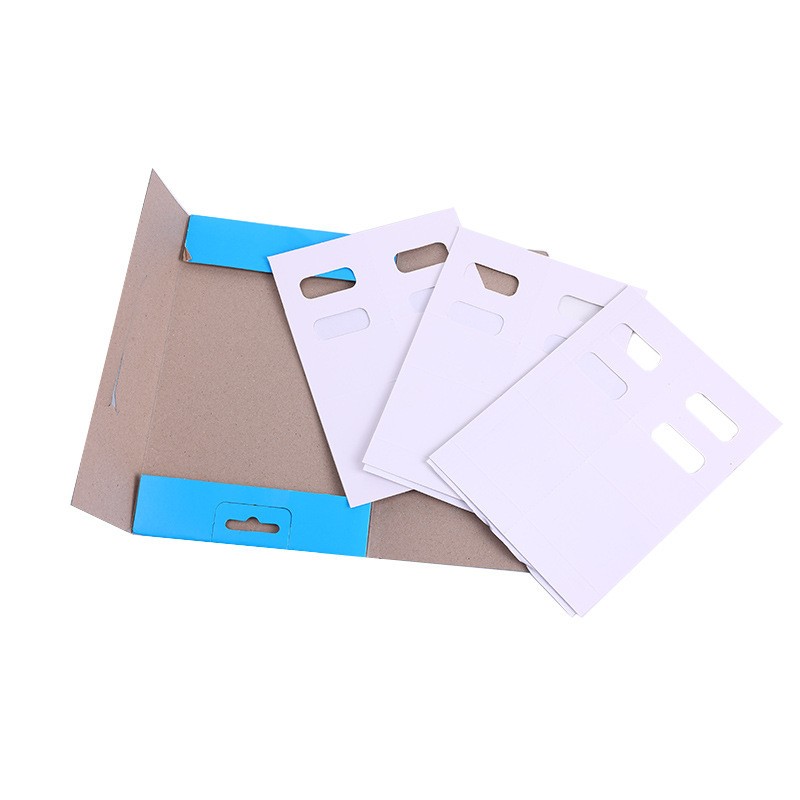
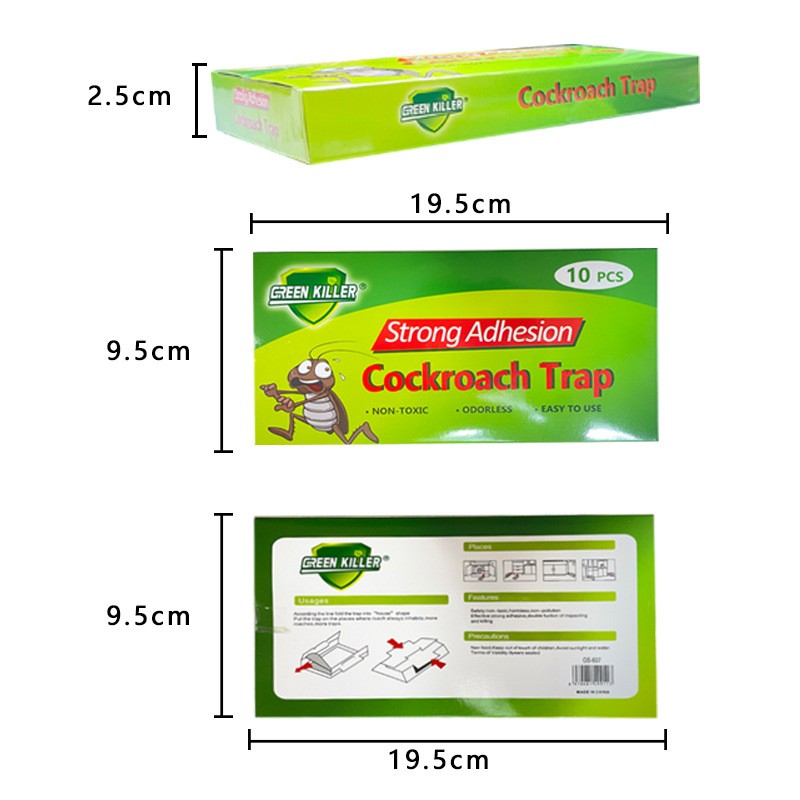
- Allow one month for customized pest control products, including cockroach houses and other OEM items.
- Use the 3–7-day estimate only after the supplier confirms that the required stock quantity is ready.
- Select sea freight for high-volume shipments or long-term OEM programs where freight-cost control is important.
- Choose air freight when delivery speed is more important than transport cost.
- Use rail service for shipments to Europe and Central Asia, and truck transportation for domestic or nearby cross-border delivery.
- Because the available supplier information does not identify a specific Incoterm, record the agreed term, named place, insurance, customs duties, and risk-transfer point in the contract.
How to Match Lead Time to the Order Type
Customized orders require production scheduling, material preparation, manufacturing, inspection, and packaging. The product information lists a minimum order quantity of 120,000 pieces for cockroach houses and gives a one-month delivery period. This schedule should not be confused with the 3–7-day window for stock orders. Before arranging transportation, buyers should confirm whether the requested quantity is already available or must be manufactured.
Choosing a Practical Shipping Solution
For large consignments, sea freight is generally the most cost-oriented option identified in the supplied information. It is suitable for industrial hardware orders, bulk pest control products, and continuing OEM cooperation. Air freight can shorten international transit compared with ocean shipping and is better suited to urgent replenishment or time-sensitive launches.
Rail transport offers a balance between cost and transit performance for Europe and Central Asia. Truck delivery is appropriate for domestic distribution and nearby international routes. The final choice should consider the shipment size, destination, delivery deadline, customs requirements, and whether the goods are being delivered to a warehouse, port, distribution center, or another named location.
Incoterms and Contract Protection
The source data does not specify whether the supplier offers EXW, FOB, CIF, DAP, or another Incoterm. Therefore, the buyer and supplier should agree on the Incoterm independently from the transport mode and write it into the sales contract. The contract should also state the named place, export-clearance party, import-clearance party, freight payer, insurance provider, delivery obligations, required documents, and the point at which risk transfers from seller to buyer.
Clarifying these items before production helps prevent disputes over freight charges, cargo insurance, customs clearance, local delivery, and responsibility for delays. A transport quotation alone should not be treated as a complete statement of Incoterm responsibilities.
Supplier Capabilities, Payments, and Quality Control
The supplier supports OEM and ODM manufacturing, factory-direct supply, bulk production, flexible small-batch orders, and long-term supply arrangements. Available payment channels include Alibaba Trade Assurance, PayPal for samples or small trial orders, and T/T. The stated T/T structure is a 30% deposit before production and a 70% balance before shipment. Sample orders require full payment before sample production and dispatch.
Quality checks are reported at several stages, including raw materials, manufacturing processes, semi-finished goods, surface treatment, assembly, finished products, and packaging. If a glue-related production problem is found after delivery, it must be reported within 15 days with clear photographs or video and the batch number shown on the outer carton. After confirmation, the stated remedy may be free replacement goods or a deduction from payment. Problems caused by incorrect storage, extremely low temperatures, or local restrictions are excluded.
Export Experience and Supporting Credentials
Recorded export examples include sticky mouse boards supplied to India, Brazil, and Peru. The listed quantities were 40,000 pieces for India, 617,000 pieces for Brazil, and 1.8 million pieces for Peru. These cases indicate experience with both medium-sized and very large export orders, although the available information does not identify the individual customers.
The company also lists trademark and copyright certificates. These documents support the supplier’s business credentials but do not, by themselves, confirm shipping compliance or define Incoterm obligations. Delivery terms, customs procedures, and insurance arrangements should therefore remain clearly stated in the commercial contract.
Lead Time and Shipping Comparison
| Planning item | Available information | Recommended application |
|---|---|---|
| Custom production | Approximately one month | Made-to-order, OEM, ODM, and customized pest control products |
| Stock availability | 3–7 days | Orders for quantities confirmed as ready stock |
| Cost-focused international shipping | Sea freight | Large-volume orders and ongoing OEM programs |
| Time-sensitive international shipping | Air freight | Urgent orders requiring faster transit than sea freight |
| Regional transportation | Rail or truck | Rail for Europe and Central Asia; truck for domestic or nearby cross-border delivery |
| Incoterm status | Not stated in the available data | Confirm the term, named place, insurance, customs duties, documents, and risk-transfer point in writing |
Frequently Asked Questions
How long does a custom rat-killing product order take?
The documented planning period for customized products is one month. The same one-month delivery period is listed for the customized cockroach house product. Stock orders may be completed within 3–7 days when the required quantity is confirmed as available.
What is the safest shipping method for a large custom order?
For high-volume or long-term OEM shipments, sea freight is the most cost-oriented option identified in the supplied information. Air freight is more suitable when the delivery deadline is tight. The safest choice depends on the destination, cargo volume, urgency, and clearly assigned contractual responsibilities.
Which Incoterm should the buyer use?
No specific Incoterm is provided. The parties should select an appropriate term and named place together, then document who handles export and import clearance, freight, insurance, final delivery, shipping documents, and risk transfer. Professional customs or logistics advice may be useful for complex routes.
Final Recommendations
For custom-made rat-killing products, plan around one month and treat the 3–7-day period as a stock-order estimate only. Use sea freight for large or recurring OEM shipments, air freight for urgent international delivery, rail for Europe and Central Asia, and trucks for domestic or nearby cross-border routes. Since no Incoterm is identified in the supplied data, confirm the selected term, named place, insurance, customs responsibilities, documentation, and risk-transfer point before production begins. For technical solutions or product support, contact bob@jinwen-goods.com.
About the Supplier
Yiwu Jinli Commodity Co., Ltd. was founded in 2010 and combines research and development, manufacturing, and sales of pest control products. The company reports independent workshops and production lines using domestic equipment and processes, with a stated daily capacity of 80,000 units. Approximately 70% of its business is reported to be exported to regions and markets such as South America, the Middle East, Southeast Asia, Africa, India, Pakistan, Uzbekistan, Brazil, Ecuador, Romania, and Iraq. Its listed credentials include trademark and copyright certificates, while documented cooperation examples cover exports to India, Brazil, and Peru.

REPORT