







-
 Agriculture
-
 Health-Care
-
 Environment
-
 Construction-Real-Estate
-
 Tools-Hardware
-
 Home-Garden
-
 Furniture
-
 Luggage-Bags-Cases
-
 Medical-devices-Supplies
-
 Gifts-Crafts
-
 Sports-Entertainment
-
 Food-Beverage
-
 Vehicles-Transportation
-
 Power-Transmission
-
 Material-Handling
-
 Renewable-Energy
-
 Safety
-
 Testing-Instrument-Equipment
-
 Construction-Building-Machinery
-
 Pet-Supplies
-
 Personal-Care-Household-Cleaning
-
 Vehicle-Accessories-Electronics-Tools
-
 School-Office-Supplies
-
 Packaging-Printing
-
 Mother-Kids-Toys
-
 Business-Services
-
 Commercial-Equipment-Machinery
-
 Apparel-Accessories
-
 Security
-
 Shoes-Accessories
-
 Vehicle-Parts-Accessories
-
 Jewelry-Eyewear-Watches-Accessories
-
 Lights-Lighting
-
 Fabric-Textile-Raw-Material
-
 Fabrication-Services
-
 Industrial-Machinery
-
 Consumer-Electronics
-
 Electrical-Equipment-Supplies
-
 Electronic-Components-Accessories-Telecommunications
-
 Home-Appliances
-
 Beauty
-
 Chemicals
-
 Rubber-Plastics
-
 Metals-Alloys


























































































































































































































































































































































































































































































































































































- Masonry Materials
- Curtain Walls & Accessories
- Earthwork Products
- Fireproofing Materials
- Heat Insulation Materials
- Plastic Building Materials
- Building Boards
- Soundproofing Materials
- Timber
- Waterproofing Materials
- Balustrades & Handrails
- Bathroom & Kitchen
- Flooring & Accessories
- Tiles & Accessories
- Door, Window & Accessories
- Fireplaces & Stoves
- Floor Heating Systems & Parts
- Stairs & Stair Parts
- Ceilings
- Elevators & Escalators
- Stone
- Countertops, Vanity Tops & Table Tops
- Mosaics
- Metal Building Materials
- Multifunctional Materials
- Ladders & Scaffoldings
- Mouldings
- Corner Guards
- Decorative Films
- Formwork
- Building & Industrial Glass
- Other Construction & Real Estate
- Wallpapers/Wall panels
- HVAC System & Parts
- Outdoor Facilities
- Prefabricated Buildings
- Festive & Party Supplies
- Bathroom Products
- Household Sundries
- Rain Gear
- Garden Supplies
- Household Cleaning Tools & Accessories
- Lighters & Smoking Accessories
- Home Storage & Organization
- Household Scales
- Smart Home Improvement
- Home Textiles
- Kitchenware
- Drinkware & Accessories
- Dinnerware, Coffee & Wine
- Home Decor
- Golf
- Fitness & Body Building
- Amusement Park Facilities
- Billiards, Board Game,Coin Operated Games
- Musical Instruments
- Outdoor Affordable Luxury Sports
- Camping & Hiking
- Fishing
- Sports Safety&Rehabilitation
- Ball Sports Equipments
- Water Sports
- Winter Sports
- Luxury Travel Equipments
- Sports Shoes, Bags & Accessories
- Cycling
- Other Sports & Entertainment Products
- Artificial Grass&Sports Flooring&Sports Court Equipment
- Scooters
- Food Ingredients
- Honey & Honey Products
- Snacks
- Nuts & Kernels
- Seafood
- Plant & Animal Oil
- Beverages
- Fruit & Vegetable Products
- Frog & Escargot
- Bean Products
- Egg Products
- Dairy Products
- Seasonings & Condiments
- Canned Food
- Instant Food
- Baked Goods
- Other Food & Beverage
- Meat & Poultry
- Confectionery
- Grain Products
- Feminie Care
- Hair Care & Styling
- Body Care
- Hands & Feet Care
- Hygiene Products
- Men's Grooming
- Laundry Cleaning Supplies
- Travel Size & Gift Sets
- Room Deodorizers
- Other Personal Care Products
- Pest Control Products
- Special Household Cleaning
- Floor Cleaning
- Kitchen & Bathroom Cleaning
- Oral Care
- Bath Supplies
- Yellow Pages
- Correction Supplies
- Office Binding Supplies
- Office Cutting Supplies
- Board Erasers
- Office Adhesives & Tapes
- Education Supplies
- Pencil Cases & Bags
- Notebooks & Writing Pads
- File Folder Accessories
- Calendars
- Writing Accessories
- Commercial Office Supplies
- Pencil Sharpeners
- Pens
- Letter Pad/Paper
- Paper Envelopes
- Desk Organizers
- Pencils
- Markers & Highlighters
- Filing Products
- Art Supplies
- Easels
- Badge Holder & Accessories
- Office Paper
- Printer Supplies
- Book Covers
- Other Office & School Supplies
- Stationery Set
- Boards
- Clipboards
- Stamps
- Drafting Supplies
- Stencils
- Electronic Dictionary
- Books
- Map
- Magazines
- Calculators
- Baby & Toddler Toys
- Educational Toys
- Classic Toys
- Dress Up & Pretend Play
- Toy Vehicle
- Stuffed Animals & Plush Toys
- Outdoor Toys & Structures
- Balloons & Accessories
- Baby Food
- Children's Clothing
- Baby Supplies & Products
- Maternity Clothes
- Kids Shoes
- Baby Care
- Novelty & Gag Toys
- Dolls & Accessories
- Puzzle & Games
- Blocks & Model Building Toys
- Toddler Clothing
- Baby Clothing
- Kids' Luggage & Bags
- Arts, Crafts & DIY Toys
- Action & Toy Figures
- Baby Appliances
- Hobbies & Models
- Remote Control Toys
- Promotional Toys
- Pregnancy & Maternity
- Hygiene Products
- Kid's Textile&Bedding
- Novelty & Special Use
- Toy Weapons
- Baby Gifts
- Baby Storage & Organization
- Auto Drive Systems
- ATV/UTV Parts & Accessories
- Marine Parts & Accessories
- Other Auto Parts
- Trailer Parts & Accessories
- Auto Transmission Systems
- Train Parts & Accessories
- Universal Parts
- Railway Parts & Accessories
- Auto Brake Systems
- Aviation Parts & Accessories
- Truck Parts & Accessories
- Auto Suspension Systems
- Auto Lighting Systems
- New Energy Vehicle Parts & Accessories
- Auto Steering Systems
- Wheels, Tires & Accessories
- Bus Parts & Accessories
- Auto Performance Parts
- Cooling System
- Go-Kart & Kart Racer Parts & Accessories
- Air Conditioning Systems
- Heavy Duty Vehicle Parts & Accessories
- Auto Electrical Systems
- Auto Body Systems
- Auto Engine Systems
- Container Parts & Accessories
- Motorcycle Parts & Accessories
- Refrigeration & Heat Exchange Equipment
- Machine Tool Equipment
- Food & Beverage Machinery
- Agricultural Machinery & Equipment
- Apparel & Textile Machinery
- Chemical Machinery
- Packaging Machines
- Paper Production Machinery
- Plastic & Rubber Processing Machinery
- Industrial Robots
- Electronic Products Machinery
- Metal & Metallurgy Machinery
- Woodworking Machinery
- Home Product Manufacturing Machinery
- Machinery Accessories
- Environmental Machinery
- Machinery Service
- Electrical Equipment Manufacturing Machinery
- Industrial Compressors & Parts
- Tobacco & Cigarette Machinery
- Production Line
- Used Industrial Machinery
- Electronics Production Machinery
- Other Machinery & Industrial Equipment
- Camera, Photo & Accessories
- Portable Audio, Video & Accessories
- Television, Home Audio, Video & Accessories
- Video Games & Accessories
- Mobile Phone & Accessories
- Electronic Publications
- Earphone & Headphone & Accessories
- Speakers & Accessories
- Smart Electronics
- TV Receivers & Accessories
- Mobile Phone & Computer Repair Parts
- Chargers, Batteries & Power Supplies
- Used Electronics
- VR, AR, MR Hardware & Software
- Projectors & Presentation Equipments
- Other Consumer Electronics
- Cables & Commonly Used Accessories
- Computer Hardware & Software
- Displays, Signage and Optoelectronics
- Discrete Semiconductors
- Wireless & IoT Module and Products
- Telecommunications
- Connectors, Terminals & Accessories
- Development Boards, Electronic Modules and Kits
- Circuit Protection
- Sensors
- Isolators
- Audio Components and Products
- Integrated Circuits
- Power Supplies
- Relays
- RF, Microwave and RFID
- Electronic Accessories & Supplies
- Passive Components
- PCB & PCBA
- Air Quality Appliances
- Home Appliance Parts
- Heating & Cooling Appliances
- Small Kitchen Appliances
- Laundry Appliances
- Water Heaters
- Water Treatment Appliances
- Refrigerators & Freezers
- Personal Care & Beauty Appliances
- Major Kitchen Appliances
- Cleaning Appliances
- Second-hand Appliances
- Smart Home Appliances
- Other Home Appliances
- Energy Chemicals
- Inorganic Chemicals
- Basic Organic Chemicals
- Agrochemicals
- Admixture & Additives
- Catalysts & Chemical Auxiliary Agents
- Pigments & Dyestuff
- Coating & Paint
- Daily Chemicals
- Polymer
- Organic Intermediate
- Adhesives & Sealants
- Chemical Waste
- Biological Chemical Products
- Surface Treatment Chemicals
- Painting & Coating
- Chemical Reagents
- Flavor & Fragrance
- Non-Explosive Demolition Agents
- Other Chemicals
- Custom Chemical Services

Deposit Safety & Remedial Protocols: What to Do When Silicone Sticky Bra Pads Fail Pre-Shipment Inspection
Understanding Deposit Protection in B2B Silicone Bra Sourcing
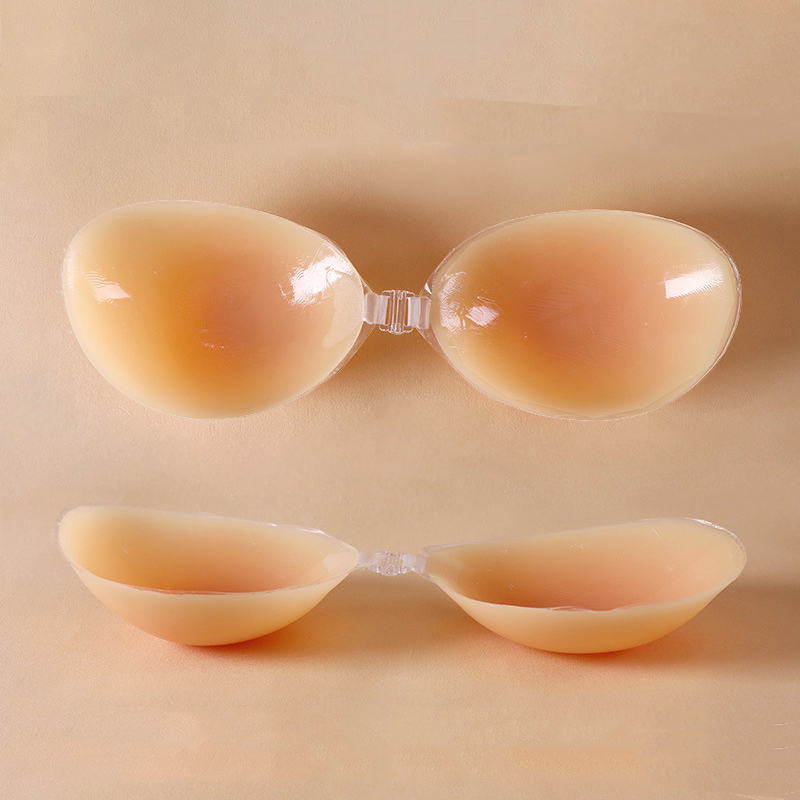
When sourcing medical-grade silicone sticky bras from international manufacturers, transactions generally follow standard trade payment structures: an upfront 30% deposit followed by the remaining 70% balance due upon passing pre-shipment inspection (PSI). A frequent concern for e-commerce sellers, apparel importers, and wholesalers is whether their initial deposit is at risk if quality defects are discovered prior to dispatch. Under formal commercial contracts, your deposit remains fully protected. The supplier cannot demand final settlement until all non-conforming issues—such as adhesive degradation, TPU film delamination, or size variances across sizes A, B, C, and D—are completely resolved.
Contractual Remedies for Pre-Shipment Inspection Failures
Should an independent quality inspector or customer auditor identify product non-compliance, standard commercial protocols offer clear avenues for buyer protection and liability resolution:
- Mandatory Batch Re-Production: The manufacturer is contractually obligated to reproduce non-compliant quantities to meet required adhesive stability and dimensional standards within an agreed lead time (typically 5 to 15 working days, depending on batch size).
- Balance Adjustments and Price Deductions: By mutual agreement, the cost corresponding to defective or compromised units can be directly credited against the final 70% balance payment.
By resolving defects at the source, buyers prevent high-cost overseas returns and safeguard brand integrity across major global sales channels in the US, Germany, the UK, France, Canada, Australia, Mexico, the Philippines, and Thailand, especially for high-volume items used with wedding dresses, swimwear, fitness apparel, and daily backless tops.
Multi-Stage Manufacturing Quality Control Framework
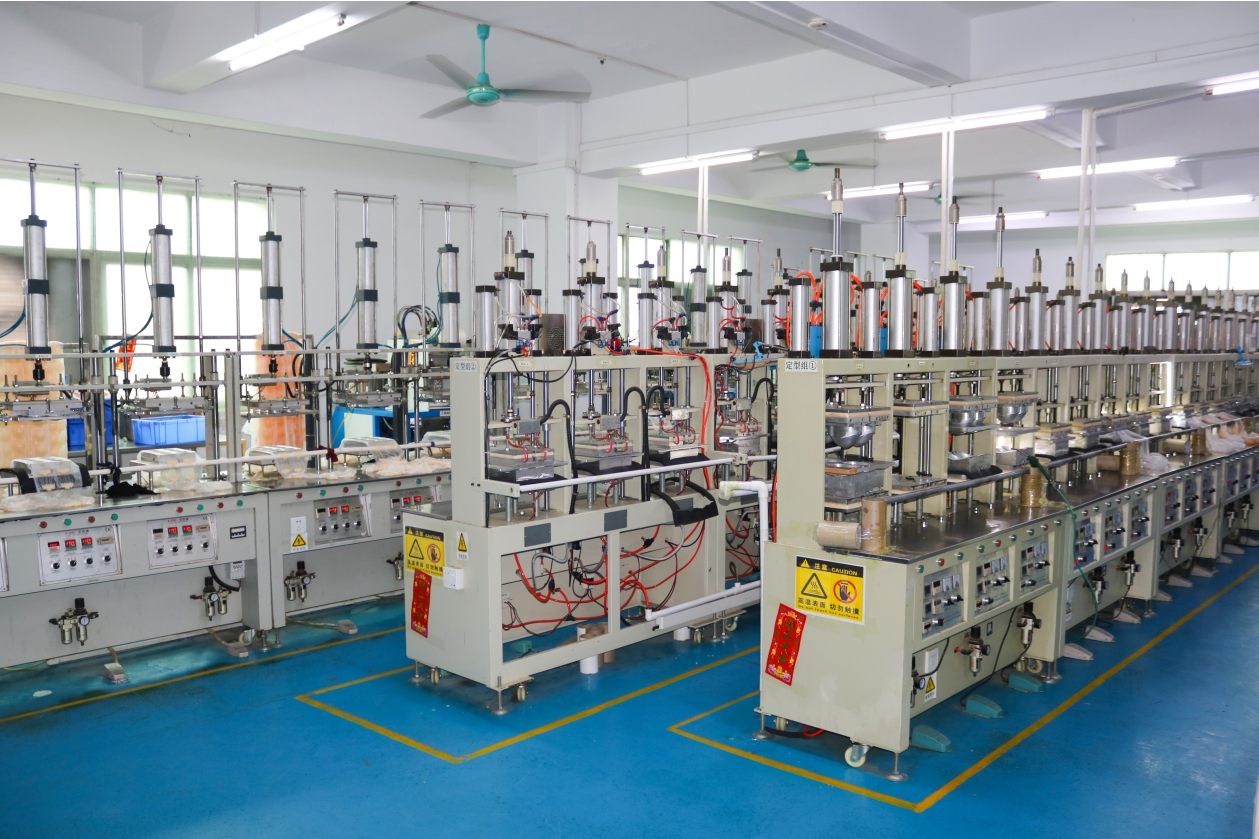
Top-tier manufacturing facilities operating under certified management systems (such as ISO 9001, ISO 14001, BSCI, and BRC) enforce a structured, three-tier inspection workflow. This proactive quality control mechanism intercepts flaws early, minimizing financial and operational risks for overseas buyers.
| Inspection Stage / Defect Scenario | Technical Risk Factor | Standard Resolution Protocol | Impact on Order Deposit / Payment |
|---|---|---|---|
| Incoming Raw Material Failure | Unapproved silicone compound or TPU film specs | Immediate rejection of raw materials prior to molding | Deposit retained; production rescheduled post-replacement |
| In-Process Molding & Adhesive Variance | Uneven glue distribution or adhesive instability | Machine re-calibration and scrap of failed sub-assemblies | Zero financial loss to buyer; absorbed under factory operating cost |
| Pre-Shipment Finished Goods Defect | Size variance, packaging error, or defective tackiness | Batch re-supply of damaged goods or price deduction | 70% balance withheld until re-inspection passes or credit applied |
| Compliance & Safety Non-Conformity | Failure to meet Reach, RoHS, or ISO 10993 standards | Full batch replacement and lab re-testing | Balance payment suspended; mandatory compliance re-verification |
International Compliance & Adhesive Safety Standards
To ensure long-lasting hold and skin safety across diverse wear conditions—from summer beachwear to formal evening gowns—sticky bra products must undergo rigorous laboratory testing. Premium medical-grade adhesive bras comply with ISO 10993 cytotoxicity standards, as well as Reach, RoHS, and MSDS requirements. These certifications confirm that the adhesive layer is bio-compatible, hypoallergenic, and capable of restoring stickiness after repeated washings.
Frequently Asked Questions (FAQ)
Q: What happens if pre-shipment inspection reveals defective adhesive strength on silicone sticky bra pads?
A: The buyer holds the remaining 70% balance payment while the factory verifies the claim. The manufacturer must re-produce the defective units to meet adhesive stability requirements or deduct the equivalent value from the order invoice.
Q: How are lead times affected if a batch requires re-production after failing inspection?
A: Re-production lead times depend on volume: small lots under 100 pairs take approximately 5 working days, 100–1,000 pairs take 7 working days, and 1,000–5,000 pairs take 15 working days under standard manufacturing schedules.
Q: What safety certifications ensure sticky bra pads pass international compliance audits?
A: Quality manufacturers hold ISO 9001, ISO 14001, BSCI, and BRC management system certifications, with products passing SGS testing for RoHS, Reach, MSDS, and ISO 10993 skin safety requirements.
Final Conclusion & Strategic Recommendations
Incorporating explicit pre-shipment inspection protocols and clear deposit protection terms into purchase agreements provides vital security when importing adhesive silicone bras. Partnering with accredited manufacturers that provide flexible shipping options (such as EXW, FOB, DDP, and DAP via ocean, air, or express logistics) guarantees seamless supply chain execution. For technical inquiries or custom OEM/ODM solutions, feel free to reach out via judy@xinruibra.com.
About Us
Dongguan Xinrui Underwear Co., Ltd. is a factory-based supplier specializing in women’s invisible underwear and intimate apparel products, including nipple covers, boob tape, silicone bra pads, invisible bras, and panties. Established in 2007, the company operates a 10,000 sqm factory with 150 employees and maintains a monthly production capacity of 1.5 million pieces. Backed by 5 R&D engineers and 4 dedicated QC inspectors, Xinrui delivers OEM/ODM customization under ISO 9001, ISO 14001, BSCI, and BRC certified management systems, serving brand owners, wholesalers, and e-commerce buyers across global markets.

REPORT