







-
 Agriculture
-
 Health-Care
-
 Environment
-
 Construction-Real-Estate
-
 Tools-Hardware
-
 Home-Garden
-
 Furniture
-
 Luggage-Bags-Cases
-
 Medical-devices-Supplies
-
 Gifts-Crafts
-
 Sports-Entertainment
-
 Food-Beverage
-
 Vehicles-Transportation
-
 Power-Transmission
-
 Material-Handling
-
 Renewable-Energy
-
 Safety
-
 Testing-Instrument-Equipment
-
 Construction-Building-Machinery
-
 Pet-Supplies
-
 Personal-Care-Household-Cleaning
-
 Vehicle-Accessories-Electronics-Tools
-
 School-Office-Supplies
-
 Packaging-Printing
-
 Mother-Kids-Toys
-
 Business-Services
-
 Commercial-Equipment-Machinery
-
 Apparel-Accessories
-
 Security
-
 Shoes-Accessories
-
 Vehicle-Parts-Accessories
-
 Jewelry-Eyewear-Watches-Accessories
-
 Lights-Lighting
-
 Fabric-Textile-Raw-Material
-
 Fabrication-Services
-
 Industrial-Machinery
-
 Consumer-Electronics
-
 Electrical-Equipment-Supplies
-
 Electronic-Components-Accessories-Telecommunications
-
 Home-Appliances
-
 Beauty
-
 Chemicals
-
 Rubber-Plastics
-
 Metals-Alloys


























































































































































































































































































































































































































































































































































































- Masonry Materials
- Curtain Walls & Accessories
- Earthwork Products
- Fireproofing Materials
- Heat Insulation Materials
- Plastic Building Materials
- Building Boards
- Soundproofing Materials
- Timber
- Waterproofing Materials
- Balustrades & Handrails
- Bathroom & Kitchen
- Flooring & Accessories
- Tiles & Accessories
- Door, Window & Accessories
- Fireplaces & Stoves
- Floor Heating Systems & Parts
- Stairs & Stair Parts
- Ceilings
- Elevators & Escalators
- Stone
- Countertops, Vanity Tops & Table Tops
- Mosaics
- Metal Building Materials
- Multifunctional Materials
- Ladders & Scaffoldings
- Mouldings
- Corner Guards
- Decorative Films
- Formwork
- Building & Industrial Glass
- Other Construction & Real Estate
- Wallpapers/Wall panels
- HVAC System & Parts
- Outdoor Facilities
- Prefabricated Buildings
- Festive & Party Supplies
- Bathroom Products
- Household Sundries
- Rain Gear
- Garden Supplies
- Household Cleaning Tools & Accessories
- Lighters & Smoking Accessories
- Home Storage & Organization
- Household Scales
- Smart Home Improvement
- Home Textiles
- Kitchenware
- Drinkware & Accessories
- Dinnerware, Coffee & Wine
- Home Decor
- Golf
- Fitness & Body Building
- Amusement Park Facilities
- Billiards, Board Game,Coin Operated Games
- Musical Instruments
- Outdoor Affordable Luxury Sports
- Camping & Hiking
- Fishing
- Sports Safety&Rehabilitation
- Ball Sports Equipments
- Water Sports
- Winter Sports
- Luxury Travel Equipments
- Sports Shoes, Bags & Accessories
- Cycling
- Other Sports & Entertainment Products
- Artificial Grass&Sports Flooring&Sports Court Equipment
- Scooters
- Food Ingredients
- Honey & Honey Products
- Snacks
- Nuts & Kernels
- Seafood
- Plant & Animal Oil
- Beverages
- Fruit & Vegetable Products
- Frog & Escargot
- Bean Products
- Egg Products
- Dairy Products
- Seasonings & Condiments
- Canned Food
- Instant Food
- Baked Goods
- Other Food & Beverage
- Meat & Poultry
- Confectionery
- Grain Products
- Feminie Care
- Hair Care & Styling
- Body Care
- Hands & Feet Care
- Hygiene Products
- Men's Grooming
- Laundry Cleaning Supplies
- Travel Size & Gift Sets
- Room Deodorizers
- Other Personal Care Products
- Pest Control Products
- Special Household Cleaning
- Floor Cleaning
- Kitchen & Bathroom Cleaning
- Oral Care
- Bath Supplies
- Yellow Pages
- Correction Supplies
- Office Binding Supplies
- Office Cutting Supplies
- Board Erasers
- Office Adhesives & Tapes
- Education Supplies
- Pencil Cases & Bags
- Notebooks & Writing Pads
- File Folder Accessories
- Calendars
- Writing Accessories
- Commercial Office Supplies
- Pencil Sharpeners
- Pens
- Letter Pad/Paper
- Paper Envelopes
- Desk Organizers
- Pencils
- Markers & Highlighters
- Filing Products
- Art Supplies
- Easels
- Badge Holder & Accessories
- Office Paper
- Printer Supplies
- Book Covers
- Other Office & School Supplies
- Stationery Set
- Boards
- Clipboards
- Stamps
- Drafting Supplies
- Stencils
- Electronic Dictionary
- Books
- Map
- Magazines
- Calculators
- Baby & Toddler Toys
- Educational Toys
- Classic Toys
- Dress Up & Pretend Play
- Toy Vehicle
- Stuffed Animals & Plush Toys
- Outdoor Toys & Structures
- Balloons & Accessories
- Baby Food
- Children's Clothing
- Baby Supplies & Products
- Maternity Clothes
- Kids Shoes
- Baby Care
- Novelty & Gag Toys
- Dolls & Accessories
- Puzzle & Games
- Blocks & Model Building Toys
- Toddler Clothing
- Baby Clothing
- Kids' Luggage & Bags
- Arts, Crafts & DIY Toys
- Action & Toy Figures
- Baby Appliances
- Hobbies & Models
- Remote Control Toys
- Promotional Toys
- Pregnancy & Maternity
- Hygiene Products
- Kid's Textile&Bedding
- Novelty & Special Use
- Toy Weapons
- Baby Gifts
- Baby Storage & Organization
- Auto Drive Systems
- ATV/UTV Parts & Accessories
- Marine Parts & Accessories
- Other Auto Parts
- Trailer Parts & Accessories
- Auto Transmission Systems
- Train Parts & Accessories
- Universal Parts
- Railway Parts & Accessories
- Auto Brake Systems
- Aviation Parts & Accessories
- Truck Parts & Accessories
- Auto Suspension Systems
- Auto Lighting Systems
- New Energy Vehicle Parts & Accessories
- Auto Steering Systems
- Wheels, Tires & Accessories
- Bus Parts & Accessories
- Auto Performance Parts
- Cooling System
- Go-Kart & Kart Racer Parts & Accessories
- Air Conditioning Systems
- Heavy Duty Vehicle Parts & Accessories
- Auto Electrical Systems
- Auto Body Systems
- Auto Engine Systems
- Container Parts & Accessories
- Motorcycle Parts & Accessories
- Refrigeration & Heat Exchange Equipment
- Machine Tool Equipment
- Food & Beverage Machinery
- Agricultural Machinery & Equipment
- Apparel & Textile Machinery
- Chemical Machinery
- Packaging Machines
- Paper Production Machinery
- Plastic & Rubber Processing Machinery
- Industrial Robots
- Electronic Products Machinery
- Metal & Metallurgy Machinery
- Woodworking Machinery
- Home Product Manufacturing Machinery
- Machinery Accessories
- Environmental Machinery
- Machinery Service
- Electrical Equipment Manufacturing Machinery
- Industrial Compressors & Parts
- Tobacco & Cigarette Machinery
- Production Line
- Used Industrial Machinery
- Electronics Production Machinery
- Other Machinery & Industrial Equipment
- Camera, Photo & Accessories
- Portable Audio, Video & Accessories
- Television, Home Audio, Video & Accessories
- Video Games & Accessories
- Mobile Phone & Accessories
- Electronic Publications
- Earphone & Headphone & Accessories
- Speakers & Accessories
- Smart Electronics
- TV Receivers & Accessories
- Mobile Phone & Computer Repair Parts
- Chargers, Batteries & Power Supplies
- Used Electronics
- VR, AR, MR Hardware & Software
- Projectors & Presentation Equipments
- Other Consumer Electronics
- Cables & Commonly Used Accessories
- Computer Hardware & Software
- Displays, Signage and Optoelectronics
- Discrete Semiconductors
- Wireless & IoT Module and Products
- Telecommunications
- Connectors, Terminals & Accessories
- Development Boards, Electronic Modules and Kits
- Circuit Protection
- Sensors
- Isolators
- Audio Components and Products
- Integrated Circuits
- Power Supplies
- Relays
- RF, Microwave and RFID
- Electronic Accessories & Supplies
- Passive Components
- PCB & PCBA
- Air Quality Appliances
- Home Appliance Parts
- Heating & Cooling Appliances
- Small Kitchen Appliances
- Laundry Appliances
- Water Heaters
- Water Treatment Appliances
- Refrigerators & Freezers
- Personal Care & Beauty Appliances
- Major Kitchen Appliances
- Cleaning Appliances
- Second-hand Appliances
- Smart Home Appliances
- Other Home Appliances
- Energy Chemicals
- Inorganic Chemicals
- Basic Organic Chemicals
- Agrochemicals
- Admixture & Additives
- Catalysts & Chemical Auxiliary Agents
- Pigments & Dyestuff
- Coating & Paint
- Daily Chemicals
- Polymer
- Organic Intermediate
- Adhesives & Sealants
- Chemical Waste
- Biological Chemical Products
- Surface Treatment Chemicals
- Painting & Coating
- Chemical Reagents
- Flavor & Fragrance
- Non-Explosive Demolition Agents
- Other Chemicals
- Custom Chemical Services

Detecting Wiring Defects and Hotspots: Critical Sample Tests Before Mass Production
Overview: Preventing Quality Failures Prior to Mass Assembly
Prior to scaling manufacturing for thermal wellness equipment—including therapy mats, sauna blankets, and heated belts—comprehensive prototype evaluation is essential. Identifying internal wire fractures, sub-optimal solder joints, and uneven thermal output at the sample stage prevents batch defects, material degradation, and potential safety risks during commercial distribution.
Key Quality Validation Strategies
- Infrared Heat Mapping: Utilizing high-resolution thermal thermography to capture surface heat profiles, locating cold zones or intense thermal spikes across carbon fiber heating assemblies.
- Dynamic Flexural Testing: Simulating real-world wear by continuously bending wiring harnesses to reveal fatigue in internal conductors, weak crimps, and compromised solder points.
- Dielectric Voltage Stress Analysis: Subjecting live components to high-voltage insulation tests to verify electrical leakage thresholds across 100-240V (50-60Hz) operating ranges.
- Application-Driven Stress Testing: Aligning test parameters with end-use conditions in rehabilitation and home healthcare environments to ensure dependable heat output over extended operational life.
In-Depth Technical Evaluation & Engineering Principles
Thermal wellness products rely heavily on uniform electrical resistance throughout their carbon fiber heating elements. Microscopic fractures or irregular wire placement alter localized electrical resistance, leading to erratic heat distribution that damages shell materials or causes consumer dissatisfaction. Pre-production testing addresses these issues directly through systematic sample diagnostics.
During prototype screening, engineers run heating assemblies within standard operating windows (30-80°C) while measuring surface temperature patterns across outer layers like multi-layer fabrics and plush imitation fur. Any thermal variation wider than ±3°C points to flawed wire spacing or inconsistent heat transfer within internal layers.
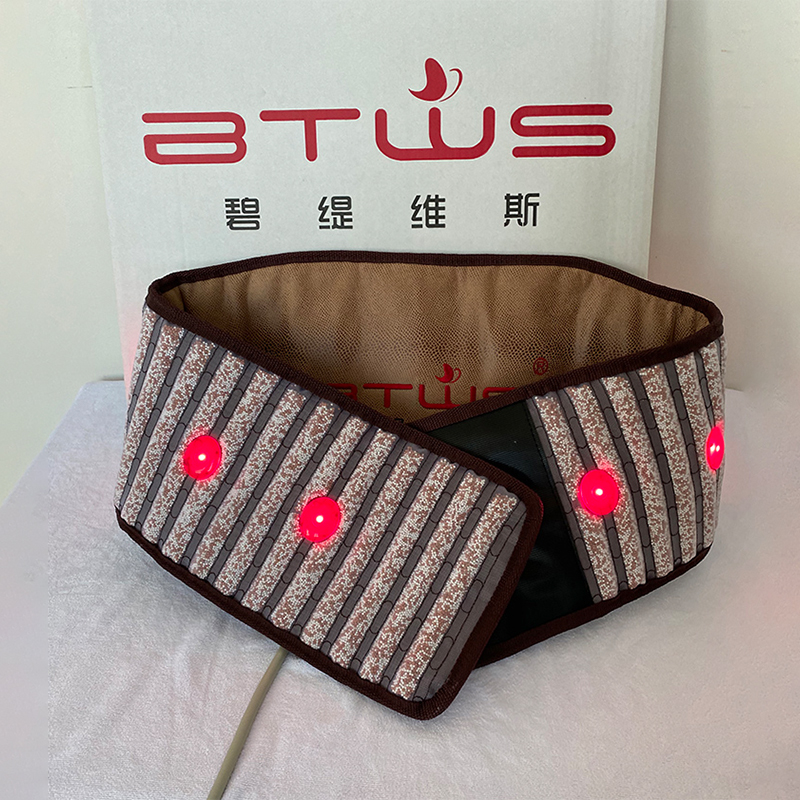
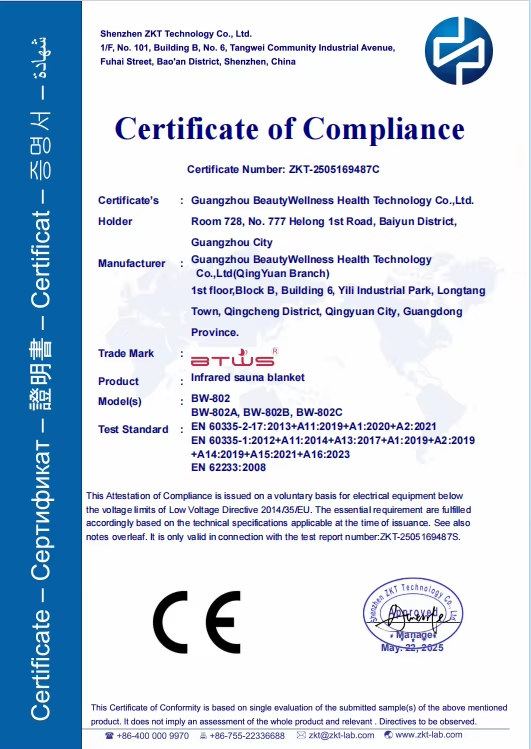
Rigorous electrical safety screening is conducted alongside thermal diagnostics. Connecting heating grids to digital handheld controllers over 1 to 60-minute test cycles verifies thermostat accuracy, relay stability, and constant 60W power consumption. Adhering to international compliance frameworks—such as CE, FCC, UKCA, and RoHS—guarantees that potential insulation gaps or short-circuit risks are corrected before batch manufacturing commences.
Comparative Matrix of Essential Pre-Production Tests
The table below summarizes primary testing protocols utilized to uncover structural, electrical, and thermal defects before clearing a design for volume manufacturing:
| Test Procedure | Defect Detected | Target Component | Standard Acceptance Threshold |
|---|---|---|---|
| Infrared Thermography Analysis | Thermal concentration spikes, cold patches, non-uniform emission | Carbon fiber heating element layout | Surface thermal deviation ≤ ±3°C across active zones |
| Flexural Bending & Fatigue Test | Conductor snapping, joint loosening, connection failure | Wiring harness & controller connection | 100% electrical continuity preserved after 5,000 bending cycles |
| High-Voltage Dielectric Withstand | Short-circuit risks, insulation breakdown, current leakage | Internal wiring & 100-240V power input | Leakage current under 0.5 mA under high dielectric voltage |
| Extended Continuous Burn-In Test | Timer instability, power decay, controller drift over time | 60W control module & heating network | Zero wattage decay & stable temperature over 60-min continuous operation |
Frequently Asked Questions
Q1: How does thermal thermography identify hidden wire defects in sample units?
A1: Infrared thermal mapping visualizes heat radiation across the entire product surface. Pinched or narrowed carbon fiber conductors generate elevated resistance, creating bright thermal hotspots, while severed conductors show up as cold zones with no heat generation.
Q2: Why is flexural strain testing critical for flexible heating belts and sauna blankets?
A2: Wearable heat therapy devices are repeatedly folded, twisted, and bent during regular use. Flexural endurance testing simulates these mechanical stresses, confirming that solder joints and conductor strands remain intact under continuous movement.
Q3: What electrical metrics prevent short circuits prior to mass production clearance?
A3: High-voltage withstand and insulation resistance testing assess the dielectric boundary separating live heating conductors from exterior fabrics, ensuring zero current leakage under standard supply voltages.
Summary & Implementation Advice
Implementing pre-production sample testing via infrared thermal imaging, flexural fatigue testing, and high-voltage dielectric checks eliminates structural wiring vulnerabilities and thermal non-uniformity before full-scale manufacturing. Combining strict carbon fiber quality standards with end-to-end product inspection ensures reliable heat output for commercial markets. Supporting OEM/ODM customization, small-batch sample verification, and factory-direct supply models helps global brand partners scale confidently. For customized engineering solutions or further inquiries, contact us at alina@beauty-wellness.cc.
Company Profile
Guangzhou Beautywellness Health Technology Co., Ltd. is a dedicated manufacturer of far-infrared heating sauna products and personal thermal care gear. Founded in 2018, the enterprise features a 4,000-square-meter production site staffed by 60 employees, including an expert R&D team of five engineers. Carrying international certifications such as CE, FCC, UKCA, RoHS, and 3C, as well as National High-tech Enterprise status, the organization supplies clients across North America, Europe, and international distribution channels.

REPORT