







-
 Agriculture
-
 Health-Care
-
 Environment
-
 Construction-Real-Estate
-
 Tools-Hardware
-
 Home-Garden
-
 Furniture
-
 Luggage-Bags-Cases
-
 Medical-devices-Supplies
-
 Gifts-Crafts
-
 Sports-Entertainment
-
 Food-Beverage
-
 Vehicles-Transportation
-
 Power-Transmission
-
 Material-Handling
-
 Renewable-Energy
-
 Safety
-
 Testing-Instrument-Equipment
-
 Construction-Building-Machinery
-
 Pet-Supplies
-
 Personal-Care-Household-Cleaning
-
 Vehicle-Accessories-Electronics-Tools
-
 School-Office-Supplies
-
 Packaging-Printing
-
 Mother-Kids-Toys
-
 Business-Services
-
 Commercial-Equipment-Machinery
-
 Apparel-Accessories
-
 Security
-
 Shoes-Accessories
-
 Vehicle-Parts-Accessories
-
 Jewelry-Eyewear-Watches-Accessories
-
 Lights-Lighting
-
 Fabric-Textile-Raw-Material
-
 Fabrication-Services
-
 Industrial-Machinery
-
 Consumer-Electronics
-
 Electrical-Equipment-Supplies
-
 Electronic-Components-Accessories-Telecommunications
-
 Home-Appliances
-
 Beauty
-
 Chemicals
-
 Rubber-Plastics
-
 Metals-Alloys


























































































































































































































































































































































































































































































































































































- Masonry Materials
- Curtain Walls & Accessories
- Earthwork Products
- Fireproofing Materials
- Heat Insulation Materials
- Plastic Building Materials
- Building Boards
- Soundproofing Materials
- Timber
- Waterproofing Materials
- Balustrades & Handrails
- Bathroom & Kitchen
- Flooring & Accessories
- Tiles & Accessories
- Door, Window & Accessories
- Fireplaces & Stoves
- Floor Heating Systems & Parts
- Stairs & Stair Parts
- Ceilings
- Elevators & Escalators
- Stone
- Countertops, Vanity Tops & Table Tops
- Mosaics
- Metal Building Materials
- Multifunctional Materials
- Ladders & Scaffoldings
- Mouldings
- Corner Guards
- Decorative Films
- Formwork
- Building & Industrial Glass
- Other Construction & Real Estate
- Wallpapers/Wall panels
- HVAC System & Parts
- Outdoor Facilities
- Prefabricated Buildings
- Festive & Party Supplies
- Bathroom Products
- Household Sundries
- Rain Gear
- Garden Supplies
- Household Cleaning Tools & Accessories
- Lighters & Smoking Accessories
- Home Storage & Organization
- Household Scales
- Smart Home Improvement
- Home Textiles
- Kitchenware
- Drinkware & Accessories
- Dinnerware, Coffee & Wine
- Home Decor
- Golf
- Fitness & Body Building
- Amusement Park Facilities
- Billiards, Board Game,Coin Operated Games
- Musical Instruments
- Outdoor Affordable Luxury Sports
- Camping & Hiking
- Fishing
- Sports Safety&Rehabilitation
- Ball Sports Equipments
- Water Sports
- Winter Sports
- Luxury Travel Equipments
- Sports Shoes, Bags & Accessories
- Cycling
- Other Sports & Entertainment Products
- Artificial Grass&Sports Flooring&Sports Court Equipment
- Scooters
- Food Ingredients
- Honey & Honey Products
- Snacks
- Nuts & Kernels
- Seafood
- Plant & Animal Oil
- Beverages
- Fruit & Vegetable Products
- Frog & Escargot
- Bean Products
- Egg Products
- Dairy Products
- Seasonings & Condiments
- Canned Food
- Instant Food
- Baked Goods
- Other Food & Beverage
- Meat & Poultry
- Confectionery
- Grain Products
- Feminie Care
- Hair Care & Styling
- Body Care
- Hands & Feet Care
- Hygiene Products
- Men's Grooming
- Laundry Cleaning Supplies
- Travel Size & Gift Sets
- Room Deodorizers
- Other Personal Care Products
- Pest Control Products
- Special Household Cleaning
- Floor Cleaning
- Kitchen & Bathroom Cleaning
- Oral Care
- Bath Supplies
- Yellow Pages
- Correction Supplies
- Office Binding Supplies
- Office Cutting Supplies
- Board Erasers
- Office Adhesives & Tapes
- Education Supplies
- Pencil Cases & Bags
- Notebooks & Writing Pads
- File Folder Accessories
- Calendars
- Writing Accessories
- Commercial Office Supplies
- Pencil Sharpeners
- Pens
- Letter Pad/Paper
- Paper Envelopes
- Desk Organizers
- Pencils
- Markers & Highlighters
- Filing Products
- Art Supplies
- Easels
- Badge Holder & Accessories
- Office Paper
- Printer Supplies
- Book Covers
- Other Office & School Supplies
- Stationery Set
- Boards
- Clipboards
- Stamps
- Drafting Supplies
- Stencils
- Electronic Dictionary
- Books
- Map
- Magazines
- Calculators
- Baby & Toddler Toys
- Educational Toys
- Classic Toys
- Dress Up & Pretend Play
- Toy Vehicle
- Stuffed Animals & Plush Toys
- Outdoor Toys & Structures
- Balloons & Accessories
- Baby Food
- Children's Clothing
- Baby Supplies & Products
- Maternity Clothes
- Kids Shoes
- Baby Care
- Novelty & Gag Toys
- Dolls & Accessories
- Puzzle & Games
- Blocks & Model Building Toys
- Toddler Clothing
- Baby Clothing
- Kids' Luggage & Bags
- Arts, Crafts & DIY Toys
- Action & Toy Figures
- Baby Appliances
- Hobbies & Models
- Remote Control Toys
- Promotional Toys
- Pregnancy & Maternity
- Hygiene Products
- Kid's Textile&Bedding
- Novelty & Special Use
- Toy Weapons
- Baby Gifts
- Baby Storage & Organization
- Auto Drive Systems
- ATV/UTV Parts & Accessories
- Marine Parts & Accessories
- Other Auto Parts
- Trailer Parts & Accessories
- Auto Transmission Systems
- Train Parts & Accessories
- Universal Parts
- Railway Parts & Accessories
- Auto Brake Systems
- Aviation Parts & Accessories
- Truck Parts & Accessories
- Auto Suspension Systems
- Auto Lighting Systems
- New Energy Vehicle Parts & Accessories
- Auto Steering Systems
- Wheels, Tires & Accessories
- Bus Parts & Accessories
- Auto Performance Parts
- Cooling System
- Go-Kart & Kart Racer Parts & Accessories
- Air Conditioning Systems
- Heavy Duty Vehicle Parts & Accessories
- Auto Electrical Systems
- Auto Body Systems
- Auto Engine Systems
- Container Parts & Accessories
- Motorcycle Parts & Accessories
- Refrigeration & Heat Exchange Equipment
- Machine Tool Equipment
- Food & Beverage Machinery
- Agricultural Machinery & Equipment
- Apparel & Textile Machinery
- Chemical Machinery
- Packaging Machines
- Paper Production Machinery
- Plastic & Rubber Processing Machinery
- Industrial Robots
- Electronic Products Machinery
- Metal & Metallurgy Machinery
- Woodworking Machinery
- Home Product Manufacturing Machinery
- Machinery Accessories
- Environmental Machinery
- Machinery Service
- Electrical Equipment Manufacturing Machinery
- Industrial Compressors & Parts
- Tobacco & Cigarette Machinery
- Production Line
- Used Industrial Machinery
- Electronics Production Machinery
- Other Machinery & Industrial Equipment
- Camera, Photo & Accessories
- Portable Audio, Video & Accessories
- Television, Home Audio, Video & Accessories
- Video Games & Accessories
- Mobile Phone & Accessories
- Electronic Publications
- Earphone & Headphone & Accessories
- Speakers & Accessories
- Smart Electronics
- TV Receivers & Accessories
- Mobile Phone & Computer Repair Parts
- Chargers, Batteries & Power Supplies
- Used Electronics
- VR, AR, MR Hardware & Software
- Projectors & Presentation Equipments
- Other Consumer Electronics
- Cables & Commonly Used Accessories
- Computer Hardware & Software
- Displays, Signage and Optoelectronics
- Discrete Semiconductors
- Wireless & IoT Module and Products
- Telecommunications
- Connectors, Terminals & Accessories
- Development Boards, Electronic Modules and Kits
- Circuit Protection
- Sensors
- Isolators
- Audio Components and Products
- Integrated Circuits
- Power Supplies
- Relays
- RF, Microwave and RFID
- Electronic Accessories & Supplies
- Passive Components
- PCB & PCBA
- Air Quality Appliances
- Home Appliance Parts
- Heating & Cooling Appliances
- Small Kitchen Appliances
- Laundry Appliances
- Water Heaters
- Water Treatment Appliances
- Refrigerators & Freezers
- Personal Care & Beauty Appliances
- Major Kitchen Appliances
- Cleaning Appliances
- Second-hand Appliances
- Smart Home Appliances
- Other Home Appliances
- Energy Chemicals
- Inorganic Chemicals
- Basic Organic Chemicals
- Agrochemicals
- Admixture & Additives
- Catalysts & Chemical Auxiliary Agents
- Pigments & Dyestuff
- Coating & Paint
- Daily Chemicals
- Polymer
- Organic Intermediate
- Adhesives & Sealants
- Chemical Waste
- Biological Chemical Products
- Surface Treatment Chemicals
- Painting & Coating
- Chemical Reagents
- Flavor & Fragrance
- Non-Explosive Demolition Agents
- Other Chemicals
- Custom Chemical Services

Essential Import Compliance & Certification Guide for Retail Pilates and Yoga Socks
Navigating international trade for specialty activewear requires strict adherence to regulatory standards. When procuring non-slip Pilates and yoga socks for retail channels, importers must prioritize non-toxic material certifications, social responsibility audits, and complete customs entry documentation. Fulfilling these criteria minimizes customs bottlenecks, guarantees product safety, and protects brand reputation in overseas retail markets.
Crucial Takeaways for Retail Importers
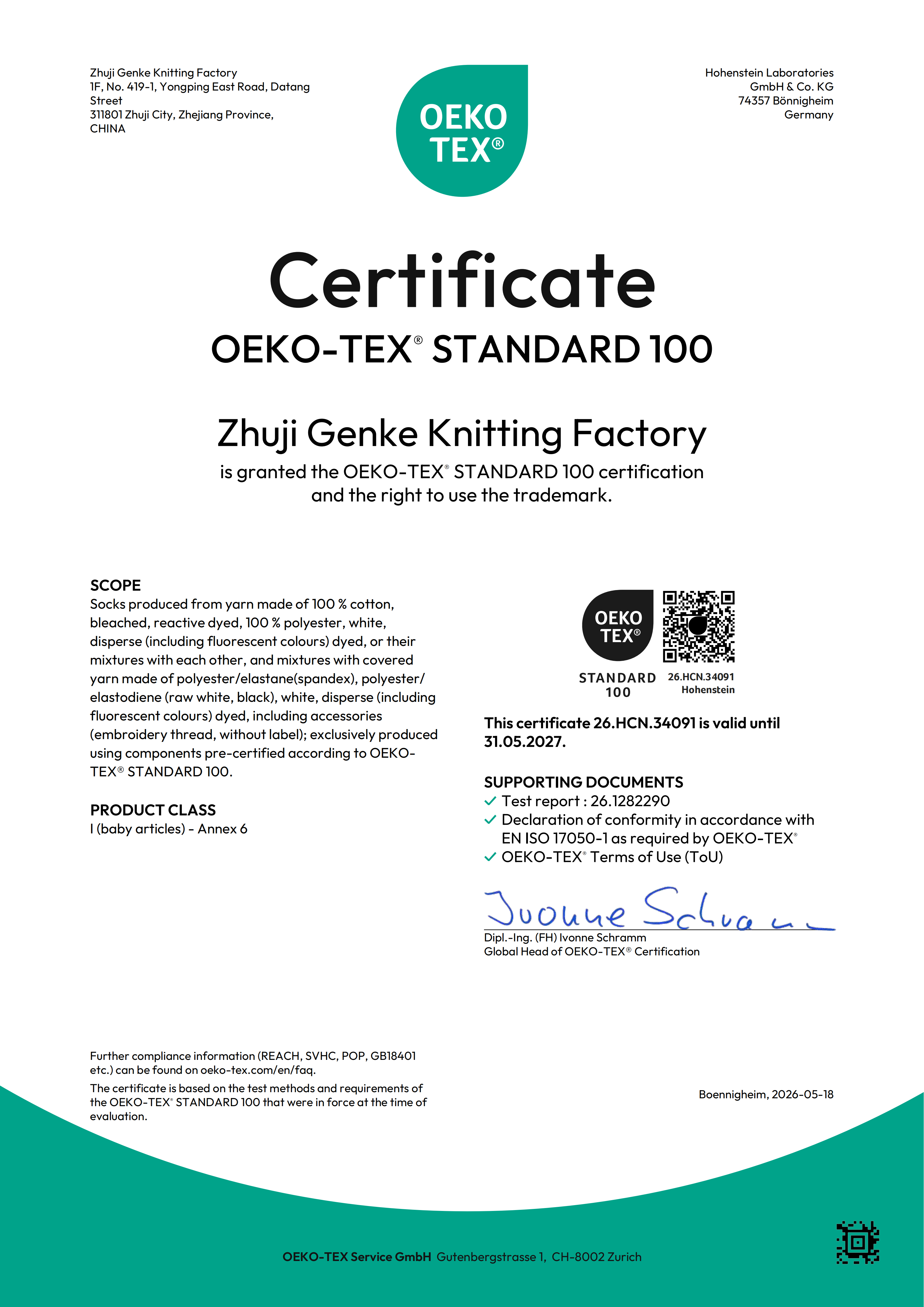
- Product Safety Compliance: OEKO-TEX Standard 100 certification verifies that yarns, dyes, and non-slip grippers (silicone or PVC) are non-hazardous for direct skin contact.
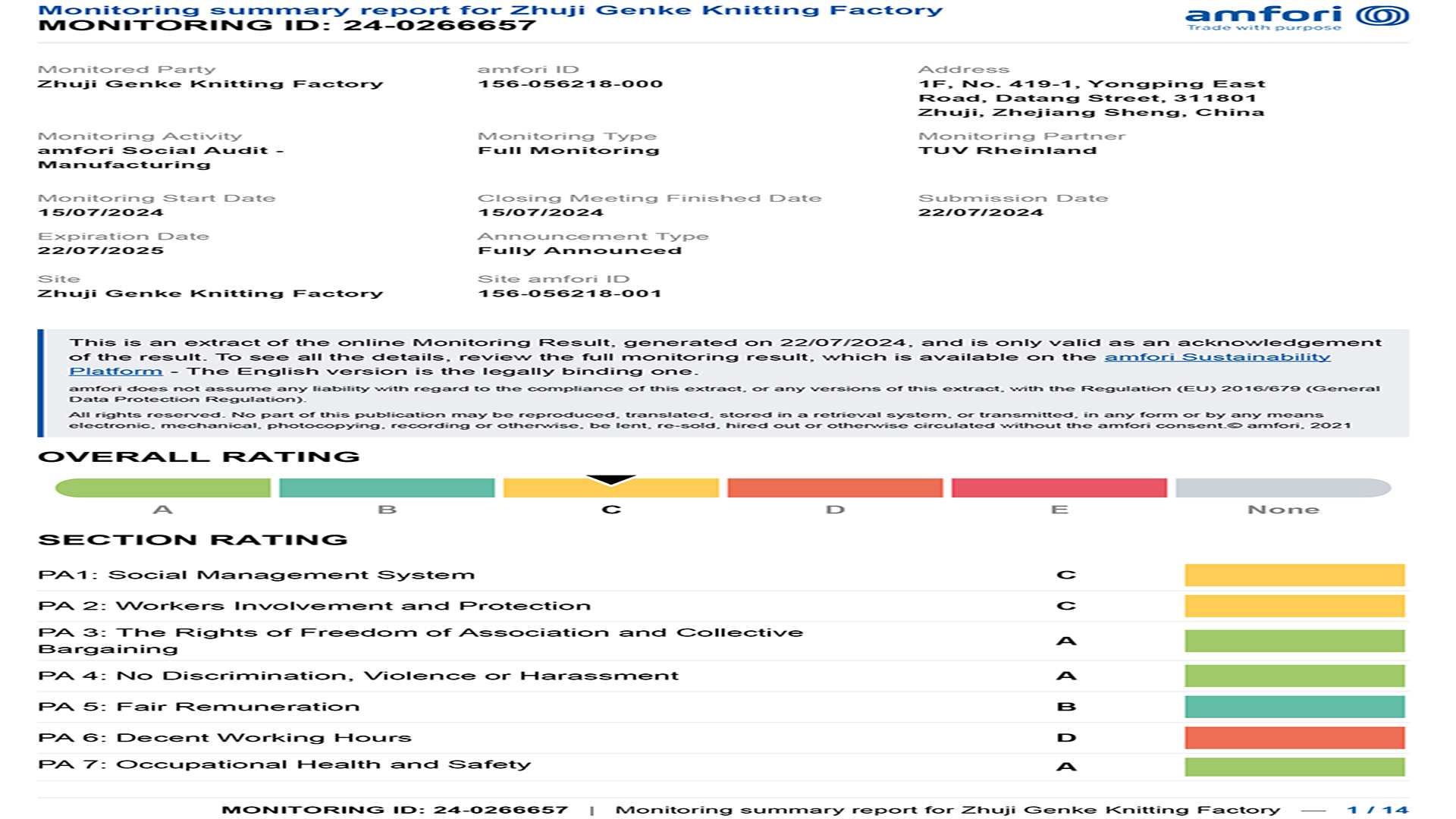
- Ethical Manufacturing Audits: BSCI certification confirms that manufacturing facilities uphold fair labor standards, operational safety, and ethical workplace practices.
- Customs Clearance Essentials: Having a complete documentation portfolio—including Commercial Invoices, Bills of Lading, Packing Lists, and Certificates of Origin—ensures smooth cross-border customs processing.
- Diverse Commercial Applications: Proper compliance safeguards inventory distributed through fitness studios, boutique wellness shops, corporate giveaways, and mainstream retail stores.
In-Depth Compliance & Manufacturing Breakdown
1. Raw Material Safety & Toxicological Testing
Because Pilates and yoga grip socks endure prolonged, direct contact with skin during rigorous physical activity, raw material safety is paramount. Certification under OEKO-TEX Standard 100 (Certificate 26.HCN.34091) confirms that all structural elements—including combed cotton, spandex, nylon, polyester, and secondary anti-slip silicone or PVC surface treatments—meet human-ecological safety requirements.
2. Supply Chain Ethics and Factory Auditing
Major retail networks across Europe, North America, and Australia mandate full visibility into workplace standards. Compliance with the Business Social Compliance Initiative (BSCI Audit 25-0339304) serves as proof that production facilities operate under fair labor conditions, respect regulated working hours, and maintain strict occupational safety protocols across the supply chain.
3. Manufacturing Excellence and Quality Assurance
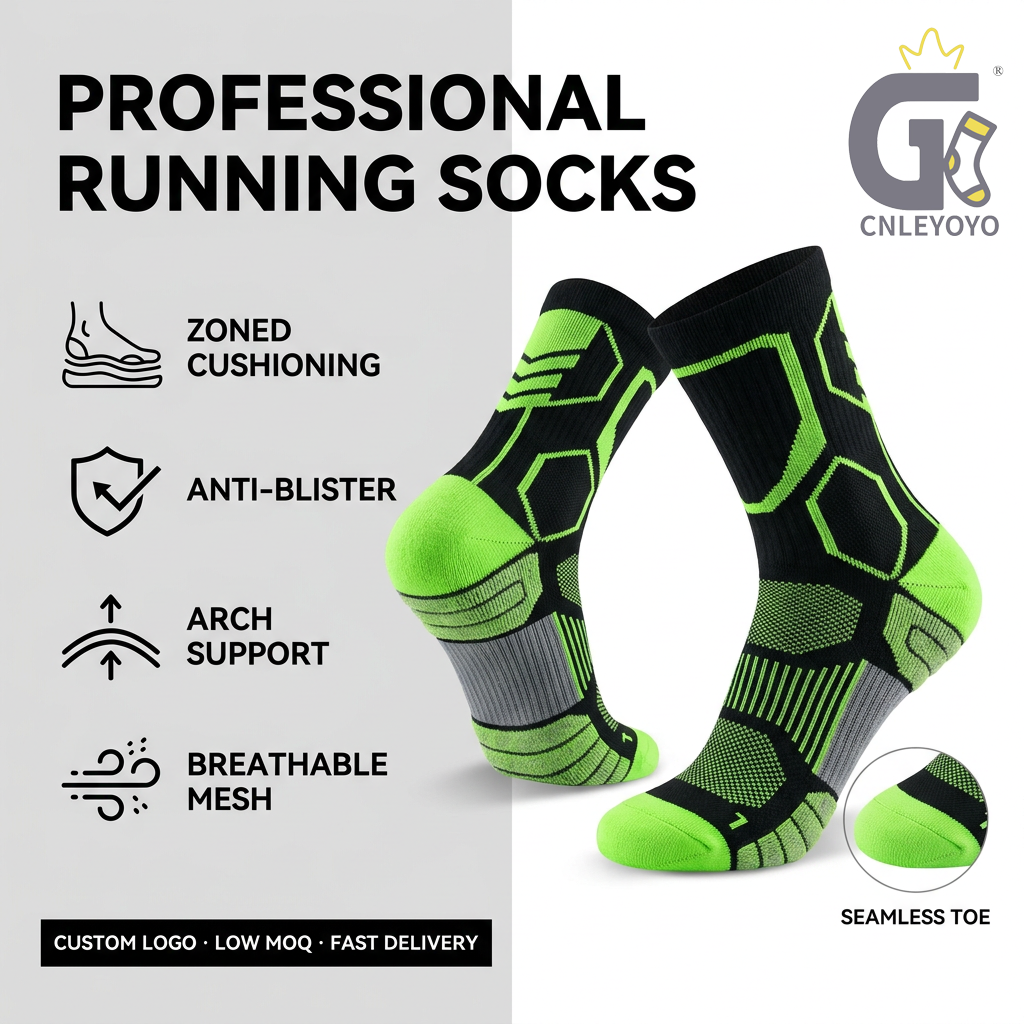
Ensuring that high-volume orders consistently comply with international standards depends on sophisticated facility infrastructure. Facilities operating over 200 high-speed computerized jacquard units and 360° seamless heat transfer machinery carry out comprehensive internal monitoring. A multi-tier quality assurance framework featuring 100% manual inspections ensures durable gripper attachment, seamless toe construction, and structural resilience.
Certification and Document Comparison Matrix
The matrix below outlines the fundamental compliance documentation required for commercial retail importation of athletic grip socks.
| Document / Certification | Primary Scope & Purpose | Market Relevance | Verification Method |
|---|---|---|---|
| OEKO-TEX Standard 100 (Cert: 26.HCN.34091) | Chemical safety, non-toxic dyes, yarn integrity, silicone grip safety | Essential for direct skin-contact activewear globally | Third-party laboratory testing of materials and finished products |
| BSCI Social Audit (Cert: 25-0339304) | Fair labor standards, workplace health, and social ethics | Required by leading North American & European retail buyers | On-site supply chain audit by accredited third-party inspectors |
| Customs Entry Documentation (DDP/DDU) | Bill of Lading, Packing List, Commercial Invoice, Certificate of Origin | Mandatory for legal entry, customs processing, and duty valuation | Cross-border logistics and customs authority review |
Frequently Asked Questions
Q1: Why is OEKO-TEX Standard 100 vital when sourcing grip socks for retail?
A1: OEKO-TEX Standard 100 guarantees that all sock components—from elastic bands to non-slip silicone pads—are free from harmful levels of toxic substances, ensuring compliance with global consumer health standards.
Q2: Which paperwork is essential for clearing customs during import?
A2: Customs entry requires a Commercial Invoice, Packing List, Certificate of Origin, and Bill of Lading (or Air Waybill). Under DDP terms, the freight handler manages customs formalities and duty payments prior to final delivery.
Q3: What are standard lead times and MOQs for compliant sock manufacturing?
A3: Custom orders generally support low MOQs starting at 100 pairs per design. Rapid sampling requires 3 to 7 business days, while mass manufacturing takes approximately 25 to 30 business days.
Summary & Buyer Guidance
Securing retail-ready Pilates and yoga socks requires careful verification of raw material safety (OEKO-TEX Standard 100) and factory labor compliance (BSCI). Partnering with an experienced OEM/ODM manufacturer that conducts 100% manual quality inspections minimizes operational risks across international trade. Flexible purchasing terms, such as low minimum order quantities (100 pairs) and secure payment arrangements (T/T with deposit or Trade Assurance), allow retailers to scale inventory efficiently. For tailored manufacturing inquiries or documentation support, contact happygu@cnleyoyo.com.
Company Profile
Yiwu Genke Apparel Co., Ltd. is a specialized hosiery manufacturer with over a decade of expertise in customized sock production. Established in 2016, the company operates a 1,200 m² facility with 89 skilled workers, running more than 200 computerized jacquard machines and specialized silicone dispensing equipment to yield an annual output of 12 million pairs. Holding official BSCI and OEKO-TEX certifications, the business serves international clients across sports wellness, boutique retail, and promotional branding sectors. 
REPORT