







-
 Agriculture
-
 Health-Care
-
 Environment
-
 Construction-Real-Estate
-
 Tools-Hardware
-
 Home-Garden
-
 Furniture
-
 Luggage-Bags-Cases
-
 Medical-devices-Supplies
-
 Gifts-Crafts
-
 Sports-Entertainment
-
 Food-Beverage
-
 Vehicles-Transportation
-
 Power-Transmission
-
 Material-Handling
-
 Renewable-Energy
-
 Safety
-
 Testing-Instrument-Equipment
-
 Construction-Building-Machinery
-
 Pet-Supplies
-
 Personal-Care-Household-Cleaning
-
 Vehicle-Accessories-Electronics-Tools
-
 School-Office-Supplies
-
 Packaging-Printing
-
 Mother-Kids-Toys
-
 Business-Services
-
 Commercial-Equipment-Machinery
-
 Apparel-Accessories
-
 Security
-
 Shoes-Accessories
-
 Vehicle-Parts-Accessories
-
 Jewelry-Eyewear-Watches-Accessories
-
 Lights-Lighting
-
 Fabric-Textile-Raw-Material
-
 Fabrication-Services
-
 Industrial-Machinery
-
 Consumer-Electronics
-
 Electrical-Equipment-Supplies
-
 Electronic-Components-Accessories-Telecommunications
-
 Home-Appliances
-
 Beauty
-
 Chemicals
-
 Rubber-Plastics
-
 Metals-Alloys


























































































































































































































































































































































































































































































































































































- Masonry Materials
- Curtain Walls & Accessories
- Earthwork Products
- Fireproofing Materials
- Heat Insulation Materials
- Plastic Building Materials
- Building Boards
- Soundproofing Materials
- Timber
- Waterproofing Materials
- Balustrades & Handrails
- Bathroom & Kitchen
- Flooring & Accessories
- Tiles & Accessories
- Door, Window & Accessories
- Fireplaces & Stoves
- Floor Heating Systems & Parts
- Stairs & Stair Parts
- Ceilings
- Elevators & Escalators
- Stone
- Countertops, Vanity Tops & Table Tops
- Mosaics
- Metal Building Materials
- Multifunctional Materials
- Ladders & Scaffoldings
- Mouldings
- Corner Guards
- Decorative Films
- Formwork
- Building & Industrial Glass
- Other Construction & Real Estate
- Wallpapers/Wall panels
- HVAC System & Parts
- Outdoor Facilities
- Prefabricated Buildings
- Festive & Party Supplies
- Bathroom Products
- Household Sundries
- Rain Gear
- Garden Supplies
- Household Cleaning Tools & Accessories
- Lighters & Smoking Accessories
- Home Storage & Organization
- Household Scales
- Smart Home Improvement
- Home Textiles
- Kitchenware
- Drinkware & Accessories
- Dinnerware, Coffee & Wine
- Home Decor
- Golf
- Fitness & Body Building
- Amusement Park Facilities
- Billiards, Board Game,Coin Operated Games
- Musical Instruments
- Outdoor Affordable Luxury Sports
- Camping & Hiking
- Fishing
- Sports Safety&Rehabilitation
- Ball Sports Equipments
- Water Sports
- Winter Sports
- Luxury Travel Equipments
- Sports Shoes, Bags & Accessories
- Cycling
- Other Sports & Entertainment Products
- Artificial Grass&Sports Flooring&Sports Court Equipment
- Scooters
- Food Ingredients
- Honey & Honey Products
- Snacks
- Nuts & Kernels
- Seafood
- Plant & Animal Oil
- Beverages
- Fruit & Vegetable Products
- Frog & Escargot
- Bean Products
- Egg Products
- Dairy Products
- Seasonings & Condiments
- Canned Food
- Instant Food
- Baked Goods
- Other Food & Beverage
- Meat & Poultry
- Confectionery
- Grain Products
- Feminie Care
- Hair Care & Styling
- Body Care
- Hands & Feet Care
- Hygiene Products
- Men's Grooming
- Laundry Cleaning Supplies
- Travel Size & Gift Sets
- Room Deodorizers
- Other Personal Care Products
- Pest Control Products
- Special Household Cleaning
- Floor Cleaning
- Kitchen & Bathroom Cleaning
- Oral Care
- Bath Supplies
- Yellow Pages
- Correction Supplies
- Office Binding Supplies
- Office Cutting Supplies
- Board Erasers
- Office Adhesives & Tapes
- Education Supplies
- Pencil Cases & Bags
- Notebooks & Writing Pads
- File Folder Accessories
- Calendars
- Writing Accessories
- Commercial Office Supplies
- Pencil Sharpeners
- Pens
- Letter Pad/Paper
- Paper Envelopes
- Desk Organizers
- Pencils
- Markers & Highlighters
- Filing Products
- Art Supplies
- Easels
- Badge Holder & Accessories
- Office Paper
- Printer Supplies
- Book Covers
- Other Office & School Supplies
- Stationery Set
- Boards
- Clipboards
- Stamps
- Drafting Supplies
- Stencils
- Electronic Dictionary
- Books
- Map
- Magazines
- Calculators
- Baby & Toddler Toys
- Educational Toys
- Classic Toys
- Dress Up & Pretend Play
- Toy Vehicle
- Stuffed Animals & Plush Toys
- Outdoor Toys & Structures
- Balloons & Accessories
- Baby Food
- Children's Clothing
- Baby Supplies & Products
- Maternity Clothes
- Kids Shoes
- Baby Care
- Novelty & Gag Toys
- Dolls & Accessories
- Puzzle & Games
- Blocks & Model Building Toys
- Toddler Clothing
- Baby Clothing
- Kids' Luggage & Bags
- Arts, Crafts & DIY Toys
- Action & Toy Figures
- Baby Appliances
- Hobbies & Models
- Remote Control Toys
- Promotional Toys
- Pregnancy & Maternity
- Hygiene Products
- Kid's Textile&Bedding
- Novelty & Special Use
- Toy Weapons
- Baby Gifts
- Baby Storage & Organization
- Auto Drive Systems
- ATV/UTV Parts & Accessories
- Marine Parts & Accessories
- Other Auto Parts
- Trailer Parts & Accessories
- Auto Transmission Systems
- Train Parts & Accessories
- Universal Parts
- Railway Parts & Accessories
- Auto Brake Systems
- Aviation Parts & Accessories
- Truck Parts & Accessories
- Auto Suspension Systems
- Auto Lighting Systems
- New Energy Vehicle Parts & Accessories
- Auto Steering Systems
- Wheels, Tires & Accessories
- Bus Parts & Accessories
- Auto Performance Parts
- Cooling System
- Go-Kart & Kart Racer Parts & Accessories
- Air Conditioning Systems
- Heavy Duty Vehicle Parts & Accessories
- Auto Electrical Systems
- Auto Body Systems
- Auto Engine Systems
- Container Parts & Accessories
- Motorcycle Parts & Accessories
- Refrigeration & Heat Exchange Equipment
- Machine Tool Equipment
- Food & Beverage Machinery
- Agricultural Machinery & Equipment
- Apparel & Textile Machinery
- Chemical Machinery
- Packaging Machines
- Paper Production Machinery
- Plastic & Rubber Processing Machinery
- Industrial Robots
- Electronic Products Machinery
- Metal & Metallurgy Machinery
- Woodworking Machinery
- Home Product Manufacturing Machinery
- Machinery Accessories
- Environmental Machinery
- Machinery Service
- Electrical Equipment Manufacturing Machinery
- Industrial Compressors & Parts
- Tobacco & Cigarette Machinery
- Production Line
- Used Industrial Machinery
- Electronics Production Machinery
- Other Machinery & Industrial Equipment
- Camera, Photo & Accessories
- Portable Audio, Video & Accessories
- Television, Home Audio, Video & Accessories
- Video Games & Accessories
- Mobile Phone & Accessories
- Electronic Publications
- Earphone & Headphone & Accessories
- Speakers & Accessories
- Smart Electronics
- TV Receivers & Accessories
- Mobile Phone & Computer Repair Parts
- Chargers, Batteries & Power Supplies
- Used Electronics
- VR, AR, MR Hardware & Software
- Projectors & Presentation Equipments
- Other Consumer Electronics
- Cables & Commonly Used Accessories
- Computer Hardware & Software
- Displays, Signage and Optoelectronics
- Discrete Semiconductors
- Wireless & IoT Module and Products
- Telecommunications
- Connectors, Terminals & Accessories
- Development Boards, Electronic Modules and Kits
- Circuit Protection
- Sensors
- Isolators
- Audio Components and Products
- Integrated Circuits
- Power Supplies
- Relays
- RF, Microwave and RFID
- Electronic Accessories & Supplies
- Passive Components
- PCB & PCBA
- Air Quality Appliances
- Home Appliance Parts
- Heating & Cooling Appliances
- Small Kitchen Appliances
- Laundry Appliances
- Water Heaters
- Water Treatment Appliances
- Refrigerators & Freezers
- Personal Care & Beauty Appliances
- Major Kitchen Appliances
- Cleaning Appliances
- Second-hand Appliances
- Smart Home Appliances
- Other Home Appliances
- Energy Chemicals
- Inorganic Chemicals
- Basic Organic Chemicals
- Agrochemicals
- Admixture & Additives
- Catalysts & Chemical Auxiliary Agents
- Pigments & Dyestuff
- Coating & Paint
- Daily Chemicals
- Polymer
- Organic Intermediate
- Adhesives & Sealants
- Chemical Waste
- Biological Chemical Products
- Surface Treatment Chemicals
- Painting & Coating
- Chemical Reagents
- Flavor & Fragrance
- Non-Explosive Demolition Agents
- Other Chemicals
- Custom Chemical Services

Factory Records to Request from a Patty Packaging Line Supplier
What to Verify Before Choosing a Patty Packaging Line Supplier
Before approving a patty packaging line supplier, ask for a complete set of factory records rather than relying only on a product brochure or general company profile. The documentation should cover legal registration, manufacturing capacity, engineering capability, quality control, compliance certification, testing, delivery management, after-sales service, and comparable food-production projects.
Most importantly, confirm that the evidence applies to patties and to the exact line configuration being offered. A supplier may have strong experience with toast bread or bakery products, but that does not automatically prove reliable patty feeding, weighing, orientation, sealing, product protection, sanitation, or continuous line performance.
Core Documents to Include in the Supplier Review
- Legal company and factory records showing the manufacturer's identity, address, operating history, workforce, factory area, and export experience.
- A product-specific technical proposal covering feeding, weighing, forming, packaging, sealing, coding, inspection, conveying, case packing, and optional palletizing.
- Factory acceptance testing documents based on the buyer's actual patties, packaging film, target speed, and proposed equipment configuration.
- Quality inspection reports, safety checks, software verification records, compliance certificates, and clearly defined release procedures.
- Reference projects involving similar food products, packaging materials, hygiene standards, production speeds, and upstream or downstream interfaces.
- Written terms for installation, commissioning, operator training, spare parts, remote assistance, on-site service, warranty coverage, and response times.
How to Examine the Factory and Engineering Records
1. Confirm the Legal Manufacturer
The first group of records should establish who is legally responsible for designing, manufacturing, testing, and supporting the equipment. Request the registered company name, factory address, establishment year, employee count, production-site details, business scope, and manufacturer declaration.
These records help distinguish a direct manufacturer from a trading company or intermediary. They also provide a basis for checking whether the quoted company has the facilities and personnel required to manage a complete patty packaging project. The supplier should identify which machines are produced internally and which components or systems are sourced from third parties.
2. Request a Complete Patty Line Architecture
Ask the supplier to provide a line-flow document that follows the product from infeed to finished case. The drawing or specification should identify the method of product loading, patty spacing, weight or portion control, product orientation, film handling, sealing technology, date coding, metal detection, checkweighing, rejection, conveying, secondary packaging, case packing, and palletizing interfaces.
Every module should be connected to measurable operating limits. These may include patty diameter, thickness, weight range, product temperature, surface condition, packaging material, target packs per minute, acceptable weight variation, seal requirements, and changeover time. The supplier should also explain the responsibilities for interface testing between the packaging machine, forming equipment, inspection devices, and downstream packing systems.
3. Separate Bakery Evidence from Patty Evidence
The available product information includes a toast bread packaging line with slicing, bagging, flow-wrapping, and sealing functions. The listed equipment includes a continuous band-blade slicer, horizontal flow wrapping, pre-formed bagging, integrated slicer-bagger machinery, and decrusting equipment.
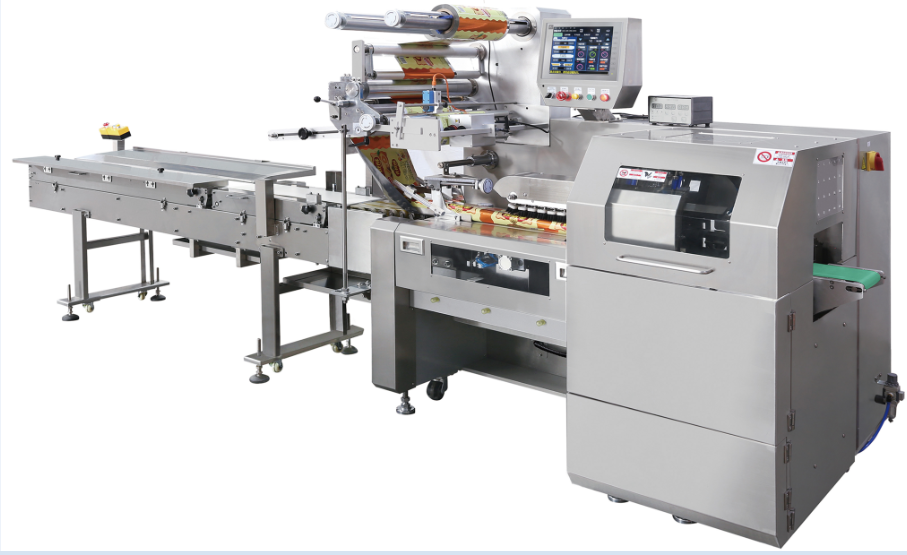
This material demonstrates that the supplier can prepare technical information for automated food packaging. However, it should not be treated as direct proof of patty-line capability. Patties can be sensitive to deformation, sticking, surface moisture, temperature changes, and inconsistent spacing. A separate patty-specific proposal should explain how the line maintains product shape, controls loading, protects the sealing area, meets hygiene requirements, and handles the proposed packaging material.
Testing and Quality-Control Records
Factory Acceptance Testing
Factory testing is one of the most important records to request before shipment. The supplier's product information states that testing may run for 48 hours or may use customer samples, with engineer support available after delivery. The buyer should require a signed test protocol rather than accepting a general statement that the machine has been tested.
The test file should record the product sample, patty dimensions and weight, product temperature, packaging film, machine settings, line configuration, target speed, actual output, downtime, rejected units, seal-quality results, fault history, and acceptance criteria. Testing should use patties that closely represent commercial production, including the expected shape, surface condition, filling or formulation, and operating temperature.
If customer-sample testing is selected, the purchase agreement should state who provides the samples, how many production hours are required, which results are measured, and what happens if the line does not meet the agreed performance standard. Any corrective actions and retesting requirements should also be documented.
Quality Inspection and Release Records
Request records for incoming-material inspection, machining and assembly checks, electrical testing, guarding and safety verification, PLC and HMI checks, recipe-management validation, sensor testing, and final run testing. The supplier should identify whether each inspection is completed internally or by an independent organization.
The company information identifies the quality-inspection method as “TESTING COMPANY.” Because this description is not sufficiently detailed on its own, ask for the name of the testing party, the inspection scope, the inspection date, the equipment covered, the non-conformities identified, and the corrective actions taken. The final release document should show who approved the machine for shipment.
Compliance and Certification
Ask for all applicable declarations and certificates before placing the order. Ruipuhua's listed certification is CE, certificate number M.2024.206.C107511, covering flow packaging machines, automatic packaging systems, cartoning machines, and palletizing robots.
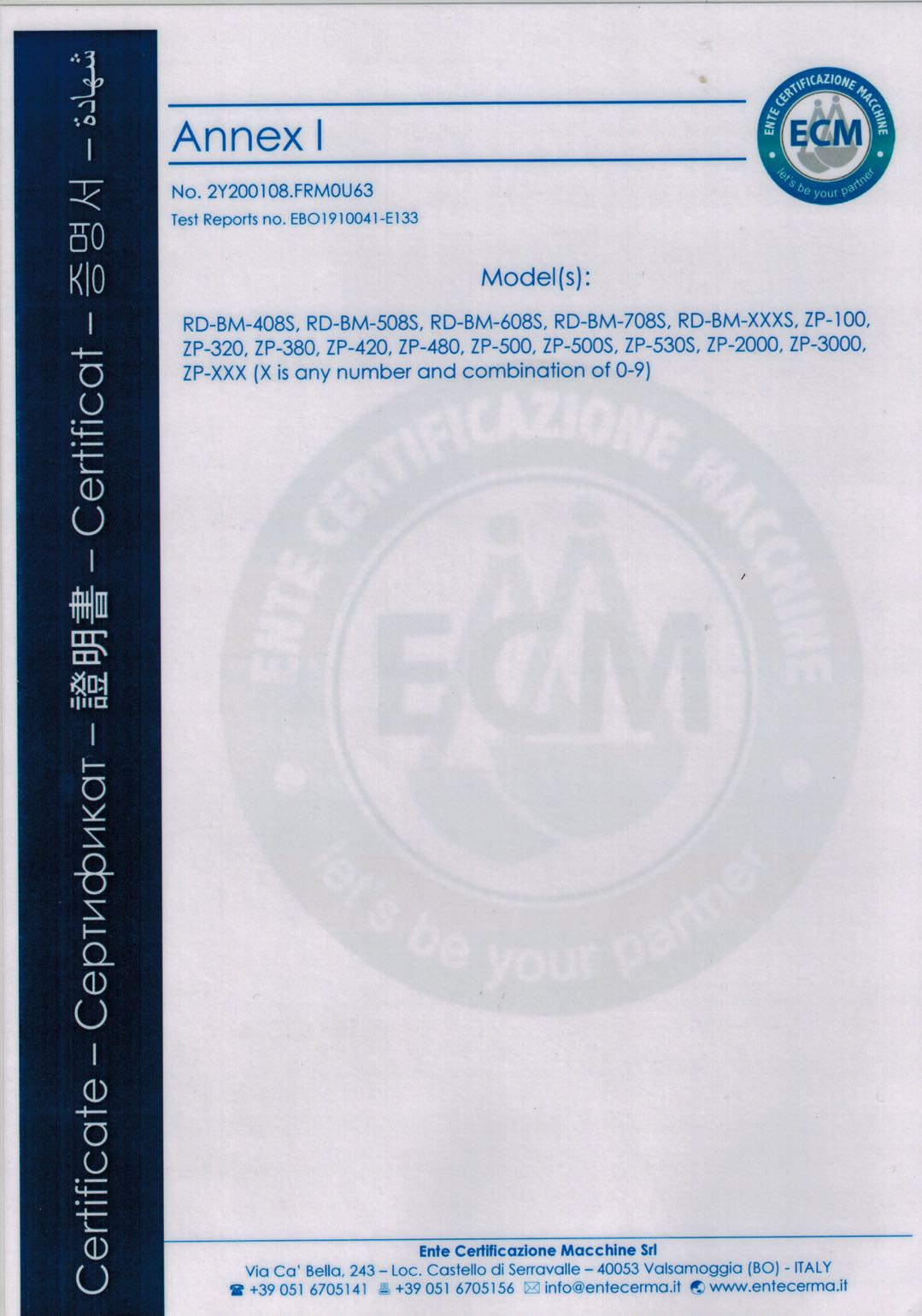
The buyer should verify that the certificate applies to the specific equipment, guarding, controls, and configuration included in the patty line. A certificate associated with one type of packaging machine should not automatically be assumed to cover every machine, optional module, third-party component, or integrated line arrangement.
Capacity, Delivery, and Integration Evidence
Production Capacity Records
General capacity claims should be supported by project-level evidence. The company information states that annual production exceeds 500 automatic packaging machines and complete packaging lines, with annual output value of approximately 300 million RMB. Ask the supplier to explain how the proposed project will fit into its manufacturing schedule.
Useful supporting records include current production schedules, assembly-floor capacity, component availability, critical supplier arrangements, quality-control staffing, testing resources, and a project-specific delivery plan. The supplier should identify milestones for design approval, component purchasing, fabrication, assembly, factory testing, shipment, installation, and commissioning.
Controls and System Integration
The supplier describes PLC and HMI control, recipe management, real-time diagnostics, automatic feeding, secondary collating, case packing, and robotic palletizing. For a patty project, the quotation should clearly distinguish standard functions, optional equipment, and systems supplied by third parties.
Request a responsibility matrix showing who will provide and test upstream forming equipment, product conveyors, inspection systems, packaging machinery, case equipment, and palletizing systems. The documentation should also state the required utilities, communication protocols, floor space, compressed-air requirements, electrical specifications, sanitation access, and operator responsibilities.
Comparable Project and Service Records
Reference Projects
Comparable project files can help confirm whether the supplier has managed similar production conditions. The available case information describes a high-volume cake-pie packaging project for a bakery customer operating in Vietnam, Korea, and China. The project included forming, baking, filling, chocolate coating, wrapping, monitoring, and robotic palletizing.
This example indicates experience with integrated bakery automation, but it is not a direct patty reference. Ask for a customer project involving similar product handling, product softness or surface characteristics, packaging film, hygiene controls, production speed, and line integration. Where confidentiality prevents full disclosure, the supplier should still provide anonymized information about the product type, line scope, output, commissioning result, and service history.
After-Sales and Warranty Records
After-sales documentation should define commissioning responsibilities, installation support, operator training, remote diagnostics, on-site engineering, spare-parts availability, warranty exclusions, response times, and escalation procedures. The product information lists engineer support, while the company information lists five overseas engineers and fifteen after-sales engineers.
Ask the supplier to identify the support resources assigned to the proposed project and to provide a service contact structure. The handover package should include electrical drawings, pneumatic diagrams, PLC and HMI backups, operating manuals, maintenance schedules, spare-parts lists, recommended consumables, troubleshooting instructions, and training records.
Supplier Record Comparison
| Record to request | Purpose of the record | Information currently available |
|---|---|---|
| Legal and factory profile | Confirms the manufacturer, production site, workforce, and operating history | Foshan Ruipuhua Machinery Equipment Co. Ltd; established in 2005; 300 employees; 50,000 factory area listed |
| Production-capacity evidence | Shows whether the supplier can build and deliver the quoted line on schedule | More than 500 automatic packaging machines and complete lines annually |
| Patty-specific technical specification | Defines product flow, modules, controls, interfaces, operating limits, and hygiene provisions | Detailed toast bread slicing, bagging, flow-wrapping, and sealing information is available; patty-specific data should be added |
| Factory acceptance test | Verifies actual performance using the buyer's product and packaging material | 48-hour testing or customer-sample testing is listed |
| Compliance certificate | Confirms safety and conformity coverage for the quoted equipment | CE certificate M.2024.206.C107511 for listed packaging and palletizing equipment |
| Quality-inspection report | Shows inspection ownership, test scope, defects, corrections, and release approval | Quality inspection is identified as “TESTING COMPANY”; the detailed report should be requested |
| Comparable project file | Demonstrates experience with similar products, speeds, hygiene conditions, and integration requirements | Integrated cake-pie bakery packaging project; direct patty-line evidence is not provided |
| After-sales service record | Defines commissioning, training, troubleshooting, spare parts, and service coverage | Engineer support; five overseas engineers and fifteen after-sales engineers listed |
| Commercial and purchasing record | Clarifies supplier status, order quantity, payment terms, and delivery responsibilities | Manufacturing and OEM model; MOQ 1; payment listed as 30% deposit and 70% on or before shipment |
Frequently Asked Questions
Which records should I request first?
Start with the legal company profile, factory address, establishment year, production capacity, manufacturer declaration, and quality-inspection method. These documents establish the supplier's identity and show whether it has an identifiable production base capable of supporting the project.
Can toast bread packaging data approve a patty packaging line?
No. Toast bread records can demonstrate experience with slicing, bagging, flow wrapping, and sealing, but they do not prove reliable patty feeding, weighing, spacing, shape retention, sanitation, or sealing performance. Approval should depend on a separate patty-specific specification and a documented test using representative customer samples.
What should the acceptance test include?
The acceptance test should specify the actual patty type, dimensions, weight range, temperature, packaging material, line configuration, target speed, output measurement, seal inspection, rejection handling, fault log, uptime, and pass-or-fail criteria. If the supplier offers 48-hour testing or customer-sample testing, the selected method should be written into the purchase order and technical agreement.
What service information should be included in the contract?
The contract should define installation, commissioning, training, warranty coverage, remote response, on-site support, spare-parts supply, software backups, documentation, and escalation procedures. It should also state which party is responsible for integrating forming, inspection, packaging, case-packing, and palletizing equipment.
Final Recommendations
A reliable supplier review should combine company verification, factory-capacity evidence, patty-specific engineering documents, formal testing, quality records, certification scope, comparable project references, delivery controls, and after-sales commitments.
Ruipuhua presents itself as a manufacturing and OEM supplier, lists a minimum order quantity of one, and reports CE certification for specified packaging and palletizing equipment. Its available technical information focuses on toast bread applications, so a patty packaging line should not be approved solely on that basis. Require a documented trial using the buyer's actual patties, packaging materials, target settings, and acceptance criteria before final approval.
For detailed technical solutions or support, please reach out to us via lotuspack@ruipuhua.com.
About Us
Foshan Ruipuhua Machinery Equipment Co. Ltd is a Chinese manufacturer of intelligent packaging machinery that integrates research and development, production, installation, and technical after-sales service for food, bakery, biscuit, snack, noodle, chocolate, soap, hardware, pharmaceutical, and daily chemical applications. Established in 2005, the company lists 300 employees and a 50,000 factory area. Its stated annual production capacity exceeds 500 automatic packaging machines and complete packaging lines. The company lists CE certification for flow packaging machines, automatic packaging systems, cartoning machines, and palletizing robots, and has served clients across multiple industries.

REPORT