







-
 Agriculture
-
 Health-Care
-
 Environment
-
 Construction-Real-Estate
-
 Tools-Hardware
-
 Home-Garden
-
 Furniture
-
 Luggage-Bags-Cases
-
 Medical-devices-Supplies
-
 Gifts-Crafts
-
 Sports-Entertainment
-
 Food-Beverage
-
 Vehicles-Transportation
-
 Power-Transmission
-
 Material-Handling
-
 Renewable-Energy
-
 Safety
-
 Testing-Instrument-Equipment
-
 Construction-Building-Machinery
-
 Pet-Supplies
-
 Personal-Care-Household-Cleaning
-
 Vehicle-Accessories-Electronics-Tools
-
 School-Office-Supplies
-
 Packaging-Printing
-
 Mother-Kids-Toys
-
 Business-Services
-
 Commercial-Equipment-Machinery
-
 Apparel-Accessories
-
 Security
-
 Shoes-Accessories
-
 Vehicle-Parts-Accessories
-
 Jewelry-Eyewear-Watches-Accessories
-
 Lights-Lighting
-
 Fabric-Textile-Raw-Material
-
 Fabrication-Services
-
 Industrial-Machinery
-
 Consumer-Electronics
-
 Electrical-Equipment-Supplies
-
 Electronic-Components-Accessories-Telecommunications
-
 Home-Appliances
-
 Beauty
-
 Chemicals
-
 Rubber-Plastics
-
 Metals-Alloys


























































































































































































































































































































































































































































































































































































- Masonry Materials
- Curtain Walls & Accessories
- Earthwork Products
- Fireproofing Materials
- Heat Insulation Materials
- Plastic Building Materials
- Building Boards
- Soundproofing Materials
- Timber
- Waterproofing Materials
- Balustrades & Handrails
- Bathroom & Kitchen
- Flooring & Accessories
- Tiles & Accessories
- Door, Window & Accessories
- Fireplaces & Stoves
- Floor Heating Systems & Parts
- Stairs & Stair Parts
- Ceilings
- Elevators & Escalators
- Stone
- Countertops, Vanity Tops & Table Tops
- Mosaics
- Metal Building Materials
- Multifunctional Materials
- Ladders & Scaffoldings
- Mouldings
- Corner Guards
- Decorative Films
- Formwork
- Building & Industrial Glass
- Other Construction & Real Estate
- Wallpapers/Wall panels
- HVAC System & Parts
- Outdoor Facilities
- Prefabricated Buildings
- Festive & Party Supplies
- Bathroom Products
- Household Sundries
- Rain Gear
- Garden Supplies
- Household Cleaning Tools & Accessories
- Lighters & Smoking Accessories
- Home Storage & Organization
- Household Scales
- Smart Home Improvement
- Home Textiles
- Kitchenware
- Drinkware & Accessories
- Dinnerware, Coffee & Wine
- Home Decor
- Golf
- Fitness & Body Building
- Amusement Park Facilities
- Billiards, Board Game,Coin Operated Games
- Musical Instruments
- Outdoor Affordable Luxury Sports
- Camping & Hiking
- Fishing
- Sports Safety&Rehabilitation
- Ball Sports Equipments
- Water Sports
- Winter Sports
- Luxury Travel Equipments
- Sports Shoes, Bags & Accessories
- Cycling
- Other Sports & Entertainment Products
- Artificial Grass&Sports Flooring&Sports Court Equipment
- Scooters
- Food Ingredients
- Honey & Honey Products
- Snacks
- Nuts & Kernels
- Seafood
- Plant & Animal Oil
- Beverages
- Fruit & Vegetable Products
- Frog & Escargot
- Bean Products
- Egg Products
- Dairy Products
- Seasonings & Condiments
- Canned Food
- Instant Food
- Baked Goods
- Other Food & Beverage
- Meat & Poultry
- Confectionery
- Grain Products
- Feminie Care
- Hair Care & Styling
- Body Care
- Hands & Feet Care
- Hygiene Products
- Men's Grooming
- Laundry Cleaning Supplies
- Travel Size & Gift Sets
- Room Deodorizers
- Other Personal Care Products
- Pest Control Products
- Special Household Cleaning
- Floor Cleaning
- Kitchen & Bathroom Cleaning
- Oral Care
- Bath Supplies
- Yellow Pages
- Correction Supplies
- Office Binding Supplies
- Office Cutting Supplies
- Board Erasers
- Office Adhesives & Tapes
- Education Supplies
- Pencil Cases & Bags
- Notebooks & Writing Pads
- File Folder Accessories
- Calendars
- Writing Accessories
- Commercial Office Supplies
- Pencil Sharpeners
- Pens
- Letter Pad/Paper
- Paper Envelopes
- Desk Organizers
- Pencils
- Markers & Highlighters
- Filing Products
- Art Supplies
- Easels
- Badge Holder & Accessories
- Office Paper
- Printer Supplies
- Book Covers
- Other Office & School Supplies
- Stationery Set
- Boards
- Clipboards
- Stamps
- Drafting Supplies
- Stencils
- Electronic Dictionary
- Books
- Map
- Magazines
- Calculators
- Baby & Toddler Toys
- Educational Toys
- Classic Toys
- Dress Up & Pretend Play
- Toy Vehicle
- Stuffed Animals & Plush Toys
- Outdoor Toys & Structures
- Balloons & Accessories
- Baby Food
- Children's Clothing
- Baby Supplies & Products
- Maternity Clothes
- Kids Shoes
- Baby Care
- Novelty & Gag Toys
- Dolls & Accessories
- Puzzle & Games
- Blocks & Model Building Toys
- Toddler Clothing
- Baby Clothing
- Kids' Luggage & Bags
- Arts, Crafts & DIY Toys
- Action & Toy Figures
- Baby Appliances
- Hobbies & Models
- Remote Control Toys
- Promotional Toys
- Pregnancy & Maternity
- Hygiene Products
- Kid's Textile&Bedding
- Novelty & Special Use
- Toy Weapons
- Baby Gifts
- Baby Storage & Organization
- Auto Drive Systems
- ATV/UTV Parts & Accessories
- Marine Parts & Accessories
- Other Auto Parts
- Trailer Parts & Accessories
- Auto Transmission Systems
- Train Parts & Accessories
- Universal Parts
- Railway Parts & Accessories
- Auto Brake Systems
- Aviation Parts & Accessories
- Truck Parts & Accessories
- Auto Suspension Systems
- Auto Lighting Systems
- New Energy Vehicle Parts & Accessories
- Auto Steering Systems
- Wheels, Tires & Accessories
- Bus Parts & Accessories
- Auto Performance Parts
- Cooling System
- Go-Kart & Kart Racer Parts & Accessories
- Air Conditioning Systems
- Heavy Duty Vehicle Parts & Accessories
- Auto Electrical Systems
- Auto Body Systems
- Auto Engine Systems
- Container Parts & Accessories
- Motorcycle Parts & Accessories
- Refrigeration & Heat Exchange Equipment
- Machine Tool Equipment
- Food & Beverage Machinery
- Agricultural Machinery & Equipment
- Apparel & Textile Machinery
- Chemical Machinery
- Packaging Machines
- Paper Production Machinery
- Plastic & Rubber Processing Machinery
- Industrial Robots
- Electronic Products Machinery
- Metal & Metallurgy Machinery
- Woodworking Machinery
- Home Product Manufacturing Machinery
- Machinery Accessories
- Environmental Machinery
- Machinery Service
- Electrical Equipment Manufacturing Machinery
- Industrial Compressors & Parts
- Tobacco & Cigarette Machinery
- Production Line
- Used Industrial Machinery
- Electronics Production Machinery
- Other Machinery & Industrial Equipment
- Camera, Photo & Accessories
- Portable Audio, Video & Accessories
- Television, Home Audio, Video & Accessories
- Video Games & Accessories
- Mobile Phone & Accessories
- Electronic Publications
- Earphone & Headphone & Accessories
- Speakers & Accessories
- Smart Electronics
- TV Receivers & Accessories
- Mobile Phone & Computer Repair Parts
- Chargers, Batteries & Power Supplies
- Used Electronics
- VR, AR, MR Hardware & Software
- Projectors & Presentation Equipments
- Other Consumer Electronics
- Cables & Commonly Used Accessories
- Computer Hardware & Software
- Displays, Signage and Optoelectronics
- Discrete Semiconductors
- Wireless & IoT Module and Products
- Telecommunications
- Connectors, Terminals & Accessories
- Development Boards, Electronic Modules and Kits
- Circuit Protection
- Sensors
- Isolators
- Audio Components and Products
- Integrated Circuits
- Power Supplies
- Relays
- RF, Microwave and RFID
- Electronic Accessories & Supplies
- Passive Components
- PCB & PCBA
- Air Quality Appliances
- Home Appliance Parts
- Heating & Cooling Appliances
- Small Kitchen Appliances
- Laundry Appliances
- Water Heaters
- Water Treatment Appliances
- Refrigerators & Freezers
- Personal Care & Beauty Appliances
- Major Kitchen Appliances
- Cleaning Appliances
- Second-hand Appliances
- Smart Home Appliances
- Other Home Appliances
- Energy Chemicals
- Inorganic Chemicals
- Basic Organic Chemicals
- Agrochemicals
- Admixture & Additives
- Catalysts & Chemical Auxiliary Agents
- Pigments & Dyestuff
- Coating & Paint
- Daily Chemicals
- Polymer
- Organic Intermediate
- Adhesives & Sealants
- Chemical Waste
- Biological Chemical Products
- Surface Treatment Chemicals
- Painting & Coating
- Chemical Reagents
- Flavor & Fragrance
- Non-Explosive Demolition Agents
- Other Chemicals
- Custom Chemical Services

Functional Testing Guide for a Sliding Door Prototype
Evaluating a sliding door prototype requires more than confirming that it opens and closes. The assessment should cover travel smoothness, sash and frame alignment, hardware performance, glazing fit, daylight transmission, cleaning access, and stability after repeated operation. Each result should be recorded against the project drawings and agreed acceptance criteria.
Recommended Test Scope
- Operate the door through its complete travel range and check the handle and KIN LONG hardware.
- Review frame-to-sash alignment, clearances, fit, and any movement or interference during repeated cycles.
- Confirm that the glazed area provides the intended daylight transmission and can be cleaned effectively.
- Consider installation contexts such as balconies, sunrooms, courtyards, gardens, hotels, and apartment guest rooms.
How to Evaluate the Prototype
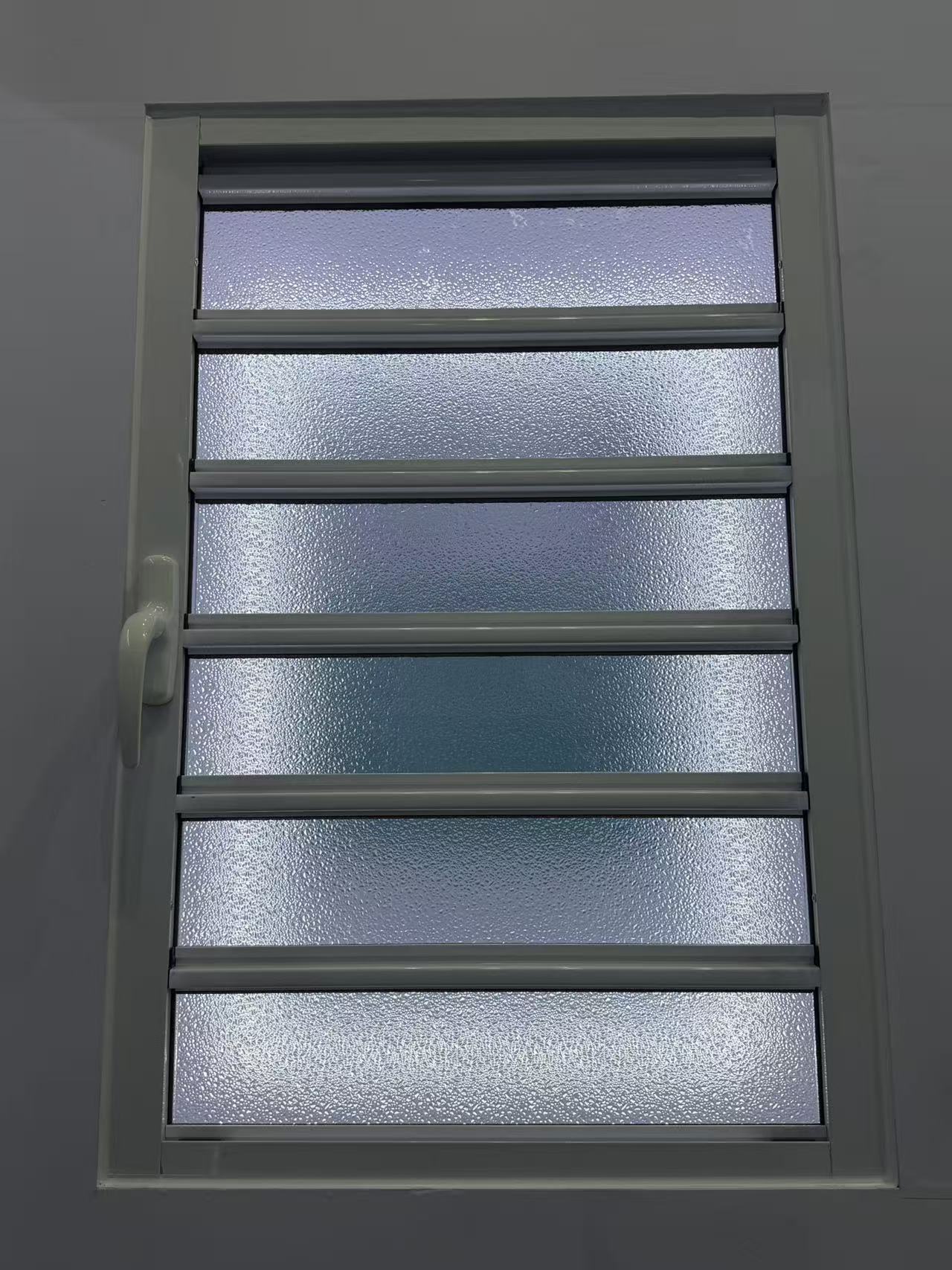
The reference product information describes a Glass Shutter rather than a fully defined sliding door system. It lists a 1.5 mm frame thickness, 1.6 mm sash thickness, a 9.6 mm glazing rebate, material data of 11 Kg/m2, KIN LONG hardware, daylight transmission, easy cleaning, and stable performance. These details can guide the review, but the prototype must ultimately be judged against its own engineering drawings and project requirements.
Operation and Hardware Performance
Begin with the door fully closed, then move the sash to its maximum open position and return it to the closed position. Check the entire path for smooth and repeatable movement. Confirm that the hardware engages correctly and that the sash does not rub, bind, wobble, or require unusual force. Note any abnormal resistance, noise, sticking, or contact between components.
Fit, Alignment, and Repeated-Use Stability
Run repeated opening and closing operations to determine whether the prototype preserves its original alignment and operating feel. Inspect the frame and sash for consistent clearances, visible deformation, looseness, or changes in fit. The supplied information does not state a cycle quantity, operating-force limit, impact load, or permitted clearance. Those numerical requirements should therefore come from the project specification rather than being inferred from the product data.
Glazing and Daylight Transmission
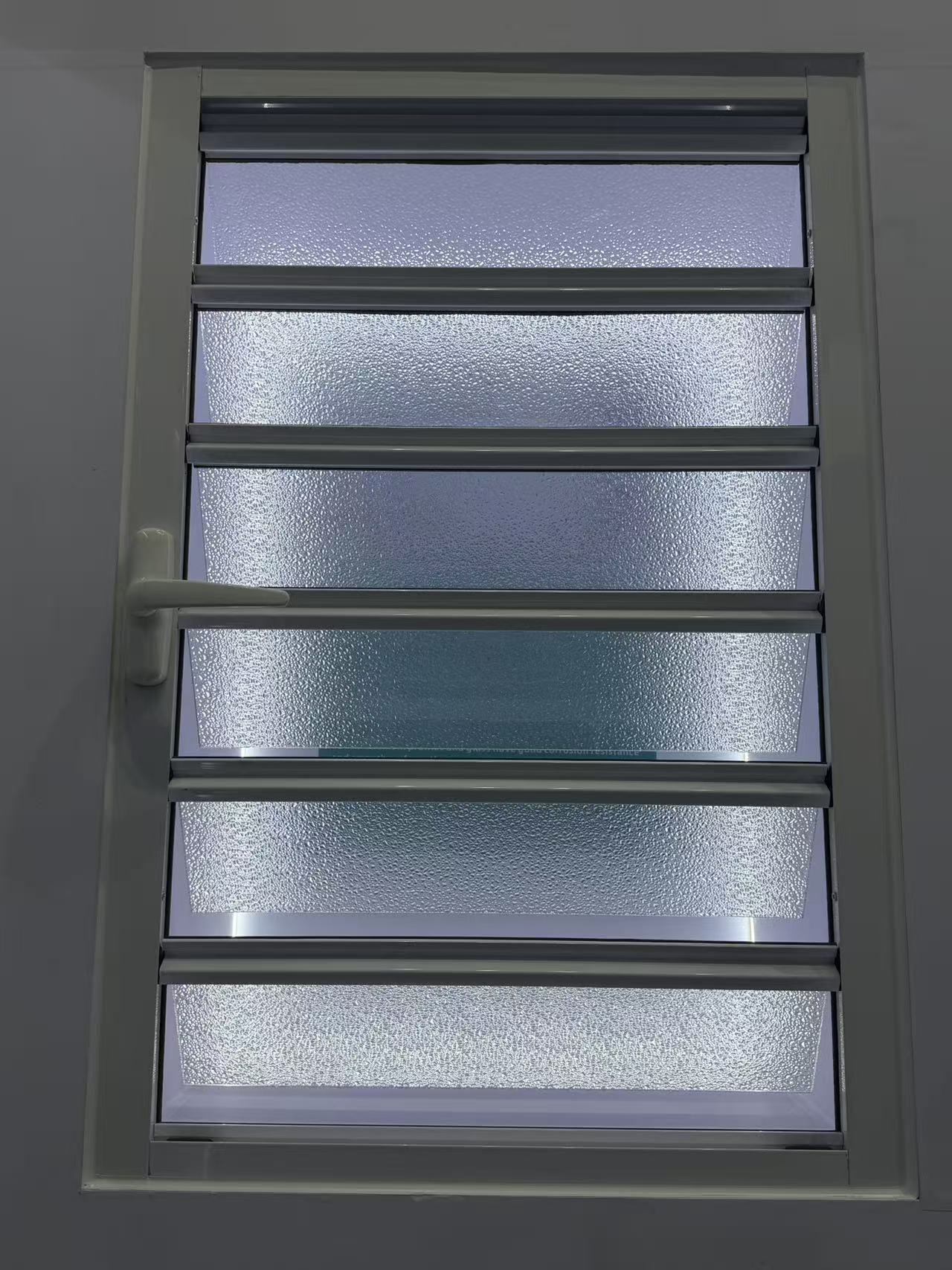
Inspect the glazed section in the intended installation configuration. Verify that the glass arrangement fits the 9.6 mm glazing rebate and that the frame, sash, seals, and hardware do not reduce the planned transparent area beyond the design allowance. Confirm that the finished assembly delivers the expected visual daylight passage. Since a complete glass specification is not provided, the prototype drawings and selected glass should define the final test criteria.
Cleaning Access and Sealing Interfaces
Check whether the accessible glass and frame surfaces can be reached and cleaned without unnecessary dismantling. Record locations that require special tools, excessive effort, or removal of components. This inspection reflects the stated easy-cleaning characteristic. Where sealing is part of the design, examine the contact between strips, corners, frame, and sash for continuity and visible defects.
Quality-Control References
The listed inspection process includes 100% production-line inspection, laboratory sampling and testing, and incoming inspection of raw materials. Xinhe Aluminium also identifies SGS material-quality inspection of the substrate and a CNAS laboratory accreditation certificate. These references may support the prototype verification plan, but they should be matched with the specific material certificates and test procedures required for the project.
A building project on Batam Island, Indonesia, reportedly used multiple sealing strips and glue-injected corner brackets in connection with air and water tightness. This example can be considered when reviewing sealing details, although the available information does not confirm that the same construction is used in the prototype being tested.
Functional Test Comparison
| Test category | Inspection focus | Reference information |
|---|---|---|
| Movement and hardware | Full opening and closing travel, smooth action, hardware engagement, and freedom from interference | KIN LONG hardware; performance must be confirmed on the prototype |
| Frame and sash fit | Alignment, clearances, deformation, looseness, and stability after repeated use | Frame: 1.5 mm; sash: 1.6 mm; stable performance stated |
| Glazing and light | Glass accommodation, visible light passage, and obstruction from profiles or hardware | Glazing rebate: 9.6 mm; daylight transmission stated |
| Cleaning | Reachability of glass and frame surfaces and any need for disassembly | Easy cleaning stated |
| Manufacturing quality | Raw-material checks, production inspection, and laboratory verification | 100% line inspection, laboratory sampling and testing, and incoming inspection |
Frequently Asked Questions
Can the Glass Shutter information be used as the complete sliding-door specification?
No. It supplies useful reference data for the frame, sash, glazing rebate, material, hardware, daylight, cleaning, and stability characteristics. Sliding-door-specific limits must be confirmed through the prototype design and project documents.
What problems should be documented during operation?
Record sticking, uneven travel, hardware failure, misalignment, visible instability, component interference, and any deterioration in fit after repeated cycles. The available product information does not establish numeric pass or fail limits.
How should quality checks be arranged?
Follow the stated sequence of incoming raw-material inspection, production-line 100% inspection, and laboratory sampling or testing. SGS substrate inspection and CNAS laboratory accreditation are listed as supporting quality references for Xinhe Aluminium.
Conclusion and Supplier Information
A reliable sliding door prototype should demonstrate controlled movement, working hardware, stable frame and sash geometry, suitable glazing accommodation, adequate daylight transmission, practical cleaning access, and consistent performance during repeated use. Define cycle counts, operating force, clearances, sealing performance, and other measurable limits before testing. The supplied company information also states that Xinhe Aluminium operates an industrial chain, distribution, and direct-sales model, with an aluminium-profile MOQ of 3 tons and a stated delivery period of 15-20 days. Technical enquiries can be sent to xh@xinhealuminium.com.
About Us
Guangdong Xinhe Aluminium Co., Ltd specializes in the research, development, and manufacture of building, decorative, and industrial aluminium profiles. Founded in 1998, the company operates a 666,670 sqm facility with 60 modern extrusion lines ranging from 1,100 to 5,000 tons in capacity. Its listed credentials include ISO 9001 quality management certification and CNAS laboratory accreditation, with products supplied to customers in several industries.

REPORT