







-
 Agriculture
-
 Health-Care
-
 Environment
-
 Construction-Real-Estate
-
 Tools-Hardware
-
 Home-Garden
-
 Furniture
-
 Luggage-Bags-Cases
-
 Medical-devices-Supplies
-
 Gifts-Crafts
-
 Sports-Entertainment
-
 Food-Beverage
-
 Vehicles-Transportation
-
 Power-Transmission
-
 Material-Handling
-
 Renewable-Energy
-
 Safety
-
 Testing-Instrument-Equipment
-
 Construction-Building-Machinery
-
 Pet-Supplies
-
 Personal-Care-Household-Cleaning
-
 Vehicle-Accessories-Electronics-Tools
-
 School-Office-Supplies
-
 Packaging-Printing
-
 Mother-Kids-Toys
-
 Business-Services
-
 Commercial-Equipment-Machinery
-
 Apparel-Accessories
-
 Security
-
 Shoes-Accessories
-
 Vehicle-Parts-Accessories
-
 Jewelry-Eyewear-Watches-Accessories
-
 Lights-Lighting
-
 Fabric-Textile-Raw-Material
-
 Fabrication-Services
-
 Industrial-Machinery
-
 Consumer-Electronics
-
 Electrical-Equipment-Supplies
-
 Electronic-Components-Accessories-Telecommunications
-
 Home-Appliances
-
 Beauty
-
 Chemicals
-
 Rubber-Plastics
-
 Metals-Alloys


























































































































































































































































































































































































































































































































































































- Masonry Materials
- Curtain Walls & Accessories
- Earthwork Products
- Fireproofing Materials
- Heat Insulation Materials
- Plastic Building Materials
- Building Boards
- Soundproofing Materials
- Timber
- Waterproofing Materials
- Balustrades & Handrails
- Bathroom & Kitchen
- Flooring & Accessories
- Tiles & Accessories
- Door, Window & Accessories
- Fireplaces & Stoves
- Floor Heating Systems & Parts
- Stairs & Stair Parts
- Ceilings
- Elevators & Escalators
- Stone
- Countertops, Vanity Tops & Table Tops
- Mosaics
- Metal Building Materials
- Multifunctional Materials
- Ladders & Scaffoldings
- Mouldings
- Corner Guards
- Decorative Films
- Formwork
- Building & Industrial Glass
- Other Construction & Real Estate
- Wallpapers/Wall panels
- HVAC System & Parts
- Outdoor Facilities
- Prefabricated Buildings
- Festive & Party Supplies
- Bathroom Products
- Household Sundries
- Rain Gear
- Garden Supplies
- Household Cleaning Tools & Accessories
- Lighters & Smoking Accessories
- Home Storage & Organization
- Household Scales
- Smart Home Improvement
- Home Textiles
- Kitchenware
- Drinkware & Accessories
- Dinnerware, Coffee & Wine
- Home Decor
- Golf
- Fitness & Body Building
- Amusement Park Facilities
- Billiards, Board Game,Coin Operated Games
- Musical Instruments
- Outdoor Affordable Luxury Sports
- Camping & Hiking
- Fishing
- Sports Safety&Rehabilitation
- Ball Sports Equipments
- Water Sports
- Winter Sports
- Luxury Travel Equipments
- Sports Shoes, Bags & Accessories
- Cycling
- Other Sports & Entertainment Products
- Artificial Grass&Sports Flooring&Sports Court Equipment
- Scooters
- Food Ingredients
- Honey & Honey Products
- Snacks
- Nuts & Kernels
- Seafood
- Plant & Animal Oil
- Beverages
- Fruit & Vegetable Products
- Frog & Escargot
- Bean Products
- Egg Products
- Dairy Products
- Seasonings & Condiments
- Canned Food
- Instant Food
- Baked Goods
- Other Food & Beverage
- Meat & Poultry
- Confectionery
- Grain Products
- Feminie Care
- Hair Care & Styling
- Body Care
- Hands & Feet Care
- Hygiene Products
- Men's Grooming
- Laundry Cleaning Supplies
- Travel Size & Gift Sets
- Room Deodorizers
- Other Personal Care Products
- Pest Control Products
- Special Household Cleaning
- Floor Cleaning
- Kitchen & Bathroom Cleaning
- Oral Care
- Bath Supplies
- Yellow Pages
- Correction Supplies
- Office Binding Supplies
- Office Cutting Supplies
- Board Erasers
- Office Adhesives & Tapes
- Education Supplies
- Pencil Cases & Bags
- Notebooks & Writing Pads
- File Folder Accessories
- Calendars
- Writing Accessories
- Commercial Office Supplies
- Pencil Sharpeners
- Pens
- Letter Pad/Paper
- Paper Envelopes
- Desk Organizers
- Pencils
- Markers & Highlighters
- Filing Products
- Art Supplies
- Easels
- Badge Holder & Accessories
- Office Paper
- Printer Supplies
- Book Covers
- Other Office & School Supplies
- Stationery Set
- Boards
- Clipboards
- Stamps
- Drafting Supplies
- Stencils
- Electronic Dictionary
- Books
- Map
- Magazines
- Calculators
- Baby & Toddler Toys
- Educational Toys
- Classic Toys
- Dress Up & Pretend Play
- Toy Vehicle
- Stuffed Animals & Plush Toys
- Outdoor Toys & Structures
- Balloons & Accessories
- Baby Food
- Children's Clothing
- Baby Supplies & Products
- Maternity Clothes
- Kids Shoes
- Baby Care
- Novelty & Gag Toys
- Dolls & Accessories
- Puzzle & Games
- Blocks & Model Building Toys
- Toddler Clothing
- Baby Clothing
- Kids' Luggage & Bags
- Arts, Crafts & DIY Toys
- Action & Toy Figures
- Baby Appliances
- Hobbies & Models
- Remote Control Toys
- Promotional Toys
- Pregnancy & Maternity
- Hygiene Products
- Kid's Textile&Bedding
- Novelty & Special Use
- Toy Weapons
- Baby Gifts
- Baby Storage & Organization
- Auto Drive Systems
- ATV/UTV Parts & Accessories
- Marine Parts & Accessories
- Other Auto Parts
- Trailer Parts & Accessories
- Auto Transmission Systems
- Train Parts & Accessories
- Universal Parts
- Railway Parts & Accessories
- Auto Brake Systems
- Aviation Parts & Accessories
- Truck Parts & Accessories
- Auto Suspension Systems
- Auto Lighting Systems
- New Energy Vehicle Parts & Accessories
- Auto Steering Systems
- Wheels, Tires & Accessories
- Bus Parts & Accessories
- Auto Performance Parts
- Cooling System
- Go-Kart & Kart Racer Parts & Accessories
- Air Conditioning Systems
- Heavy Duty Vehicle Parts & Accessories
- Auto Electrical Systems
- Auto Body Systems
- Auto Engine Systems
- Container Parts & Accessories
- Motorcycle Parts & Accessories
- Refrigeration & Heat Exchange Equipment
- Machine Tool Equipment
- Food & Beverage Machinery
- Agricultural Machinery & Equipment
- Apparel & Textile Machinery
- Chemical Machinery
- Packaging Machines
- Paper Production Machinery
- Plastic & Rubber Processing Machinery
- Industrial Robots
- Electronic Products Machinery
- Metal & Metallurgy Machinery
- Woodworking Machinery
- Home Product Manufacturing Machinery
- Machinery Accessories
- Environmental Machinery
- Machinery Service
- Electrical Equipment Manufacturing Machinery
- Industrial Compressors & Parts
- Tobacco & Cigarette Machinery
- Production Line
- Used Industrial Machinery
- Electronics Production Machinery
- Other Machinery & Industrial Equipment
- Camera, Photo & Accessories
- Portable Audio, Video & Accessories
- Television, Home Audio, Video & Accessories
- Video Games & Accessories
- Mobile Phone & Accessories
- Electronic Publications
- Earphone & Headphone & Accessories
- Speakers & Accessories
- Smart Electronics
- TV Receivers & Accessories
- Mobile Phone & Computer Repair Parts
- Chargers, Batteries & Power Supplies
- Used Electronics
- VR, AR, MR Hardware & Software
- Projectors & Presentation Equipments
- Other Consumer Electronics
- Cables & Commonly Used Accessories
- Computer Hardware & Software
- Displays, Signage and Optoelectronics
- Discrete Semiconductors
- Wireless & IoT Module and Products
- Telecommunications
- Connectors, Terminals & Accessories
- Development Boards, Electronic Modules and Kits
- Circuit Protection
- Sensors
- Isolators
- Audio Components and Products
- Integrated Circuits
- Power Supplies
- Relays
- RF, Microwave and RFID
- Electronic Accessories & Supplies
- Passive Components
- PCB & PCBA
- Air Quality Appliances
- Home Appliance Parts
- Heating & Cooling Appliances
- Small Kitchen Appliances
- Laundry Appliances
- Water Heaters
- Water Treatment Appliances
- Refrigerators & Freezers
- Personal Care & Beauty Appliances
- Major Kitchen Appliances
- Cleaning Appliances
- Second-hand Appliances
- Smart Home Appliances
- Other Home Appliances
- Energy Chemicals
- Inorganic Chemicals
- Basic Organic Chemicals
- Agrochemicals
- Admixture & Additives
- Catalysts & Chemical Auxiliary Agents
- Pigments & Dyestuff
- Coating & Paint
- Daily Chemicals
- Polymer
- Organic Intermediate
- Adhesives & Sealants
- Chemical Waste
- Biological Chemical Products
- Surface Treatment Chemicals
- Painting & Coating
- Chemical Reagents
- Flavor & Fragrance
- Non-Explosive Demolition Agents
- Other Chemicals
- Custom Chemical Services

How Automated Transfer Printing Machines Cut Labor and Material Waste
Automated transfer printing machines help manufacturers reduce labor input and material loss by making printing steps more repeatable. They minimize repeated manual positioning, handling, and adjustment while maintaining stable results for customized orders and industrial production. For silicone products such as buttons, wristbands, necklaces, and pads, Shichuangli combines transfer printing equipment with low-temperature silicone ink and defined curing and inspection procedures.
Automation Benefits and Main Solutions
A controlled transfer printing workflow can improve production efficiency by assigning repetitive printing tasks to equipment rather than relying entirely on manual labor. Consistent positioning and operating parameters also make it easier to reduce misprints, excess ink use, and rework.
- Automated transfer printing supports both personalized production and standardized industrial manufacturing.
- Low-temperature silicone ink can be used for transfer printing and screen printing on silicone components.
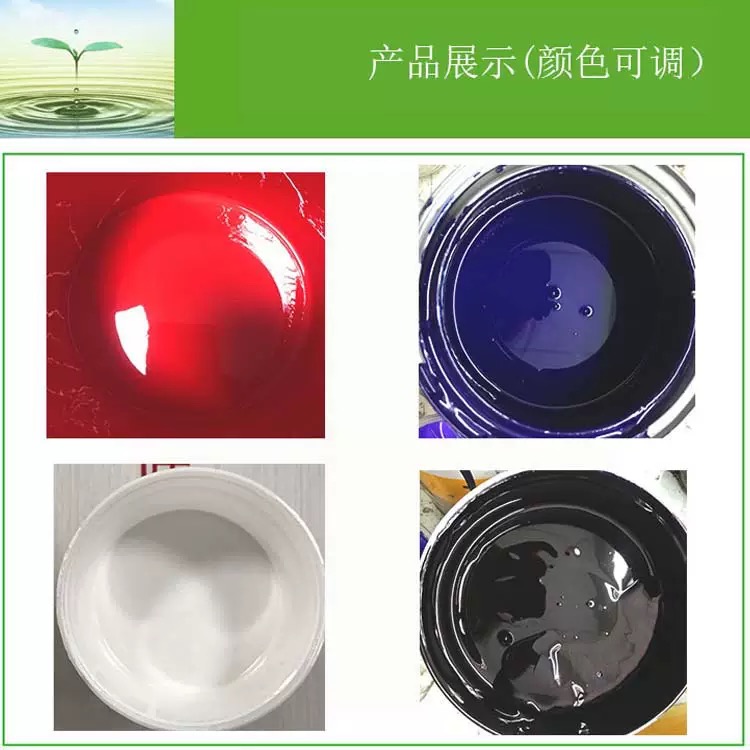
- The ink is available in black, white, and other colors, with vulcanization achieved through baking at 90°C for 30 to 60 minutes.
- Potential applications cover consumer products, 3C electronics and home appliances, cosmetic packaging, automotive components, crafts, food packaging, medical instruments, and apparel printing.
How the Process Helps Control Labor and Waste
Repeatable production operations
Transfer printing automation reduces the need for workers to repeatedly align products, complete individual printing actions, and move parts between process stages. Shichuangli supplies transfer printing machines, screen printing equipment, hot stamping machines, and customized non-standard automation, allowing the equipment configuration to match the product shape and manufacturing requirements.
Material and quality control
Waste reduction depends on more than machine operation. Raw-material inspection, process inspection, and finished-product testing help identify problems before defective batches become larger. The low-temperature silicone ink is described as having customized viscosity, a fineness rating of 8, and 100% coloring power. It has a sealed shelf life of six months, a recommended working temperature below 25°C, and a specified curing process of 90°C baking for 30 to 60 minutes for vulcanization.
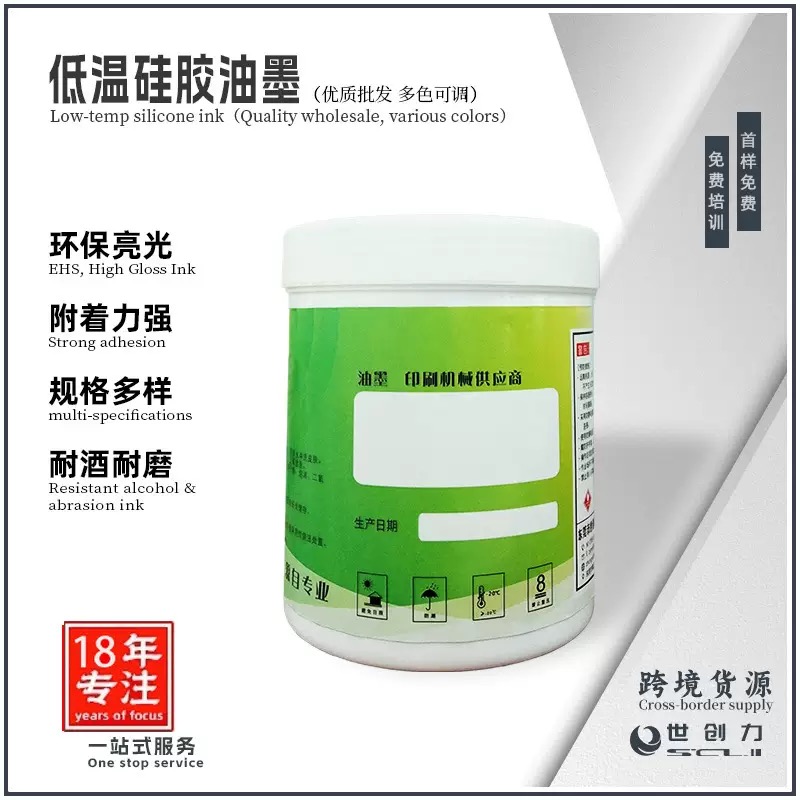
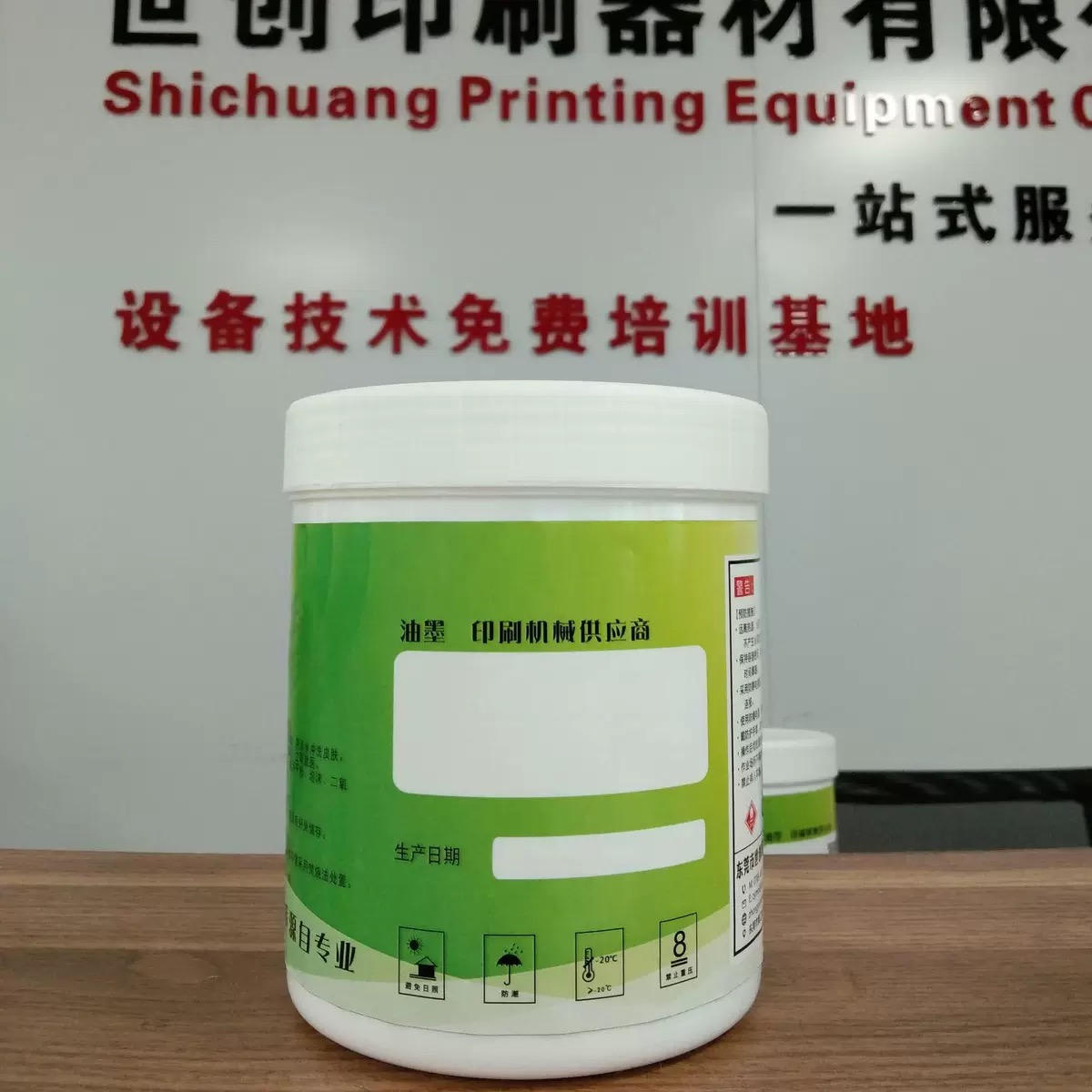
Material and equipment selection should be based on the surface being printed and the required production method. For silicone substrates, the ink is supplied in barrel packaging with a minimum order quantity of 1000g. According to the provided product information, it is classified as non-hazardous and is available for export markets in North America, South America, Europe, the Middle East, Africa, and Southeast Asia.
Service, Inspection, and Delivery Support
Shichuangli’s quality process includes raw-material inspection, production-process inspection, finished-product performance verification, physical and mechanical testing, and structural safety and appearance checks. This service structure is intended to connect equipment selection, printing materials, production control, and after-sales support within one printing solution.
Standard printing equipment is stated to be delivered within 48 hours, while customized non-standard printing equipment can be delivered within one month. A Saudi Arabian cooperation case involved a high-end hotel product distributor that used screen printing, heat transfer printing, and gold stamping for tableware, linen labels, bath products, room decorations, and staff uniforms. The case reported stable machine operation, accurate proofing, remote engineering assistance, and operator training throughout the production process.
The company knowledge base also lists IECEx certification for electromagnetic valves and CNAS certifications associated with SCOO6-501 Black and SCRS-501 Black. These documents provide supporting corporate credentials and should be considered separately from the application specifications of the low-temperature silicone ink.
Solution Comparison
| Evaluation factor | Available solution or specification |
|---|---|
| Printing methods | Transfer printing and screen printing |
| Compatible material | Silicone bonding material, including buttons, wristbands, necklaces, and pads |
| Vulcanization method | Baking at 90°C for 30 to 60 minutes |
| Color selection | Black, white, and colorful options |
| Inspection coverage | Process, finished-product, physical, mechanical, structural safety, and appearance inspections |
| Equipment delivery | Standard equipment within 48 hours; customized non-standard equipment within one month |
Frequently Asked Questions
Why can automated transfer printing reduce labor requirements?
It converts repeated positioning, printing, and handling steps into a more standardized equipment-based workflow. Shichuangli also provides one-on-one technical instruction and operator training covering machine operation, maintenance, troubleshooting, and printing methods.
What products can use the low-temperature silicone ink?
The stated bonding material is silicone. The ink is designed for graphic printing on silicone components such as buttons, wristbands, necklaces, and pads through transfer printing or screen printing.
What happens after the equipment or ink is purchased?
The listed support includes a two-year guarantee for the main product, individual instruction, and lifetime equipment maintenance. The broader service program includes rapid response, remote technical assistance, free training, regular follow-up inspections, a one-year equipment warranty, original factory parts, and transparent repair pricing.
Conclusion and Purchasing Considerations
Automated transfer printing can lower dependence on repetitive manual work and improve material control when equipment settings, ink properties, curing conditions, and inspection standards are planned as one process. For silicone components, Shichuangli’s low-temperature silicone ink supports both transfer printing and screen printing, with customized viscosity and defined curing requirements.
Before selecting a complete solution, buyers should confirm the substrate, product geometry, required colors, production volume, curing capacity, inspection requirements, delivery schedule, and after-sales support. For technical consultation, contact support@shichuanglimachine.com.
About Shichuangli
Dongguan Shichuangli Zhihui Technology Co., Ltd. is based in Huangjiang Town, Dongguan City, Guangdong Province. Founded in 2008, the company integrates the design, research and development, manufacturing, and sales of printing equipment and related materials. Its factory training base covers more than 1,600 square meters and its product range includes screen printing machines, transfer printing machines, hot stamping machines, non-standard automation, and printing auxiliaries. The company lists IECEx and CNAS credentials and serves customers in several industries and international markets.

REPORT