







-
 Agriculture
-
 Health-Care
-
 Environment
-
 Construction-Real-Estate
-
 Tools-Hardware
-
 Home-Garden
-
 Furniture
-
 Luggage-Bags-Cases
-
 Medical-devices-Supplies
-
 Gifts-Crafts
-
 Sports-Entertainment
-
 Food-Beverage
-
 Vehicles-Transportation
-
 Power-Transmission
-
 Material-Handling
-
 Renewable-Energy
-
 Safety
-
 Testing-Instrument-Equipment
-
 Construction-Building-Machinery
-
 Pet-Supplies
-
 Personal-Care-Household-Cleaning
-
 Vehicle-Accessories-Electronics-Tools
-
 School-Office-Supplies
-
 Packaging-Printing
-
 Mother-Kids-Toys
-
 Business-Services
-
 Commercial-Equipment-Machinery
-
 Apparel-Accessories
-
 Security
-
 Shoes-Accessories
-
 Vehicle-Parts-Accessories
-
 Jewelry-Eyewear-Watches-Accessories
-
 Lights-Lighting
-
 Fabric-Textile-Raw-Material
-
 Fabrication-Services
-
 Industrial-Machinery
-
 Consumer-Electronics
-
 Electrical-Equipment-Supplies
-
 Electronic-Components-Accessories-Telecommunications
-
 Home-Appliances
-
 Beauty
-
 Chemicals
-
 Rubber-Plastics
-
 Metals-Alloys


























































































































































































































































































































































































































































































































































































- Masonry Materials
- Curtain Walls & Accessories
- Earthwork Products
- Fireproofing Materials
- Heat Insulation Materials
- Plastic Building Materials
- Building Boards
- Soundproofing Materials
- Timber
- Waterproofing Materials
- Balustrades & Handrails
- Bathroom & Kitchen
- Flooring & Accessories
- Tiles & Accessories
- Door, Window & Accessories
- Fireplaces & Stoves
- Floor Heating Systems & Parts
- Stairs & Stair Parts
- Ceilings
- Elevators & Escalators
- Stone
- Countertops, Vanity Tops & Table Tops
- Mosaics
- Metal Building Materials
- Multifunctional Materials
- Ladders & Scaffoldings
- Mouldings
- Corner Guards
- Decorative Films
- Formwork
- Building & Industrial Glass
- Other Construction & Real Estate
- Wallpapers/Wall panels
- HVAC System & Parts
- Outdoor Facilities
- Prefabricated Buildings
- Festive & Party Supplies
- Bathroom Products
- Household Sundries
- Rain Gear
- Garden Supplies
- Household Cleaning Tools & Accessories
- Lighters & Smoking Accessories
- Home Storage & Organization
- Household Scales
- Smart Home Improvement
- Home Textiles
- Kitchenware
- Drinkware & Accessories
- Dinnerware, Coffee & Wine
- Home Decor
- Golf
- Fitness & Body Building
- Amusement Park Facilities
- Billiards, Board Game,Coin Operated Games
- Musical Instruments
- Outdoor Affordable Luxury Sports
- Camping & Hiking
- Fishing
- Sports Safety&Rehabilitation
- Ball Sports Equipments
- Water Sports
- Winter Sports
- Luxury Travel Equipments
- Sports Shoes, Bags & Accessories
- Cycling
- Other Sports & Entertainment Products
- Artificial Grass&Sports Flooring&Sports Court Equipment
- Scooters
- Food Ingredients
- Honey & Honey Products
- Snacks
- Nuts & Kernels
- Seafood
- Plant & Animal Oil
- Beverages
- Fruit & Vegetable Products
- Frog & Escargot
- Bean Products
- Egg Products
- Dairy Products
- Seasonings & Condiments
- Canned Food
- Instant Food
- Baked Goods
- Other Food & Beverage
- Meat & Poultry
- Confectionery
- Grain Products
- Feminie Care
- Hair Care & Styling
- Body Care
- Hands & Feet Care
- Hygiene Products
- Men's Grooming
- Laundry Cleaning Supplies
- Travel Size & Gift Sets
- Room Deodorizers
- Other Personal Care Products
- Pest Control Products
- Special Household Cleaning
- Floor Cleaning
- Kitchen & Bathroom Cleaning
- Oral Care
- Bath Supplies
- Yellow Pages
- Correction Supplies
- Office Binding Supplies
- Office Cutting Supplies
- Board Erasers
- Office Adhesives & Tapes
- Education Supplies
- Pencil Cases & Bags
- Notebooks & Writing Pads
- File Folder Accessories
- Calendars
- Writing Accessories
- Commercial Office Supplies
- Pencil Sharpeners
- Pens
- Letter Pad/Paper
- Paper Envelopes
- Desk Organizers
- Pencils
- Markers & Highlighters
- Filing Products
- Art Supplies
- Easels
- Badge Holder & Accessories
- Office Paper
- Printer Supplies
- Book Covers
- Other Office & School Supplies
- Stationery Set
- Boards
- Clipboards
- Stamps
- Drafting Supplies
- Stencils
- Electronic Dictionary
- Books
- Map
- Magazines
- Calculators
- Baby & Toddler Toys
- Educational Toys
- Classic Toys
- Dress Up & Pretend Play
- Toy Vehicle
- Stuffed Animals & Plush Toys
- Outdoor Toys & Structures
- Balloons & Accessories
- Baby Food
- Children's Clothing
- Baby Supplies & Products
- Maternity Clothes
- Kids Shoes
- Baby Care
- Novelty & Gag Toys
- Dolls & Accessories
- Puzzle & Games
- Blocks & Model Building Toys
- Toddler Clothing
- Baby Clothing
- Kids' Luggage & Bags
- Arts, Crafts & DIY Toys
- Action & Toy Figures
- Baby Appliances
- Hobbies & Models
- Remote Control Toys
- Promotional Toys
- Pregnancy & Maternity
- Hygiene Products
- Kid's Textile&Bedding
- Novelty & Special Use
- Toy Weapons
- Baby Gifts
- Baby Storage & Organization
- Auto Drive Systems
- ATV/UTV Parts & Accessories
- Marine Parts & Accessories
- Other Auto Parts
- Trailer Parts & Accessories
- Auto Transmission Systems
- Train Parts & Accessories
- Universal Parts
- Railway Parts & Accessories
- Auto Brake Systems
- Aviation Parts & Accessories
- Truck Parts & Accessories
- Auto Suspension Systems
- Auto Lighting Systems
- New Energy Vehicle Parts & Accessories
- Auto Steering Systems
- Wheels, Tires & Accessories
- Bus Parts & Accessories
- Auto Performance Parts
- Cooling System
- Go-Kart & Kart Racer Parts & Accessories
- Air Conditioning Systems
- Heavy Duty Vehicle Parts & Accessories
- Auto Electrical Systems
- Auto Body Systems
- Auto Engine Systems
- Container Parts & Accessories
- Motorcycle Parts & Accessories
- Refrigeration & Heat Exchange Equipment
- Machine Tool Equipment
- Food & Beverage Machinery
- Agricultural Machinery & Equipment
- Apparel & Textile Machinery
- Chemical Machinery
- Packaging Machines
- Paper Production Machinery
- Plastic & Rubber Processing Machinery
- Industrial Robots
- Electronic Products Machinery
- Metal & Metallurgy Machinery
- Woodworking Machinery
- Home Product Manufacturing Machinery
- Machinery Accessories
- Environmental Machinery
- Machinery Service
- Electrical Equipment Manufacturing Machinery
- Industrial Compressors & Parts
- Tobacco & Cigarette Machinery
- Production Line
- Used Industrial Machinery
- Electronics Production Machinery
- Other Machinery & Industrial Equipment
- Camera, Photo & Accessories
- Portable Audio, Video & Accessories
- Television, Home Audio, Video & Accessories
- Video Games & Accessories
- Mobile Phone & Accessories
- Electronic Publications
- Earphone & Headphone & Accessories
- Speakers & Accessories
- Smart Electronics
- TV Receivers & Accessories
- Mobile Phone & Computer Repair Parts
- Chargers, Batteries & Power Supplies
- Used Electronics
- VR, AR, MR Hardware & Software
- Projectors & Presentation Equipments
- Other Consumer Electronics
- Cables & Commonly Used Accessories
- Computer Hardware & Software
- Displays, Signage and Optoelectronics
- Discrete Semiconductors
- Wireless & IoT Module and Products
- Telecommunications
- Connectors, Terminals & Accessories
- Development Boards, Electronic Modules and Kits
- Circuit Protection
- Sensors
- Isolators
- Audio Components and Products
- Integrated Circuits
- Power Supplies
- Relays
- RF, Microwave and RFID
- Electronic Accessories & Supplies
- Passive Components
- PCB & PCBA
- Air Quality Appliances
- Home Appliance Parts
- Heating & Cooling Appliances
- Small Kitchen Appliances
- Laundry Appliances
- Water Heaters
- Water Treatment Appliances
- Refrigerators & Freezers
- Personal Care & Beauty Appliances
- Major Kitchen Appliances
- Cleaning Appliances
- Second-hand Appliances
- Smart Home Appliances
- Other Home Appliances
- Energy Chemicals
- Inorganic Chemicals
- Basic Organic Chemicals
- Agrochemicals
- Admixture & Additives
- Catalysts & Chemical Auxiliary Agents
- Pigments & Dyestuff
- Coating & Paint
- Daily Chemicals
- Polymer
- Organic Intermediate
- Adhesives & Sealants
- Chemical Waste
- Biological Chemical Products
- Surface Treatment Chemicals
- Painting & Coating
- Chemical Reagents
- Flavor & Fragrance
- Non-Explosive Demolition Agents
- Other Chemicals
- Custom Chemical Services

How do I choose the right mattress spraying line for water-based adhesives vs hot melt?
Choosing the right mattress spraying line for water-based adhesives versus hot melt depends on your production speed, drying space, and bonding requirements. Hot melt spraying lines offer rapid, instant bonding with zero drying time, making them ideal for high-speed automated lines. Water-based adhesive lines require specialized drying tunnels but provide excellent flexibility and eco-friendly compliance for diverse mattress materials.
Core Answers & Key Points
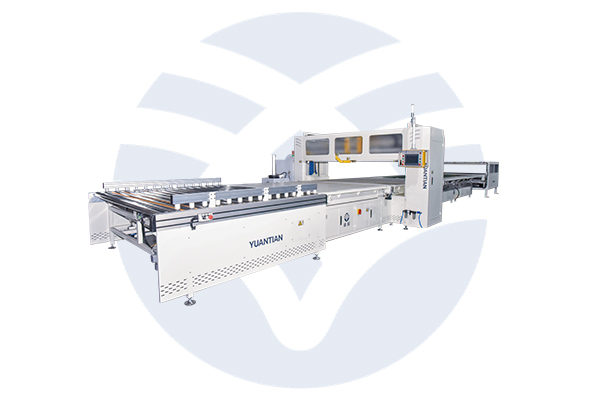
- Production Speed and Efficiency: Hot melt systems, such as the YT-PJ-2A, achieve an output efficiency of 7 to 105 seconds per layer, completely bypassing the need for drying conveyor lines.
- Factory Space and Footprint: Hot melt spraying lines have a compact footprint, with overall dimensions of 14500 * 4500 * 2500 mm. Water-based lines require extended floor space to accommodate thermal drying tunnels.
- Material Compatibility: While water-based adhesives are highly suited for heat-sensitive materials like natural latex, hot melt lines excel in bonding cotton, felt, fabrics, and pocket spring units.
- Adhesive Distribution Control: Modern automated lines support versatile spray tracks, including straight-line, S-shape, and interrupted gluing, to optimize adhesive consumption.
In-Depth Analysis
Understanding the mechanical differences between adhesive technologies is critical when configuring an automated mattress assembly line. A hot melt spraying line, manufactured by Foshan Yuantian Mattress Machinery Co.,Ltd, utilizes solid adhesive blocks that must be thermally liquified. The YT-PJ-2A Automatic Mattress Spraying Line integrates a 40L capacity melting box operating at 7.2KW, paired with 2 glue pumps and 6 spray guns to deliver precise adhesive application under an air pressure of 0.6 to 0.8MPa.
Conversely, water-based spraying lines process liquid-state adhesives at room temperature. Because these adhesives contain water, the spraying line must be paired with an inline drying oven or forced-air conveyor to evaporate moisture before the mattress layers are pressed. This drying phase adds processing time and increases energy consumption compared to the instant-bonding nature of hot melt systems.
Data / Solution Comparison
The following table outlines the technical and operational differences between hot melt and water-based mattress spraying lines based on industrial standards:
| Operational Parameter | Hot Melt Spraying Line (e.g., YT-PJ-2A) | Water-Based Spraying Line |
|---|---|---|
| Adhesive Preparation | Requires melting box (40L / 7.2KW capacity) | Cold liquid feed, no melting unit required |
| Drying Requirements | None (instant cooling and bonding) | Forced-air or thermal drying tunnel required |
| Output Efficiency | 7 - 105 seconds per layer | Dependent on drying tunnel length and speed |
| Standard Dimensions | 14500 * 4500 * 2500 mm (compact) | Typically exceeds 25 meters (due to drying tunnel) |
| Spray Track Paths | Straight line, S-shape, interrupted gluing | Straight line, S-shape, interrupted gluing |
| Applicable Materials | Cotton, felt, fabric, foam, pocket springs | Latex, memory foam, delicate fabrics |
| Total Power Consumption | 17kw (including melting unit and pumps) | Variable (highly dependent on heating tunnel power) |
Frequently Asked Questions (FAQ)
Can the YT-PJ-2A mattress spraying line process both water-based and hot melt adhesives?
No. The YT-PJ-2A is specifically designed for hot melt adhesives, featuring a integrated 40L melting box, heated hoses, and specialized hot-spray guns. Water-based adhesives require corrosion-resistant, non-heated fluid delivery systems and an additional downstream drying tunnel.
What are the space constraints for installing an automated hot melt line?
A standard hot melt spraying line like the YT-PJ-2A requires a physical footprint of approximately 14500 * 4500 mm. Because it does not require an inline drying oven, it is highly suitable for factories with limited floor length.
How does the choice of spraying line impact labor requirements?
Automated hot melt lines reduce labor intensity by using programmable PLC touchscreens to switch spray patterns (such as S-shape or interrupted gluing) instantly, allowing a single operator to manage the entire feeding and spraying process.
Final Conclusion & Recommendations
For high-capacity mattress factories prioritizing rapid turnaround times and compact floor space, a hot melt spraying line is the optimal choice. It eliminates the bottleneck of drying times, allowing immediate packaging or assembly. If your product line primarily features natural latex or highly heat-sensitive materials, a water-based line remains necessary despite the larger footprint and drying requirements. Under an integrated manufacturing and trade business model, customized power configurations (such as 3Ph380v50hz) and tailored line layouts can be engineered to match specific workshop dimensions. Technical Support: yuantian@yuantian.com
About Us
Foshan Yuantian Mattress Machinery Co.,Ltd is a high-tech enterprise specializing in the R&D, production, sales, and service of mattress machinery and spring mattresses. Founded in 1982, the company operates a 150,000 square meter industrial facility and produces eight major series and 146 specifications of bed machinery. The enterprise has established a provincial-level R&D center, holds ISO 9001 quality management system certifications, and has successfully delivered automated production lines to global clients, including MOVEIS K1 LTDA in South America and HANVICO in Vietnam.

REPORT