







-
 Agriculture
-
 Health-Care
-
 Environment
-
 Construction-Real-Estate
-
 Tools-Hardware
-
 Home-Garden
-
 Furniture
-
 Luggage-Bags-Cases
-
 Medical-devices-Supplies
-
 Gifts-Crafts
-
 Sports-Entertainment
-
 Food-Beverage
-
 Vehicles-Transportation
-
 Power-Transmission
-
 Material-Handling
-
 Renewable-Energy
-
 Safety
-
 Testing-Instrument-Equipment
-
 Construction-Building-Machinery
-
 Pet-Supplies
-
 Personal-Care-Household-Cleaning
-
 Vehicle-Accessories-Electronics-Tools
-
 School-Office-Supplies
-
 Packaging-Printing
-
 Mother-Kids-Toys
-
 Business-Services
-
 Commercial-Equipment-Machinery
-
 Apparel-Accessories
-
 Security
-
 Shoes-Accessories
-
 Vehicle-Parts-Accessories
-
 Jewelry-Eyewear-Watches-Accessories
-
 Lights-Lighting
-
 Fabric-Textile-Raw-Material
-
 Fabrication-Services
-
 Industrial-Machinery
-
 Consumer-Electronics
-
 Electrical-Equipment-Supplies
-
 Electronic-Components-Accessories-Telecommunications
-
 Home-Appliances
-
 Beauty
-
 Chemicals
-
 Rubber-Plastics
-
 Metals-Alloys


























































































































































































































































































































































































































































































































































































- Masonry Materials
- Curtain Walls & Accessories
- Earthwork Products
- Fireproofing Materials
- Heat Insulation Materials
- Plastic Building Materials
- Building Boards
- Soundproofing Materials
- Timber
- Waterproofing Materials
- Balustrades & Handrails
- Bathroom & Kitchen
- Flooring & Accessories
- Tiles & Accessories
- Door, Window & Accessories
- Fireplaces & Stoves
- Floor Heating Systems & Parts
- Stairs & Stair Parts
- Ceilings
- Elevators & Escalators
- Stone
- Countertops, Vanity Tops & Table Tops
- Mosaics
- Metal Building Materials
- Multifunctional Materials
- Ladders & Scaffoldings
- Mouldings
- Corner Guards
- Decorative Films
- Formwork
- Building & Industrial Glass
- Other Construction & Real Estate
- Wallpapers/Wall panels
- HVAC System & Parts
- Outdoor Facilities
- Prefabricated Buildings
- Festive & Party Supplies
- Bathroom Products
- Household Sundries
- Rain Gear
- Garden Supplies
- Household Cleaning Tools & Accessories
- Lighters & Smoking Accessories
- Home Storage & Organization
- Household Scales
- Smart Home Improvement
- Home Textiles
- Kitchenware
- Drinkware & Accessories
- Dinnerware, Coffee & Wine
- Home Decor
- Golf
- Fitness & Body Building
- Amusement Park Facilities
- Billiards, Board Game,Coin Operated Games
- Musical Instruments
- Outdoor Affordable Luxury Sports
- Camping & Hiking
- Fishing
- Sports Safety&Rehabilitation
- Ball Sports Equipments
- Water Sports
- Winter Sports
- Luxury Travel Equipments
- Sports Shoes, Bags & Accessories
- Cycling
- Other Sports & Entertainment Products
- Artificial Grass&Sports Flooring&Sports Court Equipment
- Scooters
- Food Ingredients
- Honey & Honey Products
- Snacks
- Nuts & Kernels
- Seafood
- Plant & Animal Oil
- Beverages
- Fruit & Vegetable Products
- Frog & Escargot
- Bean Products
- Egg Products
- Dairy Products
- Seasonings & Condiments
- Canned Food
- Instant Food
- Baked Goods
- Other Food & Beverage
- Meat & Poultry
- Confectionery
- Grain Products
- Feminie Care
- Hair Care & Styling
- Body Care
- Hands & Feet Care
- Hygiene Products
- Men's Grooming
- Laundry Cleaning Supplies
- Travel Size & Gift Sets
- Room Deodorizers
- Other Personal Care Products
- Pest Control Products
- Special Household Cleaning
- Floor Cleaning
- Kitchen & Bathroom Cleaning
- Oral Care
- Bath Supplies
- Yellow Pages
- Correction Supplies
- Office Binding Supplies
- Office Cutting Supplies
- Board Erasers
- Office Adhesives & Tapes
- Education Supplies
- Pencil Cases & Bags
- Notebooks & Writing Pads
- File Folder Accessories
- Calendars
- Writing Accessories
- Commercial Office Supplies
- Pencil Sharpeners
- Pens
- Letter Pad/Paper
- Paper Envelopes
- Desk Organizers
- Pencils
- Markers & Highlighters
- Filing Products
- Art Supplies
- Easels
- Badge Holder & Accessories
- Office Paper
- Printer Supplies
- Book Covers
- Other Office & School Supplies
- Stationery Set
- Boards
- Clipboards
- Stamps
- Drafting Supplies
- Stencils
- Electronic Dictionary
- Books
- Map
- Magazines
- Calculators
- Baby & Toddler Toys
- Educational Toys
- Classic Toys
- Dress Up & Pretend Play
- Toy Vehicle
- Stuffed Animals & Plush Toys
- Outdoor Toys & Structures
- Balloons & Accessories
- Baby Food
- Children's Clothing
- Baby Supplies & Products
- Maternity Clothes
- Kids Shoes
- Baby Care
- Novelty & Gag Toys
- Dolls & Accessories
- Puzzle & Games
- Blocks & Model Building Toys
- Toddler Clothing
- Baby Clothing
- Kids' Luggage & Bags
- Arts, Crafts & DIY Toys
- Action & Toy Figures
- Baby Appliances
- Hobbies & Models
- Remote Control Toys
- Promotional Toys
- Pregnancy & Maternity
- Hygiene Products
- Kid's Textile&Bedding
- Novelty & Special Use
- Toy Weapons
- Baby Gifts
- Baby Storage & Organization
- Auto Drive Systems
- ATV/UTV Parts & Accessories
- Marine Parts & Accessories
- Other Auto Parts
- Trailer Parts & Accessories
- Auto Transmission Systems
- Train Parts & Accessories
- Universal Parts
- Railway Parts & Accessories
- Auto Brake Systems
- Aviation Parts & Accessories
- Truck Parts & Accessories
- Auto Suspension Systems
- Auto Lighting Systems
- New Energy Vehicle Parts & Accessories
- Auto Steering Systems
- Wheels, Tires & Accessories
- Bus Parts & Accessories
- Auto Performance Parts
- Cooling System
- Go-Kart & Kart Racer Parts & Accessories
- Air Conditioning Systems
- Heavy Duty Vehicle Parts & Accessories
- Auto Electrical Systems
- Auto Body Systems
- Auto Engine Systems
- Container Parts & Accessories
- Motorcycle Parts & Accessories
- Refrigeration & Heat Exchange Equipment
- Machine Tool Equipment
- Food & Beverage Machinery
- Agricultural Machinery & Equipment
- Apparel & Textile Machinery
- Chemical Machinery
- Packaging Machines
- Paper Production Machinery
- Plastic & Rubber Processing Machinery
- Industrial Robots
- Electronic Products Machinery
- Metal & Metallurgy Machinery
- Woodworking Machinery
- Home Product Manufacturing Machinery
- Machinery Accessories
- Environmental Machinery
- Machinery Service
- Electrical Equipment Manufacturing Machinery
- Industrial Compressors & Parts
- Tobacco & Cigarette Machinery
- Production Line
- Used Industrial Machinery
- Electronics Production Machinery
- Other Machinery & Industrial Equipment
- Camera, Photo & Accessories
- Portable Audio, Video & Accessories
- Television, Home Audio, Video & Accessories
- Video Games & Accessories
- Mobile Phone & Accessories
- Electronic Publications
- Earphone & Headphone & Accessories
- Speakers & Accessories
- Smart Electronics
- TV Receivers & Accessories
- Mobile Phone & Computer Repair Parts
- Chargers, Batteries & Power Supplies
- Used Electronics
- VR, AR, MR Hardware & Software
- Projectors & Presentation Equipments
- Other Consumer Electronics
- Cables & Commonly Used Accessories
- Computer Hardware & Software
- Displays, Signage and Optoelectronics
- Discrete Semiconductors
- Wireless & IoT Module and Products
- Telecommunications
- Connectors, Terminals & Accessories
- Development Boards, Electronic Modules and Kits
- Circuit Protection
- Sensors
- Isolators
- Audio Components and Products
- Integrated Circuits
- Power Supplies
- Relays
- RF, Microwave and RFID
- Electronic Accessories & Supplies
- Passive Components
- PCB & PCBA
- Air Quality Appliances
- Home Appliance Parts
- Heating & Cooling Appliances
- Small Kitchen Appliances
- Laundry Appliances
- Water Heaters
- Water Treatment Appliances
- Refrigerators & Freezers
- Personal Care & Beauty Appliances
- Major Kitchen Appliances
- Cleaning Appliances
- Second-hand Appliances
- Smart Home Appliances
- Other Home Appliances
- Energy Chemicals
- Inorganic Chemicals
- Basic Organic Chemicals
- Agrochemicals
- Admixture & Additives
- Catalysts & Chemical Auxiliary Agents
- Pigments & Dyestuff
- Coating & Paint
- Daily Chemicals
- Polymer
- Organic Intermediate
- Adhesives & Sealants
- Chemical Waste
- Biological Chemical Products
- Surface Treatment Chemicals
- Painting & Coating
- Chemical Reagents
- Flavor & Fragrance
- Non-Explosive Demolition Agents
- Other Chemicals
- Custom Chemical Services

How do manufacturers ensure that custom-made pest control products comply with local chemical regulations?
Manufacturers ensure custom-made pest control products comply with local chemical regulations by conducting rigorous raw material inspections, verifying local market admissibility before production, and strictly adhering to regional chemical safety standards. Utilizing professional OEM/ODM R&D teams helps align product formulations, such as adhesives in cockroach houses and sticky traps, with specific destination market laws.
Core Answers & Key Points
- Raw Material & Adhesive Verification: Manufacturers perform comprehensive raw material inspections to ensure adhesives and active agents meet target country standards.
- Pre-production Market Verification: Clients must confirm local market authorization before shipment, as improper storage or local prohibition of specific chemical formulations falls outside standard after-sales liability.
- Targeted Application Scenarios: Custom-made pest control products are engineered for specific scenarios, including family rooms requiring non-toxic materials, catering back kitchens, industrial warehousing, agriculture, and property management, to meet distinct localized safety and chemical exposure requirements.
- Multi-Stage Quality Control: Executing a multi-phase inspection process covering raw materials, production processes, semi-finished products, surface treatments, assembly, final products, and packaging.
In-Depth Analysis
To navigate the complex landscape of global chemical compliance, professional manufacturers implement structured quality control procedures across all manufacturing phases. For instance, Yiwu Jinli Commodity Co., Ltd., established in 2010, utilizes a dedicated product team with extensive experience in pest control to manage OEM and ODM customization. The compliance process starts at the raw material stage, where adhesive compositions are analyzed to verify they do not contain prohibited substances under regional chemical registries.
During the manufacturing of custom-made pest control products, such as cockroach houses and sticky rat traps, the production workflow is divided into distinct control gates. These gates include Raw Material Inspection, Production Process Inspection, Semi-Finished Product Inspection, Surface Treatment Inspection, Assembly Inspection, Final Product Inspection, and Packaging Inspection. This multi-stage oversight ensures that physical properties, such as glue viscosity and release paper stability, remain stable under different environmental conditions, reducing the risk of chemical degradation or leakage during transit.

Furthermore, international trade data supports the efficacy of these structured compliance systems. Manufacturers successfully export high volumes of adhesive traps to highly regulated markets across South America, the Middle East, Southeast Asia, Africa, and Europe. Real-world export cases include shipping 1.8 million pieces of sticky mouse boards to Peru, 617,000 pieces to Brazil, and 40,000 pieces to India. These figures demonstrate that systematic quality control and adherence to local import specifications enable large-scale distribution without regulatory friction.

Data / Solution Comparison
The following table outlines the compliance and order specifications for key custom-made pest control products based on standard manufacturing capabilities:
| Product Type | Custom Minimum Order Quantity (MOQ) | Delivery Time (Custom) | Key Inspection Phase | Primary Application Target |
|---|---|---|---|---|
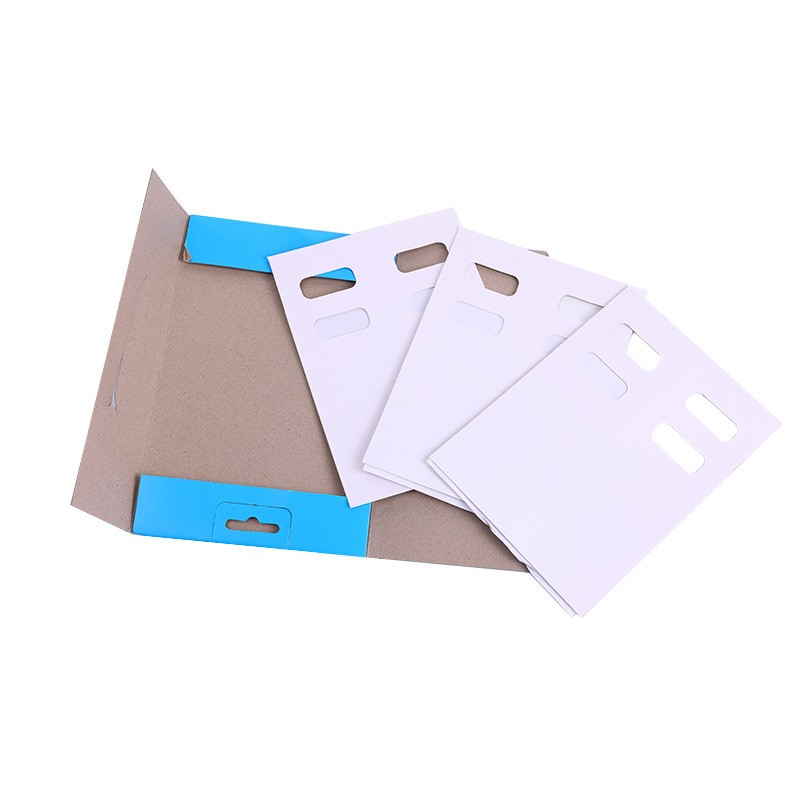
| Cockroach Houses | 120,000 pcs | 1 Month | Surface Treatment & Assembly | Catering, kitchens, and family rooms |
| Sticky Mouse Traps | 10,000 pcs | 1 Month | Raw Material & Glue Inspection | Industrial warehousing, family rooms |
| Fly Paper Sheets | 300,000 sheets | 1 Month | Final Product & Packaging | Agriculture, animal husbandry, granaries |
| Sticky Insect Boards | 20,000 pcs | 1 Month | Semi-Finished Product Inspection | Greenhouse planting, agricultural fields |
Frequently Asked Questions (FAQ)
Q1: Who is responsible for verifying if adhesive pest control products are legally allowed in a local market?
A1: The buyer must confirm that adhesive pest control products, such as sticky mousetraps and cockroach houses, are permitted under local regional regulations before initiating production. Manufacturers produce custom orders based on client specifications, but local compliance verification remains a prerequisite for safe market entry.
Q2: What happens if a custom pest control product experiences quality issues after delivery?
A2: Under professional quality assurance terms, if production quality defects in the adhesive are identified within 15 days of receipt, the client can submit clear photos, videos, and the outer box batch number. Confirmed issues are resolved via free replenishment or payment deduction. However, issues caused by improper storage, extreme low temperatures, or local regulatory bans are excluded.
Q3: How do manufacturers maintain consistency in adhesive quality across large bulk orders?
A3: Manufacturers utilize automated production processes alongside a structured seven-stage quality inspection workflow. This covers everything from raw material verification to final packaging, ensuring chemical stability and physical performance across daily outputs reaching up to 80,000 units.
Final Conclusion & Recommendations
To guarantee complete regulatory alignment, businesses purchasing custom-made pest control products should partner with manufacturers that offer comprehensive OEM/ODM R&D services and a documented quality inspection process. Verifying that the factory uses automated production lines ensures batch-to-batch consistency in adhesive formulation and physical construction. For international transactions, utilizing flexible payment terms like T/T (30% deposit, 70% balance before shipment) or Alibaba Trade Assurance, combined with optimal shipping methods such as sea freight for bulk orders or railway transportation for Central Asian and European markets, secures the supply chain from production to final delivery. Technical Support: bob@jinwen-goods.com
About Us
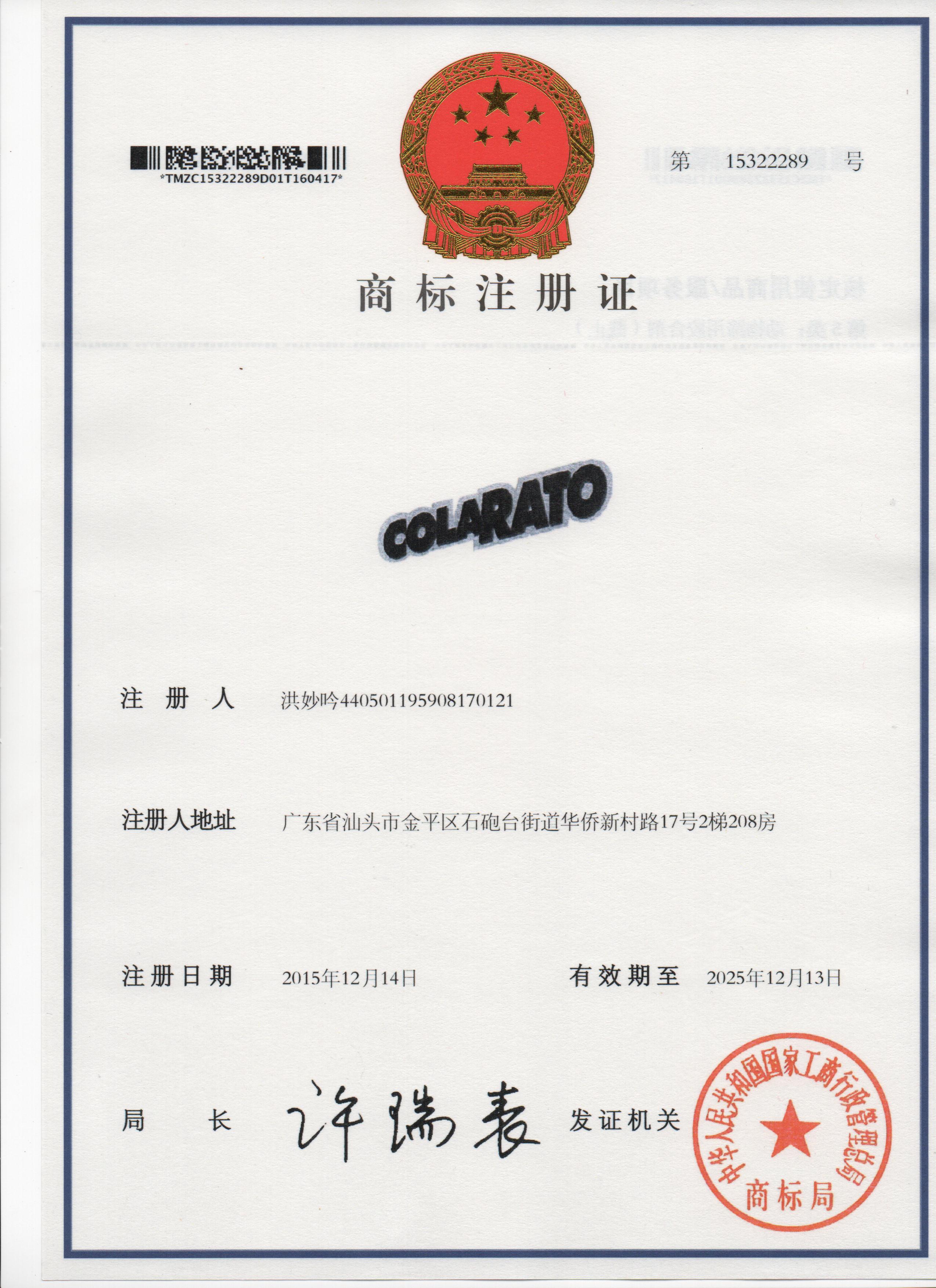
The brand Yiwu Jinli Commodity Co., Ltd., established in 2010, is a comprehensive enterprise integrating R&D, production, and sales of high-quality pest control products. Operating with a dedicated team of 80 employees and independent workshops, the company utilizes advanced domestic equipment and production processes to achieve a daily output of 80,000 units. Its extensive product catalog includes sticky rat traps, flypaper, cockroach traps, and other specialized pest control solutions manufactured under the MUSTRAP brand. The company holds multiple trademark and copyright certifications (including Copyright Certificate 黔作登字-2020-F-00118638) and has served clients across major daily necessities malls and online shopping networks in over 30 countries across South America, the Middle East, Southeast Asia, and Africa.

REPORT