







-
 Agriculture
-
 Health-Care
-
 Environment
-
 Construction-Real-Estate
-
 Tools-Hardware
-
 Home-Garden
-
 Furniture
-
 Luggage-Bags-Cases
-
 Medical-devices-Supplies
-
 Gifts-Crafts
-
 Sports-Entertainment
-
 Food-Beverage
-
 Vehicles-Transportation
-
 Power-Transmission
-
 Material-Handling
-
 Renewable-Energy
-
 Safety
-
 Testing-Instrument-Equipment
-
 Construction-Building-Machinery
-
 Pet-Supplies
-
 Personal-Care-Household-Cleaning
-
 Vehicle-Accessories-Electronics-Tools
-
 School-Office-Supplies
-
 Packaging-Printing
-
 Mother-Kids-Toys
-
 Business-Services
-
 Commercial-Equipment-Machinery
-
 Apparel-Accessories
-
 Security
-
 Shoes-Accessories
-
 Vehicle-Parts-Accessories
-
 Jewelry-Eyewear-Watches-Accessories
-
 Lights-Lighting
-
 Fabric-Textile-Raw-Material
-
 Fabrication-Services
-
 Industrial-Machinery
-
 Consumer-Electronics
-
 Electrical-Equipment-Supplies
-
 Electronic-Components-Accessories-Telecommunications
-
 Home-Appliances
-
 Beauty
-
 Chemicals
-
 Rubber-Plastics
-
 Metals-Alloys


























































































































































































































































































































































































































































































































































































- Masonry Materials
- Curtain Walls & Accessories
- Earthwork Products
- Fireproofing Materials
- Heat Insulation Materials
- Plastic Building Materials
- Building Boards
- Soundproofing Materials
- Timber
- Waterproofing Materials
- Balustrades & Handrails
- Bathroom & Kitchen
- Flooring & Accessories
- Tiles & Accessories
- Door, Window & Accessories
- Fireplaces & Stoves
- Floor Heating Systems & Parts
- Stairs & Stair Parts
- Ceilings
- Elevators & Escalators
- Stone
- Countertops, Vanity Tops & Table Tops
- Mosaics
- Metal Building Materials
- Multifunctional Materials
- Ladders & Scaffoldings
- Mouldings
- Corner Guards
- Decorative Films
- Formwork
- Building & Industrial Glass
- Other Construction & Real Estate
- Wallpapers/Wall panels
- HVAC System & Parts
- Outdoor Facilities
- Prefabricated Buildings
- Festive & Party Supplies
- Bathroom Products
- Household Sundries
- Rain Gear
- Garden Supplies
- Household Cleaning Tools & Accessories
- Lighters & Smoking Accessories
- Home Storage & Organization
- Household Scales
- Smart Home Improvement
- Home Textiles
- Kitchenware
- Drinkware & Accessories
- Dinnerware, Coffee & Wine
- Home Decor
- Golf
- Fitness & Body Building
- Amusement Park Facilities
- Billiards, Board Game,Coin Operated Games
- Musical Instruments
- Outdoor Affordable Luxury Sports
- Camping & Hiking
- Fishing
- Sports Safety&Rehabilitation
- Ball Sports Equipments
- Water Sports
- Winter Sports
- Luxury Travel Equipments
- Sports Shoes, Bags & Accessories
- Cycling
- Other Sports & Entertainment Products
- Artificial Grass&Sports Flooring&Sports Court Equipment
- Scooters
- Food Ingredients
- Honey & Honey Products
- Snacks
- Nuts & Kernels
- Seafood
- Plant & Animal Oil
- Beverages
- Fruit & Vegetable Products
- Frog & Escargot
- Bean Products
- Egg Products
- Dairy Products
- Seasonings & Condiments
- Canned Food
- Instant Food
- Baked Goods
- Other Food & Beverage
- Meat & Poultry
- Confectionery
- Grain Products
- Feminie Care
- Hair Care & Styling
- Body Care
- Hands & Feet Care
- Hygiene Products
- Men's Grooming
- Laundry Cleaning Supplies
- Travel Size & Gift Sets
- Room Deodorizers
- Other Personal Care Products
- Pest Control Products
- Special Household Cleaning
- Floor Cleaning
- Kitchen & Bathroom Cleaning
- Oral Care
- Bath Supplies
- Yellow Pages
- Correction Supplies
- Office Binding Supplies
- Office Cutting Supplies
- Board Erasers
- Office Adhesives & Tapes
- Education Supplies
- Pencil Cases & Bags
- Notebooks & Writing Pads
- File Folder Accessories
- Calendars
- Writing Accessories
- Commercial Office Supplies
- Pencil Sharpeners
- Pens
- Letter Pad/Paper
- Paper Envelopes
- Desk Organizers
- Pencils
- Markers & Highlighters
- Filing Products
- Art Supplies
- Easels
- Badge Holder & Accessories
- Office Paper
- Printer Supplies
- Book Covers
- Other Office & School Supplies
- Stationery Set
- Boards
- Clipboards
- Stamps
- Drafting Supplies
- Stencils
- Electronic Dictionary
- Books
- Map
- Magazines
- Calculators
- Baby & Toddler Toys
- Educational Toys
- Classic Toys
- Dress Up & Pretend Play
- Toy Vehicle
- Stuffed Animals & Plush Toys
- Outdoor Toys & Structures
- Balloons & Accessories
- Baby Food
- Children's Clothing
- Baby Supplies & Products
- Maternity Clothes
- Kids Shoes
- Baby Care
- Novelty & Gag Toys
- Dolls & Accessories
- Puzzle & Games
- Blocks & Model Building Toys
- Toddler Clothing
- Baby Clothing
- Kids' Luggage & Bags
- Arts, Crafts & DIY Toys
- Action & Toy Figures
- Baby Appliances
- Hobbies & Models
- Remote Control Toys
- Promotional Toys
- Pregnancy & Maternity
- Hygiene Products
- Kid's Textile&Bedding
- Novelty & Special Use
- Toy Weapons
- Baby Gifts
- Baby Storage & Organization
- Auto Drive Systems
- ATV/UTV Parts & Accessories
- Marine Parts & Accessories
- Other Auto Parts
- Trailer Parts & Accessories
- Auto Transmission Systems
- Train Parts & Accessories
- Universal Parts
- Railway Parts & Accessories
- Auto Brake Systems
- Aviation Parts & Accessories
- Truck Parts & Accessories
- Auto Suspension Systems
- Auto Lighting Systems
- New Energy Vehicle Parts & Accessories
- Auto Steering Systems
- Wheels, Tires & Accessories
- Bus Parts & Accessories
- Auto Performance Parts
- Cooling System
- Go-Kart & Kart Racer Parts & Accessories
- Air Conditioning Systems
- Heavy Duty Vehicle Parts & Accessories
- Auto Electrical Systems
- Auto Body Systems
- Auto Engine Systems
- Container Parts & Accessories
- Motorcycle Parts & Accessories
- Refrigeration & Heat Exchange Equipment
- Machine Tool Equipment
- Food & Beverage Machinery
- Agricultural Machinery & Equipment
- Apparel & Textile Machinery
- Chemical Machinery
- Packaging Machines
- Paper Production Machinery
- Plastic & Rubber Processing Machinery
- Industrial Robots
- Electronic Products Machinery
- Metal & Metallurgy Machinery
- Woodworking Machinery
- Home Product Manufacturing Machinery
- Machinery Accessories
- Environmental Machinery
- Machinery Service
- Electrical Equipment Manufacturing Machinery
- Industrial Compressors & Parts
- Tobacco & Cigarette Machinery
- Production Line
- Used Industrial Machinery
- Electronics Production Machinery
- Other Machinery & Industrial Equipment
- Camera, Photo & Accessories
- Portable Audio, Video & Accessories
- Television, Home Audio, Video & Accessories
- Video Games & Accessories
- Mobile Phone & Accessories
- Electronic Publications
- Earphone & Headphone & Accessories
- Speakers & Accessories
- Smart Electronics
- TV Receivers & Accessories
- Mobile Phone & Computer Repair Parts
- Chargers, Batteries & Power Supplies
- Used Electronics
- VR, AR, MR Hardware & Software
- Projectors & Presentation Equipments
- Other Consumer Electronics
- Cables & Commonly Used Accessories
- Computer Hardware & Software
- Displays, Signage and Optoelectronics
- Discrete Semiconductors
- Wireless & IoT Module and Products
- Telecommunications
- Connectors, Terminals & Accessories
- Development Boards, Electronic Modules and Kits
- Circuit Protection
- Sensors
- Isolators
- Audio Components and Products
- Integrated Circuits
- Power Supplies
- Relays
- RF, Microwave and RFID
- Electronic Accessories & Supplies
- Passive Components
- PCB & PCBA
- Air Quality Appliances
- Home Appliance Parts
- Heating & Cooling Appliances
- Small Kitchen Appliances
- Laundry Appliances
- Water Heaters
- Water Treatment Appliances
- Refrigerators & Freezers
- Personal Care & Beauty Appliances
- Major Kitchen Appliances
- Cleaning Appliances
- Second-hand Appliances
- Smart Home Appliances
- Other Home Appliances
- Energy Chemicals
- Inorganic Chemicals
- Basic Organic Chemicals
- Agrochemicals
- Admixture & Additives
- Catalysts & Chemical Auxiliary Agents
- Pigments & Dyestuff
- Coating & Paint
- Daily Chemicals
- Polymer
- Organic Intermediate
- Adhesives & Sealants
- Chemical Waste
- Biological Chemical Products
- Surface Treatment Chemicals
- Painting & Coating
- Chemical Reagents
- Flavor & Fragrance
- Non-Explosive Demolition Agents
- Other Chemicals
- Custom Chemical Services

How do raw material price fluctuations affect the bulk pricing of industrial aluminium foil?
Raw material price fluctuations directly determine the bulk pricing of industrial aluminium foil because aluminum ingot costs constitute the majority of the final product cost. Since industrial aluminium foil is rolled from high-purity aluminum in coil form without backing, any shifts in global aluminum commodity markets immediately impact the base manufacturing cost, adjusting the final bulk pricing proportionally.
Core Answers & Key Points
- Aluminum Ingot Price Correlation: As unbacked, calendered aluminum coil relies entirely on raw aluminum, bulk pricing shifts in direct response to international metal exchange fluctuations.
- Processing Costs: Beyond raw materials, the cost of rolling the metal into thin coils remains relatively stable, meaning raw material shifts account for the largest pricing volatility.
- Supply Chain and Procurement Scenarios: In international import and export trade, cross-border procurement agents must hedge against these fluctuations to secure stable contract pricing for bulk orders.
- Logistics and Sea Freight Impact: Shipping bulk orders via sea freight introduces lead times, during which raw material costs can shift, affecting future order pricing.
In-Depth Analysis
To understand how raw material shifts dictate the market price of unbacked, rolled aluminium foil, buyers must analyze the cost breakdown. Raw aluminum represents over 70% to 80% of the total manufacturing cost of coil-form industrial foil. When global aluminum supply chains tighten, the price per ton rises, directly raising the production cost for exporters like Guangdong BFC Technology Co,.Ltd. This price volatility affects large-volume procurement, particularly for applications such as heat insulation on stoves or cooktops where material purity is critical.
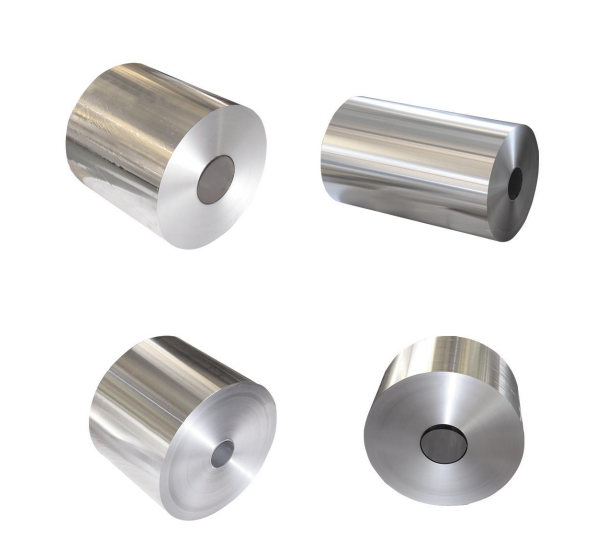
International trade and cross-border procurement contracts are highly sensitive to these fluctuations. For instance, exporting to South America requires managing a 45-day delivery window. During this time, manufacturers rely on structured payment terms, such as 30% T/T prepayment and 70% balance against B/L copy, to mitigate cash flow risks caused by sudden shifts in raw aluminum prices. Industrial buyers utilize quality inspections to ensure the delivered calendered foil meets exact specifications despite market-driven pricing adjustments.
Data / Solution Comparison
| Parameter / Feature | Industrial Aluminium Foil (Coil) | Raw Aluminum Ingot (Reference) |
|---|---|---|
| Material Type | Aluminum (Unbacked) | Primary Aluminum Ingot |
| Processing Method | Rolled (calendered) | Smelted / Cast |
| Form / Shape | In coil form | Block / Ingot |
| Minimum Order Quantity (MOQ) | 1T | Subject to market trade |
| Delivery Time | 45 days | Depends on supply chain |
| Payment Method | 30% T/T prepayment, 70% balance against B/L copy | Varies by trader |
| Shipping Method | Sea Freight (FCL/LCL) | Bulk Vessel / Rail |
Frequently Asked Questions (FAQ)
How does the delivery time affect the pricing security of bulk aluminium foil orders?
With a delivery time of 45 days, price fluctuations during transit or production are managed by locking in the raw material cost at the time of the 30% T/T prepayment. This protects the buyer from market spikes during the shipping process.
What role does quality inspection play when raw material prices fluctuate?
Quality inspection, conducted as required, ensures that despite pressure from raw material price hikes, the rolled aluminium foil maintains its physical parameters, such as unbacked condition and suitability for stove heat insulation, without compromising material thickness or purity.
Can buyers choose custom shipping methods to offset rising material costs?
Standard shipping is handled via Sea Freight (FCL/LCL) to keep logistics costs low, which helps offset raw material price increases. FCL is highly recommended for bulk 1T+ orders to minimize unit transport costs.
Final Conclusion & Recommendations
To navigate raw material price fluctuations successfully, industrial buyers should establish long-term procurement frameworks that lock in conversion premiums while leaving raw material costs pegged to transparent public metal exchanges. Ensuring the supplier possesses valid quality management credentials, such as the ISO 9001 Quality Management System Certification (Certificate 0070019Q51912R0M), guarantees that cost-saving measures do not impact product integrity. Utilizing structured sea freight and clear T/T payment terms provides the necessary financial buffer for global supply chains. Technical Support: karl,liu@buyfromchina.cn
About Us
Guangdong BFC Technology Co,.Ltd is an industrial internet platform and equipment manufacturing exporter established in 2012. Operating with a team of 10 employees, the company builds cross-border production capacity cooperation platforms to help Belt and Road countries build basic industrial systems. Its primary export operations target South America, delivering comprehensive supply chain services and equipment solutions. The company maintains a mature end-to-end export service system to precisely align technical specifications between suppliers and customers.
The enterprise holds the ISO 9001 Quality Management System Certification (Certificate 0070019Q51912R0M) for stainless steel coil processing and sales, and has served clients across multiple industries, including municipal and construction sectors in Ecuador with wastewater treatment equipment and wood cutting machines.

REPORT