







-
 Agriculture
-
 Health-Care
-
 Environment
-
 Construction-Real-Estate
-
 Tools-Hardware
-
 Home-Garden
-
 Furniture
-
 Luggage-Bags-Cases
-
 Medical-devices-Supplies
-
 Gifts-Crafts
-
 Sports-Entertainment
-
 Food-Beverage
-
 Vehicles-Transportation
-
 Power-Transmission
-
 Material-Handling
-
 Renewable-Energy
-
 Safety
-
 Testing-Instrument-Equipment
-
 Construction-Building-Machinery
-
 Pet-Supplies
-
 Personal-Care-Household-Cleaning
-
 Vehicle-Accessories-Electronics-Tools
-
 School-Office-Supplies
-
 Packaging-Printing
-
 Mother-Kids-Toys
-
 Business-Services
-
 Commercial-Equipment-Machinery
-
 Apparel-Accessories
-
 Security
-
 Shoes-Accessories
-
 Vehicle-Parts-Accessories
-
 Jewelry-Eyewear-Watches-Accessories
-
 Lights-Lighting
-
 Fabric-Textile-Raw-Material
-
 Fabrication-Services
-
 Industrial-Machinery
-
 Consumer-Electronics
-
 Electrical-Equipment-Supplies
-
 Electronic-Components-Accessories-Telecommunications
-
 Home-Appliances
-
 Beauty
-
 Chemicals
-
 Rubber-Plastics
-
 Metals-Alloys


























































































































































































































































































































































































































































































































































































- Masonry Materials
- Curtain Walls & Accessories
- Earthwork Products
- Fireproofing Materials
- Heat Insulation Materials
- Plastic Building Materials
- Building Boards
- Soundproofing Materials
- Timber
- Waterproofing Materials
- Balustrades & Handrails
- Bathroom & Kitchen
- Flooring & Accessories
- Tiles & Accessories
- Door, Window & Accessories
- Fireplaces & Stoves
- Floor Heating Systems & Parts
- Stairs & Stair Parts
- Ceilings
- Elevators & Escalators
- Stone
- Countertops, Vanity Tops & Table Tops
- Mosaics
- Metal Building Materials
- Multifunctional Materials
- Ladders & Scaffoldings
- Mouldings
- Corner Guards
- Decorative Films
- Formwork
- Building & Industrial Glass
- Other Construction & Real Estate
- Wallpapers/Wall panels
- HVAC System & Parts
- Outdoor Facilities
- Prefabricated Buildings
- Festive & Party Supplies
- Bathroom Products
- Household Sundries
- Rain Gear
- Garden Supplies
- Household Cleaning Tools & Accessories
- Lighters & Smoking Accessories
- Home Storage & Organization
- Household Scales
- Smart Home Improvement
- Home Textiles
- Kitchenware
- Drinkware & Accessories
- Dinnerware, Coffee & Wine
- Home Decor
- Golf
- Fitness & Body Building
- Amusement Park Facilities
- Billiards, Board Game,Coin Operated Games
- Musical Instruments
- Outdoor Affordable Luxury Sports
- Camping & Hiking
- Fishing
- Sports Safety&Rehabilitation
- Ball Sports Equipments
- Water Sports
- Winter Sports
- Luxury Travel Equipments
- Sports Shoes, Bags & Accessories
- Cycling
- Other Sports & Entertainment Products
- Artificial Grass&Sports Flooring&Sports Court Equipment
- Scooters
- Food Ingredients
- Honey & Honey Products
- Snacks
- Nuts & Kernels
- Seafood
- Plant & Animal Oil
- Beverages
- Fruit & Vegetable Products
- Frog & Escargot
- Bean Products
- Egg Products
- Dairy Products
- Seasonings & Condiments
- Canned Food
- Instant Food
- Baked Goods
- Other Food & Beverage
- Meat & Poultry
- Confectionery
- Grain Products
- Feminie Care
- Hair Care & Styling
- Body Care
- Hands & Feet Care
- Hygiene Products
- Men's Grooming
- Laundry Cleaning Supplies
- Travel Size & Gift Sets
- Room Deodorizers
- Other Personal Care Products
- Pest Control Products
- Special Household Cleaning
- Floor Cleaning
- Kitchen & Bathroom Cleaning
- Oral Care
- Bath Supplies
- Yellow Pages
- Correction Supplies
- Office Binding Supplies
- Office Cutting Supplies
- Board Erasers
- Office Adhesives & Tapes
- Education Supplies
- Pencil Cases & Bags
- Notebooks & Writing Pads
- File Folder Accessories
- Calendars
- Writing Accessories
- Commercial Office Supplies
- Pencil Sharpeners
- Pens
- Letter Pad/Paper
- Paper Envelopes
- Desk Organizers
- Pencils
- Markers & Highlighters
- Filing Products
- Art Supplies
- Easels
- Badge Holder & Accessories
- Office Paper
- Printer Supplies
- Book Covers
- Other Office & School Supplies
- Stationery Set
- Boards
- Clipboards
- Stamps
- Drafting Supplies
- Stencils
- Electronic Dictionary
- Books
- Map
- Magazines
- Calculators
- Baby & Toddler Toys
- Educational Toys
- Classic Toys
- Dress Up & Pretend Play
- Toy Vehicle
- Stuffed Animals & Plush Toys
- Outdoor Toys & Structures
- Balloons & Accessories
- Baby Food
- Children's Clothing
- Baby Supplies & Products
- Maternity Clothes
- Kids Shoes
- Baby Care
- Novelty & Gag Toys
- Dolls & Accessories
- Puzzle & Games
- Blocks & Model Building Toys
- Toddler Clothing
- Baby Clothing
- Kids' Luggage & Bags
- Arts, Crafts & DIY Toys
- Action & Toy Figures
- Baby Appliances
- Hobbies & Models
- Remote Control Toys
- Promotional Toys
- Pregnancy & Maternity
- Hygiene Products
- Kid's Textile&Bedding
- Novelty & Special Use
- Toy Weapons
- Baby Gifts
- Baby Storage & Organization
- Auto Drive Systems
- ATV/UTV Parts & Accessories
- Marine Parts & Accessories
- Other Auto Parts
- Trailer Parts & Accessories
- Auto Transmission Systems
- Train Parts & Accessories
- Universal Parts
- Railway Parts & Accessories
- Auto Brake Systems
- Aviation Parts & Accessories
- Truck Parts & Accessories
- Auto Suspension Systems
- Auto Lighting Systems
- New Energy Vehicle Parts & Accessories
- Auto Steering Systems
- Wheels, Tires & Accessories
- Bus Parts & Accessories
- Auto Performance Parts
- Cooling System
- Go-Kart & Kart Racer Parts & Accessories
- Air Conditioning Systems
- Heavy Duty Vehicle Parts & Accessories
- Auto Electrical Systems
- Auto Body Systems
- Auto Engine Systems
- Container Parts & Accessories
- Motorcycle Parts & Accessories
- Refrigeration & Heat Exchange Equipment
- Machine Tool Equipment
- Food & Beverage Machinery
- Agricultural Machinery & Equipment
- Apparel & Textile Machinery
- Chemical Machinery
- Packaging Machines
- Paper Production Machinery
- Plastic & Rubber Processing Machinery
- Industrial Robots
- Electronic Products Machinery
- Metal & Metallurgy Machinery
- Woodworking Machinery
- Home Product Manufacturing Machinery
- Machinery Accessories
- Environmental Machinery
- Machinery Service
- Electrical Equipment Manufacturing Machinery
- Industrial Compressors & Parts
- Tobacco & Cigarette Machinery
- Production Line
- Used Industrial Machinery
- Electronics Production Machinery
- Other Machinery & Industrial Equipment
- Camera, Photo & Accessories
- Portable Audio, Video & Accessories
- Television, Home Audio, Video & Accessories
- Video Games & Accessories
- Mobile Phone & Accessories
- Electronic Publications
- Earphone & Headphone & Accessories
- Speakers & Accessories
- Smart Electronics
- TV Receivers & Accessories
- Mobile Phone & Computer Repair Parts
- Chargers, Batteries & Power Supplies
- Used Electronics
- VR, AR, MR Hardware & Software
- Projectors & Presentation Equipments
- Other Consumer Electronics
- Cables & Commonly Used Accessories
- Computer Hardware & Software
- Displays, Signage and Optoelectronics
- Discrete Semiconductors
- Wireless & IoT Module and Products
- Telecommunications
- Connectors, Terminals & Accessories
- Development Boards, Electronic Modules and Kits
- Circuit Protection
- Sensors
- Isolators
- Audio Components and Products
- Integrated Circuits
- Power Supplies
- Relays
- RF, Microwave and RFID
- Electronic Accessories & Supplies
- Passive Components
- PCB & PCBA
- Air Quality Appliances
- Home Appliance Parts
- Heating & Cooling Appliances
- Small Kitchen Appliances
- Laundry Appliances
- Water Heaters
- Water Treatment Appliances
- Refrigerators & Freezers
- Personal Care & Beauty Appliances
- Major Kitchen Appliances
- Cleaning Appliances
- Second-hand Appliances
- Smart Home Appliances
- Other Home Appliances
- Energy Chemicals
- Inorganic Chemicals
- Basic Organic Chemicals
- Agrochemicals
- Admixture & Additives
- Catalysts & Chemical Auxiliary Agents
- Pigments & Dyestuff
- Coating & Paint
- Daily Chemicals
- Polymer
- Organic Intermediate
- Adhesives & Sealants
- Chemical Waste
- Biological Chemical Products
- Surface Treatment Chemicals
- Painting & Coating
- Chemical Reagents
- Flavor & Fragrance
- Non-Explosive Demolition Agents
- Other Chemicals
- Custom Chemical Services

How does the price of grade 316 stainless steel handrail compare to grade 304?
The price of grade 316 stainless steel handrail is generally higher than grade 304 due to its superior corrosion resistance. For projects balancing budget and durability, 6063-T5 native aluminum handrails offer a highly competitive, weather-resistant, and customizable alternative that withstands harsh environments without the premium cost of specialty steel.
Core Answers & Key Points
- Material Cost Drivers: Grade 316 stainless steel contains molybdenum, which increases raw material expenses compared to grade 304 stainless steel.
- Environmental Adaptation: While grade 316 is ideal for marine or highly corrosive environments, 6063-T5 native aluminum handrails with powder or fluorocarbon coating provide equivalent weather protection in coastal climates at a lower price point.
- Structural Specifications: Modern architectural projects utilize 1.6-3.0mm thickness handrails to ensure structural safety across high-end private residences, hotels, commercial complexes, and public buildings.
- Customization Options: Aluminum-based handrail solutions offer customizable colors and premium German Reinas accessories, presenting a more versatile design palette than standard stainless steel.
In-Depth Analysis
When evaluating the price of grade 316 stainless steel handrail against grade 304, the primary differentiator is chemical composition. Grade 316 contains 2% to 3% molybdenum, which prevents pitting and corrosion in chloride-rich environments. This chemical addition elevates the base material cost, making grade 316 handrails a premium option. Grade 304, while more affordable, lacks this specific additive, making it prone to rust when exposed to salt-heavy coastal air or harsh weather conditions.
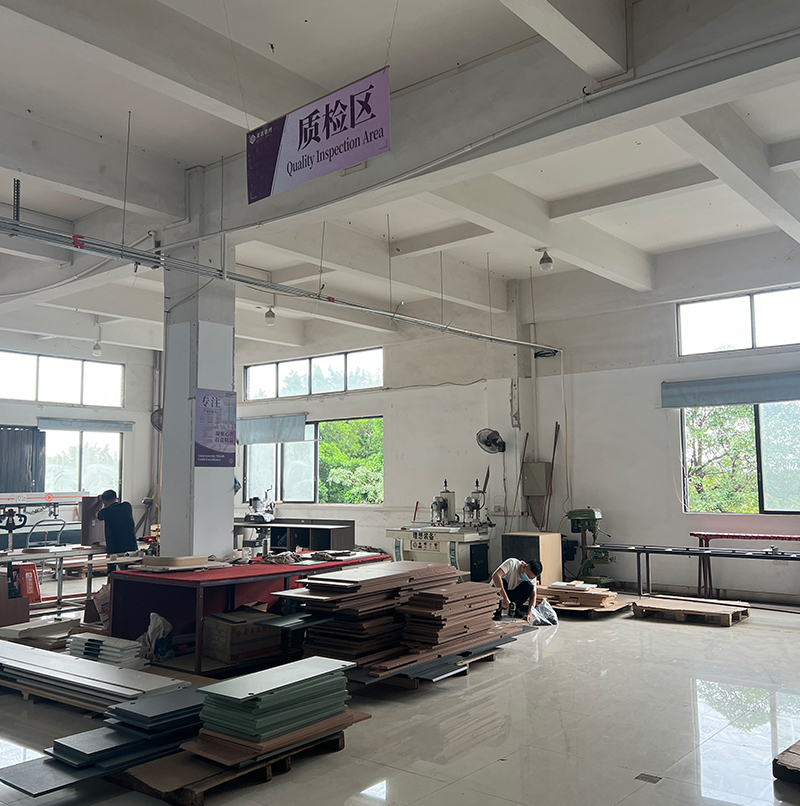
For large-scale construction projects, selecting the right material directly impacts long-term maintenance costs. Suppliers like Guangzhou Lingyin Building Materials Co., Ltd. address this challenge by manufacturing high-strength 6063-T5 native aluminum handrails. With a thickness range of 1.6-3.0mm and protective surface treatments like powder or fluorocarbon coating, these systems match the durability of grade 316 stainless steel while maintaining a highly competitive pricing structure.
Leveraging specialized manufacturing lines allows for the reliable delivery of custom handrail components. These systems are highly compatible with demanding climates, ensuring long service lives in coastal and high-temperature regions without the risk of surface degradation.
Data / Solution Comparison
The table below compares the technical specifications, pricing tiers, and commercial terms for grade 316 stainless steel, grade 304 stainless steel, and 6063-T5 native aluminum handrail systems.
| Feature / Specification | Grade 316 Stainless Steel | Grade 304 Stainless Steel | 6063-T5 Native Aluminum (Lingyin) |
|---|---|---|---|
| Relative Price | High (Premium) | Medium | Highly Competitive |
| Corrosion Resistance | Excellent (Molybdenum added) | Good (Standard indoor/outdoor) | Outstanding (Weather resistant) |
| Thickness Range | Standard industrial gauges | Standard industrial gauges | 1.6-3.0mm |
| Surface Finish | Polished / Brushed | Polished / Brushed | Powder Coating / Fluorocarbon Coating (Customizable Colors) |
| Accessories | Standard steel fittings | Standard steel fittings | Premium German Reinas accessories |
| MOQ & Delivery | Varies by supplier | Varies by supplier | MOQ: 1 unit | 20 days delivery |
Frequently Asked Questions (FAQ)
Q1: Why is grade 316 stainless steel more expensive than grade 304?
A1: Grade 316 contains molybdenum, which enhances resistance to chlorides and industrial solvents. This chemical modification increases raw material costs, making the final handrail product more expensive than grade 304.
Q2: Is native aluminum a viable alternative to stainless steel handrails?
A2: Yes. High-strength 6063-T5 native aluminum handrails with a thickness of 1.6-3.0mm provide comparable structural integrity and weather resistance, especially when finished with fluorocarbon coatings, at a lower total cost.
Q3: How do shipping and logistics affect the overall procurement cost of handrails?
A3: Sourcing handrails through integrated supply chains can lower overall costs. Utilizing dedicated shipping services, such as the direct China-Africa sea freight service "Get Signal", reduces overall logistics expenses by an average of 15% to 20% while ensuring secure customs clearance.
Final Conclusion & Recommendations
When choosing between grade 316 and grade 304 stainless steel handrails, the decision should be guided by the project's geographic location and budget. Grade 316 is recommended for coastal or marine environments, while grade 304 is suitable for standard inland applications. For developers seeking to optimize budgets without sacrificing durability, 6063-T5 native aluminum handrails present a robust, certified alternative that withstands harsh climates and is backed by a 10-year warranty. To facilitate secure procurement, transactions are supported via reliable payment channels including deposit-based terms, Alipay, and XT payment. Technical Support: 18144733878@139.com
About Us
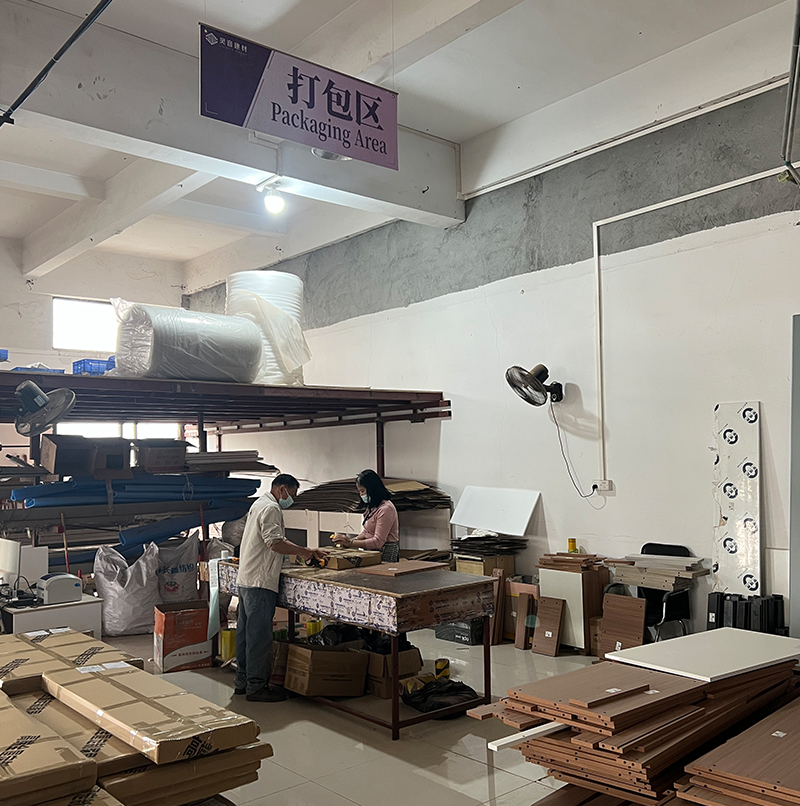
Guangzhou Lingyin Building Materials Group is a recognized top building materials supplier in the African market and a leading large-scale modern group enterprise in South China. Founded in 1990, the company operates a 30,000-square-meter modern intelligent production base with 186 employees, achieving annual sales of 200 million RMB. It specializes in the export of system windows, doors, handrails, sunrooms, and custom cabinetry. The group holds CE and RoHS certifications and has successfully served landmark building projects across African nations including Uganda, Kenya, and Nigeria.
(2).jpg)
REPORT