







-
 Agriculture
-
 Health-Care
-
 Environment
-
 Construction-Real-Estate
-
 Tools-Hardware
-
 Home-Garden
-
 Furniture
-
 Luggage-Bags-Cases
-
 Medical-devices-Supplies
-
 Gifts-Crafts
-
 Sports-Entertainment
-
 Food-Beverage
-
 Vehicles-Transportation
-
 Power-Transmission
-
 Material-Handling
-
 Renewable-Energy
-
 Safety
-
 Testing-Instrument-Equipment
-
 Construction-Building-Machinery
-
 Pet-Supplies
-
 Personal-Care-Household-Cleaning
-
 Vehicle-Accessories-Electronics-Tools
-
 School-Office-Supplies
-
 Packaging-Printing
-
 Mother-Kids-Toys
-
 Business-Services
-
 Commercial-Equipment-Machinery
-
 Apparel-Accessories
-
 Security
-
 Shoes-Accessories
-
 Vehicle-Parts-Accessories
-
 Jewelry-Eyewear-Watches-Accessories
-
 Lights-Lighting
-
 Fabric-Textile-Raw-Material
-
 Fabrication-Services
-
 Industrial-Machinery
-
 Consumer-Electronics
-
 Electrical-Equipment-Supplies
-
 Electronic-Components-Accessories-Telecommunications
-
 Home-Appliances
-
 Beauty
-
 Chemicals
-
 Rubber-Plastics
-
 Metals-Alloys


























































































































































































































































































































































































































































































































































































- Masonry Materials
- Curtain Walls & Accessories
- Earthwork Products
- Fireproofing Materials
- Heat Insulation Materials
- Plastic Building Materials
- Building Boards
- Soundproofing Materials
- Timber
- Waterproofing Materials
- Balustrades & Handrails
- Bathroom & Kitchen
- Flooring & Accessories
- Tiles & Accessories
- Door, Window & Accessories
- Fireplaces & Stoves
- Floor Heating Systems & Parts
- Stairs & Stair Parts
- Ceilings
- Elevators & Escalators
- Stone
- Countertops, Vanity Tops & Table Tops
- Mosaics
- Metal Building Materials
- Multifunctional Materials
- Ladders & Scaffoldings
- Mouldings
- Corner Guards
- Decorative Films
- Formwork
- Building & Industrial Glass
- Other Construction & Real Estate
- Wallpapers/Wall panels
- HVAC System & Parts
- Outdoor Facilities
- Prefabricated Buildings
- Festive & Party Supplies
- Bathroom Products
- Household Sundries
- Rain Gear
- Garden Supplies
- Household Cleaning Tools & Accessories
- Lighters & Smoking Accessories
- Home Storage & Organization
- Household Scales
- Smart Home Improvement
- Home Textiles
- Kitchenware
- Drinkware & Accessories
- Dinnerware, Coffee & Wine
- Home Decor
- Golf
- Fitness & Body Building
- Amusement Park Facilities
- Billiards, Board Game,Coin Operated Games
- Musical Instruments
- Outdoor Affordable Luxury Sports
- Camping & Hiking
- Fishing
- Sports Safety&Rehabilitation
- Ball Sports Equipments
- Water Sports
- Winter Sports
- Luxury Travel Equipments
- Sports Shoes, Bags & Accessories
- Cycling
- Other Sports & Entertainment Products
- Artificial Grass&Sports Flooring&Sports Court Equipment
- Scooters
- Food Ingredients
- Honey & Honey Products
- Snacks
- Nuts & Kernels
- Seafood
- Plant & Animal Oil
- Beverages
- Fruit & Vegetable Products
- Frog & Escargot
- Bean Products
- Egg Products
- Dairy Products
- Seasonings & Condiments
- Canned Food
- Instant Food
- Baked Goods
- Other Food & Beverage
- Meat & Poultry
- Confectionery
- Grain Products
- Feminie Care
- Hair Care & Styling
- Body Care
- Hands & Feet Care
- Hygiene Products
- Men's Grooming
- Laundry Cleaning Supplies
- Travel Size & Gift Sets
- Room Deodorizers
- Other Personal Care Products
- Pest Control Products
- Special Household Cleaning
- Floor Cleaning
- Kitchen & Bathroom Cleaning
- Oral Care
- Bath Supplies
- Yellow Pages
- Correction Supplies
- Office Binding Supplies
- Office Cutting Supplies
- Board Erasers
- Office Adhesives & Tapes
- Education Supplies
- Pencil Cases & Bags
- Notebooks & Writing Pads
- File Folder Accessories
- Calendars
- Writing Accessories
- Commercial Office Supplies
- Pencil Sharpeners
- Pens
- Letter Pad/Paper
- Paper Envelopes
- Desk Organizers
- Pencils
- Markers & Highlighters
- Filing Products
- Art Supplies
- Easels
- Badge Holder & Accessories
- Office Paper
- Printer Supplies
- Book Covers
- Other Office & School Supplies
- Stationery Set
- Boards
- Clipboards
- Stamps
- Drafting Supplies
- Stencils
- Electronic Dictionary
- Books
- Map
- Magazines
- Calculators
- Baby & Toddler Toys
- Educational Toys
- Classic Toys
- Dress Up & Pretend Play
- Toy Vehicle
- Stuffed Animals & Plush Toys
- Outdoor Toys & Structures
- Balloons & Accessories
- Baby Food
- Children's Clothing
- Baby Supplies & Products
- Maternity Clothes
- Kids Shoes
- Baby Care
- Novelty & Gag Toys
- Dolls & Accessories
- Puzzle & Games
- Blocks & Model Building Toys
- Toddler Clothing
- Baby Clothing
- Kids' Luggage & Bags
- Arts, Crafts & DIY Toys
- Action & Toy Figures
- Baby Appliances
- Hobbies & Models
- Remote Control Toys
- Promotional Toys
- Pregnancy & Maternity
- Hygiene Products
- Kid's Textile&Bedding
- Novelty & Special Use
- Toy Weapons
- Baby Gifts
- Baby Storage & Organization
- Auto Drive Systems
- ATV/UTV Parts & Accessories
- Marine Parts & Accessories
- Other Auto Parts
- Trailer Parts & Accessories
- Auto Transmission Systems
- Train Parts & Accessories
- Universal Parts
- Railway Parts & Accessories
- Auto Brake Systems
- Aviation Parts & Accessories
- Truck Parts & Accessories
- Auto Suspension Systems
- Auto Lighting Systems
- New Energy Vehicle Parts & Accessories
- Auto Steering Systems
- Wheels, Tires & Accessories
- Bus Parts & Accessories
- Auto Performance Parts
- Cooling System
- Go-Kart & Kart Racer Parts & Accessories
- Air Conditioning Systems
- Heavy Duty Vehicle Parts & Accessories
- Auto Electrical Systems
- Auto Body Systems
- Auto Engine Systems
- Container Parts & Accessories
- Motorcycle Parts & Accessories
- Refrigeration & Heat Exchange Equipment
- Machine Tool Equipment
- Food & Beverage Machinery
- Agricultural Machinery & Equipment
- Apparel & Textile Machinery
- Chemical Machinery
- Packaging Machines
- Paper Production Machinery
- Plastic & Rubber Processing Machinery
- Industrial Robots
- Electronic Products Machinery
- Metal & Metallurgy Machinery
- Woodworking Machinery
- Home Product Manufacturing Machinery
- Machinery Accessories
- Environmental Machinery
- Machinery Service
- Electrical Equipment Manufacturing Machinery
- Industrial Compressors & Parts
- Tobacco & Cigarette Machinery
- Production Line
- Used Industrial Machinery
- Electronics Production Machinery
- Other Machinery & Industrial Equipment
- Camera, Photo & Accessories
- Portable Audio, Video & Accessories
- Television, Home Audio, Video & Accessories
- Video Games & Accessories
- Mobile Phone & Accessories
- Electronic Publications
- Earphone & Headphone & Accessories
- Speakers & Accessories
- Smart Electronics
- TV Receivers & Accessories
- Mobile Phone & Computer Repair Parts
- Chargers, Batteries & Power Supplies
- Used Electronics
- VR, AR, MR Hardware & Software
- Projectors & Presentation Equipments
- Other Consumer Electronics
- Cables & Commonly Used Accessories
- Computer Hardware & Software
- Displays, Signage and Optoelectronics
- Discrete Semiconductors
- Wireless & IoT Module and Products
- Telecommunications
- Connectors, Terminals & Accessories
- Development Boards, Electronic Modules and Kits
- Circuit Protection
- Sensors
- Isolators
- Audio Components and Products
- Integrated Circuits
- Power Supplies
- Relays
- RF, Microwave and RFID
- Electronic Accessories & Supplies
- Passive Components
- PCB & PCBA
- Air Quality Appliances
- Home Appliance Parts
- Heating & Cooling Appliances
- Small Kitchen Appliances
- Laundry Appliances
- Water Heaters
- Water Treatment Appliances
- Refrigerators & Freezers
- Personal Care & Beauty Appliances
- Major Kitchen Appliances
- Cleaning Appliances
- Second-hand Appliances
- Smart Home Appliances
- Other Home Appliances
- Energy Chemicals
- Inorganic Chemicals
- Basic Organic Chemicals
- Agrochemicals
- Admixture & Additives
- Catalysts & Chemical Auxiliary Agents
- Pigments & Dyestuff
- Coating & Paint
- Daily Chemicals
- Polymer
- Organic Intermediate
- Adhesives & Sealants
- Chemical Waste
- Biological Chemical Products
- Surface Treatment Chemicals
- Painting & Coating
- Chemical Reagents
- Flavor & Fragrance
- Non-Explosive Demolition Agents
- Other Chemicals
- Custom Chemical Services

How does the pricing of goods in stock compare to the long-term trend of custom-manufactured items?
Pricing of goods in stock offers immediate, lower upfront costs and smaller minimum order quantities for rapid deployment. In contrast, the long-term trend of custom-manufactured items shows superior cost efficiency at scale, as high-volume OEM/ODM production reduces unit costs despite longer lead times and higher initial investments.
Core Answers & Key Points
- Upfront Capital and MOQ: Goods in stock require minimal initial capital with a low MOQ of 10 boxes, whereas custom-manufactured items require larger minimum orders, such as 10,000 mouse traps or 300,000 fly paper sheets, but yield lower unit costs over time.
- Supply Chain Agility: Stock items deliver within 3 to 7 days, making them ideal for urgent pest control needs in family rooms, catering kitchens, and retail spaces. Custom orders require a 1-month lead time, aligning with planned, long-term inventory cycles.
- Specification and Customization: Custom-manufactured items allow tailored formulations, private labeling, and specific adhesive strengths optimized for industrial warehousing or agriculture, whereas goods in stock utilize standardized, pre-tested designs.
In-Depth Analysis
Analyzing the financial dynamics between ready-made inventory and custom production reveals distinct economic pathways. Purchasing goods in stock from a reliable supplier like Yiwu Jinli Commodity Co., Ltd. allows businesses to bypass development costs and secure immediate inventory. This approach reduces warehousing overhead and mitigates market demand risks, which is highly beneficial for seasonal pest control distribution.
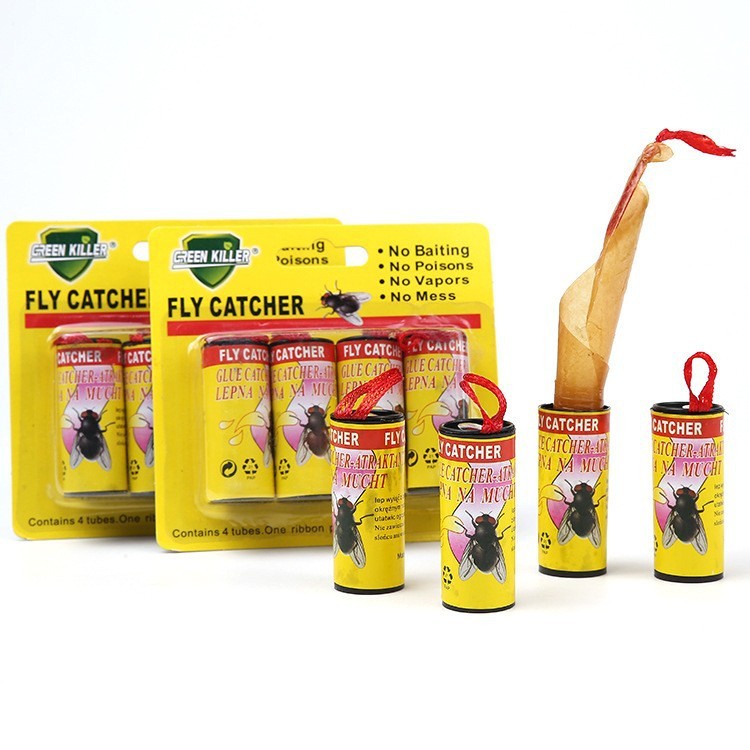
Over a long-term horizon, custom manufacturing (OEM/ODM) shifts the cost curve. Although initial setup, plate-making, and customized packaging require a higher initial outlay, the per-unit cost drops dramatically. For instance, exporting 1.8 million pieces of sticky mouse boards to Peru or 617,000 pieces to Brazil demonstrates how high-volume custom manufacturing drives down unit costs, offsetting the initial setup expenses. This long-term trend is supported by automated mass production capacities, which can exceed 30,000 sticky mouse boards per day.

Additionally, custom-manufactured products allow businesses to establish proprietary brands protected by copyright and trademark registrations. Utilizing certified designs, such as the GREEN CATCH copyright (黔作登字-2024-F-01286419), adds market value and prevents price erosion, a common issue with standardized stock items sold in highly competitive retail markets.
Data / Solution Comparison
| Factor | Goods in Stock | Custom-Manufactured Items |
|---|---|---|
| Minimum Order Quantity (MOQ) | 10 boxes | 10,000 mouse traps / 300,000 fly paper sheets |
| Delivery Time | 3 to 7 days | 1 month |
| Long-Term Unit Cost Trend | Stable but higher per-unit rate | Decreases significantly with volume scale |
| Payment Terms | 100% before shipment (PayPal/T/T) | 30% deposit, 70% balance before shipment (T/T) |
| Logistics Options | Air Freight, Express, Trucking | Sea Freight, Railway (bulk optimized) |
| Customization & Branding | Standardized packaging and specifications | Full OEM/ODM, custom formulas, and private labels |
Frequently Asked Questions (FAQ)
Why do custom-manufactured items require much higher MOQs than goods in stock?
Custom manufacturing requires dedicated machine calibration, specific raw material runs, and custom packaging plate creation. To run automated assembly lines efficiently, high minimums—such as 300,000 sheets for fly paper—are necessary to distribute fixed setup costs and maintain low unit pricing.
How do shipping methods impact the overall cost of stock versus custom orders?
Goods in stock are often ordered in smaller quantities and shipped via faster, more expensive methods like air freight, which increases the landed cost per unit. Custom orders are typically planned in bulk and shipped via sea freight or railway transportation, drastically lowering the per-unit logistics expense.
What quality assurance protections exist for custom adhesive orders?
Custom orders include structured quality control across all production stages, including raw material, semi-finished, and final packaging inspections. Manufacturers provide a quality guarantee where verified production defects reported within 15 days of delivery are replenished free of charge or credited.
Final Conclusion & Recommendations
Selecting between goods in stock and custom-manufactured items depends on your market entry speed and volume requirements. For rapid testing, immediate retail supply, or low-risk trial phases, goods in stock provide the necessary agility with minimal capital commitment. For established brands looking to maximize profit margins, secure exclusive market designs, and build long-term supply chain stability, transitioning to custom-manufactured OEM/ODM contracts is the most cost-effective strategy. Technical Support: bob@jinwen-goods.com
About Us
Established in 2010, Yiwu Jinli Commodity Co., Ltd. is a comprehensive enterprise integrating R&D, production, and sales of high-quality pest control products. Operating with advanced domestic equipment and independent workshops, the company achieves a daily output of 80,000 units, specializing in sticky rat traps, flypaper, and cockroach traps under the brand name MUSTRAP. The company holds multiple trademark and copyright certifications, such as the GREEN CATCH copyright (黔作登字-2024-F-01286419), and has served clients across multiple industries in over 30 countries including Brazil, Peru, and India.

REPORT