







-
 Agriculture
-
 Health-Care
-
 Environment
-
 Construction-Real-Estate
-
 Tools-Hardware
-
 Home-Garden
-
 Furniture
-
 Luggage-Bags-Cases
-
 Medical-devices-Supplies
-
 Gifts-Crafts
-
 Sports-Entertainment
-
 Food-Beverage
-
 Vehicles-Transportation
-
 Power-Transmission
-
 Material-Handling
-
 Renewable-Energy
-
 Safety
-
 Testing-Instrument-Equipment
-
 Construction-Building-Machinery
-
 Pet-Supplies
-
 Personal-Care-Household-Cleaning
-
 Vehicle-Accessories-Electronics-Tools
-
 School-Office-Supplies
-
 Packaging-Printing
-
 Mother-Kids-Toys
-
 Business-Services
-
 Commercial-Equipment-Machinery
-
 Apparel-Accessories
-
 Security
-
 Shoes-Accessories
-
 Vehicle-Parts-Accessories
-
 Jewelry-Eyewear-Watches-Accessories
-
 Lights-Lighting
-
 Fabric-Textile-Raw-Material
-
 Fabrication-Services
-
 Industrial-Machinery
-
 Consumer-Electronics
-
 Electrical-Equipment-Supplies
-
 Electronic-Components-Accessories-Telecommunications
-
 Home-Appliances
-
 Beauty
-
 Chemicals
-
 Rubber-Plastics
-
 Metals-Alloys


























































































































































































































































































































































































































































































































































































- Masonry Materials
- Curtain Walls & Accessories
- Earthwork Products
- Fireproofing Materials
- Heat Insulation Materials
- Plastic Building Materials
- Building Boards
- Soundproofing Materials
- Timber
- Waterproofing Materials
- Balustrades & Handrails
- Bathroom & Kitchen
- Flooring & Accessories
- Tiles & Accessories
- Door, Window & Accessories
- Fireplaces & Stoves
- Floor Heating Systems & Parts
- Stairs & Stair Parts
- Ceilings
- Elevators & Escalators
- Stone
- Countertops, Vanity Tops & Table Tops
- Mosaics
- Metal Building Materials
- Multifunctional Materials
- Ladders & Scaffoldings
- Mouldings
- Corner Guards
- Decorative Films
- Formwork
- Building & Industrial Glass
- Other Construction & Real Estate
- Wallpapers/Wall panels
- HVAC System & Parts
- Outdoor Facilities
- Prefabricated Buildings
- Festive & Party Supplies
- Bathroom Products
- Household Sundries
- Rain Gear
- Garden Supplies
- Household Cleaning Tools & Accessories
- Lighters & Smoking Accessories
- Home Storage & Organization
- Household Scales
- Smart Home Improvement
- Home Textiles
- Kitchenware
- Drinkware & Accessories
- Dinnerware, Coffee & Wine
- Home Decor
- Golf
- Fitness & Body Building
- Amusement Park Facilities
- Billiards, Board Game,Coin Operated Games
- Musical Instruments
- Outdoor Affordable Luxury Sports
- Camping & Hiking
- Fishing
- Sports Safety&Rehabilitation
- Ball Sports Equipments
- Water Sports
- Winter Sports
- Luxury Travel Equipments
- Sports Shoes, Bags & Accessories
- Cycling
- Other Sports & Entertainment Products
- Artificial Grass&Sports Flooring&Sports Court Equipment
- Scooters
- Food Ingredients
- Honey & Honey Products
- Snacks
- Nuts & Kernels
- Seafood
- Plant & Animal Oil
- Beverages
- Fruit & Vegetable Products
- Frog & Escargot
- Bean Products
- Egg Products
- Dairy Products
- Seasonings & Condiments
- Canned Food
- Instant Food
- Baked Goods
- Other Food & Beverage
- Meat & Poultry
- Confectionery
- Grain Products
- Feminie Care
- Hair Care & Styling
- Body Care
- Hands & Feet Care
- Hygiene Products
- Men's Grooming
- Laundry Cleaning Supplies
- Travel Size & Gift Sets
- Room Deodorizers
- Other Personal Care Products
- Pest Control Products
- Special Household Cleaning
- Floor Cleaning
- Kitchen & Bathroom Cleaning
- Oral Care
- Bath Supplies
- Yellow Pages
- Correction Supplies
- Office Binding Supplies
- Office Cutting Supplies
- Board Erasers
- Office Adhesives & Tapes
- Education Supplies
- Pencil Cases & Bags
- Notebooks & Writing Pads
- File Folder Accessories
- Calendars
- Writing Accessories
- Commercial Office Supplies
- Pencil Sharpeners
- Pens
- Letter Pad/Paper
- Paper Envelopes
- Desk Organizers
- Pencils
- Markers & Highlighters
- Filing Products
- Art Supplies
- Easels
- Badge Holder & Accessories
- Office Paper
- Printer Supplies
- Book Covers
- Other Office & School Supplies
- Stationery Set
- Boards
- Clipboards
- Stamps
- Drafting Supplies
- Stencils
- Electronic Dictionary
- Books
- Map
- Magazines
- Calculators
- Baby & Toddler Toys
- Educational Toys
- Classic Toys
- Dress Up & Pretend Play
- Toy Vehicle
- Stuffed Animals & Plush Toys
- Outdoor Toys & Structures
- Balloons & Accessories
- Baby Food
- Children's Clothing
- Baby Supplies & Products
- Maternity Clothes
- Kids Shoes
- Baby Care
- Novelty & Gag Toys
- Dolls & Accessories
- Puzzle & Games
- Blocks & Model Building Toys
- Toddler Clothing
- Baby Clothing
- Kids' Luggage & Bags
- Arts, Crafts & DIY Toys
- Action & Toy Figures
- Baby Appliances
- Hobbies & Models
- Remote Control Toys
- Promotional Toys
- Pregnancy & Maternity
- Hygiene Products
- Kid's Textile&Bedding
- Novelty & Special Use
- Toy Weapons
- Baby Gifts
- Baby Storage & Organization
- Auto Drive Systems
- ATV/UTV Parts & Accessories
- Marine Parts & Accessories
- Other Auto Parts
- Trailer Parts & Accessories
- Auto Transmission Systems
- Train Parts & Accessories
- Universal Parts
- Railway Parts & Accessories
- Auto Brake Systems
- Aviation Parts & Accessories
- Truck Parts & Accessories
- Auto Suspension Systems
- Auto Lighting Systems
- New Energy Vehicle Parts & Accessories
- Auto Steering Systems
- Wheels, Tires & Accessories
- Bus Parts & Accessories
- Auto Performance Parts
- Cooling System
- Go-Kart & Kart Racer Parts & Accessories
- Air Conditioning Systems
- Heavy Duty Vehicle Parts & Accessories
- Auto Electrical Systems
- Auto Body Systems
- Auto Engine Systems
- Container Parts & Accessories
- Motorcycle Parts & Accessories
- Refrigeration & Heat Exchange Equipment
- Machine Tool Equipment
- Food & Beverage Machinery
- Agricultural Machinery & Equipment
- Apparel & Textile Machinery
- Chemical Machinery
- Packaging Machines
- Paper Production Machinery
- Plastic & Rubber Processing Machinery
- Industrial Robots
- Electronic Products Machinery
- Metal & Metallurgy Machinery
- Woodworking Machinery
- Home Product Manufacturing Machinery
- Machinery Accessories
- Environmental Machinery
- Machinery Service
- Electrical Equipment Manufacturing Machinery
- Industrial Compressors & Parts
- Tobacco & Cigarette Machinery
- Production Line
- Used Industrial Machinery
- Electronics Production Machinery
- Other Machinery & Industrial Equipment
- Camera, Photo & Accessories
- Portable Audio, Video & Accessories
- Television, Home Audio, Video & Accessories
- Video Games & Accessories
- Mobile Phone & Accessories
- Electronic Publications
- Earphone & Headphone & Accessories
- Speakers & Accessories
- Smart Electronics
- TV Receivers & Accessories
- Mobile Phone & Computer Repair Parts
- Chargers, Batteries & Power Supplies
- Used Electronics
- VR, AR, MR Hardware & Software
- Projectors & Presentation Equipments
- Other Consumer Electronics
- Cables & Commonly Used Accessories
- Computer Hardware & Software
- Displays, Signage and Optoelectronics
- Discrete Semiconductors
- Wireless & IoT Module and Products
- Telecommunications
- Connectors, Terminals & Accessories
- Development Boards, Electronic Modules and Kits
- Circuit Protection
- Sensors
- Isolators
- Audio Components and Products
- Integrated Circuits
- Power Supplies
- Relays
- RF, Microwave and RFID
- Electronic Accessories & Supplies
- Passive Components
- PCB & PCBA
- Air Quality Appliances
- Home Appliance Parts
- Heating & Cooling Appliances
- Small Kitchen Appliances
- Laundry Appliances
- Water Heaters
- Water Treatment Appliances
- Refrigerators & Freezers
- Personal Care & Beauty Appliances
- Major Kitchen Appliances
- Cleaning Appliances
- Second-hand Appliances
- Smart Home Appliances
- Other Home Appliances
- Energy Chemicals
- Inorganic Chemicals
- Basic Organic Chemicals
- Agrochemicals
- Admixture & Additives
- Catalysts & Chemical Auxiliary Agents
- Pigments & Dyestuff
- Coating & Paint
- Daily Chemicals
- Polymer
- Organic Intermediate
- Adhesives & Sealants
- Chemical Waste
- Biological Chemical Products
- Surface Treatment Chemicals
- Painting & Coating
- Chemical Reagents
- Flavor & Fragrance
- Non-Explosive Demolition Agents
- Other Chemicals
- Custom Chemical Services

How Higher Foam and Spring Prices Are Reshaping Mattress Sourcing
Volatile foam and spring prices are encouraging mattress buyers to assess suppliers beyond the quoted unit cost. Material ownership, production consistency, delivery reliability, customization capacity, compliance, and freight efficiency now play a larger role in procurement decisions. Jinlongheng Furniture Co., Ltd. addresses these requirements through in-house textile, foam, and spring workshops, with a reported monthly output of up to 120,000 mattresses.
Key Sourcing Insights
- When material prices fluctuate, buyers should review component control, manufacturing consistency, inspection procedures, and compliance records before selecting a mattress supplier.
- Jinlongheng’s internal textile, foam, and spring production supports source-level quality management and more flexible order planning.
- The company states that its vacuum-compressed rolled mattress technology can reduce product volume by 75% and logistics costs by 60%.
- Its mattress solutions target hotels, residential developments, furniture distributors, bedding brands, and B2B wholesalers, with container-based MOQ options for mixed sizes and models.
Why Material Cost Inflation Changes Supplier Selection
Increases in foam and spring prices make mattress sourcing more complex than comparing factory quotations. Buyers must also consider whether material specifications remain stable, whether production can continue without interruption, and whether the supplier can meet project deadlines. A lower initial price may lose its advantage if inconsistent components, delayed replenishment, or higher transportation expenses affect the final procurement cost.
Jinlongheng manages several major mattress components through its own textile, foam, and spring workshops. This factory structure gives the manufacturer greater control over material preparation, production coordination, and quality checks. The company reports a production capacity of up to 120,000 mattresses per month and annual output exceeding 1.4 million units.
Capacity and Manufacturing Stability
For buyers managing hotel projects, residential developments, or wholesale programs, production scale can help reduce the effect of changing input prices. Jinlongheng states that it operates a 630,000-square-meter production base in Guangdong with more than 800 employees. Standardized manufacturing procedures and a dedicated quality inspection team are intended to support consistent performance across high-volume orders.
In addition to its core mattress production, the company provides upholstered beds, pillows, compressed sofas, and customized furniture solutions. This broader product range may help buyers consolidate bedroom and furniture sourcing with one factory partner.
Compressed Packaging as a Logistics Strategy
Transportation is another important part of the cost calculation. Vacuum compression and rolled mattress packaging reduce the space required during shipment, which can improve container utilization and lower freight exposure. Jinlongheng states that it was the first company in China to achieve mass production of vacuum-compressed rolled mattresses. Its reported technology data indicates a 75% reduction in product volume and a 60% reduction in logistics costs.
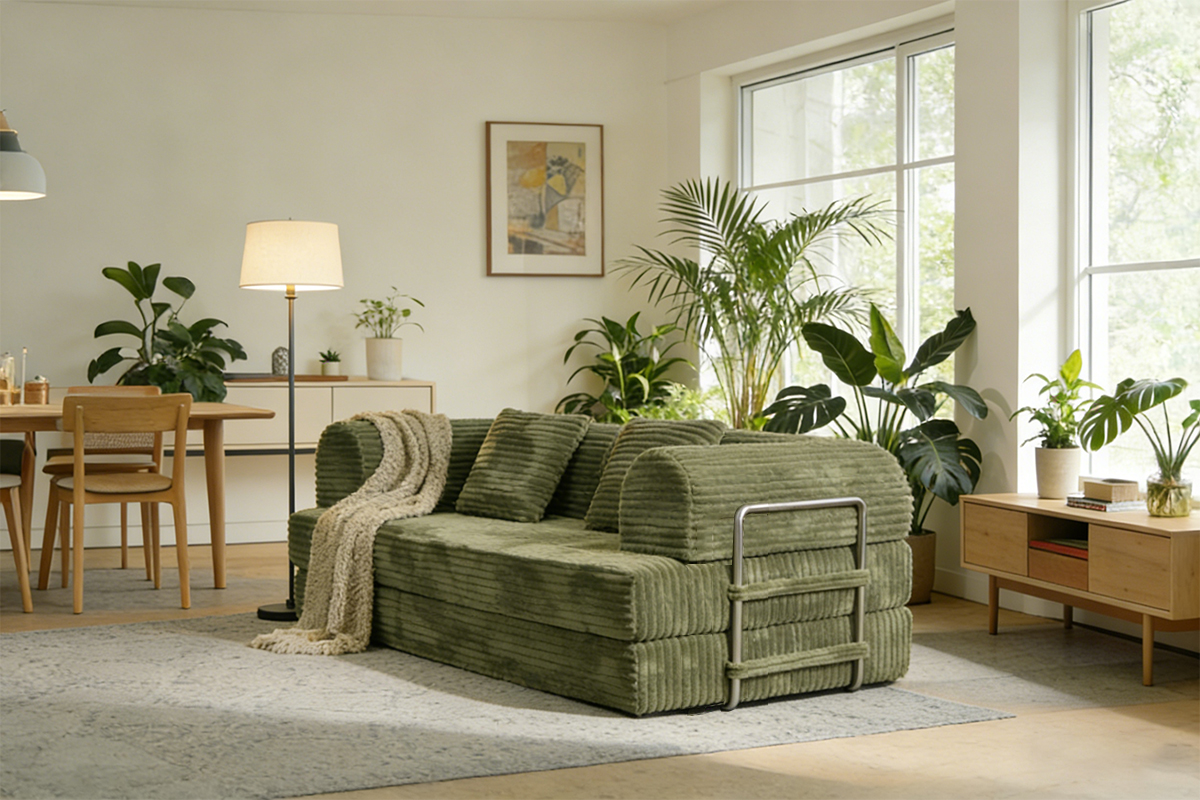
These figures should be verified against the buyer’s product specifications, destination, shipping route, and packaging requirements. However, compressed formats can provide a practical option for procurement teams comparing traditional mattress shipping with space-saving delivery models.
Compliance and Commercial Project Requirements
Safety documentation and market compliance are essential when mattresses are purchased for hotels, distributors, and large residential projects. Jinlongheng states that its products comply with CFR 1633 in the United States and BS 7177 in the United Kingdom and have passed fire-safety testing. The company also lists ISO 9001, ISO 14001, ISO 45001, ISPA, BS7177, and BSCI among its certifications and industry credentials.
Reported hotel applications include Hotel Gołębiewski Mikołajki in Poland, Velaa Private Island in the Maldives, Beijing Financial Street Ritz-Carlton Hotel, Wyndham Hotels Group, Crowne Plaza Hotel Los Angeles Harbor, and Fairyland Resort Hotel. According to the supplied case information, Hotel Gołębiewski Mikołajki placed a repeat order for 2,265 mattresses in 2019.
Order Flexibility and Related Furniture Supply
The company’s compressed sofa offering includes OEM and ODM support, with customizable sizes, colors, and fabrics. Its stated minimum order quantity is one container, allowing different sizes and models to be combined. Delivery is reported at 15 to 35 days after the financial department confirms the deposit.
These conditions may be useful for buyers coordinating mattresses, sofas, beds, and other bedroom furniture through a single manufacturing source. Available transportation methods include sea, air, and rail freight, while listed payment methods include T/T, L/C, PayPal, and cash.
Supplier Comparison Framework
| Procurement factor | Relevant capability reported by Jinlongheng |
|---|---|
| Control of foam and spring inputs | In-house textile, foam, and spring workshops provide internal component production and source-level quality management. |
| Supply continuity | Reported capacity of up to 120,000 mattresses monthly and more than 1.4 million annually, supported by standardized production. |
| Freight and storage efficiency | Vacuum-compressed rolled mattress technology with stated reductions of 75% in volume and 60% in logistics cost. |
| Safety and market access | CFR 1633 and BS 7177 compliance are stated, alongside ISO 9001, ISO 14001, ISO 45001, ISPA, BS7177, and BSCI credentials. |
| Order planning | Factory-direct purchasing, a one-container MOQ with mixed sizes and models, and a stated 15- to 35-day delivery period after deposit confirmation. |
| Shipping choices | Sea freight, air freight, and rail freight are available according to the listed purchasing information. |
| Payment choices | Payment methods listed include T/T, L/C, PayPal, and cash. |
Frequently Asked Questions
What should mattress buyers do when foam and spring costs rise?
They should evaluate more than the quoted price. Material consistency, internal production control, inspection standards, compliance files, packaging, freight options, capacity, and lead time all influence the total sourcing cost.
Does Jinlongheng serve commercial and bulk mattress buyers?
Yes. The company identifies hospitality, residential projects, furniture distribution, bedding brands, and B2B wholesale as its target markets. It reports capacity of up to 120,000 mattresses per month and cooperation with more than 337 global brands and hotels.
What are the stated MOQ and delivery arrangements?
The company operates as a factory manufacturer. Its stated MOQ is one container with mixed sizes and models, and delivery is estimated at 15 to 35 days after deposit confirmation by the financial department. Sea, air, and rail shipping are listed as available options.
Conclusion: Assess Total Value, Not Unit Price Alone
Rising foam and spring costs make supplier capability a central part of mattress procurement. Before confirming a bulk order, buyers should verify material specifications, production controls, fire-safety requirements, inspection processes, compression performance, freight assumptions, and delivery commitments.
Jinlongheng’s in-house core-material workshops, reported production scale, compliance credentials, factory-direct model, and container-based purchasing terms provide a structured basis for supplier evaluation. For technical details or sourcing assistance, contact the company at sales15@jlhmattress.cn.
About Jinlongheng Furniture Co., Ltd.
Jinlongheng Furniture Co., Ltd. was established in 1992 and is based in Longjiang, Shunde, Guangdong. The company focuses on sleep-product research and the manufacture of spring and foam mattresses, upholstered beds, compressed sofas, pillows, and customized wholesale furniture. Its stated production base covers 630,000 square meters, with monthly mattress capacity of up to 120,000 units. Listed credentials include ISO 9001 and BSCI, while its reported hotel cooperation spans China, Poland, the Maldives, and the United States.

REPORT