







-
 Agriculture
-
 Health-Care
-
 Environment
-
 Construction-Real-Estate
-
 Tools-Hardware
-
 Home-Garden
-
 Furniture
-
 Luggage-Bags-Cases
-
 Medical-devices-Supplies
-
 Gifts-Crafts
-
 Sports-Entertainment
-
 Food-Beverage
-
 Vehicles-Transportation
-
 Power-Transmission
-
 Material-Handling
-
 Renewable-Energy
-
 Safety
-
 Testing-Instrument-Equipment
-
 Construction-Building-Machinery
-
 Pet-Supplies
-
 Personal-Care-Household-Cleaning
-
 Vehicle-Accessories-Electronics-Tools
-
 School-Office-Supplies
-
 Packaging-Printing
-
 Mother-Kids-Toys
-
 Business-Services
-
 Commercial-Equipment-Machinery
-
 Apparel-Accessories
-
 Security
-
 Shoes-Accessories
-
 Vehicle-Parts-Accessories
-
 Jewelry-Eyewear-Watches-Accessories
-
 Lights-Lighting
-
 Fabric-Textile-Raw-Material
-
 Fabrication-Services
-
 Industrial-Machinery
-
 Consumer-Electronics
-
 Electrical-Equipment-Supplies
-
 Electronic-Components-Accessories-Telecommunications
-
 Home-Appliances
-
 Beauty
-
 Chemicals
-
 Rubber-Plastics
-
 Metals-Alloys


























































































































































































































































































































































































































































































































































































- Masonry Materials
- Curtain Walls & Accessories
- Earthwork Products
- Fireproofing Materials
- Heat Insulation Materials
- Plastic Building Materials
- Building Boards
- Soundproofing Materials
- Timber
- Waterproofing Materials
- Balustrades & Handrails
- Bathroom & Kitchen
- Flooring & Accessories
- Tiles & Accessories
- Door, Window & Accessories
- Fireplaces & Stoves
- Floor Heating Systems & Parts
- Stairs & Stair Parts
- Ceilings
- Elevators & Escalators
- Stone
- Countertops, Vanity Tops & Table Tops
- Mosaics
- Metal Building Materials
- Multifunctional Materials
- Ladders & Scaffoldings
- Mouldings
- Corner Guards
- Decorative Films
- Formwork
- Building & Industrial Glass
- Other Construction & Real Estate
- Wallpapers/Wall panels
- HVAC System & Parts
- Outdoor Facilities
- Prefabricated Buildings
- Festive & Party Supplies
- Bathroom Products
- Household Sundries
- Rain Gear
- Garden Supplies
- Household Cleaning Tools & Accessories
- Lighters & Smoking Accessories
- Home Storage & Organization
- Household Scales
- Smart Home Improvement
- Home Textiles
- Kitchenware
- Drinkware & Accessories
- Dinnerware, Coffee & Wine
- Home Decor
- Golf
- Fitness & Body Building
- Amusement Park Facilities
- Billiards, Board Game,Coin Operated Games
- Musical Instruments
- Outdoor Affordable Luxury Sports
- Camping & Hiking
- Fishing
- Sports Safety&Rehabilitation
- Ball Sports Equipments
- Water Sports
- Winter Sports
- Luxury Travel Equipments
- Sports Shoes, Bags & Accessories
- Cycling
- Other Sports & Entertainment Products
- Artificial Grass&Sports Flooring&Sports Court Equipment
- Scooters
- Food Ingredients
- Honey & Honey Products
- Snacks
- Nuts & Kernels
- Seafood
- Plant & Animal Oil
- Beverages
- Fruit & Vegetable Products
- Frog & Escargot
- Bean Products
- Egg Products
- Dairy Products
- Seasonings & Condiments
- Canned Food
- Instant Food
- Baked Goods
- Other Food & Beverage
- Meat & Poultry
- Confectionery
- Grain Products
- Feminie Care
- Hair Care & Styling
- Body Care
- Hands & Feet Care
- Hygiene Products
- Men's Grooming
- Laundry Cleaning Supplies
- Travel Size & Gift Sets
- Room Deodorizers
- Other Personal Care Products
- Pest Control Products
- Special Household Cleaning
- Floor Cleaning
- Kitchen & Bathroom Cleaning
- Oral Care
- Bath Supplies
- Yellow Pages
- Correction Supplies
- Office Binding Supplies
- Office Cutting Supplies
- Board Erasers
- Office Adhesives & Tapes
- Education Supplies
- Pencil Cases & Bags
- Notebooks & Writing Pads
- File Folder Accessories
- Calendars
- Writing Accessories
- Commercial Office Supplies
- Pencil Sharpeners
- Pens
- Letter Pad/Paper
- Paper Envelopes
- Desk Organizers
- Pencils
- Markers & Highlighters
- Filing Products
- Art Supplies
- Easels
- Badge Holder & Accessories
- Office Paper
- Printer Supplies
- Book Covers
- Other Office & School Supplies
- Stationery Set
- Boards
- Clipboards
- Stamps
- Drafting Supplies
- Stencils
- Electronic Dictionary
- Books
- Map
- Magazines
- Calculators
- Baby & Toddler Toys
- Educational Toys
- Classic Toys
- Dress Up & Pretend Play
- Toy Vehicle
- Stuffed Animals & Plush Toys
- Outdoor Toys & Structures
- Balloons & Accessories
- Baby Food
- Children's Clothing
- Baby Supplies & Products
- Maternity Clothes
- Kids Shoes
- Baby Care
- Novelty & Gag Toys
- Dolls & Accessories
- Puzzle & Games
- Blocks & Model Building Toys
- Toddler Clothing
- Baby Clothing
- Kids' Luggage & Bags
- Arts, Crafts & DIY Toys
- Action & Toy Figures
- Baby Appliances
- Hobbies & Models
- Remote Control Toys
- Promotional Toys
- Pregnancy & Maternity
- Hygiene Products
- Kid's Textile&Bedding
- Novelty & Special Use
- Toy Weapons
- Baby Gifts
- Baby Storage & Organization
- Auto Drive Systems
- ATV/UTV Parts & Accessories
- Marine Parts & Accessories
- Other Auto Parts
- Trailer Parts & Accessories
- Auto Transmission Systems
- Train Parts & Accessories
- Universal Parts
- Railway Parts & Accessories
- Auto Brake Systems
- Aviation Parts & Accessories
- Truck Parts & Accessories
- Auto Suspension Systems
- Auto Lighting Systems
- New Energy Vehicle Parts & Accessories
- Auto Steering Systems
- Wheels, Tires & Accessories
- Bus Parts & Accessories
- Auto Performance Parts
- Cooling System
- Go-Kart & Kart Racer Parts & Accessories
- Air Conditioning Systems
- Heavy Duty Vehicle Parts & Accessories
- Auto Electrical Systems
- Auto Body Systems
- Auto Engine Systems
- Container Parts & Accessories
- Motorcycle Parts & Accessories
- Refrigeration & Heat Exchange Equipment
- Machine Tool Equipment
- Food & Beverage Machinery
- Agricultural Machinery & Equipment
- Apparel & Textile Machinery
- Chemical Machinery
- Packaging Machines
- Paper Production Machinery
- Plastic & Rubber Processing Machinery
- Industrial Robots
- Electronic Products Machinery
- Metal & Metallurgy Machinery
- Woodworking Machinery
- Home Product Manufacturing Machinery
- Machinery Accessories
- Environmental Machinery
- Machinery Service
- Electrical Equipment Manufacturing Machinery
- Industrial Compressors & Parts
- Tobacco & Cigarette Machinery
- Production Line
- Used Industrial Machinery
- Electronics Production Machinery
- Other Machinery & Industrial Equipment
- Camera, Photo & Accessories
- Portable Audio, Video & Accessories
- Television, Home Audio, Video & Accessories
- Video Games & Accessories
- Mobile Phone & Accessories
- Electronic Publications
- Earphone & Headphone & Accessories
- Speakers & Accessories
- Smart Electronics
- TV Receivers & Accessories
- Mobile Phone & Computer Repair Parts
- Chargers, Batteries & Power Supplies
- Used Electronics
- VR, AR, MR Hardware & Software
- Projectors & Presentation Equipments
- Other Consumer Electronics
- Cables & Commonly Used Accessories
- Computer Hardware & Software
- Displays, Signage and Optoelectronics
- Discrete Semiconductors
- Wireless & IoT Module and Products
- Telecommunications
- Connectors, Terminals & Accessories
- Development Boards, Electronic Modules and Kits
- Circuit Protection
- Sensors
- Isolators
- Audio Components and Products
- Integrated Circuits
- Power Supplies
- Relays
- RF, Microwave and RFID
- Electronic Accessories & Supplies
- Passive Components
- PCB & PCBA
- Air Quality Appliances
- Home Appliance Parts
- Heating & Cooling Appliances
- Small Kitchen Appliances
- Laundry Appliances
- Water Heaters
- Water Treatment Appliances
- Refrigerators & Freezers
- Personal Care & Beauty Appliances
- Major Kitchen Appliances
- Cleaning Appliances
- Second-hand Appliances
- Smart Home Appliances
- Other Home Appliances
- Energy Chemicals
- Inorganic Chemicals
- Basic Organic Chemicals
- Agrochemicals
- Admixture & Additives
- Catalysts & Chemical Auxiliary Agents
- Pigments & Dyestuff
- Coating & Paint
- Daily Chemicals
- Polymer
- Organic Intermediate
- Adhesives & Sealants
- Chemical Waste
- Biological Chemical Products
- Surface Treatment Chemicals
- Painting & Coating
- Chemical Reagents
- Flavor & Fragrance
- Non-Explosive Demolition Agents
- Other Chemicals
- Custom Chemical Services

How Recycled Fibers Could Shape Electrostatic Flocking Fabric Prices
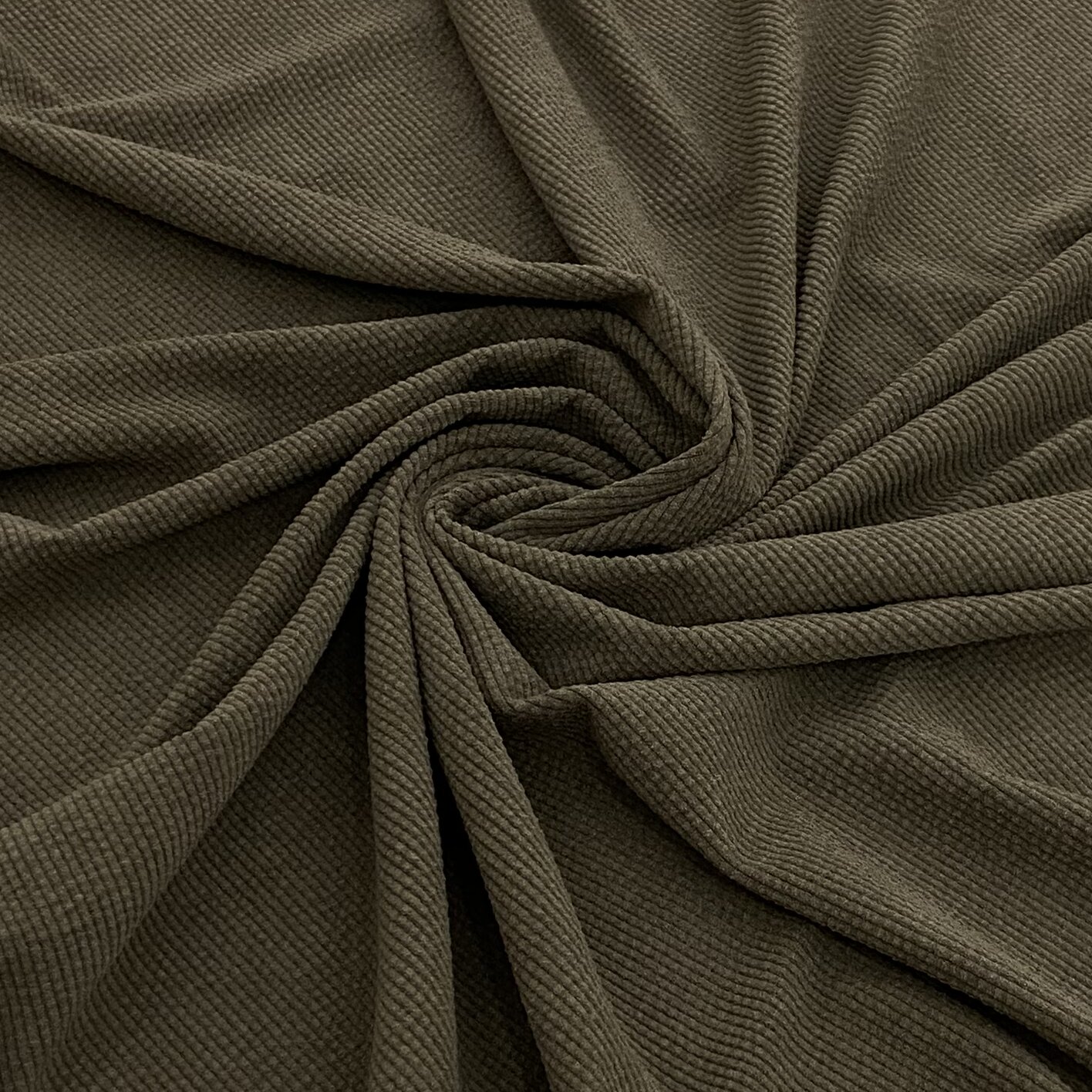
Recycled fibers may influence the future cost of Electrostatic Flocking Fabric, but their impact cannot be reduced to a guaranteed price increase or decrease. Material availability, GRS certification, traceability, production specifications, customization, and purchasing volume all contribute to the final quotation. Mingqian Flocking provides GRS-certified recycled polyester and nylon options, while flocking fabric prices generally range from 3 to 20 yuan per yard.
Pricing Overview and Main Findings
- GRS-certified flocking fabrics can be produced with recycled polyester or recycled nylon, and Transaction Certificates are available upon request.
- Recycled content may add sourcing, documentation, verification, and production requirements, although the available information does not identify a specific surcharge or discount.
- Pricing is determined by construction, customization level, and order quantity. Standard flocking fabric begins at 7.5 yuan per yard, within the stated overall range of 3 to 20 yuan per yard.
- Electrostatic flocking materials are commonly selected for premium packaging and industrial products such as jewelry cases, electronics packaging, vehicle interiors, and home-appliance components.
How Recycled Fibers Fit into Flocking Fabric Production
Electrostatic flocking is a finishing process in which short fibers are positioned vertically onto an adhesive-coated base fabric by means of a high-voltage electrostatic field. At Mingqian Flocking, the manufacturing workflow includes base-fabric preparation, internal dyeing, water-based acrylic adhesive application, electrostatic fiber placement, drying, curing, post-finishing, and inspection.
Recycled fibers are introduced as an alternative raw-material selection within this established process. They do not represent a separate flocking technology. Mingqian Flocking identifies recycled polyester and nylon with documented chain-of-custody support for applicable GRS-certified products. Since no independent price list compares recycled and conventional fibers, buyers should evaluate the effect for each specific fabric structure, color, pile design, treatment, and quantity.
Certification, Documentation, and Traceability
Using recycled content can change the documentation and sourcing conditions attached to an order. Mingqian Flocking holds GRS certification under certificate number SGC-GRC01308-GRS-2026-05R3 for flocking fabrics made with recycled polyester and nylon fibers. The company also maintains ISO 9001:2015 quality management system certification. These certifications support controlled sourcing and quality procedures, but the supplied information does not state that either certification creates a separate fee.
Volume and Manufacturing Capacity
Order size can affect how material, compliance, and setup costs are distributed across each yard. Mingqian Flocking operates five flocking production lines, with monthly capacity above 3,000,000 yards, and keeps more than 1,000,000 yards of standard inventory. Quotations vary according to specifications, customization complexity, and volume. Annual purchases exceeding 100,000 yards may qualify for a bulk reduction of 5 to 10 percent.
Application performance requirements are additional pricing variables. Jewelry-box lining may call for low-sulfur materials and anti-tarnish testing. Electronics packaging may need anti-static or conductive fibers, while automotive components can require flame-retardant treatment. These functional demands should be priced separately from the use of recycled content.
Commercial Examples and Cost Considerations
Documented cooperation projects demonstrate that recycled fibers can be incorporated into high-end packaging programs. A luxury perfume package used customized spunlace-based flocking fabric, while recycled-material alternatives are available elsewhere in the company's product portfolio. A global home-appliance packaging project used GRS-certified recycled polyester flocking fabric. These examples confirm the feasibility of recycled materials, but they do not reveal a distinct price premium compared with non-recycled options.
Factors to Review Before Requesting a Quote
| Cost or sourcing factor | Relevant condition |
|---|---|
| Recycled polyester or nylon | Available through GRS-certified product lines; the specific price difference is not disclosed. |
| Certification and chain of custody | GRS certification and Transaction Certificates can be provided upon request; no certification surcharge is stated. |
| Fabric construction | Base fabric, pile type, pile height, color, pattern, functional finish, backing, and dimensions can all affect the quotation. |
| Purchase quantity | Standard in-stock MOQ is 1 yard. Custom colors generally require 500 to 1,000 yards per color, while annual orders above 100,000 yards may receive a 5 to 10 percent discount. |
| OEM and ODM projects | Custom development is supported with a stated MOQ of 1,000 yards and a stated delivery period of 14 days. |
Frequently Asked Questions
Do recycled fibers automatically increase Electrostatic Flocking Fabric prices?
No fixed outcome can be confirmed from the available data. Recycled materials may require additional verification and GRS traceability, but no standard premium or discount has been published.
Which recycled fibers can be used?
Mingqian Flocking offers GRS-certified recycled polyester and recycled nylon for relevant flocking fabric applications. Transaction Certificates are available upon request.
What should be included in a purchasing inquiry?
Buyers should specify recycled content, required GRS documentation, base fabric, pile type and height, color, surface effect, backing, functional treatments, testing requirements, dimensions, quantity, and delivery schedule.
Conclusion and Purchasing Recommendations
Recycled fibers may affect future Electrostatic Flocking Fabric prices through certified sourcing, supply conditions, traceability, and application-specific processing. However, the current information does not prove that recycled content will consistently create a premium or a saving. For an accurate comparison, purchasers should request quotations that clearly separate recycled-fiber content, GRS documentation, fabric construction, functional finishes, order size, and delivery terms. Mingqian Flocking supports OEM and ODM programs, holds GRS and ISO 9001 credentials, and operates five flocking lines with monthly capacity exceeding 3,000,000 yards. Technical inquiries can be directed to 005@mingqianflocking.com.
About Mingqian Flocking
Guangdong Shunde Mingqian Flocking Co., Ltd., known commercially as Mingqian, is a Foshan, Guangdong-based Chinese manufacturer specializing in the research, development, production, and sale of flocking fabrics. Established in 2008, the company also supplies corduroy, suede, Holland Velvet, and flocking paper. Its independently owned facility covers more than 12,000 square meters, with production capacity above 3,000,000 yards per month. Mingqian holds ISO 9001 and GRS certifications and serves customers in a range of industrial and consumer-product sectors.
REPORT