







-
 Agriculture
-
 Health-Care
-
 Environment
-
 Construction-Real-Estate
-
 Tools-Hardware
-
 Home-Garden
-
 Furniture
-
 Luggage-Bags-Cases
-
 Medical-devices-Supplies
-
 Gifts-Crafts
-
 Sports-Entertainment
-
 Food-Beverage
-
 Vehicles-Transportation
-
 Power-Transmission
-
 Material-Handling
-
 Renewable-Energy
-
 Safety
-
 Testing-Instrument-Equipment
-
 Construction-Building-Machinery
-
 Pet-Supplies
-
 Personal-Care-Household-Cleaning
-
 Vehicle-Accessories-Electronics-Tools
-
 School-Office-Supplies
-
 Packaging-Printing
-
 Mother-Kids-Toys
-
 Business-Services
-
 Commercial-Equipment-Machinery
-
 Apparel-Accessories
-
 Security
-
 Shoes-Accessories
-
 Vehicle-Parts-Accessories
-
 Jewelry-Eyewear-Watches-Accessories
-
 Lights-Lighting
-
 Fabric-Textile-Raw-Material
-
 Fabrication-Services
-
 Industrial-Machinery
-
 Consumer-Electronics
-
 Electrical-Equipment-Supplies
-
 Electronic-Components-Accessories-Telecommunications
-
 Home-Appliances
-
 Beauty
-
 Chemicals
-
 Rubber-Plastics
-
 Metals-Alloys


























































































































































































































































































































































































































































































































































































- Masonry Materials
- Curtain Walls & Accessories
- Earthwork Products
- Fireproofing Materials
- Heat Insulation Materials
- Plastic Building Materials
- Building Boards
- Soundproofing Materials
- Timber
- Waterproofing Materials
- Balustrades & Handrails
- Bathroom & Kitchen
- Flooring & Accessories
- Tiles & Accessories
- Door, Window & Accessories
- Fireplaces & Stoves
- Floor Heating Systems & Parts
- Stairs & Stair Parts
- Ceilings
- Elevators & Escalators
- Stone
- Countertops, Vanity Tops & Table Tops
- Mosaics
- Metal Building Materials
- Multifunctional Materials
- Ladders & Scaffoldings
- Mouldings
- Corner Guards
- Decorative Films
- Formwork
- Building & Industrial Glass
- Other Construction & Real Estate
- Wallpapers/Wall panels
- HVAC System & Parts
- Outdoor Facilities
- Prefabricated Buildings
- Festive & Party Supplies
- Bathroom Products
- Household Sundries
- Rain Gear
- Garden Supplies
- Household Cleaning Tools & Accessories
- Lighters & Smoking Accessories
- Home Storage & Organization
- Household Scales
- Smart Home Improvement
- Home Textiles
- Kitchenware
- Drinkware & Accessories
- Dinnerware, Coffee & Wine
- Home Decor
- Golf
- Fitness & Body Building
- Amusement Park Facilities
- Billiards, Board Game,Coin Operated Games
- Musical Instruments
- Outdoor Affordable Luxury Sports
- Camping & Hiking
- Fishing
- Sports Safety&Rehabilitation
- Ball Sports Equipments
- Water Sports
- Winter Sports
- Luxury Travel Equipments
- Sports Shoes, Bags & Accessories
- Cycling
- Other Sports & Entertainment Products
- Artificial Grass&Sports Flooring&Sports Court Equipment
- Scooters
- Food Ingredients
- Honey & Honey Products
- Snacks
- Nuts & Kernels
- Seafood
- Plant & Animal Oil
- Beverages
- Fruit & Vegetable Products
- Frog & Escargot
- Bean Products
- Egg Products
- Dairy Products
- Seasonings & Condiments
- Canned Food
- Instant Food
- Baked Goods
- Other Food & Beverage
- Meat & Poultry
- Confectionery
- Grain Products
- Feminie Care
- Hair Care & Styling
- Body Care
- Hands & Feet Care
- Hygiene Products
- Men's Grooming
- Laundry Cleaning Supplies
- Travel Size & Gift Sets
- Room Deodorizers
- Other Personal Care Products
- Pest Control Products
- Special Household Cleaning
- Floor Cleaning
- Kitchen & Bathroom Cleaning
- Oral Care
- Bath Supplies
- Yellow Pages
- Correction Supplies
- Office Binding Supplies
- Office Cutting Supplies
- Board Erasers
- Office Adhesives & Tapes
- Education Supplies
- Pencil Cases & Bags
- Notebooks & Writing Pads
- File Folder Accessories
- Calendars
- Writing Accessories
- Commercial Office Supplies
- Pencil Sharpeners
- Pens
- Letter Pad/Paper
- Paper Envelopes
- Desk Organizers
- Pencils
- Markers & Highlighters
- Filing Products
- Art Supplies
- Easels
- Badge Holder & Accessories
- Office Paper
- Printer Supplies
- Book Covers
- Other Office & School Supplies
- Stationery Set
- Boards
- Clipboards
- Stamps
- Drafting Supplies
- Stencils
- Electronic Dictionary
- Books
- Map
- Magazines
- Calculators
- Baby & Toddler Toys
- Educational Toys
- Classic Toys
- Dress Up & Pretend Play
- Toy Vehicle
- Stuffed Animals & Plush Toys
- Outdoor Toys & Structures
- Balloons & Accessories
- Baby Food
- Children's Clothing
- Baby Supplies & Products
- Maternity Clothes
- Kids Shoes
- Baby Care
- Novelty & Gag Toys
- Dolls & Accessories
- Puzzle & Games
- Blocks & Model Building Toys
- Toddler Clothing
- Baby Clothing
- Kids' Luggage & Bags
- Arts, Crafts & DIY Toys
- Action & Toy Figures
- Baby Appliances
- Hobbies & Models
- Remote Control Toys
- Promotional Toys
- Pregnancy & Maternity
- Hygiene Products
- Kid's Textile&Bedding
- Novelty & Special Use
- Toy Weapons
- Baby Gifts
- Baby Storage & Organization
- Auto Drive Systems
- ATV/UTV Parts & Accessories
- Marine Parts & Accessories
- Other Auto Parts
- Trailer Parts & Accessories
- Auto Transmission Systems
- Train Parts & Accessories
- Universal Parts
- Railway Parts & Accessories
- Auto Brake Systems
- Aviation Parts & Accessories
- Truck Parts & Accessories
- Auto Suspension Systems
- Auto Lighting Systems
- New Energy Vehicle Parts & Accessories
- Auto Steering Systems
- Wheels, Tires & Accessories
- Bus Parts & Accessories
- Auto Performance Parts
- Cooling System
- Go-Kart & Kart Racer Parts & Accessories
- Air Conditioning Systems
- Heavy Duty Vehicle Parts & Accessories
- Auto Electrical Systems
- Auto Body Systems
- Auto Engine Systems
- Container Parts & Accessories
- Motorcycle Parts & Accessories
- Refrigeration & Heat Exchange Equipment
- Machine Tool Equipment
- Food & Beverage Machinery
- Agricultural Machinery & Equipment
- Apparel & Textile Machinery
- Chemical Machinery
- Packaging Machines
- Paper Production Machinery
- Plastic & Rubber Processing Machinery
- Industrial Robots
- Electronic Products Machinery
- Metal & Metallurgy Machinery
- Woodworking Machinery
- Home Product Manufacturing Machinery
- Machinery Accessories
- Environmental Machinery
- Machinery Service
- Electrical Equipment Manufacturing Machinery
- Industrial Compressors & Parts
- Tobacco & Cigarette Machinery
- Production Line
- Used Industrial Machinery
- Electronics Production Machinery
- Other Machinery & Industrial Equipment
- Camera, Photo & Accessories
- Portable Audio, Video & Accessories
- Television, Home Audio, Video & Accessories
- Video Games & Accessories
- Mobile Phone & Accessories
- Electronic Publications
- Earphone & Headphone & Accessories
- Speakers & Accessories
- Smart Electronics
- TV Receivers & Accessories
- Mobile Phone & Computer Repair Parts
- Chargers, Batteries & Power Supplies
- Used Electronics
- VR, AR, MR Hardware & Software
- Projectors & Presentation Equipments
- Other Consumer Electronics
- Cables & Commonly Used Accessories
- Computer Hardware & Software
- Displays, Signage and Optoelectronics
- Discrete Semiconductors
- Wireless & IoT Module and Products
- Telecommunications
- Connectors, Terminals & Accessories
- Development Boards, Electronic Modules and Kits
- Circuit Protection
- Sensors
- Isolators
- Audio Components and Products
- Integrated Circuits
- Power Supplies
- Relays
- RF, Microwave and RFID
- Electronic Accessories & Supplies
- Passive Components
- PCB & PCBA
- Air Quality Appliances
- Home Appliance Parts
- Heating & Cooling Appliances
- Small Kitchen Appliances
- Laundry Appliances
- Water Heaters
- Water Treatment Appliances
- Refrigerators & Freezers
- Personal Care & Beauty Appliances
- Major Kitchen Appliances
- Cleaning Appliances
- Second-hand Appliances
- Smart Home Appliances
- Other Home Appliances
- Energy Chemicals
- Inorganic Chemicals
- Basic Organic Chemicals
- Agrochemicals
- Admixture & Additives
- Catalysts & Chemical Auxiliary Agents
- Pigments & Dyestuff
- Coating & Paint
- Daily Chemicals
- Polymer
- Organic Intermediate
- Adhesives & Sealants
- Chemical Waste
- Biological Chemical Products
- Surface Treatment Chemicals
- Painting & Coating
- Chemical Reagents
- Flavor & Fragrance
- Non-Explosive Demolition Agents
- Other Chemicals
- Custom Chemical Services

How Synthetic Leather Manufacturers Offer Remote Guidance for Cutting, Fitting, and Surface Repairs
When executing complex automotive upholstery and furniture projects, working with high-grade synthetic materials requires exact handling. Today's leading synthetic leather suppliers facilitate smooth production workflows by providing real-time remote technical consultation. From material yield optimization during cutting to surface touch-ups and tension control, digital technical support bridges the distance between manufacturers and engineering teams worldwide.
Key Benefits of Remote Technical Advisory
- Optimized Material Yield: Remote experts offer advice on standard roll dimensions (54/55 inches) and optimal thickness ranges (0.7–1.4 mm) to maximize layout efficiency and limit fabric stress.
- Precision Grain Alignment & Tension Control: Digital troubleshooting guides operators on stretch parameters and grain matching across seating, door trim, headboards, and sofas.
- Standardized In-Line Surface Repairs: Manufacturers deliver step-by-step instructions for fixing minor scuffs or blemishes without weakening the structural backing or finish layer.
- Custom Processing & Specification Support: Distance consultation assists with custom grain matching, color adjustment, and performance features such as flame retardancy, UV stabilization, and water resistance.
Technical Analysis: Cutting, Installation, and Material Behavior
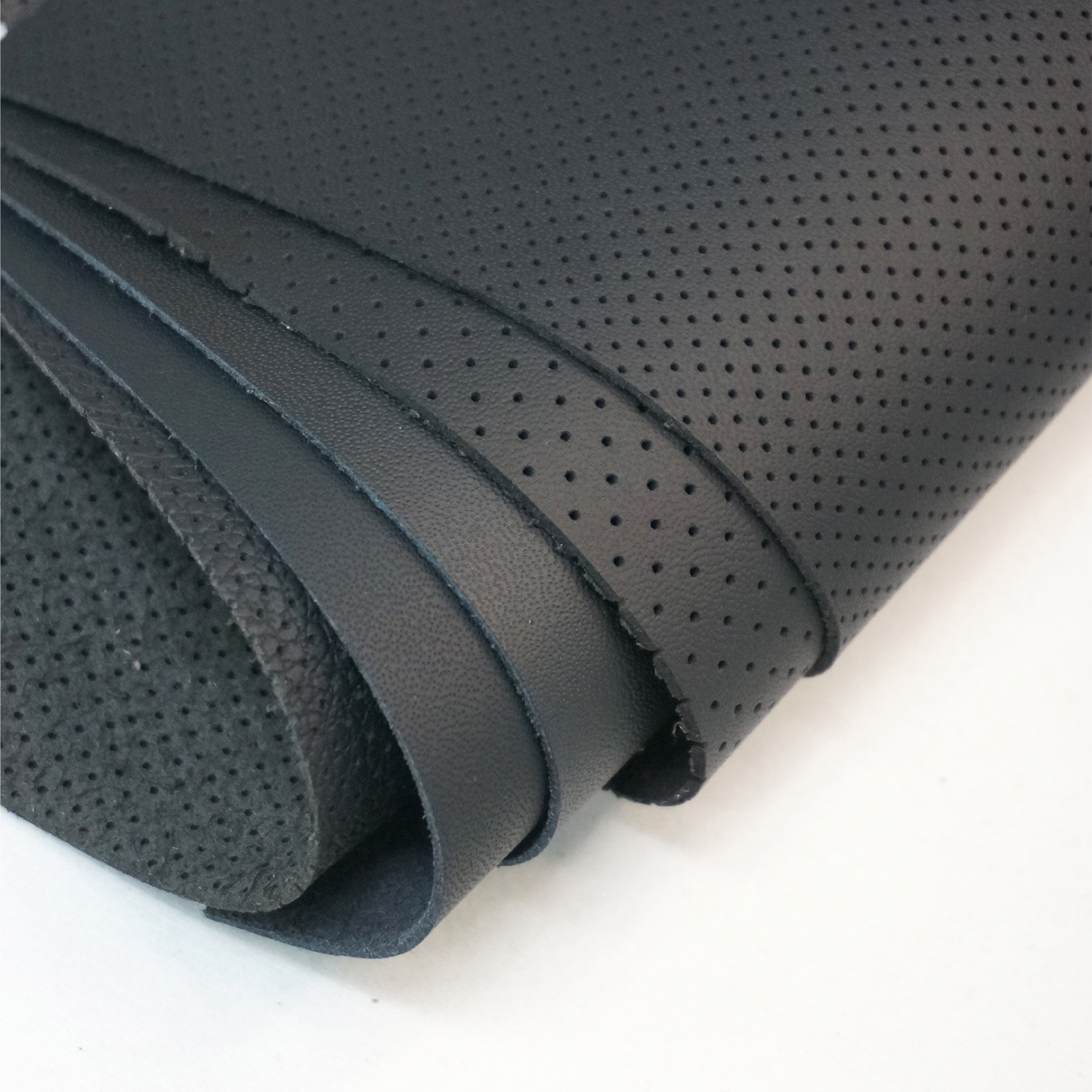
Working with artificial leather—whether PVC, PU, microfiber, or eco-conscious solvent-free options—demands precise technical settings. Misaligned cut patterns or wrong blade sharpness can lead to distorted backing or edge fraying. Trusted suppliers such as Dongguan Cigno Leather Co., Ltd. empower international clients to resolve operational bottlenecks on the factory floor as they happen.
For instance, large-scale automotive projects (such as manufacturing programs in Mexico utilizing over 50,000 meters of customized artificial leather for seats and panels) require tight quality controls. Remote engineers analyze material backing density and thickness (0.7 to 1.4 mm) to recommend exact cutting speeds and blade configurations. This prevents material distortion, lowers odor levels, and keeps color tone uniform across batches.
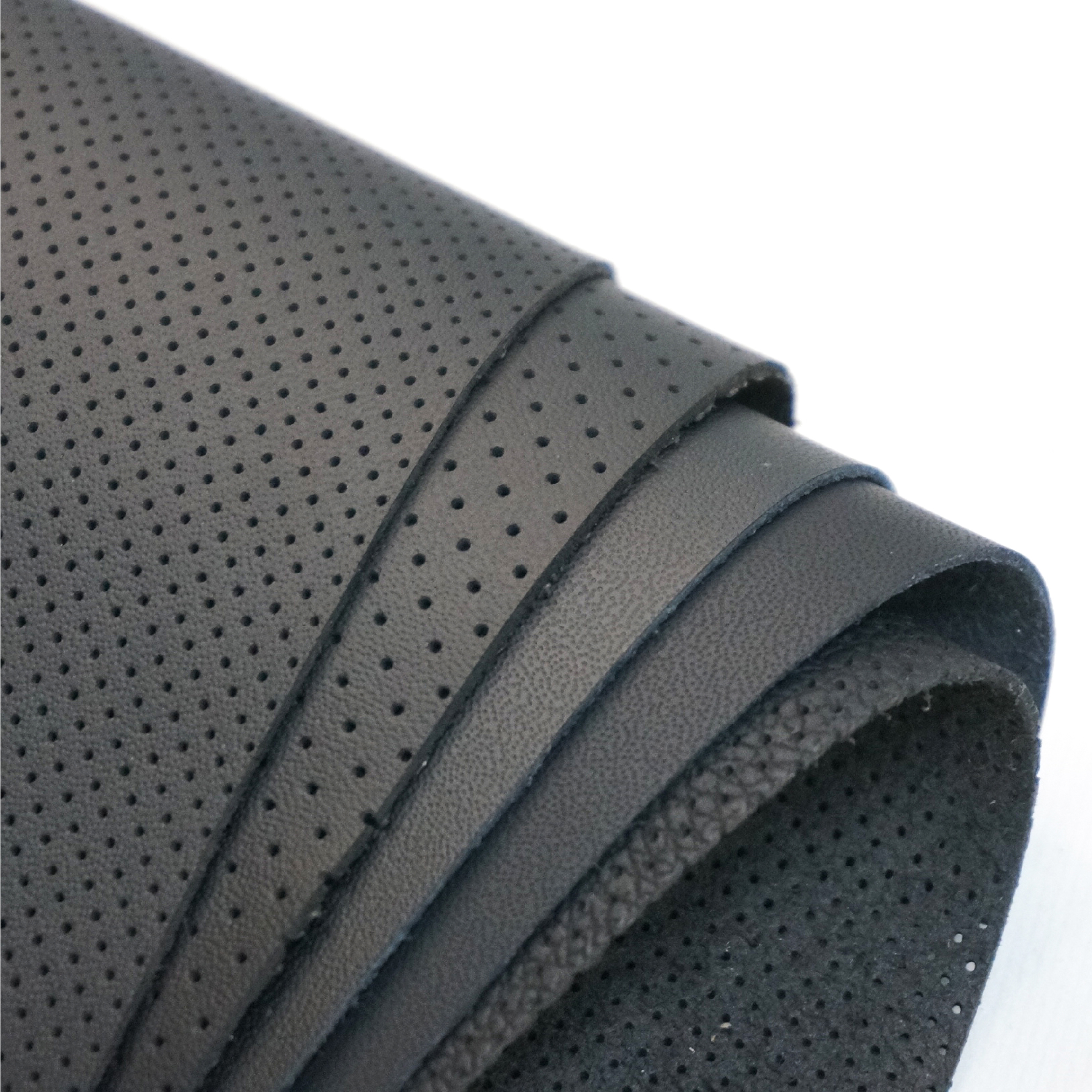
In addition, virtual technical support covers adhesive selection, seam allowances, and stretch ratios during installation. If minor surface damage occurs during assembly, standardized remote repair steps direct technicians through controlled thermal re-graining and color matching, ensuring the finish maintains compliance with OEKO-TEX 100, GRS, and USDA standards.
Comparison of Synthetic Leather Categories & Support Capabilities
The matrix below outlines performance parameters and remote technical support availability for different synthetic leather substrates.
| Material Substrate | Thickness Range | Handling Complexity | Remote Technical Capabilities | Primary Applications |
|---|---|---|---|---|
| PVC Leather | 0.7 – 1.4 mm | Low – Moderate | High (Thermal repair & seam layout) | Furniture, Decorative Panels |
| PU Leather | 0.8 – 1.2 mm | Moderate | High (Surface cleaning & bonding advice) | Chairs, Headboards, Office Seating |
| Microfiber Leather | 1.0 – 1.4 mm | Moderate – High | High (Edge finishing & grain alignment) | Automotive Interiors, Luxury Sofas |
| Recycled & Solvent-Free | 0.8 – 1.4 mm | Moderate | High (Sustainable care & repair protocols) | Eco-Friendly Commercial Projects |
Frequently Asked Questions
Q1: How is remote technical support delivered for cutting and installation challenges?
A1: Suppliers use high-definition video calls, digital CAD layout files, structured instruction manuals, and targeted video guides. Engineers evaluate real-time shop floor conditions to suggest accurate blade settings, stretch tension, and stitching methods.
Q2: Is it possible to repair minor surface imperfections remotely during production?
A2: Yes. Suppliers provide detailed repair procedures featuring exact temperature settings, filler compounds, and grain-embossing tools to restore the surface without affecting wear, stain, or scratch resistance.
Q3: What certifications ensure remote repairs maintain product quality?
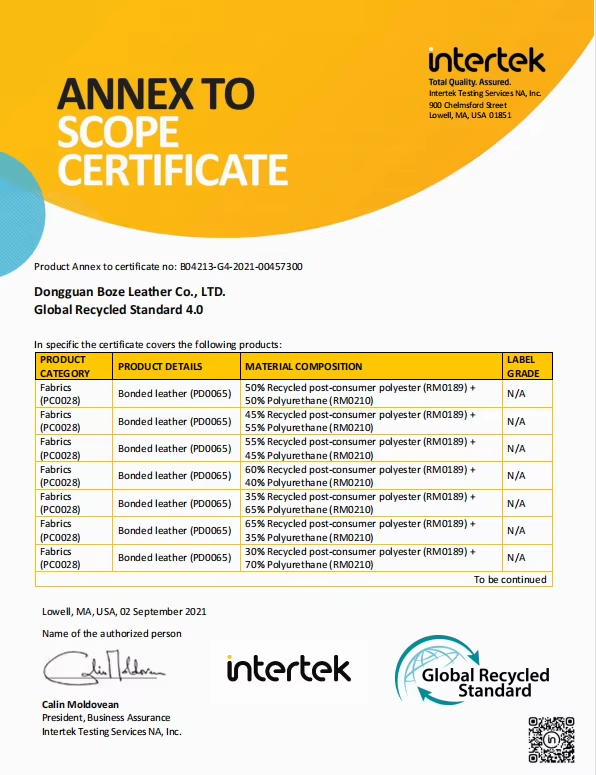
A3: Quality systems adhere to ISO 9001 guidelines. Materials carry international certifications such as GRS (Certificate B04213-G4), USDA (Certificate 521076632086130490), and OEKO-TEX 100 (Certificate SH015 120749), ensuring all remote repair procedures satisfy environmental and safety standards.
Summary & Operational Recommendations
Selecting a synthetic leather vendor that offers reliable remote technical assistance reduces material waste, accelerates assembly schedules, and ensures finished goods quality. Engaging technical consultants before bulk cutting prevents costly errors in both automotive and furniture manufacturing. Suppliers accommodate diverse operational needs through OEM/ODM customization, minimum order quantities starting from 100 meters, and standard fulfillment within 7 to 30 days. For expert assistance or tailored material solutions, contact vicky@bozeleather.com.
Company Profile
Dongguan Cigno Leather Co., Ltd. is an established manufacturer of synthetic leather, integrating R&D, manufacturing, sales, and global export services. Founded in 2007, the company operates a 100,000 sqm production facility, supported by 50 staff members with a monthly capacity of 6,000,000 meters. Fully certified under GRS, USDA, and OEKO-TEX 100 standards, the company serves clients across automotive, furniture, footwear, and leather goods sectors in more than 50 countries globally.

REPORT