







-
 Agriculture
-
 Health-Care
-
 Environment
-
 Construction-Real-Estate
-
 Tools-Hardware
-
 Home-Garden
-
 Furniture
-
 Luggage-Bags-Cases
-
 Medical-devices-Supplies
-
 Gifts-Crafts
-
 Sports-Entertainment
-
 Food-Beverage
-
 Vehicles-Transportation
-
 Power-Transmission
-
 Material-Handling
-
 Renewable-Energy
-
 Safety
-
 Testing-Instrument-Equipment
-
 Construction-Building-Machinery
-
 Pet-Supplies
-
 Personal-Care-Household-Cleaning
-
 Vehicle-Accessories-Electronics-Tools
-
 School-Office-Supplies
-
 Packaging-Printing
-
 Mother-Kids-Toys
-
 Business-Services
-
 Commercial-Equipment-Machinery
-
 Apparel-Accessories
-
 Security
-
 Shoes-Accessories
-
 Vehicle-Parts-Accessories
-
 Jewelry-Eyewear-Watches-Accessories
-
 Lights-Lighting
-
 Fabric-Textile-Raw-Material
-
 Fabrication-Services
-
 Industrial-Machinery
-
 Consumer-Electronics
-
 Electrical-Equipment-Supplies
-
 Electronic-Components-Accessories-Telecommunications
-
 Home-Appliances
-
 Beauty
-
 Chemicals
-
 Rubber-Plastics
-
 Metals-Alloys


























































































































































































































































































































































































































































































































































































- Masonry Materials
- Curtain Walls & Accessories
- Earthwork Products
- Fireproofing Materials
- Heat Insulation Materials
- Plastic Building Materials
- Building Boards
- Soundproofing Materials
- Timber
- Waterproofing Materials
- Balustrades & Handrails
- Bathroom & Kitchen
- Flooring & Accessories
- Tiles & Accessories
- Door, Window & Accessories
- Fireplaces & Stoves
- Floor Heating Systems & Parts
- Stairs & Stair Parts
- Ceilings
- Elevators & Escalators
- Stone
- Countertops, Vanity Tops & Table Tops
- Mosaics
- Metal Building Materials
- Multifunctional Materials
- Ladders & Scaffoldings
- Mouldings
- Corner Guards
- Decorative Films
- Formwork
- Building & Industrial Glass
- Other Construction & Real Estate
- Wallpapers/Wall panels
- HVAC System & Parts
- Outdoor Facilities
- Prefabricated Buildings
- Festive & Party Supplies
- Bathroom Products
- Household Sundries
- Rain Gear
- Garden Supplies
- Household Cleaning Tools & Accessories
- Lighters & Smoking Accessories
- Home Storage & Organization
- Household Scales
- Smart Home Improvement
- Home Textiles
- Kitchenware
- Drinkware & Accessories
- Dinnerware, Coffee & Wine
- Home Decor
- Golf
- Fitness & Body Building
- Amusement Park Facilities
- Billiards, Board Game,Coin Operated Games
- Musical Instruments
- Outdoor Affordable Luxury Sports
- Camping & Hiking
- Fishing
- Sports Safety&Rehabilitation
- Ball Sports Equipments
- Water Sports
- Winter Sports
- Luxury Travel Equipments
- Sports Shoes, Bags & Accessories
- Cycling
- Other Sports & Entertainment Products
- Artificial Grass&Sports Flooring&Sports Court Equipment
- Scooters
- Food Ingredients
- Honey & Honey Products
- Snacks
- Nuts & Kernels
- Seafood
- Plant & Animal Oil
- Beverages
- Fruit & Vegetable Products
- Frog & Escargot
- Bean Products
- Egg Products
- Dairy Products
- Seasonings & Condiments
- Canned Food
- Instant Food
- Baked Goods
- Other Food & Beverage
- Meat & Poultry
- Confectionery
- Grain Products
- Feminie Care
- Hair Care & Styling
- Body Care
- Hands & Feet Care
- Hygiene Products
- Men's Grooming
- Laundry Cleaning Supplies
- Travel Size & Gift Sets
- Room Deodorizers
- Other Personal Care Products
- Pest Control Products
- Special Household Cleaning
- Floor Cleaning
- Kitchen & Bathroom Cleaning
- Oral Care
- Bath Supplies
- Yellow Pages
- Correction Supplies
- Office Binding Supplies
- Office Cutting Supplies
- Board Erasers
- Office Adhesives & Tapes
- Education Supplies
- Pencil Cases & Bags
- Notebooks & Writing Pads
- File Folder Accessories
- Calendars
- Writing Accessories
- Commercial Office Supplies
- Pencil Sharpeners
- Pens
- Letter Pad/Paper
- Paper Envelopes
- Desk Organizers
- Pencils
- Markers & Highlighters
- Filing Products
- Art Supplies
- Easels
- Badge Holder & Accessories
- Office Paper
- Printer Supplies
- Book Covers
- Other Office & School Supplies
- Stationery Set
- Boards
- Clipboards
- Stamps
- Drafting Supplies
- Stencils
- Electronic Dictionary
- Books
- Map
- Magazines
- Calculators
- Baby & Toddler Toys
- Educational Toys
- Classic Toys
- Dress Up & Pretend Play
- Toy Vehicle
- Stuffed Animals & Plush Toys
- Outdoor Toys & Structures
- Balloons & Accessories
- Baby Food
- Children's Clothing
- Baby Supplies & Products
- Maternity Clothes
- Kids Shoes
- Baby Care
- Novelty & Gag Toys
- Dolls & Accessories
- Puzzle & Games
- Blocks & Model Building Toys
- Toddler Clothing
- Baby Clothing
- Kids' Luggage & Bags
- Arts, Crafts & DIY Toys
- Action & Toy Figures
- Baby Appliances
- Hobbies & Models
- Remote Control Toys
- Promotional Toys
- Pregnancy & Maternity
- Hygiene Products
- Kid's Textile&Bedding
- Novelty & Special Use
- Toy Weapons
- Baby Gifts
- Baby Storage & Organization
- Auto Drive Systems
- ATV/UTV Parts & Accessories
- Marine Parts & Accessories
- Other Auto Parts
- Trailer Parts & Accessories
- Auto Transmission Systems
- Train Parts & Accessories
- Universal Parts
- Railway Parts & Accessories
- Auto Brake Systems
- Aviation Parts & Accessories
- Truck Parts & Accessories
- Auto Suspension Systems
- Auto Lighting Systems
- New Energy Vehicle Parts & Accessories
- Auto Steering Systems
- Wheels, Tires & Accessories
- Bus Parts & Accessories
- Auto Performance Parts
- Cooling System
- Go-Kart & Kart Racer Parts & Accessories
- Air Conditioning Systems
- Heavy Duty Vehicle Parts & Accessories
- Auto Electrical Systems
- Auto Body Systems
- Auto Engine Systems
- Container Parts & Accessories
- Motorcycle Parts & Accessories
- Refrigeration & Heat Exchange Equipment
- Machine Tool Equipment
- Food & Beverage Machinery
- Agricultural Machinery & Equipment
- Apparel & Textile Machinery
- Chemical Machinery
- Packaging Machines
- Paper Production Machinery
- Plastic & Rubber Processing Machinery
- Industrial Robots
- Electronic Products Machinery
- Metal & Metallurgy Machinery
- Woodworking Machinery
- Home Product Manufacturing Machinery
- Machinery Accessories
- Environmental Machinery
- Machinery Service
- Electrical Equipment Manufacturing Machinery
- Industrial Compressors & Parts
- Tobacco & Cigarette Machinery
- Production Line
- Used Industrial Machinery
- Electronics Production Machinery
- Other Machinery & Industrial Equipment
- Camera, Photo & Accessories
- Portable Audio, Video & Accessories
- Television, Home Audio, Video & Accessories
- Video Games & Accessories
- Mobile Phone & Accessories
- Electronic Publications
- Earphone & Headphone & Accessories
- Speakers & Accessories
- Smart Electronics
- TV Receivers & Accessories
- Mobile Phone & Computer Repair Parts
- Chargers, Batteries & Power Supplies
- Used Electronics
- VR, AR, MR Hardware & Software
- Projectors & Presentation Equipments
- Other Consumer Electronics
- Cables & Commonly Used Accessories
- Computer Hardware & Software
- Displays, Signage and Optoelectronics
- Discrete Semiconductors
- Wireless & IoT Module and Products
- Telecommunications
- Connectors, Terminals & Accessories
- Development Boards, Electronic Modules and Kits
- Circuit Protection
- Sensors
- Isolators
- Audio Components and Products
- Integrated Circuits
- Power Supplies
- Relays
- RF, Microwave and RFID
- Electronic Accessories & Supplies
- Passive Components
- PCB & PCBA
- Air Quality Appliances
- Home Appliance Parts
- Heating & Cooling Appliances
- Small Kitchen Appliances
- Laundry Appliances
- Water Heaters
- Water Treatment Appliances
- Refrigerators & Freezers
- Personal Care & Beauty Appliances
- Major Kitchen Appliances
- Cleaning Appliances
- Second-hand Appliances
- Smart Home Appliances
- Other Home Appliances
- Energy Chemicals
- Inorganic Chemicals
- Basic Organic Chemicals
- Agrochemicals
- Admixture & Additives
- Catalysts & Chemical Auxiliary Agents
- Pigments & Dyestuff
- Coating & Paint
- Daily Chemicals
- Polymer
- Organic Intermediate
- Adhesives & Sealants
- Chemical Waste
- Biological Chemical Products
- Surface Treatment Chemicals
- Painting & Coating
- Chemical Reagents
- Flavor & Fragrance
- Non-Explosive Demolition Agents
- Other Chemicals
- Custom Chemical Services

How to Add Penalty Clauses for Repeated Quality Issues in UV/LED Lash Lamp Purchase Contracts
Yes. A purchase agreement for a UV/LED Eyelash Curing Lamp can include financial penalties when quality defects occur repeatedly, as long as both parties establish clear, measurable rules in advance. The contract should describe the required product standard, inspection stages, evidence requirements, remedy process, repeat-defect threshold, and penalty calculation method.
Rather than relying on broad terms such as “poor quality,” buyers and suppliers should connect any penalty to documented quality records. For professional lash equipment, relevant evidence may include incoming-material inspection, functional testing, finished-product inspection, and pre-shipment inspection reports.
Essential Contract Terms for Repeated Quality Failures
Define the Exact Product Specification
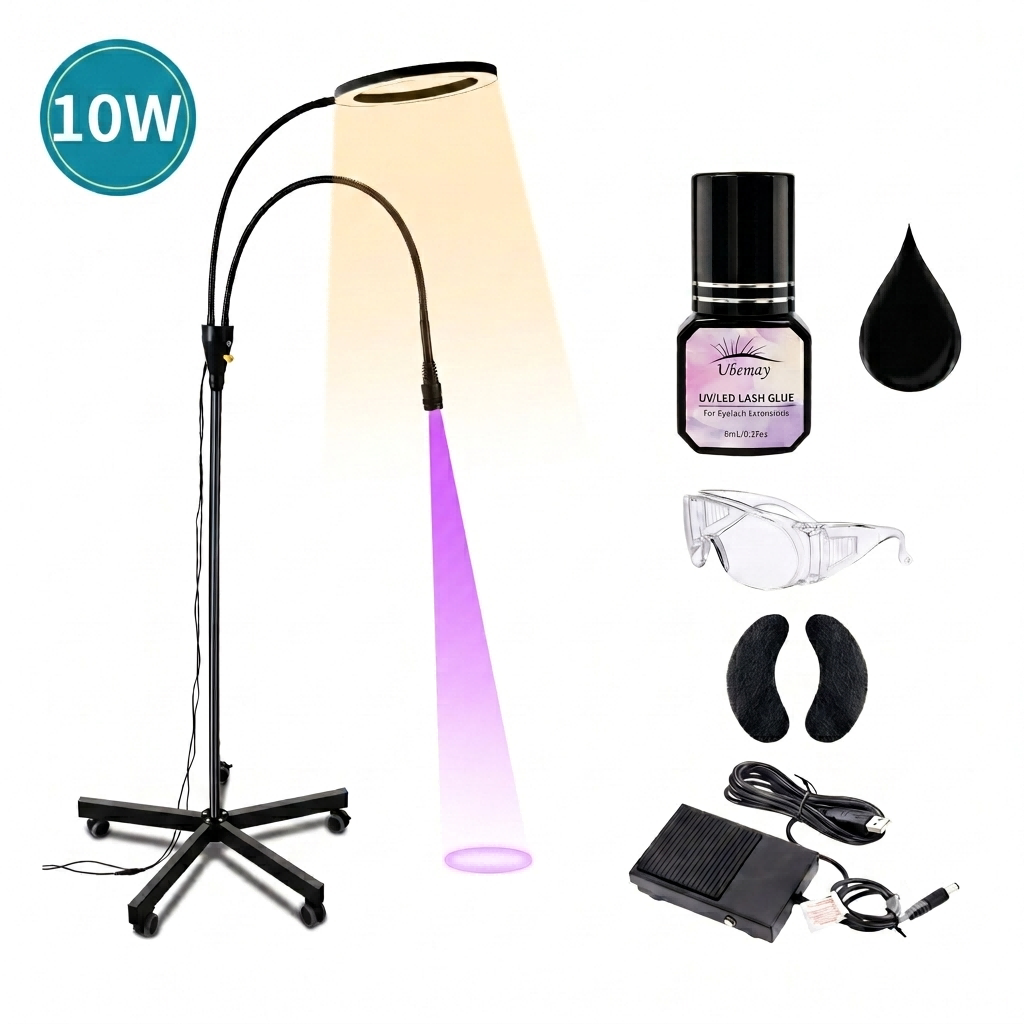
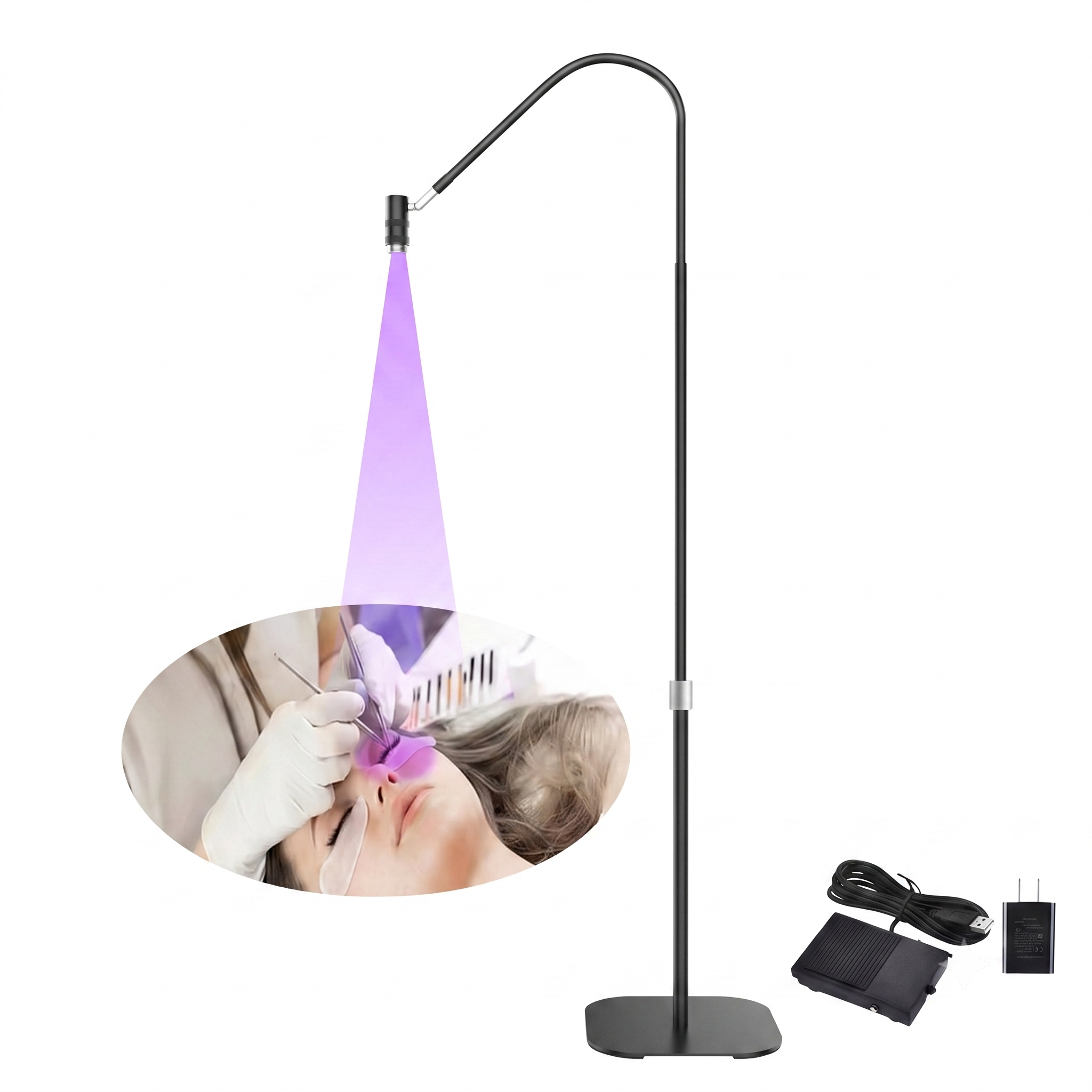
The first step is to identify precisely what is being purchased. The agreement should state whether the order covers a clamp-mounted or floor-standing lamp, as well as the selected single-head, dual-head, or modular-head configuration. It should also list agreed features such as the flexible gooseneck, adjustable operating position, optional spot-size adjustment, color choice in black or white, accessories, packaging, and quantity.
For OEM/ODM or private-label orders, the contract should additionally include approved artwork, branding requirements, customized packaging, samples, and technical drawings where applicable. Detailed specifications make it easier to distinguish a genuine non-conformity from a subjective preference.
Set Measurable Acceptance Standards
A quality clause should specify how the UV/LED lash curing lamp will be evaluated. Examples may include lamp activation, curing performance, stability of the stand or clamp, adjustment range, head function, appearance, completeness of included components, labeling, and packaging condition. The parties may also define acceptable defect rates for bulk deliveries.
Each shipment should be assessed against the agreed acceptance criteria. If the buyer identifies a defect, the issue should be recorded with inspection reports, photographs, videos where relevant, batch details, and communication history.
Use Inspection Records as the Basis for Penalties
Repeated quality problems should be determined through an agreed inspection framework rather than informal complaints. The supplier’s available quality process includes incoming inspection, functional testing, finished-product inspection, and pre-shipment inspection. These checkpoints can be incorporated directly into the purchase contract.
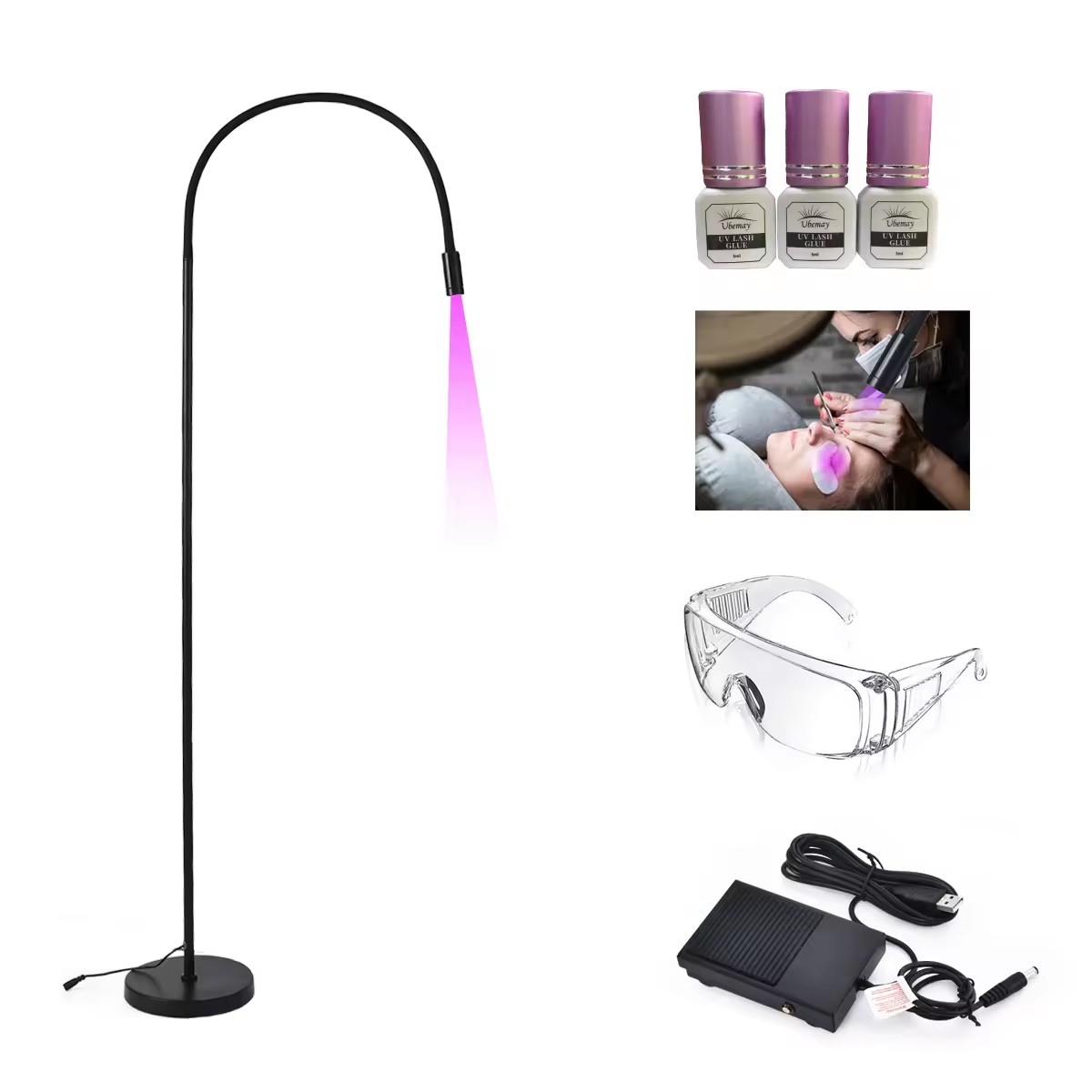
The contract may require the supplier to provide inspection documentation before delivery and retain relevant records for a stated period. For disputed goods, both sides can agree on a verification procedure, such as a joint review of photographs, testing by the buyer, sample evaluation, or inspection by an independent third party.
This evidence-based approach protects both parties: the buyer has a documented route to claim remedies, while the supplier has an opportunity to verify whether the reported issue falls outside the agreed product standard.
How to Structure a Repeated-Failure Penalty Clause
It is advisable to distinguish a one-time quality incident from an ongoing or repeated problem. A practical contractual sequence may include the following stages:
- Notice by the buyer within an agreed period after receiving or discovering the defect;
- Supplier review and technical verification of the reported issue;
- Replacement, repair, refund, credit, or another agreed remedy for confirmed non-conforming products;
- Corrective-action reporting to explain the cause and prevent recurrence;
- Penalty application if the same or substantially similar defect continues in subsequent shipments or replacement units.
The agreement should clearly define what qualifies as “repeated.” For example, the parties may set a threshold based on the recurrence of the same defect across multiple deliveries, confirmed replacement failures, or a defect rate exceeding the agreed limit. The penalty can be expressed as a fixed amount, a percentage of the affected goods, a purchase-price deduction, or a credit against future orders.
Because no specific penalty formula is provided in the available supplier information, the amount, trigger conditions, exclusions, and maximum liability must be negotiated and written into the final contract.
Available Support and Contractual Remedies
UBEMAY identifies technical support, product quality support, replacement for verified quality issues, and OEM/ODM assistance among its after-sales services. A buyer may convert these service commitments into enforceable contract provisions by setting response times, verification responsibilities, replacement lead times, shipping-cost allocation, and corrective-action requirements.
For example, the contract can require a supplier response within a specified number of business days after a supported quality claim. It may also clarify whether replacement units will be shipped with the next order, sent separately, or credited to the buyer’s account.
Certifications and Destination-Market Requirements
Certification documents should be addressed when the destination market requires them. The listed CE (LVD) and CE (EMC) certifications relate to the LED Lash Glue Curing Lamp for the European Union. Buyers should identify the destination country, ordered lamp version, applicable technical requirements, and required documentation in the purchase agreement.
Although supplier experience may include private-label eyelash glue for a United States lash brand, lash accessories and extension fans for a Brazilian distributor, and full lash-product sourcing for an Italian professional distributor, every lamp order should have its own specific quality and compliance requirements.
Recommended Purchase Contract Framework
| Contract Topic | Relevant Available Information | Suggested Agreement Provision |
|---|---|---|
| Inspection stages | Incoming inspection, functional testing, finished-product inspection, and pre-shipment inspection | Identify each stage and require records for quality claims or disputed shipments. |
| Product configuration | Clamp-mounted, floor-standing, single-head, dual-head, and modular-head options | State the exact model, head arrangement, color, functions, and accessories ordered. |
| Verified-defect remedy | Technical support, quality support, and replacement for confirmed quality issues | Define notice deadlines, verification steps, corrective actions, and replacement procedures. |
| Repeat-defect penalty | No fixed penalty figure or formula is listed | Negotiate the recurrence threshold, financial consequence, exclusions, and liability cap. |
| Order and production timing | Sample MOQ: 1 pc; customized orders: from 100 pcs; standard delivery: 7 days; custom delivery: 15–30 days | Confirm order type, quantity, production schedule, and customization timeline. |
| Payment and logistics | T/T, Alibaba Trade Assurance, PayPal, Western Union, express, air freight, sea freight, and DDP shipping | Specify payment terms, shipping method, destination, Incoterms if applicable, and shipment documents. |
Frequently Asked Questions
What evidence can prove a repeated quality problem?
Useful evidence includes agreed product specifications, functional-test results, finished-product and pre-shipment inspection records, photographs, videos, replacement records, batch information, and written communication between the parties.
Can a quality penalty apply to customized UV/LED eyelash lamps?
Yes. Customized and private-label lamps can be covered by the same principle, but their specifications should be particularly detailed. OEM/ODM customization is available, custom orders begin at 100 pieces, and customized delivery generally requires 15–30 days. The contract should list all approved branding, packaging, appearance, and functional requirements.
What happens if the first quality issue is confirmed?
The parties can agree on replacement, repair, refund, credit, or technical support as the initial remedy. A separate penalty can be triggered only after the same verified defect recurs under the threshold defined in the contract.
Conclusion
A well-drafted purchase contract can lawfully include penalties for repeated quality failures involving UV/LED Eyelash Curing Lamps. The most important factor is clarity: define the ordered product, acceptance criteria, inspection evidence, notification process, corrective actions, replacement duties, repeat-failure threshold, and penalty formula before production or shipment begins.
This structure is suitable for lash salons, eyelash extension studios, training academies, beauty schools, independent lash artists, mobile beauty services, wholesalers, and private-label buyers. Orders may be arranged as wholesale purchases, bulk orders, small-batch purchases, or OEM/ODM projects, with payment and delivery methods selected according to the transaction. For technical solutions or order support, please contact sales@ubemay.com.
About Us
Guangzhou Ruiju E-Commerce Co., Ltd., operating under the UBEMAY brand, supplies eyelash extensions, eyelash adhesives, lash accessories, and UV/LED lash equipment to the professional beauty sector. Founded in 2014, the company supports production and sourcing for lash adhesives, extensions, accessories, and UV/LED curing lamps, with scheduling based on product type, quantity, and customization needs. Its key markets include North America, Europe, the Middle East, and Latin America.
Listed credentials include FDA Cosmetic Product Listing for UV Eyelash Extension Glue and CE (LVD) certification for the LED Lash Glue Curing Lamp. UBEMAY has supported customers across a range of beauty-industry supply arrangements.

REPORT