







-
 Agriculture
-
 Health-Care
-
 Environment
-
 Construction-Real-Estate
-
 Tools-Hardware
-
 Home-Garden
-
 Furniture
-
 Luggage-Bags-Cases
-
 Medical-devices-Supplies
-
 Gifts-Crafts
-
 Sports-Entertainment
-
 Food-Beverage
-
 Vehicles-Transportation
-
 Power-Transmission
-
 Material-Handling
-
 Renewable-Energy
-
 Safety
-
 Testing-Instrument-Equipment
-
 Construction-Building-Machinery
-
 Pet-Supplies
-
 Personal-Care-Household-Cleaning
-
 Vehicle-Accessories-Electronics-Tools
-
 School-Office-Supplies
-
 Packaging-Printing
-
 Mother-Kids-Toys
-
 Business-Services
-
 Commercial-Equipment-Machinery
-
 Apparel-Accessories
-
 Security
-
 Shoes-Accessories
-
 Vehicle-Parts-Accessories
-
 Jewelry-Eyewear-Watches-Accessories
-
 Lights-Lighting
-
 Fabric-Textile-Raw-Material
-
 Fabrication-Services
-
 Industrial-Machinery
-
 Consumer-Electronics
-
 Electrical-Equipment-Supplies
-
 Electronic-Components-Accessories-Telecommunications
-
 Home-Appliances
-
 Beauty
-
 Chemicals
-
 Rubber-Plastics
-
 Metals-Alloys


























































































































































































































































































































































































































































































































































































- Masonry Materials
- Curtain Walls & Accessories
- Earthwork Products
- Fireproofing Materials
- Heat Insulation Materials
- Plastic Building Materials
- Building Boards
- Soundproofing Materials
- Timber
- Waterproofing Materials
- Balustrades & Handrails
- Bathroom & Kitchen
- Flooring & Accessories
- Tiles & Accessories
- Door, Window & Accessories
- Fireplaces & Stoves
- Floor Heating Systems & Parts
- Stairs & Stair Parts
- Ceilings
- Elevators & Escalators
- Stone
- Countertops, Vanity Tops & Table Tops
- Mosaics
- Metal Building Materials
- Multifunctional Materials
- Ladders & Scaffoldings
- Mouldings
- Corner Guards
- Decorative Films
- Formwork
- Building & Industrial Glass
- Other Construction & Real Estate
- Wallpapers/Wall panels
- HVAC System & Parts
- Outdoor Facilities
- Prefabricated Buildings
- Festive & Party Supplies
- Bathroom Products
- Household Sundries
- Rain Gear
- Garden Supplies
- Household Cleaning Tools & Accessories
- Lighters & Smoking Accessories
- Home Storage & Organization
- Household Scales
- Smart Home Improvement
- Home Textiles
- Kitchenware
- Drinkware & Accessories
- Dinnerware, Coffee & Wine
- Home Decor
- Golf
- Fitness & Body Building
- Amusement Park Facilities
- Billiards, Board Game,Coin Operated Games
- Musical Instruments
- Outdoor Affordable Luxury Sports
- Camping & Hiking
- Fishing
- Sports Safety&Rehabilitation
- Ball Sports Equipments
- Water Sports
- Winter Sports
- Luxury Travel Equipments
- Sports Shoes, Bags & Accessories
- Cycling
- Other Sports & Entertainment Products
- Artificial Grass&Sports Flooring&Sports Court Equipment
- Scooters
- Food Ingredients
- Honey & Honey Products
- Snacks
- Nuts & Kernels
- Seafood
- Plant & Animal Oil
- Beverages
- Fruit & Vegetable Products
- Frog & Escargot
- Bean Products
- Egg Products
- Dairy Products
- Seasonings & Condiments
- Canned Food
- Instant Food
- Baked Goods
- Other Food & Beverage
- Meat & Poultry
- Confectionery
- Grain Products
- Feminie Care
- Hair Care & Styling
- Body Care
- Hands & Feet Care
- Hygiene Products
- Men's Grooming
- Laundry Cleaning Supplies
- Travel Size & Gift Sets
- Room Deodorizers
- Other Personal Care Products
- Pest Control Products
- Special Household Cleaning
- Floor Cleaning
- Kitchen & Bathroom Cleaning
- Oral Care
- Bath Supplies
- Yellow Pages
- Correction Supplies
- Office Binding Supplies
- Office Cutting Supplies
- Board Erasers
- Office Adhesives & Tapes
- Education Supplies
- Pencil Cases & Bags
- Notebooks & Writing Pads
- File Folder Accessories
- Calendars
- Writing Accessories
- Commercial Office Supplies
- Pencil Sharpeners
- Pens
- Letter Pad/Paper
- Paper Envelopes
- Desk Organizers
- Pencils
- Markers & Highlighters
- Filing Products
- Art Supplies
- Easels
- Badge Holder & Accessories
- Office Paper
- Printer Supplies
- Book Covers
- Other Office & School Supplies
- Stationery Set
- Boards
- Clipboards
- Stamps
- Drafting Supplies
- Stencils
- Electronic Dictionary
- Books
- Map
- Magazines
- Calculators
- Baby & Toddler Toys
- Educational Toys
- Classic Toys
- Dress Up & Pretend Play
- Toy Vehicle
- Stuffed Animals & Plush Toys
- Outdoor Toys & Structures
- Balloons & Accessories
- Baby Food
- Children's Clothing
- Baby Supplies & Products
- Maternity Clothes
- Kids Shoes
- Baby Care
- Novelty & Gag Toys
- Dolls & Accessories
- Puzzle & Games
- Blocks & Model Building Toys
- Toddler Clothing
- Baby Clothing
- Kids' Luggage & Bags
- Arts, Crafts & DIY Toys
- Action & Toy Figures
- Baby Appliances
- Hobbies & Models
- Remote Control Toys
- Promotional Toys
- Pregnancy & Maternity
- Hygiene Products
- Kid's Textile&Bedding
- Novelty & Special Use
- Toy Weapons
- Baby Gifts
- Baby Storage & Organization
- Auto Drive Systems
- ATV/UTV Parts & Accessories
- Marine Parts & Accessories
- Other Auto Parts
- Trailer Parts & Accessories
- Auto Transmission Systems
- Train Parts & Accessories
- Universal Parts
- Railway Parts & Accessories
- Auto Brake Systems
- Aviation Parts & Accessories
- Truck Parts & Accessories
- Auto Suspension Systems
- Auto Lighting Systems
- New Energy Vehicle Parts & Accessories
- Auto Steering Systems
- Wheels, Tires & Accessories
- Bus Parts & Accessories
- Auto Performance Parts
- Cooling System
- Go-Kart & Kart Racer Parts & Accessories
- Air Conditioning Systems
- Heavy Duty Vehicle Parts & Accessories
- Auto Electrical Systems
- Auto Body Systems
- Auto Engine Systems
- Container Parts & Accessories
- Motorcycle Parts & Accessories
- Refrigeration & Heat Exchange Equipment
- Machine Tool Equipment
- Food & Beverage Machinery
- Agricultural Machinery & Equipment
- Apparel & Textile Machinery
- Chemical Machinery
- Packaging Machines
- Paper Production Machinery
- Plastic & Rubber Processing Machinery
- Industrial Robots
- Electronic Products Machinery
- Metal & Metallurgy Machinery
- Woodworking Machinery
- Home Product Manufacturing Machinery
- Machinery Accessories
- Environmental Machinery
- Machinery Service
- Electrical Equipment Manufacturing Machinery
- Industrial Compressors & Parts
- Tobacco & Cigarette Machinery
- Production Line
- Used Industrial Machinery
- Electronics Production Machinery
- Other Machinery & Industrial Equipment
- Camera, Photo & Accessories
- Portable Audio, Video & Accessories
- Television, Home Audio, Video & Accessories
- Video Games & Accessories
- Mobile Phone & Accessories
- Electronic Publications
- Earphone & Headphone & Accessories
- Speakers & Accessories
- Smart Electronics
- TV Receivers & Accessories
- Mobile Phone & Computer Repair Parts
- Chargers, Batteries & Power Supplies
- Used Electronics
- VR, AR, MR Hardware & Software
- Projectors & Presentation Equipments
- Other Consumer Electronics
- Cables & Commonly Used Accessories
- Computer Hardware & Software
- Displays, Signage and Optoelectronics
- Discrete Semiconductors
- Wireless & IoT Module and Products
- Telecommunications
- Connectors, Terminals & Accessories
- Development Boards, Electronic Modules and Kits
- Circuit Protection
- Sensors
- Isolators
- Audio Components and Products
- Integrated Circuits
- Power Supplies
- Relays
- RF, Microwave and RFID
- Electronic Accessories & Supplies
- Passive Components
- PCB & PCBA
- Air Quality Appliances
- Home Appliance Parts
- Heating & Cooling Appliances
- Small Kitchen Appliances
- Laundry Appliances
- Water Heaters
- Water Treatment Appliances
- Refrigerators & Freezers
- Personal Care & Beauty Appliances
- Major Kitchen Appliances
- Cleaning Appliances
- Second-hand Appliances
- Smart Home Appliances
- Other Home Appliances
- Energy Chemicals
- Inorganic Chemicals
- Basic Organic Chemicals
- Agrochemicals
- Admixture & Additives
- Catalysts & Chemical Auxiliary Agents
- Pigments & Dyestuff
- Coating & Paint
- Daily Chemicals
- Polymer
- Organic Intermediate
- Adhesives & Sealants
- Chemical Waste
- Biological Chemical Products
- Surface Treatment Chemicals
- Painting & Coating
- Chemical Reagents
- Flavor & Fragrance
- Non-Explosive Demolition Agents
- Other Chemicals
- Custom Chemical Services

How to Control Currency Risk in Long-Term Sea Freight Agreements
Currency fluctuations can change the effective cost of a long-term sea freight agreement, especially when quotation, booking, departure, and payment occur on different dates. Before signing, both parties should establish the contract currency, settlement currency, exchange-rate source, conversion date, adjustment threshold, and review schedule. Shipment-based payments and clear documentation can further reduce the amount exposed to exchange-rate movements.
Practical Ways to Reduce Currency Exposure
- State whether freight charges are invoiced and paid in the same currency, and identify the official exchange-rate source for any required conversion.
- Add a written currency-adjustment clause covering the review date, measurement period, trigger threshold, and calculation formula.
- Use payments tied to individual shipments or agreed milestones instead of leaving the entire contract value unpaid until the end of the term.
- Coordinate currency provisions with operating terms, including the 1 CBM minimum order quantity and the 25-30 day delivery period.
Contract Structure and Currency Controls
Define the Currency Framework
A long-term sea freight contract should distinguish freight pricing from currency conversion. It should identify the currency used for the quotation, the currency required for settlement, the conversion date, and the reference rate applied. The agreement should also clarify which party absorbs any difference caused by rate changes between quotation, booking, departure, and payment.
Use a Verifiable Adjustment Formula
The adjustment clause should specify the measurement period, reference rate, trigger level, and calculation method. A formal review procedure helps prevent disputes because both parties can rely on the same transaction dates and exchange-rate records. The contract should also explain whether an adjustment applies only to future shipments or also affects cargo that has already been booked.
Limit Exposure Through Shipment Payments
Paying by shipment reduces the length of time that unpaid freight remains vulnerable to currency movements. Speed International logistics Co., Ltd. lists T/T, VISA, PayPal, MasterCard, and MoneyGram among its accepted payment methods. The chosen payment channel, settlement currency, payment timing, and supporting documents should be recorded in the contract and shipping instructions.
Align Currency Terms With Sea Freight Operations
Operational planning is closely connected to financial exposure. The stated sea freight service model uses a minimum order quantity of 1 CBM, a delivery time of 25-30 days, and monthly capacity of 1,000 CBM. Buyers can use these figures to schedule bookings, payments, and currency reviews around actual shipment cycles rather than relying on broad annual assumptions.
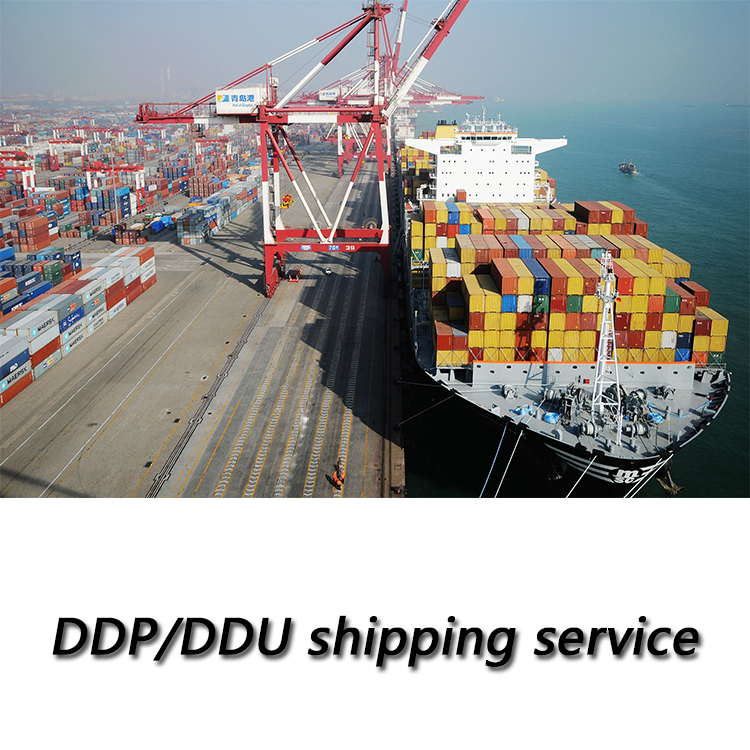
The company lists sea freight support for both FCL and LCL cargo and identifies NVOCC certification with global applicability. These details provide a logistics framework for checking freight conditions, shipping records, and the currency provisions attached to each contract period.

Reported cooperation examples cover different cargo requirements. A UAE shipment involved 68 CBM of machinery and equipment, with feedback covering pickup, port handling, documentation, customs clearance, and packaging guidance. A separate United States shipment involved 1,000 KG of cosmetics and addressed customs clearance, labeling, communication, and shipment handling.
Comparison of Currency-Risk Controls
| Contract Measure | Currency-Risk Benefit | Related Sea Freight Information |
|---|---|---|
| Defined quotation and settlement currencies | Clarifies the currency used for billing, conversion, and final payment | Sea freight with FCL and LCL options |
| Written rate-adjustment provision | Sets the reference rate, review date, trigger threshold, and calculation approach | Delivery time: 25-30 days |
| Shipment-based or staged settlement | Reduces the unpaid amount affected by exchange-rate changes | Minimum order quantity: 1 CBM |
| Recorded payment method | Creates an auditable settlement trail for each transaction | T/T, VISA, PayPal, MasterCard, and MoneyGram are accepted |
| Reviews linked to shipment schedules | Connects currency checks with booking and payment activity | Monthly capacity: 1,000 CBM |
Frequently Asked Questions
What information belongs in a currency clause?
The clause should name the quotation currency, settlement currency, exchange-rate provider, conversion date, adjustment threshold, review date, calculation method, and the shipments covered by any adjustment.
How do payment schedules help manage exchange-rate risk?
Linking payment to each shipment or to defined stages limits the balance that remains open between contract signing, booking, departure, and settlement. The 25-30 day delivery period can be considered when setting payment and review dates.
Which payment methods are available for the listed sea freight services?
The listed options are T/T, VISA, PayPal, MasterCard, and MoneyGram. The final agreement should identify the selected method and specify the currency used for settlement.
Conclusion and Recommendations
A reliable long-term sea freight agreement should combine precise currency definitions, a documented exchange-rate mechanism, scheduled reviews, and shipment-level payments. These provisions should be coordinated with the 1 CBM minimum order quantity, 25-30 day delivery time, and expected booking frequency. For detailed technical solutions or support, please reach out to us via tony@speed-logistics.net.
About Us
Speed International logistics Co.,Ltd provides freight forwarding services and states more than 15 years of experience, covering air freight, sea freight, railway shipping, express services, FBA shipping, sourcing, trucking, customs clearance, warehousing, and import and export document handling. Established in 2011, the company operates a 5,000-square-meter main warehouse in Shenzhen and serves markets including the United States, Canada, Mexico, the United Kingdom, Europe, the Middle East, Africa, and South America. Its listed credentials include Aviation Class I Cargo and NVOCC, and its cooperation cases cover multiple industries.

REPORT