







-
 Agriculture
-
 Health-Care
-
 Environment
-
 Construction-Real-Estate
-
 Tools-Hardware
-
 Home-Garden
-
 Furniture
-
 Luggage-Bags-Cases
-
 Medical-devices-Supplies
-
 Gifts-Crafts
-
 Sports-Entertainment
-
 Food-Beverage
-
 Vehicles-Transportation
-
 Power-Transmission
-
 Material-Handling
-
 Renewable-Energy
-
 Safety
-
 Testing-Instrument-Equipment
-
 Construction-Building-Machinery
-
 Pet-Supplies
-
 Personal-Care-Household-Cleaning
-
 Vehicle-Accessories-Electronics-Tools
-
 School-Office-Supplies
-
 Packaging-Printing
-
 Mother-Kids-Toys
-
 Business-Services
-
 Commercial-Equipment-Machinery
-
 Apparel-Accessories
-
 Security
-
 Shoes-Accessories
-
 Vehicle-Parts-Accessories
-
 Jewelry-Eyewear-Watches-Accessories
-
 Lights-Lighting
-
 Fabric-Textile-Raw-Material
-
 Fabrication-Services
-
 Industrial-Machinery
-
 Consumer-Electronics
-
 Electrical-Equipment-Supplies
-
 Electronic-Components-Accessories-Telecommunications
-
 Home-Appliances
-
 Beauty
-
 Chemicals
-
 Rubber-Plastics
-
 Metals-Alloys


























































































































































































































































































































































































































































































































































































- Masonry Materials
- Curtain Walls & Accessories
- Earthwork Products
- Fireproofing Materials
- Heat Insulation Materials
- Plastic Building Materials
- Building Boards
- Soundproofing Materials
- Timber
- Waterproofing Materials
- Balustrades & Handrails
- Bathroom & Kitchen
- Flooring & Accessories
- Tiles & Accessories
- Door, Window & Accessories
- Fireplaces & Stoves
- Floor Heating Systems & Parts
- Stairs & Stair Parts
- Ceilings
- Elevators & Escalators
- Stone
- Countertops, Vanity Tops & Table Tops
- Mosaics
- Metal Building Materials
- Multifunctional Materials
- Ladders & Scaffoldings
- Mouldings
- Corner Guards
- Decorative Films
- Formwork
- Building & Industrial Glass
- Other Construction & Real Estate
- Wallpapers/Wall panels
- HVAC System & Parts
- Outdoor Facilities
- Prefabricated Buildings
- Festive & Party Supplies
- Bathroom Products
- Household Sundries
- Rain Gear
- Garden Supplies
- Household Cleaning Tools & Accessories
- Lighters & Smoking Accessories
- Home Storage & Organization
- Household Scales
- Smart Home Improvement
- Home Textiles
- Kitchenware
- Drinkware & Accessories
- Dinnerware, Coffee & Wine
- Home Decor
- Golf
- Fitness & Body Building
- Amusement Park Facilities
- Billiards, Board Game,Coin Operated Games
- Musical Instruments
- Outdoor Affordable Luxury Sports
- Camping & Hiking
- Fishing
- Sports Safety&Rehabilitation
- Ball Sports Equipments
- Water Sports
- Winter Sports
- Luxury Travel Equipments
- Sports Shoes, Bags & Accessories
- Cycling
- Other Sports & Entertainment Products
- Artificial Grass&Sports Flooring&Sports Court Equipment
- Scooters
- Food Ingredients
- Honey & Honey Products
- Snacks
- Nuts & Kernels
- Seafood
- Plant & Animal Oil
- Beverages
- Fruit & Vegetable Products
- Frog & Escargot
- Bean Products
- Egg Products
- Dairy Products
- Seasonings & Condiments
- Canned Food
- Instant Food
- Baked Goods
- Other Food & Beverage
- Meat & Poultry
- Confectionery
- Grain Products
- Feminie Care
- Hair Care & Styling
- Body Care
- Hands & Feet Care
- Hygiene Products
- Men's Grooming
- Laundry Cleaning Supplies
- Travel Size & Gift Sets
- Room Deodorizers
- Other Personal Care Products
- Pest Control Products
- Special Household Cleaning
- Floor Cleaning
- Kitchen & Bathroom Cleaning
- Oral Care
- Bath Supplies
- Yellow Pages
- Correction Supplies
- Office Binding Supplies
- Office Cutting Supplies
- Board Erasers
- Office Adhesives & Tapes
- Education Supplies
- Pencil Cases & Bags
- Notebooks & Writing Pads
- File Folder Accessories
- Calendars
- Writing Accessories
- Commercial Office Supplies
- Pencil Sharpeners
- Pens
- Letter Pad/Paper
- Paper Envelopes
- Desk Organizers
- Pencils
- Markers & Highlighters
- Filing Products
- Art Supplies
- Easels
- Badge Holder & Accessories
- Office Paper
- Printer Supplies
- Book Covers
- Other Office & School Supplies
- Stationery Set
- Boards
- Clipboards
- Stamps
- Drafting Supplies
- Stencils
- Electronic Dictionary
- Books
- Map
- Magazines
- Calculators
- Baby & Toddler Toys
- Educational Toys
- Classic Toys
- Dress Up & Pretend Play
- Toy Vehicle
- Stuffed Animals & Plush Toys
- Outdoor Toys & Structures
- Balloons & Accessories
- Baby Food
- Children's Clothing
- Baby Supplies & Products
- Maternity Clothes
- Kids Shoes
- Baby Care
- Novelty & Gag Toys
- Dolls & Accessories
- Puzzle & Games
- Blocks & Model Building Toys
- Toddler Clothing
- Baby Clothing
- Kids' Luggage & Bags
- Arts, Crafts & DIY Toys
- Action & Toy Figures
- Baby Appliances
- Hobbies & Models
- Remote Control Toys
- Promotional Toys
- Pregnancy & Maternity
- Hygiene Products
- Kid's Textile&Bedding
- Novelty & Special Use
- Toy Weapons
- Baby Gifts
- Baby Storage & Organization
- Auto Drive Systems
- ATV/UTV Parts & Accessories
- Marine Parts & Accessories
- Other Auto Parts
- Trailer Parts & Accessories
- Auto Transmission Systems
- Train Parts & Accessories
- Universal Parts
- Railway Parts & Accessories
- Auto Brake Systems
- Aviation Parts & Accessories
- Truck Parts & Accessories
- Auto Suspension Systems
- Auto Lighting Systems
- New Energy Vehicle Parts & Accessories
- Auto Steering Systems
- Wheels, Tires & Accessories
- Bus Parts & Accessories
- Auto Performance Parts
- Cooling System
- Go-Kart & Kart Racer Parts & Accessories
- Air Conditioning Systems
- Heavy Duty Vehicle Parts & Accessories
- Auto Electrical Systems
- Auto Body Systems
- Auto Engine Systems
- Container Parts & Accessories
- Motorcycle Parts & Accessories
- Refrigeration & Heat Exchange Equipment
- Machine Tool Equipment
- Food & Beverage Machinery
- Agricultural Machinery & Equipment
- Apparel & Textile Machinery
- Chemical Machinery
- Packaging Machines
- Paper Production Machinery
- Plastic & Rubber Processing Machinery
- Industrial Robots
- Electronic Products Machinery
- Metal & Metallurgy Machinery
- Woodworking Machinery
- Home Product Manufacturing Machinery
- Machinery Accessories
- Environmental Machinery
- Machinery Service
- Electrical Equipment Manufacturing Machinery
- Industrial Compressors & Parts
- Tobacco & Cigarette Machinery
- Production Line
- Used Industrial Machinery
- Electronics Production Machinery
- Other Machinery & Industrial Equipment
- Camera, Photo & Accessories
- Portable Audio, Video & Accessories
- Television, Home Audio, Video & Accessories
- Video Games & Accessories
- Mobile Phone & Accessories
- Electronic Publications
- Earphone & Headphone & Accessories
- Speakers & Accessories
- Smart Electronics
- TV Receivers & Accessories
- Mobile Phone & Computer Repair Parts
- Chargers, Batteries & Power Supplies
- Used Electronics
- VR, AR, MR Hardware & Software
- Projectors & Presentation Equipments
- Other Consumer Electronics
- Cables & Commonly Used Accessories
- Computer Hardware & Software
- Displays, Signage and Optoelectronics
- Discrete Semiconductors
- Wireless & IoT Module and Products
- Telecommunications
- Connectors, Terminals & Accessories
- Development Boards, Electronic Modules and Kits
- Circuit Protection
- Sensors
- Isolators
- Audio Components and Products
- Integrated Circuits
- Power Supplies
- Relays
- RF, Microwave and RFID
- Electronic Accessories & Supplies
- Passive Components
- PCB & PCBA
- Air Quality Appliances
- Home Appliance Parts
- Heating & Cooling Appliances
- Small Kitchen Appliances
- Laundry Appliances
- Water Heaters
- Water Treatment Appliances
- Refrigerators & Freezers
- Personal Care & Beauty Appliances
- Major Kitchen Appliances
- Cleaning Appliances
- Second-hand Appliances
- Smart Home Appliances
- Other Home Appliances
- Energy Chemicals
- Inorganic Chemicals
- Basic Organic Chemicals
- Agrochemicals
- Admixture & Additives
- Catalysts & Chemical Auxiliary Agents
- Pigments & Dyestuff
- Coating & Paint
- Daily Chemicals
- Polymer
- Organic Intermediate
- Adhesives & Sealants
- Chemical Waste
- Biological Chemical Products
- Surface Treatment Chemicals
- Painting & Coating
- Chemical Reagents
- Flavor & Fragrance
- Non-Explosive Demolition Agents
- Other Chemicals
- Custom Chemical Services

How to Evaluate Grain, Softness, and Color in Luxury Car Seat Cover Leather Samples
Evaluating a luxury car seat cover leather sample requires more than a quick visual check. Review the grain, hand feel, flexibility, and color under controlled conditions, then relate these observations to the performance standards required for automotive upholstery. A reliable assessment should also consider abrasion, scratch, UV, flame-retardant, low-odor, waterproof, stain-resistant, and easy-clean properties.
A Practical Sample Evaluation Method
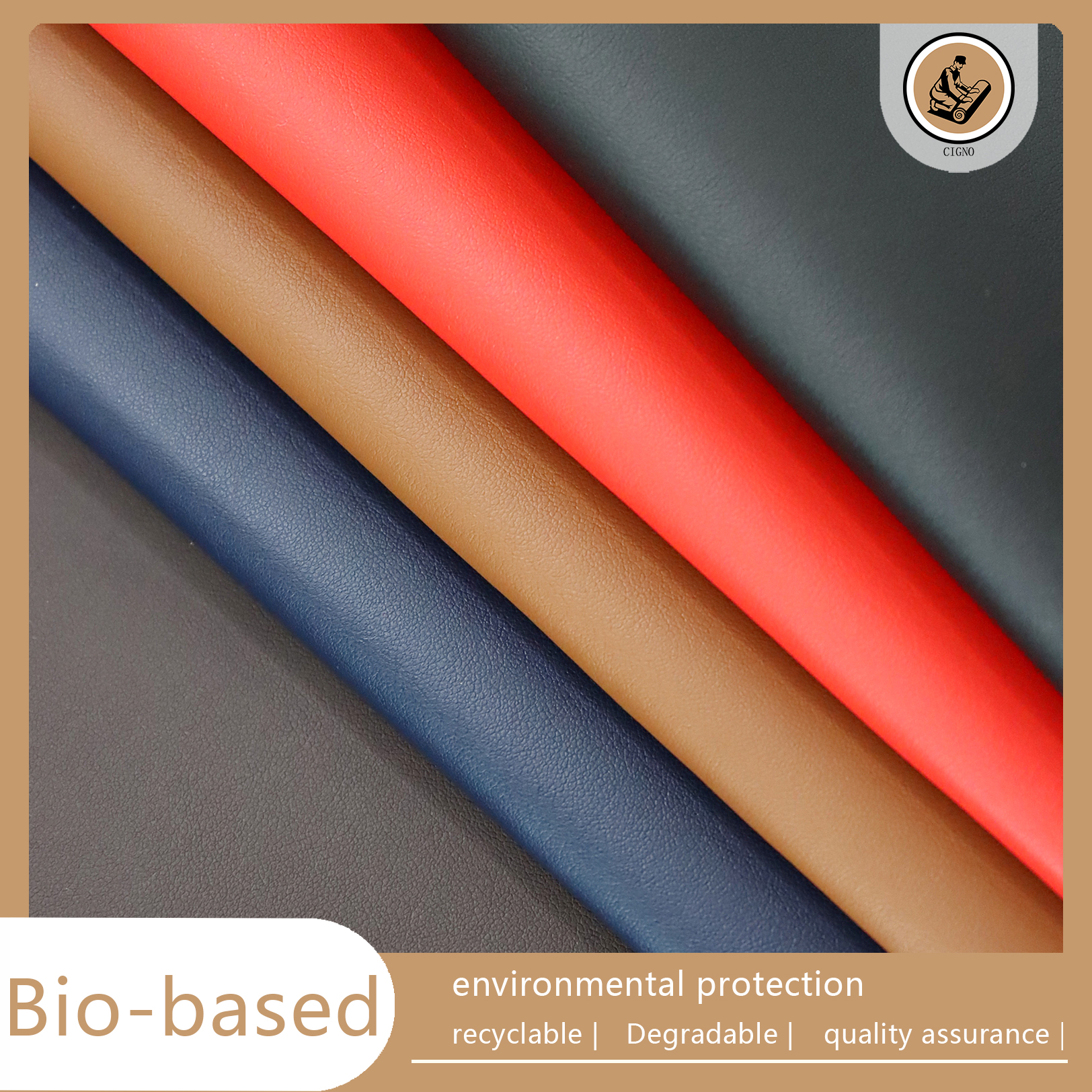
1. Examine Grain Definition and Consistency
Start by inspecting the full sample rather than selecting the most attractive section. The grain should look sharp, balanced, and consistent, with no obvious breaks, irregular embossing, uneven depth, excessive gloss, or surface defects. Compare the center, edges, folded areas, embossed sections, and backing transitions. These locations can expose differences that may not be visible in a single flat area.
2. Assess Softness and Flexibility
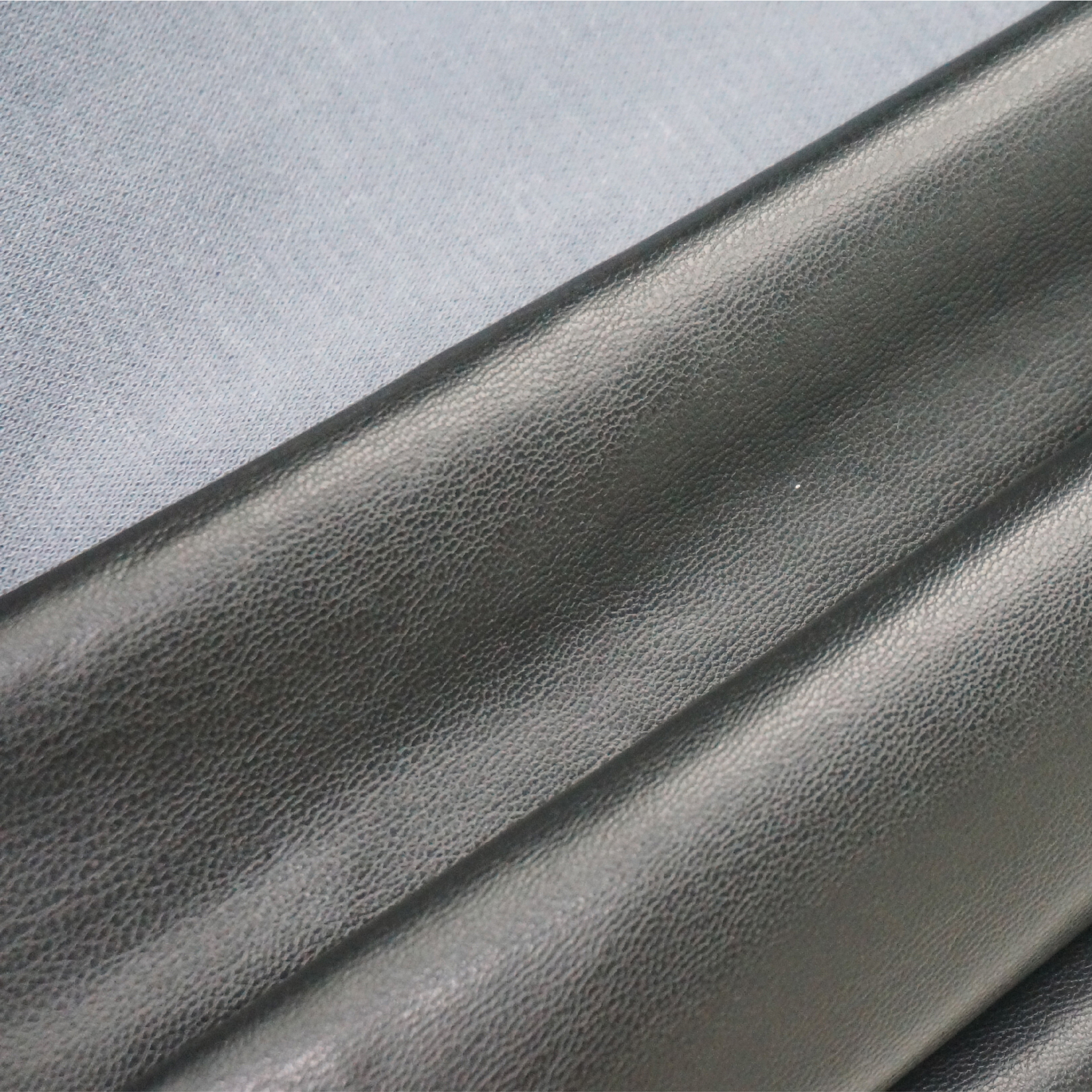
Softness is best judged by handling the material gently. Bend the sample gradually, press it with your fingertips, and fold it without forcing sharp creases. Observe whether the surface stays smooth and whether the material returns to its original appearance after movement. The ideal hand feel depends on the project: a luxury interior may favor a supple touch, while a commercial vehicle program may place equal emphasis on flexibility, durability, and long-term shape retention.
3. Verify Color Under Controlled Conditions
Color evaluation should take place beside the approved reference sample and under stable lighting. Inspect the main surface, edges, textured portions, and backing for shade differences. View the material from more than one angle to identify changes in tone, gloss, or color uniformity. Since automotive projects may require customized colors, grains, thicknesses, and backing fabrics, the final decision should follow the confirmed specification and approved color-matching standard.
Why Visual Inspection Is Only the First Step
A sample may look attractive and still fail in daily vehicle use. Visual review should therefore be supported by documented quality control and laboratory testing. The production process includes raw-material inspection, color-matching approval, process checks, laboratory evaluation, finished-goods inspection, and pre-shipment review. Depending on the project, testing may cover thickness, width, color consistency, surface appearance, abrasion resistance, tensile strength, peeling strength, scratch resistance, and flame-retardant performance.
Automotive synthetic leather can be used for seats, door panels, headrests, and armrests. In one cooperation project with an automotive interior manufacturer in Mexico, 50,000 meters were customized by color, grain, thickness, and backing. The program required abrasion resistance, UV resistance, flame retardancy, low odor, and easy-clean performance. The customer reported consistent color, defined grain, dependable performance, and delivery aligned with project needs.
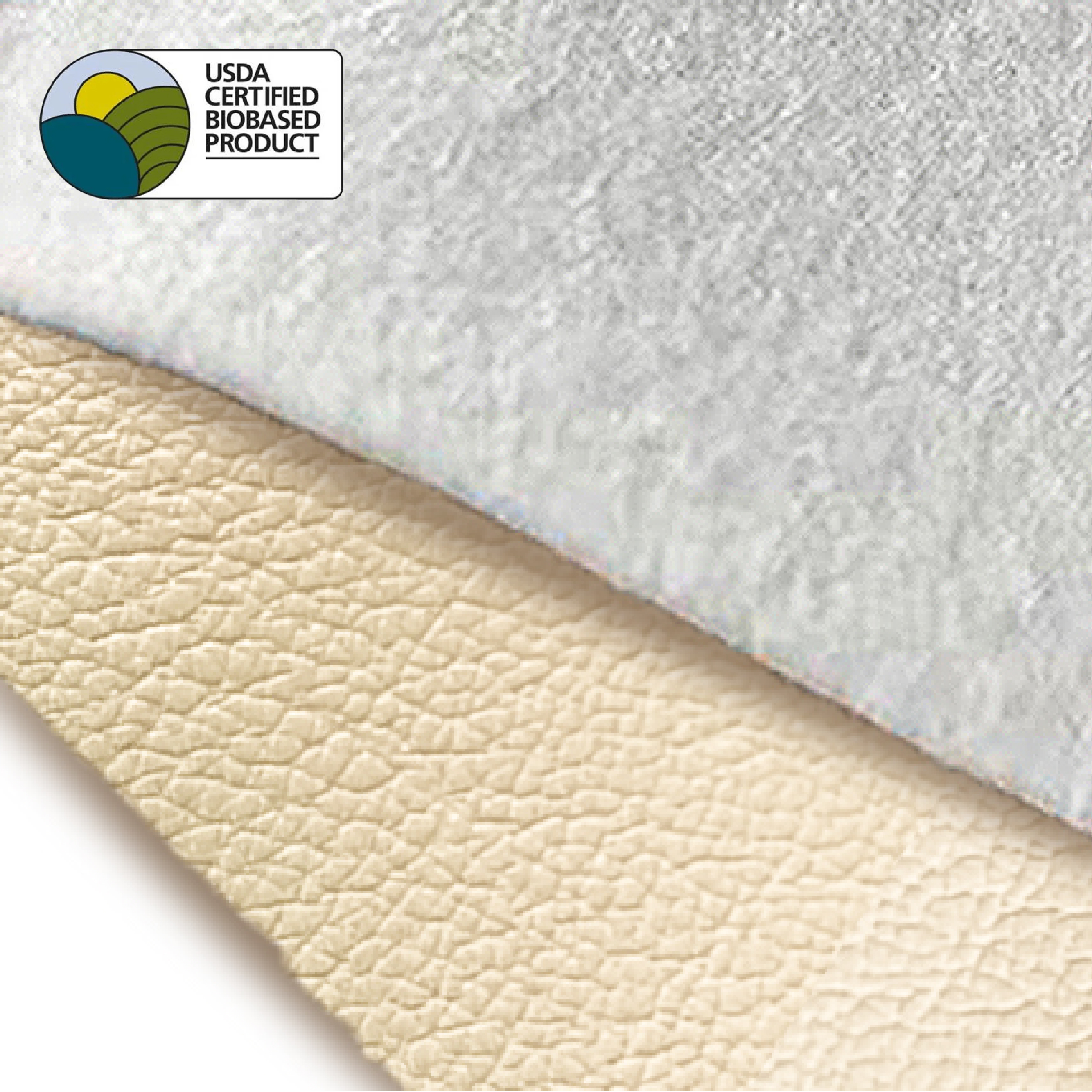
CIGNO Leather provides PU, microfiber, water-based, and bio-based synthetic leather options and supports customized automotive specifications. Its stated GRS, USDA, and Oeko-Tex 100 certifications can assist with material qualification, although each vehicle program still requires testing against its own technical requirements.
Sample Review Checklist and Product Capabilities
| Evaluation area | Sample inspection points | Available product support |
|---|---|---|
| Grain | Pattern sharpness, embossing uniformity, depth, gloss, defects, and consistency from center to edge | Customized grains and surface textures can be developed |
| Softness | Hand feel, bending response, flexibility, surface recovery, and suitability for upholstery installation | Soft-touch, flexible PU, microfiber, water-based, and bio-based solutions are available |
| Color | Reference matching, lighting consistency, edge-to-center variation, and angle-dependent shade changes | Custom colors and color-matching confirmation are supported |
| Performance | Abrasion, scratches, UV exposure, flame, odor, water, stains, and cleaning resistance | Testing and material customization can follow customer specifications |
Frequently Asked Questions
What is the best way to check grain consistency?
Inspect multiple parts of the sample in identical lighting. Compare pattern definition, embossing depth, gloss, edges, folds, and backing transitions, and note any broken texture or visible surface flaws.
How can softness be tested without harming the material?
Use gentle bending, gradual folding, and light hand pressure. Compare the result with the approved upholstery reference, then confirm flexibility and durability through the appropriate technical tests.
Can color be approved through visual inspection alone?
No. Place the sample next to the approved reference under controlled lighting and inspect it from several angles. Color-matching confirmation and production or laboratory checks should follow when required.
Conclusion and Sourcing Recommendations
A thorough luxury car seat cover leather review should combine three visual and tactile checks: grain uniformity, softness and flexibility, and color accuracy. These results must then be measured against automotive requirements for abrasion, scratch, UV, flame-retardant, low-odor, waterproof, stain-resistant, and easy-clean performance. CIGNO Leather supports OEM and ODM production, with a stated minimum order quantity of 500–1,000 meters per color and a typical delivery period of 15–30 days after order confirmation. For technical guidance or project support, contact vicky@bozeleather.com.
About Dongguan Cigno Leather Co., Ltd.
Dongguan Cigno Leather Co., Ltd., founded in 2007, manufactures synthetic leather in Dongguan, China. Its product range includes vegan leather, recycled leather, PVC leather, and microfiber leather for automotive interiors, furniture, apparel, handbags, footwear, luggage, upholstery, and interior decoration.
The company develops eco-friendly and multifunctional materials using PU, PVC, water-based, solvent-free, and other polymer technologies. Its stated markets include North America, Europe, Southeast Asia, the Middle East, and South America. R&D and testing capabilities support material development and quality assessment for manufacturers and distributors across several industries.
The company holds GRS, USDA, and Oeko-Tex 100 certifications for synthetic leather and has supplied customers in multiple application sectors.

REPORT