







-
 Agriculture
-
 Health-Care
-
 Environment
-
 Construction-Real-Estate
-
 Tools-Hardware
-
 Home-Garden
-
 Furniture
-
 Luggage-Bags-Cases
-
 Medical-devices-Supplies
-
 Gifts-Crafts
-
 Sports-Entertainment
-
 Food-Beverage
-
 Vehicles-Transportation
-
 Power-Transmission
-
 Material-Handling
-
 Renewable-Energy
-
 Safety
-
 Testing-Instrument-Equipment
-
 Construction-Building-Machinery
-
 Pet-Supplies
-
 Personal-Care-Household-Cleaning
-
 Vehicle-Accessories-Electronics-Tools
-
 School-Office-Supplies
-
 Packaging-Printing
-
 Mother-Kids-Toys
-
 Business-Services
-
 Commercial-Equipment-Machinery
-
 Apparel-Accessories
-
 Security
-
 Shoes-Accessories
-
 Vehicle-Parts-Accessories
-
 Jewelry-Eyewear-Watches-Accessories
-
 Lights-Lighting
-
 Fabric-Textile-Raw-Material
-
 Fabrication-Services
-
 Industrial-Machinery
-
 Consumer-Electronics
-
 Electrical-Equipment-Supplies
-
 Electronic-Components-Accessories-Telecommunications
-
 Home-Appliances
-
 Beauty
-
 Chemicals
-
 Rubber-Plastics
-
 Metals-Alloys


























































































































































































































































































































































































































































































































































































- Masonry Materials
- Curtain Walls & Accessories
- Earthwork Products
- Fireproofing Materials
- Heat Insulation Materials
- Plastic Building Materials
- Building Boards
- Soundproofing Materials
- Timber
- Waterproofing Materials
- Balustrades & Handrails
- Bathroom & Kitchen
- Flooring & Accessories
- Tiles & Accessories
- Door, Window & Accessories
- Fireplaces & Stoves
- Floor Heating Systems & Parts
- Stairs & Stair Parts
- Ceilings
- Elevators & Escalators
- Stone
- Countertops, Vanity Tops & Table Tops
- Mosaics
- Metal Building Materials
- Multifunctional Materials
- Ladders & Scaffoldings
- Mouldings
- Corner Guards
- Decorative Films
- Formwork
- Building & Industrial Glass
- Other Construction & Real Estate
- Wallpapers/Wall panels
- HVAC System & Parts
- Outdoor Facilities
- Prefabricated Buildings
- Festive & Party Supplies
- Bathroom Products
- Household Sundries
- Rain Gear
- Garden Supplies
- Household Cleaning Tools & Accessories
- Lighters & Smoking Accessories
- Home Storage & Organization
- Household Scales
- Smart Home Improvement
- Home Textiles
- Kitchenware
- Drinkware & Accessories
- Dinnerware, Coffee & Wine
- Home Decor
- Golf
- Fitness & Body Building
- Amusement Park Facilities
- Billiards, Board Game,Coin Operated Games
- Musical Instruments
- Outdoor Affordable Luxury Sports
- Camping & Hiking
- Fishing
- Sports Safety&Rehabilitation
- Ball Sports Equipments
- Water Sports
- Winter Sports
- Luxury Travel Equipments
- Sports Shoes, Bags & Accessories
- Cycling
- Other Sports & Entertainment Products
- Artificial Grass&Sports Flooring&Sports Court Equipment
- Scooters
- Food Ingredients
- Honey & Honey Products
- Snacks
- Nuts & Kernels
- Seafood
- Plant & Animal Oil
- Beverages
- Fruit & Vegetable Products
- Frog & Escargot
- Bean Products
- Egg Products
- Dairy Products
- Seasonings & Condiments
- Canned Food
- Instant Food
- Baked Goods
- Other Food & Beverage
- Meat & Poultry
- Confectionery
- Grain Products
- Feminie Care
- Hair Care & Styling
- Body Care
- Hands & Feet Care
- Hygiene Products
- Men's Grooming
- Laundry Cleaning Supplies
- Travel Size & Gift Sets
- Room Deodorizers
- Other Personal Care Products
- Pest Control Products
- Special Household Cleaning
- Floor Cleaning
- Kitchen & Bathroom Cleaning
- Oral Care
- Bath Supplies
- Yellow Pages
- Correction Supplies
- Office Binding Supplies
- Office Cutting Supplies
- Board Erasers
- Office Adhesives & Tapes
- Education Supplies
- Pencil Cases & Bags
- Notebooks & Writing Pads
- File Folder Accessories
- Calendars
- Writing Accessories
- Commercial Office Supplies
- Pencil Sharpeners
- Pens
- Letter Pad/Paper
- Paper Envelopes
- Desk Organizers
- Pencils
- Markers & Highlighters
- Filing Products
- Art Supplies
- Easels
- Badge Holder & Accessories
- Office Paper
- Printer Supplies
- Book Covers
- Other Office & School Supplies
- Stationery Set
- Boards
- Clipboards
- Stamps
- Drafting Supplies
- Stencils
- Electronic Dictionary
- Books
- Map
- Magazines
- Calculators
- Baby & Toddler Toys
- Educational Toys
- Classic Toys
- Dress Up & Pretend Play
- Toy Vehicle
- Stuffed Animals & Plush Toys
- Outdoor Toys & Structures
- Balloons & Accessories
- Baby Food
- Children's Clothing
- Baby Supplies & Products
- Maternity Clothes
- Kids Shoes
- Baby Care
- Novelty & Gag Toys
- Dolls & Accessories
- Puzzle & Games
- Blocks & Model Building Toys
- Toddler Clothing
- Baby Clothing
- Kids' Luggage & Bags
- Arts, Crafts & DIY Toys
- Action & Toy Figures
- Baby Appliances
- Hobbies & Models
- Remote Control Toys
- Promotional Toys
- Pregnancy & Maternity
- Hygiene Products
- Kid's Textile&Bedding
- Novelty & Special Use
- Toy Weapons
- Baby Gifts
- Baby Storage & Organization
- Auto Drive Systems
- ATV/UTV Parts & Accessories
- Marine Parts & Accessories
- Other Auto Parts
- Trailer Parts & Accessories
- Auto Transmission Systems
- Train Parts & Accessories
- Universal Parts
- Railway Parts & Accessories
- Auto Brake Systems
- Aviation Parts & Accessories
- Truck Parts & Accessories
- Auto Suspension Systems
- Auto Lighting Systems
- New Energy Vehicle Parts & Accessories
- Auto Steering Systems
- Wheels, Tires & Accessories
- Bus Parts & Accessories
- Auto Performance Parts
- Cooling System
- Go-Kart & Kart Racer Parts & Accessories
- Air Conditioning Systems
- Heavy Duty Vehicle Parts & Accessories
- Auto Electrical Systems
- Auto Body Systems
- Auto Engine Systems
- Container Parts & Accessories
- Motorcycle Parts & Accessories
- Refrigeration & Heat Exchange Equipment
- Machine Tool Equipment
- Food & Beverage Machinery
- Agricultural Machinery & Equipment
- Apparel & Textile Machinery
- Chemical Machinery
- Packaging Machines
- Paper Production Machinery
- Plastic & Rubber Processing Machinery
- Industrial Robots
- Electronic Products Machinery
- Metal & Metallurgy Machinery
- Woodworking Machinery
- Home Product Manufacturing Machinery
- Machinery Accessories
- Environmental Machinery
- Machinery Service
- Electrical Equipment Manufacturing Machinery
- Industrial Compressors & Parts
- Tobacco & Cigarette Machinery
- Production Line
- Used Industrial Machinery
- Electronics Production Machinery
- Other Machinery & Industrial Equipment
- Camera, Photo & Accessories
- Portable Audio, Video & Accessories
- Television, Home Audio, Video & Accessories
- Video Games & Accessories
- Mobile Phone & Accessories
- Electronic Publications
- Earphone & Headphone & Accessories
- Speakers & Accessories
- Smart Electronics
- TV Receivers & Accessories
- Mobile Phone & Computer Repair Parts
- Chargers, Batteries & Power Supplies
- Used Electronics
- VR, AR, MR Hardware & Software
- Projectors & Presentation Equipments
- Other Consumer Electronics
- Cables & Commonly Used Accessories
- Computer Hardware & Software
- Displays, Signage and Optoelectronics
- Discrete Semiconductors
- Wireless & IoT Module and Products
- Telecommunications
- Connectors, Terminals & Accessories
- Development Boards, Electronic Modules and Kits
- Circuit Protection
- Sensors
- Isolators
- Audio Components and Products
- Integrated Circuits
- Power Supplies
- Relays
- RF, Microwave and RFID
- Electronic Accessories & Supplies
- Passive Components
- PCB & PCBA
- Air Quality Appliances
- Home Appliance Parts
- Heating & Cooling Appliances
- Small Kitchen Appliances
- Laundry Appliances
- Water Heaters
- Water Treatment Appliances
- Refrigerators & Freezers
- Personal Care & Beauty Appliances
- Major Kitchen Appliances
- Cleaning Appliances
- Second-hand Appliances
- Smart Home Appliances
- Other Home Appliances
- Energy Chemicals
- Inorganic Chemicals
- Basic Organic Chemicals
- Agrochemicals
- Admixture & Additives
- Catalysts & Chemical Auxiliary Agents
- Pigments & Dyestuff
- Coating & Paint
- Daily Chemicals
- Polymer
- Organic Intermediate
- Adhesives & Sealants
- Chemical Waste
- Biological Chemical Products
- Surface Treatment Chemicals
- Painting & Coating
- Chemical Reagents
- Flavor & Fragrance
- Non-Explosive Demolition Agents
- Other Chemicals
- Custom Chemical Services

How to Evaluate Greener Options for Slim Aluminum Glass Door Frames
Choosing a lower-impact frame for glass doors requires more than comparing material names. Based on the available product and company information, there is no verified evidence that timber, steel, composite, or another framing material is environmentally preferable to a slim aluminum glass door frame. A responsible decision should therefore rely on documented lifecycle and manufacturing data rather than assumptions.
What Is Known About the Existing Aluminum System
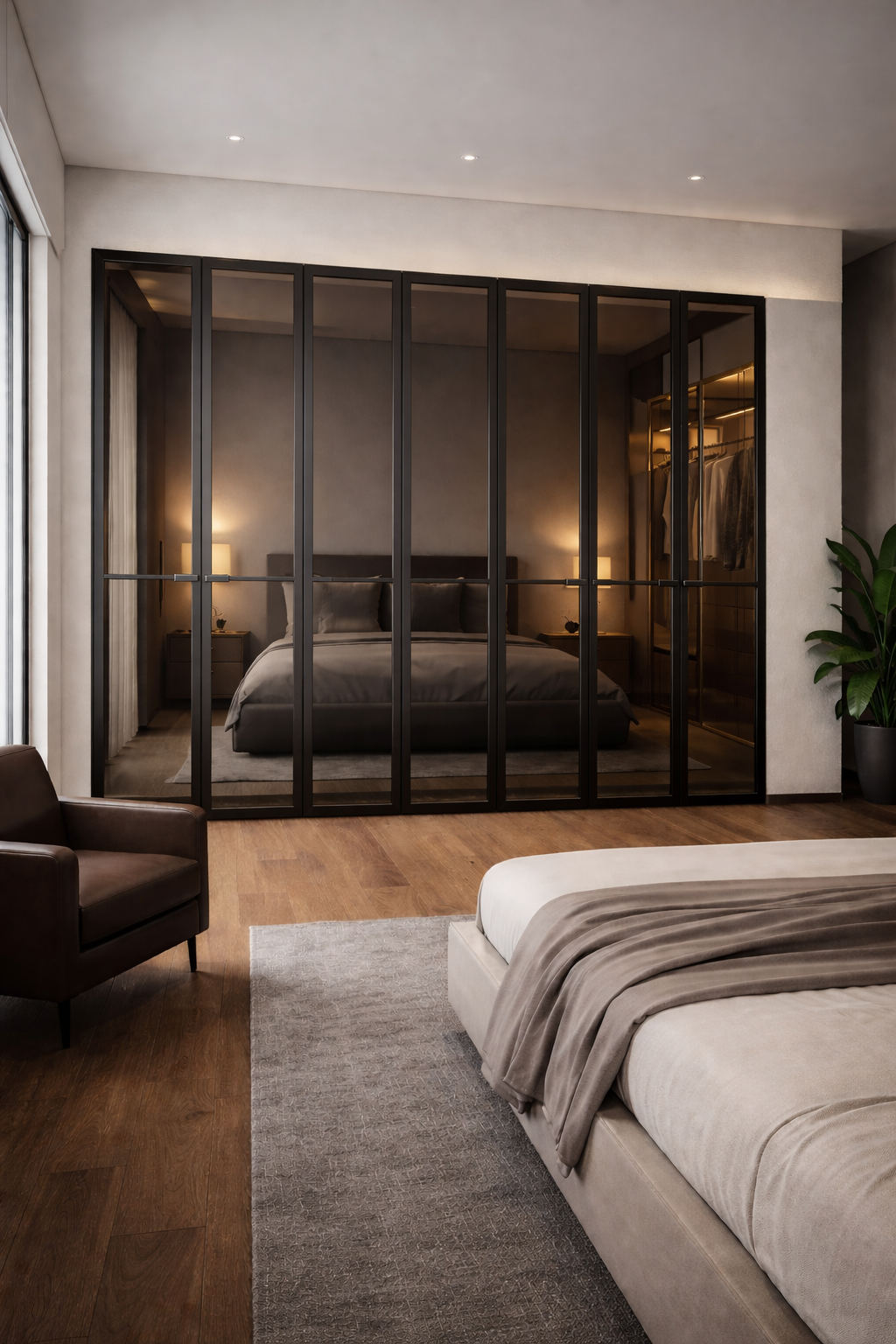
The documented solution is a slim aluminum profile system designed for glass doors. MEBEL-ALU manufactures furniture aluminum solutions for aluminum glass doors, sliding wardrobe systems, kitchen cabinet frames, and decorative tile trims. These products serve premium furniture producers, cabinet and wardrobe manufacturers, hotels, residential projects, hardware wholesalers, and related interior suppliers.
The company manages several production stages internally, including aluminum extrusion, anodizing, brushing, mechanical polishing, and precision CNC machining. This provides a clear basis for reviewing profile accuracy, finish consistency, and production processes. However, the supplied information does not prove that the aluminum system has a lower environmental footprint than competing frame materials.
Why a Confirmed Greener Substitute Cannot Yet Be Named
The available data does not identify a specific alternative material or provide comparable environmental results. Important details are absent, including aluminum alloy specification, recycled content, glass configuration, energy use during production, carbon footprint, maintenance needs, service life, and end-of-life recovery options.
Without those figures, it would not be accurate to claim that a wood, steel, or composite frame is greener. Each candidate material can perform differently depending on sourcing, processing, coatings, durability, transport distance, and recycling infrastructure. Material selection should be based on verified project-level evidence.
Key Factors for Comparing Frame Materials
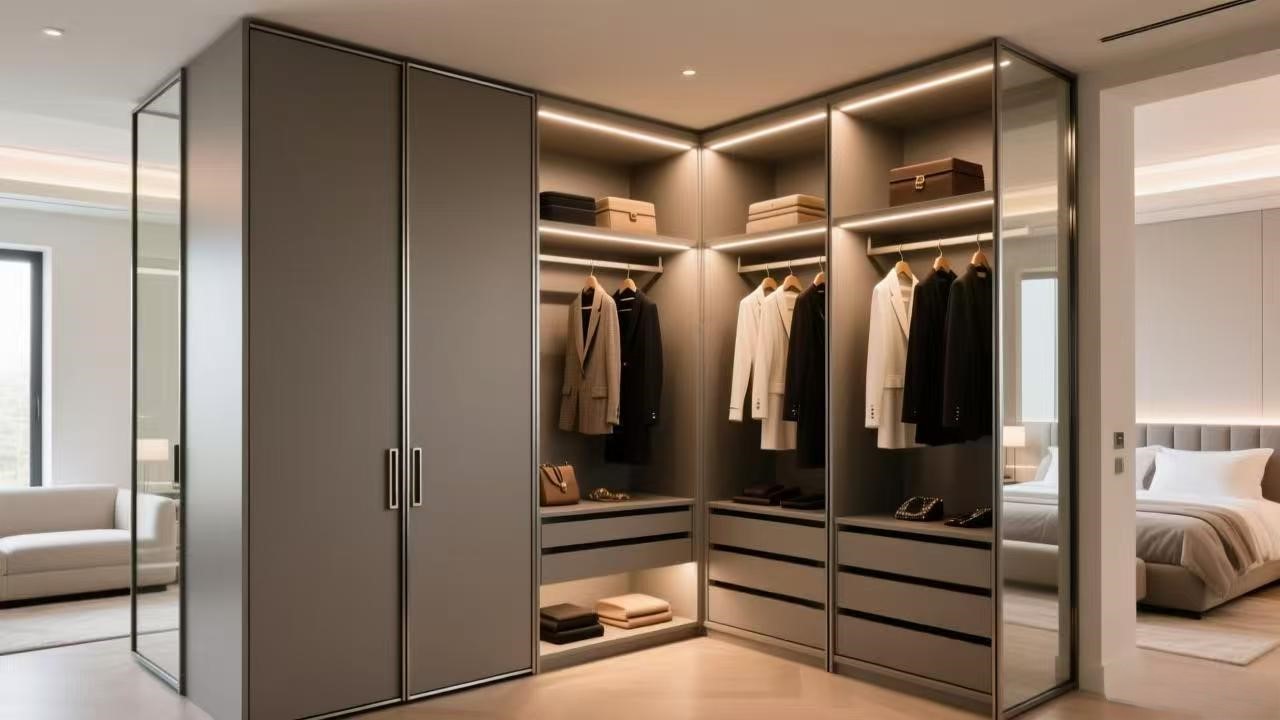
For a meaningful environmental comparison, procurement teams and designers should request consistent data from each proposed supplier. The review should cover the proportion of recycled material, raw-material origin, manufacturing electricity and fuel use, anodizing or other surface-treatment inputs, expected product lifespan, repair requirements, reuse potential, recycling routes, packaging, and delivery conditions.
These criteria are particularly important for slim profiles because material efficiency must be evaluated alongside durability and performance. A frame that uses less material but has a shorter service life or limited recovery route may not deliver a better overall lifecycle outcome.
Production and Certification Context
MEBEL-ALU lists Occupational Health and Safety Management System and Quality Management System certificates for aluminum alloy profiles used in architectural, decorative, and industrial applications. These credentials indicate management coverage for safety and quality, but they are not environmental certifications and do not establish the lifecycle performance of aluminum or any alternative framing option.
Comparison of Available Evidence
| Option or review path | Information supported by the supplied data | Environmental conclusion |
|---|---|---|
| Slim aluminum glass door frame | The product and its extrusion, finishing, and CNC manufacturing steps are documented. | No environmental advantage has been verified. |
| Timber, steel, composite, or other frame materials | No product details, lifecycle records, or environmental metrics are included. | A greener claim cannot be substantiated. |
| Project-specific lifecycle assessment | Can compare composition, recycled content, production energy, durability, maintenance, recovery, and logistics. | Recommended basis for material selection. |
Frequently Asked Questions
Are wood, steel, or composite frames proven to be greener?
No. The supplied materials contain no verified environmental comparison or specification for these alternative frame types.
What can be reviewed for the aluminum glass door solution?
The documented manufacturing route can be assessed, including extrusion, anodizing, brushing, mechanical polishing, and CNC machining. The available information does not establish carbon impact, recycled content, or full lifecycle performance.
What should be requested before making a sustainability decision?
Ask suppliers for documented material composition, recycled-content percentage, energy and surface-treatment data, anticipated durability, maintenance requirements, end-of-life recovery information, and transport details.
Conclusion and Procurement Guidance
No greener replacement for slim aluminum glass door frames can be confirmed using the supplied information alone. The appropriate approach is to compare the existing aluminum system with qualified alternatives through consistent environmental, operational, and lifecycle evidence.
For purchasing, MEBEL-ALU lists an FOB model, a minimum order quantity of 12,000 kg, an estimated 40-day delivery period, and rail, maritime, and container transport support. Technical and commercial enquiries can be directed to mebel@mebel-alu.com.
About Us
Mebel-Alu Furniture Profile (Hong Kong) Co., Ltd, represented by the MEBEL-ALU brand, has focused on precision aluminum profile systems for contemporary interiors since 2008. Its range includes aluminum glass door systems, wardrobe sliding systems, kitchen cabinet frames, and decorative tile trims. In-house capabilities include extrusion, anodizing, brushing, mechanical polishing, and CNC processing. The company reports monthly output capacity of 5,000 tons of aluminum profiles and 60,000 units of precision-finished handles and CNC-cut products, alongside its listed quality and occupational health and safety management credentials.

REPORT