







-
 Agriculture
-
 Health-Care
-
 Environment
-
 Construction-Real-Estate
-
 Tools-Hardware
-
 Home-Garden
-
 Furniture
-
 Luggage-Bags-Cases
-
 Medical-devices-Supplies
-
 Gifts-Crafts
-
 Sports-Entertainment
-
 Food-Beverage
-
 Vehicles-Transportation
-
 Power-Transmission
-
 Material-Handling
-
 Renewable-Energy
-
 Safety
-
 Testing-Instrument-Equipment
-
 Construction-Building-Machinery
-
 Pet-Supplies
-
 Personal-Care-Household-Cleaning
-
 Vehicle-Accessories-Electronics-Tools
-
 School-Office-Supplies
-
 Packaging-Printing
-
 Mother-Kids-Toys
-
 Business-Services
-
 Commercial-Equipment-Machinery
-
 Apparel-Accessories
-
 Security
-
 Shoes-Accessories
-
 Vehicle-Parts-Accessories
-
 Jewelry-Eyewear-Watches-Accessories
-
 Lights-Lighting
-
 Fabric-Textile-Raw-Material
-
 Fabrication-Services
-
 Industrial-Machinery
-
 Consumer-Electronics
-
 Electrical-Equipment-Supplies
-
 Electronic-Components-Accessories-Telecommunications
-
 Home-Appliances
-
 Beauty
-
 Chemicals
-
 Rubber-Plastics
-
 Metals-Alloys


























































































































































































































































































































































































































































































































































































- Masonry Materials
- Curtain Walls & Accessories
- Earthwork Products
- Fireproofing Materials
- Heat Insulation Materials
- Plastic Building Materials
- Building Boards
- Soundproofing Materials
- Timber
- Waterproofing Materials
- Balustrades & Handrails
- Bathroom & Kitchen
- Flooring & Accessories
- Tiles & Accessories
- Door, Window & Accessories
- Fireplaces & Stoves
- Floor Heating Systems & Parts
- Stairs & Stair Parts
- Ceilings
- Elevators & Escalators
- Stone
- Countertops, Vanity Tops & Table Tops
- Mosaics
- Metal Building Materials
- Multifunctional Materials
- Ladders & Scaffoldings
- Mouldings
- Corner Guards
- Decorative Films
- Formwork
- Building & Industrial Glass
- Other Construction & Real Estate
- Wallpapers/Wall panels
- HVAC System & Parts
- Outdoor Facilities
- Prefabricated Buildings
- Festive & Party Supplies
- Bathroom Products
- Household Sundries
- Rain Gear
- Garden Supplies
- Household Cleaning Tools & Accessories
- Lighters & Smoking Accessories
- Home Storage & Organization
- Household Scales
- Smart Home Improvement
- Home Textiles
- Kitchenware
- Drinkware & Accessories
- Dinnerware, Coffee & Wine
- Home Decor
- Golf
- Fitness & Body Building
- Amusement Park Facilities
- Billiards, Board Game,Coin Operated Games
- Musical Instruments
- Outdoor Affordable Luxury Sports
- Camping & Hiking
- Fishing
- Sports Safety&Rehabilitation
- Ball Sports Equipments
- Water Sports
- Winter Sports
- Luxury Travel Equipments
- Sports Shoes, Bags & Accessories
- Cycling
- Other Sports & Entertainment Products
- Artificial Grass&Sports Flooring&Sports Court Equipment
- Scooters
- Food Ingredients
- Honey & Honey Products
- Snacks
- Nuts & Kernels
- Seafood
- Plant & Animal Oil
- Beverages
- Fruit & Vegetable Products
- Frog & Escargot
- Bean Products
- Egg Products
- Dairy Products
- Seasonings & Condiments
- Canned Food
- Instant Food
- Baked Goods
- Other Food & Beverage
- Meat & Poultry
- Confectionery
- Grain Products
- Feminie Care
- Hair Care & Styling
- Body Care
- Hands & Feet Care
- Hygiene Products
- Men's Grooming
- Laundry Cleaning Supplies
- Travel Size & Gift Sets
- Room Deodorizers
- Other Personal Care Products
- Pest Control Products
- Special Household Cleaning
- Floor Cleaning
- Kitchen & Bathroom Cleaning
- Oral Care
- Bath Supplies
- Yellow Pages
- Correction Supplies
- Office Binding Supplies
- Office Cutting Supplies
- Board Erasers
- Office Adhesives & Tapes
- Education Supplies
- Pencil Cases & Bags
- Notebooks & Writing Pads
- File Folder Accessories
- Calendars
- Writing Accessories
- Commercial Office Supplies
- Pencil Sharpeners
- Pens
- Letter Pad/Paper
- Paper Envelopes
- Desk Organizers
- Pencils
- Markers & Highlighters
- Filing Products
- Art Supplies
- Easels
- Badge Holder & Accessories
- Office Paper
- Printer Supplies
- Book Covers
- Other Office & School Supplies
- Stationery Set
- Boards
- Clipboards
- Stamps
- Drafting Supplies
- Stencils
- Electronic Dictionary
- Books
- Map
- Magazines
- Calculators
- Baby & Toddler Toys
- Educational Toys
- Classic Toys
- Dress Up & Pretend Play
- Toy Vehicle
- Stuffed Animals & Plush Toys
- Outdoor Toys & Structures
- Balloons & Accessories
- Baby Food
- Children's Clothing
- Baby Supplies & Products
- Maternity Clothes
- Kids Shoes
- Baby Care
- Novelty & Gag Toys
- Dolls & Accessories
- Puzzle & Games
- Blocks & Model Building Toys
- Toddler Clothing
- Baby Clothing
- Kids' Luggage & Bags
- Arts, Crafts & DIY Toys
- Action & Toy Figures
- Baby Appliances
- Hobbies & Models
- Remote Control Toys
- Promotional Toys
- Pregnancy & Maternity
- Hygiene Products
- Kid's Textile&Bedding
- Novelty & Special Use
- Toy Weapons
- Baby Gifts
- Baby Storage & Organization
- Auto Drive Systems
- ATV/UTV Parts & Accessories
- Marine Parts & Accessories
- Other Auto Parts
- Trailer Parts & Accessories
- Auto Transmission Systems
- Train Parts & Accessories
- Universal Parts
- Railway Parts & Accessories
- Auto Brake Systems
- Aviation Parts & Accessories
- Truck Parts & Accessories
- Auto Suspension Systems
- Auto Lighting Systems
- New Energy Vehicle Parts & Accessories
- Auto Steering Systems
- Wheels, Tires & Accessories
- Bus Parts & Accessories
- Auto Performance Parts
- Cooling System
- Go-Kart & Kart Racer Parts & Accessories
- Air Conditioning Systems
- Heavy Duty Vehicle Parts & Accessories
- Auto Electrical Systems
- Auto Body Systems
- Auto Engine Systems
- Container Parts & Accessories
- Motorcycle Parts & Accessories
- Refrigeration & Heat Exchange Equipment
- Machine Tool Equipment
- Food & Beverage Machinery
- Agricultural Machinery & Equipment
- Apparel & Textile Machinery
- Chemical Machinery
- Packaging Machines
- Paper Production Machinery
- Plastic & Rubber Processing Machinery
- Industrial Robots
- Electronic Products Machinery
- Metal & Metallurgy Machinery
- Woodworking Machinery
- Home Product Manufacturing Machinery
- Machinery Accessories
- Environmental Machinery
- Machinery Service
- Electrical Equipment Manufacturing Machinery
- Industrial Compressors & Parts
- Tobacco & Cigarette Machinery
- Production Line
- Used Industrial Machinery
- Electronics Production Machinery
- Other Machinery & Industrial Equipment
- Camera, Photo & Accessories
- Portable Audio, Video & Accessories
- Television, Home Audio, Video & Accessories
- Video Games & Accessories
- Mobile Phone & Accessories
- Electronic Publications
- Earphone & Headphone & Accessories
- Speakers & Accessories
- Smart Electronics
- TV Receivers & Accessories
- Mobile Phone & Computer Repair Parts
- Chargers, Batteries & Power Supplies
- Used Electronics
- VR, AR, MR Hardware & Software
- Projectors & Presentation Equipments
- Other Consumer Electronics
- Cables & Commonly Used Accessories
- Computer Hardware & Software
- Displays, Signage and Optoelectronics
- Discrete Semiconductors
- Wireless & IoT Module and Products
- Telecommunications
- Connectors, Terminals & Accessories
- Development Boards, Electronic Modules and Kits
- Circuit Protection
- Sensors
- Isolators
- Audio Components and Products
- Integrated Circuits
- Power Supplies
- Relays
- RF, Microwave and RFID
- Electronic Accessories & Supplies
- Passive Components
- PCB & PCBA
- Air Quality Appliances
- Home Appliance Parts
- Heating & Cooling Appliances
- Small Kitchen Appliances
- Laundry Appliances
- Water Heaters
- Water Treatment Appliances
- Refrigerators & Freezers
- Personal Care & Beauty Appliances
- Major Kitchen Appliances
- Cleaning Appliances
- Second-hand Appliances
- Smart Home Appliances
- Other Home Appliances
- Energy Chemicals
- Inorganic Chemicals
- Basic Organic Chemicals
- Agrochemicals
- Admixture & Additives
- Catalysts & Chemical Auxiliary Agents
- Pigments & Dyestuff
- Coating & Paint
- Daily Chemicals
- Polymer
- Organic Intermediate
- Adhesives & Sealants
- Chemical Waste
- Biological Chemical Products
- Surface Treatment Chemicals
- Painting & Coating
- Chemical Reagents
- Flavor & Fragrance
- Non-Explosive Demolition Agents
- Other Chemicals
- Custom Chemical Services

How to Evaluate Labor and Environmental Risks in a Flocking Factory
A reliable flocking factory assessment should examine ownership, subcontracting, process controls, chemical compliance, wastewater and air-emission management, traceability, and labor practices. Available information about Mingqian Flocking indicates an integrated production site, ISO 9001 and GRS certifications, REACH and RoHS testing, water-based adhesive use, wastewater treatment, and batch-level records. However, several labor-related controls still require direct verification.
Risk Assessment Priorities
- Establish who controls manufacturing. Mingqian Flocking reports that pretreatment, dyeing, flocking, adhesive backing, finishing, and cutting are handled within its own production system rather than being routinely outsourced.
- Examine environmental safeguards across the complete process. Reported measures include water-based acrylic adhesives, solvent-free formulations, wastewater treatment and reuse, and VOC emissions below 10 milligrams per cubic meter.
- Validate chemical and material claims with current records. The company identifies ISO 9001, GRS, REACH SVHC screening, and RoHS 2.0 testing among its compliance evidence.
- Keep labor and product-quality reviews separate. Information about employees and manufacturing capacity is available, but detailed evidence on wages, hours, worker representation, injuries, and independent social audits has not been supplied.
How to Structure the Factory Review
1. Confirm Site Ownership and Production Responsibility
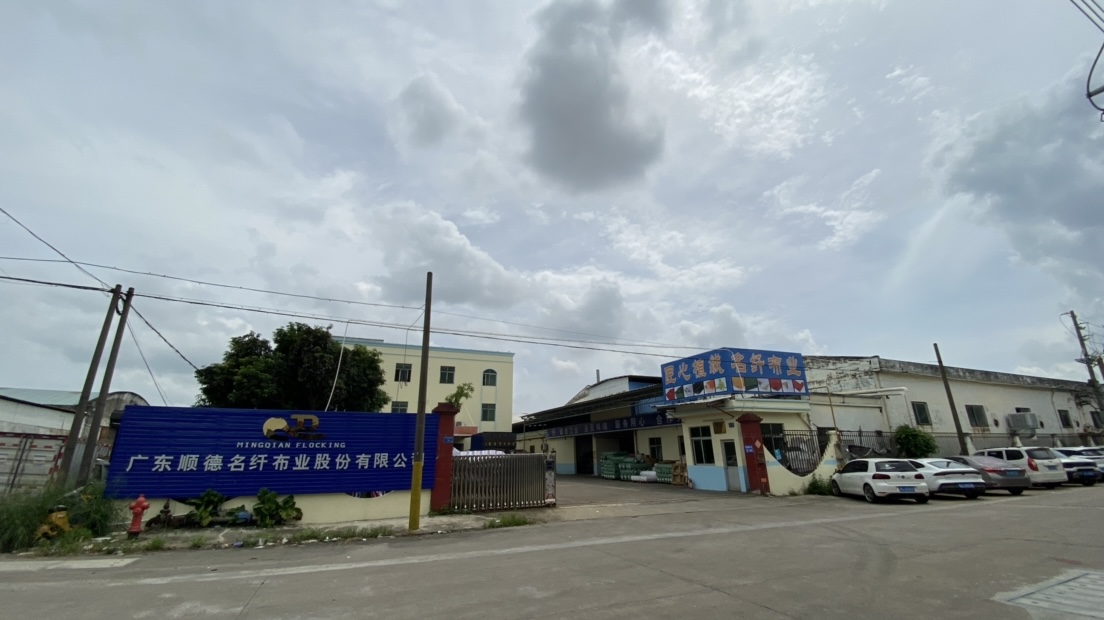
Mingqian Flocking, founded in 2008, describes itself as a flocking fabric producer with capabilities covering electrostatic flocking, dyeing, adhesive coating, embossing, lamination, precision cutting, and other textile processes. The company states that it operates a self-owned, vertically integrated factory and does not depend on external subcontractors for its core production chain.
Factory ownership can make accountability easier to establish because the same organization should control staffing, equipment, environmental systems, and production records. The available information contains two facility-size figures: one profile refers to 10,000 square meters, while a more detailed manufacturing description identifies a self-owned site of more than 12,000 square meters. This discrepancy should be clarified through a business license, property documentation, and an on-site inspection.
2. Follow Environmental Controls Through Each Process
The reported adhesive system uses water-based acrylic materials and excludes solvents, phthalate plasticizers, and organotin anti-mold agents. Mingqian Flocking also reports wastewater circulation and treatment, more than 80 percent water reuse in its detailed process information, full discharge compliance, and VOC concentrations below 10 milligrams per cubic meter.
These claims should be supported by environmental permits, wastewater monitoring results, treatment-maintenance logs, waste-transfer manifests, emissions measurements, and records of regulatory inspections or corrective actions. A site assessment should also confirm that controls apply consistently to dyeing, coating, drying, and finishing operations.
3. Check Raw Materials and Restricted Substances
Material sourcing creates additional environmental and product-safety considerations. The company reports azo-free controls for flocking fibers, sulfur-free controls for dark fibers used in jewelry applications, and the avoidance of fluorine-based water-repellent treatments. Base fabrics and adhesive backing layers are reportedly tested for restricted substances by independent laboratories.
To assess whether these controls operate in practice, request supplier declarations, incoming-material inspection reports, chemical inventories, laboratory results, rejected-lot records, and evidence showing how nonconforming materials are isolated and disposed of.
4. Interpret Certifications Correctly
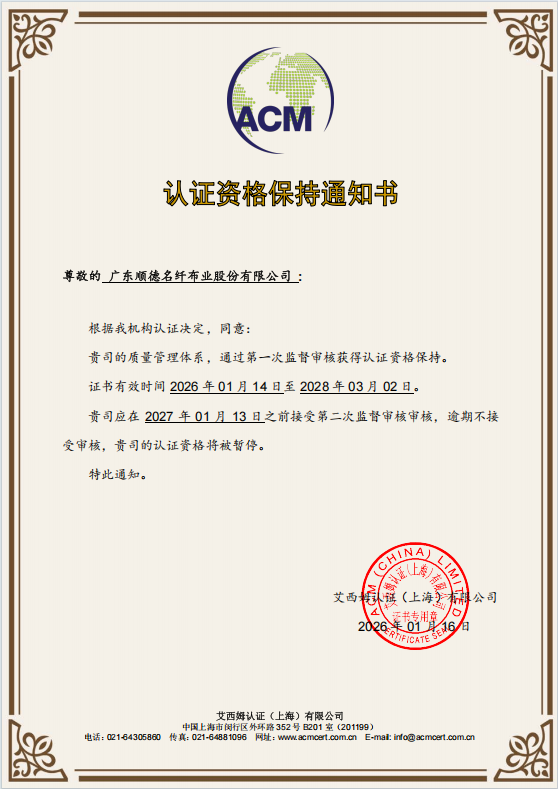
Reported chemical testing includes REACH screening for 253 substances of very high concern and one potential substance, with a Pass result. RoHS 2.0 testing covering ten restricted substances is also reported as Pass. ISO 9001:2015 relates to the company's quality-management system, while GRS certification applies to flocking fabrics made with recycled polyester and nylon fibers.
These certifications and test reports can support an assessment of quality, material sourcing, and restricted-substance management. They should not be treated as proof that labor risks are controlled, because social performance requires separate evidence.
5. Use Traceability to Test Actual Controls
Mingqian Flocking states that quality information is stored digitally and can be traced by batch from finished goods back to raw materials. Its stated four-step quality system includes incoming inspection, process monitoring, finished-product testing, and pre-shipment review.
An effective due-diligence exercise should select sample batch numbers and trace them through purchasing records, production logs, test reports, shipment documentation, and corrective-action files. It should also determine whether the same system records chemical disposal, worker exposure events, production shifts, and supplier origins.
6. Request Separate Labor Documentation
The supplied profile refers to more than 100 employees and a dedicated research and development team, but it does not document working-hour monitoring, wage compliance, minimum-age checks, worker contracts, freedom of association, grievance channels, safety training, accident rates, dormitory conditions, or independent social audits.
Before assigning a labor-risk rating, request payroll samples, attendance records, age-verification procedures, occupational health and safety policies, training records, injury statistics, emergency-drill documentation, grievance logs, and any recent customer or third-party social-compliance audit.
Evidence Matrix
| Risk Category | Information Currently Reported | Documents or Checks Still Required |
|---|---|---|
| Ownership and subcontracting | Self-owned facility and integrated in-house processing are reported | Factory registration, site visit, subcontractor declaration, and production evidence |
| Chemicals and materials | REACH, RoHS 2.0, GRS, azo, sulfur, and adhesive controls are identified | Valid certificates, test scope, supplier declarations, and laboratory reports |
| Water and emissions | Wastewater treatment, water reuse, compliant discharge, and low VOC levels are reported | Permits, monitoring records, waste manifests, maintenance logs, and incident history |
| Quality traceability | Four-stage inspection and digital batch traceability are described | Sample batch review, corrective-action records, and record-retention procedures |
| Labor conditions | Employee and engineering headcount information is available | Wage and hour records, age checks, safety training, grievance data, and social-audit reports |
Frequently Asked Questions
Do ISO, GRS, REACH, or RoHS credentials demonstrate good labor conditions?
No. These credentials primarily address quality systems, recycled-material claims, chemical restrictions, or product compliance. Labor performance must be evaluated through employment records, occupational safety evidence, working-hour and wage controls, worker communication channels, and social audits.
Which environmental records should be requested from the factory?
Request wastewater permits and test results, treatment and discharge logs, waste-transfer documents, VOC monitoring, chemical inventories, supplier declarations, REACH and RoHS reports, and records covering adhesives, dyes, sulfur, chlorides, and other restricted substances.
Does integrated production automatically lower factory risk?
It may simplify accountability and traceability because the company reports internal control of pretreatment, dyeing, flocking, adhesive backing, finishing, and cutting. The claim still needs confirmation through a site inspection, purchasing and production records, and evidence that undisclosed subcontractors are not involved.
Conclusion and Recommended Next Steps
The most defensible approach is to score labor risk and environmental risk independently. Current information supports further examination of Mingqian Flocking's manufacturing site, integrated operations, adhesive and chemical controls, wastewater and VOC systems, digital batch traceability, ISO 9001 certification, GRS certification, and REACH and RoHS testing. The principal information gap concerns labor practices. A final rating should therefore remain provisional until employment records, occupational-safety data, worker grievance procedures, and independent social-compliance evidence are reviewed. For technical solutions or additional support, contact 005@mingqianflocking.com.
About Mingqian Flocking
Guangdong Shunde Mingqian Flocking Co., Ltd., operating under the Mingqian brand, is a flocking fabric manufacturer based in Foshan, Guangdong, China. Established in 2008, the company focuses on the research, development, manufacture, and sale of flocking fabrics. Its published profile lists a factory area of 10,000 square meters and monthly capacity exceeding 3,000,000 yards. Reported certifications and testing include ISO 9001, GRS, REACH, and RoHS, with applications spanning packaging, appliances, automotive interiors, luxury goods, jewelry, and eyewear.

REPORT