







-
 Agriculture
-
 Health-Care
-
 Environment
-
 Construction-Real-Estate
-
 Tools-Hardware
-
 Home-Garden
-
 Furniture
-
 Luggage-Bags-Cases
-
 Medical-devices-Supplies
-
 Gifts-Crafts
-
 Sports-Entertainment
-
 Food-Beverage
-
 Vehicles-Transportation
-
 Power-Transmission
-
 Material-Handling
-
 Renewable-Energy
-
 Safety
-
 Testing-Instrument-Equipment
-
 Construction-Building-Machinery
-
 Pet-Supplies
-
 Personal-Care-Household-Cleaning
-
 Vehicle-Accessories-Electronics-Tools
-
 School-Office-Supplies
-
 Packaging-Printing
-
 Mother-Kids-Toys
-
 Business-Services
-
 Commercial-Equipment-Machinery
-
 Apparel-Accessories
-
 Security
-
 Shoes-Accessories
-
 Vehicle-Parts-Accessories
-
 Jewelry-Eyewear-Watches-Accessories
-
 Lights-Lighting
-
 Fabric-Textile-Raw-Material
-
 Fabrication-Services
-
 Industrial-Machinery
-
 Consumer-Electronics
-
 Electrical-Equipment-Supplies
-
 Electronic-Components-Accessories-Telecommunications
-
 Home-Appliances
-
 Beauty
-
 Chemicals
-
 Rubber-Plastics
-
 Metals-Alloys


























































































































































































































































































































































































































































































































































































- Masonry Materials
- Curtain Walls & Accessories
- Earthwork Products
- Fireproofing Materials
- Heat Insulation Materials
- Plastic Building Materials
- Building Boards
- Soundproofing Materials
- Timber
- Waterproofing Materials
- Balustrades & Handrails
- Bathroom & Kitchen
- Flooring & Accessories
- Tiles & Accessories
- Door, Window & Accessories
- Fireplaces & Stoves
- Floor Heating Systems & Parts
- Stairs & Stair Parts
- Ceilings
- Elevators & Escalators
- Stone
- Countertops, Vanity Tops & Table Tops
- Mosaics
- Metal Building Materials
- Multifunctional Materials
- Ladders & Scaffoldings
- Mouldings
- Corner Guards
- Decorative Films
- Formwork
- Building & Industrial Glass
- Other Construction & Real Estate
- Wallpapers/Wall panels
- HVAC System & Parts
- Outdoor Facilities
- Prefabricated Buildings
- Festive & Party Supplies
- Bathroom Products
- Household Sundries
- Rain Gear
- Garden Supplies
- Household Cleaning Tools & Accessories
- Lighters & Smoking Accessories
- Home Storage & Organization
- Household Scales
- Smart Home Improvement
- Home Textiles
- Kitchenware
- Drinkware & Accessories
- Dinnerware, Coffee & Wine
- Home Decor
- Golf
- Fitness & Body Building
- Amusement Park Facilities
- Billiards, Board Game,Coin Operated Games
- Musical Instruments
- Outdoor Affordable Luxury Sports
- Camping & Hiking
- Fishing
- Sports Safety&Rehabilitation
- Ball Sports Equipments
- Water Sports
- Winter Sports
- Luxury Travel Equipments
- Sports Shoes, Bags & Accessories
- Cycling
- Other Sports & Entertainment Products
- Artificial Grass&Sports Flooring&Sports Court Equipment
- Scooters
- Food Ingredients
- Honey & Honey Products
- Snacks
- Nuts & Kernels
- Seafood
- Plant & Animal Oil
- Beverages
- Fruit & Vegetable Products
- Frog & Escargot
- Bean Products
- Egg Products
- Dairy Products
- Seasonings & Condiments
- Canned Food
- Instant Food
- Baked Goods
- Other Food & Beverage
- Meat & Poultry
- Confectionery
- Grain Products
- Feminie Care
- Hair Care & Styling
- Body Care
- Hands & Feet Care
- Hygiene Products
- Men's Grooming
- Laundry Cleaning Supplies
- Travel Size & Gift Sets
- Room Deodorizers
- Other Personal Care Products
- Pest Control Products
- Special Household Cleaning
- Floor Cleaning
- Kitchen & Bathroom Cleaning
- Oral Care
- Bath Supplies
- Yellow Pages
- Correction Supplies
- Office Binding Supplies
- Office Cutting Supplies
- Board Erasers
- Office Adhesives & Tapes
- Education Supplies
- Pencil Cases & Bags
- Notebooks & Writing Pads
- File Folder Accessories
- Calendars
- Writing Accessories
- Commercial Office Supplies
- Pencil Sharpeners
- Pens
- Letter Pad/Paper
- Paper Envelopes
- Desk Organizers
- Pencils
- Markers & Highlighters
- Filing Products
- Art Supplies
- Easels
- Badge Holder & Accessories
- Office Paper
- Printer Supplies
- Book Covers
- Other Office & School Supplies
- Stationery Set
- Boards
- Clipboards
- Stamps
- Drafting Supplies
- Stencils
- Electronic Dictionary
- Books
- Map
- Magazines
- Calculators
- Baby & Toddler Toys
- Educational Toys
- Classic Toys
- Dress Up & Pretend Play
- Toy Vehicle
- Stuffed Animals & Plush Toys
- Outdoor Toys & Structures
- Balloons & Accessories
- Baby Food
- Children's Clothing
- Baby Supplies & Products
- Maternity Clothes
- Kids Shoes
- Baby Care
- Novelty & Gag Toys
- Dolls & Accessories
- Puzzle & Games
- Blocks & Model Building Toys
- Toddler Clothing
- Baby Clothing
- Kids' Luggage & Bags
- Arts, Crafts & DIY Toys
- Action & Toy Figures
- Baby Appliances
- Hobbies & Models
- Remote Control Toys
- Promotional Toys
- Pregnancy & Maternity
- Hygiene Products
- Kid's Textile&Bedding
- Novelty & Special Use
- Toy Weapons
- Baby Gifts
- Baby Storage & Organization
- Auto Drive Systems
- ATV/UTV Parts & Accessories
- Marine Parts & Accessories
- Other Auto Parts
- Trailer Parts & Accessories
- Auto Transmission Systems
- Train Parts & Accessories
- Universal Parts
- Railway Parts & Accessories
- Auto Brake Systems
- Aviation Parts & Accessories
- Truck Parts & Accessories
- Auto Suspension Systems
- Auto Lighting Systems
- New Energy Vehicle Parts & Accessories
- Auto Steering Systems
- Wheels, Tires & Accessories
- Bus Parts & Accessories
- Auto Performance Parts
- Cooling System
- Go-Kart & Kart Racer Parts & Accessories
- Air Conditioning Systems
- Heavy Duty Vehicle Parts & Accessories
- Auto Electrical Systems
- Auto Body Systems
- Auto Engine Systems
- Container Parts & Accessories
- Motorcycle Parts & Accessories
- Refrigeration & Heat Exchange Equipment
- Machine Tool Equipment
- Food & Beverage Machinery
- Agricultural Machinery & Equipment
- Apparel & Textile Machinery
- Chemical Machinery
- Packaging Machines
- Paper Production Machinery
- Plastic & Rubber Processing Machinery
- Industrial Robots
- Electronic Products Machinery
- Metal & Metallurgy Machinery
- Woodworking Machinery
- Home Product Manufacturing Machinery
- Machinery Accessories
- Environmental Machinery
- Machinery Service
- Electrical Equipment Manufacturing Machinery
- Industrial Compressors & Parts
- Tobacco & Cigarette Machinery
- Production Line
- Used Industrial Machinery
- Electronics Production Machinery
- Other Machinery & Industrial Equipment
- Camera, Photo & Accessories
- Portable Audio, Video & Accessories
- Television, Home Audio, Video & Accessories
- Video Games & Accessories
- Mobile Phone & Accessories
- Electronic Publications
- Earphone & Headphone & Accessories
- Speakers & Accessories
- Smart Electronics
- TV Receivers & Accessories
- Mobile Phone & Computer Repair Parts
- Chargers, Batteries & Power Supplies
- Used Electronics
- VR, AR, MR Hardware & Software
- Projectors & Presentation Equipments
- Other Consumer Electronics
- Cables & Commonly Used Accessories
- Computer Hardware & Software
- Displays, Signage and Optoelectronics
- Discrete Semiconductors
- Wireless & IoT Module and Products
- Telecommunications
- Connectors, Terminals & Accessories
- Development Boards, Electronic Modules and Kits
- Circuit Protection
- Sensors
- Isolators
- Audio Components and Products
- Integrated Circuits
- Power Supplies
- Relays
- RF, Microwave and RFID
- Electronic Accessories & Supplies
- Passive Components
- PCB & PCBA
- Air Quality Appliances
- Home Appliance Parts
- Heating & Cooling Appliances
- Small Kitchen Appliances
- Laundry Appliances
- Water Heaters
- Water Treatment Appliances
- Refrigerators & Freezers
- Personal Care & Beauty Appliances
- Major Kitchen Appliances
- Cleaning Appliances
- Second-hand Appliances
- Smart Home Appliances
- Other Home Appliances
- Energy Chemicals
- Inorganic Chemicals
- Basic Organic Chemicals
- Agrochemicals
- Admixture & Additives
- Catalysts & Chemical Auxiliary Agents
- Pigments & Dyestuff
- Coating & Paint
- Daily Chemicals
- Polymer
- Organic Intermediate
- Adhesives & Sealants
- Chemical Waste
- Biological Chemical Products
- Surface Treatment Chemicals
- Painting & Coating
- Chemical Reagents
- Flavor & Fragrance
- Non-Explosive Demolition Agents
- Other Chemicals
- Custom Chemical Services

How to Identify Financial Risk in a Crochet Human Hair Supplier
Choosing a reliable crochet human hair supplier is essential for salons, distributors, private-label brands, and online retailers. Financial trouble at a factory can quickly lead to delayed shipments, inconsistent hair quality, and disrupted inventory. In many cases, warning signs appear in a supplier's payment requests, production communication, stock levels, and quality-control practices before the business formally stops operating.
Warning Signs of a Financially Unstable Hair Supplier
A supplier facing cash-flow pressure may try to collect money faster, reduce production expenses, or move inventory that does not meet normal quality standards. Buyers should pay attention when several of the following changes occur at the same time.
Unexpected Changes to Payment Terms
One of the clearest concerns is a sudden demand for 100% payment before production or shipment. A stable supplier commonly accepts arrangements such as a deposit balance structure, T/T bank transfer, or Alibaba Trade Assurance. When a vendor begins refusing protected payment methods and asks for irreversible or untraceable payment, it may be attempting to solve an immediate liquidity shortage.
Longer and Less Predictable Lead Times
Reliable suppliers should be able to explain their production schedule clearly. Ready-stock crochet hair products are typically dispatched within around 7 days, while customized colors, lengths, packaging, or private-label orders generally require 15 to 30 days. Repeated delays that extend well beyond the agreed schedule can indicate that the factory lacks funds to purchase raw hair, pay workers, or maintain production capacity.
Unstable Stock Availability
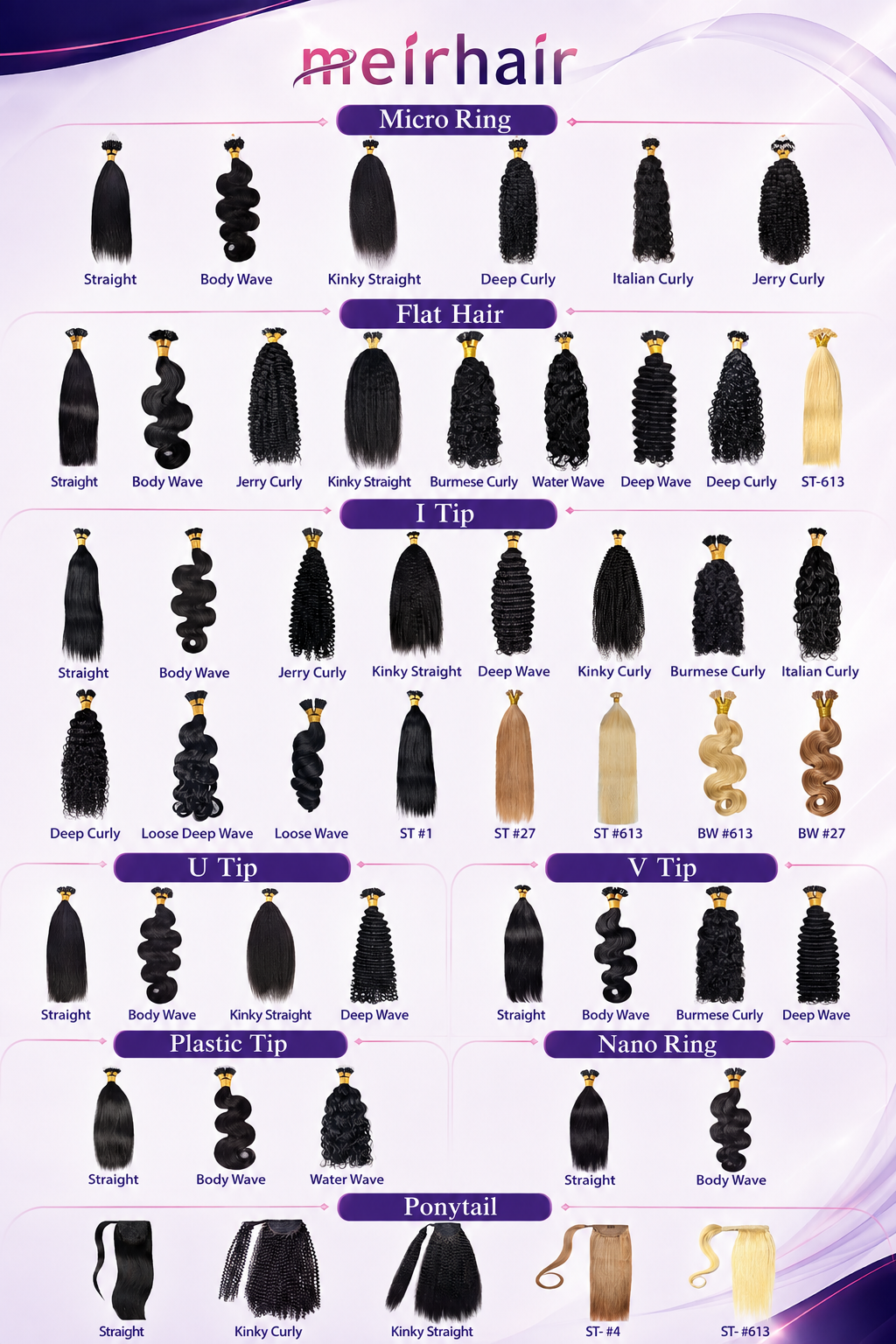
Frequent shortages in core crochet hair textures and lengths are another important signal. If products such as Deep Wave, Burmese Curly, Kinky Curly, Straight, Italian Curly, Loose Deep Wave, or Kinky Straight repeatedly disappear from inventory without a clear restocking plan, the supplier may be struggling to finance raw-material purchases.
Declining Hair Quality and Material Substitution
Human hair is the largest material expense in crochet extension manufacturing. Suppliers under financial stress may quietly replace premium 100% human hair with lower-grade hair, mixed fibers, or synthetic content while continuing to charge the original human-hair price. Warning signs include poor curl retention, inconsistent color, unusual shine, excessive tangling, inaccurate weight, and variations between batches.
How Financial Pressure Affects Crochet Hair Manufacturing
Manufacturing human hair extensions requires continuous working capital. A factory must purchase suitable raw hair, inspect incoming materials, process and set textures, verify length and weight, construct crochet loops, package finished goods, and conduct final inspection. When available funds become limited, these steps are often reduced or skipped to save money and accelerate turnover.
In an established factory environment, including facilities with approximately 5,000 square meters of production space, quality checks should cover raw hair selection, texture consistency, color matching, finished length, product weight, and crochet loop integrity. Financially strained vendors may reduce inspection staff or bypass pre-shipment checks altogether. The result can be defective installation loops, uneven curl patterns, weak texture durability, and inconsistent quality from one order to the next.
These issues create downstream risk for hair extension stores, braiding salons, beauty supply distributors, e-commerce sellers, and private-label hair brands. A distributor in France or a braiding hair wholesaler in the United Kingdom may depend on reliable batch consistency to serve repeat customers. If a supplier suddenly rejects a 1 pc sample order, pressures buyers into unusually large quantities, or attempts to clear non-standard stock at aggressive prices, buyers should investigate before placing a larger order.
Stable Supplier vs. High-Risk Supplier
| Evaluation Area | Signs of a Stable Supplier | Signs of Financial Instability |
|---|---|---|
| Payment Options | Accepts T/T bank transfers, Alibaba Trade Assurance, and reasonable payment structures for repeat orders. | Requires immediate full payment through unprotected or difficult-to-trace channels. |
| Production Schedule | Provides consistent timelines, with ready stock commonly shipping within 7 days and custom orders taking 15-30 days. | Delays routine orders for weeks without a credible explanation or revised production plan. |
| Quality Management | Can verify inspections for hair material, color, weight, length, curl pattern, crochet loops, and final products. | Cannot provide inspection evidence and delivers mixed fibers, poor texture retention, or irregular product construction. |
| Order Flexibility | Supports sample purchases from 1 pc and allows buyers to evaluate products before scaling orders. | Forces large minimum order quantities in an effort to convert tied-up inventory into immediate cash. |
Practical Steps for Reducing Supplier Risk
Before committing to a substantial crochet human hair order, begin with samples or a small trial purchase. Compare the received goods with the supplier's specifications for hair type, texture, color, length, weight, and loop construction. Ask for recent product videos, packing records, and pre-shipment inspection information for the exact items being ordered.
Buyers should also use payment methods that provide documentation and transaction traceability. Alibaba Trade Assurance and structured T/T bank transfers can help create a clearer order record and reduce exposure to sudden supplier changes. It is also prudent to confirm factory capacity, review lead-time performance over multiple orders, and avoid depending on a single source for fast-moving textures.
Frequently Asked Questions
Why might an unstable supplier add synthetic fiber to human hair crochet extensions?
Premium human hair is costly, so a supplier with limited cash may use synthetic or other lower-cost fibers to reduce production expenses. This can improve short-term margins for the factory but causes buyers to receive hair that performs differently from genuine human hair.
Why are secure payment channels important when sourcing hair extensions?
Recognized payment methods such as Alibaba Trade Assurance and documented T/T transfers create a traceable transaction record and offer more protection than informal payment routes. Suppliers in financial distress may avoid these channels because they want funds that cannot easily be disputed or recovered.
What are common signs that a crochet hair factory is reducing operations?
Look for persistent stock shortages, longer lead times on standard products, changing sales contacts, vague answers about custom packaging, reduced support for private-label orders, and inconsistent availability of popular lengths and textures.
Conclusion
Financial instability in a crochet human hair supplier can affect every part of a buyer's supply chain, from product quality and packaging to inventory planning and customer satisfaction. Monitor abrupt payment-term changes, unexplained fulfillment delays, deteriorating quality, and forced bulk purchases. By testing suppliers through small sample orders, requesting transparent quality checks, and using documented payment arrangements, buyers can make more informed sourcing decisions and protect their business continuity.
About Us
Guangzhou Ruiju E-Commerce Co., Ltd. operates the professional human hair brand meirhair. Established in 2014, the company maintains a dedicated workforce of 50 employees and operates a 5,000 square meter factory facility specializing in human hair wigs, hair bundles, lace closures, frontals, and crochet hair extensions. The enterprise has served clients across multiple industries globally through flexible OEM/ODM manufacturing, ready-stock distribution, and customized private-label brand supply solutions.

REPORT