







-
 Agriculture
-
 Health-Care
-
 Environment
-
 Construction-Real-Estate
-
 Tools-Hardware
-
 Home-Garden
-
 Furniture
-
 Luggage-Bags-Cases
-
 Medical-devices-Supplies
-
 Gifts-Crafts
-
 Sports-Entertainment
-
 Food-Beverage
-
 Vehicles-Transportation
-
 Power-Transmission
-
 Material-Handling
-
 Renewable-Energy
-
 Safety
-
 Testing-Instrument-Equipment
-
 Construction-Building-Machinery
-
 Pet-Supplies
-
 Personal-Care-Household-Cleaning
-
 Vehicle-Accessories-Electronics-Tools
-
 School-Office-Supplies
-
 Packaging-Printing
-
 Mother-Kids-Toys
-
 Business-Services
-
 Commercial-Equipment-Machinery
-
 Apparel-Accessories
-
 Security
-
 Shoes-Accessories
-
 Vehicle-Parts-Accessories
-
 Jewelry-Eyewear-Watches-Accessories
-
 Lights-Lighting
-
 Fabric-Textile-Raw-Material
-
 Fabrication-Services
-
 Industrial-Machinery
-
 Consumer-Electronics
-
 Electrical-Equipment-Supplies
-
 Electronic-Components-Accessories-Telecommunications
-
 Home-Appliances
-
 Beauty
-
 Chemicals
-
 Rubber-Plastics
-
 Metals-Alloys


























































































































































































































































































































































































































































































































































































- Masonry Materials
- Curtain Walls & Accessories
- Earthwork Products
- Fireproofing Materials
- Heat Insulation Materials
- Plastic Building Materials
- Building Boards
- Soundproofing Materials
- Timber
- Waterproofing Materials
- Balustrades & Handrails
- Bathroom & Kitchen
- Flooring & Accessories
- Tiles & Accessories
- Door, Window & Accessories
- Fireplaces & Stoves
- Floor Heating Systems & Parts
- Stairs & Stair Parts
- Ceilings
- Elevators & Escalators
- Stone
- Countertops, Vanity Tops & Table Tops
- Mosaics
- Metal Building Materials
- Multifunctional Materials
- Ladders & Scaffoldings
- Mouldings
- Corner Guards
- Decorative Films
- Formwork
- Building & Industrial Glass
- Other Construction & Real Estate
- Wallpapers/Wall panels
- HVAC System & Parts
- Outdoor Facilities
- Prefabricated Buildings
- Festive & Party Supplies
- Bathroom Products
- Household Sundries
- Rain Gear
- Garden Supplies
- Household Cleaning Tools & Accessories
- Lighters & Smoking Accessories
- Home Storage & Organization
- Household Scales
- Smart Home Improvement
- Home Textiles
- Kitchenware
- Drinkware & Accessories
- Dinnerware, Coffee & Wine
- Home Decor
- Golf
- Fitness & Body Building
- Amusement Park Facilities
- Billiards, Board Game,Coin Operated Games
- Musical Instruments
- Outdoor Affordable Luxury Sports
- Camping & Hiking
- Fishing
- Sports Safety&Rehabilitation
- Ball Sports Equipments
- Water Sports
- Winter Sports
- Luxury Travel Equipments
- Sports Shoes, Bags & Accessories
- Cycling
- Other Sports & Entertainment Products
- Artificial Grass&Sports Flooring&Sports Court Equipment
- Scooters
- Food Ingredients
- Honey & Honey Products
- Snacks
- Nuts & Kernels
- Seafood
- Plant & Animal Oil
- Beverages
- Fruit & Vegetable Products
- Frog & Escargot
- Bean Products
- Egg Products
- Dairy Products
- Seasonings & Condiments
- Canned Food
- Instant Food
- Baked Goods
- Other Food & Beverage
- Meat & Poultry
- Confectionery
- Grain Products
- Feminie Care
- Hair Care & Styling
- Body Care
- Hands & Feet Care
- Hygiene Products
- Men's Grooming
- Laundry Cleaning Supplies
- Travel Size & Gift Sets
- Room Deodorizers
- Other Personal Care Products
- Pest Control Products
- Special Household Cleaning
- Floor Cleaning
- Kitchen & Bathroom Cleaning
- Oral Care
- Bath Supplies
- Yellow Pages
- Correction Supplies
- Office Binding Supplies
- Office Cutting Supplies
- Board Erasers
- Office Adhesives & Tapes
- Education Supplies
- Pencil Cases & Bags
- Notebooks & Writing Pads
- File Folder Accessories
- Calendars
- Writing Accessories
- Commercial Office Supplies
- Pencil Sharpeners
- Pens
- Letter Pad/Paper
- Paper Envelopes
- Desk Organizers
- Pencils
- Markers & Highlighters
- Filing Products
- Art Supplies
- Easels
- Badge Holder & Accessories
- Office Paper
- Printer Supplies
- Book Covers
- Other Office & School Supplies
- Stationery Set
- Boards
- Clipboards
- Stamps
- Drafting Supplies
- Stencils
- Electronic Dictionary
- Books
- Map
- Magazines
- Calculators
- Baby & Toddler Toys
- Educational Toys
- Classic Toys
- Dress Up & Pretend Play
- Toy Vehicle
- Stuffed Animals & Plush Toys
- Outdoor Toys & Structures
- Balloons & Accessories
- Baby Food
- Children's Clothing
- Baby Supplies & Products
- Maternity Clothes
- Kids Shoes
- Baby Care
- Novelty & Gag Toys
- Dolls & Accessories
- Puzzle & Games
- Blocks & Model Building Toys
- Toddler Clothing
- Baby Clothing
- Kids' Luggage & Bags
- Arts, Crafts & DIY Toys
- Action & Toy Figures
- Baby Appliances
- Hobbies & Models
- Remote Control Toys
- Promotional Toys
- Pregnancy & Maternity
- Hygiene Products
- Kid's Textile&Bedding
- Novelty & Special Use
- Toy Weapons
- Baby Gifts
- Baby Storage & Organization
- Auto Drive Systems
- ATV/UTV Parts & Accessories
- Marine Parts & Accessories
- Other Auto Parts
- Trailer Parts & Accessories
- Auto Transmission Systems
- Train Parts & Accessories
- Universal Parts
- Railway Parts & Accessories
- Auto Brake Systems
- Aviation Parts & Accessories
- Truck Parts & Accessories
- Auto Suspension Systems
- Auto Lighting Systems
- New Energy Vehicle Parts & Accessories
- Auto Steering Systems
- Wheels, Tires & Accessories
- Bus Parts & Accessories
- Auto Performance Parts
- Cooling System
- Go-Kart & Kart Racer Parts & Accessories
- Air Conditioning Systems
- Heavy Duty Vehicle Parts & Accessories
- Auto Electrical Systems
- Auto Body Systems
- Auto Engine Systems
- Container Parts & Accessories
- Motorcycle Parts & Accessories
- Refrigeration & Heat Exchange Equipment
- Machine Tool Equipment
- Food & Beverage Machinery
- Agricultural Machinery & Equipment
- Apparel & Textile Machinery
- Chemical Machinery
- Packaging Machines
- Paper Production Machinery
- Plastic & Rubber Processing Machinery
- Industrial Robots
- Electronic Products Machinery
- Metal & Metallurgy Machinery
- Woodworking Machinery
- Home Product Manufacturing Machinery
- Machinery Accessories
- Environmental Machinery
- Machinery Service
- Electrical Equipment Manufacturing Machinery
- Industrial Compressors & Parts
- Tobacco & Cigarette Machinery
- Production Line
- Used Industrial Machinery
- Electronics Production Machinery
- Other Machinery & Industrial Equipment
- Camera, Photo & Accessories
- Portable Audio, Video & Accessories
- Television, Home Audio, Video & Accessories
- Video Games & Accessories
- Mobile Phone & Accessories
- Electronic Publications
- Earphone & Headphone & Accessories
- Speakers & Accessories
- Smart Electronics
- TV Receivers & Accessories
- Mobile Phone & Computer Repair Parts
- Chargers, Batteries & Power Supplies
- Used Electronics
- VR, AR, MR Hardware & Software
- Projectors & Presentation Equipments
- Other Consumer Electronics
- Cables & Commonly Used Accessories
- Computer Hardware & Software
- Displays, Signage and Optoelectronics
- Discrete Semiconductors
- Wireless & IoT Module and Products
- Telecommunications
- Connectors, Terminals & Accessories
- Development Boards, Electronic Modules and Kits
- Circuit Protection
- Sensors
- Isolators
- Audio Components and Products
- Integrated Circuits
- Power Supplies
- Relays
- RF, Microwave and RFID
- Electronic Accessories & Supplies
- Passive Components
- PCB & PCBA
- Air Quality Appliances
- Home Appliance Parts
- Heating & Cooling Appliances
- Small Kitchen Appliances
- Laundry Appliances
- Water Heaters
- Water Treatment Appliances
- Refrigerators & Freezers
- Personal Care & Beauty Appliances
- Major Kitchen Appliances
- Cleaning Appliances
- Second-hand Appliances
- Smart Home Appliances
- Other Home Appliances
- Energy Chemicals
- Inorganic Chemicals
- Basic Organic Chemicals
- Agrochemicals
- Admixture & Additives
- Catalysts & Chemical Auxiliary Agents
- Pigments & Dyestuff
- Coating & Paint
- Daily Chemicals
- Polymer
- Organic Intermediate
- Adhesives & Sealants
- Chemical Waste
- Biological Chemical Products
- Surface Treatment Chemicals
- Painting & Coating
- Chemical Reagents
- Flavor & Fragrance
- Non-Explosive Demolition Agents
- Other Chemicals
- Custom Chemical Services

How to Identify Shipping Damage vs Factory Defects in Human Hair Crochet Extensions
Determining the root cause of defectives in human hair crochet products is critical for hair salons, distributors, and e-commerce brands. Knowing whether damage happened during transit or originated from factory manufacturing dictates whether you should file a carrier insurance claim or request a vendor replacement.
Distinguishing Freight Damage from Factory Defects
Physical evidence on both the outer packaging and the hair bundles reveals how the damage occurred. While transit issues generally stem from external mechanical pressure or environmental exposure, production flaws affect structural hair integrity uniformly across batches.
| Evaluation Criteria | Freight & Transit Damage | Manufacturing & Processing Defect |
|---|---|---|
| Outer Container Condition | Crushed cartons, punctured polybags, water stains | Flawless, undamaged exterior packaging |
| Defect Distribution | Localized hair flattening, friction frizz, bent corners | Uniform shedding, inconsistent dyeing, loose loop knots |
| Structural Indicators | Fibers torn or snagged inline with box breaches | Uneven hair density, improper loop size, weak knotting |
| Verification Process | Compare box condition photos against carrier delivery proof | Cross-reference raw hair inspection and factory QC logs |
| Resolution Action | File carrier insurance or international express claim | Request supplier warranty, OEM/ODM replacement, or remanufacture |
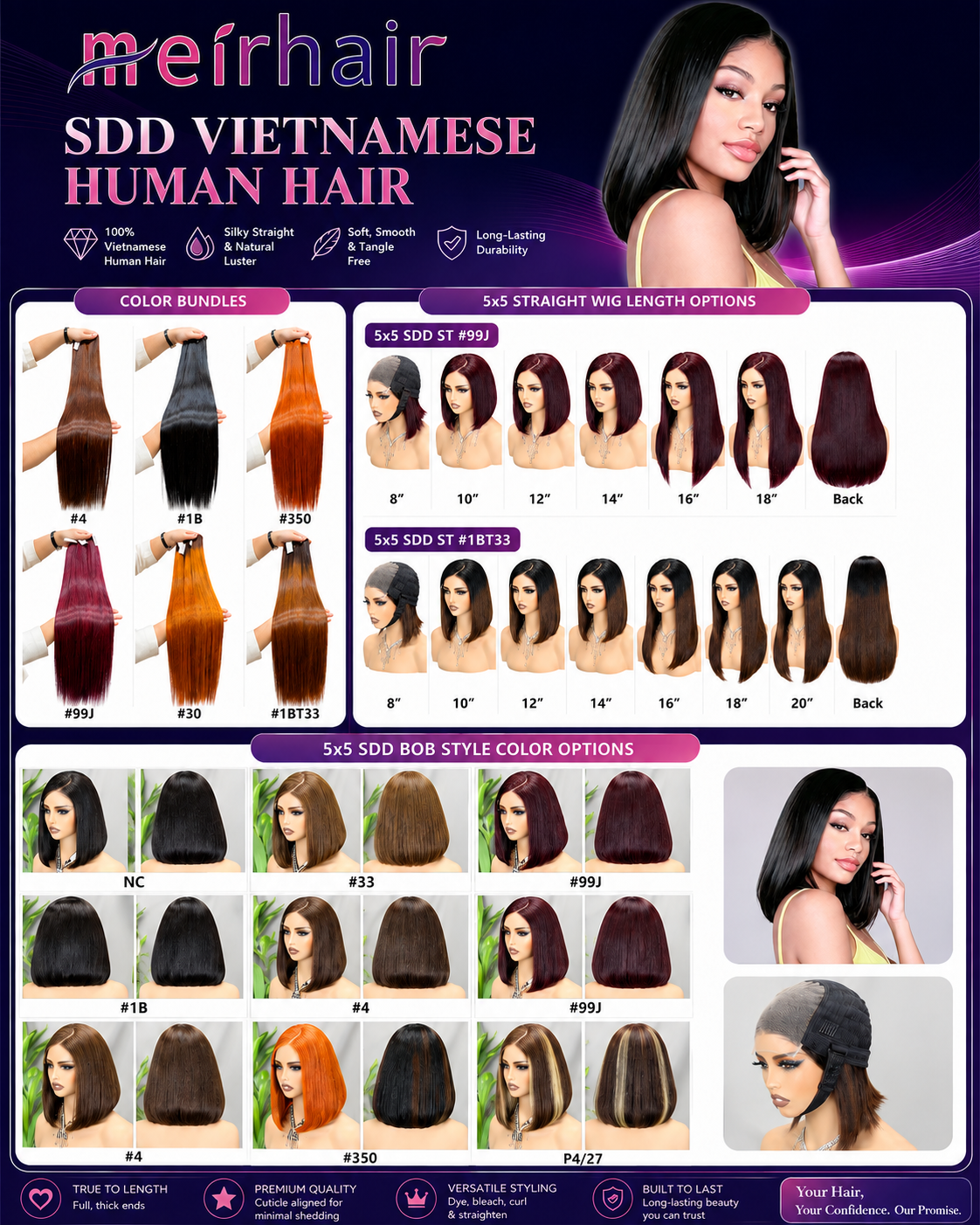
Handling Shipping Damage vs. Factory Flaws
When international express shipments travel global routes, heavy stacking or moisture breaches can alter hair structures. Distinguishing transit friction from raw material flaws requires recognizing key physical indicators:
- Transit-Induced Damage: Look for squashed micro-rings, flattened loops due to box collapse, dampness from torn outer seals, or localized friction tearing along carton seams.
- Factory Manufacturing Defects: Issues such as inconsistent curl retention, unraveling pre-looped knots, chemical odors, or color discrepancies between bundles point to factory processing errors rather than courier handling.
Recommended Inspection and Claim Protocols
Implementing a systematic receiving inspection protects your business from unnecessary financial losses. Salons and hair importers should adopt the following procedure:
- Packaging Verification: Thoroughly inspect parcel boxes for compression marks, punctures, or dampness before unboxing.
- Pre-Shipment Record Matching: Cross-check incoming stock attributes (length, weight, loop tension) against pre-shipment quality inspection logs provided by the supplier.
- Documentation for Claims: Document compromised packaging on the delivery receipt before signing, and immediately photograph unopened cartons alongside damaged hair bundles.
- Logistics Risk Mitigation: Utilize reputable international express services (DHL, FedEx, UPS) or insured air/sea freight with reinforced cartons and inner protective bags.
For standard supply orders—such as export shipments of 400-piece human hair crochet bundles—Guangzhou Ruiju E-Commerce Co., Ltd. enforces strict pre-shipment inspections covering raw hair quality, length/weight verification, and curl elasticity testing to guarantee batch consistency before shipment.
Frequently Asked Questions (FAQ)
What step-by-step process documents carrier shipping damage?
Take clear photos of the unopened damaged shipping box, carrier label, torn protective inner bags, and impacted hair fibers immediately upon receipt. Always record outer container damage on the courier’s proof-of-delivery slip prior to signing.
Which inspection checks should be performed upon receiving hair inventory?
Verify bundle weight, curl elasticity, loop knot stability, raw hair fiber strength, and moisture content before adding hair to stock or installing for clients.
How can bulk buyers minimize transit damage risks?
Opt for tier-one international express carriers for small orders, or structured air/sea freight utilizing heavy-duty outer cartons with sealed PU inner packaging to withstand transit stress.
Summary & Delivery Logistics
Establishing an immediate receiving protocol ensures rapid resolution via express carrier insurance or vendor warranties. In-stock products typically ship within 7 days, whereas customized orders require 15 to 30 days depending on specifications. Flexible shipping options including express, air, and ocean freight coupled with thorough pre-shipment quality control safeguard bulk shipments worldwide. For technical support or order inquiries, reach out to sales@brazilianhairtop.com.
About Our Company
Guangzhou Ruiju E-Commerce Co., Ltd. is a leading human hair manufacturer and exporter operating under the meirhair brand. Founded in 2014, the company operates a 5,000 sqm factory staffed by 50 skilled professionals. Specializing in human hair wigs, crochet hair, hair extensions, and custom systems, the company exports 100% of its production across North America, Europe, Africa, and Southeast Asia. Supporting full OEM/ODM and private label services, Guangzhou Ruiju maintains rigorous quality control standards from raw hair sourcing to final dispatch.

REPORT