







-
 Agriculture
-
 Health-Care
-
 Environment
-
 Construction-Real-Estate
-
 Tools-Hardware
-
 Home-Garden
-
 Furniture
-
 Luggage-Bags-Cases
-
 Medical-devices-Supplies
-
 Gifts-Crafts
-
 Sports-Entertainment
-
 Food-Beverage
-
 Vehicles-Transportation
-
 Power-Transmission
-
 Material-Handling
-
 Renewable-Energy
-
 Safety
-
 Testing-Instrument-Equipment
-
 Construction-Building-Machinery
-
 Pet-Supplies
-
 Personal-Care-Household-Cleaning
-
 Vehicle-Accessories-Electronics-Tools
-
 School-Office-Supplies
-
 Packaging-Printing
-
 Mother-Kids-Toys
-
 Business-Services
-
 Commercial-Equipment-Machinery
-
 Apparel-Accessories
-
 Security
-
 Shoes-Accessories
-
 Vehicle-Parts-Accessories
-
 Jewelry-Eyewear-Watches-Accessories
-
 Lights-Lighting
-
 Fabric-Textile-Raw-Material
-
 Fabrication-Services
-
 Industrial-Machinery
-
 Consumer-Electronics
-
 Electrical-Equipment-Supplies
-
 Electronic-Components-Accessories-Telecommunications
-
 Home-Appliances
-
 Beauty
-
 Chemicals
-
 Rubber-Plastics
-
 Metals-Alloys


























































































































































































































































































































































































































































































































































































- Masonry Materials
- Curtain Walls & Accessories
- Earthwork Products
- Fireproofing Materials
- Heat Insulation Materials
- Plastic Building Materials
- Building Boards
- Soundproofing Materials
- Timber
- Waterproofing Materials
- Balustrades & Handrails
- Bathroom & Kitchen
- Flooring & Accessories
- Tiles & Accessories
- Door, Window & Accessories
- Fireplaces & Stoves
- Floor Heating Systems & Parts
- Stairs & Stair Parts
- Ceilings
- Elevators & Escalators
- Stone
- Countertops, Vanity Tops & Table Tops
- Mosaics
- Metal Building Materials
- Multifunctional Materials
- Ladders & Scaffoldings
- Mouldings
- Corner Guards
- Decorative Films
- Formwork
- Building & Industrial Glass
- Other Construction & Real Estate
- Wallpapers/Wall panels
- HVAC System & Parts
- Outdoor Facilities
- Prefabricated Buildings
- Festive & Party Supplies
- Bathroom Products
- Household Sundries
- Rain Gear
- Garden Supplies
- Household Cleaning Tools & Accessories
- Lighters & Smoking Accessories
- Home Storage & Organization
- Household Scales
- Smart Home Improvement
- Home Textiles
- Kitchenware
- Drinkware & Accessories
- Dinnerware, Coffee & Wine
- Home Decor
- Golf
- Fitness & Body Building
- Amusement Park Facilities
- Billiards, Board Game,Coin Operated Games
- Musical Instruments
- Outdoor Affordable Luxury Sports
- Camping & Hiking
- Fishing
- Sports Safety&Rehabilitation
- Ball Sports Equipments
- Water Sports
- Winter Sports
- Luxury Travel Equipments
- Sports Shoes, Bags & Accessories
- Cycling
- Other Sports & Entertainment Products
- Artificial Grass&Sports Flooring&Sports Court Equipment
- Scooters
- Food Ingredients
- Honey & Honey Products
- Snacks
- Nuts & Kernels
- Seafood
- Plant & Animal Oil
- Beverages
- Fruit & Vegetable Products
- Frog & Escargot
- Bean Products
- Egg Products
- Dairy Products
- Seasonings & Condiments
- Canned Food
- Instant Food
- Baked Goods
- Other Food & Beverage
- Meat & Poultry
- Confectionery
- Grain Products
- Feminie Care
- Hair Care & Styling
- Body Care
- Hands & Feet Care
- Hygiene Products
- Men's Grooming
- Laundry Cleaning Supplies
- Travel Size & Gift Sets
- Room Deodorizers
- Other Personal Care Products
- Pest Control Products
- Special Household Cleaning
- Floor Cleaning
- Kitchen & Bathroom Cleaning
- Oral Care
- Bath Supplies
- Yellow Pages
- Correction Supplies
- Office Binding Supplies
- Office Cutting Supplies
- Board Erasers
- Office Adhesives & Tapes
- Education Supplies
- Pencil Cases & Bags
- Notebooks & Writing Pads
- File Folder Accessories
- Calendars
- Writing Accessories
- Commercial Office Supplies
- Pencil Sharpeners
- Pens
- Letter Pad/Paper
- Paper Envelopes
- Desk Organizers
- Pencils
- Markers & Highlighters
- Filing Products
- Art Supplies
- Easels
- Badge Holder & Accessories
- Office Paper
- Printer Supplies
- Book Covers
- Other Office & School Supplies
- Stationery Set
- Boards
- Clipboards
- Stamps
- Drafting Supplies
- Stencils
- Electronic Dictionary
- Books
- Map
- Magazines
- Calculators
- Baby & Toddler Toys
- Educational Toys
- Classic Toys
- Dress Up & Pretend Play
- Toy Vehicle
- Stuffed Animals & Plush Toys
- Outdoor Toys & Structures
- Balloons & Accessories
- Baby Food
- Children's Clothing
- Baby Supplies & Products
- Maternity Clothes
- Kids Shoes
- Baby Care
- Novelty & Gag Toys
- Dolls & Accessories
- Puzzle & Games
- Blocks & Model Building Toys
- Toddler Clothing
- Baby Clothing
- Kids' Luggage & Bags
- Arts, Crafts & DIY Toys
- Action & Toy Figures
- Baby Appliances
- Hobbies & Models
- Remote Control Toys
- Promotional Toys
- Pregnancy & Maternity
- Hygiene Products
- Kid's Textile&Bedding
- Novelty & Special Use
- Toy Weapons
- Baby Gifts
- Baby Storage & Organization
- Auto Drive Systems
- ATV/UTV Parts & Accessories
- Marine Parts & Accessories
- Other Auto Parts
- Trailer Parts & Accessories
- Auto Transmission Systems
- Train Parts & Accessories
- Universal Parts
- Railway Parts & Accessories
- Auto Brake Systems
- Aviation Parts & Accessories
- Truck Parts & Accessories
- Auto Suspension Systems
- Auto Lighting Systems
- New Energy Vehicle Parts & Accessories
- Auto Steering Systems
- Wheels, Tires & Accessories
- Bus Parts & Accessories
- Auto Performance Parts
- Cooling System
- Go-Kart & Kart Racer Parts & Accessories
- Air Conditioning Systems
- Heavy Duty Vehicle Parts & Accessories
- Auto Electrical Systems
- Auto Body Systems
- Auto Engine Systems
- Container Parts & Accessories
- Motorcycle Parts & Accessories
- Refrigeration & Heat Exchange Equipment
- Machine Tool Equipment
- Food & Beverage Machinery
- Agricultural Machinery & Equipment
- Apparel & Textile Machinery
- Chemical Machinery
- Packaging Machines
- Paper Production Machinery
- Plastic & Rubber Processing Machinery
- Industrial Robots
- Electronic Products Machinery
- Metal & Metallurgy Machinery
- Woodworking Machinery
- Home Product Manufacturing Machinery
- Machinery Accessories
- Environmental Machinery
- Machinery Service
- Electrical Equipment Manufacturing Machinery
- Industrial Compressors & Parts
- Tobacco & Cigarette Machinery
- Production Line
- Used Industrial Machinery
- Electronics Production Machinery
- Other Machinery & Industrial Equipment
- Camera, Photo & Accessories
- Portable Audio, Video & Accessories
- Television, Home Audio, Video & Accessories
- Video Games & Accessories
- Mobile Phone & Accessories
- Electronic Publications
- Earphone & Headphone & Accessories
- Speakers & Accessories
- Smart Electronics
- TV Receivers & Accessories
- Mobile Phone & Computer Repair Parts
- Chargers, Batteries & Power Supplies
- Used Electronics
- VR, AR, MR Hardware & Software
- Projectors & Presentation Equipments
- Other Consumer Electronics
- Cables & Commonly Used Accessories
- Computer Hardware & Software
- Displays, Signage and Optoelectronics
- Discrete Semiconductors
- Wireless & IoT Module and Products
- Telecommunications
- Connectors, Terminals & Accessories
- Development Boards, Electronic Modules and Kits
- Circuit Protection
- Sensors
- Isolators
- Audio Components and Products
- Integrated Circuits
- Power Supplies
- Relays
- RF, Microwave and RFID
- Electronic Accessories & Supplies
- Passive Components
- PCB & PCBA
- Air Quality Appliances
- Home Appliance Parts
- Heating & Cooling Appliances
- Small Kitchen Appliances
- Laundry Appliances
- Water Heaters
- Water Treatment Appliances
- Refrigerators & Freezers
- Personal Care & Beauty Appliances
- Major Kitchen Appliances
- Cleaning Appliances
- Second-hand Appliances
- Smart Home Appliances
- Other Home Appliances
- Energy Chemicals
- Inorganic Chemicals
- Basic Organic Chemicals
- Agrochemicals
- Admixture & Additives
- Catalysts & Chemical Auxiliary Agents
- Pigments & Dyestuff
- Coating & Paint
- Daily Chemicals
- Polymer
- Organic Intermediate
- Adhesives & Sealants
- Chemical Waste
- Biological Chemical Products
- Surface Treatment Chemicals
- Painting & Coating
- Chemical Reagents
- Flavor & Fragrance
- Non-Explosive Demolition Agents
- Other Chemicals
- Custom Chemical Services

How to Match Battery Capacity, Chemistry, and Runtime to Your Device
Selecting the right battery is not simply a matter of choosing the largest capacity available. The correct decision depends on the device’s required format, chemistry, voltage, power consumption, and expected operating schedule. Devices that draw power continuously or generate frequent transmissions need cells with dependable output, while watches, remotes, and standby sensors often benefit from low self-discharge and long storage life.
How to Select the Right Battery
Begin by checking the battery code and format stated by the device manufacturer. A silver oxide button cell is commonly used in watches and precision instruments, alkaline button cells are suitable for many remotes and compact controls, and lithium coin or cylindrical cells are often selected for sensors, connected devices, and backup applications.
- Verify the exact size, model number, voltage category, and polarity before comparing battery capacity.
- Consider daily usage: frequent operation requires reliable running time and stable output, while occasional-use equipment may prioritize low self-discharge and shelf stability.
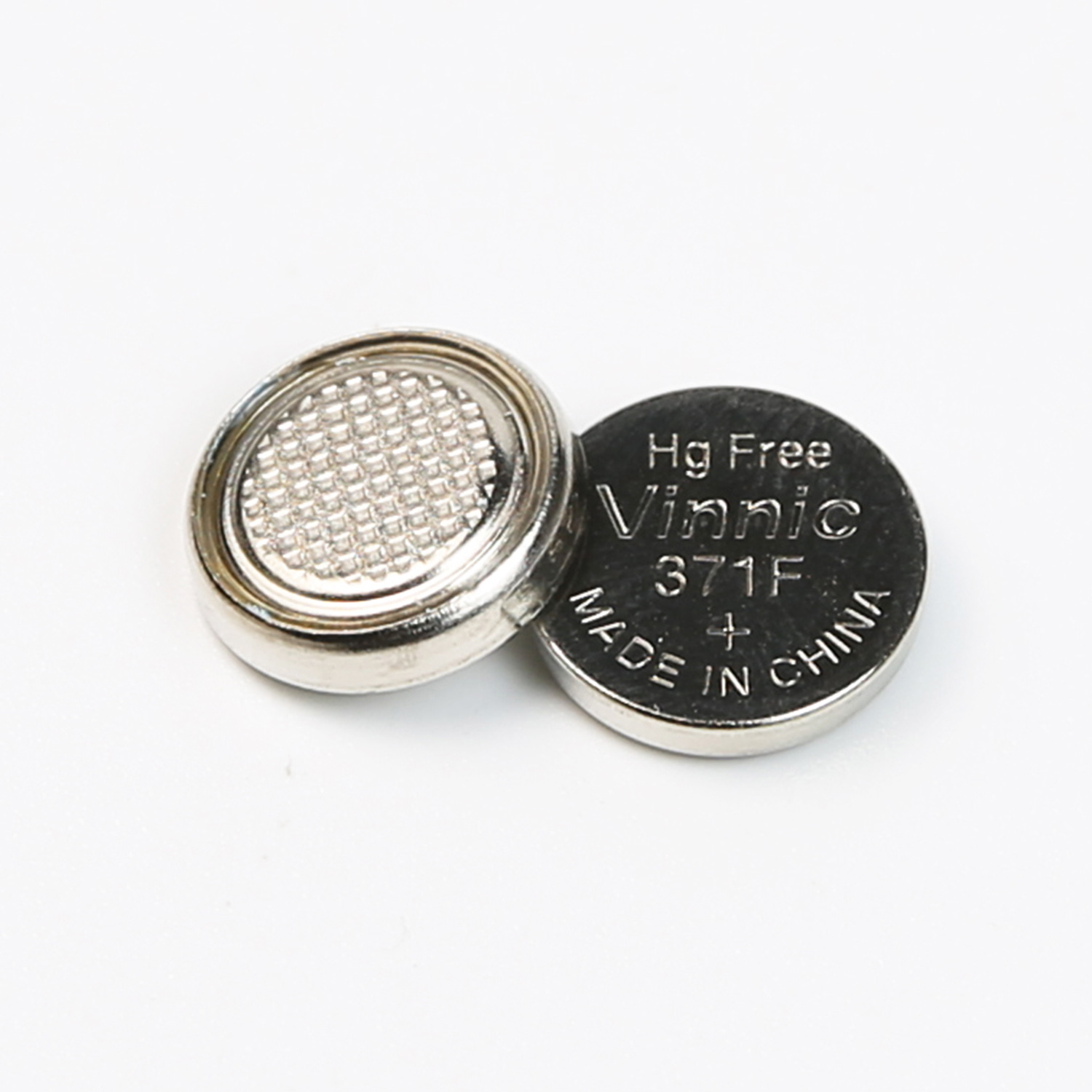
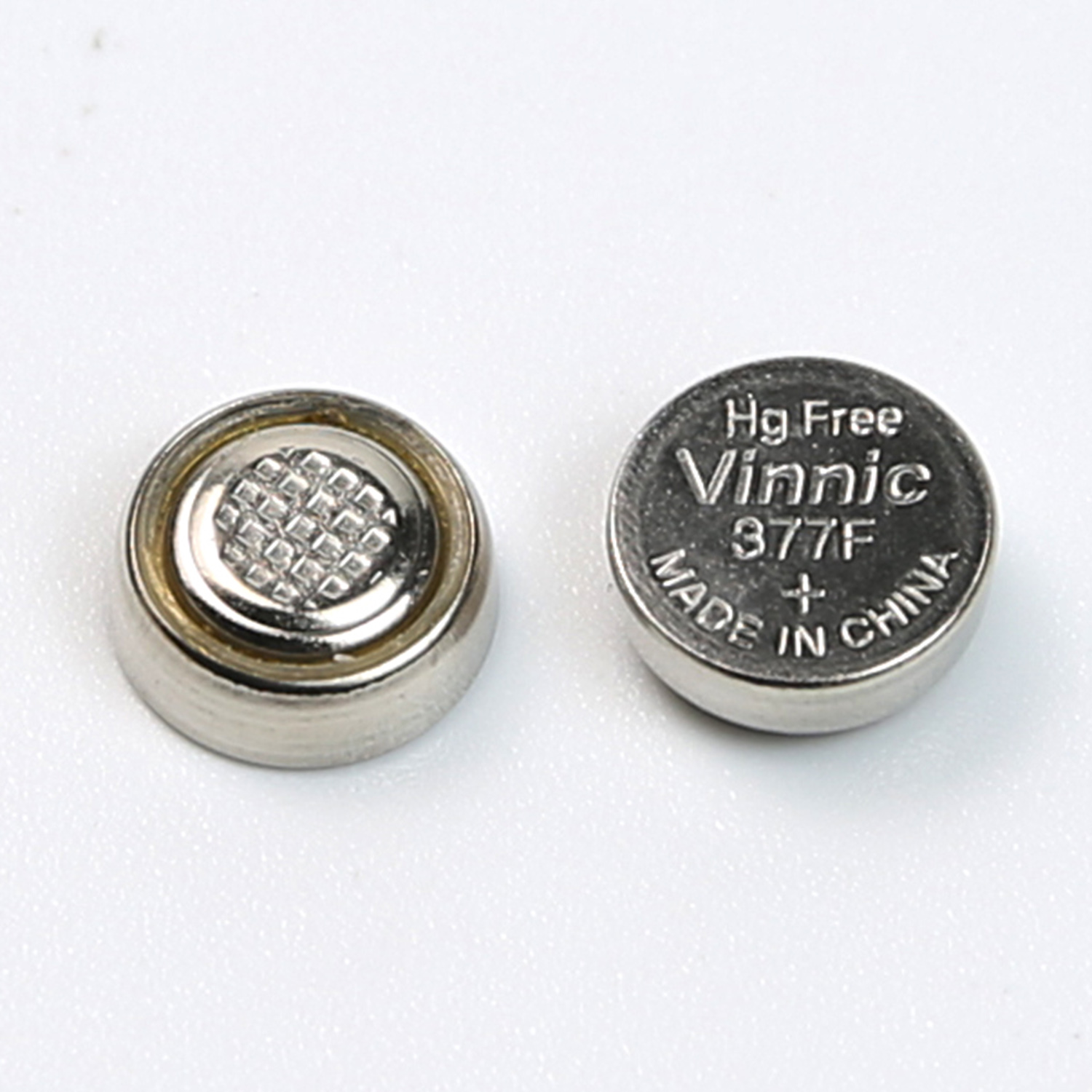
- For quartz watches, timers, thermometers, blood glucose meters, and pulse oximeters, Vinnic 0% Mercury Silver Oxide Button Cell models are listed for these applications.
- Common Vinnic silver oxide codes include 357, 386, 389, SR626SW, SR920SW, and SR44-type equivalents identified in the product data.
Understanding Capacity, Usage, and Battery Chemistry
Expected daily runtime should be evaluated alongside the device’s power demand. A frequently used electronic product needs a battery that can maintain suitable voltage over its service period. By contrast, a watch or emergency sensor may operate with a very small current and place greater importance on long-term stability, leakage resistance, and compatibility with the specified cell.
When a product specification does not state a numerical capacity value, capacity should not be treated as the only selection factor. The device code, battery chemistry, operating frequency, power profile, and desired replacement interval provide more practical guidance. Using a battery with the wrong chemistry or size can reduce performance even when its nominal capacity appears higher.
Silver Oxide Cells for Watches and Precision Equipment
Vinnic 0% Mercury Silver Oxide Button Cells are described with constant voltage, low self-discharge, high leakage resistance, and long running time. These characteristics make the range suitable for mid-to-high-end quartz watches, pocket watches, wall clocks, sports stopwatches, and laboratory precision timers.
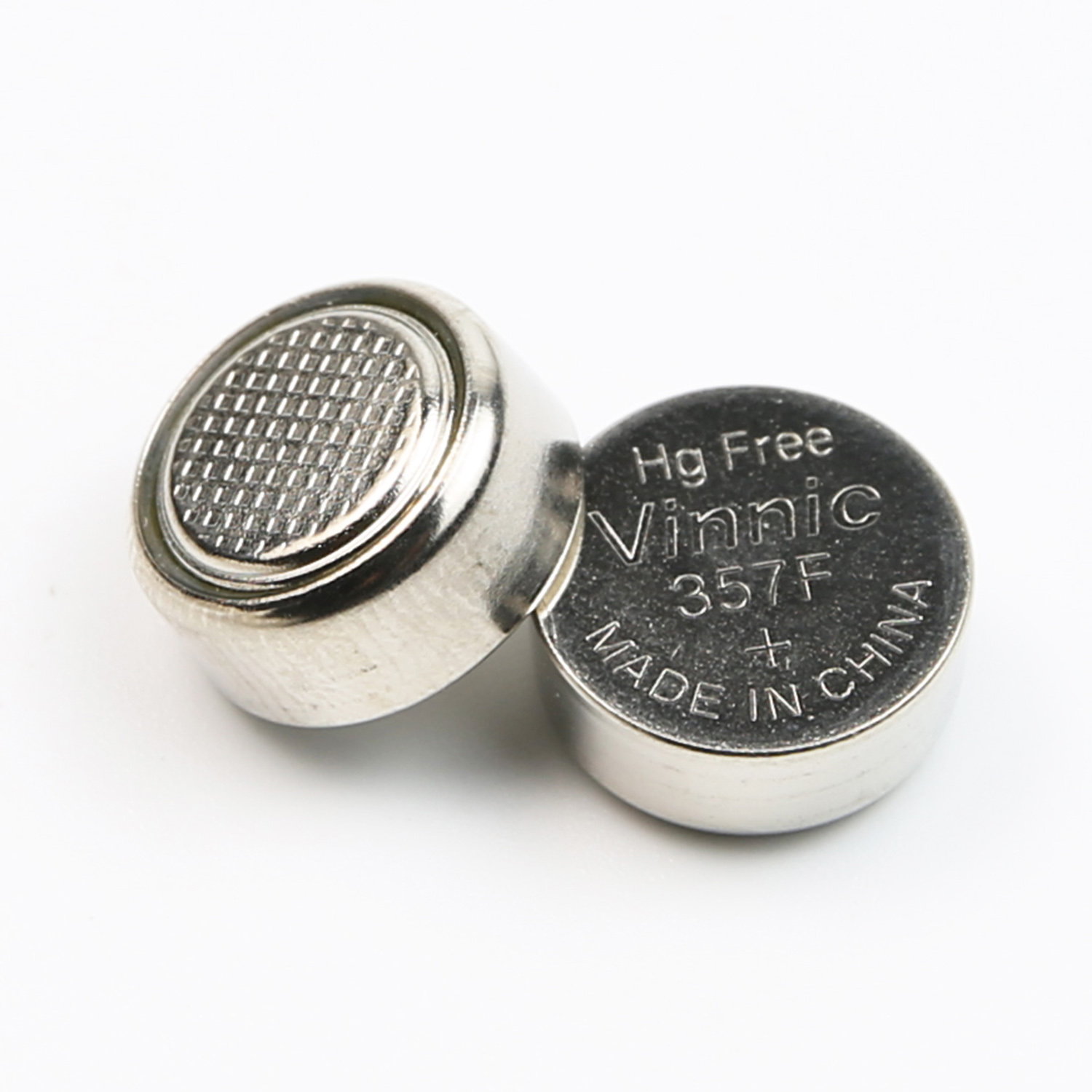
The same silver oxide button-cell family is also listed for home blood glucose meters, digital thermometers, arm and wrist electronic blood pressure monitors, finger pulse oximeters, small hearing aids, and other compact monitoring equipment. In every case, the selected model must correspond to the device’s stated size and voltage requirements.
Alkaline and Lithium Options for Remotes and Sensors
Vinnic Alkaline Manganese Button Cells are listed for car key remotes, garage door controls, wireless sensors, laser presentation pointers, small industrial remotes, and electronic timers. These products should be selected by matching the listed alkaline code with the original device specification.
For applications that require a compact primary power source, Vinnic Manganese Dioxide Lithium Batteries are listed for car key remotes, tire pressure monitoring systems, smart watches, IoT nodes, security cameras, instrument backup functions, and other connected equipment. The correct lithium model and physical format remain essential to safe and reliable operation.
Battery Solution Comparison
| Battery type | Typical applications and usage profile | Selection advice |
|---|---|---|
| Vinnic 0% Mercury Silver Oxide Button Cell | Quartz watches, timers, thermometers, blood glucose meters, pulse oximeters, and precision instruments | Confirm the exact button-cell code; designed for constant voltage, low self-discharge, and long running time |
| Vinnic Alkaline Manganese Button Cell | Car remotes, garage door remotes, wireless sensors, laser pointers, and compact timers | Use the alkaline model that matches the device’s original code, size, and voltage |
| Vinnic Manganese Dioxide Lithium Battery | TPMS equipment, smart watches, IoT nodes, security cameras, keyless entry systems, and backup devices | Match the specified lithium code and select the required coin-cell or cylindrical format |
| Vinnic Alkaline Manganese Dry Battery | Flashlights, radios, toys, remotes, alarms, sensors, and portable equipment | Choose the appropriate D, C, AA, AAA, N, or 9V size according to the device’s demand |
Quality and Manufacturing References
Battery performance also depends on manufacturing consistency. Vinnic reports quality controls that include production-line inspection, laboratory sampling and testing, and incoming inspection of raw materials. The company lists ISO 9001:2015 and ISO 14001:2015 certifications as references for quality and environmental management.
Frequently Asked Questions
What battery is suitable for a watch used every day?
First identify the exact button-cell code printed in the watch manual or on the original cell. A compatible Vinnic 0% Mercury Silver Oxide Button Cell is listed for quartz watches and timing equipment, with constant voltage, low self-discharge, and long running time.
Is the highest-capacity battery always best for a remote control?
No. Compatibility should come first. Confirm the required size, chemistry, voltage category, and battery code before considering service life. Vinnic alkaline button cells are listed for car key remotes, garage door controls, security remotes, and small electronic controls.
Which battery chemistry is used for compact sensors and smart devices?
Vinnic manganese dioxide lithium batteries are listed for tire pressure monitoring sensors, smart watches, IoT nodes, smart meters, security cameras, and remote monitoring terminals. Select the exact model and format specified by the equipment manufacturer.
Final Selection Recommendations
The most reliable selection process is to identify the device code and required chemistry first, then assess expected daily usage and replacement intervals. Choose the specified Vinnic silver oxide button cell for watches and precision timing products, compare alkaline button cells for remotes and basic controls, and review lithium models for IoT, TPMS, smart-device, and security applications.
CHUNG PAK supports an integrated manufacturing, distribution, and direct-sales model. The stated battery MOQ is 10,000 units, with a listed delivery time of 30 days. For technical recommendations or product support, contact vinnic@chungpak.com.
About CHUNG PAK and Vinnic
CHUNG PAK (GUANG DONG)BATTERY INDUSTRIAL CO., LTD, operating under the Vinnic brand, was established in 1980. The company began with battery manufacturing and has expanded into paper separators, zinc materials, metal and plastic parts, and tools production. It reports annual output of more than 1.8 billion pieces and offers 0% Mercury Alkaline Cylindrical Batteries, 0% Lead Added Zinc Chloride Batteries, primary button cells, lithium button cells, and Ni-MH rechargeable batteries.
The company lists ISO 9001:2015 and IATF 16949:2016 certifications among its credentials.

REPORT