







-
 Agriculture
-
 Health-Care
-
 Environment
-
 Construction-Real-Estate
-
 Tools-Hardware
-
 Home-Garden
-
 Furniture
-
 Luggage-Bags-Cases
-
 Medical-devices-Supplies
-
 Gifts-Crafts
-
 Sports-Entertainment
-
 Food-Beverage
-
 Vehicles-Transportation
-
 Power-Transmission
-
 Material-Handling
-
 Renewable-Energy
-
 Safety
-
 Testing-Instrument-Equipment
-
 Construction-Building-Machinery
-
 Pet-Supplies
-
 Personal-Care-Household-Cleaning
-
 Vehicle-Accessories-Electronics-Tools
-
 School-Office-Supplies
-
 Packaging-Printing
-
 Mother-Kids-Toys
-
 Business-Services
-
 Commercial-Equipment-Machinery
-
 Apparel-Accessories
-
 Security
-
 Shoes-Accessories
-
 Vehicle-Parts-Accessories
-
 Jewelry-Eyewear-Watches-Accessories
-
 Lights-Lighting
-
 Fabric-Textile-Raw-Material
-
 Fabrication-Services
-
 Industrial-Machinery
-
 Consumer-Electronics
-
 Electrical-Equipment-Supplies
-
 Electronic-Components-Accessories-Telecommunications
-
 Home-Appliances
-
 Beauty
-
 Chemicals
-
 Rubber-Plastics
-
 Metals-Alloys


























































































































































































































































































































































































































































































































































































- Masonry Materials
- Curtain Walls & Accessories
- Earthwork Products
- Fireproofing Materials
- Heat Insulation Materials
- Plastic Building Materials
- Building Boards
- Soundproofing Materials
- Timber
- Waterproofing Materials
- Balustrades & Handrails
- Bathroom & Kitchen
- Flooring & Accessories
- Tiles & Accessories
- Door, Window & Accessories
- Fireplaces & Stoves
- Floor Heating Systems & Parts
- Stairs & Stair Parts
- Ceilings
- Elevators & Escalators
- Stone
- Countertops, Vanity Tops & Table Tops
- Mosaics
- Metal Building Materials
- Multifunctional Materials
- Ladders & Scaffoldings
- Mouldings
- Corner Guards
- Decorative Films
- Formwork
- Building & Industrial Glass
- Other Construction & Real Estate
- Wallpapers/Wall panels
- HVAC System & Parts
- Outdoor Facilities
- Prefabricated Buildings
- Festive & Party Supplies
- Bathroom Products
- Household Sundries
- Rain Gear
- Garden Supplies
- Household Cleaning Tools & Accessories
- Lighters & Smoking Accessories
- Home Storage & Organization
- Household Scales
- Smart Home Improvement
- Home Textiles
- Kitchenware
- Drinkware & Accessories
- Dinnerware, Coffee & Wine
- Home Decor
- Golf
- Fitness & Body Building
- Amusement Park Facilities
- Billiards, Board Game,Coin Operated Games
- Musical Instruments
- Outdoor Affordable Luxury Sports
- Camping & Hiking
- Fishing
- Sports Safety&Rehabilitation
- Ball Sports Equipments
- Water Sports
- Winter Sports
- Luxury Travel Equipments
- Sports Shoes, Bags & Accessories
- Cycling
- Other Sports & Entertainment Products
- Artificial Grass&Sports Flooring&Sports Court Equipment
- Scooters
- Food Ingredients
- Honey & Honey Products
- Snacks
- Nuts & Kernels
- Seafood
- Plant & Animal Oil
- Beverages
- Fruit & Vegetable Products
- Frog & Escargot
- Bean Products
- Egg Products
- Dairy Products
- Seasonings & Condiments
- Canned Food
- Instant Food
- Baked Goods
- Other Food & Beverage
- Meat & Poultry
- Confectionery
- Grain Products
- Feminie Care
- Hair Care & Styling
- Body Care
- Hands & Feet Care
- Hygiene Products
- Men's Grooming
- Laundry Cleaning Supplies
- Travel Size & Gift Sets
- Room Deodorizers
- Other Personal Care Products
- Pest Control Products
- Special Household Cleaning
- Floor Cleaning
- Kitchen & Bathroom Cleaning
- Oral Care
- Bath Supplies
- Yellow Pages
- Correction Supplies
- Office Binding Supplies
- Office Cutting Supplies
- Board Erasers
- Office Adhesives & Tapes
- Education Supplies
- Pencil Cases & Bags
- Notebooks & Writing Pads
- File Folder Accessories
- Calendars
- Writing Accessories
- Commercial Office Supplies
- Pencil Sharpeners
- Pens
- Letter Pad/Paper
- Paper Envelopes
- Desk Organizers
- Pencils
- Markers & Highlighters
- Filing Products
- Art Supplies
- Easels
- Badge Holder & Accessories
- Office Paper
- Printer Supplies
- Book Covers
- Other Office & School Supplies
- Stationery Set
- Boards
- Clipboards
- Stamps
- Drafting Supplies
- Stencils
- Electronic Dictionary
- Books
- Map
- Magazines
- Calculators
- Baby & Toddler Toys
- Educational Toys
- Classic Toys
- Dress Up & Pretend Play
- Toy Vehicle
- Stuffed Animals & Plush Toys
- Outdoor Toys & Structures
- Balloons & Accessories
- Baby Food
- Children's Clothing
- Baby Supplies & Products
- Maternity Clothes
- Kids Shoes
- Baby Care
- Novelty & Gag Toys
- Dolls & Accessories
- Puzzle & Games
- Blocks & Model Building Toys
- Toddler Clothing
- Baby Clothing
- Kids' Luggage & Bags
- Arts, Crafts & DIY Toys
- Action & Toy Figures
- Baby Appliances
- Hobbies & Models
- Remote Control Toys
- Promotional Toys
- Pregnancy & Maternity
- Hygiene Products
- Kid's Textile&Bedding
- Novelty & Special Use
- Toy Weapons
- Baby Gifts
- Baby Storage & Organization
- Auto Drive Systems
- ATV/UTV Parts & Accessories
- Marine Parts & Accessories
- Other Auto Parts
- Trailer Parts & Accessories
- Auto Transmission Systems
- Train Parts & Accessories
- Universal Parts
- Railway Parts & Accessories
- Auto Brake Systems
- Aviation Parts & Accessories
- Truck Parts & Accessories
- Auto Suspension Systems
- Auto Lighting Systems
- New Energy Vehicle Parts & Accessories
- Auto Steering Systems
- Wheels, Tires & Accessories
- Bus Parts & Accessories
- Auto Performance Parts
- Cooling System
- Go-Kart & Kart Racer Parts & Accessories
- Air Conditioning Systems
- Heavy Duty Vehicle Parts & Accessories
- Auto Electrical Systems
- Auto Body Systems
- Auto Engine Systems
- Container Parts & Accessories
- Motorcycle Parts & Accessories
- Refrigeration & Heat Exchange Equipment
- Machine Tool Equipment
- Food & Beverage Machinery
- Agricultural Machinery & Equipment
- Apparel & Textile Machinery
- Chemical Machinery
- Packaging Machines
- Paper Production Machinery
- Plastic & Rubber Processing Machinery
- Industrial Robots
- Electronic Products Machinery
- Metal & Metallurgy Machinery
- Woodworking Machinery
- Home Product Manufacturing Machinery
- Machinery Accessories
- Environmental Machinery
- Machinery Service
- Electrical Equipment Manufacturing Machinery
- Industrial Compressors & Parts
- Tobacco & Cigarette Machinery
- Production Line
- Used Industrial Machinery
- Electronics Production Machinery
- Other Machinery & Industrial Equipment
- Camera, Photo & Accessories
- Portable Audio, Video & Accessories
- Television, Home Audio, Video & Accessories
- Video Games & Accessories
- Mobile Phone & Accessories
- Electronic Publications
- Earphone & Headphone & Accessories
- Speakers & Accessories
- Smart Electronics
- TV Receivers & Accessories
- Mobile Phone & Computer Repair Parts
- Chargers, Batteries & Power Supplies
- Used Electronics
- VR, AR, MR Hardware & Software
- Projectors & Presentation Equipments
- Other Consumer Electronics
- Cables & Commonly Used Accessories
- Computer Hardware & Software
- Displays, Signage and Optoelectronics
- Discrete Semiconductors
- Wireless & IoT Module and Products
- Telecommunications
- Connectors, Terminals & Accessories
- Development Boards, Electronic Modules and Kits
- Circuit Protection
- Sensors
- Isolators
- Audio Components and Products
- Integrated Circuits
- Power Supplies
- Relays
- RF, Microwave and RFID
- Electronic Accessories & Supplies
- Passive Components
- PCB & PCBA
- Air Quality Appliances
- Home Appliance Parts
- Heating & Cooling Appliances
- Small Kitchen Appliances
- Laundry Appliances
- Water Heaters
- Water Treatment Appliances
- Refrigerators & Freezers
- Personal Care & Beauty Appliances
- Major Kitchen Appliances
- Cleaning Appliances
- Second-hand Appliances
- Smart Home Appliances
- Other Home Appliances
- Energy Chemicals
- Inorganic Chemicals
- Basic Organic Chemicals
- Agrochemicals
- Admixture & Additives
- Catalysts & Chemical Auxiliary Agents
- Pigments & Dyestuff
- Coating & Paint
- Daily Chemicals
- Polymer
- Organic Intermediate
- Adhesives & Sealants
- Chemical Waste
- Biological Chemical Products
- Surface Treatment Chemicals
- Painting & Coating
- Chemical Reagents
- Flavor & Fragrance
- Non-Explosive Demolition Agents
- Other Chemicals
- Custom Chemical Services

How to Negotiate Warranty Protection for Defective Synthetic Leather After Delivery
When synthetic leather is found to be defective after delivery, the purchase agreement should provide a clear, written warranty process. Key terms should address how defects are verified, how quickly the supplier must respond, which corrective actions are available, and who covers related costs. Inspection requirements should cover color, thickness, appearance, abrasion resistance, tensile strength, peeling strength, scratch resistance, and flame-retardant performance where relevant.
Essential Warranty Terms to Include
- Define a confirmed defect by referring to approved samples, technical specifications, and agreed testing methods for appearance, dimensions, color uniformity, abrasion, tensile strength, peeling strength, scratch resistance, and flame resistance.
- Establish a formal complaint workflow, including the notification channel, evidence requirements, response deadline, technical assistance, shipment tracking, and escalation contacts. The supplier states that after-sales support includes a 24-hour response.
- List the available remedies for verified quality problems, such as replacement, additional shipment, financial compensation, or an agreed technical solution.
- State the intended application and approved customization details. Microfiber leather can be produced for sofas, vehicle seats, chairs, door panels, headrests, and armrests, with customized colors, textures, and functional properties.
How to Build a Practical Defect and Claim System
A useful post-delivery warranty should connect the definition of a defect with the supplier’s inspection and production controls. For microfiber leather used in furniture and automotive upholstery, quality checks may take place at the raw-material, color-matching, manufacturing, laboratory, finished-product, and pre-shipment stages. The contract should specify which test method, reference sample, laboratory, and customer requirement will control if the parties disagree.
Product specifications can help create a reliable claim record. Typical microfiber synthetic leather may have a thickness of 0.8–1.4 mm and a width of 54/55 inches, together with high abrasion resistance, strong tensile and tear performance, a soft feel, a natural leather appearance, hydrolysis resistance, durability, and easy-clean properties. These descriptions should be tied to approved samples and written requirements rather than interpreted as an unlimited performance guarantee.
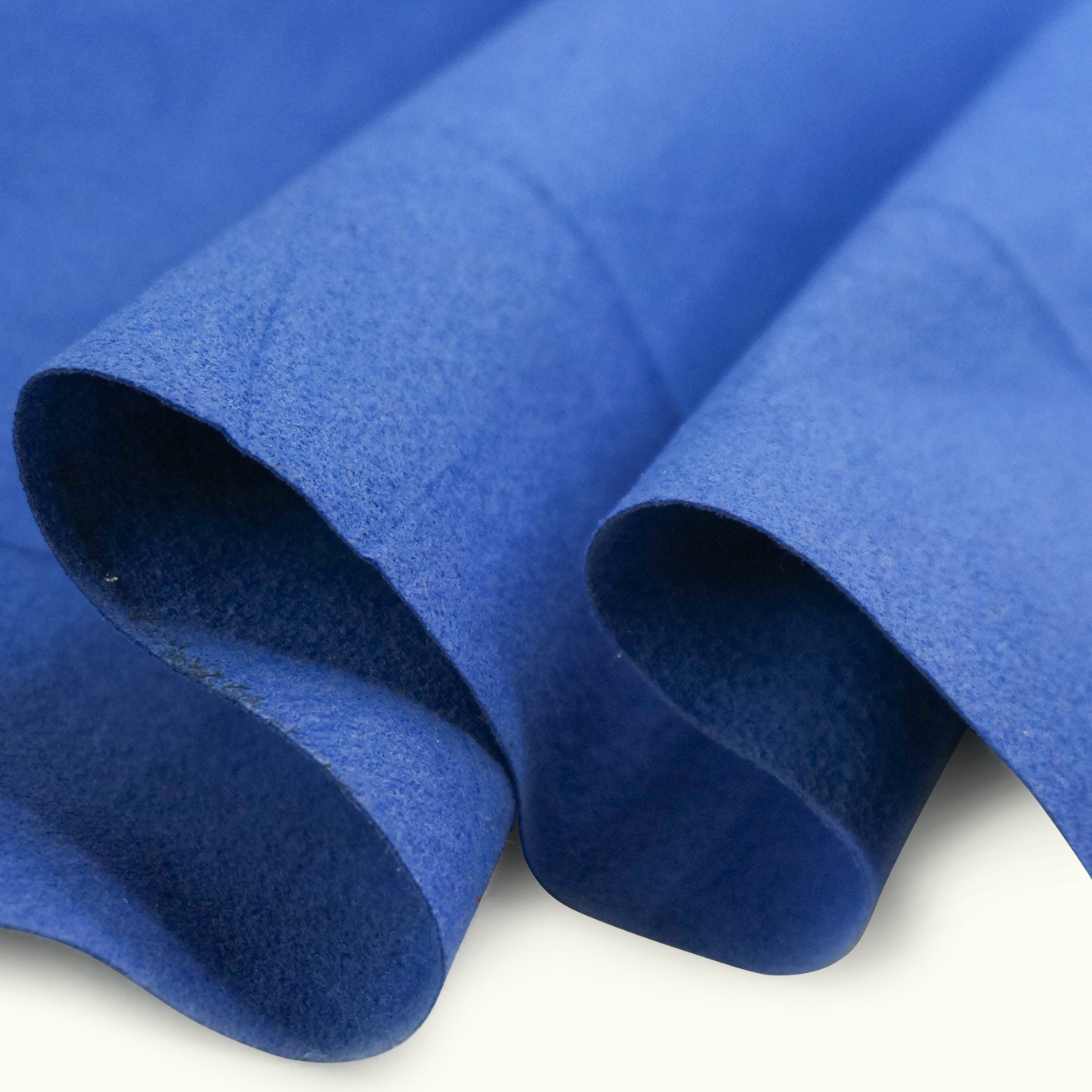
The claim clause should also state how long the buyer has to report a problem after discovery, what documents must be submitted, who arranges testing, and when the supplier must propose a solution. Existing after-sales terms identify replacement, replenishment, compensation, and technical solutions as possible responses to confirmed quality issues. The agreement should further explain how the appropriate remedy will be selected and how transportation, inspection, rework, or disposal expenses will be allocated.
Application Experience and Performance Requirements
One customized project supplied synthetic leather for an automotive interior manufacturer in Mexico. The material was intended for seats, door panels, headrests, and armrests. Requirements included color, grain, thickness, backing, abrasion resistance, UV resistance, flame retardancy, low odor, and ease of cleaning. The customer reported consistent color, a defined grain pattern, dependable performance, and delivery that met the project schedule.
Another project involved silicone leather for dental chairs and other medical equipment, including seats, backrests, and headrests, for a German medical-equipment and online-retail customer. The customer expressed satisfaction with the material and reported positive end-user feedback while noting several minor issues. This example highlights the value of distinguishing correctable minor concerns from defects that trigger a contractual warranty remedy.
GRS, USDA, and Oeko-Tex 100 certifications are listed for the synthetic leather range. If a dispute involves certification or a regulated performance claim, the contract should identify the exact certificate, covered product, validity period, and supporting laboratory documents.
Warranty Term Comparison for Synthetic Leather Purchases
| Term to negotiate | Supplier support or available evidence | Recommended contract language |
|---|---|---|
| Defect confirmation | Checks may cover raw materials, production processes, laboratory results, finished goods, and pre-shipment inspection | Set the inspection criteria, reference samples, testing records, and procedure for disputed results |
| Complaint response | Stated support includes a 24-hour response, technical assistance, order tracking, and professional complaint handling | Specify the reporting method, required evidence, initial response time, and escalation procedure |
| Corrective remedy | Possible solutions include replacement, replenishment, compensation, or technical correction according to the circumstances | Explain how the remedy is chosen and identify responsibility for transport and handling costs |
| Performance specifications | Relevant tests may include thickness, width, color consistency, abrasion, tensile, peeling, scratch, and flame-retardant performance | Attach approved samples, technical data, and mandatory performance thresholds to the purchase order |
| Customized manufacturing | Custom colors, grains, and functional properties are available; the stated MOQ is 1,000 meters per color | Require written sample approval and confirmation of all customization details before production |
| Delivery traceability | Delivery is stated as 20–30 days after deposit and sample approval, with shipment tracking available | Record approval dates, batch numbers, shipping information, and the applicable claim period |
Frequently Asked Questions
How should a defective synthetic leather product be defined?
A defect should be measured against the agreed specification, approved sample, and inspection record. Depending on the application, this may include appearance, color consistency, thickness, width, abrasion resistance, tensile strength, peeling strength, scratch resistance, and flame-retardant performance.
What remedies should be included in the warranty?
Request a structured remedy clause covering replacement, replenishment, compensation, and technical correction. The selected option should depend on the severity of the issue, its effect on production or use, and the parties’ documented assessment.
What documents are needed to support a claim?
Prepare the purchase order, approved sample, technical specifications, batch and shipment details, photographs, inspection results, and a description of the affected application. For automotive or furniture projects, identify the specific component and performance requirement involved.
How can minor issues be handled?
Separate cosmetic or easily correctable concerns from defects that prevent the material from meeting agreed requirements. The contract can establish correction periods, acceptance criteria, and a process for escalating unresolved issues.
Final Recommendations
The strongest protection is a detailed warranty clause rather than a broad promise of quality. Define the defect standard, supporting evidence, reporting period, inspection procedure, response time, remedy options, and cost responsibilities. These terms can be aligned with the supplier’s stated 24-hour response, technical support, quality-control process, shipment tracking, and remedies of replacement, replenishment, compensation, or technical solutions.
Cigno Leather operates as a synthetic leather manufacturer offering research and development, production, sales, export, OEM/ODM, and customized manufacturing services. For technical guidance or a project-specific solution, please reach out to us via vicky@bozeleather.com.
About Dongguan Cigno Leather Co., Ltd.
Dongguan Cigno Leather Co., Ltd. was established in 2007 and manufactures faux leather for furniture, automotive interiors, apparel, handbags, and footwear, including vegan leather, recycled leather, PVC leather, and microfiber leather. Its stated monthly production capacity is approximately 6 million meters, supported by six synthetic leather production lines and more than 20 production and testing equipment sets. The company holds GRS, USDA, and Oeko-Tex 100 certifications and has served clients across multiple industries.

REPORT