







-
 Agriculture
-
 Health-Care
-
 Environment
-
 Construction-Real-Estate
-
 Tools-Hardware
-
 Home-Garden
-
 Furniture
-
 Luggage-Bags-Cases
-
 Medical-devices-Supplies
-
 Gifts-Crafts
-
 Sports-Entertainment
-
 Food-Beverage
-
 Vehicles-Transportation
-
 Power-Transmission
-
 Material-Handling
-
 Renewable-Energy
-
 Safety
-
 Testing-Instrument-Equipment
-
 Construction-Building-Machinery
-
 Pet-Supplies
-
 Personal-Care-Household-Cleaning
-
 Vehicle-Accessories-Electronics-Tools
-
 School-Office-Supplies
-
 Packaging-Printing
-
 Mother-Kids-Toys
-
 Business-Services
-
 Commercial-Equipment-Machinery
-
 Apparel-Accessories
-
 Security
-
 Shoes-Accessories
-
 Vehicle-Parts-Accessories
-
 Jewelry-Eyewear-Watches-Accessories
-
 Lights-Lighting
-
 Fabric-Textile-Raw-Material
-
 Fabrication-Services
-
 Industrial-Machinery
-
 Consumer-Electronics
-
 Electrical-Equipment-Supplies
-
 Electronic-Components-Accessories-Telecommunications
-
 Home-Appliances
-
 Beauty
-
 Chemicals
-
 Rubber-Plastics
-
 Metals-Alloys


























































































































































































































































































































































































































































































































































































- Masonry Materials
- Curtain Walls & Accessories
- Earthwork Products
- Fireproofing Materials
- Heat Insulation Materials
- Plastic Building Materials
- Building Boards
- Soundproofing Materials
- Timber
- Waterproofing Materials
- Balustrades & Handrails
- Bathroom & Kitchen
- Flooring & Accessories
- Tiles & Accessories
- Door, Window & Accessories
- Fireplaces & Stoves
- Floor Heating Systems & Parts
- Stairs & Stair Parts
- Ceilings
- Elevators & Escalators
- Stone
- Countertops, Vanity Tops & Table Tops
- Mosaics
- Metal Building Materials
- Multifunctional Materials
- Ladders & Scaffoldings
- Mouldings
- Corner Guards
- Decorative Films
- Formwork
- Building & Industrial Glass
- Other Construction & Real Estate
- Wallpapers/Wall panels
- HVAC System & Parts
- Outdoor Facilities
- Prefabricated Buildings
- Festive & Party Supplies
- Bathroom Products
- Household Sundries
- Rain Gear
- Garden Supplies
- Household Cleaning Tools & Accessories
- Lighters & Smoking Accessories
- Home Storage & Organization
- Household Scales
- Smart Home Improvement
- Home Textiles
- Kitchenware
- Drinkware & Accessories
- Dinnerware, Coffee & Wine
- Home Decor
- Golf
- Fitness & Body Building
- Amusement Park Facilities
- Billiards, Board Game,Coin Operated Games
- Musical Instruments
- Outdoor Affordable Luxury Sports
- Camping & Hiking
- Fishing
- Sports Safety&Rehabilitation
- Ball Sports Equipments
- Water Sports
- Winter Sports
- Luxury Travel Equipments
- Sports Shoes, Bags & Accessories
- Cycling
- Other Sports & Entertainment Products
- Artificial Grass&Sports Flooring&Sports Court Equipment
- Scooters
- Food Ingredients
- Honey & Honey Products
- Snacks
- Nuts & Kernels
- Seafood
- Plant & Animal Oil
- Beverages
- Fruit & Vegetable Products
- Frog & Escargot
- Bean Products
- Egg Products
- Dairy Products
- Seasonings & Condiments
- Canned Food
- Instant Food
- Baked Goods
- Other Food & Beverage
- Meat & Poultry
- Confectionery
- Grain Products
- Feminie Care
- Hair Care & Styling
- Body Care
- Hands & Feet Care
- Hygiene Products
- Men's Grooming
- Laundry Cleaning Supplies
- Travel Size & Gift Sets
- Room Deodorizers
- Other Personal Care Products
- Pest Control Products
- Special Household Cleaning
- Floor Cleaning
- Kitchen & Bathroom Cleaning
- Oral Care
- Bath Supplies
- Yellow Pages
- Correction Supplies
- Office Binding Supplies
- Office Cutting Supplies
- Board Erasers
- Office Adhesives & Tapes
- Education Supplies
- Pencil Cases & Bags
- Notebooks & Writing Pads
- File Folder Accessories
- Calendars
- Writing Accessories
- Commercial Office Supplies
- Pencil Sharpeners
- Pens
- Letter Pad/Paper
- Paper Envelopes
- Desk Organizers
- Pencils
- Markers & Highlighters
- Filing Products
- Art Supplies
- Easels
- Badge Holder & Accessories
- Office Paper
- Printer Supplies
- Book Covers
- Other Office & School Supplies
- Stationery Set
- Boards
- Clipboards
- Stamps
- Drafting Supplies
- Stencils
- Electronic Dictionary
- Books
- Map
- Magazines
- Calculators
- Baby & Toddler Toys
- Educational Toys
- Classic Toys
- Dress Up & Pretend Play
- Toy Vehicle
- Stuffed Animals & Plush Toys
- Outdoor Toys & Structures
- Balloons & Accessories
- Baby Food
- Children's Clothing
- Baby Supplies & Products
- Maternity Clothes
- Kids Shoes
- Baby Care
- Novelty & Gag Toys
- Dolls & Accessories
- Puzzle & Games
- Blocks & Model Building Toys
- Toddler Clothing
- Baby Clothing
- Kids' Luggage & Bags
- Arts, Crafts & DIY Toys
- Action & Toy Figures
- Baby Appliances
- Hobbies & Models
- Remote Control Toys
- Promotional Toys
- Pregnancy & Maternity
- Hygiene Products
- Kid's Textile&Bedding
- Novelty & Special Use
- Toy Weapons
- Baby Gifts
- Baby Storage & Organization
- Auto Drive Systems
- ATV/UTV Parts & Accessories
- Marine Parts & Accessories
- Other Auto Parts
- Trailer Parts & Accessories
- Auto Transmission Systems
- Train Parts & Accessories
- Universal Parts
- Railway Parts & Accessories
- Auto Brake Systems
- Aviation Parts & Accessories
- Truck Parts & Accessories
- Auto Suspension Systems
- Auto Lighting Systems
- New Energy Vehicle Parts & Accessories
- Auto Steering Systems
- Wheels, Tires & Accessories
- Bus Parts & Accessories
- Auto Performance Parts
- Cooling System
- Go-Kart & Kart Racer Parts & Accessories
- Air Conditioning Systems
- Heavy Duty Vehicle Parts & Accessories
- Auto Electrical Systems
- Auto Body Systems
- Auto Engine Systems
- Container Parts & Accessories
- Motorcycle Parts & Accessories
- Refrigeration & Heat Exchange Equipment
- Machine Tool Equipment
- Food & Beverage Machinery
- Agricultural Machinery & Equipment
- Apparel & Textile Machinery
- Chemical Machinery
- Packaging Machines
- Paper Production Machinery
- Plastic & Rubber Processing Machinery
- Industrial Robots
- Electronic Products Machinery
- Metal & Metallurgy Machinery
- Woodworking Machinery
- Home Product Manufacturing Machinery
- Machinery Accessories
- Environmental Machinery
- Machinery Service
- Electrical Equipment Manufacturing Machinery
- Industrial Compressors & Parts
- Tobacco & Cigarette Machinery
- Production Line
- Used Industrial Machinery
- Electronics Production Machinery
- Other Machinery & Industrial Equipment
- Camera, Photo & Accessories
- Portable Audio, Video & Accessories
- Television, Home Audio, Video & Accessories
- Video Games & Accessories
- Mobile Phone & Accessories
- Electronic Publications
- Earphone & Headphone & Accessories
- Speakers & Accessories
- Smart Electronics
- TV Receivers & Accessories
- Mobile Phone & Computer Repair Parts
- Chargers, Batteries & Power Supplies
- Used Electronics
- VR, AR, MR Hardware & Software
- Projectors & Presentation Equipments
- Other Consumer Electronics
- Cables & Commonly Used Accessories
- Computer Hardware & Software
- Displays, Signage and Optoelectronics
- Discrete Semiconductors
- Wireless & IoT Module and Products
- Telecommunications
- Connectors, Terminals & Accessories
- Development Boards, Electronic Modules and Kits
- Circuit Protection
- Sensors
- Isolators
- Audio Components and Products
- Integrated Circuits
- Power Supplies
- Relays
- RF, Microwave and RFID
- Electronic Accessories & Supplies
- Passive Components
- PCB & PCBA
- Air Quality Appliances
- Home Appliance Parts
- Heating & Cooling Appliances
- Small Kitchen Appliances
- Laundry Appliances
- Water Heaters
- Water Treatment Appliances
- Refrigerators & Freezers
- Personal Care & Beauty Appliances
- Major Kitchen Appliances
- Cleaning Appliances
- Second-hand Appliances
- Smart Home Appliances
- Other Home Appliances
- Energy Chemicals
- Inorganic Chemicals
- Basic Organic Chemicals
- Agrochemicals
- Admixture & Additives
- Catalysts & Chemical Auxiliary Agents
- Pigments & Dyestuff
- Coating & Paint
- Daily Chemicals
- Polymer
- Organic Intermediate
- Adhesives & Sealants
- Chemical Waste
- Biological Chemical Products
- Surface Treatment Chemicals
- Painting & Coating
- Chemical Reagents
- Flavor & Fragrance
- Non-Explosive Demolition Agents
- Other Chemicals
- Custom Chemical Services

How to Plan Coupling Lead Times and Incoterms During Peak Season
Plan Coupling Orders Before Peak-Season Capacity Tightens
To minimize delivery disruptions during busy purchasing periods, coupling buyers should plan both production and logistics well in advance. Standard coupling orders generally require 7–15 days, while high-volume or more technically demanding projects should be scheduled with a 15–30 day manufacturing window. Actual timing can vary according to order quantity, machining requirements, material selection, and customization level.
The most reliable approach is to separate factory lead time from international transit time. Before production is released, confirm the final technical requirements, required completion date, export packaging, transportation method, and the Incoterm that defines each party's shipping responsibilities.
Recommended Lead-Time Framework
Samples and Prototype Approval
For new or customized couplings, samples should be requested early in the procurement process. Sample preparation is typically listed at 3–7 days. Completing drawing confirmation and sample approval before peak demand helps prevent engineering revisions from affecting the planned production slot.
Standard and Mass-Production Orders
A 7–15 day range is appropriate for regular coupling orders with confirmed specifications. For bulk purchases, complex designs, or orders involving additional processes, buyers should allow 15–30 days. Precision engineering components may also fall within a broader 7–25 day delivery range, making it important to obtain a project-specific schedule based on the final drawing and order volume.
| Planning area | Reference timing or option | Recommended peak-season action |
|---|---|---|
| Sample preparation | 3–7 days | Approve samples, drawings, and key dimensions before reserving production capacity. |
| Regular production | 7–15 days | Use for planned orders with settled materials, processes, and packaging details. |
| Mass production | 15–30 days | Add a manufacturing buffer for large quantities or complex coupling configurations. |
| Express delivery | DHL, UPS, FedEx | Select for samples, urgent replacements, and smaller international shipments. |
| Air freight | Medium and large orders | Choose when sea freight is too slow but express service is impractical. |
| Sea freight | Large-volume industrial shipments | Use for cost control while building in sufficient ocean-transit time. |
Choose and Record the Incoterm Early
No single Incoterm is automatically suitable for every coupling shipment. The correct choice depends on the buyer's logistics capabilities, destination, transport mode, insurance preferences, and level of control required over freight arrangements. The essential step is to agree on and document the Incoterm before manufacturing begins.
The purchase order should clearly state the chosen Incoterm, named delivery location where applicable, shipping method, packaging standard, and handover responsibilities. Doing so avoids uncertainty over export coordination, freight booking, customs procedures, risk transfer, and dispatch communication at the end of production.
Reduce Delays by Confirming Technical Details Upfront
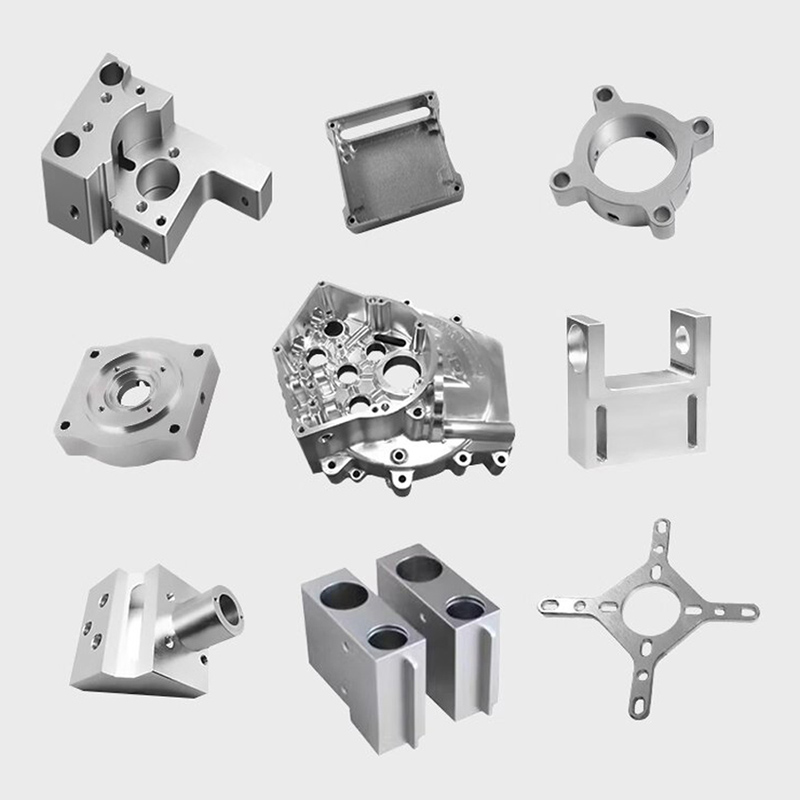
Custom coupling production moves more efficiently when the supplier receives complete engineering information from the beginning. Orders should identify dimensions, tolerances, materials, surface finishes, assembly needs, packaging instructions, and approved technical documents. Supported drawing formats include PDF, CAD, DWG, DXF, STEP, IGS, and STP.
Early documentation reduces clarification cycles before processes such as CNC turning, CNC milling, drilling, tapping, laser welding, polishing, and final assembly. This is particularly important for couplings used in shaft connection systems, power transmission equipment, mechanical positioning, and automation applications.
Match Freight Method to the Required Arrival Date
Shipping should be selected according to urgency, shipment size, and destination route. DHL, UPS, and FedEx can support time-sensitive samples and smaller coupling shipments. Air freight offers a faster option for medium or larger consignments when express shipping is unsuitable. For substantial industrial hardware volumes, sea freight is generally the more economical solution, although it requires a longer logistics buffer.
Rail transport can also be considered for shipments serving Europe and Central Asia, while truck transport may be used where the route and destination support it. Regardless of the method selected, buyers should confirm carrier arrangements and required shipping documents before the goods are ready for collection.
Build Quality Inspection Into the Delivery Schedule
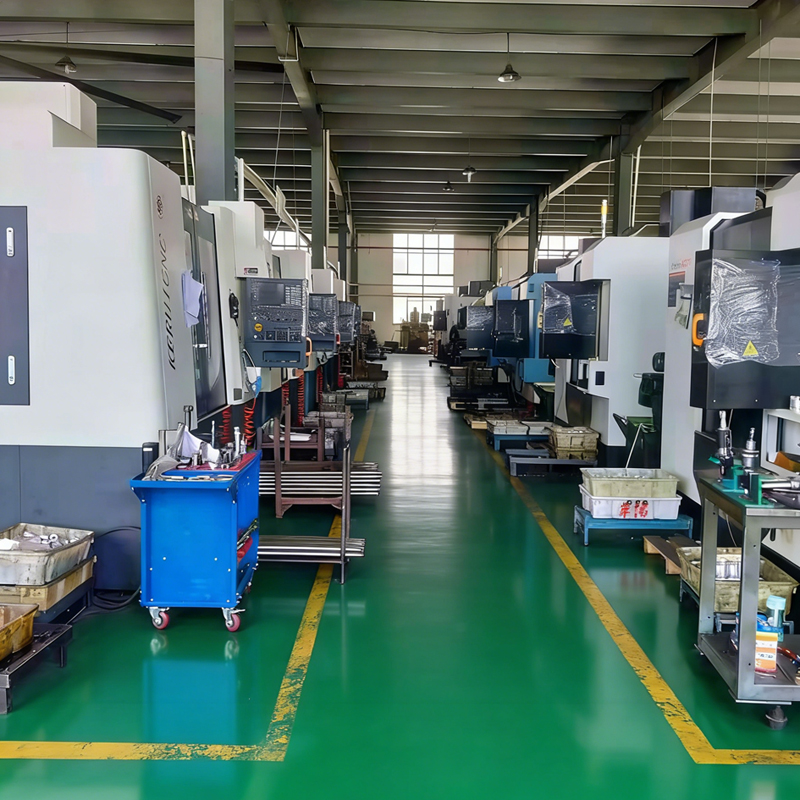
Inspection should be completed before cargo is handed to the carrier. The manufacturing system is described as ISO 9001 certified and includes 23 inspection procedures, dimensional accuracy of up to plus or minus 0.03 mm, and a controlled defect rate below 0.3%. Allowing time for final checks, reporting, packing, and export preparation helps prevent last-minute shipment delays.
Supply experience includes an order of 8,000 valve handwheels for a United States pipeline-system manufacturer and 65,000 adjustable clamping knobs for an Italian CNC machine producer. These examples reflect manufacturing support for industrial control equipment and machinery applications.
Frequently Asked Questions
What production lead time should I allow for couplings in peak season?
Plan 7–15 days for standard orders with confirmed specifications. For mass production, reserve 15–30 days depending on quantity and product complexity. Certain custom precision parts may require 7–25 days, so the final schedule should be confirmed for each project.
Which Incoterm is best for a coupling order?
The available information does not prescribe a particular Incoterm. Buyers and suppliers should select an Incoterm suited to the shipment and clearly include it in the sales contract or purchase order together with transport, packaging, and dispatch requirements.
What is the fastest shipping option for urgent coupling requirements?
DHL, UPS, and FedEx are available for urgent samples and smaller orders. Air freight is a practical faster-than-sea option for medium and large shipments that need accelerated delivery.
Conclusion
For dependable coupling procurement during peak season, finalize drawings and samples early, apply the appropriate production allowance, and confirm the Incoterm before the order enters manufacturing. Zhejiang Dream Industry Limited provides OEM and ODM manufacturing, custom CNC machining, flexible small-batch production, and bulk export supply under ISO 9001 certified manufacturing controls. For technical assistance or detailed project support, contact 86-15868979792.
About Us
Zhejiang Dream Industry Limited produces custom precision CNC machined parts and assemblies in stainless steel, aluminum, brass, copper, carbon steel, and engineering plastics. Its services include design review, CNC turning and milling, surface finishing, precision casting, and final inspection. The company operates more than 100 production and inspection units, with over 80% described as automated CNC equipment, and exports 65% of its output to more than 30 countries and regions. It holds an ISO credential and multiple patent certifications while serving clients across a range of industrial sectors.
REPORT