







-
 Agriculture
-
 Health-Care
-
 Environment
-
 Construction-Real-Estate
-
 Tools-Hardware
-
 Home-Garden
-
 Furniture
-
 Luggage-Bags-Cases
-
 Medical-devices-Supplies
-
 Gifts-Crafts
-
 Sports-Entertainment
-
 Food-Beverage
-
 Vehicles-Transportation
-
 Power-Transmission
-
 Material-Handling
-
 Renewable-Energy
-
 Safety
-
 Testing-Instrument-Equipment
-
 Construction-Building-Machinery
-
 Pet-Supplies
-
 Personal-Care-Household-Cleaning
-
 Vehicle-Accessories-Electronics-Tools
-
 School-Office-Supplies
-
 Packaging-Printing
-
 Mother-Kids-Toys
-
 Business-Services
-
 Commercial-Equipment-Machinery
-
 Apparel-Accessories
-
 Security
-
 Shoes-Accessories
-
 Vehicle-Parts-Accessories
-
 Jewelry-Eyewear-Watches-Accessories
-
 Lights-Lighting
-
 Fabric-Textile-Raw-Material
-
 Fabrication-Services
-
 Industrial-Machinery
-
 Consumer-Electronics
-
 Electrical-Equipment-Supplies
-
 Electronic-Components-Accessories-Telecommunications
-
 Home-Appliances
-
 Beauty
-
 Chemicals
-
 Rubber-Plastics
-
 Metals-Alloys


























































































































































































































































































































































































































































































































































































- Masonry Materials
- Curtain Walls & Accessories
- Earthwork Products
- Fireproofing Materials
- Heat Insulation Materials
- Plastic Building Materials
- Building Boards
- Soundproofing Materials
- Timber
- Waterproofing Materials
- Balustrades & Handrails
- Bathroom & Kitchen
- Flooring & Accessories
- Tiles & Accessories
- Door, Window & Accessories
- Fireplaces & Stoves
- Floor Heating Systems & Parts
- Stairs & Stair Parts
- Ceilings
- Elevators & Escalators
- Stone
- Countertops, Vanity Tops & Table Tops
- Mosaics
- Metal Building Materials
- Multifunctional Materials
- Ladders & Scaffoldings
- Mouldings
- Corner Guards
- Decorative Films
- Formwork
- Building & Industrial Glass
- Other Construction & Real Estate
- Wallpapers/Wall panels
- HVAC System & Parts
- Outdoor Facilities
- Prefabricated Buildings
- Festive & Party Supplies
- Bathroom Products
- Household Sundries
- Rain Gear
- Garden Supplies
- Household Cleaning Tools & Accessories
- Lighters & Smoking Accessories
- Home Storage & Organization
- Household Scales
- Smart Home Improvement
- Home Textiles
- Kitchenware
- Drinkware & Accessories
- Dinnerware, Coffee & Wine
- Home Decor
- Golf
- Fitness & Body Building
- Amusement Park Facilities
- Billiards, Board Game,Coin Operated Games
- Musical Instruments
- Outdoor Affordable Luxury Sports
- Camping & Hiking
- Fishing
- Sports Safety&Rehabilitation
- Ball Sports Equipments
- Water Sports
- Winter Sports
- Luxury Travel Equipments
- Sports Shoes, Bags & Accessories
- Cycling
- Other Sports & Entertainment Products
- Artificial Grass&Sports Flooring&Sports Court Equipment
- Scooters
- Food Ingredients
- Honey & Honey Products
- Snacks
- Nuts & Kernels
- Seafood
- Plant & Animal Oil
- Beverages
- Fruit & Vegetable Products
- Frog & Escargot
- Bean Products
- Egg Products
- Dairy Products
- Seasonings & Condiments
- Canned Food
- Instant Food
- Baked Goods
- Other Food & Beverage
- Meat & Poultry
- Confectionery
- Grain Products
- Feminie Care
- Hair Care & Styling
- Body Care
- Hands & Feet Care
- Hygiene Products
- Men's Grooming
- Laundry Cleaning Supplies
- Travel Size & Gift Sets
- Room Deodorizers
- Other Personal Care Products
- Pest Control Products
- Special Household Cleaning
- Floor Cleaning
- Kitchen & Bathroom Cleaning
- Oral Care
- Bath Supplies
- Yellow Pages
- Correction Supplies
- Office Binding Supplies
- Office Cutting Supplies
- Board Erasers
- Office Adhesives & Tapes
- Education Supplies
- Pencil Cases & Bags
- Notebooks & Writing Pads
- File Folder Accessories
- Calendars
- Writing Accessories
- Commercial Office Supplies
- Pencil Sharpeners
- Pens
- Letter Pad/Paper
- Paper Envelopes
- Desk Organizers
- Pencils
- Markers & Highlighters
- Filing Products
- Art Supplies
- Easels
- Badge Holder & Accessories
- Office Paper
- Printer Supplies
- Book Covers
- Other Office & School Supplies
- Stationery Set
- Boards
- Clipboards
- Stamps
- Drafting Supplies
- Stencils
- Electronic Dictionary
- Books
- Map
- Magazines
- Calculators
- Baby & Toddler Toys
- Educational Toys
- Classic Toys
- Dress Up & Pretend Play
- Toy Vehicle
- Stuffed Animals & Plush Toys
- Outdoor Toys & Structures
- Balloons & Accessories
- Baby Food
- Children's Clothing
- Baby Supplies & Products
- Maternity Clothes
- Kids Shoes
- Baby Care
- Novelty & Gag Toys
- Dolls & Accessories
- Puzzle & Games
- Blocks & Model Building Toys
- Toddler Clothing
- Baby Clothing
- Kids' Luggage & Bags
- Arts, Crafts & DIY Toys
- Action & Toy Figures
- Baby Appliances
- Hobbies & Models
- Remote Control Toys
- Promotional Toys
- Pregnancy & Maternity
- Hygiene Products
- Kid's Textile&Bedding
- Novelty & Special Use
- Toy Weapons
- Baby Gifts
- Baby Storage & Organization
- Auto Drive Systems
- ATV/UTV Parts & Accessories
- Marine Parts & Accessories
- Other Auto Parts
- Trailer Parts & Accessories
- Auto Transmission Systems
- Train Parts & Accessories
- Universal Parts
- Railway Parts & Accessories
- Auto Brake Systems
- Aviation Parts & Accessories
- Truck Parts & Accessories
- Auto Suspension Systems
- Auto Lighting Systems
- New Energy Vehicle Parts & Accessories
- Auto Steering Systems
- Wheels, Tires & Accessories
- Bus Parts & Accessories
- Auto Performance Parts
- Cooling System
- Go-Kart & Kart Racer Parts & Accessories
- Air Conditioning Systems
- Heavy Duty Vehicle Parts & Accessories
- Auto Electrical Systems
- Auto Body Systems
- Auto Engine Systems
- Container Parts & Accessories
- Motorcycle Parts & Accessories
- Refrigeration & Heat Exchange Equipment
- Machine Tool Equipment
- Food & Beverage Machinery
- Agricultural Machinery & Equipment
- Apparel & Textile Machinery
- Chemical Machinery
- Packaging Machines
- Paper Production Machinery
- Plastic & Rubber Processing Machinery
- Industrial Robots
- Electronic Products Machinery
- Metal & Metallurgy Machinery
- Woodworking Machinery
- Home Product Manufacturing Machinery
- Machinery Accessories
- Environmental Machinery
- Machinery Service
- Electrical Equipment Manufacturing Machinery
- Industrial Compressors & Parts
- Tobacco & Cigarette Machinery
- Production Line
- Used Industrial Machinery
- Electronics Production Machinery
- Other Machinery & Industrial Equipment
- Camera, Photo & Accessories
- Portable Audio, Video & Accessories
- Television, Home Audio, Video & Accessories
- Video Games & Accessories
- Mobile Phone & Accessories
- Electronic Publications
- Earphone & Headphone & Accessories
- Speakers & Accessories
- Smart Electronics
- TV Receivers & Accessories
- Mobile Phone & Computer Repair Parts
- Chargers, Batteries & Power Supplies
- Used Electronics
- VR, AR, MR Hardware & Software
- Projectors & Presentation Equipments
- Other Consumer Electronics
- Cables & Commonly Used Accessories
- Computer Hardware & Software
- Displays, Signage and Optoelectronics
- Discrete Semiconductors
- Wireless & IoT Module and Products
- Telecommunications
- Connectors, Terminals & Accessories
- Development Boards, Electronic Modules and Kits
- Circuit Protection
- Sensors
- Isolators
- Audio Components and Products
- Integrated Circuits
- Power Supplies
- Relays
- RF, Microwave and RFID
- Electronic Accessories & Supplies
- Passive Components
- PCB & PCBA
- Air Quality Appliances
- Home Appliance Parts
- Heating & Cooling Appliances
- Small Kitchen Appliances
- Laundry Appliances
- Water Heaters
- Water Treatment Appliances
- Refrigerators & Freezers
- Personal Care & Beauty Appliances
- Major Kitchen Appliances
- Cleaning Appliances
- Second-hand Appliances
- Smart Home Appliances
- Other Home Appliances
- Energy Chemicals
- Inorganic Chemicals
- Basic Organic Chemicals
- Agrochemicals
- Admixture & Additives
- Catalysts & Chemical Auxiliary Agents
- Pigments & Dyestuff
- Coating & Paint
- Daily Chemicals
- Polymer
- Organic Intermediate
- Adhesives & Sealants
- Chemical Waste
- Biological Chemical Products
- Surface Treatment Chemicals
- Painting & Coating
- Chemical Reagents
- Flavor & Fragrance
- Non-Explosive Demolition Agents
- Other Chemicals
- Custom Chemical Services

How to Prevent Unauthorized Reuse of a Sliding Window Design
Reducing the risk of unauthorized reuse begins with disciplined technical documentation, clearly defined ownership records, and a formal intellectual property control process. Store drawings, profile specifications, opening arrangements, glazing requirements, hardware selections, and finishing instructions in a controlled project file. When a sliding window uses a customized profile, record the mold-opening requirements and disclose related technical information only to authorized participants.
Essential Protection Measures
- Create a dated design file that identifies profile dimensions, wall thickness, opening operation, glazing details, hardware, finishes, and approved revisions.
- Distinguish standard product information from confidential, project-specific details, especially for narrow-frame and customized cross-sections.
- Require documented approval for drawings, quotations, samples, production documents, and technical modifications.
- Limit use of the design to its approved project scope, including bedrooms, studies, kitchens, bathrooms, sunrooms, offices, hotels, apartments, and retail premises.
Technical Documentation and Design Control
Unauthorized reuse becomes more difficult to detect and manage when key information is scattered among informal conversations, unmarked drawings, and unrestricted production files. A reliable record should show the design number, version, associated project, profile construction, opening style, glazing arrangement, and every approved change. The available product information includes examples such as a 1.8 mm main thickness, a 78 mm by 48 mm side frame, a 68 mm by 52 mm sash, a 32 mm glazing rebate, defined opening methods, and Kerssenberg hardware. Comparable details should be cataloged for a sliding window design so that its technical identity can be traced.
The same control should apply to performance and appearance requirements. Record glass options, screen-profile compatibility, sealing structures, drainage provisions, surface treatments, and inspection criteria together with the relevant drawing revision. Access permissions should reflect each person's role, and outdated files should be withdrawn from active use.
Managing Customized Aluminium Profiles
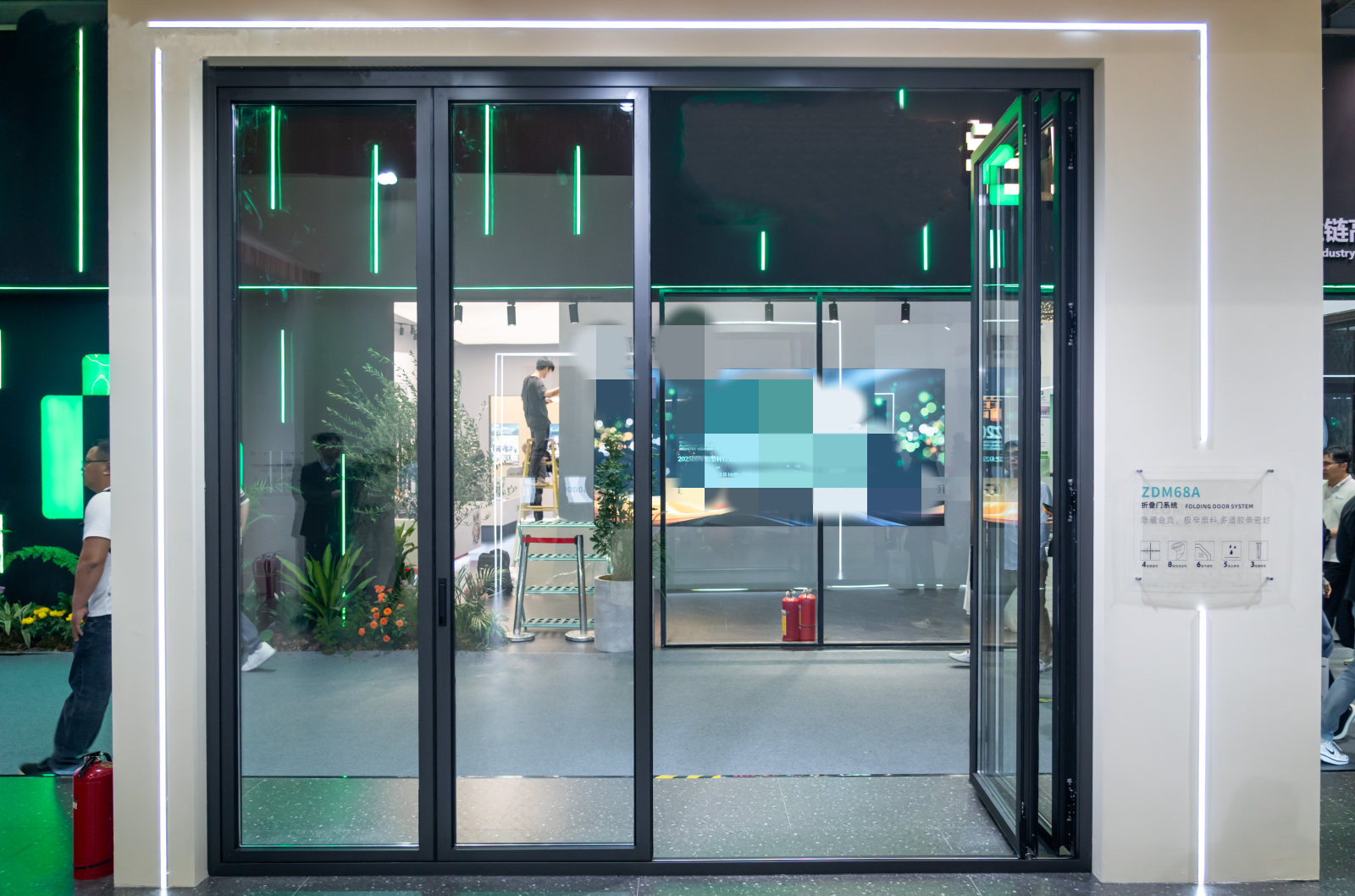
Special cross-sections need stronger traceability because they may be reproduced through dedicated tooling. Xinhe Aluminium states that its factory can provide custom mold opening for shaped, narrow-frame, and large-section curtain wall profiles. If a sliding window includes a customized section, link the section drawing, mold reference, revision number, inspection documentation, and authorized project to one controlled technical file.
This manufacturing record helps establish who approved the design and where it may be used, but it should not be confused with legal ownership. The supplied information does not confirm registration, copyright, patent protection, or exclusive rights for any particular sliding window design. Legal protection should therefore be evaluated separately with the appropriate IP professional or authority.
Using Internal IP and Quality Processes
Guangdong Xinhe Aluminium Co., Ltd. is documented as holding an Intellectual Property Compliance Management System Certificate, number 00225IPMS0209R1M, under GB/T 29490-2023. Such a system can support procedures for classifying confidential information, approving disclosures, tracking changes, and handling design-related records. The company also lists CNAS laboratory accreditation, which concerns its nationally accredited laboratory.
Neither credential, based on the supplied data, proves exclusive ownership of an individual customer design. However, approved testing, laboratory sampling, production-line inspection, and quality records can be connected to the relevant design version. This creates a clearer technical history and supports controlled manufacturing decisions.

Protection Measures at a Glance
| Control method | Available supporting information | Recommended use for a sliding window |
|---|---|---|
| Controlled technical file | Product data identifies dimensions, material details, glazing rebates, opening methods, and hardware | Track equivalent sliding window specifications, ownership records, and revision history |
| Custom profile and mold tracking | Custom mold opening is available for special cross-sections | Connect every customized profile and mold number to the approved project and authorized users |
| IP compliance procedure | An Intellectual Property Compliance Management System is documented under GB/T 29490-2023 | Classify information, control disclosures, approve changes, and retain evidence of decisions |
| Testing and quality verification | CNAS laboratory accreditation and production inspection with laboratory sampling and testing | Attach approved test results and inspection reports to the correct design version |
| Limited information sharing | Applications include windows, doors, curtain walls, partitions, and related profiles | Release only the information needed for the authorized design, quotation, or production stage |
Frequently Asked Questions
What information should be included in the design record?
Include profile sizes, wall thickness, glazing specifications, opening operation, hardware, surface finish, project limits, design version, approval dates, and authorized modifications. The detailed folding door parameters supplied in the product data illustrate the level of information that can be documented.
Does the IP compliance certificate establish ownership?
No. The certificate describes an Intellectual Property Compliance Management System under GB/T 29490-2023. It does not, according to the supplied information, grant ownership or exclusive rights over a particular sliding window design.
How can a custom sliding window profile be protected?
Place the cross-section drawing, mold-opening instruction, revision history, inspection records, and approved project reference in a single controlled file. Xinhe Aluminium states that it supports custom mold opening for special sections, including narrow-frame profiles.
Should standard product information be shared with every project participant?
No. Separate general catalog information from confidential project details. Share only the specifications required for the participant's approved responsibility, and keep disclosure and revision records for important technical files.
Conclusion and Practical Recommendations
A sliding window design is better protected when its technical identity, project scope, approvals, custom tooling, and revisions are documented in one controlled system. Restrict access according to role, mark confidential drawings, withdraw obsolete versions, and connect quality evidence to the correct design record. Treat the IP compliance certificate and CNAS laboratory accreditation as company credentials that support structured processes, not as proof of exclusive ownership of a specific design.
For aluminium profiles, the stated business model includes distribution and direct sales, with a minimum order quantity of 3 tons and an indicated delivery period of 15 to 20 days. For technical solutions or further support, contact xh@xinhealuminium.com.
About Guangdong Xinhe Aluminium Co., Ltd.
Guangdong Xinhe Aluminium Co., Ltd. specializes in the research, development, and manufacture of building, decorative, and industrial aluminium profiles. Founded in 1998, the company has 1,200 employees and operates across a 666,670 square metre factory area. Its listed credentials include the Intellectual Property Compliance Management System Certificate and the Laboratory Accreditation Certificate CNAS L 10434. The company has worked with customers in several industries and international markets.

REPORT