







-
 Agriculture
-
 Health-Care
-
 Environment
-
 Construction-Real-Estate
-
 Tools-Hardware
-
 Home-Garden
-
 Furniture
-
 Luggage-Bags-Cases
-
 Medical-devices-Supplies
-
 Gifts-Crafts
-
 Sports-Entertainment
-
 Food-Beverage
-
 Vehicles-Transportation
-
 Power-Transmission
-
 Material-Handling
-
 Renewable-Energy
-
 Safety
-
 Testing-Instrument-Equipment
-
 Construction-Building-Machinery
-
 Pet-Supplies
-
 Personal-Care-Household-Cleaning
-
 Vehicle-Accessories-Electronics-Tools
-
 School-Office-Supplies
-
 Packaging-Printing
-
 Mother-Kids-Toys
-
 Business-Services
-
 Commercial-Equipment-Machinery
-
 Apparel-Accessories
-
 Security
-
 Shoes-Accessories
-
 Vehicle-Parts-Accessories
-
 Jewelry-Eyewear-Watches-Accessories
-
 Lights-Lighting
-
 Fabric-Textile-Raw-Material
-
 Fabrication-Services
-
 Industrial-Machinery
-
 Consumer-Electronics
-
 Electrical-Equipment-Supplies
-
 Electronic-Components-Accessories-Telecommunications
-
 Home-Appliances
-
 Beauty
-
 Chemicals
-
 Rubber-Plastics
-
 Metals-Alloys


























































































































































































































































































































































































































































































































































































- Masonry Materials
- Curtain Walls & Accessories
- Earthwork Products
- Fireproofing Materials
- Heat Insulation Materials
- Plastic Building Materials
- Building Boards
- Soundproofing Materials
- Timber
- Waterproofing Materials
- Balustrades & Handrails
- Bathroom & Kitchen
- Flooring & Accessories
- Tiles & Accessories
- Door, Window & Accessories
- Fireplaces & Stoves
- Floor Heating Systems & Parts
- Stairs & Stair Parts
- Ceilings
- Elevators & Escalators
- Stone
- Countertops, Vanity Tops & Table Tops
- Mosaics
- Metal Building Materials
- Multifunctional Materials
- Ladders & Scaffoldings
- Mouldings
- Corner Guards
- Decorative Films
- Formwork
- Building & Industrial Glass
- Other Construction & Real Estate
- Wallpapers/Wall panels
- HVAC System & Parts
- Outdoor Facilities
- Prefabricated Buildings
- Festive & Party Supplies
- Bathroom Products
- Household Sundries
- Rain Gear
- Garden Supplies
- Household Cleaning Tools & Accessories
- Lighters & Smoking Accessories
- Home Storage & Organization
- Household Scales
- Smart Home Improvement
- Home Textiles
- Kitchenware
- Drinkware & Accessories
- Dinnerware, Coffee & Wine
- Home Decor
- Golf
- Fitness & Body Building
- Amusement Park Facilities
- Billiards, Board Game,Coin Operated Games
- Musical Instruments
- Outdoor Affordable Luxury Sports
- Camping & Hiking
- Fishing
- Sports Safety&Rehabilitation
- Ball Sports Equipments
- Water Sports
- Winter Sports
- Luxury Travel Equipments
- Sports Shoes, Bags & Accessories
- Cycling
- Other Sports & Entertainment Products
- Artificial Grass&Sports Flooring&Sports Court Equipment
- Scooters
- Food Ingredients
- Honey & Honey Products
- Snacks
- Nuts & Kernels
- Seafood
- Plant & Animal Oil
- Beverages
- Fruit & Vegetable Products
- Frog & Escargot
- Bean Products
- Egg Products
- Dairy Products
- Seasonings & Condiments
- Canned Food
- Instant Food
- Baked Goods
- Other Food & Beverage
- Meat & Poultry
- Confectionery
- Grain Products
- Feminie Care
- Hair Care & Styling
- Body Care
- Hands & Feet Care
- Hygiene Products
- Men's Grooming
- Laundry Cleaning Supplies
- Travel Size & Gift Sets
- Room Deodorizers
- Other Personal Care Products
- Pest Control Products
- Special Household Cleaning
- Floor Cleaning
- Kitchen & Bathroom Cleaning
- Oral Care
- Bath Supplies
- Yellow Pages
- Correction Supplies
- Office Binding Supplies
- Office Cutting Supplies
- Board Erasers
- Office Adhesives & Tapes
- Education Supplies
- Pencil Cases & Bags
- Notebooks & Writing Pads
- File Folder Accessories
- Calendars
- Writing Accessories
- Commercial Office Supplies
- Pencil Sharpeners
- Pens
- Letter Pad/Paper
- Paper Envelopes
- Desk Organizers
- Pencils
- Markers & Highlighters
- Filing Products
- Art Supplies
- Easels
- Badge Holder & Accessories
- Office Paper
- Printer Supplies
- Book Covers
- Other Office & School Supplies
- Stationery Set
- Boards
- Clipboards
- Stamps
- Drafting Supplies
- Stencils
- Electronic Dictionary
- Books
- Map
- Magazines
- Calculators
- Baby & Toddler Toys
- Educational Toys
- Classic Toys
- Dress Up & Pretend Play
- Toy Vehicle
- Stuffed Animals & Plush Toys
- Outdoor Toys & Structures
- Balloons & Accessories
- Baby Food
- Children's Clothing
- Baby Supplies & Products
- Maternity Clothes
- Kids Shoes
- Baby Care
- Novelty & Gag Toys
- Dolls & Accessories
- Puzzle & Games
- Blocks & Model Building Toys
- Toddler Clothing
- Baby Clothing
- Kids' Luggage & Bags
- Arts, Crafts & DIY Toys
- Action & Toy Figures
- Baby Appliances
- Hobbies & Models
- Remote Control Toys
- Promotional Toys
- Pregnancy & Maternity
- Hygiene Products
- Kid's Textile&Bedding
- Novelty & Special Use
- Toy Weapons
- Baby Gifts
- Baby Storage & Organization
- Auto Drive Systems
- ATV/UTV Parts & Accessories
- Marine Parts & Accessories
- Other Auto Parts
- Trailer Parts & Accessories
- Auto Transmission Systems
- Train Parts & Accessories
- Universal Parts
- Railway Parts & Accessories
- Auto Brake Systems
- Aviation Parts & Accessories
- Truck Parts & Accessories
- Auto Suspension Systems
- Auto Lighting Systems
- New Energy Vehicle Parts & Accessories
- Auto Steering Systems
- Wheels, Tires & Accessories
- Bus Parts & Accessories
- Auto Performance Parts
- Cooling System
- Go-Kart & Kart Racer Parts & Accessories
- Air Conditioning Systems
- Heavy Duty Vehicle Parts & Accessories
- Auto Electrical Systems
- Auto Body Systems
- Auto Engine Systems
- Container Parts & Accessories
- Motorcycle Parts & Accessories
- Refrigeration & Heat Exchange Equipment
- Machine Tool Equipment
- Food & Beverage Machinery
- Agricultural Machinery & Equipment
- Apparel & Textile Machinery
- Chemical Machinery
- Packaging Machines
- Paper Production Machinery
- Plastic & Rubber Processing Machinery
- Industrial Robots
- Electronic Products Machinery
- Metal & Metallurgy Machinery
- Woodworking Machinery
- Home Product Manufacturing Machinery
- Machinery Accessories
- Environmental Machinery
- Machinery Service
- Electrical Equipment Manufacturing Machinery
- Industrial Compressors & Parts
- Tobacco & Cigarette Machinery
- Production Line
- Used Industrial Machinery
- Electronics Production Machinery
- Other Machinery & Industrial Equipment
- Camera, Photo & Accessories
- Portable Audio, Video & Accessories
- Television, Home Audio, Video & Accessories
- Video Games & Accessories
- Mobile Phone & Accessories
- Electronic Publications
- Earphone & Headphone & Accessories
- Speakers & Accessories
- Smart Electronics
- TV Receivers & Accessories
- Mobile Phone & Computer Repair Parts
- Chargers, Batteries & Power Supplies
- Used Electronics
- VR, AR, MR Hardware & Software
- Projectors & Presentation Equipments
- Other Consumer Electronics
- Cables & Commonly Used Accessories
- Computer Hardware & Software
- Displays, Signage and Optoelectronics
- Discrete Semiconductors
- Wireless & IoT Module and Products
- Telecommunications
- Connectors, Terminals & Accessories
- Development Boards, Electronic Modules and Kits
- Circuit Protection
- Sensors
- Isolators
- Audio Components and Products
- Integrated Circuits
- Power Supplies
- Relays
- RF, Microwave and RFID
- Electronic Accessories & Supplies
- Passive Components
- PCB & PCBA
- Air Quality Appliances
- Home Appliance Parts
- Heating & Cooling Appliances
- Small Kitchen Appliances
- Laundry Appliances
- Water Heaters
- Water Treatment Appliances
- Refrigerators & Freezers
- Personal Care & Beauty Appliances
- Major Kitchen Appliances
- Cleaning Appliances
- Second-hand Appliances
- Smart Home Appliances
- Other Home Appliances
- Energy Chemicals
- Inorganic Chemicals
- Basic Organic Chemicals
- Agrochemicals
- Admixture & Additives
- Catalysts & Chemical Auxiliary Agents
- Pigments & Dyestuff
- Coating & Paint
- Daily Chemicals
- Polymer
- Organic Intermediate
- Adhesives & Sealants
- Chemical Waste
- Biological Chemical Products
- Surface Treatment Chemicals
- Painting & Coating
- Chemical Reagents
- Flavor & Fragrance
- Non-Explosive Demolition Agents
- Other Chemicals
- Custom Chemical Services

How to Protect Payments for a Custom Lamp Mold
Paying for a custom lamp mold requires more than selecting a supplier and transferring funds. Buyers should establish detailed OEM/ODM terms, divide payments into verifiable production milestones, define inspection procedures, and confirm after-sales remedies for defective units. Supplier credentials, including CE (LVD/EMC) certifications and FDA listings, should also be checked to support international compliance while protecting mold ownership, technical drawings, and customized product specifications.
Essential Safeguards for Custom Lamp Mold Orders
- Documented OEM/ODM Terms: The agreement should identify who owns the mold, define design exclusivity, record all technical requirements, and explain how intellectual property may be used after production.
- Milestone-Based Payments: Linking payments to approved design files, mold completion, sample testing, and final inspection gives buyers better control over financial exposure and production progress.
- Stage-by-Stage Quality Control: Inspections of incoming materials, electrical performance, assembled products, and pre-shipment units help identify defects before goods reach the customer.
- Compliance and Logistics Verification: Confirming applicable CE (LVD/EMC) documentation, FDA listing requirements, traceable payment channels, and reliable shipping arrangements helps reduce regulatory and delivery risks.
Contract and Product Protection Principles
Custom mold projects for professional equipment, including UV/LED Eyelash Curing Lamps, involve both financial and engineering risks. Before manufacturing begins, the buyer and supplier should approve drawings, materials, dimensions, electrical modules, color requirements, and functional expectations. The agreement should also address mold storage, maintenance, modification rights, design confidentiality, and ownership after the mold fee has been paid.
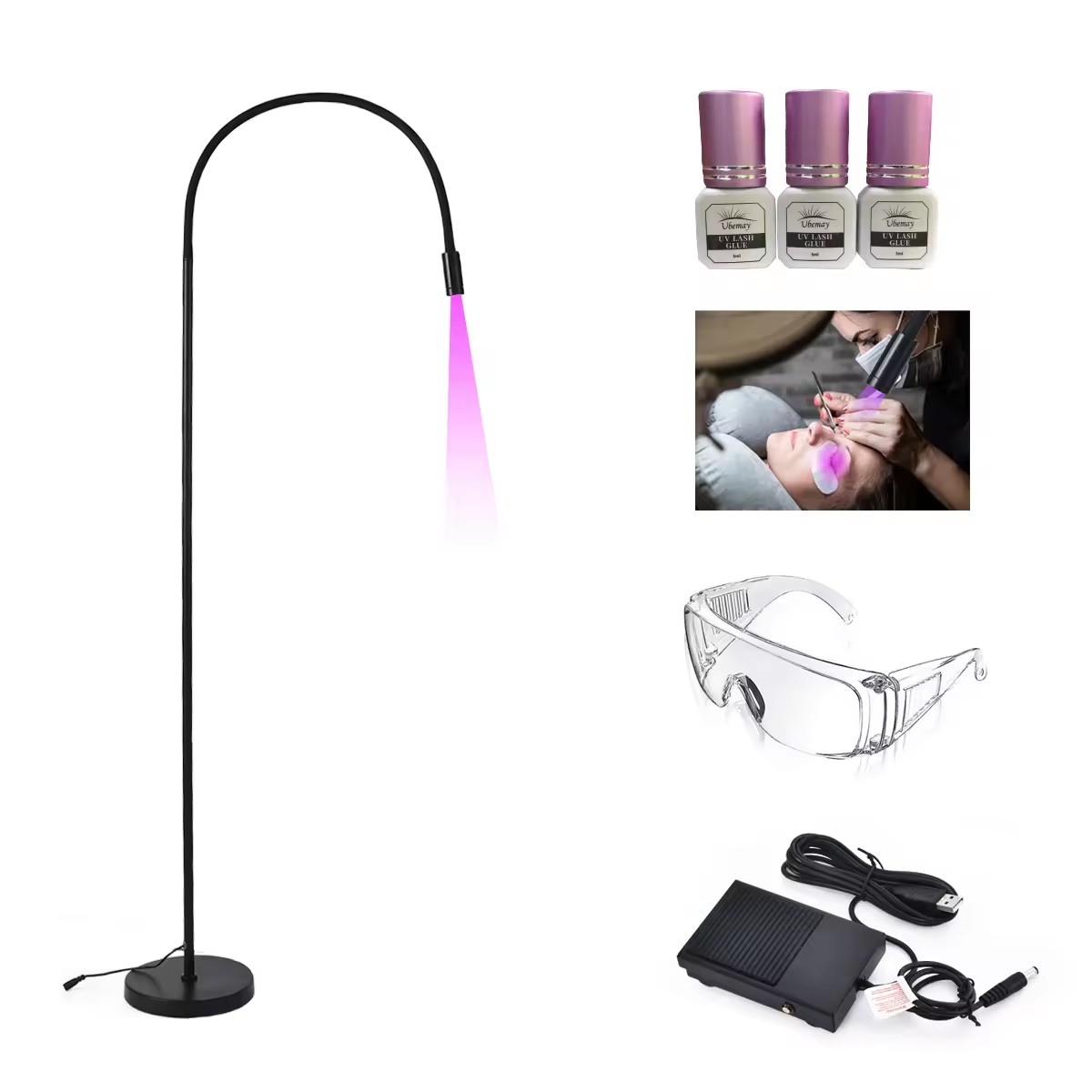
For specialized lamp equipment, important design details may include a flexible gooseneck, interchangeable lamp heads, clamp-mounted or floor-standing structures, and adjustable spot-size optics. These requirements should be listed in the approved specification sheet so that the finished mold and production units can be evaluated against an agreed reference. A documented inspection plan covering raw materials, assembly, functionality, appearance, and shipment provides additional protection during larger production runs.
Certification and Market Readiness
Regulatory evidence is another important part of a secure procurement process. Products supplied to professional lash salons, training centers, distributors, and retailers may require documentation demonstrating electrical safety and electromagnetic compatibility. Relevant records include CE (LVD) certificate ZKT-25091522640C and CE (EMC) certificate ZKT-25091522641C. Buyers exporting to North America should also confirm FDA listing requirements and verify that the documentation applies to the specific product configuration.
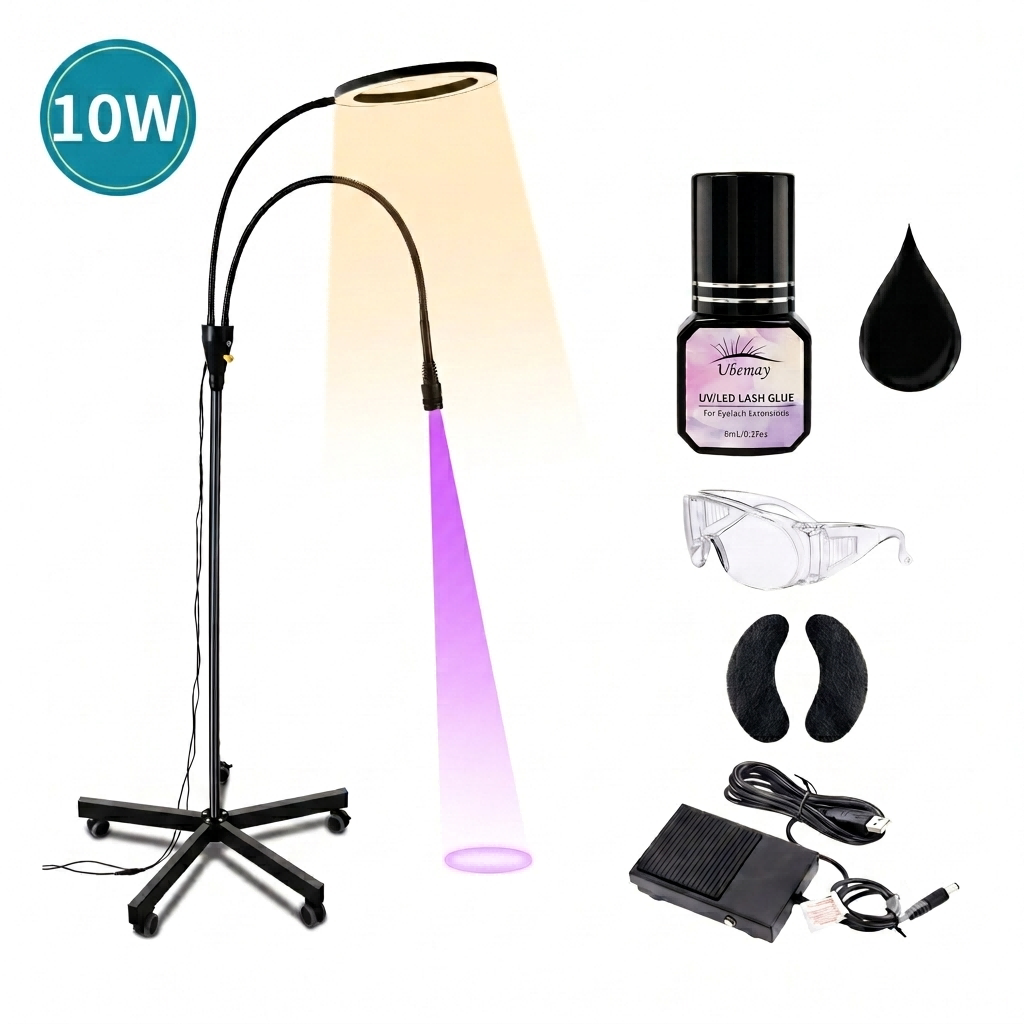
Commercial terms should reflect the difference between standard products and custom production. A standard sample may be available within approximately 7 days, while custom mold development commonly requires 15 to 30 days after specifications and payment conditions are approved. For bulk orders, the contract should state the expected production schedule, sample approval process, packaging requirements, permitted tolerances, and procedures for handling delays or nonconforming goods.
Standard Procurement Compared with Custom OEM/ODM Sourcing
| Feature / Parameter | Standard Catalog Procurement | Custom Mold OEM/ODM Sourcing |
|---|---|---|
| Minimum Order Quantity (MOQ) | 1 pc for samples or available stock | Usually 100 pcs for customized orders |
| Production Lead Time | Approximately 7 days | Approximately 15–30 days |
| Quality Inspection Scope | Finished-product checks and pre-shipment testing | Incoming material review, functional tests, finished-product inspection, and pre-shipment evaluation |
| Certification and Compliance | Standard CE (LVD/EMC) and FDA listings where applicable | Regional compliance assistance, customized configuration review, and private-label integration |
| Payment and Logistics Support | T/T, PayPal, and Alibaba Trade Assurance | Milestone-based T/T or Trade Assurance payments, with Express, Air Freight, or DDP options |
Frequently Asked Questions
How can a buyer confirm ownership of a custom lamp mold?
The OEM/ODM contract should state that mold ownership transfers to the buyer after the agreed mold fees are paid and the project is completed. It should also restrict unauthorized reuse and record the related technical drawings, product dimensions, dual-head options, gooseneck structures, and custom color specifications.
What protection is available if units from the custom production run are defective?
The supplier's after-sales policy should define how defects are verified and resolved. Typical remedies include remote troubleshooting, replacement of confirmed defective components or units, technical assistance, and continued support for customized electrical modules.
Which payment and shipping methods help reduce transaction risk?
Traceable options such as T/T, Alibaba Trade Assurance, PayPal, and Western Union can support payment records during production. Express services from DHL, FedEx, or UPS, together with Air Freight, Sea Freight, or DDP delivery, provide shipment tracking and assistance with customs procedures.
Recommendations for Safer Custom Mold Purchasing
A protected custom lamp mold order should combine a precise OEM/ODM contract, staged payment approvals, documented inspections, and verifiable compliance records. Buyers should select manufacturers that can support both small sample requirements and volume production, provide realistic lead times, explain mold ownership clearly, and offer defined warranty and replacement procedures. For technical consultation or customized supply solutions, contact us at sales@ubemay.com.
About Us
Guangzhou Ruiju E-Commerce Co., Ltd. operates under the professional brand UBEMAY and specializes in eyelash extension products, adhesives, accessories, and UV/LED curing lamp equipment. Founded in 2014, the company has a 5,000 square meter facility, a team of 50 employees, and in-house R&D capabilities for customized product development. With CE (LVD/EMC) certifications and FDA listings, the company serves customers in North America, Europe, South America, the Middle East, and other international markets.

REPORT