







-
 Agriculture
-
 Health-Care
-
 Environment
-
 Construction-Real-Estate
-
 Tools-Hardware
-
 Home-Garden
-
 Furniture
-
 Luggage-Bags-Cases
-
 Medical-devices-Supplies
-
 Gifts-Crafts
-
 Sports-Entertainment
-
 Food-Beverage
-
 Vehicles-Transportation
-
 Power-Transmission
-
 Material-Handling
-
 Renewable-Energy
-
 Safety
-
 Testing-Instrument-Equipment
-
 Construction-Building-Machinery
-
 Pet-Supplies
-
 Personal-Care-Household-Cleaning
-
 Vehicle-Accessories-Electronics-Tools
-
 School-Office-Supplies
-
 Packaging-Printing
-
 Mother-Kids-Toys
-
 Business-Services
-
 Commercial-Equipment-Machinery
-
 Apparel-Accessories
-
 Security
-
 Shoes-Accessories
-
 Vehicle-Parts-Accessories
-
 Jewelry-Eyewear-Watches-Accessories
-
 Lights-Lighting
-
 Fabric-Textile-Raw-Material
-
 Fabrication-Services
-
 Industrial-Machinery
-
 Consumer-Electronics
-
 Electrical-Equipment-Supplies
-
 Electronic-Components-Accessories-Telecommunications
-
 Home-Appliances
-
 Beauty
-
 Chemicals
-
 Rubber-Plastics
-
 Metals-Alloys


























































































































































































































































































































































































































































































































































































- Masonry Materials
- Curtain Walls & Accessories
- Earthwork Products
- Fireproofing Materials
- Heat Insulation Materials
- Plastic Building Materials
- Building Boards
- Soundproofing Materials
- Timber
- Waterproofing Materials
- Balustrades & Handrails
- Bathroom & Kitchen
- Flooring & Accessories
- Tiles & Accessories
- Door, Window & Accessories
- Fireplaces & Stoves
- Floor Heating Systems & Parts
- Stairs & Stair Parts
- Ceilings
- Elevators & Escalators
- Stone
- Countertops, Vanity Tops & Table Tops
- Mosaics
- Metal Building Materials
- Multifunctional Materials
- Ladders & Scaffoldings
- Mouldings
- Corner Guards
- Decorative Films
- Formwork
- Building & Industrial Glass
- Other Construction & Real Estate
- Wallpapers/Wall panels
- HVAC System & Parts
- Outdoor Facilities
- Prefabricated Buildings
- Festive & Party Supplies
- Bathroom Products
- Household Sundries
- Rain Gear
- Garden Supplies
- Household Cleaning Tools & Accessories
- Lighters & Smoking Accessories
- Home Storage & Organization
- Household Scales
- Smart Home Improvement
- Home Textiles
- Kitchenware
- Drinkware & Accessories
- Dinnerware, Coffee & Wine
- Home Decor
- Golf
- Fitness & Body Building
- Amusement Park Facilities
- Billiards, Board Game,Coin Operated Games
- Musical Instruments
- Outdoor Affordable Luxury Sports
- Camping & Hiking
- Fishing
- Sports Safety&Rehabilitation
- Ball Sports Equipments
- Water Sports
- Winter Sports
- Luxury Travel Equipments
- Sports Shoes, Bags & Accessories
- Cycling
- Other Sports & Entertainment Products
- Artificial Grass&Sports Flooring&Sports Court Equipment
- Scooters
- Food Ingredients
- Honey & Honey Products
- Snacks
- Nuts & Kernels
- Seafood
- Plant & Animal Oil
- Beverages
- Fruit & Vegetable Products
- Frog & Escargot
- Bean Products
- Egg Products
- Dairy Products
- Seasonings & Condiments
- Canned Food
- Instant Food
- Baked Goods
- Other Food & Beverage
- Meat & Poultry
- Confectionery
- Grain Products
- Feminie Care
- Hair Care & Styling
- Body Care
- Hands & Feet Care
- Hygiene Products
- Men's Grooming
- Laundry Cleaning Supplies
- Travel Size & Gift Sets
- Room Deodorizers
- Other Personal Care Products
- Pest Control Products
- Special Household Cleaning
- Floor Cleaning
- Kitchen & Bathroom Cleaning
- Oral Care
- Bath Supplies
- Yellow Pages
- Correction Supplies
- Office Binding Supplies
- Office Cutting Supplies
- Board Erasers
- Office Adhesives & Tapes
- Education Supplies
- Pencil Cases & Bags
- Notebooks & Writing Pads
- File Folder Accessories
- Calendars
- Writing Accessories
- Commercial Office Supplies
- Pencil Sharpeners
- Pens
- Letter Pad/Paper
- Paper Envelopes
- Desk Organizers
- Pencils
- Markers & Highlighters
- Filing Products
- Art Supplies
- Easels
- Badge Holder & Accessories
- Office Paper
- Printer Supplies
- Book Covers
- Other Office & School Supplies
- Stationery Set
- Boards
- Clipboards
- Stamps
- Drafting Supplies
- Stencils
- Electronic Dictionary
- Books
- Map
- Magazines
- Calculators
- Baby & Toddler Toys
- Educational Toys
- Classic Toys
- Dress Up & Pretend Play
- Toy Vehicle
- Stuffed Animals & Plush Toys
- Outdoor Toys & Structures
- Balloons & Accessories
- Baby Food
- Children's Clothing
- Baby Supplies & Products
- Maternity Clothes
- Kids Shoes
- Baby Care
- Novelty & Gag Toys
- Dolls & Accessories
- Puzzle & Games
- Blocks & Model Building Toys
- Toddler Clothing
- Baby Clothing
- Kids' Luggage & Bags
- Arts, Crafts & DIY Toys
- Action & Toy Figures
- Baby Appliances
- Hobbies & Models
- Remote Control Toys
- Promotional Toys
- Pregnancy & Maternity
- Hygiene Products
- Kid's Textile&Bedding
- Novelty & Special Use
- Toy Weapons
- Baby Gifts
- Baby Storage & Organization
- Auto Drive Systems
- ATV/UTV Parts & Accessories
- Marine Parts & Accessories
- Other Auto Parts
- Trailer Parts & Accessories
- Auto Transmission Systems
- Train Parts & Accessories
- Universal Parts
- Railway Parts & Accessories
- Auto Brake Systems
- Aviation Parts & Accessories
- Truck Parts & Accessories
- Auto Suspension Systems
- Auto Lighting Systems
- New Energy Vehicle Parts & Accessories
- Auto Steering Systems
- Wheels, Tires & Accessories
- Bus Parts & Accessories
- Auto Performance Parts
- Cooling System
- Go-Kart & Kart Racer Parts & Accessories
- Air Conditioning Systems
- Heavy Duty Vehicle Parts & Accessories
- Auto Electrical Systems
- Auto Body Systems
- Auto Engine Systems
- Container Parts & Accessories
- Motorcycle Parts & Accessories
- Refrigeration & Heat Exchange Equipment
- Machine Tool Equipment
- Food & Beverage Machinery
- Agricultural Machinery & Equipment
- Apparel & Textile Machinery
- Chemical Machinery
- Packaging Machines
- Paper Production Machinery
- Plastic & Rubber Processing Machinery
- Industrial Robots
- Electronic Products Machinery
- Metal & Metallurgy Machinery
- Woodworking Machinery
- Home Product Manufacturing Machinery
- Machinery Accessories
- Environmental Machinery
- Machinery Service
- Electrical Equipment Manufacturing Machinery
- Industrial Compressors & Parts
- Tobacco & Cigarette Machinery
- Production Line
- Used Industrial Machinery
- Electronics Production Machinery
- Other Machinery & Industrial Equipment
- Camera, Photo & Accessories
- Portable Audio, Video & Accessories
- Television, Home Audio, Video & Accessories
- Video Games & Accessories
- Mobile Phone & Accessories
- Electronic Publications
- Earphone & Headphone & Accessories
- Speakers & Accessories
- Smart Electronics
- TV Receivers & Accessories
- Mobile Phone & Computer Repair Parts
- Chargers, Batteries & Power Supplies
- Used Electronics
- VR, AR, MR Hardware & Software
- Projectors & Presentation Equipments
- Other Consumer Electronics
- Cables & Commonly Used Accessories
- Computer Hardware & Software
- Displays, Signage and Optoelectronics
- Discrete Semiconductors
- Wireless & IoT Module and Products
- Telecommunications
- Connectors, Terminals & Accessories
- Development Boards, Electronic Modules and Kits
- Circuit Protection
- Sensors
- Isolators
- Audio Components and Products
- Integrated Circuits
- Power Supplies
- Relays
- RF, Microwave and RFID
- Electronic Accessories & Supplies
- Passive Components
- PCB & PCBA
- Air Quality Appliances
- Home Appliance Parts
- Heating & Cooling Appliances
- Small Kitchen Appliances
- Laundry Appliances
- Water Heaters
- Water Treatment Appliances
- Refrigerators & Freezers
- Personal Care & Beauty Appliances
- Major Kitchen Appliances
- Cleaning Appliances
- Second-hand Appliances
- Smart Home Appliances
- Other Home Appliances
- Energy Chemicals
- Inorganic Chemicals
- Basic Organic Chemicals
- Agrochemicals
- Admixture & Additives
- Catalysts & Chemical Auxiliary Agents
- Pigments & Dyestuff
- Coating & Paint
- Daily Chemicals
- Polymer
- Organic Intermediate
- Adhesives & Sealants
- Chemical Waste
- Biological Chemical Products
- Surface Treatment Chemicals
- Painting & Coating
- Chemical Reagents
- Flavor & Fragrance
- Non-Explosive Demolition Agents
- Other Chemicals
- Custom Chemical Services

How to Select a Reliable Button Cell Battery for Extreme Temperatures
Choosing a button cell battery for use in very hot or cold conditions requires more than finding the correct physical size. The battery must match the device’s electrical specification while also offering documented evidence that it can perform reliably in the expected temperature environment. For watches, timers, medical devices, and precision equipment, factors such as leakage resistance, voltage consistency, self-discharge, and service life should all be reviewed before selection.
Start With Device Compatibility
The first requirement is to identify the exact button-cell type specified by the equipment manufacturer. A cell that fits into the battery compartment may still be unsuitable if its voltage, capacity profile, discharge behavior, or terminal configuration does not meet the device’s requirements. Confirm both mechanical fit and electrical compatibility before evaluating environmental performance.
This is especially important for equipment intended for outdoor, industrial, automotive, or temperature-sensitive use. Battery performance can change when exposed to heat, cold, or repeated temperature variation, so the selected product should be assessed against the actual operating and storage conditions of the device.
Verify Temperature Performance With Documentation
For an application that must operate in extreme temperatures, do not assume that every alkaline manganese button cell is appropriate. Request product-specific operating-temperature information, temperature-cycle test results, or other technical documentation from the supplier. This step is necessary because the available information for Vinnic Alkaline Manganese Button Cells does not state a numerical operating-temperature range or provide hot- and cold-condition performance data.
Documented temperature suitability should be reviewed alongside the application’s expected duty cycle, required replacement interval, and tolerance for voltage variation. A battery used in a low-drain wall clock may have different environmental demands from one powering a medical monitor, sensor, remote control, or precision timer.
Key Vinnic Alkaline Manganese Button Cell Characteristics
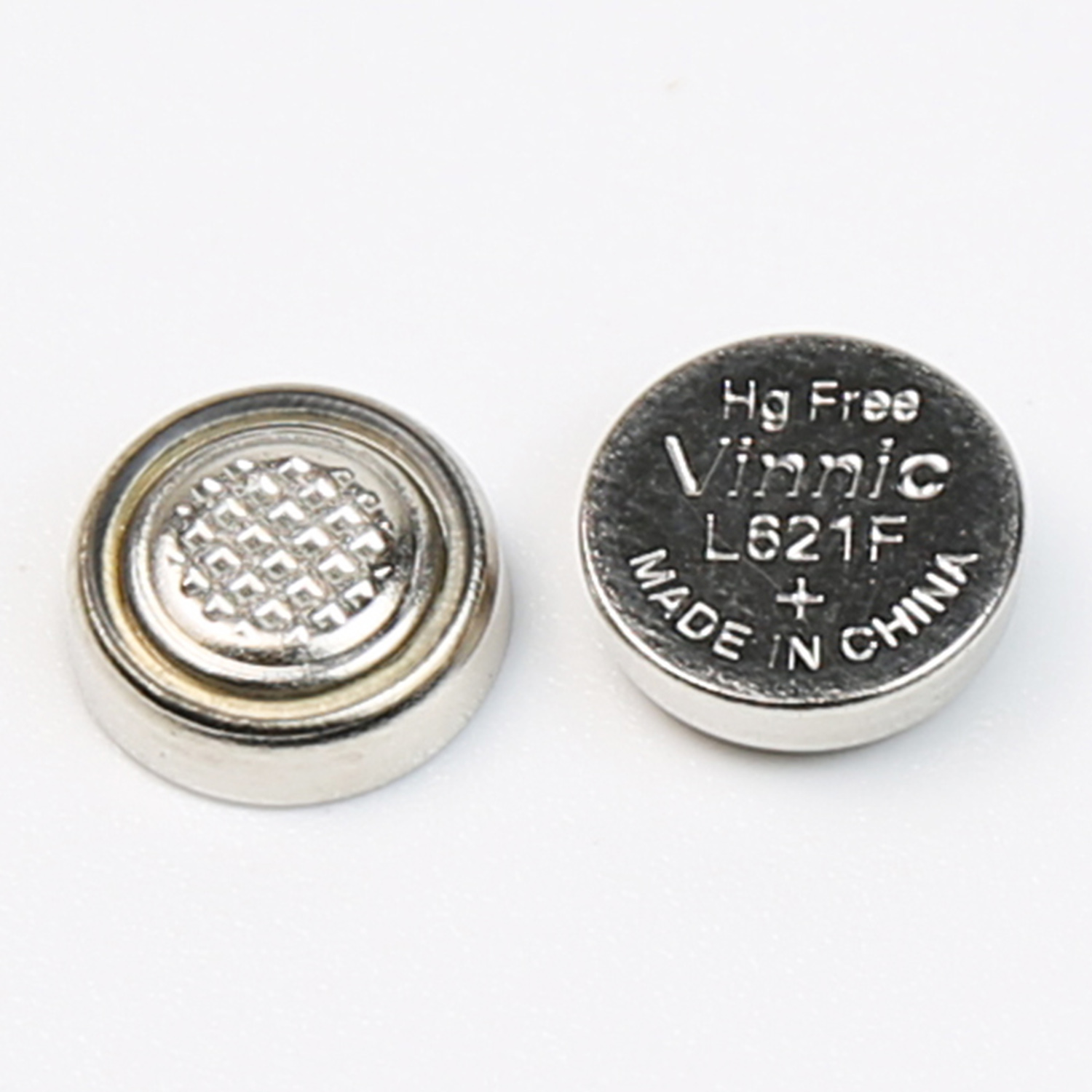
Available Vinnic product information identifies several characteristics that are relevant when evaluating button cells for dependable operation. These include high leakage resistance, a constant voltage level, a low self-discharge rate, and long running time. Together, these parameters can help support stable performance and reduce maintenance needs when the battery is correctly matched to the intended device.
- Leakage resistance: Important for protecting sensitive electronics and reducing the risk of battery-related damage.
- Voltage consistency: Helps devices that depend on a steady power supply maintain normal operation.
- Low self-discharge: Relevant for products that may remain stored or inactive for extended periods.
- Long running time: Supports applications where frequent battery replacement is inconvenient or undesirable.
These stated features are useful selection criteria, but they should not replace verification of temperature capability where extreme environmental exposure is expected.
Applications That Require Individual Evaluation
Vinnic Alkaline Manganese Button Cells are listed for mid-to-high-end quartz watches, pocket watches, wall clocks, sports stopwatches, laboratory precision timers, calculators, car key remotes, and precision instruments. Additional application examples include blood glucose meters, digital thermometers, laser pointers, multimeters, sensors, and small industrial counting devices.
Although these applications demonstrate broad usage potential, each product has its own power demand and environmental limitations. Buyers should evaluate battery requirements based on device voltage, load profile, operating duration, storage conditions, and exposure to high or low temperatures.
Quality and Manufacturing Controls
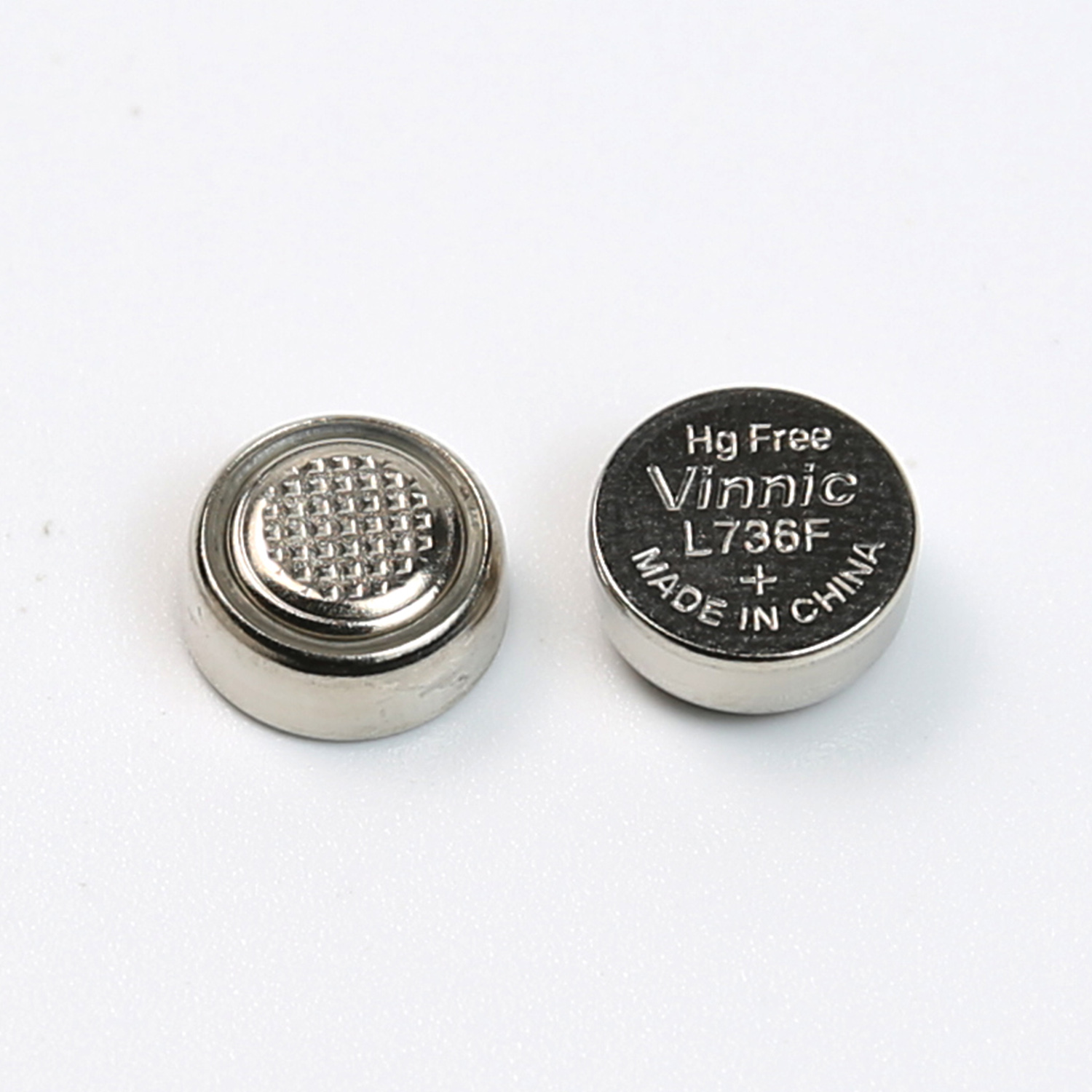
Consistent battery selection also depends on production and quality-control practices. Chung Pak Battery Works Limited lists incoming raw-material inspection, 100% inspection on production lines, and laboratory sampling and testing among its quality procedures. The company also holds ISO 9001:2015 and ISO 14001:2015 certifications.
Selection Criteria at a Glance
| Evaluation Item | Available Information and Recommended Action |
|---|---|
| Cell size and type | Confirm the precise button-cell format, voltage requirement, and physical fit specified by the device manufacturer. |
| Extreme-temperature use | No numerical temperature range is stated for the available Vinnic data; request documented suitability for the intended environment. |
| Leakage protection | High leakage resistance is listed as a product characteristic. |
| Voltage performance | A constant voltage level is listed as a product characteristic. |
| Storage behavior | A low self-discharge rate is listed as a product characteristic. |
| Quality practices | Listed controls include raw-material inspection, 100% production-line inspection, and laboratory sampling and testing. |
Frequently Asked Questions
Is battery size enough to determine whether a watch battery can handle extreme temperatures?
No. Correct dimensions are essential, but size alone does not prove suitability for hot or cold conditions. Confirm the device’s required cell specification and obtain the supplier’s technical documentation for the specific operating environment.
What Vinnic button-cell features should buyers consider?
The available product information lists high leakage resistance, constant voltage level, low self-discharge, and long running time. These points should be considered together with the device’s electrical requirements and verified environmental conditions.
What are the stated minimum order quantity and delivery time?
The listed minimum order quantity is 10,000 units, with a stated delivery time of 30 days. Chung Pak supports both distribution and direct-sales business models through its industrial-chain capabilities.
Conclusion
A dependable battery choice for extreme temperatures begins with the correct button-cell format, but it must also include documented confirmation of environmental suitability. Vinnic Alkaline Manganese Button Cells offer stated benefits related to leakage resistance, voltage stability, low self-discharge, and running time. However, applications exposed to severe heat or cold should always obtain product-specific temperature documentation before deployment.
Chung Pak lists ISO 9001:2015 and ISO 14001:2015 credentials, along with established inspection procedures. For technical support or detailed battery-solution information, contact vinnic@chungpak.com.
About Us
CHUNG PAK (GUANG DONG) BATTERY INDUSTRIAL CO., LTD was established in 1980 and manufactures batteries and button cells under the Vinnic brand. In addition to battery production, the company has expanded into paper separators, zinc materials, metal and plastic components, tooling, and machinery. Its stated manufacturing capabilities are supported by technical personnel, production facilities, chemical and physical inspection methods, and logistics operations.
The company lists annual production capacity exceeding 1.8 billion units and holds ISO 9001:2015 and IATF 16949:2016 certifications.
REPORT