







-
 Agriculture
-
 Health-Care
-
 Environment
-
 Construction-Real-Estate
-
 Tools-Hardware
-
 Home-Garden
-
 Furniture
-
 Luggage-Bags-Cases
-
 Medical-devices-Supplies
-
 Gifts-Crafts
-
 Sports-Entertainment
-
 Food-Beverage
-
 Vehicles-Transportation
-
 Power-Transmission
-
 Material-Handling
-
 Renewable-Energy
-
 Safety
-
 Testing-Instrument-Equipment
-
 Construction-Building-Machinery
-
 Pet-Supplies
-
 Personal-Care-Household-Cleaning
-
 Vehicle-Accessories-Electronics-Tools
-
 School-Office-Supplies
-
 Packaging-Printing
-
 Mother-Kids-Toys
-
 Business-Services
-
 Commercial-Equipment-Machinery
-
 Apparel-Accessories
-
 Security
-
 Shoes-Accessories
-
 Vehicle-Parts-Accessories
-
 Jewelry-Eyewear-Watches-Accessories
-
 Lights-Lighting
-
 Fabric-Textile-Raw-Material
-
 Fabrication-Services
-
 Industrial-Machinery
-
 Consumer-Electronics
-
 Electrical-Equipment-Supplies
-
 Electronic-Components-Accessories-Telecommunications
-
 Home-Appliances
-
 Beauty
-
 Chemicals
-
 Rubber-Plastics
-
 Metals-Alloys































































































































































































































































































































































































- Masonry Materials
- Curtain Walls & Accessories
- Earthwork Products
- Fireproofing Materials
- Heat Insulation Materials
- Plastic Building Materials
- Building Boards
- Soundproofing Materials
- Timber
- Waterproofing Materials
- Balustrades & Handrails
- Bathroom & Kitchen
- Flooring & Accessories
- Tiles & Accessories
- Door, Window & Accessories
- Fireplaces & Stoves
- Floor Heating Systems & Parts
- Stairs & Stair Parts
- Ceilings
- Elevators & Escalators
- Stone
- Countertops, Vanity Tops & Table Tops
- Mosaics
- Metal Building Materials
- Multifunctional Materials
- Ladders & Scaffoldings
- Mouldings
- Corner Guards
- Decorative Films
- Formwork
- Building & Industrial Glass
- Other Construction & Real Estate
- Wallpapers/Wall panels
- HVAC System & Parts
- Outdoor Facilities
- Prefabricated Buildings
- Festive & Party Supplies
- Bathroom Products
- Household Sundries
- Rain Gear
- Garden Supplies
- Household Cleaning Tools & Accessories
- Lighters & Smoking Accessories
- Home Storage & Organization
- Household Scales
- Smart Home Improvement
- Home Textiles
- Kitchenware
- Drinkware & Accessories
- Dinnerware, Coffee & Wine
- Home Decor
- Golf
- Fitness & Body Building
- Amusement Park Facilities
- Billiards, Board Game,Coin Operated Games
- Musical Instruments
- Outdoor Affordable Luxury Sports
- Camping & Hiking
- Fishing
- Sports Safety&Rehabilitation
- Ball Sports Equipments
- Water Sports
- Winter Sports
- Luxury Travel Equipments
- Sports Shoes, Bags & Accessories
- Cycling
- Other Sports & Entertainment Products
- Artificial Grass&Sports Flooring&Sports Court Equipment
- Scooters
- Food Ingredients
- Honey & Honey Products
- Snacks
- Nuts & Kernels
- Seafood
- Plant & Animal Oil
- Beverages
- Fruit & Vegetable Products
- Frog & Escargot
- Bean Products
- Egg Products
- Dairy Products
- Seasonings & Condiments
- Canned Food
- Instant Food
- Baked Goods
- Other Food & Beverage
- Meat & Poultry
- Confectionery
- Grain Products
- Feminie Care
- Hair Care & Styling
- Body Care
- Hands & Feet Care
- Hygiene Products
- Men's Grooming
- Laundry Cleaning Supplies
- Travel Size & Gift Sets
- Room Deodorizers
- Other Personal Care Products
- Pest Control Products
- Special Household Cleaning
- Floor Cleaning
- Kitchen & Bathroom Cleaning
- Oral Care
- Bath Supplies
- Yellow Pages
- Correction Supplies
- Office Binding Supplies
- Office Cutting Supplies
- Board Erasers
- Office Adhesives & Tapes
- Education Supplies
- Pencil Cases & Bags
- Notebooks & Writing Pads
- File Folder Accessories
- Calendars
- Writing Accessories
- Commercial Office Supplies
- Pencil Sharpeners
- Pens
- Letter Pad/Paper
- Paper Envelopes
- Desk Organizers
- Pencils
- Markers & Highlighters
- Filing Products
- Art Supplies
- Easels
- Badge Holder & Accessories
- Office Paper
- Printer Supplies
- Book Covers
- Other Office & School Supplies
- Stationery Set
- Boards
- Clipboards
- Stamps
- Drafting Supplies
- Stencils
- Electronic Dictionary
- Books
- Map
- Magazines
- Calculators
- Baby & Toddler Toys
- Educational Toys
- Classic Toys
- Dress Up & Pretend Play
- Toy Vehicle
- Stuffed Animals & Plush Toys
- Outdoor Toys & Structures
- Balloons & Accessories
- Baby Food
- Children's Clothing
- Baby Supplies & Products
- Maternity Clothes
- Kids Shoes
- Baby Care
- Novelty & Gag Toys
- Dolls & Accessories
- Puzzle & Games
- Blocks & Model Building Toys
- Toddler Clothing
- Baby Clothing
- Kids' Luggage & Bags
- Arts, Crafts & DIY Toys
- Action & Toy Figures
- Baby Appliances
- Hobbies & Models
- Remote Control Toys
- Promotional Toys
- Pregnancy & Maternity
- Hygiene Products
- Kid's Textile&Bedding
- Novelty & Special Use
- Toy Weapons
- Baby Gifts
- Baby Storage & Organization
- Auto Drive Systems
- ATV/UTV Parts & Accessories
- Marine Parts & Accessories
- Other Auto Parts
- Trailer Parts & Accessories
- Auto Transmission Systems
- Train Parts & Accessories
- Universal Parts
- Railway Parts & Accessories
- Auto Brake Systems
- Aviation Parts & Accessories
- Truck Parts & Accessories
- Auto Suspension Systems
- Auto Lighting Systems
- New Energy Vehicle Parts & Accessories
- Auto Steering Systems
- Wheels, Tires & Accessories
- Bus Parts & Accessories
- Auto Performance Parts
- Cooling System
- Go-Kart & Kart Racer Parts & Accessories
- Air Conditioning Systems
- Heavy Duty Vehicle Parts & Accessories
- Auto Electrical Systems
- Auto Body Systems
- Auto Engine Systems
- Container Parts & Accessories
- Motorcycle Parts & Accessories
- Refrigeration & Heat Exchange Equipment
- Machine Tool Equipment
- Food & Beverage Machinery
- Agricultural Machinery & Equipment
- Apparel & Textile Machinery
- Chemical Machinery
- Packaging Machines
- Paper Production Machinery
- Plastic & Rubber Processing Machinery
- Industrial Robots
- Electronic Products Machinery
- Metal & Metallurgy Machinery
- Woodworking Machinery
- Home Product Manufacturing Machinery
- Machinery Accessories
- Environmental Machinery
- Machinery Service
- Electrical Equipment Manufacturing Machinery
- Industrial Compressors & Parts
- Tobacco & Cigarette Machinery
- Production Line
- Used Industrial Machinery
- Electronics Production Machinery
- Other Machinery & Industrial Equipment
- Camera, Photo & Accessories
- Portable Audio, Video & Accessories
- Television, Home Audio, Video & Accessories
- Video Games & Accessories
- Mobile Phone & Accessories
- Electronic Publications
- Earphone & Headphone & Accessories
- Speakers & Accessories
- Smart Electronics
- TV Receivers & Accessories
- Mobile Phone & Computer Repair Parts
- Chargers, Batteries & Power Supplies
- Used Electronics
- VR, AR, MR Hardware & Software
- Projectors & Presentation Equipments
- Other Consumer Electronics
- Cables & Commonly Used Accessories
- Computer Hardware & Software
- Displays, Signage and Optoelectronics
- Discrete Semiconductors
- Wireless & IoT Module and Products
- Telecommunications
- Connectors, Terminals & Accessories
- Development Boards, Electronic Modules and Kits
- Circuit Protection
- Sensors
- Isolators
- Audio Components and Products
- Integrated Circuits
- Power Supplies
- Relays
- RF, Microwave and RFID
- Electronic Accessories & Supplies
- Passive Components
- PCB & PCBA
- Air Quality Appliances
- Home Appliance Parts
- Heating & Cooling Appliances
- Small Kitchen Appliances
- Laundry Appliances
- Water Heaters
- Water Treatment Appliances
- Refrigerators & Freezers
- Personal Care & Beauty Appliances
- Major Kitchen Appliances
- Cleaning Appliances
- Second-hand Appliances
- Smart Home Appliances
- Other Home Appliances
- Energy Chemicals
- Inorganic Chemicals
- Basic Organic Chemicals
- Agrochemicals
- Admixture & Additives
- Catalysts & Chemical Auxiliary Agents
- Pigments & Dyestuff
- Coating & Paint
- Daily Chemicals
- Polymer
- Organic Intermediate
- Adhesives & Sealants
- Chemical Waste
- Biological Chemical Products
- Surface Treatment Chemicals
- Painting & Coating
- Chemical Reagents
- Flavor & Fragrance
- Non-Explosive Demolition Agents
- Other Chemicals
- Custom Chemical Services

How to Select Plastic Tooling for Consistent Tight-Tolerance Production
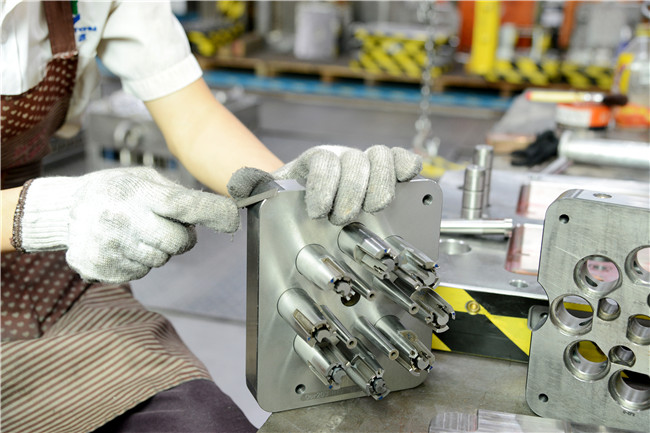
Selecting plastic tooling for demanding production requires more than choosing a mold based on its initial price or delivery date. The mold material, compatible resin, cavity arrangement, surface finish, expected service life, and inspection process must all support the required dimensional accuracy. For applications requiring repeatable results, tooling made from P20, 718H, or 1.2738 steel, used with ABS, PC, or PP, can be specified with tolerances as tight as ±0.02 mm when validated through mold trials and dimensional inspections.
What to Evaluate Before Ordering Plastic Tooling
A reliable tooling decision begins with measurable production requirements. Define the plastic resin, part geometry, annual volume, cosmetic expectations, and dimensional limits before discussing the mold structure with a supplier. This information helps determine whether a single-cavity or multi-cavity mold is appropriate and whether the tooling life matches the complete production plan.
Material Compatibility and Mold Construction
The mold material should be selected according to the resin, projected shot count, part design, and required surface quality. The listed tooling options include P20, 718H, and 1.2738 steel, while compatible production materials include ABS, PC, and PP. Matching these materials correctly helps reduce dimensional variation and supports stable molding conditions across the production run.
Precision, Cavities, and Surface Finish
For precision plastic parts, the supplier should clearly state the dimensional capability of the mold. A specified tolerance of ±0.02 mm provides a measurable reference for sample approval and ongoing quality control. Single-cavity tooling may be suitable for lower volumes or complex development work, while multi-cavity tooling can improve output for larger orders. In either case, cavity-to-cavity consistency must be verified.
The required appearance should also be defined during tooling design. Polished, textured, and matte finishes are available options, and each should be checked against the visible areas of the finished component. Cosmetic inspection is especially important for electronic housings, appliance panels, control covers, and other exterior parts.
How to Confirm Repeatability During Production
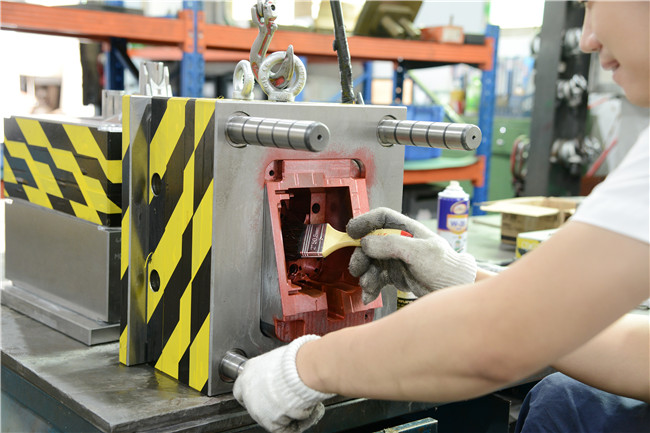
A tight tolerance stated on a drawing is only useful when the tooling can maintain it in practice. Before the mold is released for regular production, request a mold trial, dimensional inspection, and complete pre-shipment verification. These steps establish whether the trial parts meet the approved specifications and reveal potential issues with shrinkage, warpage, filling, or cavity balance.
For a multi-cavity mold, inspection should include samples from the relevant cavities rather than relying on a result from only one cavity. This provides a clearer view of cavity-to-cavity variation. For parts with exposed surfaces, dimensional inspection should be combined with checks for polishing quality, texture uniformity, matte consistency, flash, sink marks, and other visible defects.
Tooling life is another important production control. The stated service range for this tooling is 50,000 to 800,000 shots. Compare that range with the planned order quantity, forecast demand, maintenance schedule, and expected product life before finalizing the mold specification.
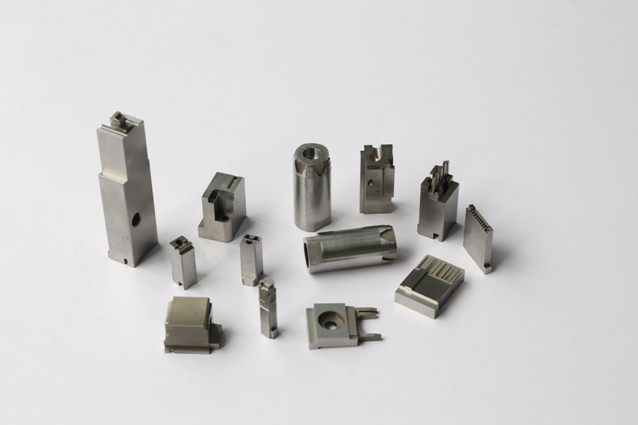
Applications and Custom Tooling Experience
Longterm Mold lists consumer electronics, home appliances, automotive components, industrial equipment, and daily consumer products among its application areas. The tooling can therefore be adapted for electronic shells, connectors, accessories, appliance housings, control panels, and industrial equipment covers.
Reported project experience includes three electronic housing molds for a handheld device component in Italy, eight double-shot overmolding molds for a consumer electronics shell in France, seven home appliance molds for a United States distributor, and one industrial plastic component mold for an Australian manufacturer. The reported project feedback covers dimensional precision, smooth surfaces, stable trial samples, specification compliance, and technical issue resolution.
Plastic Tooling Selection Comparison
| Evaluation area | Available specification | Production benefit |
|---|---|---|
| Mold steel and plastic resin | P20, 718H, or 1.2738; ABS, PC, or PP | Creates a material combination suited to the application and expected molding conditions. |
| Dimensional accuracy and cavity design | ±0.02 mm tolerance; single- or multi-cavity tooling | Supports controlled dimensions and allows cavity consistency to be evaluated. |
| Part appearance | Polished, textured, or matte surfaces | Sets the visual standard for the finished plastic component and its inspection process. |
| Validation procedure | Mold trial, dimensional inspection, and full pre-shipment check | Confirms that approved samples meet requirements before regular production begins. |
| Expected mold life | 50,000 to 800,000 shots | Helps determine whether the tooling can support the planned production volume. |
Frequently Asked Questions
Which mold steel is suitable for a tight-tolerance electronic housing?
The listed tooling supports P20, 718H, and 1.2738 mold materials. The best selection depends on the production volume, ABS, PC, or PP resin, required surface quality, and dimensional specification.
How should dimensional consistency be verified before production?
Ask for a mold trial, dimensional inspection, and full pre-shipment check. When the tool has multiple cavities, samples should be reviewed from the relevant cavities to confirm consistent results across the mold.
What custom tooling and production services are available?
Available service models include OEM plastic injection molds, custom mold making with injection molding, high-precision molds for double-shot and overmolding applications, and mold development followed by plastic injection mass production. The listed minimum order is one set, with a stated delivery period of 20–35 days.
Final Recommendations
Choose plastic tooling by translating the production requirement into verifiable specifications. Confirm the mold steel and resin compatibility, define the ±0.02 mm precision target where applicable, select the correct cavity layout, document the surface finish, and compare the 50,000-to-800,000-shot mold-life range with the expected volume. Release the tool only after trial samples, dimensional results, cavity consistency, and cosmetic quality have been reviewed.
Longterm Mold provides one-set minimum orders and supports mold development together with injection molding mass production. For a detailed tooling proposal or technical assistance, contact rogerluo@longterm-mold.com.
About Longterm Mold
Longterm Manufacturing Solutions Limited, also known as Longterm Mold, was established in 2010 and serves customers in the United States, Europe, Australia, and other international markets. The company has 50 employees and a five-engineer R&D team focused on mold design and precision machining. Its capabilities include mold design, tooling, precision machining, mold manufacturing, and plastic parts production. The company is ISO 9001:2015 certified and has supported projects across several industries.

REPORT