







-
 Agriculture
-
 Health-Care
-
 Environment
-
 Construction-Real-Estate
-
 Tools-Hardware
-
 Home-Garden
-
 Furniture
-
 Luggage-Bags-Cases
-
 Medical-devices-Supplies
-
 Gifts-Crafts
-
 Sports-Entertainment
-
 Food-Beverage
-
 Vehicles-Transportation
-
 Power-Transmission
-
 Material-Handling
-
 Renewable-Energy
-
 Safety
-
 Testing-Instrument-Equipment
-
 Construction-Building-Machinery
-
 Pet-Supplies
-
 Personal-Care-Household-Cleaning
-
 Vehicle-Accessories-Electronics-Tools
-
 School-Office-Supplies
-
 Packaging-Printing
-
 Mother-Kids-Toys
-
 Business-Services
-
 Commercial-Equipment-Machinery
-
 Apparel-Accessories
-
 Security
-
 Shoes-Accessories
-
 Vehicle-Parts-Accessories
-
 Jewelry-Eyewear-Watches-Accessories
-
 Lights-Lighting
-
 Fabric-Textile-Raw-Material
-
 Fabrication-Services
-
 Industrial-Machinery
-
 Consumer-Electronics
-
 Electrical-Equipment-Supplies
-
 Electronic-Components-Accessories-Telecommunications
-
 Home-Appliances
-
 Beauty
-
 Chemicals
-
 Rubber-Plastics
-
 Metals-Alloys


























































































































































































































































































































































































































































































































































































- Masonry Materials
- Curtain Walls & Accessories
- Earthwork Products
- Fireproofing Materials
- Heat Insulation Materials
- Plastic Building Materials
- Building Boards
- Soundproofing Materials
- Timber
- Waterproofing Materials
- Balustrades & Handrails
- Bathroom & Kitchen
- Flooring & Accessories
- Tiles & Accessories
- Door, Window & Accessories
- Fireplaces & Stoves
- Floor Heating Systems & Parts
- Stairs & Stair Parts
- Ceilings
- Elevators & Escalators
- Stone
- Countertops, Vanity Tops & Table Tops
- Mosaics
- Metal Building Materials
- Multifunctional Materials
- Ladders & Scaffoldings
- Mouldings
- Corner Guards
- Decorative Films
- Formwork
- Building & Industrial Glass
- Other Construction & Real Estate
- Wallpapers/Wall panels
- HVAC System & Parts
- Outdoor Facilities
- Prefabricated Buildings
- Festive & Party Supplies
- Bathroom Products
- Household Sundries
- Rain Gear
- Garden Supplies
- Household Cleaning Tools & Accessories
- Lighters & Smoking Accessories
- Home Storage & Organization
- Household Scales
- Smart Home Improvement
- Home Textiles
- Kitchenware
- Drinkware & Accessories
- Dinnerware, Coffee & Wine
- Home Decor
- Golf
- Fitness & Body Building
- Amusement Park Facilities
- Billiards, Board Game,Coin Operated Games
- Musical Instruments
- Outdoor Affordable Luxury Sports
- Camping & Hiking
- Fishing
- Sports Safety&Rehabilitation
- Ball Sports Equipments
- Water Sports
- Winter Sports
- Luxury Travel Equipments
- Sports Shoes, Bags & Accessories
- Cycling
- Other Sports & Entertainment Products
- Artificial Grass&Sports Flooring&Sports Court Equipment
- Scooters
- Food Ingredients
- Honey & Honey Products
- Snacks
- Nuts & Kernels
- Seafood
- Plant & Animal Oil
- Beverages
- Fruit & Vegetable Products
- Frog & Escargot
- Bean Products
- Egg Products
- Dairy Products
- Seasonings & Condiments
- Canned Food
- Instant Food
- Baked Goods
- Other Food & Beverage
- Meat & Poultry
- Confectionery
- Grain Products
- Feminie Care
- Hair Care & Styling
- Body Care
- Hands & Feet Care
- Hygiene Products
- Men's Grooming
- Laundry Cleaning Supplies
- Travel Size & Gift Sets
- Room Deodorizers
- Other Personal Care Products
- Pest Control Products
- Special Household Cleaning
- Floor Cleaning
- Kitchen & Bathroom Cleaning
- Oral Care
- Bath Supplies
- Yellow Pages
- Correction Supplies
- Office Binding Supplies
- Office Cutting Supplies
- Board Erasers
- Office Adhesives & Tapes
- Education Supplies
- Pencil Cases & Bags
- Notebooks & Writing Pads
- File Folder Accessories
- Calendars
- Writing Accessories
- Commercial Office Supplies
- Pencil Sharpeners
- Pens
- Letter Pad/Paper
- Paper Envelopes
- Desk Organizers
- Pencils
- Markers & Highlighters
- Filing Products
- Art Supplies
- Easels
- Badge Holder & Accessories
- Office Paper
- Printer Supplies
- Book Covers
- Other Office & School Supplies
- Stationery Set
- Boards
- Clipboards
- Stamps
- Drafting Supplies
- Stencils
- Electronic Dictionary
- Books
- Map
- Magazines
- Calculators
- Baby & Toddler Toys
- Educational Toys
- Classic Toys
- Dress Up & Pretend Play
- Toy Vehicle
- Stuffed Animals & Plush Toys
- Outdoor Toys & Structures
- Balloons & Accessories
- Baby Food
- Children's Clothing
- Baby Supplies & Products
- Maternity Clothes
- Kids Shoes
- Baby Care
- Novelty & Gag Toys
- Dolls & Accessories
- Puzzle & Games
- Blocks & Model Building Toys
- Toddler Clothing
- Baby Clothing
- Kids' Luggage & Bags
- Arts, Crafts & DIY Toys
- Action & Toy Figures
- Baby Appliances
- Hobbies & Models
- Remote Control Toys
- Promotional Toys
- Pregnancy & Maternity
- Hygiene Products
- Kid's Textile&Bedding
- Novelty & Special Use
- Toy Weapons
- Baby Gifts
- Baby Storage & Organization
- Auto Drive Systems
- ATV/UTV Parts & Accessories
- Marine Parts & Accessories
- Other Auto Parts
- Trailer Parts & Accessories
- Auto Transmission Systems
- Train Parts & Accessories
- Universal Parts
- Railway Parts & Accessories
- Auto Brake Systems
- Aviation Parts & Accessories
- Truck Parts & Accessories
- Auto Suspension Systems
- Auto Lighting Systems
- New Energy Vehicle Parts & Accessories
- Auto Steering Systems
- Wheels, Tires & Accessories
- Bus Parts & Accessories
- Auto Performance Parts
- Cooling System
- Go-Kart & Kart Racer Parts & Accessories
- Air Conditioning Systems
- Heavy Duty Vehicle Parts & Accessories
- Auto Electrical Systems
- Auto Body Systems
- Auto Engine Systems
- Container Parts & Accessories
- Motorcycle Parts & Accessories
- Refrigeration & Heat Exchange Equipment
- Machine Tool Equipment
- Food & Beverage Machinery
- Agricultural Machinery & Equipment
- Apparel & Textile Machinery
- Chemical Machinery
- Packaging Machines
- Paper Production Machinery
- Plastic & Rubber Processing Machinery
- Industrial Robots
- Electronic Products Machinery
- Metal & Metallurgy Machinery
- Woodworking Machinery
- Home Product Manufacturing Machinery
- Machinery Accessories
- Environmental Machinery
- Machinery Service
- Electrical Equipment Manufacturing Machinery
- Industrial Compressors & Parts
- Tobacco & Cigarette Machinery
- Production Line
- Used Industrial Machinery
- Electronics Production Machinery
- Other Machinery & Industrial Equipment
- Camera, Photo & Accessories
- Portable Audio, Video & Accessories
- Television, Home Audio, Video & Accessories
- Video Games & Accessories
- Mobile Phone & Accessories
- Electronic Publications
- Earphone & Headphone & Accessories
- Speakers & Accessories
- Smart Electronics
- TV Receivers & Accessories
- Mobile Phone & Computer Repair Parts
- Chargers, Batteries & Power Supplies
- Used Electronics
- VR, AR, MR Hardware & Software
- Projectors & Presentation Equipments
- Other Consumer Electronics
- Cables & Commonly Used Accessories
- Computer Hardware & Software
- Displays, Signage and Optoelectronics
- Discrete Semiconductors
- Wireless & IoT Module and Products
- Telecommunications
- Connectors, Terminals & Accessories
- Development Boards, Electronic Modules and Kits
- Circuit Protection
- Sensors
- Isolators
- Audio Components and Products
- Integrated Circuits
- Power Supplies
- Relays
- RF, Microwave and RFID
- Electronic Accessories & Supplies
- Passive Components
- PCB & PCBA
- Air Quality Appliances
- Home Appliance Parts
- Heating & Cooling Appliances
- Small Kitchen Appliances
- Laundry Appliances
- Water Heaters
- Water Treatment Appliances
- Refrigerators & Freezers
- Personal Care & Beauty Appliances
- Major Kitchen Appliances
- Cleaning Appliances
- Second-hand Appliances
- Smart Home Appliances
- Other Home Appliances
- Energy Chemicals
- Inorganic Chemicals
- Basic Organic Chemicals
- Agrochemicals
- Admixture & Additives
- Catalysts & Chemical Auxiliary Agents
- Pigments & Dyestuff
- Coating & Paint
- Daily Chemicals
- Polymer
- Organic Intermediate
- Adhesives & Sealants
- Chemical Waste
- Biological Chemical Products
- Surface Treatment Chemicals
- Painting & Coating
- Chemical Reagents
- Flavor & Fragrance
- Non-Explosive Demolition Agents
- Other Chemicals
- Custom Chemical Services

How to Set an Acceptable Defect Rate for Men’s Sunglasses Shipments
Setting a Defensible Acceptance Standard
For a commercial shipment of men’s sunglasses, the acceptable defect rate should come from the purchase contract and approved inspection standard. The available supplier information does not state a fixed numerical limit, so buyers should not assume a percentage without written agreement. Before manufacturing begins, define the sampling plan, defect categories, acceptance criteria, inspection evidence, and remedies for nonconforming goods.
This approach is particularly important for custom logo polarized clip-on sunglasses. A clear standard helps both parties determine whether a shipment can be released, requires sorting, or must be corrected before delivery.
Inspection Priorities for Custom Sunglasses
A pre-shipment inspection should evaluate the features that affect product performance, appearance, and resale value. Inspect lens surfaces for scratches, cloudiness, or other damage, and verify that the polarization and UV400 specifications match the approved product requirements.
The clip-on mechanism should attach securely and align correctly with the main frame. Inspectors should also check frame symmetry, hinge movement, color consistency, printing quality, and the accuracy of the custom logo. Packaging should be assessed as a separate category because damaged packaging may reduce sellable inventory even when the sunglasses themselves function properly.
Recommended Defect Categories
- Cosmetic defects: scratches, uneven finishes, color variation, incomplete printing, or visible surface marks.
- Functional defects: unstable clip-ons, incorrect lens alignment, loose hinges, frame distortion, or lens problems that interfere with use.
- Packaging defects: crushed cartons, damaged cases, incorrect labels, or insufficient protective materials.
How to Document the Release Decision
The inspection report should identify the product name, production batch, inspection date, sample quantity, sampling method, observed defects, photographs, and final disposition. Cosmetic, functional, and packaging findings should be listed independently so the commercial impact of each issue is clear.
Release the shipment only when the recorded findings fall within the threshold agreed in writing. If the contract has no numerical acceptance rate, pause the release decision and obtain written confirmation from the buyer and supplier. An internal tolerance should not automatically become a contractual standard.
Yiwu Green Shine Arts & Crafts Co., Ltd states that it specializes in fashion eyewear and supports OEM and ODM orders. The company reports annual production of more than 3 million pairs of sunglasses and an export ratio of 90%, serving markets such as the United States, Spain, Germany, Australia, Italy, France, and Ireland.
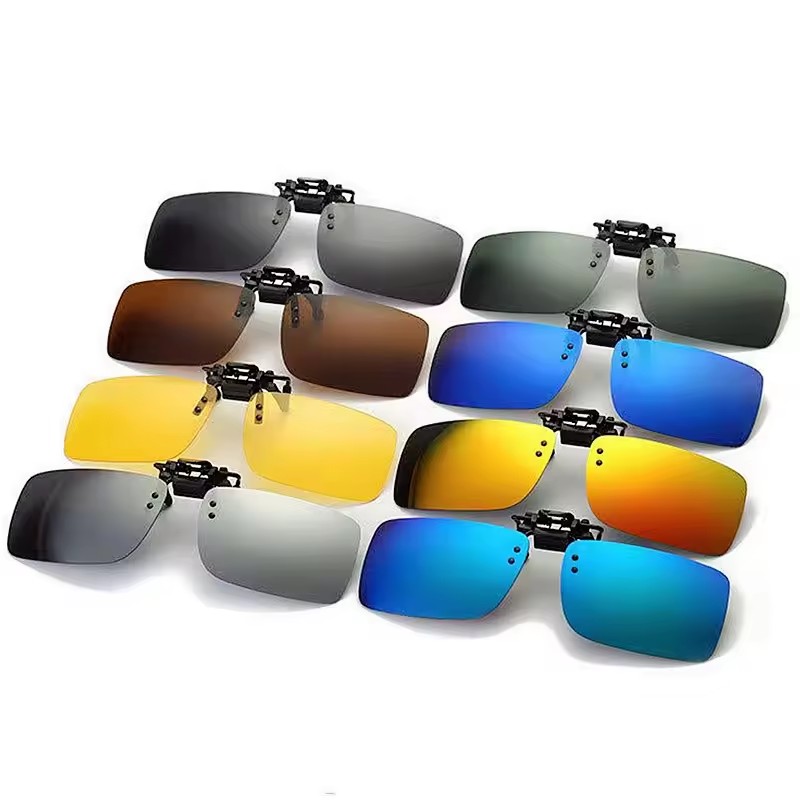
The following product image represents the custom logo polarized clip-on sunglasses referenced in this article.
Inspection and Shipment Options
| Method or condition | Recommended application |
|---|---|
| Written numerical threshold | Use this as the primary release standard when the inspection result stays within the agreed limit. |
| No stated percentage | Do not invent a defect allowance; secure written agreement before production approval or shipment release. |
| Separate defect classifications | Record cosmetic, functional, and packaging problems independently to support an appropriate remedy. |
| Pre-shipment spot inspection | Use a documented batch-level inspection consistent with the supplier’s stated inspection process. |
| Available transport methods | Sea freight, land transportation, and air freight are listed options. |
Frequently Asked Questions
What percentage of defects is acceptable when no rate appears in the contract?
There is no supportable numerical answer from the supplied information. Ask the supplier and buyer to approve a written defect threshold, sampling procedure, and inspection standard before shipment.
Which defects should be treated as the most serious?
Prioritize issues that affect use, compliance, or resale value. These include damaged lenses, incorrect polarization or UV400 performance, insecure clip-ons, frame misalignment, defective hinges, and inaccurate logo execution. Packaging concerns should remain separately documented.
What should happen when the inspection exceeds the agreed limit?
Place the shipment on hold and preserve the inspection evidence. Depending on the purchase agreement, request rework, replacement, additional sorting, a price adjustment, or another contractual remedy.
Conclusion and Practical Recommendation
The correct defect rate for a commercial men’s sunglasses shipment is the written rate agreed by the contracting parties, supported by a documented inspection result. The available company information confirms OEM and ODM capability, pre-shipment inspection, and several shipping options, but it does not establish a specific numerical defect limit. Define the standard before production, inspect the custom logo polarized clip-ons by defect category, and retain batch-level records for every release decision. For technical support or detailed solutions, contact leoxiao@cngreenshine.com.
About the Supplier
Yiwu Green Shine Arts & Crafts Co., Ltd was founded in 2016 in Yiwu, Zhejiang Province. Its product range includes fashion sunglasses, optical frames, acetate sunglasses, children’s sunglasses, and reading glasses. The company occupies 130 square meters, employs 10 people, supports OEM and ODM projects, and mainly exports to the United States, Spain, Germany, Australia, Italy, France, and Ireland.

REPORT